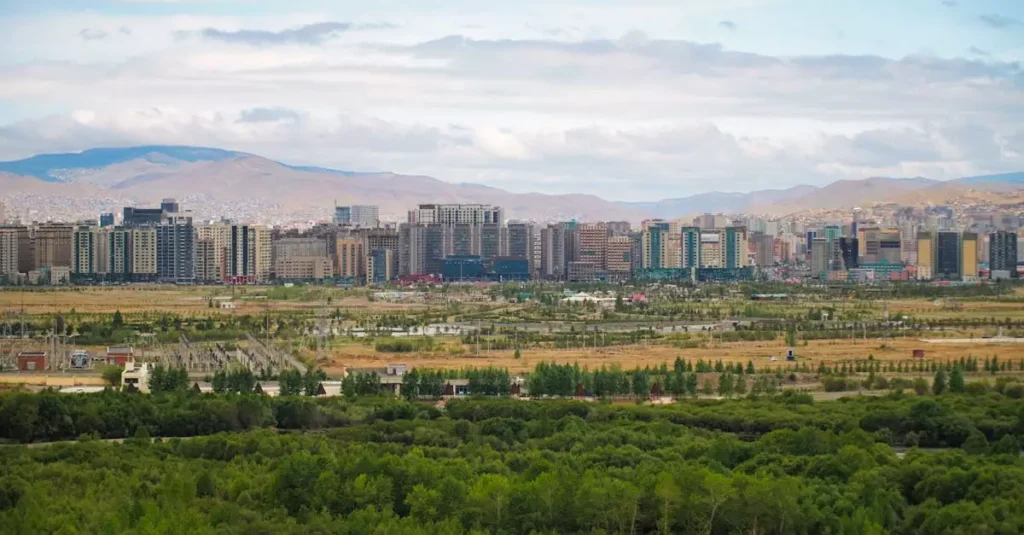
Planning a journey to Mongolia requires careful consideration of travel essentials and their associated costs, particularly when preparing for the diverse landscapes and extreme weather conditions you’ll encounter. Understanding Mongolia travel essentials cost is crucial for budget-conscious travelers who want to experience this remarkable destination without overspending on gear and supplies. From the bustling capital of Ulaanbaatar to the remote steppes and desert regions, having the right equipment can make or break your Mongolian adventure.
The cost of travel essentials for Mongolia varies significantly depending on the season of your visit, the activities you plan to undertake, and the quality of gear you choose to purchase or rent. Budget travelers can expect to spend anywhere from $200 to $500 on essential items, while those seeking premium gear and maximum comfort might invest $800 to $1,500 or more. These figures encompass everything from appropriate clothing and footwear to camping equipment, electronics, and personal care items specifically suited to Mongolia’s challenging environment.
Smart travelers often find that investing in quality essentials before departure proves more economical than purchasing items in Mongolia, where imported outdoor gear commands premium prices and selection may be limited. However, certain items like traditional Mongolian clothing, local crafts, and basic supplies can be found at reasonable prices in Ulaanbaatar’s markets. The key lies in understanding which items to bring from home and which to source locally, balancing cost-effectiveness with practicality for your specific itinerary and travel style.
Essential Clothing and Layering Systems
Mongolia’s extreme temperature variations demand a sophisticated layering system that can adapt to conditions ranging from scorching summer heat to bone-chilling winter cold. A quality base layer system forms the foundation of your clothing arsenal, with merino wool or synthetic moisture-wicking materials being essential. Expect to invest $40-80 for a good base layer top and bottom set, though premium brands can cost $100-150. Mid-layer insulation pieces, such as fleece jackets or down vests, typically range from $60-200 depending on brand and insulation quality.
Outer shell layers represent perhaps the most critical investment for Mongolian travel, as they must withstand fierce winds, sudden precipitation, and temperature extremes. A reliable waterproof and windproof jacket costs between $150-400, while budget options start around $80 but may compromise on durability and breathability. Insulated winter jackets become essential for cold-season travel, with prices ranging from $200-600 for expedition-quality gear. Don’t overlook the importance of proper headwear, gloves, and neck protection, which collectively add another $50-150 to your clothing budget.
Footwear deserves special attention given Mongolia’s varied terrain and weather conditions. Sturdy hiking boots capable of handling rocky terrain, river crossings, and temperature extremes typically cost $120-300. Winter travelers need insulated boots rated for extreme cold, adding $150-400 to the budget. Many experienced travelers recommend bringing multiple footwear options, including lightweight camp shoes and waterproof boots, which can add another $80-150 to overall costs. Traditional Mongolian boots, available locally, offer an authentic and often more affordable alternative for certain activities.
Camping and Accommodation Gear
Mongolia’s vast wilderness areas often necessitate camping equipment, even for travelers planning to stay in ger camps or guesthouses, as weather delays or remote excursions may require overnight outdoor stays. A quality four-season tent capable of withstanding Mongolia’s notorious winds represents a significant but essential investment, typically costing $300-800 for models suitable for the harsh conditions. Three-season tents, adequate for summer travel, can be found for $150-400, though they may struggle with unexpected weather changes that are common in Mongolia’s unpredictable climate.
Sleeping systems require careful consideration of temperature ratings and packability, as nighttime temperatures can drop dramatically even during summer months. A sleeping bag rated for temperatures 10-15 degrees below expected minimums costs $150-500, depending on insulation type and brand. Sleeping pads provide crucial insulation from the ground and typically cost $50-200, with closed-cell foam pads offering budget-friendly options around $20-40. Winter camping requires more specialized gear, with sleeping bags rated for extreme cold costing $400-800 or more.
Cooking equipment and food storage solutions add another layer of expense but provide independence and cost savings over time. A reliable camping stove with fuel costs $60-150, while lightweight backpacking stoves start around $30-80. Cookware sets range from $40-120, with titanium options commanding premium prices but offering significant weight savings. Water filtration systems become essential in many areas of Mongolia, with portable filters costing $30-150 and replacement filters adding ongoing expenses. Bear-resistant food storage containers, while not always necessary, provide peace of mind in certain regions and cost $80-200.
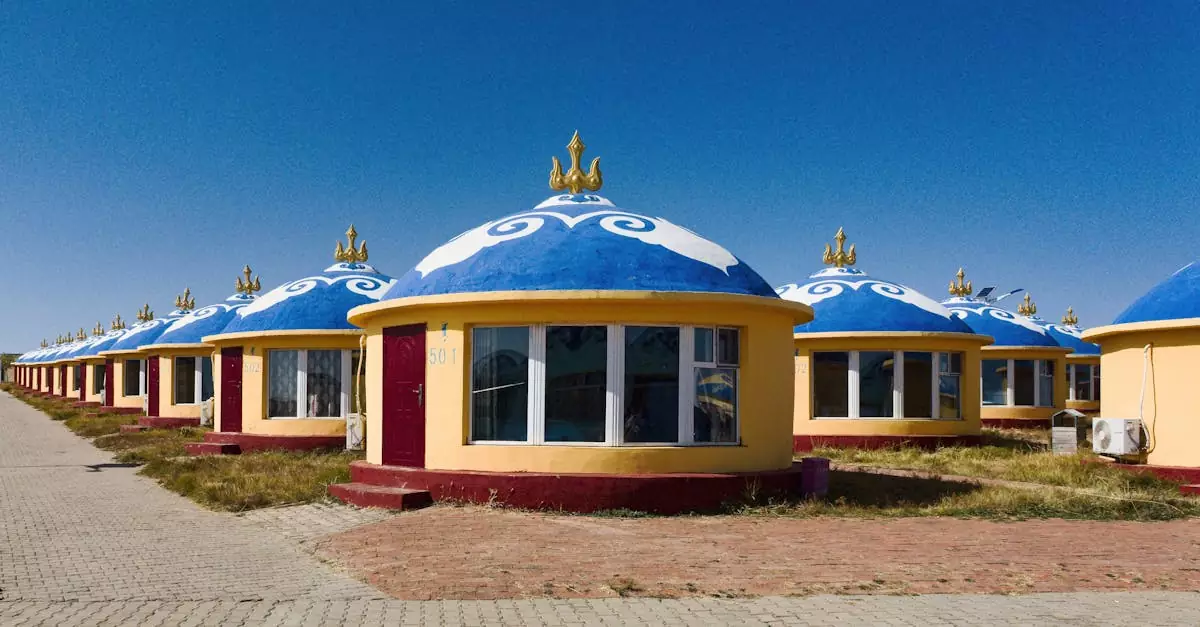
Electronics and Communication Devices
Reliable electronics serve dual purposes in Mongolia: ensuring safety through communication and navigation while documenting your incredible journey. GPS devices or smartphone navigation apps become essential when traveling beyond major cities, as road signs may be limited and landscapes can appear deceptively similar. Dedicated GPS units cost $150-400, while smartphone apps offer more affordable alternatives provided you have adequate battery backup. Satellite communicators, increasingly popular for remote travel, range from $200-500 with ongoing subscription fees of $15-50 monthly.
Power management presents unique challenges in Mongolia’s remote areas, making portable charging solutions essential investments. High-capacity power banks capable of multiple device charges cost $50-150, while solar charging panels add $80-300 to your electronics budget. Many travelers find that bringing multiple smaller power banks proves more practical than single large units, as they can be distributed among group members and provide redundancy if one fails. Car chargers and adapter plugs for different outlet types add another $20-50 to overall costs.
Camera equipment deserves special consideration given Mongolia’s spectacular photographic opportunities, but also requires protection from dust, moisture, and extreme temperatures. Weather-sealed camera bodies and lenses command premium prices, with basic weather protection starting around $800-1200 for a camera and lens combination. Protective cases, extra batteries, and memory cards add $100-300 to photography budgets. Action cameras offer more affordable alternatives for documenting adventures, typically costing $100-400, though they may lack the image quality desired for landscape photography.
Health and Safety Equipment
Comprehensive medical kits become non-negotiable when traveling in Mongolia’s remote regions, where medical facilities may be hours or days away. Pre-assembled wilderness medical kits cost $80-200, though many experienced travelers prefer assembling custom kits tailored to their specific needs and medical conditions. Essential medications, including prescription drugs, altitude sickness prevention, and broad-spectrum antibiotics, can add $50-150 to medical preparations. Travelers with specific medical conditions should budget additional amounts for specialized medications and monitoring equipment.
Sun protection assumes critical importance in Mongolia’s high-altitude environment and reflective landscapes, where UV exposure can cause severe burns and long-term skin damage. High-SPF sunscreen suitable for extreme conditions costs $15-30 per bottle, with most travelers needing multiple bottles for extended trips. Quality sunglasses with UV protection range from $50-200, while glacier glasses for snow travel can cost $100-300. Wide-brimmed hats and UV-protective clothing add another $40-100 to sun protection budgets.
Personal safety equipment, including emergency whistles, headlamps, and multi-tools, provides peace of mind and practical utility throughout your journey. LED headlamps with long battery life cost $30-100, with backup lighting adding another $20-50. Multi-tools or quality knives range from $40-150, depending on features and build quality. Emergency shelter materials, such as space blankets or bivy sacks, cost $10-50 but can prove invaluable in unexpected situations. Personal locator beacons, while expensive at $200-400, offer ultimate safety assurance for solo travelers or those venturing into extremely remote areas.
Transportation and Luggage Solutions
Choosing appropriate luggage for Mongolia requires balancing durability, capacity, and portability across various transportation modes, from international flights to domestic vehicles and horseback riding. Hard-shell suitcases offer excellent protection for fragile items during air travel but may prove impractical for ground transportation in remote areas. Soft-sided duffel bags, costing $80-200, provide better flexibility for packing into vehicles and storage in gers, while maintaining reasonable protection for contents.
Backpacking gear becomes essential for travelers planning hiking or horseback expeditions, with quality backpacks ranging from $150-400 depending on capacity and features. Internal frame packs work better for most Mongolia applications than external frame designs, offering better balance and protection from wind. Day packs for shorter excursions cost $40-120 and prove invaluable for carrying essentials during daily activities. Packing cubes and compression sacks, while seemingly minor expenses at $20-60, significantly improve organization and space efficiency.
Specialized transportation accessories can enhance comfort and safety during ground travel in Mongolia’s challenging terrain. Seat cushions and back supports, costing $20-80, provide relief during long drives over rough roads. Travel pillows and blankets, ranging from $15-60, improve rest quality during overnight journeys. Luggage locks and security cables, though not foolproof, offer basic protection and peace of mind for $15-40. Waterproof bags and dry sacks protect essential items from dust and moisture, with costs ranging from $10-50 depending on size and quality.
Food and Water Essentials
Food preparation and storage equipment becomes crucial for travelers planning extended stays in remote areas or those with specific dietary requirements that may not be accommodated by local cuisine. Lightweight cookware sets designed for camping typically cost $60-150, with titanium options offering weight savings at premium prices. Portable camping stoves, essential for areas where open fires are prohibited or fuel is scarce, range from $40-200 depending on fuel type and cooking capacity. Fuel costs vary by region but generally add $20-50 to overall expenses for typical trip durations.
Water purification systems represent essential safety equipment given varying water quality standards in remote areas of Mongolia. Portable water filters capable of removing bacteria and parasites cost $50-200, with replacement cartridges adding ongoing expenses of $20-40 per cartridge. UV sterilization devices offer chemical-free purification for $80-150, though they require battery power and may not address chemical contaminants. Water purification tablets provide backup options for $10-20 but may affect taste and require longer treatment times.
Emergency food supplies and specialized nutrition products can prove invaluable during extended outdoor activities or when local food options are limited. Freeze-dried meals designed for backpacking cost $8-15 per serving but offer convenience and long shelf life. Energy bars and trail mix provide portable nutrition for $2-5 per serving, with bulk purchases offering better value. Electrolyte supplements become important during hot weather or high-altitude activities, typically costing $15-30 for trip-duration supplies. Mongolia’s diverse climate zones require different nutritional strategies depending on your planned activities and destinations.
Cultural and Local Experience Gear
Investing in items that enhance cultural experiences and demonstrate respect for local traditions can significantly enrich your Mongolian journey while supporting local artisans and businesses. Traditional Mongolian clothing, such as dels (traditional robes), can be purchased in Ulaanbaatar for $50-200, depending on quality and materials. These garments provide practical benefits for the climate while showing respect for local culture during visits to families or cultural sites. Mongolian boots, crafted for the local terrain and climate, cost $40-120 and often prove more suitable than imported footwear for certain activities.
Language learning materials and cultural guides help bridge communication gaps and deepen understanding of Mongolia’s rich heritage. Phrasebooks and language apps typically cost $10-30, while more comprehensive language courses range from $50-200. Cultural guidebooks focusing on customs, history, and etiquette cost $15-40 but provide invaluable insights for respectful interaction with local communities. Maps and regional guides, essential for understanding geography and planning routes, add another $20-60 to preparation costs.
Gift items for host families and new friends represent both cultural courtesy and practical relationship-building tools. Small items from your home country, such as postcards, local crafts, or specialty foods, typically cost $30-100 for a reasonable selection. These gifts facilitate cultural exchange and often lead to more meaningful interactions with local people. Photography equipment for documenting cultural experiences, including instant cameras for sharing photos with subjects, costs $60-200 but creates lasting memories and goodwill.
Seasonal Considerations and Budget Variations
Mongolia’s extreme seasonal variations dramatically affect both the type and cost of required travel essentials, with winter travel demanding significantly more specialized and expensive gear than summer visits. Summer travelers can minimize clothing costs by focusing on lightweight, breathable fabrics and basic rain protection, typically spending $300-600 on clothing essentials. However, summer also brings intense UV exposure and potential for sudden weather changes, requiring quality sun protection and versatile layering options that can handle temperature swings of 30-40 degrees Fahrenheit in a single day.
Winter travel costs escalate quickly due to the need for extreme cold weather gear rated for temperatures that can reach -40°F or lower. Expedition-quality parkas cost $400-800, while insulated pants add another $200-400 to winter clothing budgets. Specialized footwear for extreme cold, including insulated boots and emergency foot warmers, can cost $200-500. Winter camping gear, if required, demands four-season tents and sleeping systems rated for extreme conditions, potentially doubling camping equipment costs compared to summer travel.
Shoulder seasons (spring and fall) present unique challenges with rapidly changing conditions and unpredictable weather patterns. Travelers during these periods need the most versatile gear selection, often requiring both warm and cold weather options within the same trip. This versatility comes at a cost, as it essentially requires packing for multiple seasons simultaneously. However, shoulder seasons also offer opportunities for better prices on accommodations and tours, potentially offsetting higher gear costs with savings in other budget categories.
Money-Saving Strategies and Local Alternatives
Experienced Mongolia travelers employ various strategies to reduce gear costs while maintaining safety and comfort standards. Renting equipment in Ulaanbaatar provides access to specialized gear without the full purchase cost, with items like sleeping bags, tents, and cooking equipment available for $10-30 per day. However, rental availability may be limited during peak seasons, and gear condition can vary significantly. Many travelers find success in purchasing basic items locally while bringing critical personal items like properly fitted boots and clothing from home.
Group travel offers opportunities for sharing costs of expensive items like satellite communicators, GPS devices, and camping equipment. Coordinating purchases among travel companions can reduce individual costs by 50-75% for shared items while ensuring everyone has access to essential safety equipment. However, this strategy requires careful planning and clear agreements about equipment responsibility and replacement costs if items are damaged or lost.
Timing purchases strategically can yield significant savings, with end-of-season sales offering discounts of 30-50% on outdoor gear. Planning Mongolia trips well in advance allows time to watch for sales and compare prices across multiple retailers. Online marketplaces and used gear exchanges provide access to quality equipment at reduced prices, though buyers should carefully inspect items for wear and damage that could compromise safety in Mongolia’s challenging environment.
FAQs
What is the minimum budget for essential gear for a Mongolia trip?
Budget-conscious travelers can expect to spend $200-400 on absolute essentials, focusing on basic layering clothes, sturdy footwear, and minimal camping gear if needed. This assumes you already own some outdoor equipment and are willing to purchase budget-friendly options. However, investing in quality items for critical gear like boots and outer layers often proves more economical long-term.
Should I buy gear before traveling or purchase items in Mongolia?
The best strategy combines both approaches: bring essential personal items like properly fitted boots, base layers, and specialized clothing from home where selection and prices are better. Purchase supplementary items, traditional clothing, and basic supplies in Ulaanbaatar where local products may be more suitable and affordable. Avoid relying entirely on local purchases for critical safety gear.
How much should I budget for electronics and communication devices?
Plan to spend $200-500 on electronics essentials including GPS navigation, power banks, charging cables, and