Planning a trip to Mongolia can be an incredible adventure, but many travelers fall into costly traps that significantly inflate their budgets. Understanding common mongolia travel cost mistakes is essential for anyone looking to explore this fascinating country without breaking the bank. From overestimating accommodation needs to misunderstanding transportation options, these financial missteps can turn an affordable journey into an expensive ordeal.
The vast landscapes of Mongolia, from the bustling capital of Ulaanbaatar to the remote Gobi Desert, offer unique experiences that don’t necessarily require premium spending. However, without proper research and planning, visitors often find themselves paying inflated prices for services, missing out on authentic local experiences, or falling victim to tourist-targeted pricing schemes. These mistakes are particularly common among first-time visitors who underestimate the country’s unique travel dynamics and cultural nuances.
Learning from the experiences of seasoned travelers and local experts can save you hundreds of dollars while ensuring a more authentic Mongolian adventure. The key lies in understanding local customs, knowing where to find genuine value, and avoiding the tourist traps that plague many popular destinations. By recognizing these pitfalls before you travel, you can allocate your budget more effectively and enjoy a richer, more immersive experience in one of Asia’s most captivating destinations.
Overpaying for Tourist-Targeted Accommodations
One of the most significant mongolia budget mistakes travelers make guide experts consistently highlight involves accommodation choices. Many visitors automatically book international hotel chains or luxury ger camps without exploring local alternatives that offer similar comfort at fraction of the cost. In Ulaanbaatar, for instance, travelers often pay $150-200 per night for Western-style hotels when excellent guesthouses and locally-owned establishments provide comparable amenities for $40-60 per night.
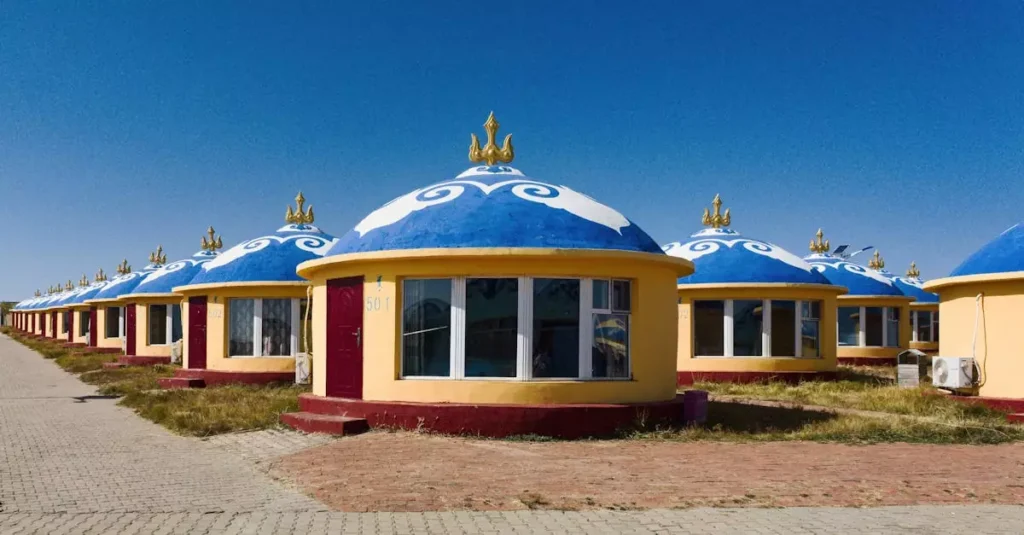
The misconception that higher prices guarantee better quality leads many tourists to overlook authentic experiences. Traditional ger camps run by nomadic families offer genuine cultural immersion for $25-40 per person, including meals and horseback riding opportunities. Meanwhile, commercial tourist camps charge $100-150 for similar accommodations with less authentic interactions. These family-run operations provide deeper insights into Mongolian culture while supporting local communities directly.
Smart travelers research accommodation options through local booking platforms and travel forums rather than relying solely on international booking sites. Consider these alternatives:
- Homestays with nomadic families ($20-35 per night including meals)
- Local guesthouses in Ulaanbaatar ($30-50 per night)
- Community-based tourism ger camps ($40-70 per night)
- Backpacker hostels with private rooms ($25-40 per night)
The key is booking directly with property owners when possible, which eliminates commission fees and often results in better rates. Many family-run establishments don’t appear on major booking platforms but can be found through local tourism boards or travel agencies in Ulaanbaatar.
Misunderstanding Transportation Costs and Options
Transportation represents another area where uninformed decisions lead to unnecessary expenses. Many travelers assume they need expensive private drivers or guided tours to navigate Mongolia effectively, when public transportation and shared options offer significant savings. Domestic flights within Mongolia, for example, are often overpriced compared to ground transportation alternatives that provide better scenery and cultural experiences.
The most common mistake involves hiring private vehicles for entire trips when shared transportation or public buses could cover major routes at substantial savings. A private driver from Ulaanbaatar to the Gobi Desert might cost $300-400, while shared minibuses or joining group tours reduces costs to $80-120 per person. Additionally, many travelers don’t realize that train connections exist between major cities, offering comfortable travel at budget-friendly prices.
Understanding local transportation networks helps avoid overpriced tourist shuttles and private transfers. The Trans-Mongolian Railway connects major destinations efficiently, while local bus networks serve most tourist areas adequately. Motorcycle or bicycle rentals provide adventurous alternatives for shorter distances, typically costing $15-25 per day compared to $60-100 for car rentals.
Falling for Overpriced Tour Packages
Tour package pricing represents one of the most significant areas where travelers overspend without realizing better alternatives exist. International tour operators often charge premium rates for Mongolia packages that local agencies provide at 40-60% less cost with identical or superior services. Many visitors book comprehensive packages from their home countries, paying inflated prices that include substantial markups for international marketing and overhead costs.
The assumption that pre-arranged tours offer better security or convenience often proves false when compared to locally-organized alternatives. Ulaanbaatar-based tour operators provide extensive knowledge of current conditions, flexible itineraries, and direct relationships with local service providers. These companies typically charge $80-120 per day for comprehensive tours, while international operators demand $200-300 for similar experiences.
Independent travel combined with selective local tours often provides the best value proposition. Rather than booking complete packages, savvy travelers arrange accommodation and transportation independently, then purchase specific experiences like horseback riding, camel trekking, or cultural performances directly from local providers. This approach allows budget allocation based on personal priorities while maintaining flexibility to extend or modify plans based on weather or interest levels.
Research local tour operators through tourism boards, embassy recommendations, or verified travel forums. Many excellent operators don’t have sophisticated online marketing but offer superior services through word-of-mouth referrals and local partnerships.
Ignoring Seasonal Price Variations
Timing mistakes cost travelers significant money due to dramatic seasonal price fluctuations in Mongolia’s tourism industry. Peak summer months (June through August) see accommodation and tour prices increase by 150-200% compared to shoulder seasons, while service quality often decreases due to overcrowding. Many visitors don’t realize that late spring (May) and early autumn (September) offer excellent weather conditions with substantially lower costs.
Winter travel, while challenging, provides unique experiences at rock-bottom prices for adventurous travelers. Accommodation rates drop to 30-40% of summer prices, and many tour operators offer significant discounts to attract visitors during slower periods. However, travelers must balance savings against increased heating costs, limited transportation options, and weather-related risks that could affect itinerary flexibility.
Understanding Mongolia’s climate patterns helps optimize both experience and budget allocation. The country experiences extreme temperature variations, with summer temperatures reaching 35°C (95°F) and winter temperatures dropping to -30°C (-22°F). Spring and autumn provide moderate temperatures ideal for outdoor activities while avoiding peak season pricing pressures.
Seasonal considerations for budget planning include:
- Summer (June-August): Highest prices, best weather, crowded attractions
- Spring (April-May): Moderate prices, variable weather, fewer crowds
- Autumn (September-October): Good prices, stable weather, excellent photography conditions
- Winter (November-March): Lowest prices, extreme cold, limited services
Currency Exchange and Payment Method Errors
Financial transaction mistakes compound travel costs through poor exchange rates, unnecessary fees, and payment method choices that favor vendors over travelers. Many visitors exchange money at airports or hotels, accepting rates 10-15% worse than bank or authorized exchange office rates. Additionally, some travelers rely exclusively on credit cards without understanding that many Mongolian businesses operate cash-only, leading to desperate exchanges at unfavorable rates.
The Mongolian Tugrik (MNT) isn’t widely available outside the country, so travelers often arrive with US dollars or euros for local exchange. However, timing and location of exchanges significantly impact overall trip costs. Banks in Ulaanbaatar offer competitive rates, while rural areas may have limited exchange options or poor rates. Smart travelers exchange larger amounts in the capital before heading to remote regions.
ATM availability varies dramatically between urban and rural areas. Mongolia’s infrastructure includes reliable ATM networks in major cities, but remote areas may lack banking services entirely. Carrying sufficient cash for rural portions of trips prevents emergency exchanges at poor rates or inability to purchase necessities.
Credit card acceptance remains limited outside major hotels and restaurants in Ulaanbaatar. Many authentic experiences, local markets, and family-run businesses operate exclusively with cash transactions. Travelers should budget cash allocations for different trip segments and understand local tipping customs to avoid awkward situations or overpaying for services.
Food and Dining Budget Miscalculations
Dining expenses often exceed budgets due to misconceptions about Mongolian food culture and pricing structures. Many travelers assume restaurant meals represent the primary dining option, overlooking street food, local markets, and traditional food experiences that provide better value and authenticity. Tourist-oriented restaurants in Ulaanbaatar charge international prices ($15-25 per meal) while local establishments serve similar quality food for $3-8 per meal.
Traditional Mongolian cuisine centers around dairy products, mutton, and hearty stews that provide excellent nutrition for active travelers. However, many visitors seek familiar Western foods, paying premium prices for imported ingredients and international cuisine. Local markets offer fresh produce, dairy products, and traditional snacks at fraction of restaurant costs, allowing budget-conscious travelers to supplement meals economically.
Nomadic family experiences often include meals as part of accommodation arrangements, providing authentic cuisine while reducing separate dining costs. These meals showcase traditional preparation methods and ingredients while supporting local families directly. Travelers staying in ger camps or homestays should clarify meal inclusion to avoid duplicate food expenses.
Understanding local dining customs helps avoid overpaying or misunderstanding service expectations. Mongolian hospitality traditions include offering food to guests, but travelers should understand appropriate reciprocity gestures and payment expectations to maintain respectful relationships with hosts.
Shopping and Souvenir Spending Traps
Souvenir shopping represents another area where uninformed decisions lead to budget overruns and disappointing purchases. Tourist markets in Ulaanbaatar often sell mass-produced items at inflated prices, marketed as authentic Mongolian crafts. Genuine traditional items like cashmere products, leather goods, and handmade crafts require knowledge to identify quality and fair pricing.
Mongolia produces some of the world’s finest cashmere, but tourists often pay retail prices for factory-made products when wholesale markets and local producers offer superior quality at better prices. Understanding cashmere grading, production methods, and seasonal availability helps travelers make informed purchases that provide lasting value rather than expensive disappointments.
Bargaining customs vary between different types of vendors and locations. While haggling is expected in some markets, fixed-price policies apply in others. Misunderstanding these customs can result in overpaying or offending vendors through inappropriate negotiation attempts. Research local shopping etiquette and price ranges before making significant purchases.
Authentic handicrafts require direct relationships with artisans or reputable dealers who can verify provenance and quality. Many traditional crafts involve significant time and skill investments that justify higher prices, but tourists should understand value propositions rather than simply accepting vendor claims about authenticity or rarity.
Insurance and Emergency Fund Oversights
Travel insurance and emergency fund planning mistakes can transform minor incidents into major financial disasters. Mongolia’s remote locations, extreme weather conditions, and limited medical facilities create risks that standard travel insurance may not adequately cover. Many travelers purchase basic policies without understanding coverage limitations for adventure activities, remote area evacuations, or extended medical treatments.
Medical evacuation from remote Mongolian locations can cost $50,000-100,000, making comprehensive coverage essential for travelers venturing beyond major cities. Standard travel insurance often excludes horseback riding, motorcycle touring, or wilderness camping activities that form core elements of many Mongolian adventures. Specialized adventure travel insurance provides necessary coverage but requires advance planning and higher premiums.
Emergency cash reserves become critical when travelers encounter unexpected situations in areas without banking services or credit card acceptance. Weather delays, vehicle breakdowns, or medical issues can extend trips significantly, requiring additional accommodation, transportation, and meal expenses. Conservative travelers maintain emergency funds equal to 25-30% of their total trip budget for unexpected circumstances.
Communication costs during emergencies can escalate quickly without proper planning. International roaming charges, satellite communication services, or emergency communication devices represent necessary expenses that many travelers overlook during budget planning. Understanding communication options and costs helps prevent bill shock while ensuring safety during remote area travel.
FAQs
What’s the biggest money mistake tourists make when visiting Mongolia?
The biggest mistake is booking expensive international tour packages instead of using local operators. International companies often charge 2-3 times more for identical services that Ulaanbaatar-based agencies provide. Local operators offer better cultural knowledge, flexibility, and direct relationships with service providers while supporting the local economy.
How much should I budget daily for food in Mongolia?
Budget travelers can eat well for $10-15 per day using local restaurants and markets, while mid-range dining costs $20-30 daily. Avoid tourist restaurants in Ulaanbaatar which charge $15-25 per meal for food available elsewhere for $3-8. Include traditional experiences like nomadic family meals which often cost less than restaurant dining.
Is it cheaper to visit Mongolia in winter?
Yes, winter travel can save 50-70% on accommodation and tours, but requires careful planning for extreme cold and limited services. Many ger camps close during winter, and transportation becomes more challenging and expensive. Budget the savings against increased heating costs and potential weather delays that could extend your trip.
Should I exchange money before arriving in Mongolia?
No, Mongolian Tugrik isn’t widely available internationally and rates are poor outside Mongolia. Bring US dollars or euros and exchange at banks in Ulaanbaatar for best rates. Avoid airport exchanges which offer 10-15% worse rates, and carry sufficient cash for rural areas where ATMs are unavailable.
How can I avoid overpriced tourist traps in Mongolia?
Research local alternatives through tourism boards and travel forums rather than international booking sites. Book directly with family-run ger camps and guesthouses, use public transportation when possible, and shop at local markets instead of tourist souvenir shops. Learn basic Mongolian phrases to communicate with local providers and show cultural respect.
Making Smart Financial Decisions for Your Mongolian Adventure
Avoiding common mongolia travel cost mistakes requires research, cultural awareness, and willingness to embrace local alternatives over international tourist services. The most successful budget-conscious travelers combine advance planning with flexibility, allowing them to take advantage of local opportunities while maintaining financial discipline. Understanding seasonal variations, transportation options, and accommodation alternatives can reduce trip costs by 40-60% without sacrificing experience quality.
The key to budget success in Mongolia lies in balancing authentic experiences with practical financial decisions. Supporting local businesses, learning basic cultural customs, and maintaining realistic expectations about comfort levels helps travelers access genuine Mongolian hospitality while respecting local communities. These approaches often provide more memorable experiences than expensive tourist-oriented services while building meaningful connections with local people.
Remember that Mongolia offers incredible value for travelers who approach the destination with appropriate preparation and cultural sensitivity. The country’s vast landscapes, rich traditions, and warm hospitality provide unforgettable experiences that don’t require premium spending. By avoiding common financial pitfalls and embracing local alternatives, you can explore this magnificent country affordably while contributing positively to local communities and creating lasting memories of your Mongolian adventure.