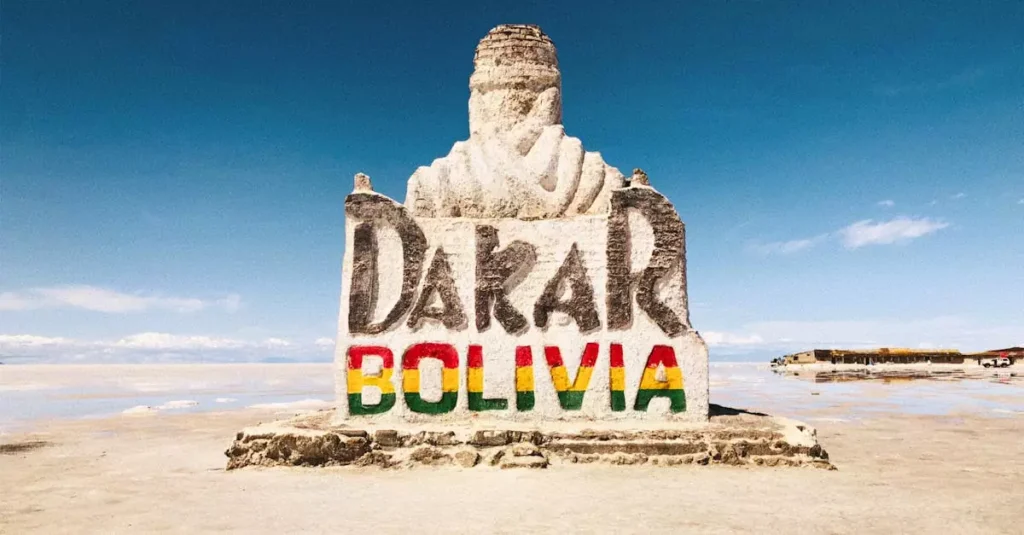
The Salar de Uyuni draws dreamers and adventurers from every corner of the globe, and for good reason. This otherworldly expanse of salt flats in Bolivia ranks among South America’s most iconic destinations. If you’re serious about making the trip, understanding uyuni peak season prices becomes essential to your planning. The busier months bring spectacular opportunities alongside steeper costs and crowded conditions.
Peak season coincides with the dry, sunny months when the landscape reveals itself in all its glory. Perfect photo conditions come with a catchtour operators, hotels, and local services adjust their rates accordingly. Budget-conscious travelers need to know what they’re walking into financially. Breaking down these costs helps you allocate your resources wisely.
From tour packages to where you’ll sleep and eat, every aspect of your journey carries a price tag during the high season. Navigating this pricing landscape requires some knowledge and strategy. You’re about to embark on one of South America’s most unforgettable adventures. Let’s unpack the financial side of peak season travel to Uyuni.
Understanding Uyuni’s Peak Season and Its Appeal
April through October marks Uyuni’s primary peak season. This dry winter period delivers clear skies and refreshingly cool temperatures. Explorers find the vast salt flats most accessible during these months. The distinctive hexagonal salt patterns become clearly visible. While some travelers chase the wet season’s famous mirror effect, the dry months offer their own photographic magic. Remote corners of the Salar become reachable when water levels drop.
January and February represent another intense surge in visitor numbers. The wet season’s heart brings the mesmerizing mirror effect that makes the sky and ground indistinguishable. Rainwater pooling on the salt creates reflections so perfect they seem unreal. Nature photographers and landscape enthusiasts flock here by the thousands. Tours and beds fill up rapidly. This surge directly impacts uyuni peak season prices. Securing your spot demands advance planning. Early bookings often yield better rates than last-minute scrambles.
International school holidays amplify the crowds further. European and North American summer breaks align with the dry season. South American students also have their own vacation periods. The combination creates a bustling, energetic atmosphere. Yet this same influx strains available resources. Tour groups tend to be larger. Hotel rooms vanish quickly. Prices across the board reflect this heightened demand. Despite the hustle, the experience remains extraordinarypreparation simply becomes non-negotiable.
Uyuni Peak Season Prices: What to Expect for Tours
Tour costs form the backbone of your Uyuni budget. The uyuni peak season prices fluctuate based on duration, group composition, and comfort level. Most travelers gravitate toward multi-day packages. The 3-day/2-night option dominates the market. You’ll explore the salt flats themselves plus surrounding lagoons and desert landscapes. Expect to pay $150 to $250 USD per person during peak months for a basic package. This typically bundles transport, guide services, simple lodging, and meals. Variations emerge depending on your chosen operator and specific route.
Mid-range tours cater to those seeking better conditions. Improved vehicles, private sleeping quarters, or enhanced meals justify the upgrade. Budget $250 to $400 USD per person for these options. Luxury experiencesperhaps staying in salt hotels or exclusive lodgescommand $500 USD or higher. These premium packages feature hot showers, heating systems, and genuine comfort. The jump from dormitory-style bunks to private rooms makes a real difference in your experience. Always verify what’s included before handing over money. Park entrance fees or hot spring access sometimes fall outside the quoted price.
Shorter on time? One-day tours focus exclusively on the main salt flat area. These run $30 to $70 USD per person. They suit travelers with limited schedules. You’ll miss the diverse terrain beyond the Salar itself. Prices appear quoted in Bolivian Bolivianos (BOB) or US Dollars depending on your operator. Carrying local currency proves wise for incidental purchasessnacks, souvenirs, and tips. Stick with established operators known for safety and reliability.
Breaking Down Uyuni High Season Tour Cost: January and February
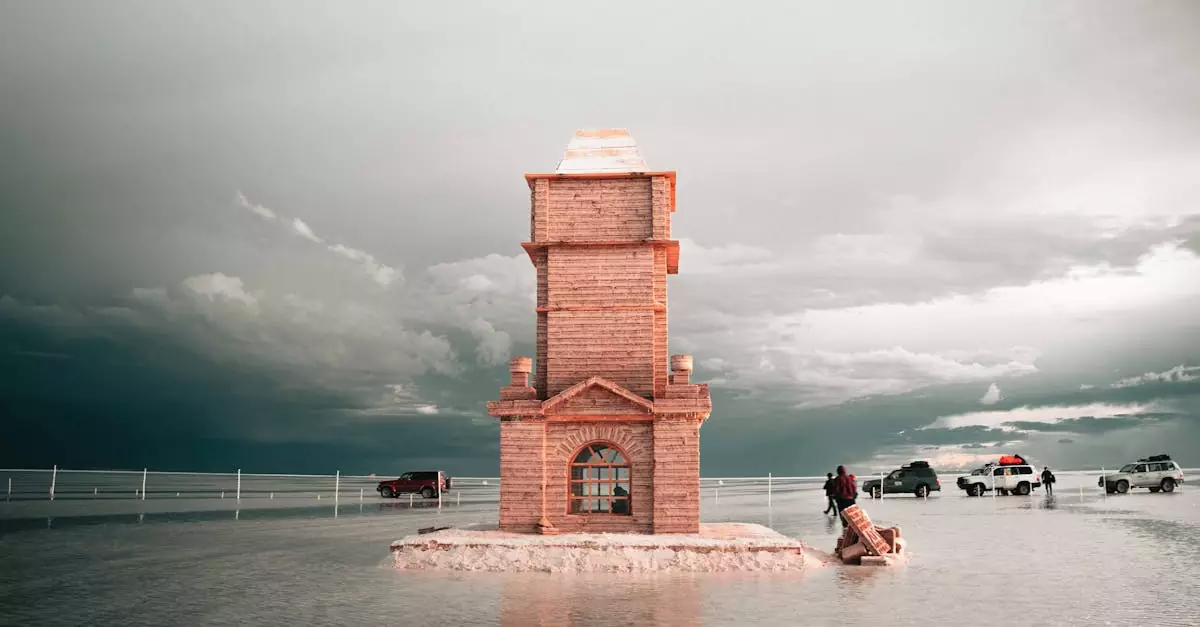
The wet season peaks in January and February, bringing that legendary mirror effect that defines Uyuni for many visitors. This natural phenomenonrainwater creating perfect reflections on the saltattracts massive tourist flows. Consequently, the uyuni high season tour cost january february reaches its zenith. Tour operators see demand surge, especially for itineraries promising the mirror effect. A standard 3-day/2-night shared tour starts around $200 USD. Prices climb to $350 USD per person easily. Basic shared accommodation and simple meals come standard.
Weather dependency complicates matters. Heavy rainfall can render certain salt flat sections inaccessible. Operators adjust routes to maintain safety and deliver the best possible experience. Despite these unpredictabilities, the mirror effect’s allure keeps prices elevated. Booking several months ahead becomes critical for January and February trips. Waiting until the last minute means paying premiums or facing sold-out operators. Your choice of companies shrinks considerably with late bookings. Some reputable operators book solid weeks in advance.
Private tours offer an alternative for those prioritizing exclusivity. You gain flexibility and customized itineraries. The premium reflects this personalizationexpect $800 to $1500 USD or more for a private 3-day experience. Vehicle quality, guide expertise, and lodging choices all influence final pricing. The uyuni high season tour cost january february also accounts for logistical hurdles. Muddy roads and flooded areas demand experienced drivers and well-maintained vehicles. Prioritize operators with strong safety credentials and proven track records.
Typical Tour Packages and Their Costs
Several distinct tour packages cater to different schedules and budgets. The 3-day/2-night option remains the gold standard. This comprehensive experience covers the salt flats, colorful lagoons, and desert regions. Transportation, driver/guide services, basic meals, and shared dormitory beds come included. Peak season pricing spans $150 to $250 USD per person. Your operator choice and group size influence the exact figure. Some outfits offer slightly nicer accommodations for additional fees.
Pressed for time? The 1-day tour concentrates on the Salar itself. You’ll hit the train cemetery, a salt hotel, and Incahuasi Island. Peak season rates run $30 to $70 USD. No overnight stays are involved. Meal inclusion varies by operatorconfirm this detail. Though brief, these tours still deliver stunning photographic moments. They work well for budget-conscious travelers or those on tight schedules.
The 4-day/3-night option extends the standard package. Additional time in the Eduardo Avaroa Andean Fauna National Reserve is typical. Some itineraries include a drop-off in San Pedro de Atacama, Chileconvenient for cross-border adventurers. Longer tours naturally cost more. Budget $250 to $450 USD per person during peak months. Route specifics and what’s bundled affect final pricing. Compare itineraries carefully and read traveler reviews. This diligence ensures you’re getting genuine value for your uyuni peak season prices.
Accommodation and Food Costs During Peak Season
Uyuni town and tour route lodging both see price bumps during busy months. In town, dormitory beds in budget hostels run $10 to $20 USD nightly. Private rooms in basic hotels cost $30 to $60 USD. Mid-range hotels charge $70 to $120 USD. Luxury options, though scarce, exceed $150 USD. Advance reservations matter significantly. This holds especially true if you have specific preferences. Most travelers spend just one night in Uyuni town before heading out on their multi-day salt flat adventure.
Tour accommodations tend toward the rustic. Shared dormitories in simple hostels or salt hotels are standard. Expect cold rooms without hot water or heating. Your tour price typically covers these basic sleeping arrangements. Some tours offer private room upgrades or improved facilities. These additions increase your total uyuni peak season prices. A private room might add $10 to $30 USD per night. Always clarify lodging specifics in your tour package. This prevents disappointment later.
Bolivia keeps food costs remarkably low. Tourist-centric Uyuni charges slightly more than rural areas. A simple local meal costs $3 to $7 USD. Mid-range restaurants ask $10 to $20 USD for entrees. Multi-day tours include all mealstypically hearty, simple fare featuring quinoa soup, rice, and chicken. Bring extra snacks and beverages. These aren’t always available on tour or cost more when they are. Budget an additional $5 to $15 USD daily for supplemental food and drinks. This ensures you stay properly fueled throughout your adventure.
Peak Season vs. Off-Season: A Price Comparison
Comparing peak and off-season pricing reveals significant savings opportunities for flexible travelers. The uyuni peak season prices reflect concentrated demand. Off-season traveldespite its own challengesoffers substantial discounts. The off-season spans November through March, excluding January and February. During these quieter months, tour operators and hotels frequently discount rates. Budget-conscious travelers find real savings here.
A 3-day/2-night tour costs $120 to $200 USD in off-season. Compare that to peak season’s $150 to $250 USD. Uyuni town accommodation drops 10-20% in price. Private rooms become more negotiable. Smaller tour groups mean more personalized guide attention. You’ll encounter fewer tourists overall. The trade-off involves weather uncertainty and potentially colder temperatures. Some areas might flood, limiting access.
Weather versus cost represents the fundamental choice. Peak season guarantees reliable sunny conditions. Off-season delivers lower prices but unpredictable weather. Chasing the mirror effect? January and February are essential despite being the most expensive. Preferring dry, clear skies? April through October is peak. Align your travel dates with your priorities. This comparison table illustrates key differences in uyuni peak season prices and off-season costs.
| Category | Peak Season (April-Oct, Jan-Feb) | Off-Season (Nov-Dec, March) |
|---|---|---|
| 3-Day Tour (Basic) | $150 – $250 USD | $120 – $200 USD |
| 1-Day Tour | $30 – $70 USD | $25 – $50 USD |
| Hostel Bed (Uyuni) | $10 – $20 USD | $8 – $15 USD |
| Basic Hotel Room (Uyuni) | $30 – $60 USD | $25 – $50 USD |
| Meals (per day, extra) | $5 – $15 USD | $5 – $10 USD |
| Crowd Levels | High | Low to Moderate |
Pros and Cons of Visiting During Peak Season
Peak season travel presents genuine advantages and real drawbacks. Weighing both sides clarifies whether this timing suits your preferences. Weather reliability stands as the primary advantage. The dry season (April-October) delivers clear, sunny skies. Visibility for photography becomes exceptional. More remote salt flat areas open up for exploration. Wet season peaks (January-February) guarantee the famous mirror effecta once-in-a-lifetime photographic opportunity. The energetic atmosphere with international travelers creates memorable social experiences.
- Pros:
- Reliable sunny weather (dry season).
- Guaranteed mirror effect (wet season peak).
- Full accessibility to most tour routes (dry season).
- More tour options and frequent departures.
- Lively atmosphere with many international travelers.
The downsides center largely on uyuni peak season prices. Higher demand translates to increased costs across the board. Tours, lodging, and local services all become pricier. Larger crowds gather at popular sites. This sometimes diminishes the serene quality of the landscape. Advance booking becomes mandatory. Spontaneous trips face obstacles or premium pricing. Availability for preferred operators shrinks. Some budget tour operators stretch thin during peak season, potentially compromising quality. Staff might include less experienced guides hired to meet demand.
- Cons:
- Higher prices for tours and accommodation.
- Larger crowds at popular attractions.
- Less availability for last-minute bookings.
- Potential for reduced tour quality due to demand.
- Logistical challenges if heavy rain occurs (wet season peak).
Essential Practical Tips for Your Peak Season Trip
Smart planning separates smooth peak season trips from stressful ones. Book your tour months in advance. January, February, and major holiday periods fill fastest. Reputable operators book solid quickly. Early reservations secure your preferred itinerary and often yield better pricing. You’ll avoid last-minute scrambling. Aim to book 2-3 months ahead for popular periods. Check out our guide on the best time to visit Salar de Uyuni for additional timing insights.
Packing strategy matters significantly. Salt flat temperatures drop sharply at night even during peak season. Layer your clothing with hats, gloves, and scarves. Sun protection becomes critical due to altitude and reflective salt surfaces. Bring quality sunglasses, high SPF sunscreen, and lip balm. A capable camera is non-negotiable for capturing the scenery. Pack extra batteriescold weather drains them quickly. A portable power bank keeps your devices charged throughout the day. These items prove invaluable.
Altitude sickness affects many visitors. Uyuni sits above 3,600 meters (12,000 feet). Spend a day or two acclimatizing in lower-altitude cities like La Paz or Sucre. Drink plenty of water. Skip alcohol and heavy meals initially. Coca leaves or coca tea ease symptoms. Carry essential medications and a basic first-aid kit. Have sufficient Bolivian Bolivianos on hand. ATMs aren’t always reliable or accessible. Many vendors and park entrances require cash. This preparation prevents complications.
FAQs About Uyuni Peak Season Travel
Is January a good time for Salar de Uyuni?
Absolutely. January represents peak wet season, delivering the iconic mirror effect that defines Uyuni for many travelers. Prepare for elevated prices and substantial crowds. Book tours and accommodation well ahead.
How much does a 3-day Uyuni tour cost in February?
February 3-day tours typically run $200 to $350 USD per person for basic shared packages. Private or upgraded options cost significantly more. This pricing reflects intense demand for the mirror effect experience.
What drives Uyuni peak season prices higher?
Tourist demand surges during favorable weather (dry season) and specific natural phenomena (wet season mirror effect). Limited infrastructure and operator capacity also push costs upward.
Can I find budget tours during the high season?
Yes, though prices remain elevated. Choose basic shared 3-day tours. Book far in advance. Stay flexible with operator selection. Expect simpler accommodations and fewer amenities.
What is the best way to book a Uyuni tour?
Book through established operators online or via agencies in major Bolivian cities like La Paz or Sucre. Check reviews thoroughly. Confirm what’s included before paying anything.
Final Thoughts on Navigating Peak Season Prices
Salar de Uyuni during peak season delivers unforgettable experiences. The landscapes astound whether bathed in dry season sunlight or mirrored in wet season reflections. While uyuni peak season prices run higher, this destination’s unique beauty often justifies the investment. Advance planning and early booking remain your best cost-management tools. They ensure smooth trips and better rates. Research operators carefully. Understand exactly what your tour includes. This prevents unwelcome surprises.
Remember that your trip’s value extends beyond dollars spent. The memories created in this extraordinary landscape prove priceless. Following these guidelines lets you experience Uyuni’s magic without destroying your budget. Our comprehensive travel budget guide offers additional savings strategies. Use it to plan your entire South American journey efficiently.
Whether you choose the dry season’s expansive vistas or the wet season’s reflections, Uyuni awaits your arrival. Embrace the adventure and prepare for something extraordinary. For deeper information about the Salar de Uyuni’s geology and history, visit Wikipedia’s Salar de Uyuni page. Plan strategically, pack wisely, and ready yourself for amazement. Your journey starts now.