Nestled in the Guatemalan Highlands, Lake Atitlán is a stunning caldera surrounded by volcanoes, providing an unmatched escape into natural beauty and vibrant indigenous culture. This Lake Atitlán, Guatemala guide is crafted to help you navigate its unique landscape and uncover hidden gems. You’ll explore the distinct character of each lakeside village, from the bustling hub of Panajachel to the bohemian tranquility of San Marcos La Laguna. We’ll discuss the best ways to travel between these charming communities by lancha, highlight must-do activities like volcano hikes and traditional weaving workshops, and offer practical tips on when to visit and what to pack. Get ready to immerse yourself in the magic of this extraordinary destination.
Discovering the Magic of Lake Atitlán: A Guatemala Travel Guide
Why Lake Atitlán Should Be Your Next Destination
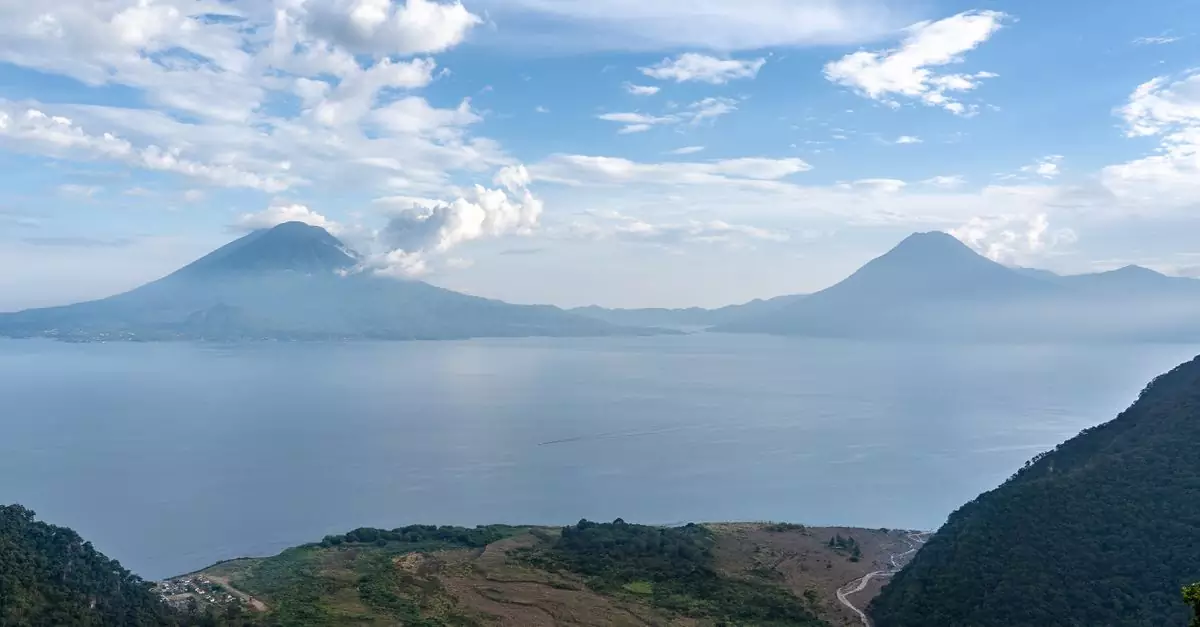
Lake Atitlán offers a captivating blend of natural beauty, vibrant indigenous culture, and a relaxed atmosphere. Framed by three imposing volcanoes—Tolimán, Atitlán, and San Pedro—the lake’s dramatic scenery is a constant draw. Beyond the stunning views, the region is home to unique villages, each with its own distinct character and traditions, making it a truly immersive travel experience, far removed from the typical tourist trail.
For those seeking authentic cultural encounters, breathtaking landscapes, and a sense of tranquility, this volcanic crater lake delivers. You can hike ancient trails, learn traditional weaving, or simply enjoy the stunning vistas from a lakeside café. Its accessibility from Antigua and Guatemala City further enhances its appeal, making it a manageable yet rewarding addition to any Central American itinerary.
Understanding Lake Atitlán’s Unique Geography
The striking beauty of Lake Atitlán is a result of its volcanic origins. The lake occupies a large caldera formed by massive eruptions thousands of years ago. This geological history has shaped the dramatic topography and fertile land surrounding it, supporting lush vegetation and traditional agriculture. The lake’s depth, reaching over 300 meters in places, contributes to its deep blue hue.
Fringed by distinct villages, each accessible primarily by boat (lancha), these communities—including Panajachel, San Pedro La Laguna, San Marcos La Laguna, and Santiago Atitlán—offer varied experiences. Panajachel serves as the main hub and transportation gateway, while San Pedro is popular with backpackers and offers volcano hikes. San Marcos La Laguna is known for its spiritual retreats, and Santiago Atitlán remains a center for Tz’utujil Mayan culture. Understanding this layout is key to planning your exploration.
Planning Your Lake Atitlán Adventure: Key Considerations
Effective planning is essential for making the most of your visit to Lake Atitlán. The primary gateway town is Panajachel, accessible by shuttle or private transport from Antigua or Guatemala City. From Panajachel, a network of public and private lanchas connects the various lakeside villages. Familiarizing yourself with the lancha schedules and fares is advisable, as they serve as the main mode of inter-village transportation.
When deciding where to stay, consider the atmosphere you seek. Budget travelers often prefer San Pedro La Laguna, while those looking for a more bohemian vibe might choose San Marcos La Laguna. For a balance of amenities and accessibility, Panajachel is a practical option. The dry season, from November to April, offers the most pleasant weather with sunny days and cooler evenings. However, the shoulder seasons provide fewer crowds and lush green landscapes. Be mindful of the altitude, as the lake sits over 1,500 meters above sea level, and take precautions against altitude sickness. Safety is generally good in tourist areas, but it’s wise to remain aware of your surroundings, especially after dark, and to use reputable transport.
Navigating Lake Atitlán: Getting There and Getting Around
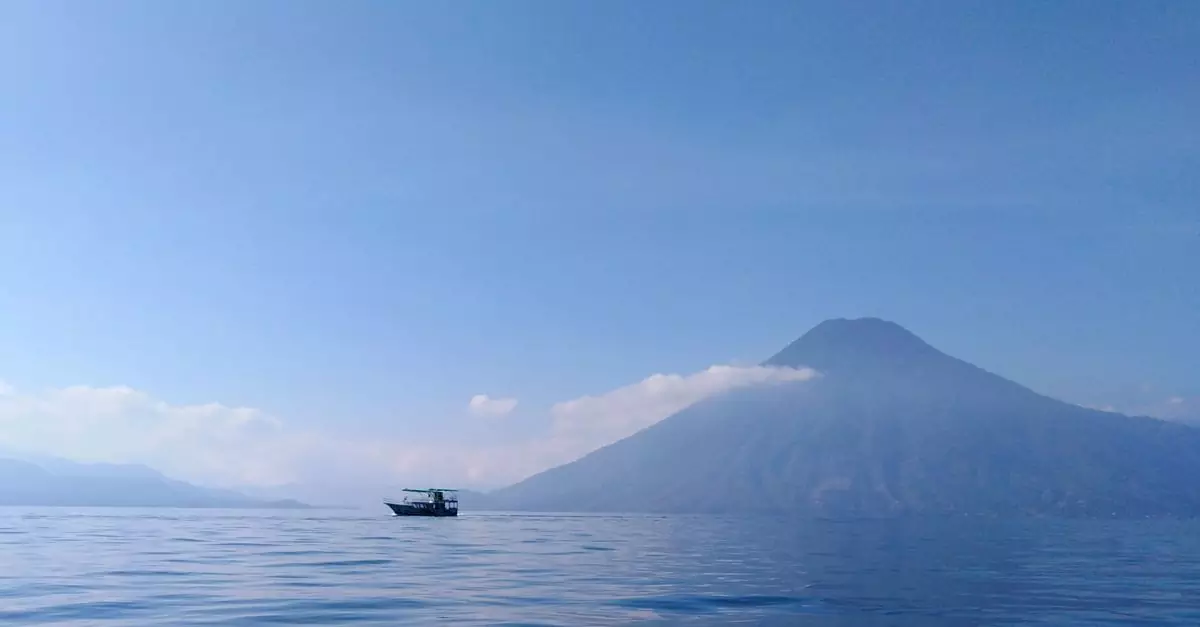
Lake Atitlán is a breathtaking natural wonder, but reaching its shores and traveling between its distinct villages requires careful planning. Understanding transportation options will enhance your experience, allowing you to maximize your time enjoying the stunning scenery and unique cultures. This section outlines how to get to the lake from major hubs and how to navigate the water once you’re there.
Your Journey to Lake Atitlán: From Antigua and Guatemala City
Most international travelers arrive at La Aurora International Airport (GUA) in Guatemala City. From there, Antigua is a popular first stop, a charming colonial city about an hour and a half away. Traveling to Lake Atitlán from either Guatemala City or Antigua typically involves road travel via tourist shuttle or private transfer.
The drive is scenic, winding through highlands with glimpses of volcanoes. While the direct distance may not seem vast, the journey can take anywhere from 3 to 5 hours, depending on your starting point, traffic, and the specific village you are heading to. For instance, reaching Panajachel, the main gateway town, is generally quicker than more remote villages like Santa Cruz La Laguna or San Pedro La Laguna.
Best Ways to Travel Between Lake Atitlán Villages (Lanchas Explained)
Once at Lake Atitlán, the primary mode of transport between the lakeside villages is the lancha. These small, open-air motorboats operate like public water taxis, providing an efficient and scenic way to hop between destinations while offering stunning views of the volcanoes and the shimmering lake.
Lanchas run on set routes, typically departing from main docks in towns like Panajachel, San Pedro La Laguna, San Marcos La Laguna, and Santa Cruz La Laguna. They usually leave when full or on a regular schedule, especially during peak hours. Fares are generally fixed per route and quite affordable. It’s a good idea to confirm the price with the captain before boarding to avoid misunderstandings.
Key Lancha Routes and Considerations:
- Panajachel to Santa Cruz La Laguna: A short, direct ride.
- Panajachel to San Pedro La Laguna: A popular route connecting the main hub to a bustling backpacker town.
- San Pedro La Laguna to San Marcos La Laguna: Connects two distinct villages known for yoga and spiritual retreats.
- San Marcos La Laguna to Santa Cruz La Laguna: Offers a scenic journey along the northern shore.
Keep your belongings secure, as the boats can be crowded, and be prepared for a bit of spray. If you have significant luggage, ensure it can be stowed safely.
Private Transfers vs. Shuttle Services to the Lake
When planning your trip to Lake Atitlán, you can choose between shared shuttle services and private transfers for the road journey. Each option caters to different budgets and travel styles.
Shuttle Services: These are popular among budget-conscious travelers and backpackers. You’ll book a seat on a van or minibus that picks up passengers from various hotels or designated points in Antigua or Guatemala City. While shuttles are cost-effective, they can take longer due to multiple stops. The journey may feel a bit cramped and less flexible.
Private Transfers: For those prioritizing comfort and speed, a private transfer is ideal. You hire a dedicated car or van for your group, which picks you up directly from your location and takes you straight to your destination without additional stops. This option is more expensive but offers a much more comfortable and efficient travel experience, especially with significant luggage or when traveling with family. It’s also a good choice for late airport arrivals seeking direct transfers.
| Transport Option | Typical Cost (USD) | Travel Time (Approx.) | Pros | Cons |
|---|---|---|---|---|
| Tourist Shuttle | $10 – $20 per person | 3-5 hours | Affordable, convenient pick-up points | Multiple stops, less flexible, can be crowded |
| Private Transfer | $80 – $150 per vehicle | 3-4 hours | Direct, comfortable, flexible, faster | More expensive, requires pre-booking |
| Public Bus (Chicken Bus) | $3 – $7 per person | 5-7+ hours | Very cheap, authentic local experience | Uncomfortable, less safe, many stops, slow |
For a truly immersive experience, consider local chicken buses, though these are generally not recommended for first-time visitors or those with significant luggage due to their basic comfort, frequent stops, and potential safety concerns. For most travelers, shuttles strike a good balance of cost and convenience for reaching this stunning lake in Guatemala.
Exploring Lake Atitlán’s Distinct Villages: Which is Right for You?

Lake Atitlán is ringed by a constellation of unique villages, each catering to different traveler interests. Understanding these differences is key to choosing your base for an unforgettable Guatemalan experience. Traveling between them is primarily done by lancha (small motorboat), with regular services connecting most major villages.
San Pedro La Laguna: The Backpackers’ Hub for Spanish Schools and Nightlife
San Pedro is arguably the most popular base for budget travelers and backpackers. Its vibrant atmosphere is fueled by numerous Spanish schools, attracting students eager to immerse themselves in the local language and culture. Evenings come alive with various bars and restaurants, creating a social scene that is hard to match elsewhere on the lake.
Accommodation here ranges from basic hostels to more comfortable guesthouses, suiting most backpacker budgets. While it offers many amenities, including ATMs and a market, it can feel more tourist-oriented than some of its neighbors. Getting to San Pedro often involves a transfer in Panajachel, as direct lanchas from other villages might not always be available, particularly outside peak hours.
San Juan La Laguna: Arts, Crafts, and Indigenous Culture
For a deeper dive into Mayan culture and a more tranquil experience, San Juan La Laguna stands out. This village is renowned for its thriving arts scene, particularly its vibrant textile cooperatives and art galleries. Visitors can learn about traditional backstrap weaving, natural dyeing techniques, and admire the work of local painters.
The atmosphere in San Juan is generally laid-back and family-friendly. It’s an excellent place to purchase authentic handicrafts directly from the artisans. While it has fewer accommodation options than San Pedro, it offers charming guesthouses and boutique hotels. Access is straightforward via lancha from Panajachel.
Panajachel: The Gateway Town with Markets and Amenities
Panajachel, often referred to as “Guate” by locals, serves as the main entry point for most visitors to Lake Atitlán. It boasts the most developed infrastructure, including banks, a wider range of shops, and diverse dining and lodging options. The bustling Saturday market is a must-visit for local produce and souvenirs.
As the primary transport hub, Panajachel is where you’ll likely catch your first lancha to other villages. While convenient, it can feel busier and more commercialized than the smaller lakeside communities. If you prefer having all amenities at your doorstep and don’t mind a more tourist-centric environment, Panajachel is a solid choice.
San Marcos La Laguna: Yoga, Wellness, and Bohemian Vibes
San Marcos La Laguna has cultivated a reputation as the spiritual and wellness center of Lake Atitlán. It attracts a bohemian crowd drawn to its yoga retreats, meditation centers, and holistic healing practices. The village has a distinctly relaxed and contemplative vibe, focusing on mindfulness and personal growth.
You’ll find a good selection of cafes serving healthy food, along with unique shops selling crystals, incense, and artisanal goods. Accommodation leans towards eco-lodges, yoga retreats, and boutique hotels. While quieter than San Pedro, it still offers a social scene, particularly among those participating in wellness programs. Getting to San Marcos is easy via lancha from Panajachel.
Village Comparison at a Glance
Here’s a quick overview to help you decide which village best suits your travel style:
| Village | Vibe | Best For | Accommodation Style | Transportation Hub |
|---|---|---|---|---|
| San Pedro La Laguna | Lively, backpacker-friendly, social | Budget travelers, Spanish learners, nightlife | Hostels, budget guesthouses | Moderate |
| San Juan La Laguna | Cultural, artistic, tranquil | Arts enthusiasts, cultural immersion | Guesthouses, small hotels | Minor |
| Panajachel | Bustling, convenient, commercial | First-time visitors, amenity seekers | Hotels, guesthouses, hostels | Major |
| San Marcos La Laguna | Bohemian, spiritual, wellness-focused | Yoga practitioners, relaxation seekers | Eco-lodges, retreat centers, boutique hotels | Minor |
Must-Do Activities and Adventures Around Lake Atitlán
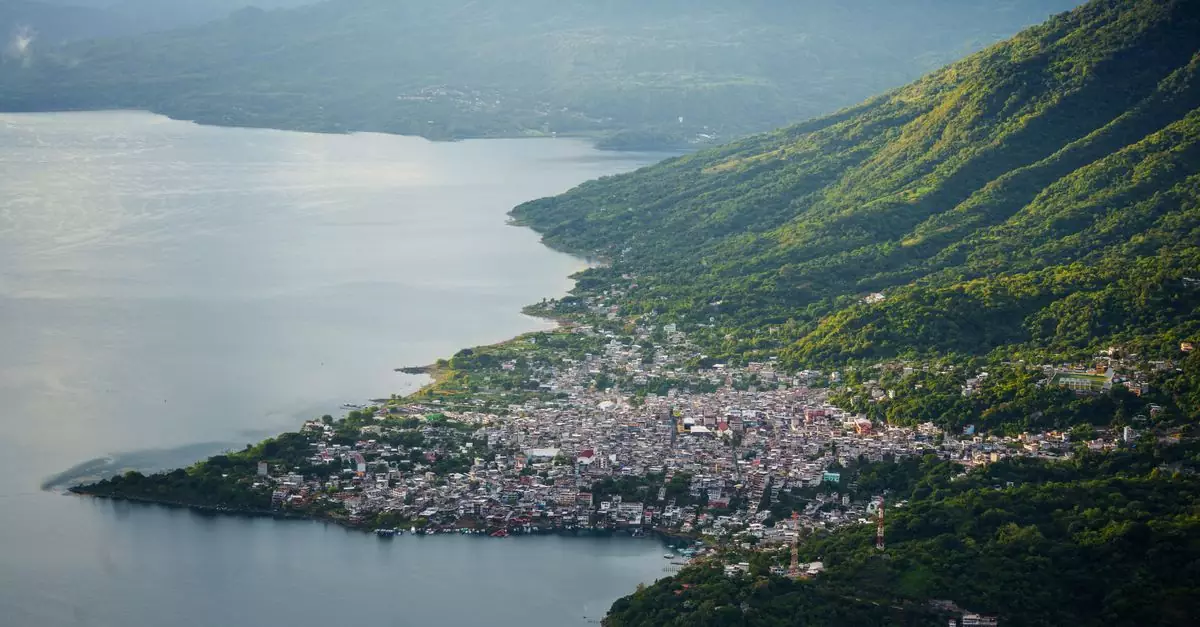
Lake Atitlán is a natural playground offering diverse experiences for every type of traveler. From challenging hikes to immersive cultural encounters, the region surrounding this stunning volcanic lake provides ample opportunities for adventure and discovery. Planning your activities around the lake can significantly enhance your visit, ensuring you capture the essence of this Guatemalan jewel.
Hiking Volcán San Pedro for Sunrise Views
For an unforgettable sunrise, consider the trek up Volcán San Pedro. This is one of the most popular volcano hikes in the region, offering panoramic views that stretch across the lake and surrounding volcanoes. The ascent typically begins in the pre-dawn hours and requires a moderate level of fitness. Hiring a local guide is highly recommended for safety and to learn about the local flora and fauna.
- Timing: Aim to start your hike between 3:00 AM and 4:00 AM.
- Duration: The hike to the summit and back usually takes 5-7 hours.
- What to Bring: Headlamp, sturdy hiking boots, water, snacks, and layers of clothing, as temperatures can vary significantly.
The effort is rewarded with breathtaking vistas as the sun rises, casting a golden glow over the tranquil waters and the sleeping villages below. This is a quintessential Lake Atitlán experience cherished by many visitors.
Kayaking and Paddleboarding on Lake Atitlán’s Waters
Gliding across the glassy surface of Lake Atitlán by kayak or paddleboard offers a unique perspective of the volcanic landscape. This activity is accessible from most lakeside villages, with rentals readily available. Paddling allows for quiet exploration of hidden coves and provides a peaceful way to appreciate the immense scale of the volcanoes surrounding the lake.
- Rental Locations: Panajachel, San Pedro La Laguna, and San Marcos La Laguna are good starting points.
- Best Time: Mornings are often calmer with less wind, making for a more enjoyable experience.
- Safety: Always wear a life vest and be aware of changing weather conditions, as winds can pick up quickly in the afternoon.
You can paddle at your own pace, stopping to admire the vibrant villages clinging to the hillsides or simply enjoying the serenity of being on the water. It’s a fantastic way to engage with the natural beauty of the area.
Exploring the Indigenous Markets of Chichicastenango (Day Trip)
While not directly on the lake, the vibrant market town of Chichicastenango is a must-visit day trip from any of the Lake Atitlán villages. Held on Thursdays and Sundays, this is one of the largest and most colorful indigenous markets in Central America. Here, you can find everything from intricate textiles and traditional clothing to pottery, masks, and local produce.
- Transportation: Shared shuttles or private taxis are common options from Panajachel. The journey takes approximately 1-1.5 hours.
- Market Days: Thursday and Sunday are the main market days, though a smaller market operates daily.
- Tips: Be prepared to haggle respectfully, wear comfortable shoes, and keep an eye on your belongings.
Immerse yourself in the lively atmosphere, witness traditional Mayan commerce, and perhaps find unique souvenirs. The energy of the market is infectious, offering a rich cultural immersion.
Learning Traditional Mayan Weaving in San Juan La Laguna
For a deeper dive into local culture, consider a weaving workshop in San Juan La Laguna. This village is known for its thriving artistic community and commitment to preserving traditional Mayan textile arts. Several cooperatives and artisan families offer hands-on classes where you can learn about natural dyeing techniques and the intricate process of backstrap loom weaving.
- What to Expect: Classes typically involve learning about the materials, the dyeing process using plants and insects, and basic weaving techniques.
- Duration: Workshops can range from a few hours to a full day.
- Support Local Artisans: Purchasing directly from the weavers ensures they receive fair compensation for their skilled craft.
This experience provides not only a beautiful handmade souvenir but also a profound appreciation for the skill, patience, and cultural heritage embedded in each woven piece. It’s a rewarding way to connect with local people and their traditions.
What’s the Best Time to Visit Lake Atitlán, Guatemala?
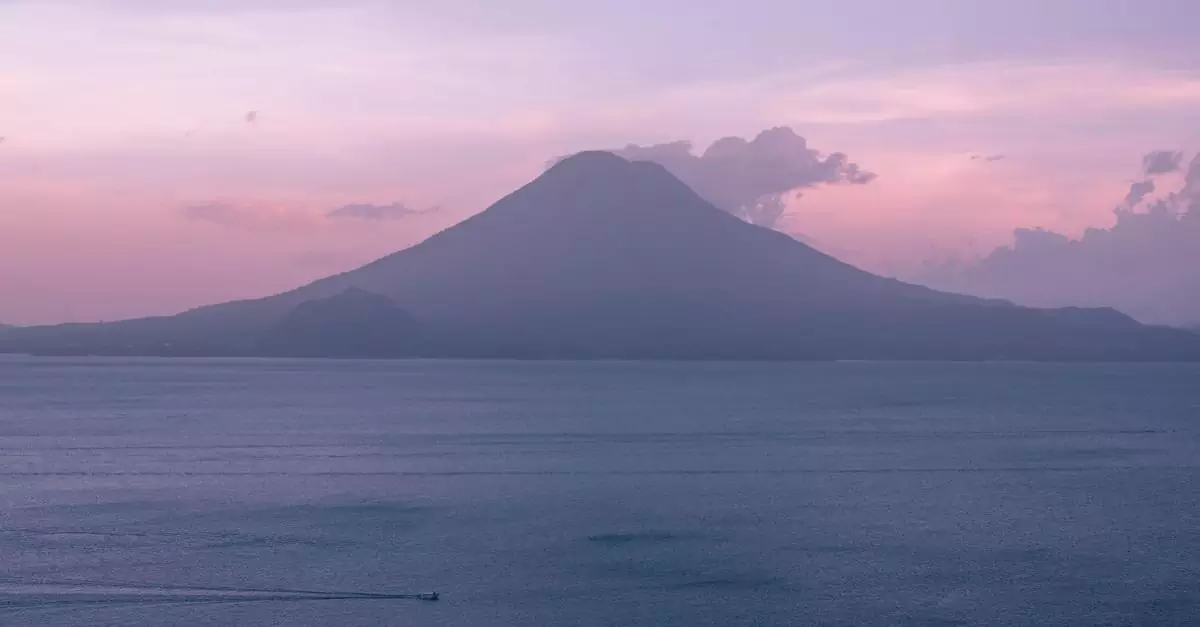
Deciding when to visit Lake Atitlán hinges on your tolerance for rain and interest in specific cultural events. Guatemala’s highland climate means distinct wet and dry seasons, influencing everything from travel logistics to the vibrancy of village life. Understanding these patterns will help you craft the ideal trip to this stunning volcanic caldera.
Understanding Lake Atitlán’s Dry Season (November-April)
The dry season, running from November through April, is widely considered the best time for a Lake Atitlán adventure. During these months, expect abundant sunshine and minimal rainfall, perfect for boat travel between villages and hiking the surrounding volcanoes. Daytime temperatures are pleasant, typically ranging from the mid-60s to low 80s Fahrenheit (18-28°C), though evenings can be cooler.
This period also sees the highest influx of tourists, particularly around Christmas, New Year’s, and Semana Santa (Holy Week) in March or April. Booking accommodations and popular tours well in advance is highly recommended during peak times. While the skies are generally clear, occasional morning mist can add a dramatic flair to the volcanic landscape before burning off by late morning.
Navigating the Rainy Season (May-October) and Its Pros
From May to October, Lake Atitlán experiences its rainy season. This doesn’t mean constant downpours; instead, expect heavy rain showers, typically occurring in the afternoon or evening, often followed by sunshine. Mornings are usually clear and pleasant, offering good opportunities for sightseeing and activities before the clouds roll in.
The rainy season brings lush greenery to the landscape, making the surrounding hillsides particularly beautiful. It’s also a less crowded and more budget-friendly time to visit, with lower prices for lodging and fewer tourists. The dramatic, cloud-shrouded volcanic peaks offer a different, yet equally compelling, visual spectacle. Travelers who don’t mind occasional afternoon rain might find this period provides a more tranquil and immersive experience.
Seasonal Events and Festivals to Consider
Timing your visit to coincide with local festivals can enrich your Lake Atitlán experience. The most significant is Semana Santa, the week leading up to Easter, where you’ll witness elaborate processions and religious ceremonies, particularly in towns like Santiago Atitlán and Panajachel. This is a major travel period for both domestic and international visitors, so expect crowds and higher prices.
Other notable events include the Santiago Atitlán patron saint festival in late July, featuring traditional dances and music. Indigenous communities around the lake also celebrate various harvest festivals and markets throughout the year. Researching specific village festivals can add a unique cultural dimension to your trip, though it’s wise to book travel and accommodation early if your visit aligns with a major celebration.
| Season | Months | Weather | Crowd Level | Budget Impact | Notes |
|---|---|---|---|---|---|
| Dry Season | November-April | Sunny, minimal rain, pleasant days, cool nights | High | Higher | Best for outdoor activities, peak holidays |
| Rainy Season | May-October | Afternoon showers, sunny mornings, lush scenery | Low | Lower | Greener landscape, fewer tourists |
| Peak Holidays | Dec-Jan, Mar-Apr | Varies by season, very high crowds | Very High | Highest | Book far in advance for Semana Santa, Christmas |
Frequently Asked Questions About Lake Atitlán Travel
This section addresses common queries for anyone planning a visit to this stunning Guatemalan highland destination.
Is Lake Atitlán Safe for Tourists?
Lake Atitlán is generally considered safe for tourists, especially in the main villages like Panajachel, San Pedro La Laguna, and San Marcos La Laguna. Petty theft can occur, as in any popular tourist area, so it’s wise to be aware of your surroundings and secure your valuables. Avoid walking alone at night in poorly lit areas. For broader context on travel safety in the region, consult general South America travel advisories.
What is the Average Daily Budget for Lake Atitlán?
Your daily budget for Lake Atitlán can vary significantly based on your travel style. Budget travelers can manage on approximately $30-$50 USD per day, covering hostel stays, local meals, and public boat transport. Mid-range travelers might spend $60-$100 USD daily, allowing for private rooms, restaurant meals, and occasional guided activities. Luxury travelers could easily exceed $150 USD per day.
Here’s a rough breakdown:
| Category | Budget (USD/day) | Mid-Range (USD/day) | Luxury (USD/day) |
|---|---|---|---|
| Accommodation | $10 – $20 | $30 – $60 | $70+ |
| Food | $10 – $15 | $20 – $30 | $40+ |
| Transportation | $5 – $10 | $10 – $20 | $20+ |
| Activities/Misc. | $5 – $15 | $10 – $30 | $50+ |
What Should I Pack for a Trip to Lake Atitlán?
Packing for Lake Atitlán requires considering its varied microclimates and potential activities. Layers are key, as mornings and evenings can be cool, especially during the dry season (November to April), while midday can be warm. Essential items include:
- Lightweight clothing: T-shirts, long-sleeved shirts for sun protection, comfortable pants or shorts.
- Warm layer: A fleece jacket, sweater, or light down jacket for cooler evenings.
- Rain gear: A waterproof jacket or poncho, especially during the rainy season (May to October).
- Comfortable walking shoes: Essential for navigating cobblestone streets and hiking.
- Sandals or flip-flops: For relaxing or short walks.
- Sun protection: Sunscreen, a hat, and sunglasses.
- Insect repellent: Particularly useful for evenings.
- Swimsuit: For enjoying the lake.
- Daypack: For carrying essentials during excursions.
- Reusable water bottle: To reduce plastic waste.
Where Can I Find the Best Local Food in Lake Atitlán?
The best local food in Lake Atitlán is often found away from the main tourist strips, in smaller comedores (eateries) and markets. In Panajachel, the municipal market offers a vibrant array of fresh produce and local snacks. For authentic Guatemalan dishes like Pepian or Kak’ik, seek out smaller, family-run restaurants in villages like San Pedro La Laguna or Santiago Atitlán. Don’t miss trying fresh lake trout, often grilled or fried, a regional specialty. Many villages also have bakeries selling delicious sweet breads.