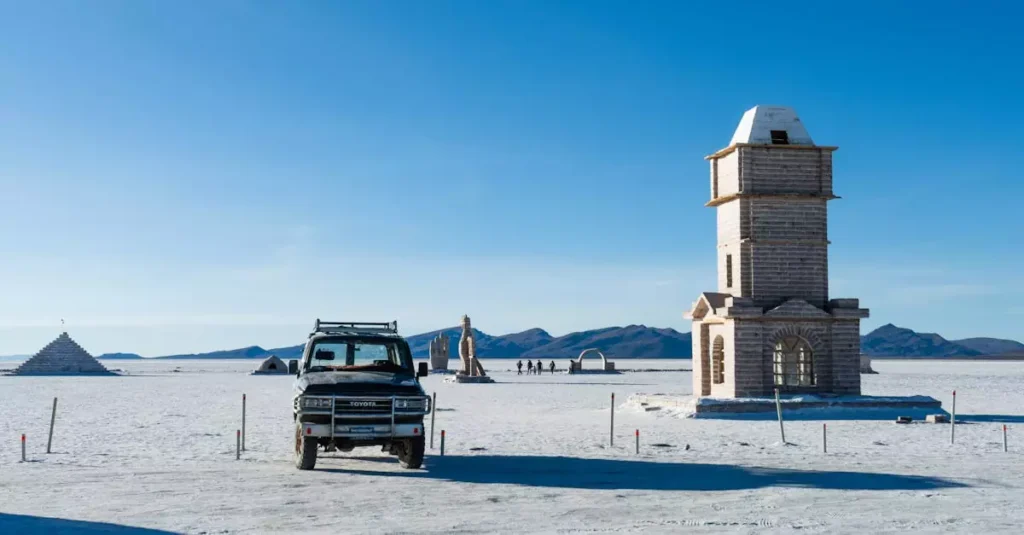
The Salar de Uyuni in Bolivia captivates travelers worldwide with its surreal, expansive terrain. People come seeking that iconic mirror-like reflection or simply to stand in awe of endless white horizons. Yet tour costs can take a hefty bite out of your travel budget, particularly when you visit during peak season.
Smart travelers know that timing matters tremendously. The off-season unlocks remarkable savings alongside unique experiences you won’t find when crowds descend. Expect smaller groups, more personalized attention, and significantly lower Uyuni off season prices. This flexibility allows you to stretch your travel funds further while discovering the salt flats in their most magical state.
This guide breaks down everything you need to know about scoring the best deals on Uyuni tours during the low season. You’ll learn what to expect weather-wise, how prices compare to peak months, and practical strategies for finding genuine bargains. Whether you’re drawn to the famous mirror effect or simply want to save money, the off-season offers compelling reasons to visit. Read on to plan your trip without emptying your wallet.
Understanding Uyuni’s Travel Seasons and Their Impact
Two distinct seasons shape the Uyuni experiencethe dry season and the wet season. Each brings its own character to the landscape and directly influences both pricing and visitor experience. Bolivia’s climate patterns dictate when tourists arrive and what they’ll encounter.
From April through November, the dry season dominates. Weather stays sunny and predictable, roads remain accessible, and travel feels straightforward. This predictability attracts massive crowds, and tour operators capitalize by charging premium rates. You’ll pay more for accommodation, tours, and everything in between. Popular photo spots become congested with other visitors competing for the same angles.
December through March marks the wet seasonthe low season for tourism. Rainfall transforms the landscape dramatically, creating the legendary mirror effect that many travelers dream about. Water covers the salt flats in a thin layer, reflecting the sky perfectly and creating an otherworldly scene. This natural phenomenon is breathtaking but comes with trade-offs. Roads can become difficult to navigate, some areas may be temporarily inaccessible, and tour operators reduce their schedules. Yet these same conditions create the perfect opportunity for budget-conscious travelers. Fewer tourists mean lower Uyuni off season prices, sometimes dropping 20-30% below peak season rates.
Deciding between seasons depends on your priorities. If you value solitude, dramatic scenery, and affordable pricing, the wet season delivers all three. If you prefer guaranteed sunshine and straightforward logistics, peak season is your answerthough you’ll pay considerably more and share the experience with thousands of others. Many travelers find the unique beauty and cost savings of the low season worth the weather challenges.
Uncovering Uyuni Off Season Prices for Tours
Tour costs represent the biggest expense in any Uyuni trip, making seasonal pricing crucial to your budget planning. The most popular optiona 3-day, 2-night classic tour covering the salt flats, colored lagoons, and desert landscapesillustrates the savings potential. During peak season, expect to pay $200-$250 USD per person for a basic group tour. In the low season, these same tours drop to $150-$200 USD, representing meaningful savings.
Single-day tours focusing on the salt flats offer another option. Peak season pricing typically runs $60-$80 USD, while the low season brings them down to $45-$65 USD. Often, the best deals come directly from operators in Uyuni town itself. Booking upon arrival frequently yields better rates than pre-booking online, especially if you have flexible dates. Always confirm what’s includedfood, accommodation for multi-day tours, entrance fees, and national park access. Some operators artificially lower their advertised price by excluding park fees, so ask detailed questions.
Private tours cost more across all seasons but also see price reductions during the low season. A private 3-day tour might cost $800-$1,000 USD in peak season, dropping to $600-$800 USD when demand slows. This makes private experiences more attainable for small groups. Operators become more willing to negotiate when they’re struggling to fill vehicles, creating excellent opportunities for budget travelers. Once you arrive in Uyuni, visit multiple local agencies to compare uyuni low season tour cost and find genuine cheap deals.
Why Choose the Low Season? Pros and Cons
The low season presents both compelling advantages and legitimate challenges. Understanding both sides helps you make an informed decision about when to visit.
The benefits are substantial. Fewer tourists mean you won’t fight crowds for that perfect photograph. Viewpoints feel peaceful rather than congested. The mirror effectthat surreal phenomenon where water reflects skyoccurs exclusively during the wet season, creating an almost unreal landscape that photographs beautifully. You’ll experience the salt flats in a more intimate, contemplative way. And of course, the uyuni off season prices make the entire trip significantly more affordable.
However, challenges exist. Weather becomes unpredictable. Heavy rainfall can render certain areas inaccessible or force itinerary changes. Temperatures drop considerably, especially at night and at higher elevations, requiring careful packing with warm layers. Some tour operators reduce their schedules during the low season, limiting your flexibility in choosing departure dates. Roads can become muddy or flooded, potentially causing delays.
Despite these drawbacks, most low-season visitors consider the trade-offs worthwhile. The combination of solitude, stunning reflections, and affordable pricing creates an unforgettable experience. The landscape feels alive in ways it doesn’t during the crowded dry season. For many travelers, particularly those on tight budgets, these advantages far outweigh the weather-related inconveniences.
Comparing Uyuni Tour Costs: Off-Season vs. Peak Season
The financial difference between seasons becomes clear when you compare actual prices side by side. Tour operators adjust rates based on demandhigh demand during dry months allows premium pricing, while low demand during wet months prompts significant discounts to fill their vehicles. This is where genuine uyuni low season tour cost cheap deals emerge.
Here’s how typical tours break down:
| Tour Type | Peak Season Price (USD) | Off-Season Price (USD) | Key Difference |
|---|---|---|---|
| 1-Day Salt Flat Tour | $60 – $80 | $45 – $65 | Up to 25% savings |
| 3-Day/2-Night Classic Tour | $200 – $250 | $150 – $200 | Up to 25% savings |
| Private 3-Day Tour | $800 – $1000 | $600 – $800 | Up to 20% savings |
| Basic Accommodation (per night) | $15 – $25 | $10 – $20 | Slightly lower rates |
A 3-day tour in the low season could save you $50-$70 USD per person compared to peak season. That money stretches further for meals, souvenirs, or additional excursions. These savings motivate many travelers to specifically target the low season. When comparing prices between operators, ensure you’re comparing identical offerings. Cheaper tours sometimes cut corners on food quality, vehicle maintenance, or guide experience. Always ask what’s included and verify you’re getting equal value.
Finding the Best Uyuni Low Season Tour Cost Cheap Deals
Securing excellent uyuni off season prices requires strategy and patience. Don’t book the first tour you find. Instead, wait until you arrive in Uyuni itself, where numerous tour operators compete fiercely for business. This competition naturally drives prices down, especially during the slow season. Walk around town, visit several agencies, and ask for their current low-season rates. Be specific about what you wantgroup size, language preference, and exact inclusions matter.
Negotiation often works, particularly if you’re traveling with a small group. Operators become flexible when they’re trying to fill the last few seats in a jeep. Look for companies specializing in smaller groups, which frequently offer better value alongside more personalized experiences. Check recent online reviews for comments about reliability, safety, and quality during the low season. Some operators offer discounts for booking multiple tours or longer trips. These can yield significant savings.
Consider your comfort level and budget constraints. Basic tours use shared jeeps and simple Accommodation the most budget-friendly option. More comfortable tours offer private rooms or better meals and naturally cost more. Even in the low season, a range of prices and services exists. Ask detailed questions and understand exactly what you’re paying for. Direct inquiry and a little research lead to substantial savings and ensure you get the best uyuni low season tour cost for your adventure. For broader budgeting strategies, our travel budget guide offers practical tips for making every dollar count.
Practical Tips for Off-Season Travel to Uyuni
Traveling during the wet season demands specific preparation. First, pack appropriately for rain and cold. A quality waterproof jacket, waterproof pants, and waterproof hiking boots are essential. Layers matter tremendouslytemperatures drop significantly at night and at higher elevations. Pack warm sweaters, thermal underwear, a hat, and gloves. Sun protection remains important despite cloud cover; the high altitude means intense UV rays. Bring sunglasses, sunscreen, and a wide-brimmed hat.
Flexibility becomes your greatest asset. Heavy rains can cause itinerary changes or tour delays. Roads might become impassable. Build buffer days into your schedule if possible. Always heed your guide’s advicethey have the most current information about local conditions. Altitude sickness poses a real concern in Uyuni, which sits at 3,700 meters (12,140 feet). The salt flats and surrounding areas climb even higher. Drink plenty of water, avoid alcohol and heavy meals on your first day, and consider coca leaves or altitude medication if you’re prone to sickness. Consult a doctor before your trip.
Transportation can also be affected by weather. Buses face delays, flights get cancelled. Plan your arrival and departure with these possibilities in mind. Book onward travel after your tour concludes rather than before, giving yourself buffer time for unexpected delays. Despite these challenges, the off-season beauty rewards your flexibility. The famous Salar de Uyuni becomes a giant mirror, creating breathtaking photography opportunities. Embrace the adventure and prepare for a truly memorable experience.
Maximizing Your Budget Beyond Tour Prices
Finding excellent uyuni off season prices for tours is a major victory, but smart budgeting extends further. Accommodation, food, and activities outside your tour also impact your total spending. Uyuni town offers options ranging from basic hostels to comfortable hotels. The low season brings better availability and lower rates. Dorm beds in hostels cost as little as $10-$15 USD nightly. Private rooms in basic hotels run $20-$30 USD. Negotiate slightly better rates for longer stays. Booking ahead isn’t necessary in the low season, giving you flexibility to choose.
Food expenses can be managed effectively by eating where locals eat. Market stalls and family-run restaurants offer authentic meals for $3-$7 USD. Tourist-oriented establishments naturally cost more. Pack snacks and drinks for your tourthis saves money at remote stops. Many tours include meals, but quality varies. Having your own provisions ensures satisfaction. Bring sufficient bottled water, especially crucial at high altitudes for staying hydrated.
Factor in smaller expenses like souvenirs, guide tips, and entrance fees not covered by your tour. National park fees, for example, often require separate payment and can add $20-$30 USD. While individually minor, these costs accumulate. Understanding all potential expenses helps you stick to your budget. The low season already provides significant financial advantage. By remaining mindful of these additional costs, you maximize your budget and enjoy an incredible adventure without overspending. Our guide on the best time to visit various destinations helps you identify optimal travel windows for other trips.
FAQs About Uyuni Off-Season Travel
Is it safe to visit Uyuni during the off-season?
Yes, visiting Uyuni during the off-season is generally safe. Weather-related challenges like heavy rains can affect road conditions, but these are manageable with proper planning. Choose a reputable tour operator who prioritizes safety and maintains their vehicles well. Always follow your guide’s instructions regarding local conditions.
What are the main challenges of off-season Uyuni tours?
Unpredictable weatherheavy rain and cold temperaturespresents the primary challenge. Some salt flat areas may become inaccessible due to flooding. Tour itineraries can change, and departures happen less frequently. Flexibility in your plans is essential for a smooth experience.
Can I still see the ‘mirror effect’ in the off-season?
Absolutely. The off-season, which is the wet season, is actually the ideal time to witness the mirror effect. A thin water layer covers the salt flats, creating stunning sky reflections. This phenomenon is a major draw for low-season travelers.
How much cheaper are Uyuni tours in the low season?
Tours typically cost 20-30% less during the low season. For a 3-day tour, this translates to $50-$70 USD savings per person. One-day tours see similar reductions, making the low season excellent for budget travelers.
What should I pack for an off-season Uyuni trip?
Pack layers of warm clothing including thermal underwear, sweaters, hat, and gloves. Bring a waterproof jacket and pants, plus waterproof hiking boots. Sun protectionsunscreen and sunglassesis essential due to high-altitude UV rays.
Conclusion: Your Affordable Uyuni Adventure Awaits
The majestic Salar de Uyuni represents a bucket-list destination for countless travelers. By strategically visiting during the off-season, you unlock significant benefits. The most obvious advantage is the dramatic reduction in uyuni off season prices, making this incredible destination accessible to a wider range of travelers. You experience the vastness of the salt flats without premium peak-season costs, freeing up funds for other Bolivian adventures or simply stretching your overall travel budget.
Beyond financial incentives, the low season delivers a profoundly different experience. Smaller crowds mean more intimate encounters with the landscape. The legendary mirror effect transforms the salt flats into an ethereal, reflective canvas that feels almost otherworldly. Weather challenges require flexibility and preparation, but careful planning ensures a smooth journey. Embrace the adventure and the unique beauty the wet season brings. Solitude and dramatic scenery become their own rewards.
Don’t let budget concerns prevent you from this once-in-a-lifetime trip. With smart planning, research into uyuni low season tour cost, and a willingness to embrace the elements, your affordable adventure is entirely achievable. Hunt for those cheap deals, pack your waterproofs, and prepare to be amazed. The Salar de Uyuni awaits, ready to share its wonders at prices that suit your wallet. Begin planning your unforgettable low-season journey today and discover the magic for yourself.