Picking between two remarkable South American destinations can feel overwhelming. Many travelers fantasize about the surreal landscapes of Uyuni, Bolivia, or the dramatic terrain of Patagonia, which stretches across Chile and Argentina. Both deliver incredible experiences. But before you book anything, getting a realistic picture of what you’ll actually spend matters tremendously. This guide breaks down the uyuni vs patagonia travel cost, so you can decide which adventure makes sense for your wallet and your dreams.
Your budget depends on several moving pieces. Flight costs, where you choose to sleep, what you eat each day, and which tours you book all factor in. Bolivia, where you’ll find the Uyuni Salt Flats, tends to be remarkably affordable for travelers. Patagonia, by contrast, carries a reputation for being pricier. What follows is a thorough breakdown of these expenses. The goal is to give you a realistic sense of what each destination will cost you.
Numbers tell only part of the story, though. You also need to know what kind of value you’re getting for your money in each place. From the rich cultural moments in Uyuni to world-class hiking routes in Patagonia, every peso and boliviano goes toward something meaningful. Let’s dig into the specifics of comparing costs between these two destinations. By the end, you’ll have the information you need to budget smartly for whichever South American adventure calls to you.
Understanding the Core Differences in Travel Expenses
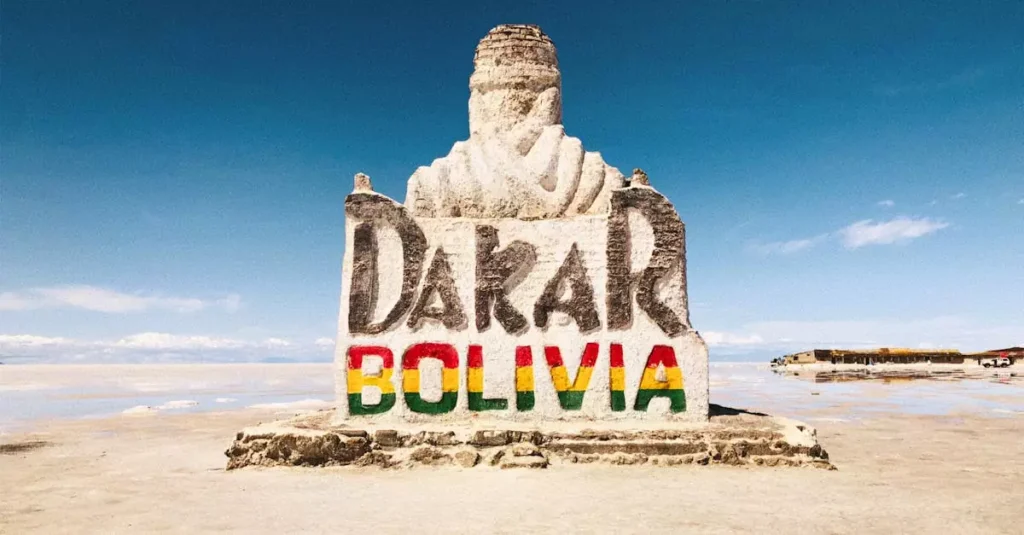
The gap between what you’ll spend in Uyuni versus Patagonia comes down to basic economics and how developed each region’s tourism infrastructure is. Bolivia has a much lower cost of living overall, and that advantage carries straight through to travelers. Uyuni’s main attractionthe Salar de Uyuniis reached primarily through multi-day organized tours. These tours pack a lot in for surprisingly little money, typically covering your vehicle, guide, place to sleep, and meals. You can book a solid 3-day Uyuni tour for somewhere between $150 and $300 USD per person. That’s hard to beat if you’re watching your spending.
Patagonia spans parts of Chile and Argentina and has far more developed tourism infrastructure. You’ll find everything from upscale lodges to well-maintained national parks with solid facilities. That development comes with a price tag, though. Flights cost more. Hotels cost more. Food costs more. Tours cost more. A single day visit to Perito Moreno Glacier, for instance, runs $100-$150 USD before you even factor in how you’re getting there. Permits for famous treks like the ‘W’ trek in Torres del Paine add hundreds more. When you’re comparing the uyuni vs patagonia travel cost, these economic differences become impossible to ignore. If you’re trying to stretch your dollars, Uyuni is the clear winner.
Flights and Transportation: A Major Cost Factor
For most travelers coming from far away, flights represent the single biggest expense. Getting to Bolivia usually means flying into La Paz (LPB) or Santa Cruz (VVI), then catching a domestic flight to Uyuni (UYU). International flights to La Paz typically run $500 to $1,000+ USD, depending on where you’re starting and how far in advance you book. The domestic hop to Uyuni is cheapusually $50-$150 USD one-way. If you’re willing to spend more time traveling, buses are even cheaper. A bus from La Paz to Uyuni costs around $15-$30 USD.
Getting to Patagonia costs considerably more. You’ll fly into major hubs like Santiago, Chile (SCL) or Buenos Aires, Argentina (EZE). Expect to pay $800 to $1,500+ USD for your international flight. Then you need another domestic flight to reach Patagonian towns like El Calafate (FTE) or Puerto Natales (PNT). These internal flights aren’t cheapfigure $100-$300 USD one-way. Even buses connecting Patagonian towns are pricier than their Bolivian counterparts. A bus from El Calafate to Puerto Natales, for example, costs $40-$60 USD. This part of the uyuni vs patagonia travel cost comparison shows a real difference. Just getting to Patagonia requires a bigger chunk of your budget.
Accommodation and Food Expenses in Each Region
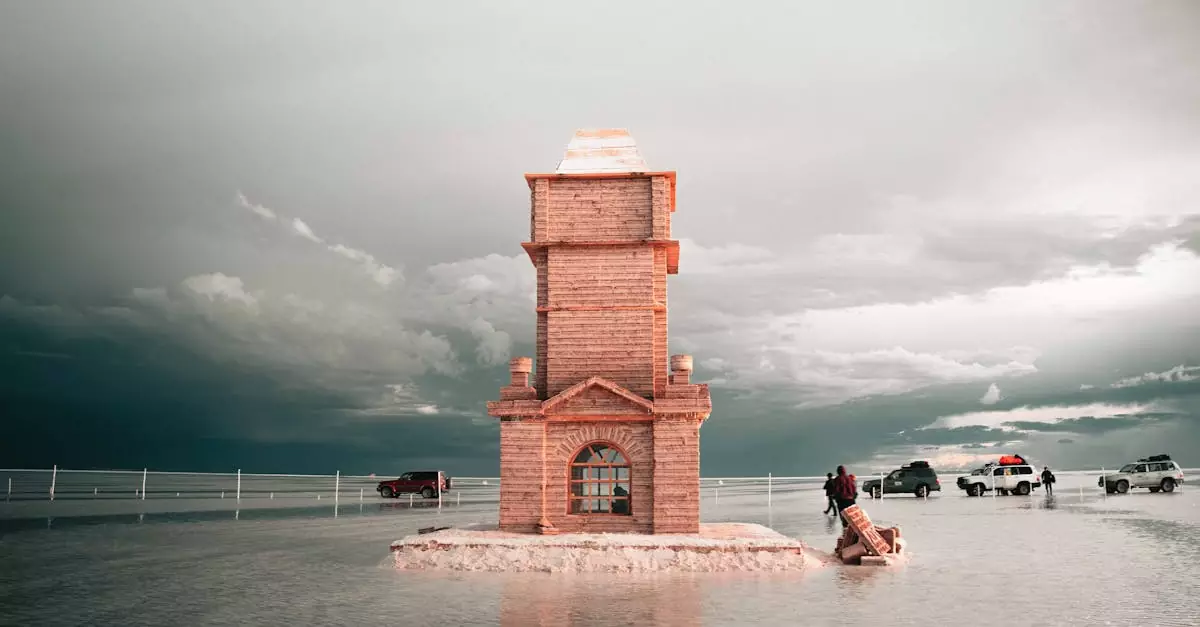
Where you sleep and what you eat show the biggest price differences between these destinations. Uyuni has plenty of budget hostels and simple guesthouses scattered around. A decent private room runs $20-$50 USD per night. If you want something a bit nicer, mid-range hotels go for $50-$100 USD. The beauty of a multi-day salt flat tour is that accommodation is includedthough it’s usually pretty basic, with shared dorms or simple rooms that lack fancy amenities. Eating in Uyuni is wonderfully cheap. Street food and small local restaurants serve meals for $3-$10 USD. A proper sit-down meal at a decent restaurant might cost $10-$25 USD. Your daily living costs stay low.
Patagonia tells a different story. Hostel dorm beds start at $30-$60 USD per night. Private rooms in mid-range hotels jump to $100-$200 USD per night. Luxury lodges easily exceed $300-$500 USD. Food prices are substantially higher too. A casual meal at a restaurant costs $15-$25 USD. Something nicer runs $30-$60 USD per person. Even groceries for self-catering are pricier than in Bolivia. When you’re calculating your overall uyuni vs patagonia travel cost, accommodation and food will take a noticeably larger slice of your budget in Patagonia. One smart move is cooking some of your own meals if your lodging has kitchen accessthat strategy can really help in Patagonia.
Tour and Activity Costs: Salt Flats vs. Glaciers and Treks
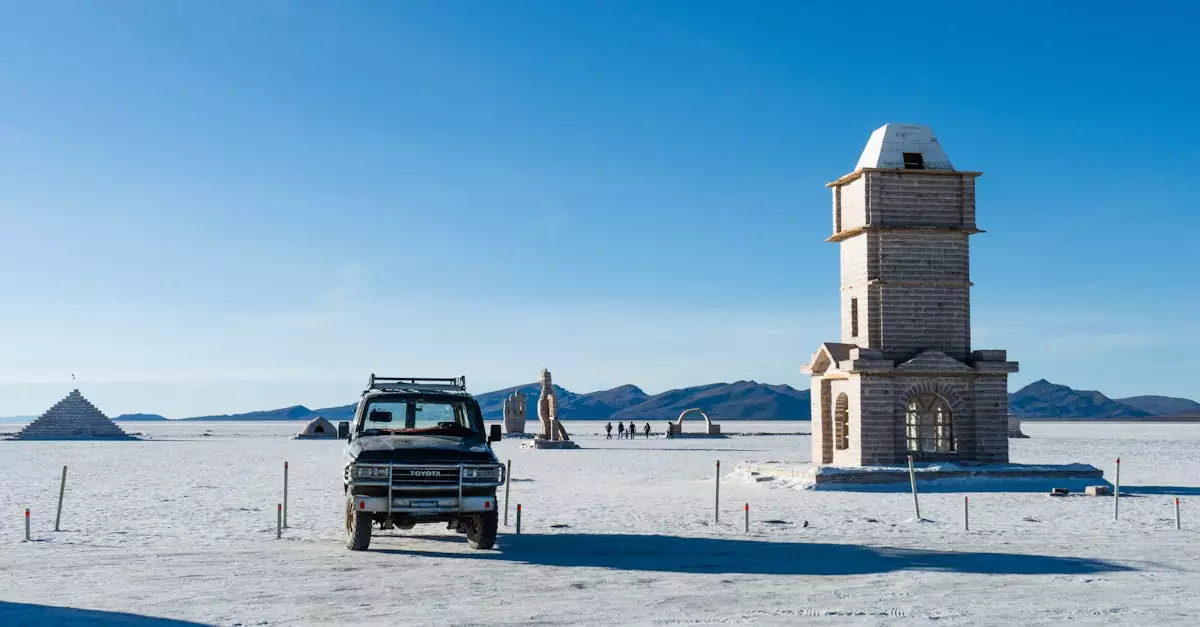
The main draw in Uyuni is the multi-day tour exploring the Salar de Uyuni and the stunning landscapes around it. A standard 3-day, 2-night tour costs between $150 and $300 USD per person. That price bundle typically includes your 4×4 vehicle, a driver-guide, somewhere to sleep, and all your meals. Park entrance feesaround $5-$10 USDmight be extra. These tours deliver incredible value, packing in diverse landscapes and unforgettable moments into a tight timeframe. They’re an efficient way to experience the region. Other activities, like checking out train cemeteries or wandering local markets, are either free or nearly free. This keeps the activity portion of your uyuni vs patagonia travel cost very reasonable.
Patagonia offers a much wider menu of activities, but they all come with higher price tags. National park entrance fees, like those for Torres del Paine, run $30-$50 USD for a multi-day pass. Guided treks, ice-walking adventures, and boat tours add up quickly. Ice trekking on Perito Moreno Glacier, for instance, costs $200-$300 USD. A boat tour to see glaciers runs $100-$150 USD. Multi-day treks often need permits and involve staying in refugios (mountain huts), which charge $50-$100+ USD per night. The experiences are genuinely world-class, but they demand more money. If you’re comparing trip costs and watching your budget, Patagonia’s activities will feel significantly more expensive.
Uyuni vs Patagonia Travel Cost: A Direct Comparison Table
Below you’ll find a quick snapshot of estimated costs for a typical 7-day trip. These figures represent a mid-range travelernot someone on an extreme budget or splurging on luxury. They exclude international flights but cover domestic travel, where you sleep, food, and what you do. Keep in mind that prices shift based on season, how far ahead you book, and your personal travel preferences. This table gives you a general sense of the financial commitment for each spot.
| Category | Uyuni (7 Days) – Estimated Cost (USD) | Patagonia (7 Days) – Estimated Cost (USD) |
|---|---|---|
| Internal Flights | $100 – $250 | $200 – $600 |
| Accommodation (6 nights) | $120 – $300 | $300 – $900 |
| Food & Drink | $100 – $200 | $250 – $500 |
| Tours & Activities | $150 – $300 (3-day salt flat tour) | $300 – $700 (glacier, park fees, short treks) |
| Local Transport & Misc. | $50 – $100 | $100 – $200 |
| Total Estimated Trip Cost (excluding international flights) | $520 – $1150 | $1150 – $2900 |
The numbers make the uyuni vs patagonia travel cost comparison pretty stark. Patagonia can easily run two to three times what you’d spend in Uyuni for the same number of days. This table serves as a solid reference point for your planning. It really drives home the broader trip cost comparison. Don’t forget to factor in your own spending habits and any specific activities you absolutely want to do.
Pros and Cons of Each Destination Beyond Cost
Cost matters, but the actual experience you have matters just as much. Uyuni delivers something genuinely unique and otherworldly. The endless salt flats, brilliantly colored lagoons, and active geysers create a visual experience unlike anywhere else on the planet. The remote location means you’ll encounter fewer tourists compared to some Patagonian spots. You also get to experience authentic Bolivian culture in a raw, unfiltered way. The downside is that facilities are quite basic, and the high altitude can be rough on your body. The salt flat tour is really the main event, with limited other activities to pursue.
Patagonia, conversely, is a dream destination for hikers and trekkers. Towering mountain ranges, colossal glaciers, and abundant wildlife make it spectacular. The tourist infrastructure is far more developed, giving you tons of accommodation and dining choices. You can pursue world-class trekking, kayaking, and wildlife viewing. Independent travelers and those seeking comfort will appreciate the options. The trade-off is that its popularity means peak season brings crowds. Weather here is notoriously moody and unpredictable. Distances between attractions are substantial. For those drawn to South America’s natural wonders, Patagonia offers a different kind of majesty. You can learn more about its varied landscapes on Wikipedia’s Patagonia page.
Practical Tips for Managing Your Travel Budget
Whichever destination you pick, strategic planning can keep money in your pocket. Here are some concrete strategies:
- Travel Off-Season: Both places have busy and quiet periods. Visiting during shoulder months (April-May or September-October) can mean lower prices for flights and rooms. You’ll also dodge some of the tourist crowds.
- Book in Advance: Patagonia especiallypopular tours, mountain huts, and flights fill up fast. Booking early locks in better prices.
- Embrace Local Food: Eat where locals eat. In Uyuni, that means market stalls and tiny eateries. In Patagonia, hunt for ‘menu del da’ specials.
- Consider Group Travel: For Uyuni, joining a group salt flat tour cuts the per-person cost significantly.
- Self-Cater: If your place has a kitchen, buying groceries and cooking some meals saves real money, particularly in Patagonia.
- Use Public Transport: Buses always beat private transfers or internal flights for price, though they take longer.
- Pack Smart: Don’t buy expensive gear when you arrive. Bring appropriate clothing and equipment for the climate and activities you’ll do.
- Cash vs. Card: Keep some local currency on hand. ATMs can be hard to find in remote spots, and smaller vendors often take cash only.
- Look for Deals: Sign up for flight alerts. Compare prices across multiple sites for hotels and tours.
Using these approaches can trim your overall uyuni vs patagonia travel cost considerably. Thinking ahead is what makes a trip both enjoyable and affordable. For broader spending advice, check out our travel budget guide.
When to Visit: Impact on Uyuni vs Patagonia Trip Cost Comparison
Your travel dates shape both what you’ll spend and what you’ll experience. In Uyuni, the dry season (April to October) brings clear skies and better road conditions. This is peak season, so tour prices tick up slightly. The wet season (December to March) creates the famous ‘mirror effect’ where the salt flats reflect the sky. Some roads might become impassable, but people still book tours for the mirror effect, keeping prices strong. Flights stay relatively stable, though accommodation can fluctuate a bit.
Patagonia peaks during Southern Hemisphere summer (December to February). This window offers the best weather for hiking and exploring. But everythingflights, rooms, tourshits peak prices. You really need to book well ahead. The shoulder seasons (October-November and March-April) strike a nice balance between decent weather and lower costs. Winter (May to September) closes many facilities, but rewards adventurous travelers with snow-covered landscapes and solitude. For seasonal specifics, our guide on the best time to visit these regions has more detail.
FAQs About Uyuni vs Patagonia Trip Cost Comparison
Is Uyuni or Patagonia better for budget travelers?
Uyuni wins for budget travelers by a wide margin. Tours, rooms, and meals all cost significantly less than in Patagonia. You can see incredible sights without spending a fortune.
What’s the average daily cost for a mid-range traveler in each location?
A mid-range traveler in Uyuni typically spends $75-$150 USD daily, including a portion of a multi-day tour. Patagonia runs $150-$350 USD per day for comparable comfort and activities.
Are tours mandatory in Uyuni?
Tours aren’t strictly required, but a multi-day 4×4 tour is the most practical and sensible way to explore the vast Salar de Uyuni and everything around it. Independent travel is extremely difficult because of how remote it is and the lack of infrastructure.
Can I save money by camping in Patagonia?
Absolutely. Camping in designated campsites or national park areas cuts accommodation costs significantly in Patagonia. You’ll need to bring your own gear and budget for campsite fees and park permits, though.
What hidden costs should I be aware of for an Uyuni vs Patagonia trip cost comparison?
In Uyuni, watch for national park entrance fees not bundled into your tour, guide tips, and personal snacks or souvenirs. Patagonia can surprise you with pricey gear rentals, extra permits for specific treks, and restaurants that cost more than you expected.
Conclusion: Deciding Between Uyuni and Patagonia for Your Budget
Your choice between Uyuni and Patagonia comes down to your travel style, what matters most to you, and your budget reality. If you want an extraordinary, visually stunning adventure without emptying your bank account, Uyuni is a fantastic choice. The uyuni vs patagonia travel cost clearly shows Bolivia as the more budget-friendly option. You can witness landscapes you’ll never forget and soak in a distinct cultural experience for far less money.
If your budget is more generous, Patagonia delivers unmatched trekking, breathtaking glaciers, and better-developed tourist infrastructure. It’s a different kind of adventure, built around active exploration and raw natural beauty. Both destinations create memories that stick with you. By working through this detailed Uyuni vs Patagonia trip cost comparison, you’re equipped to plan the South American adventure that fits both your finances and your travel dreams.