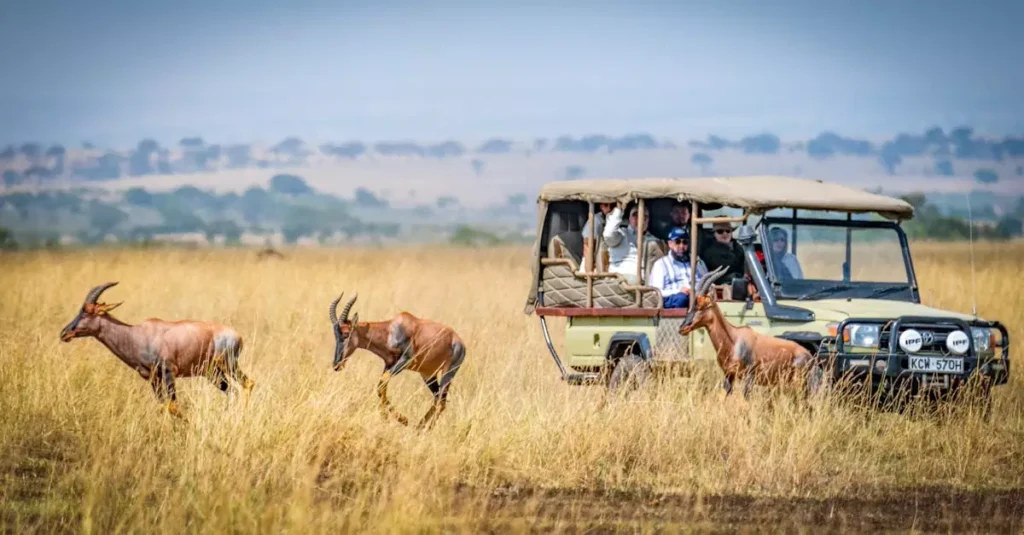
A Masai Mara safari ranks among the most extraordinary experiences you can have as a traveler. The wildlife encounters and dramatic vistas are truly world-class. Yet behind every great adventure lies the practical reality of managing your finances. Getting a handle on masai mara safari atm fees cost before you depart makes all the difference between a seamless trip and one riddled with financial frustrations.
Once you’re in the Kenyan bush, accessing cash becomes a real concern. While certain lodges do accept credit cards, cash still dominates for smaller transactions, gratuities, and interactions at local markets. Grasping what you’ll actually pay when withdrawing money helps you plan your budget accurately and sidestep unwelcome surprises.
Your safari finances deserve careful attention. This guide breaks down everything about ATM fees in Kenya, from typical withdrawal limits to exchange rates and proven tactics for keeping costs down. With proper preparation, you can focus entirely on your adventure rather than worrying about money.
Understanding Masai Mara Safari ATM Fees Cost
The masai mara safari atm fees cost deserves serious consideration when planning your trip. These charges accumulate faster than you might expect. Two distinct fee categories typically apply to your withdrawals. Your home bank charges a foreign transaction fee, usually between 1% and 3% of what you withdraw. This applies whenever you use your card in a foreign currency. Meanwhile, the Kenyan ATM operatorthe local bank running the machinemay add its own charge. This varies significantly by institution and may be a flat fee per transaction or a percentage-based charge. Always review the on-screen notification before you confirm your withdrawal.
A typical local fee hovers around KES 300-500 (roughly $2.50-$4.00 USD) per transaction, stacked on top of your bank’s charges. Larger international banks like Standard Chartered or Absa occasionally waive these local fees for certain cardholders, though this is rare near the Masai Mara. Towns like Narok and Nairobi feature more ATMs, but they still impose these charges. Carrying a blend of cash and cards reduces how often you need to visit an ATM. Fewer withdrawals directly translate to lower total fees during your stay.
Before departing, contact your bank and alert them to your Kenya travel plans. This prevents them from freezing your card when they detect foreign transactions. Ask specifically about their foreign transaction fees and daily withdrawal limits. Some banks offer travel-specific debit cards without foreign transaction feesthese are worth investigating before you go. The research you do now pays real dividends later. Remember that the Masai Mara experience is unforgettable, but financial readiness makes it genuinely stress-free. When using ATMs anywhere abroad, always prioritize your safety. Seek out well-lit, busy locations, ideally inside bank branches or established shopping centers.
Kenya ATM Withdrawal Charges: What to Expect
Navigating kenya atm withdrawal charges safari guide requires some planning ahead. Kenya’s banking infrastructure is reasonably modern in urban centers, but smaller towns leading toward the Masai Mara have fewer ATM options. When you withdraw from a Kenyan ATM, you’ll typically access Kenyan Shillings (KES). Most machines accept Visa, MasterCard, and sometimes American Express from international cardholders. The exchange rate you receive is usually the interbank rate with a markup from your card issuer. This generally beats airport currency exchange rates, though fees may offset some gains.
Major Kenyan banksEquity Bank, KCB Bank, Co-operative Bank, and Absamaintain extensive ATM networks you can rely on. Their machines perform consistently well. Withdrawal limits differ between banks and even individual machines. International cards typically have daily limits around KES 40,000 to KES 60,000 (approximately $300-$450 USD), though some premium cards allow higher amounts. Contact your bank beforehand to confirm your specific daily limit. This knowledge lets you plan larger cash needs strategically. Withdrawing bigger amounts less often means fewer transactions and lower cumulative feesa straightforward but effective approach.
Watch out for dynamic currency conversion (DCC) offers on ATM screens. Some machines prompt you to be charged in your home currency rather than Kenyan Shillings. While this sounds convenient, the ATM operator typically applies an unfavorable exchange rate. Always select the local currency option insteadyour bank will handle the conversion at a better rate. These prompts appear quickly, so stay alert. Choosing correctly on every transaction preserves your money and ensures better value.
Cash vs. Card: Balancing Your Safari Payments
Choosing between cash and cards on your Masai Mara safari requires strategic thinking about your specific needs. Each method has genuine strengths and limitations. Most upscale safari lodges and tour operators accept Visa and MasterCard without issue. Using cards for major expenses like your accommodation or pre-booked activities offers convenience and creates a spending record. That said, always verify card acceptance with your specific lodge or camp before you arrive. Local shops, market vendors, and smaller camps scattered near the Mara almost universally demand cash. This is where your Kenyan Shillings become essential.
Cash tips for your safari guide, lodge staff, and porters are universally preferred and expected. While some properties allow adding gratuities to your bill, direct cash tips are far more appreciated. Money reaches the staff immediately without delays or processing deductions. You’ll also want cash when purchasing souvenirs directly from Maasai artisans in villages. These craftspeople rarely have card facilities. Carrying smaller KES denominations prevents frustration when vendors can’t make change for larger notes. A practical approach is keeping enough cash for daily expenses and tips while relying on cards for major pre-arranged costs.
The security question matters when carrying substantial cash. Kenya is generally safe for tourists, but caution always makes sense. Stash your cash in a secure money belt or your lodge’s safe. Only take out what you’ll spend that day. Credit cards offer fraud protections that physical cash cannot match. Some travelers prefer prepaid travel cards, which you load with home currency funds before departure. These cards frequently offer better exchange rates and lower fees than standard debit or credit cards. They also create an extra security layerif lost or stolen, your primary bank account stays protected. This hybrid approach gives you flexibility and genuine peace of mind.
Minimizing Your Masai Mara Safari ATM Fees Cost
Strategic financial planning dramatically cuts your masai mara safari atm fees cost. The single most effective tactic is making fewer withdrawals of larger amounts. Every ATM visit triggers fees from both your home bank and the local Kenyan operator. Withdrawing a substantial sum that lasts several days slashes the number of transactionsand thus the fees you pay. Rather than pulling out KES 10,000 daily, aim for KES 50,000 every five days. This straightforward change can reduce your ATM fees by roughly 80% across your entire trip. Just remember to check your daily withdrawal limit beforehand.
Seek out banks offering zero foreign transaction fees on their debit cards. Many online banks and specialized travel credit cards eliminate these charges entirely. This saves you 1% to 3% on each withdrawal. Over a two-week safari, these savings compound significantly. Withdrawing $1000 total with a 3% fee costs $30but choosing a no-fee card means that $30 stays yours. Some banks maintain fee-free ATM networks internationally. While less common in remote areas like the Masai Mara, it’s worth checking whether your bank has partnerships in Kenya. You can find more details about managing your trip budget on our travel budget guide.
Having some US Dollars as backup currency adds another layer of protection. While Kenyan Shillings are official, USD gets accepted readily for safari services, tips, and park fees. Bring crisp, new bills in small denominationsolder or damaged notes often get refused. You can exchange USD for KES at local forex bureaus or banks in larger towns, where rates typically beat airport exchanges. Just account for any exchange fees. Carrying USD as an emergency fund means you’re not entirely dependent on ATMs. This safety net proves invaluable if your card gets lost, stolen, or an ATM malfunctions. Always handle cash with security and caution.
Comparison: ATM Withdrawal Fees by Bank (Estimated)
Different banks charge vastly different amounts for ATM withdrawals abroad. This comparison helps you understand typical costs you’ll face. The figures below combine your home bank’s foreign transaction fee with the local Kenyan ATM operator’s charge. Some premium cards may offer fee waivers, so always check with your specific bank before traveling.
| Bank Type (Home Country) | Foreign Transaction Fee (Est.) | Local Kenyan ATM Fee (Est.) | Total Estimated Fee per Withdrawal | Daily Withdrawal Limit (Est. KES) |
|---|---|---|---|---|
| Traditional Bank (e.g., Chase, Barclays) | 2.5% – 3% | KES 300 – KES 500 | ~3% + KES 400 | 40,000 – 60,000 |
| Online/Travel-Friendly Bank (e.g., Charles Schwab, Revolut) | 0% | KES 0 – KES 500 | ~KES 200 (if local fee applies) | 60,000 – 100,000+ |
| Credit Card Cash Advance (Avoid!) | 3% – 5% + Interest | KES 300 – KES 500 | ~4% + KES 400 + high interest | Varies, often lower |
| Prepaid Travel Card | 0% – 2% (load/conversion) | KES 0 – KES 300 | ~1% + KES 150 | Varies by card |
The differences jump out immediately. Traditional banks impose substantially higher fees, which is why seasoned travelers gravitate toward specialized travel cards. These products exist specifically to minimize international transaction costs. Remember that both your home bank and the local ATM set daily limitsyou’re restricted by whichever is lower. Planning your cash needs in advance prevents the need for multiple small withdrawals and unnecessary fees. Grasping these distinctions is fundamental to keeping your safari budget under control.
Pros and Cons of Using ATMs on Your Safari
ATM usage during your Masai Mara safari comes with genuine advantages and real drawbacks. Weighing both helps you make smarter financial choices. The biggest benefit is sheer convenience. ATMs give you access to local currency whenever you need it. You don’t have to carry massive amounts of cash from homeyou simply withdraw as you go. Larger towns like Narok, which serves as the gateway to the Masai Mara, have ATMs. So do major cities like Nairobi. This accessibility means you rarely find yourself stranded without cash, particularly for smaller purchases or gratuities.
The exchange rate advantage is substantial. ATMs typically offer competitive interbank rates that beat most airport currency exchange counters significantly. You get more Kenyan Shillings for your home currency. Security is another real plus. Carrying less physical cash reduces theft and loss risk. If your card gets compromised, you can block it quickly, protecting your main bank account. ATMs provide flexibility to adjust your withdrawals based on actual spending patterns throughout your trip.
- Pros:
- Convenient access to local currency.
- Generally favorable exchange rates.
- Reduced need to carry large amounts of cash.
- Security features like card blocking.
However, significant drawbacks exist. The primary issue is cumulative fee costs. Both your home bank and the local ATM charge per transaction, and these add up quickly. Another challenge is limited availability. While ATMs exist in towns, they’re scarce or completely absent within the Masai Mara reserve itself. You must plan withdrawals carefully before entering the parkyou can’t rely on finding an ATM once you’re deep in your safari. Technical glitches or power outages can render machines temporarily unusable, creating real inconvenience.
Security risks, though reduced by carrying less cash, still exist. Skimming devices get installed on ATMs occasionally. Always inspect the card slot and keypad for anything unusual before inserting your card. Remain aware of your surroundings during withdrawals. Daily withdrawal limits can restrict access to larger sums. Needing substantial cash might require multiple withdrawals over several days, increasing overall fees. It’s fundamentally a balancing act. For more information on Kenya, you can visit Wikipedia’s page on Kenya.
- Cons:
- Accumulation of withdrawal fees.
- Limited ATM availability within the Mara reserve.
- Potential for ATM malfunctions or power outages.
- Security concerns like card skimming.
- Daily withdrawal limits can be restrictive.
Practical Tips for Managing Money on Your Masai Mara Safari
Sound money management transforms your Masai Mara safari into a genuinely worry-free experience. Start by contacting your bank before departure and informing them of your travel dates and Kenya destination. This prevents your card from getting blocked due to suspicious activity. Ask about their specific foreign transaction fees and daily withdrawal limits. Consider opening an account with a travel-focused bank that waives international ATM fees. This single decision can save substantial money across your trip.
Diversify your payment methods. Bring at least two debit or credit cards from different banks, creating a backup if one gets lost, stolen, or isn’t accepted somewhere. Also pack some US Dollars in small denominations for emergencies and tips. While KES is preferred locally, USD gets accepted readily for tourism services. Always exchange money at legitimate forex bureaus or banks. Steer clear of street vendors offering exchange servicesthey often provide poor rates or run scams. When exchanging, count your money carefully before leaving the counter. This vigilance protects your funds from mistakes.
Plan your cash withdrawals with intention. Make larger, less frequent withdrawals in major towns like Nairobi or Narok before heading into the reserve. ATMs become scarce once you enter the Mara. Always request to be charged in Kenyan Shillings at ATMsthis avoids dynamic currency conversion fees. Protect your cash and cards with a money belt or secure travel wallet. Carry only what you need for each day, leaving the rest in your lodge’s safe. Be mindful of your surroundings when using ATMs. If an ATM looks suspicious or isolated, find another one. Your personal safety comes first.
Budget specifically for tips. Tipping is customary and expected throughout the safari industry. Have small KES denominations ready for your safari guide, lodge staff, and porters. A safari guide typically receives $10-20 USD per person per day. Lodge staff usually get $5-10 USD per person per day. Adjust based on service quality. Finally, maintain a small emergency fund separate from your main wallet. $50-$100 USD can be a lifesaver in unexpected situations. Following these tips ensures your safari finances stay solid and your experience stays worry-free.
FAQs About Masai Mara Safari ATM Fees and Costs
Where can I find ATMs near the Masai Mara?
ATMs cluster primarily in larger towns surrounding the Masai Mara. Narok, the closest major town, has several bank branches with ATM access. You’ll find more options in larger cities like Nairobi or Mombasa before heading to the safari area. Plan to withdraw sufficient cash before entering the reserve.
Are credit cards widely accepted in Masai Mara lodges?
Mid-range to luxury safari lodges and camps in the Masai Mara accept major credit cards like Visa and MasterCard. Always confirm with your specific lodge or tour operator in advance. Smaller camps and local vendors typically accept cash only.
What are typical daily ATM withdrawal limits in Kenya?
Daily ATM withdrawal limits in Kenya for international cards typically fall between KES 40,000 to KES 60,000 (approximately $300-$450 USD). Limits vary by bank and individual ATM. Your home bank also sets its own daily limit, so check both before your trip.
Should I carry US Dollars or Kenyan Shillings for my safari?
Carrying a combination works best. Kenyan Shillings serve as your primary currency for local transactions and tips. US Dollars work well as backup currency for safari services and emergencies, especially for larger tips. Ensure any USD bills are new and crisp.
How can I avoid high foreign transaction fees?
Use a debit card from a travel-friendly bank that waives foreign transaction fees. Always request to be charged in local currency (Kenyan Shillings) at ATMs to avoid dynamic currency conversion fees. Making fewer, larger withdrawals also reduces per-transaction costs.
Conclusion: Smart Money for Your Masai Mara Adventure
Your Masai Mara safari represents an incredible journey, and understanding the financial side ensures you enjoy every moment. The masai mara safari atm fees cost can significantly impact your budget without proper planning. Being proactive helps you slash these expenses dramatically. Researching your bank’s policies, selecting travel-friendly cards, and strategizing your withdrawals matter tremendously. Never forget to prioritize security when handling money abroad. Keep your cash and cards safe, and stay aware of your surroundings.
A balanced approachusing cards for major expenses and cash for daily needs and tipstypically works best. Always confirm card acceptance with your accommodations and tour operators beforehand. Withdrawing larger sums less frequently keeps cumulative fees down. By applying the practical tips throughout this guide, you can ensure your financial arrangements run smoothly and your safari experience becomes truly unforgettable. Concentrate on the breathtaking wildlife and stunning landscapes, knowing your money matters are handled well. Your remarkable Kenyan adventure awaits, made even better through smart financial planning.