Planning your first trip to Kenya is an exciting endeavor, offering breathtaking landscapes and unforgettable wildlife encounters. To make your adventure seamless and memorable, it’s essential to understand the nuances of traveling in this vibrant East African nation. This guide provides key insights to help you navigate your journey, covering everything from the best times to visit and transportation options to creating an ideal itinerary and packing list. You’ll find practical advice on budgeting, currency, safety, and local customs. Get ready to immerse yourself in the magic of Kenya, from the iconic savannas of the Maasai Mara to the tranquil shores of Diani Beach, armed with the knowledge to enhance your experience.
When is the Best Time for Your First Trip to Kenya?
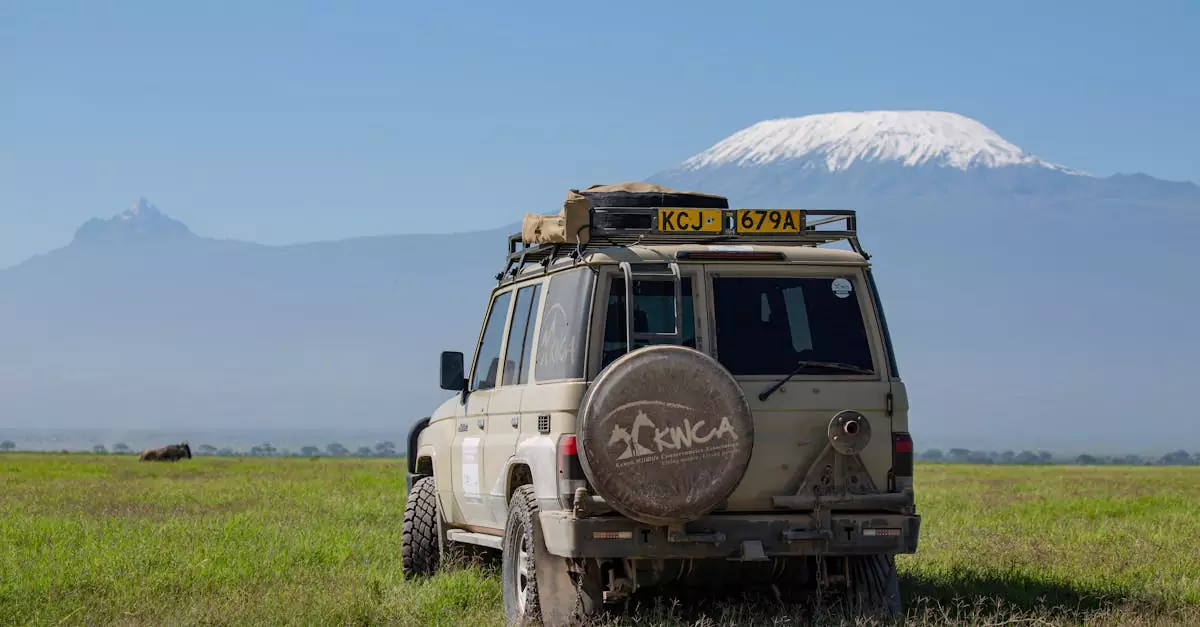
Understanding the seasons is crucial when planning your first trip to Kenya, as they greatly influence wildlife viewing, crowd levels, and overall experience. While Kenya’s climate is generally pleasant year-round, distinct dry and wet periods offer unique advantages for travelers.
Kenya’s Dry Seasons: Optimal for Wildlife Viewing
The two dry seasons—January to March and June to October—are considered prime times for wildlife enthusiasts. During these months, vegetation is sparser, making animals easier to spot. Concentrated water sources attract a variety of species to rivers and waterholes, creating excellent viewing opportunities.
The longer dry season, from June to October, aligns with the famous Great Migration in the Maasai Mara. This period features cooler temperatures, making game drives more enjoyable. Expect sunny days with minimal rainfall, although evenings can be cool, especially in higher-altitude regions like the Maasai Mara and Laikipia. As this is peak tourist season, anticipate higher accommodation and tour prices, and book well in advance.
The Great Migration: Timing Your Maasai Mara Visit
The Great Migration is a natural spectacle where millions of wildebeest, zebras, and gazelles traverse the Serengeti and Maasai Mara in search of fresh grazing. Although the migration occurs year-round, its presence in the Maasai Mara is most pronounced from July to October, when dramatic river crossings filled with crocodiles often take place.
If witnessing this incredible event is a priority, plan your visit between July and September. Be mindful that demand for lodges and camps increases during this period, so early booking is essential. The sheer volume of animals provides unparalleled photographic opportunities and an immersive wildlife experience.
Kenya’s Green Seasons: Birdwatching and Fewer Crowds
Kenya experiences two green seasons: the long rains from April to May and the short rains from November to December. While these months may bring more frequent afternoon showers, they offer distinct advantages. The landscape transforms into a lush green, and the rains foster new life, making it an excellent time for birdwatching, with many migratory birds present.
The green seasons are ideal for travelers seeking fewer crowds and potentially lower prices on safaris and accommodations. The scenery is breathtaking, and showers often pass quickly, leaving the rest of the day clear for game drives. This time is also fantastic for photographers who appreciate dramatic skies and vibrant landscapes. If you’re keen on seeing baby animals, the months following the rains are often fruitful.
Here’s a quick overview of seasonal considerations for your first trip to Kenya:
| Season | Months | Wildlife Viewing | Crowds | Price | Weather Highlights | Best For |
|---|---|---|---|---|---|---|
| Dry Season (Long) | June – Oct | Excellent | High | High | Sunny days, cooler evenings, minimal rain | Great Migration, general wildlife, comfortable temps |
| Dry Season (Short) | Jan – Mar | Very Good | Moderate | Moderate | Hot, sunny days, very little rain | General wildlife, less crowded than long dry season |
| Green Season (Long) | Apr – May | Good | Low | Lower | Afternoon showers, lush vegetation, birding | Birdwatching, photography, fewer crowds, budget travel |
| Green Season (Short) | Nov – Dec | Good | Moderate | Moderate | Short, intense showers, dramatic skies, birding | Birdwatching, photography, pre-Christmas travel |
Choosing the right time depends on your priorities. For a classic safari experience with guaranteed wildlife sightings and the Great Migration, the dry seasons, particularly June to October, are ideal. If you prefer a more tranquil, budget-friendly trip with excellent birding and stunning green landscapes, consider the shoulder or green seasons. Regardless of when you visit, a first trip to Kenya promises an unforgettable adventure.
Navigating Kenya: Getting Around Nairobi and Beyond
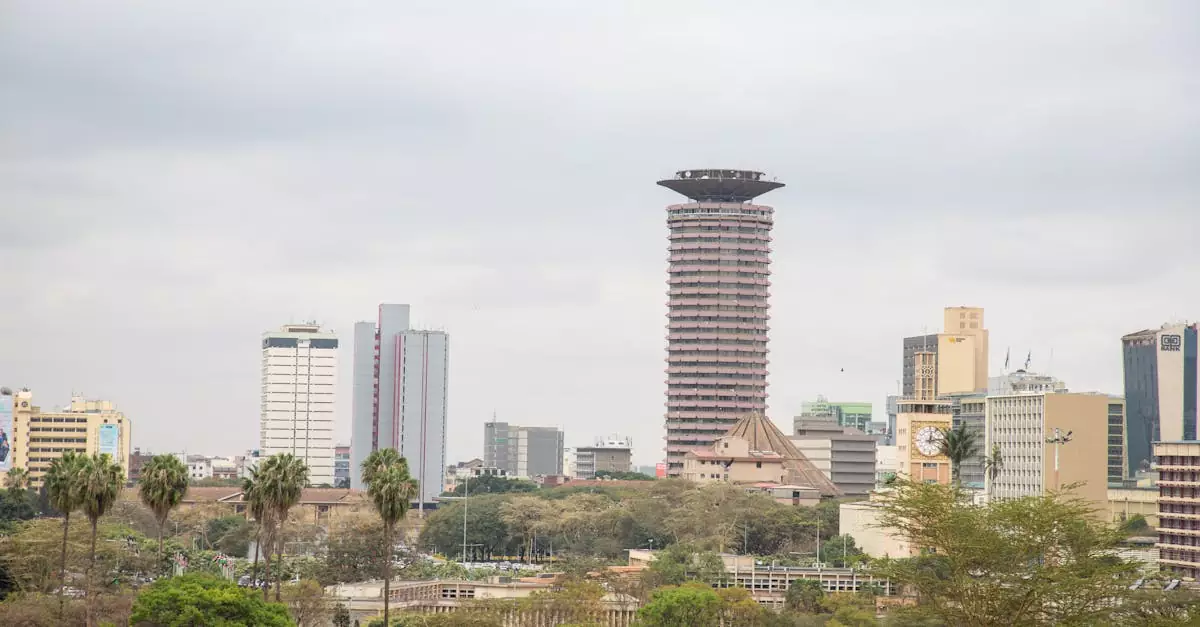
Understanding how to get around Kenya is crucial for your first trip. From arriving at the airport to exploring local markets, effective transportation is key to a smooth adventure. This section provides practical advice for navigating Nairobi and traveling to iconic destinations.
Nairobi Jomo Kenyatta International Airport (NBO) Arrivals
Jomo Kenyatta International Airport (NBO) is Kenya’s main international gateway and the first stop for most visitors. Upon arrival, you’ll find standard amenities like currency exchange counters, ATMs, and shops. Immigration and customs processes are generally efficient, but delays can occur, particularly during peak travel times. It’s wise to have your visa documentation and onward travel plans readily available.
Getting from Nairobi Airport to Your Hotel
Several options exist for reaching your accommodation from NBO. Official airport taxis are available outside the arrivals hall and provide a safe, though pricier, transfer. Agree on the fare before starting your journey. Ride-sharing apps like Uber and Bolt also operate in Nairobi and may offer a more budget-friendly alternative, although you might need to walk a short distance to meet your driver. For convenience, consider pre-booking a private transfer through your hotel or a reputable tour operator, especially for late-night arrivals, to ensure a hassle-free start to your Kenyan experience.
Inter-city Travel: Flights vs. Buses vs. Private Drivers
Kenya’s diverse attractions are spread across significant distances, necessitating careful consideration of inter-city travel.
| Transport Method | Pros | Cons | Best For |
|---|---|---|---|
| Domestic Flights | Fastest way to cover long distances | Most expensive option | Time-sensitive travelers, reaching distant parks |
| Buses (e.g., Simba, Mash) | Most budget-friendly | Long travel times, can be crowded | Budget travelers, shorter inter-city routes |
| Private Drivers/Safari Operators | Flexible, comfortable, door-to-door service | Highest cost, requires booking in advance | Families, groups, those prioritizing comfort |
For trips to popular safari destinations like the Maasai Mara or Amboseli National Park, domestic flights from Wilson Airport (WIL) in Nairobi offer significant time savings. Several local airlines operate these routes. If budget is a primary concern, long-distance buses connect major towns, with companies like Simba Coach and Mash East Africa providing reliable services, although journeys can be lengthy. For flexibility and comfort, especially when combining multiple destinations or traveling with luggage, hiring a private driver or booking a safari package with transportation included is often the best choice. Many travelers opt for these services when planning their safari itineraries.
Local Transport in Kenya: Matatus and Taxis
Within cities and towns, you’ll encounter a unique public transport system: matatus. These minibuses operate on fixed routes and are integral to Kenyan daily life. While they are inexpensive and offer a glimpse into local culture, they can be crowded and fast-paced, making them less suitable for everyone, especially on a first trip to Kenya. Always confirm the destination and fare before boarding.
Taxis are more readily available and provide a more comfortable ride. As with airport taxis, negotiate the fare upfront or ensure the meter is in use. Ride-sharing apps like Uber and Bolt are also popular in Nairobi and other major towns, offering transparent pricing and a convenient booking process. For safety, always choose official taxis or reputable ride-sharing services. Familiarizing yourself with these local transport options will enhance your ability to move around and immerse yourself in the Kenyan atmosphere.
Crafting Your First Kenya Itinerary: Must-See Destinations
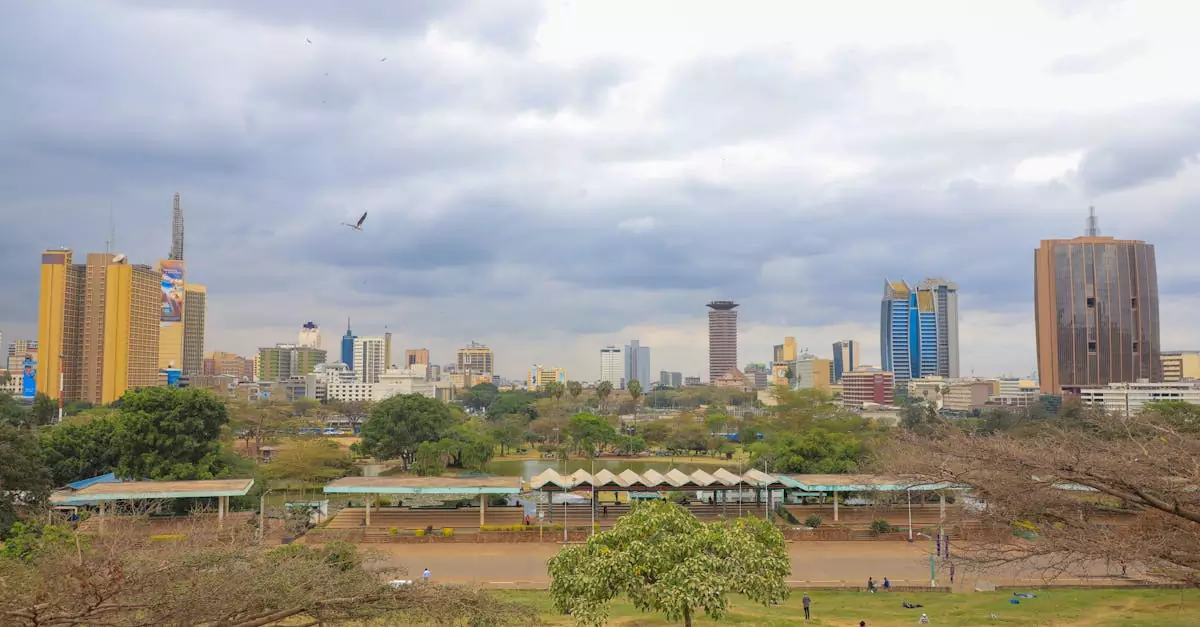
Planning your first trip to Kenya involves selecting from a wealth of incredible landscapes and wildlife experiences. Whether you dream of vast savannas, stunning mountain backdrops, or pristine beaches, Kenya offers diverse adventures. A well-crafted itinerary ensures you maximize your experience, balancing iconic wildlife viewing with cultural immersion and relaxation.
Maasai Mara National Reserve: The Classic Safari Experience
The Maasai Mara is arguably Kenya’s most famous wildlife destination, known for its large predator populations and the annual Great Migration. Here, you’ll find the quintessential African safari, with endless golden plains dotted with acacia trees. The best time to visit for the migration—when millions of wildebeest and zebras cross from the Serengeti in Tanzania—is typically from July to October. However, the Mara offers excellent game viewing year-round, with abundant resident wildlife.
Expect to see the “Big Five”—lion, leopard, elephant, rhino, and buffalo—along with cheetahs, giraffes, and a dazzling array of birdlife. Game drives are the primary activity, usually conducted in open-top 4×4 vehicles with experienced guides. Consider a hot air balloon safari for a breathtaking aerial view of the Mara at sunrise. Accommodations range from luxurious tented camps to budget-friendly lodges, often located along the Mara River for prime wildlife viewing.
Amboseli National Park: Kilimanjaro Views and Elephant Herds
Amboseli National Park is unrivaled for its iconic landscapes and large elephant herds. The park’s most striking feature is the majestic Mount Kilimanjaro, Africa’s highest peak, which provides a stunning backdrop for wildlife photography, particularly during early mornings and late afternoons. Amboseli is known for its matriarchal elephant families, and sightings are nearly guaranteed.
The park’s relatively flat terrain and open plains make spotting wildlife straightforward. In addition to elephants, you can find lions, cheetahs, giraffes, zebras, and diverse bird species. Amboseli is accessible year-round, although the dry season (June to October) often offers the best visibility of Kilimanjaro and concentrated wildlife around water sources. Lodging options include lodges and tented camps, many offering views of the mountain.
Lake Nakuru National Park: Flamingos and Rhinos
Lake Nakuru National Park features a unique ecosystem centered around its alkaline lake, famous for attracting vast numbers of flamingos. While the flamingo population can fluctuate due to water levels and food availability, the park remains a significant sanctuary for black and white rhinos, being one of the first in Kenya to establish a rhino sanctuary.
In addition to the avian spectacle and rhinos, the park is home to lions, leopards, Rothschild giraffes, hippos, and various antelope species. The landscape is varied, featuring acacia woodlands, rocky cliffs, and the lake itself. Lake Nakuru is easily accessible from Nairobi, making it a popular day trip or a short overnight stay, and it’s a solid option for those on a tighter schedule. The best time for birdwatching is generally during the dry season, though wildlife viewing is good year-round.
Diani Beach: Relaxation After Your Safari Adventure
After days spent on safari, Diani Beach on Kenya’s southern coast offers a perfect setting for relaxation and natural beauty. This stretch of coastline is famous for its soft white sand, clear turquoise waters, and swaying palm trees. It’s an ideal place to unwind, swim, sunbathe, or partake in water sports like snorkeling, diving, and kite surfing.
The warm waters of the Indian Ocean are inviting, and the offshore coral reefs boast vibrant marine life. You can also take dhow trips, visit the nearby Colobus Conservation, or explore the mangrove forests. Diani is accessible via a short flight from Nairobi or Mombasa, or by road. The weather is warm and humid year-round, with a brief rainy season in April and May. Accommodations range from boutique hotels and luxury resorts to private villas, catering to various preferences and budgets.
Here’s a brief comparison of these top destinations:
| Destination | Primary Draw | Best Time for Migration | Key Wildlife Highlights | Landscape |
|---|---|---|---|---|
| Maasai Mara National Reserve | Great Migration, Big Cats | July-Oct | Lions, leopards, elephants, wildebeest, zebra | Rolling grasslands, acacia woodlands |
| Amboseli National Park | Kilimanjaro backdrop, Elephants | Year-round (dry season) | Elephants, lions, cheetahs, giraffes | Open plains, acacia trees, swampy areas |
| Lake Nakuru National Park | Flamingos, Rhinos | Year-round (variable) | Rhinos, flamingos, lions, leopards, giraffes | Alkaline lake, acacia woodland, rocky outcrops |
| Diani Beach | Beaches, Relaxation, Water Sports | Year-round | Marine life, coastal birds | White sand beaches, coral reefs, palm trees |
What to Pack for Your First Kenya Trip: Essentials and Considerations
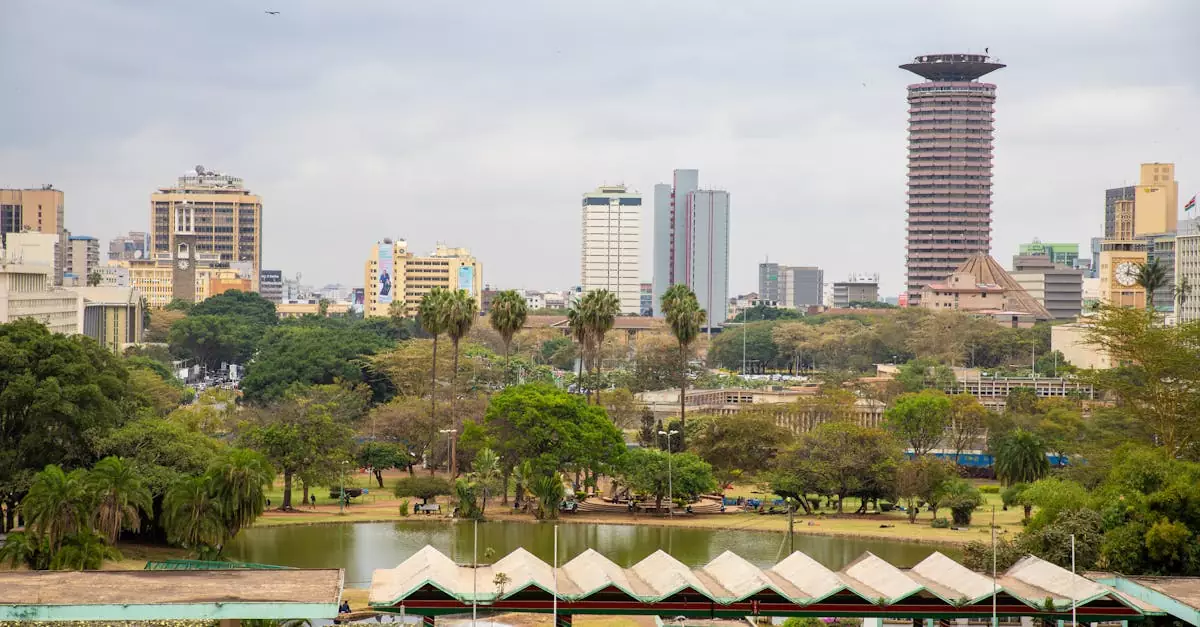
Preparing for your first trip to Kenya requires careful packing, balancing comfort, practicality, and the demands of safari travel. The key is to pack light yet smart, ensuring you have everything you need for game drives, cultural interactions, and relaxation. Focus on layers, neutral colors, and durable essentials.
Clothing for Safari: Layers, Neutrals, and Comfort
When selecting clothing for a safari in Kenya, choose lightweight, breathable fabrics in neutral colors like khaki, olive green, beige, and brown. These shades blend into the environment, facilitating wildlife sightings and respecting local customs. Avoid bright colors, which can startle animals, and dark shades that attract tsetse flies. Long sleeves and trousers are essential for sun protection and insect defense, particularly during early mornings and late afternoons when wildlife activity peaks. Comfortable, broken-in walking shoes or sturdy hiking boots are a must, even if your lodge offers guided walks. A light fleece or jacket is crucial for cooler evenings and early morning game drives, as temperatures can drop significantly in higher-altitude areas like the Masai Mara. Pack at least two pairs of comfortable trousers and shirts, and consider convertible pants for versatility.
Essential Gear: Binoculars, Camera, and Sun Protection
High-quality binoculars are essential for any safari, enhancing your wildlife viewing experience by allowing you to spot distant animals and observe their behavior. A good zoom lens for your camera is also highly recommended to capture memorable moments. Don’t forget extra batteries and memory cards, as charging opportunities can be limited in remote areas. Sun protection is vital. Pack a wide-brimmed hat for ample shade, high SPF sunscreen, and sunglasses. A reusable water bottle is practical, helping you stay hydrated while reducing plastic waste; many lodges provide filtered water for refills. A small, lightweight backpack is useful for carrying essentials like water, snacks, sunscreen, and your camera during game drives.
Health and Safety Items: Malaria Prevention and First-Aid
Consult your doctor about necessary vaccinations and malaria prophylaxis well in advance of your trip, as malaria is present in many parts of Kenya. A personal first-aid kit with essentials such as antiseptic wipes, bandages, pain relievers, antihistamines, and any personal prescription medications is advisable. Insect repellent with a high concentration of DEET is crucial for protection against mosquito bites. Hand sanitizer is also useful, especially when eating or after visiting restrooms. If you are prone to motion sickness, consider bringing medication, as some safari routes can be bumpy.
Documents and Money: What to Carry and How to Store It
Ensure your passport is valid for at least six months beyond your intended stay and that you have the necessary visas. Keep photocopies of your passport, visa, and flight tickets separate from the originals. Travelers can obtain e-visas for Kenya online prior to arrival. For money, it’s advisable to carry a mix of US dollars and Kenyan shillings. US dollars are widely accepted for park fees and some tourist services, but having local currency is essential for smaller purchases, tips, and local markets. Credit cards are accepted at most larger hotels and lodges, but inform your bank of your travel dates to avoid card issues. Keep cash and cards secure in a money belt or hidden pouch. ATMs are available in major towns and cities, but can be scarce in remote safari areas.
Budgeting for Your First Trip to Kenya: Costs and Savings

Planning your first trip to Kenya necessitates a clear understanding of potential costs. While Kenya offers incredible wildlife experiences and cultural immersion, effective budgeting ensures a smooth adventure. Safari packages typically account for the largest portion of expenses, but daily costs and smart booking strategies can significantly impact your overall budget.
Understanding Safari Package Costs
Safari packages in Kenya vary widely based on accommodation style, duration, and the specific parks visited. Luxury lodges with private game drives command higher prices than mid-range tented camps or budget-friendly guesthouses. A typical 7-day safari package, including park fees, accommodation, meals, and a guide, can range from $2,000 to $7,000 per person.
Consider what’s included in your package. Most comprehensive safaris cover park entry fees, which can be substantial, especially in popular reserves like the Maasai Mara. Game drives with a professional guide and a 4×4 vehicle are also standard. Accommodation choice is a key differentiator; expect to pay more for lodges with private bathrooms, swimming pools, and gourmet dining compared to simpler tented camps.
Estimating Daily Expenses: Food, Drinks, and Souvenirs
In addition to the safari package, factor in daily expenses. If your accommodation doesn’t cover all meals, budget for lunch and dinner. Restaurant meals in Nairobi or larger towns might cost $15-$30, while simpler local eateries offer meals for $5-$10. Drinks, particularly alcoholic beverages, can add up, so check if they are included in your package or budget accordingly.
Souvenirs are another area where costs can fluctuate. Beautiful Maasai beadwork, wooden carvings, and local artwork are readily available. Bargaining is common in markets, but always be respectful. Setting a specific souvenir budget beforehand can prevent overspending. For a modest budget, allocate $50-$100 for souvenirs; for more extensive shopping, plan for $200 or more.
Tips for Saving Money on Accommodation and Activities
Booking in advance, especially during peak season (June to October and December to February), can secure better rates for both accommodation and safari packages. Consider traveling during the shoulder seasons (March to May and November) when prices are often lower and crowds are thinner.
Opting for a mid-range safari lodge or tented camp strikes a good balance between comfort and cost. Many provide excellent wildlife viewing opportunities without the premium price tag of luxury establishments. For activities outside your main safari, look for local tour operators offering city tours or cultural visits; these are often more affordable than booking through international companies. If you plan to explore other parts of Africa, researching regional travel options can reveal additional cost-saving opportunities.
Currency Exchange and Payment Methods in Kenya
The local currency is the Kenyan Shilling (KES). While US Dollars are widely accepted for safari packages and at many tourist establishments, it’s advisable to carry some Kenyan Shillings for smaller purchases, local markets, and tips. ATMs are readily available in major cities and towns, and most hotels and larger shops accept credit cards (Visa and Mastercard are most common).
When exchanging currency, compare rates at banks and authorized forex bureaus. Avoid exchanging money at the airport if possible, as rates are often less favorable. For your first trip to Kenya, it’s wise to have a mix of cash and cards. Always inform your bank of your travel dates to prevent any issues with your cards being blocked. Tipping is customary for guides, drivers, and lodge staff, so factor this into your budget. A general guideline is $10-$20 per day for your safari driver/guide.
| Item | Estimated Cost (USD) | Notes |
|---|---|---|
| 7-Day Mid-Range Safari | $2,500 – $4,000 | Includes park fees, accommodation, meals, guide |
| Luxury Safari | $5,000 – $10,000+ | Higher-end lodges, private experiences |
| Daily Food (non-package) | $20 – $50 | Varies by restaurant type |
| Drinks | $5 – $20 per day | Non-alcoholic vs. alcoholic |
| Souvenirs | $50 – $200+ | Depending on purchases |
| Local Transport (taxi) | $5 – $20 per ride | Within cities |
| Tips (Safari Guide) | $10 – $20 per day | Recommended |
Frequently Asked Questions for First-Time Kenya Visitors
Planning your first trip to Kenya involves understanding practicalities. This FAQ addresses common concerns for travelers embarking on their Kenyan adventure.
Is Kenya Safe for Tourists on Their First Visit?
Kenya is generally safe for tourists, particularly in popular safari destinations and major cities. As with any travel, exercising common sense and awareness is crucial. Stick to well-trafficked areas, avoid displaying valuables, and be mindful of your surroundings, especially in crowded markets or at night. For specific safety advice, consult your country’s travel advisories and consider using reputable tour operators experienced in local conditions. Many travelers report positive and safe experiences, focusing on the incredible wildlife and landscapes.
What are the Best Local Foods to Try in Kenya?
Kenyan cuisine features hearty and flavorful dishes. A must-try is Ugali, a stiff maize porridge served as a staple with stews. Nyama Choma, meaning “roasted meat,” is a national favorite, typically grilled goat or beef. For a vegetarian option, Sukuma Wiki (collard greens) is a popular side dish cooked with tomatoes and onions. Don’t miss Pilau, a fragrant rice dish cooked with spices, meat, and vegetables. Many coastal regions also offer delicious seafood influenced by Swahili flavors.
Are there any Common Tourist Scams to Watch Out For?
While most interactions in Kenya are genuine, it’s wise to be aware of potential tourist scams. Be cautious of unsolicited “guides” offering tours or assistance, especially at airports or popular attractions; always use officially recognized guides. Haggling is common in markets, but be firm and respectful. Avoid accepting drinks or food from strangers, and be wary of offers that seem too good to be true. Keeping your belongings secure and being aware of your environment are your best defenses.
What are the Visa Requirements for Kenya?
Most international visitors need a visa to enter Kenya. The most common method is applying for an e-visa online before your travel. This process is generally straightforward, but it’s essential to start well in advance of your departure date. Requirements can vary based on your nationality, so always check the official Kenyan immigration website for the most up-to-date information. Having your visa approved before you travel can significantly smooth your arrival process. For broader information on African travel, the African Tourism Board website can be a useful resource.