

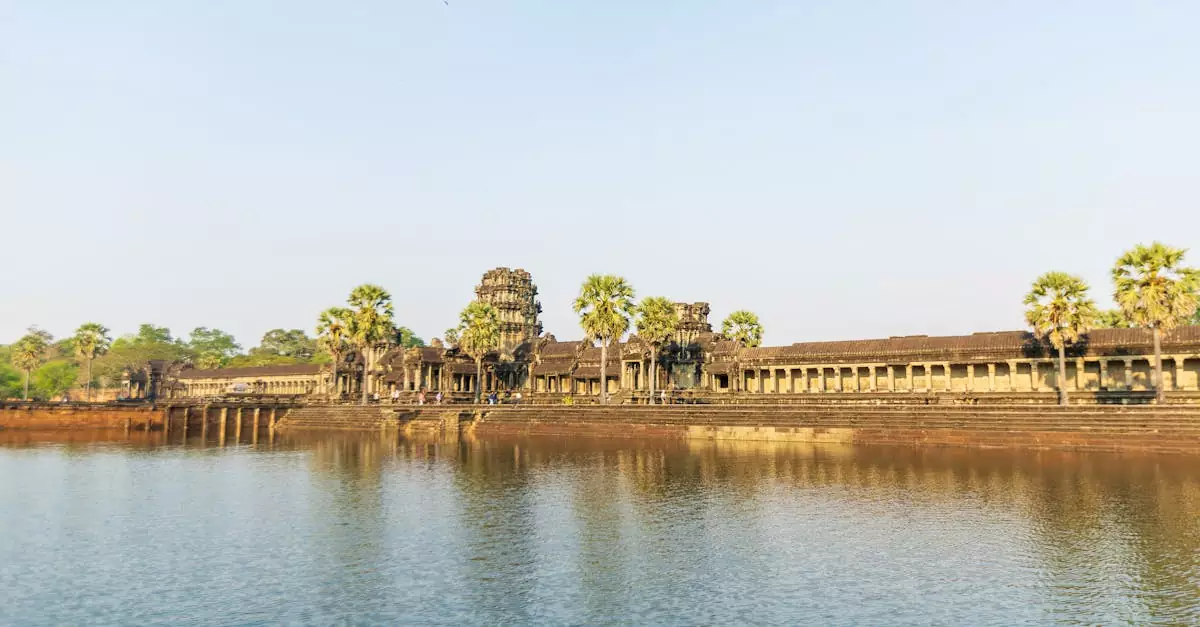
Visiting Angkor Wat stands out as a must for many who travel through Southeast Asia. For those eager to explore beyond the well-trodden Small Circuit, the Grand Circuit presents a chance to uncover more of this sprawling temple complex. Getting a clear picture of the angkor wat grand circuit tour price helps you plan your trip wisely. This overview walks you through all the key expenses you might face, from transportation to entrance fees, so you can set a realistic budget for your adventure.
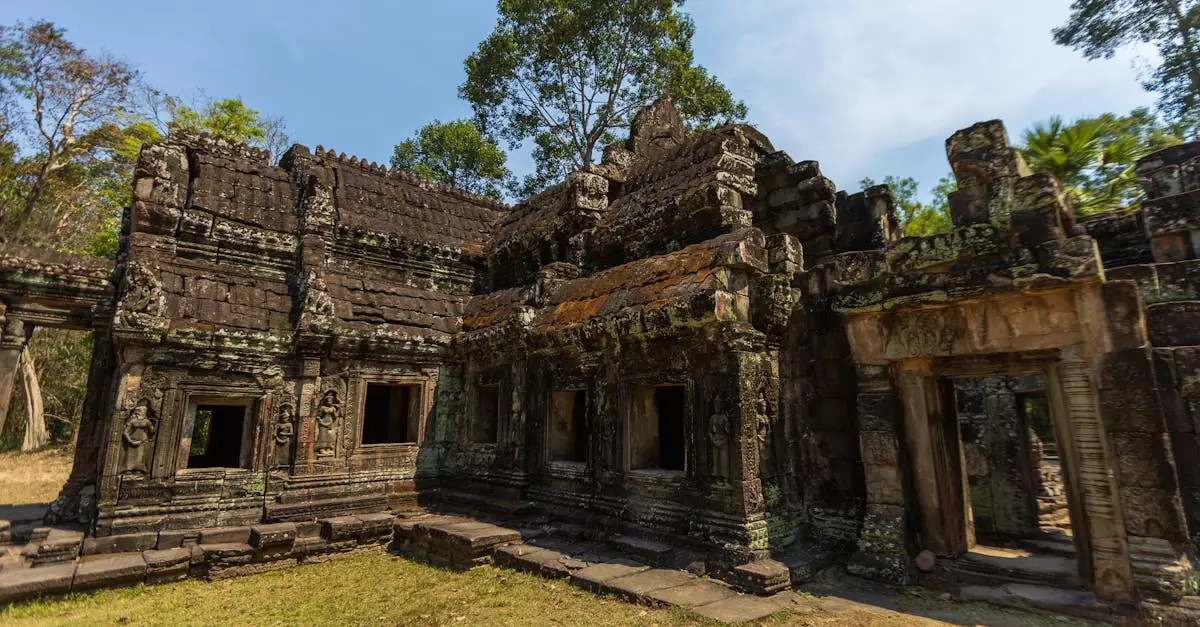
The Grand Circuit takes in temples such as Preah Khan, Neak Pean, Ta Som, East Mebon, and Pre Rup. Each offers unique architectural beauty and a quieter atmosphere away from the busier spots. Understanding your options for transport and guides is essential to keeping the angkor grand circuit cost manageable. Whether you prefer economical solutions or more private, comfortable tours, theres a fit for every travelers needs.
When preparing your trip to Siem Reap, Cambodia, its important to think about both costs and logistics. This detailed guide shares practical advice and real-world tips to help you enjoy the Grand Circuit without overspending. Get ready to immerse yourself in Cambodias rich heritage and breathtaking temples.
Understanding the Angkor Wat Grand Circuit Tour Price
The total angkor wat grand circuit tour price depends on several factors, including your transport choice, whether you hire a guide, and the length of your Angkor Pass. The Angkor Pass is the main expense: it costs $37 for a single day, $62 for three days, and $72 for seven days. Most visitors opt for the three-day pass to comfortably cover both the Small and Grand Circuits along with other temples. This option provides the flexibility to explore without feeling rushed. Be sure to buy your pass at the official Angkor Enterprise ticket office, located a few kilometers outside Siem Reap. They accept both cash and credit cards.
After the pass, transportation makes up the next big cost. Tuk-tuks are the favored choice, balancing affordability and convenience. Renting one for a full day on the Grand Circuit usually runs between $20 and $30, often including hotel pickup and stops at the major temples. For those seeking more comfort, especially during hot months, air-conditioned cars with drivers are available, typically costing between $40 and $60 per day. Bicycle rentals are the cheapest option, at about $2 to $5 daily, but the long distances and heat make cycling challenging for most visitors on the Grand Circuit. Your decision on transport will greatly influence the overall angkor grand circuit cost, depending on your preferences and budget.
Choosing Your Transport: Tuk-Tuk vs. Car vs. Bike
The mode of transport you select will shape both your experience and expenses on the Grand Circuit. Tuk-tuks offer an authentic taste of Cambodian life, letting you feel the breeze and soak in the scenery. Tours usually start early, around 7:00 AM, and wrap up by late afternoon. Drivers typically wait for you at each temple, often providing water and occasionally cold towels. You can negotiate prices directly with drivers found around Siem Reap, but it’s wise to agree on the itinerary and cost before setting out to avoid confusion. Most drivers have enough English to communicate effectively.
Opting for a private car brings the luxury of air-conditioning, which can be a game changer in the heat and humidity. This is a great choice for families, groups, or anyone wanting a more leisurely pace. Drivers often have better English and may share additional insights about the area. Although pricier, the comfort and speed between temples can make the extra cost worthwhile. Many tour operators and hotels in Siem Reap offer car services; just be sure to clarify the route and whats included before booking.
For the physically fit and adventurous, cycling the Grand Circuit is an option, though demanding. Covering roughly 26 kilometers with some long stretches between temples, cycling requires stamina and preparation. Despite the low rental cost, the intense sun and heat make this a tough challenge. Starting early to avoid midday temperatures and bringing plenty of water and snacks is essential. While it grants full independence, most travelers find motorized transport more practical for this circuit. The terrain is mostly flat, but the weather poses a significant challenge. You’ll notice far fewer cyclists here than on the Small Circuit.
Guided Tours vs. Independent Exploration
Choosing whether to hire a guide or explore on your own affects both your experience and the angkor wat grand circuit tour price. A professional guide brings the temples to life with rich historical details, explaining carvings and sharing stories from the Khmer Empires past. Guide fees typically range from $30 to $50 per day, depending on language skills and expertise. Their knowledge is invaluable for fully appreciating the complex history and religious significance of each site. A guide can also help you avoid crowds and plan an efficient route. Licensed guides can be arranged through hotels, tour agencies, or the Angkor ticket office.
Going it alone offers more freedom and lowers costs. If you prefer to wander at your own pace, hiring a driver without a guide lets you linger as long as you like at each temple. Many travelers rely on guidebooks or audio guides for information. This approach cuts down your angkor grand circuit cost significantly but means missing deeper insights. It requires some research and planning beforehand, as youll be responsible for your itinerary and understanding the sites significance. This suits those who enjoy self-directed learning and have a good sense of direction. A popular compromise is to hire a guide for part of the day, then continue independently, blending expert knowledge with personal discovery.
Comparison Table: Grand Circuit Transport Options
Below is a quick comparison of common transport choices for the Angkor Grand Circuit, highlighting their advantages and drawbacks.
| Transport Option | Typical Price (Full Day) | Pros | Cons |
|---|---|---|---|
| Tuk-Tuk | $20 – $30 | Budget-friendly, authentic experience, open-air, widely available | Less comfortable, exposed to weather, slower pace |
| Private Car with Driver | $40 – $60 | Comfortable air conditioning, faster travel, convenient, often better English | Higher cost, less immersion in local culture |
| Bicycle Rental | $2 – $5 | Very inexpensive, independent, good exercise | Physically demanding, slow, exposed to sun, long distances |
This summary can help you decide based on your budget, comfort preferences, and desired pace. Many choose tuk-tuks for their balance of cost and experience, while the Grand Circuits long distances make comfort a bigger consideration. Weather plays a role too: rain might dampen the appeal of open-air rides, while intense heat highlights the value of air-conditioned vehicles.
Pros and Cons of a Guided Grand Circuit Tour
Hiring a guide brings clear benefits but also some trade-offs. On the positive side, guides share deep historical and cultural knowledge that enriches your visit. They bring context to the ancient stones through stories and explanations, far beyond what a guidebook can offer. A good guide also plans your route efficiently, helping you avoid crowds and uncover hidden details. Their local connections can assist with practical matters like locating restrooms or recommending places to eat, smoothing your trip considerably.
On the downside, adding a guide raises your overall angkor wat grand circuit tour price, which might be a concern for those on tight budgets. Guided tours also follow a set schedule, which can limit your time at certain temples if you prefer to linger. Not every guide delivers the same level of knowledge or enthusiasm, so choosing a licensed and well-reviewed guide is crucial. A poor guide can detract from your experience. For many, the advantages outweigh these drawbacks, as the temples complexities gain much greater meaning with expert insight.
Pros:
- Insightful historical and cultural explanations.
- Well-planned itinerary to avoid crowds.
- Local tips and helpful assistance.
- Enhanced appreciation of the temples.
Cons:
- Increased overall cost.
- Less freedom to roam at your own pace.
- Variable guide quality.
- Possible feeling of being rushed at times.
Practical Tips for Your Grand Circuit Adventure
Beyond budgeting, a few practical considerations can make your Grand Circuit visit more enjoyable. Starting early is keymost temples open at 5:00 AM, and arriving early helps you avoid crowds and the midday heat. While popular sunrise spots like Angkor Wat draw crowds, the Grand Circuit temples tend to be quieter. Comfortable footwear is a must since youll walk on uneven ground and climb stairs. Light, breathable clothing is best, and covering shoulders and knees is essential as a sign of respect when entering sacred sites. Bring plenty of water, sunscreen, and a hat to protect against Cambodias strong sun. Many visitors underestimate their water needs, though there are vendors at the temples selling drinks at higher prices.
Agree on prices with tuk-tuk or car drivers before your trip begins, including the exact route and any additional stops. This is standard practice in Siem Reap and helps prevent misunderstandings. Carry small bills in Cambodian Riel or US dollars, as many vendors prefer cash. Keep your Angkor Pass handy since its checked at each major temple; losing it means repurchasing. Insect repellent is useful, especially during the rainy season or at jungle-surrounded temples. A portable power bank is handy for photos and navigation, as the Grand Circuit takes a full day. Plan for meals, as many temples have nearby eateries offering tasty local dishes at reasonable prices. For broader context on Cambodia, consider visiting Wikipedias page on Cambodia.
Important Tips:
- Book transport and guides in advance, especially during peak season.
- Stay well-hydrated throughout the day.
- Dress modestly to respect temple customs.
- Carry small denominations for easier transactions.
Reality Check:
- Some Grand Circuit temples can still attract crowds, mostly mid-morning.
- The midday sun can be intensetake breaks in shade or your vehicles air conditioning.
- Its easy to feel overwhelmed by temple visitspace yourself and savor the unique charm of each site.
Booking Your Grand Circuit Tour: Options and Considerations
There are several ways to arrange your Grand Circuit tour, each with its advantages. Booking through your Siem Reap hotel is often the simplest. Many hotels work with trusted tuk-tuk drivers and car services and can recommend licensed guides. Though prices may be a bit higher than booking directly, the convenience and reliability can be worth it. Confirm exactly whats included, such as water or specific stops. Hotels sometimes offer package deals combining transport and guiding, which can simplify your planningthese are popular for first-timers.
Alternatively, you can book directly with independent drivers or tour operators. Tuk-tuk drivers gather around tourist hubs like Pub Street, and negotiating directly may lower your angkor grand circuit cost. Just make sure your driver clearly understands your itinerary. For car services or guides, reputable agencies in Siem Reap provide customizable packages. Online platforms list many options, but reading reviews is crucial to ensure quality and dependability. Always double-check pickup times and locations. For official travel resources, visit the Tourism Cambodia website.
Timing your visit also influences availability and price. Peak season from November to February brings the most tourists and higher rates, so booking ahead is recommended. Shoulder seasons (March-May and September-October) tend to have fewer visitors and better deals but may be hotter or wetter. Off-peak months (June-August) see the least crowds but also the most rain. Each season offers a distinct atmosphere; for example, temples appear especially lush after rainfall. Your booking strategy should match your budget, comfort needs, and travel dates to ensure a smooth, enjoyable trip.
FAQs About the Angkor Wat Grand Circuit Tour Price
How much does the Angkor Pass cost?
The Angkor Pass prices are $37 for one day, $62 for three days, and $72 for seven days. The three-day pass is the most popular, offering enough time to explore both the Small and Grand Circuits comfortably.
Is a guide necessary for the Grand Circuit?
While a guide isnt mandatory, hiring one greatly enhances your understanding through historical insights. If preferred, you can explore independently with a driver.
What is the best way to get around the Grand Circuit?
Tuk-tuks are the most common and affordable option. Private cars provide more comfort, especially in hot weather. Bicycles work for very fit travelers willing to cover the longer distances.
Are there hidden costs for the Grand Circuit tour?
Aside from the Angkor Pass and transport, budget for food, drinks, and possible guide fees. Some temples may have optional donation boxes. Always verify prices ahead of time.
How long does the Grand Circuit tour take?
The tour generally fills a full day, starting early morning and ending late afternoon, allowing ample time to appreciate each temple without hurrying.
Conclusion: Planning Your Grand Circuit Budget Wisely
Getting a clear understanding of the angkor wat grand circuit tour price is key to an enriching visit in Siem Reap. By weighing your transport preferences, guide choices, and Angkor Pass duration, you can customize your trip to fit your budget and style. Depending on your selections, the total angkor grand circuit cost can range from about $50 for a budget-friendly, self-guided tuk-tuk day with a single-day pass, up to more than $150 for a multi-day trip with a private car and guide. Deciding what matters mostcomfort, historical depth, or savingswill shape your experience.
Dont forget to include extra expenses like meals, beverages, and souvenirs. An early start, respectful attire, and plenty of hydration will help you make the most of your visit. Whether you embrace the rustic charm of a tuk-tuk or the ease of an air-conditioned car, the Grand Circuits ancient temples offer a captivating journey through Cambodias past. With this knowledge, youre ready to plan a memorable and budget-conscious exploration of these stunning Khmer landmarks. Enjoy your adventure into the heart of the Khmer Empire.

Our Fact Checking Process
We prioritize accuracy and integrity in our content. Here's how we maintain high standards:
- Expert Review: All articles are reviewed by subject matter experts.
- Source Validation: Information is backed by credible, up-to-date sources.
- Transparency: We clearly cite references and disclose potential conflicts.
Our Review Board
Our content is carefully reviewed by experienced professionals to ensure accuracy and relevance.
- Qualified Experts: Each article is assessed by specialists with field-specific knowledge.
- Up-to-date Insights: We incorporate the latest research, trends, and standards.
- Commitment to Quality: Reviewers ensure clarity, correctness, and completeness.
Look for the expert-reviewed label to read content you can trust.