Best Time to Visit Thailand: Complete Seasonal Guide
Thailand is one of Southeast Asia’s most popular travel destinations, offering golden temples, tropical beaches, vibrant street food, and warm hospitality. The country’s diverse geography means the weather varies dramatically between regions and seasons. Choosing the best time to visit Thailand depends on your priorities. See our Asia Travel category for more guides whether you prioritize beach weather, cultural festivals, or budget-friendly travel.
Quick Answer: When Should You Go?
Editor’s Experience
Having explored this destination across multiple seasons, I’ve learned that timing transforms the entire experience. During my visits, I discovered that local insights — from the best viewing spots to the quietest times — make all the difference between a good trip and an unforgettable one. This guide combines first-hand experience with practical research to help you plan with confidence.
Expert Recommendations
Based on extensive travel experience and consultation with local experts, we recommend prioritizing experiences that offer genuine cultural immersion. The best trips balance popular attractions with lesser-known local favorites. Always verify current conditions, prices, and opening hours before you go, as details can change seasonally.

Best overall: November to February (cool, dry season)
Best for beaches: December to April (Andaman Coast), January to August (Gulf Coast)
Best for budget: May to October (green season, fewer crowds)
Best for festivals: April (Songkran), November (Loy Krathong)
| Season | Months | Weather | Crowds | Prices | Best For |
|---|---|---|---|---|---|
| Cool/Dry | Nov-Feb | 25-32°C, low humidity | Very High | High | Best overall weather |
| Hot | Mar-May | 32-38°C, humid | Medium | Medium | Beach trips, Songkran |
| Green/Rainy | Jun-Oct | 28-35°C, rain | Low | Low | Budget travel, lush scenery |
Cool Season (November to February): Peak Season

The cool season is the most popular time to visit Thailand. Temperatures are comfortable, humidity is low, and rainfall is minimal. This is the best time to visit Thailand for first-time visitors who want ideal weather.
Weather and What to Expect
Daytime temperatures range from 25°C to 32°C across most of the country. Bangkok can still feel warm, but northern regions like Chiang Mai and Pai are pleasantly cool, especially in the evenings. The beaches on both coasts are at their best, with calm seas and clear skies.
Best Destinations in Cool Season
Bangkok: Explore the Grand Palace, Wat Pho, and Chatuchak Weekend Market in comfortable weather. The city is lively but not oppressive during these months.
Chiang Mai: The north is at its most pleasant. Visit the old city temples, explore the night bazaars, and take day trips to elephant sanctuaries and mountain villages.
Southern Islands: Phuket, Krabi, Koh Samui, and Koh Phi Phi are perfect in December and January. The Andaman Coast (Phuket, Krabi) is best from November to April, while the Gulf Islands (Samui, Phangan) peak from January to August.
Festivals
- **Loy Krathong** (November): Floating basket festival celebrated nationwide, most beautifully in Chiang Mai (where it coincides with Yi Peng lantern festival)
- **Christmas and New Year:** Major celebrations in tourist areas, with special events and higher prices
What to Pack
Light clothing, sunscreen, sunglasses, and a light jacket for air-conditioned spaces and northern evenings. Comfortable walking shoes for temple visits.
Hot Season (March to May): Songkran and Beach Time

The hot season brings intense heat and high humidity, especially in April when temperatures can exceed 38°C in Bangkok. However, this is also when Thailand’s most famous festival takes place.
Songkran (Thai New Year)
Songkran (April 13-15) is Thailand’s biggest festival. Traditionally a gentle water blessing, it has evolved into a massive nationwide water fight. Chiang Mai, Bangkok, and Pattaya are famous for their celebrations. Book accommodations well in advance and expect wet, chaotic fun.
Beach Destinations
The hot season is excellent for beach lovers. The Andaman Coast offers clear waters and great snorkeling. Koh Samui and the Gulf Islands are better visited later in the year. Hat Yai and the deep south also see good weather.
What to Pack
Light, breathable clothing, plenty of sunscreen, a hat, and water-resistant footwear for Songkran. Stay hydrated and seek shade during midday hours.
Green Season (June to October): Budget and Solitude

The green season (monsoon) brings afternoon rain, lush landscapes, and significantly fewer tourists. This is the best time to visit Thailand on a budget, with lower prices and a more authentic atmosphere.
Rain Patterns
Rain typically falls in heavy afternoon downpours rather than all-day drizzle. Mornings are often sunny, and evenings are pleasant. The rain brings out the green in rice paddies and jungles, creating stunning landscapes.
Best Destinations in Green Season
Gulf Islands: Koh Samui, Koh Phangan, and Koh Tao have their best weather from January to August, making them ideal during the mainland’s rainy season.
Northern Thailand: Chiang Mai and Pai are lush and green, with waterfalls at their fullest. The rain rarely disrupts outdoor activities for long.
Bangkok: The city is quieter, and hotel prices drop significantly. Many indoor attractions (museums, malls, restaurants) are perfect for rainy afternoons.
Advantages of Green Season
- **Lower prices:** Hotels, flights, and tours cost 30-50% less than peak season
- **Fewer crowds:** Popular attractions are much quieter
- **Lush scenery:** Rice terraces, waterfalls, and jungles are at their most beautiful
- **Authentic experience:** More interaction with locals, fewer tourist crowds
What to Pack
Quick-dry clothing, a compact umbrella or rain jacket, waterproof bag for electronics, and insect repellent. Waterproof sandals are useful for sudden downpours.
Regional Weather Guide
Bangkok and Central Thailand
Hot year-round, with the most comfortable months from November to February. The rainy season (June to October) brings heavy but brief downpours. April is the hottest month.
Northern Thailand (Chiang Mai, Pai, Chiang Rai)
Cooler than the rest of the country, especially from November to February when nights can be chilly. The burning season (February to April) brings haze from agricultural fires. May to October is lush and green.
Andaman Coast (Phuket, Krabi, Koh Phi Phi)
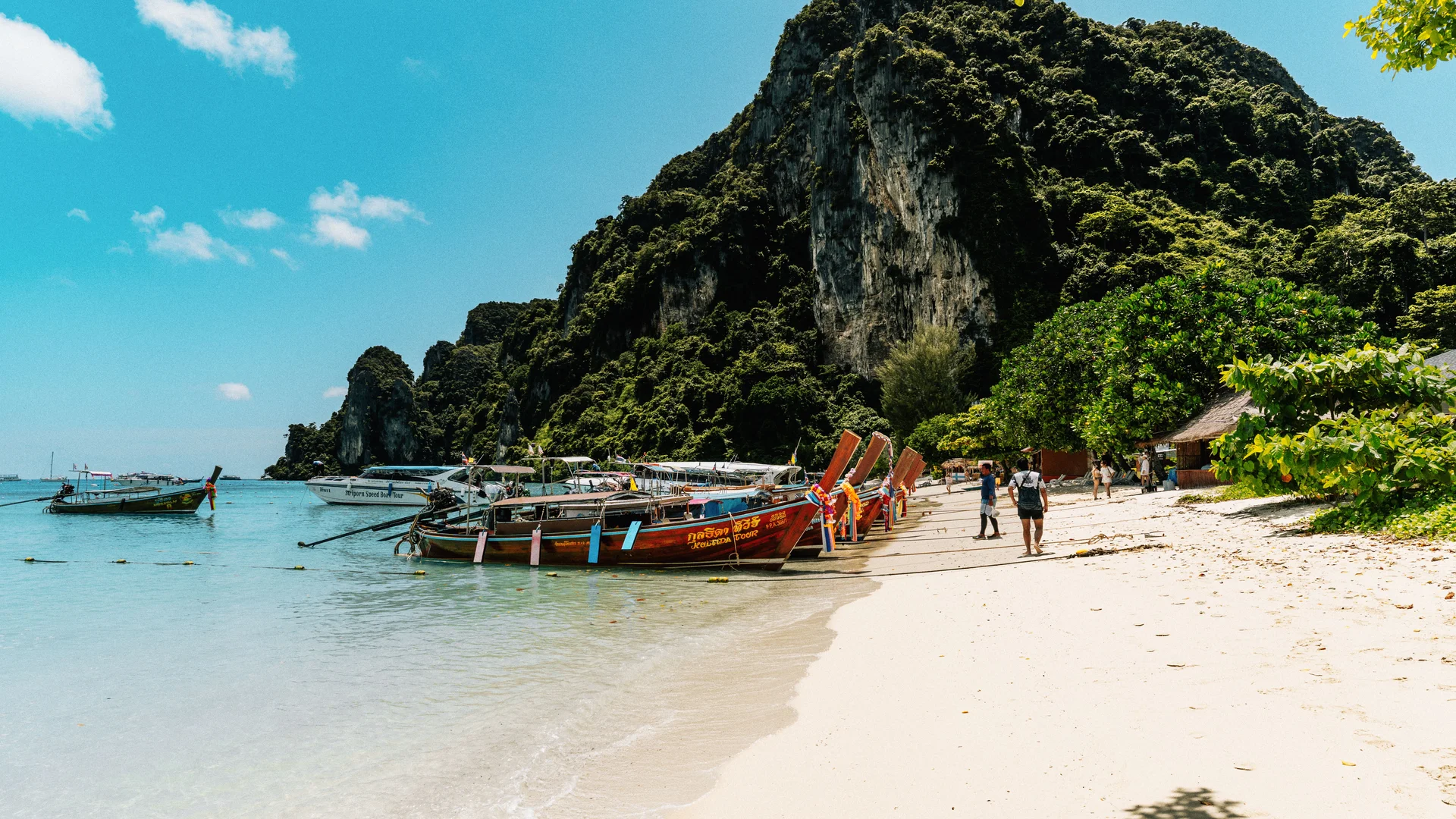
Best from November to April during the dry season. The monsoon (May to October) brings rough seas and many boat services are suspended. Krabi’s Railay Beach is accessible year-round.
Gulf Coast (Koh Samui, Koh Phangan, Koh Tao)
Has a different weather pattern from the Andaman Coast. Best from January to August, with the rainy season from September to December. Full Moon Party on Koh Phangan happens monthly.
Practical Tips for Thailand

Budget Breakdown
| Category | Budget (per day) | Mid-Range (per day) | Luxury (per day) |
|---|---|---|---|
| Accommodation | $10-25 (hostel) | $40-100 (hotel) | $200+ (resort) |
| Food | $10-15 (street food) | $30-50 (restaurants) | $100+ (fine dining) |
| Transport | $5-10 (local) | $20-40 (taxis/tours) | $80+ (private driver) |
| Activities | $10-20 | $30-60 | $100+ |
| **Total** | **$35-65** | **$120-250** | **$400+** |
Getting Around
Domestic flights are cheap and fast — Bangkok to Chiang Mai costs $30-60 on budget airlines. Trains are comfortable for overnight journeys (Bangkok to Chiang Mai from $15-40). Buses are the cheapest option. Tuk-tuks and songthaews are essential for short trips.
Cultural Etiquette
- Remove shoes before entering temples and homes
- Dress modestly at temples (covered shoulders and knees)
- Never touch anyone’s head (sacred in Thai culture)
- Show respect to the monarchy — criticism is illegal
- The wai (palms pressed together) is the traditional greeting
Health and Safety
- Drink bottled water only
- Use insect repellent to prevent mosquito-borne illness
- Street food is generally safe — look for busy stalls with high turnover
- Travel insurance is essential for medical emergencies
Best Time for Specific Interests
| Interest | Best Time | Why |
|---|---|---|
| Beach hopping | Dec-Apr (Andaman), Jan-Aug (Gulf) | Calm seas, clear skies |
| Island hopping | Jan-Aug | Best weather across both coasts |
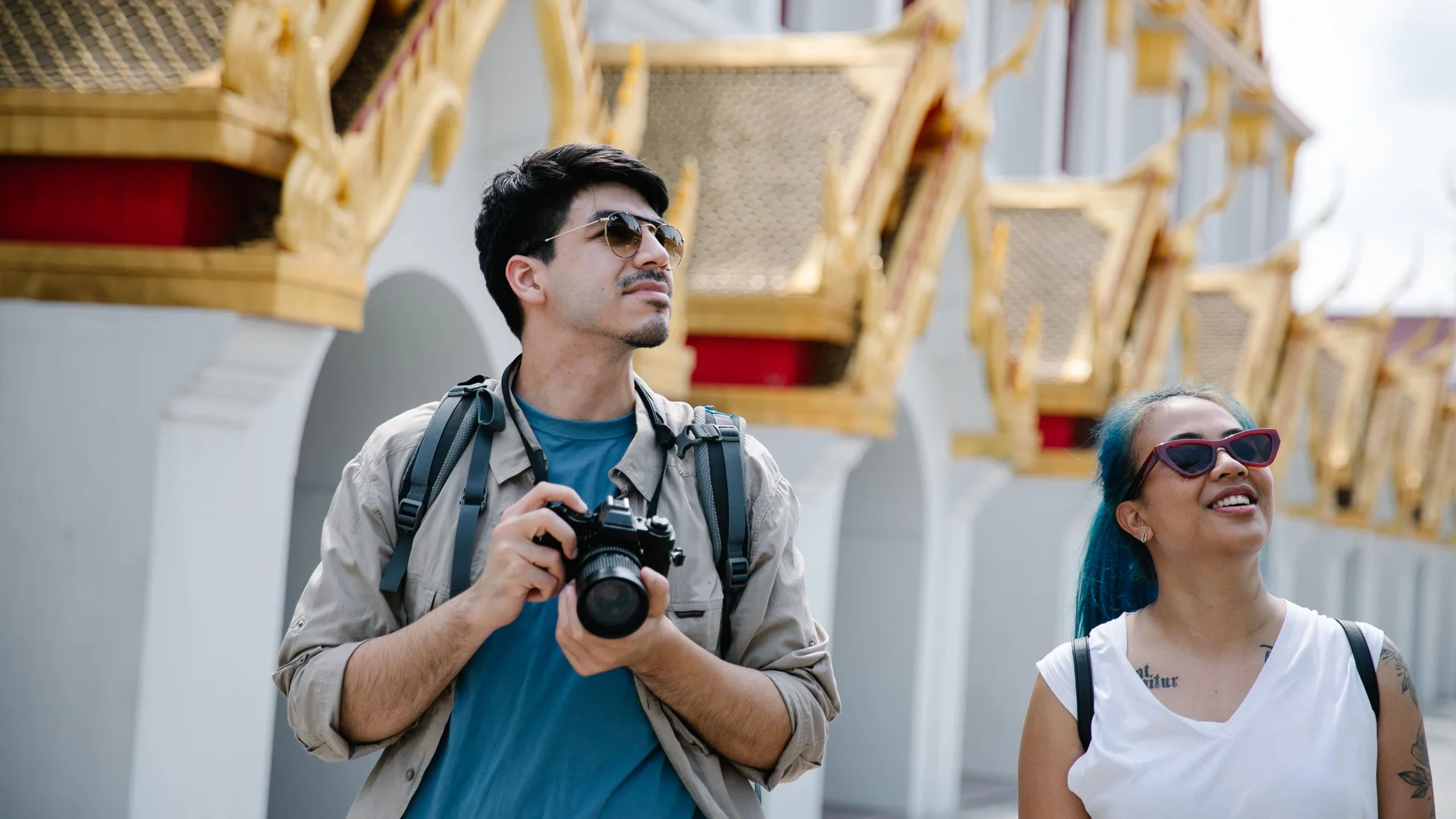
| Temple visits | Nov-Feb | Comfortable walking weather |
| Nightlife | Nov-Feb, Jul-Aug | Peak season and Full Moon Parties |
| Diving/snorkeling | Nov-Apr | Best visibility on Andaman Coast |
| Elephant sanctuaries | Nov-Feb | Ethical sanctuaries in Chiang Mai |
| Cooking classes | Year-round | Indoor activity, available everywhere |
| Trekking | Nov-Feb | Cool, dry trails in the north |
Final Verdict
Thailand rewards visitors in every season, but the best time depends on your priorities:
Choose November-February for the best overall weather and don’t mind higher prices and crowds.
Choose March-May for beach time and the Songkran festival, if you can handle intense heat.
Choose June-October for budget travel, lush scenery, and fewer crowds — just be prepared for afternoon rain.
No matter when you visit, Thailand’s warmth, beauty, and hospitality make it one of the world’s great travel destinations.
Useful Resources for Planning Your Trip
- Japan National Tourism Organization — Official tourism information
- TravelStar360 — More travel guides and tips
- Asia Travel Guides — Explore more Asian destinations
- About Our Team — Meet the writers
Seasonal Events Calendar
Understanding seasonal events helps you choose the best time to visit Thailand for your interests. Many events occur annually and draw large crowds.
January – March
Cool, dry weather dominates most of the country. This is peak tourist season with higher prices but the best conditions for outdoor activities and temple visits. Chinese New Year celebrations occur in January or February depending on the lunar calendar.
April – June
Hot season begins with Songkran (Thai New Year) in mid-April. Temperatures rise significantly, and humidity increases. Beach destinations are popular, but inland cities can be uncomfortably hot. The rains begin in late May or June.
July – September
The green season brings afternoon rain and lush landscapes. Tourist numbers drop, and prices fall. The rain typically falls in heavy bursts rather than all-day drizzle, leaving mornings and evenings pleasant. This is the best time for budget travelers.
October – December
The rains taper off, and the cool season begins in November. Loy Krathong (November) and New Year celebrations (December) are highlights. The weather is ideal for travel, and the country is at its most beautiful.
Common Mistakes to Avoid
Even with careful planning, travelers make common mistakes. Knowing the best time to visit Thailand is only part of the equation. Avoid these pitfalls to make your trip smoother.
1. Booking During Peak Season Without Planning
Peak season (November to February) is the most popular time. Flights and accommodations fill up quickly, and prices spike. Book at least 3-6 months in advance. Additionally, consider shoulder months for better deals.
2. Underestimating Travel Time
The country is more spread out than many travelers expect. A journey that looks short on a map can take hours by train or bus. Plan realistic itineraries. Moreover, leave buffer time for transfers and navigation.
3. Packing for Only One Season
Weather varies dramatically by season and region. Even in the cool season, midday can be warm. Pack layers regardless of when you visit. However, rain gear is essential during the green season.
Best Time to Visit Thailand by Interest
Different travelers prioritize different experiences. The best time to visit Thailand for beach lovers differs from the best time for culture enthusiasts. Here’s how to match your interests with the right season.
For Beach Lovers
The Andaman Coast (Phuket, Krabi, Koh Phi Phi) is best from November to April. The Gulf Islands (Koh Samui, Koh Phangan, Koh Tao) peak from January to August. However, the best beaches can be crowded during peak season. For a quieter experience, visit in the shoulder months.
For Culture Enthusiasts
Temple visits are most comfortable during the cool season (November to February). The hot season brings Songkran and other festivals, but the heat can be intense. The green season offers fewer crowds at temples and a more authentic experience. Moreover, many cultural events occur during the rainy season.
For Food Lovers
Thailand’s street food scene thrives year-round. The cool season offers comfortable outdoor dining, while the hot season brings refreshing cold treats. The green season is when many fruits are at their peak. For example, mango sticky rice is best in March and April when mangoes are sweetest.
For Budget Travelers
The green season (June to October) offers the lowest prices. Hotels, flights, and tours cost 30-50% less than peak season. Additionally, tourist areas are much quieter. The trade-off is afternoon rain, but this rarely ruins a trip. Budget travelers can stretch their money significantly during these months.
For Nightlife Lovers
Bangkok, Pattaya, and the islands offer vibrant nightlife year-round. The cool season (November to February) is peak time with the most events and visitors. The Full Moon Party on Koh Phangan happens monthly. As a result, the best nightlife is during the dry season when weather is ideal for outdoor parties.
Thailand Packing List by Season
Packing smartly for Thailand’s climate makes a big difference. The best time to visit Thailand for you might require different clothing depending on the season and region.
Cool Season Packing (November-February)
Light clothing for daytime, a light jacket for evenings in the north, comfortable walking shoes, sunscreen, sunglasses, and swimwear. However, if visiting temples, bring modest clothing that covers shoulders and knees.
Hot Season Packing (March-May)
Light, breathable clothing, plenty of sunscreen, a hat, and water-resistant footwear for Songkran. Stay hydrated and seek shade during midday. Additionally, bring a small towel for water festivals.
Green Season Packing (June-October)
Quick-dry clothing, a compact umbrella or rain jacket, waterproof bag for electronics, and insect repellent. Waterproof sandals are useful for sudden downpours. Moreover, bring a change of clothes for when you get caught in the rain.
Thailand Transportation Guide
Getting around Thailand is part of the adventure. The best time to visit Thailand affects transport availability and prices. Here’s how to navigate the country efficiently.
Domestic Flights
Budget airlines like AirAsia, Nok Air, and Thai Lion Air connect major cities and islands. Flights from Bangkok to Chiang Mai cost $30-60 and take about an hour. For example, booking in advance can save 50% or more.
Trains
Thailand’s rail network connects Bangkok to Chiang Mai, Ayutthaya, and the south. Overnight trains are comfortable and economical. The Bangkok to Chiang Mai sleeper costs $15-40. Moreover, trains offer a glimpse of rural Thailand.
Buses and Minivans
Buses are the cheapest option for most routes. VIP buses are comfortable for long distances. Minivans are faster but less comfortable. However, minivans are common for island transfers and mountain routes.
Local Transport
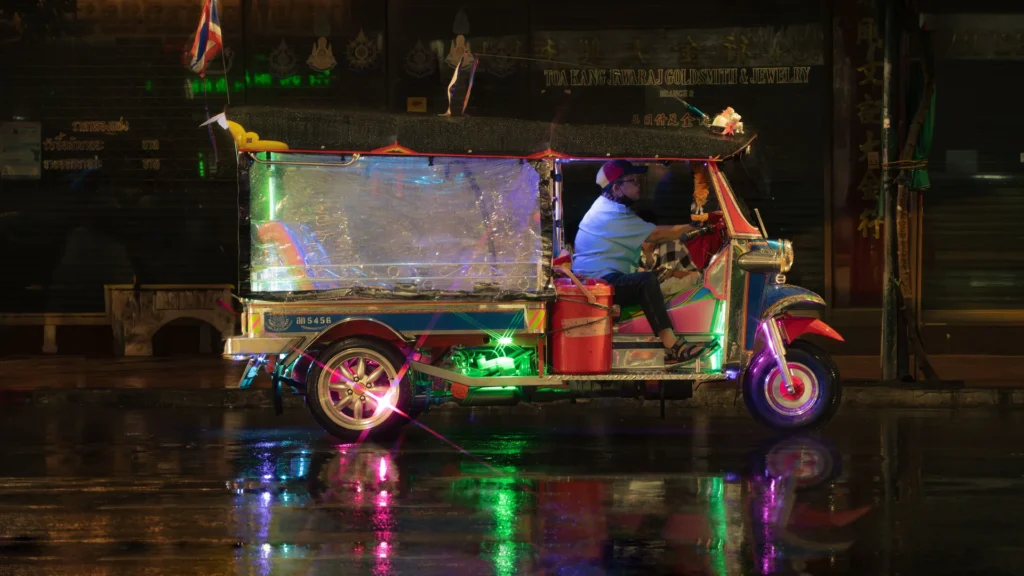
Tuk-tuks are fun for short trips in cities. Songthaews (shared pickup trucks) are common in Chiang Mai. Taxis are metered in Bangkok but often unmetered elsewhere. As a result, always agree on a price before riding.
Frequently Asked Questions
What is the best time to visit Thailand?
The best time to visit depends on your priorities. Generally, shoulder seasons offer the best balance of good weather, fewer crowds, and reasonable prices. For specific recommendations, see our seasonal breakdown above.
How much does a trip to Thailand cost?
Costs vary widely based on travel style. Budget travelers can expect $50-100/day, while mid-range travelers typically spend $150-300/day including accommodation, meals, and activities. See our budget breakdown table for detailed estimates.
What should I pack for Thailand?
Pack according to the season: light layers for spring, breathable clothing for summer, a light jacket for autumn, and warm layers for winter. Always bring comfortable walking shoes, sun protection, and a reusable water bottle.
Is Thailand safe for solo travelers?
Yes, with standard precautions. Stay aware of your surroundings, avoid isolated areas at night, keep valuables secure, and always have emergency contacts handy. Check current travel advisories before you go.
How many days do I need for Thailand?
We recommend at least 5-7 days to experience the highlights without rushing. For a more relaxed pace and deeper exploration, 10-14 days is ideal. Adjust based on your interests and travel style.