Discovering the world’s best mountain lakes offers a unique escape into pristine natural beauty. These high-altitude havens, often framed by dramatic peaks and fed by glacial meltwater, showcase some of the planet’s most stunning and serene landscapes. Whether you’re captivated by the vibrant turquoise hues of the Canadian Rockies, the emerald depths of the Italian Dolomites, or the rugged grandeur of the Andes, understanding what makes each lake special is essential for planning your visit.
In this guide, we’ll explore a curated selection of breathtaking destinations, highlighting their distinct characteristics, the best times to visit, and essential tips for travelers. You’ll learn about the logistics of reaching these often-remote locations, what to pack for unpredictable mountain weather, and how to capture their incredible beauty through photography. Prepare to be inspired by these azure jewels scattered across the globe.
Azure Jewels: Top 5 Best Mountain Lakes for Unforgettable Views
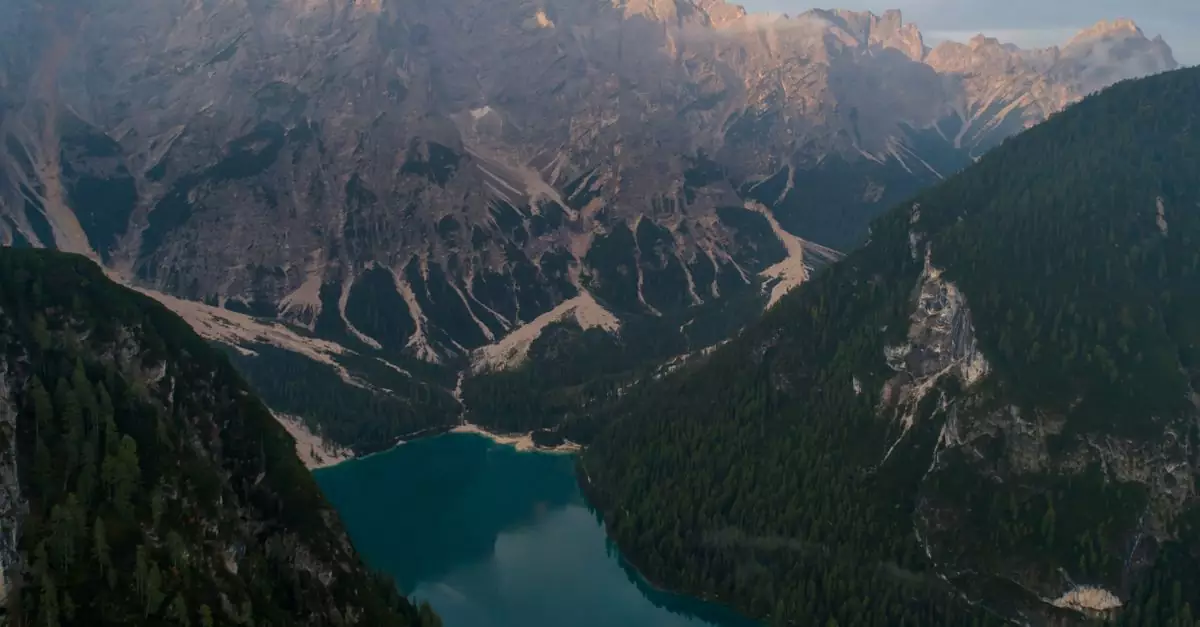
Finding the best mountain lakes in the world presents a unique blend of serene beauty and adventure. These high-altitude havens, often cradled by dramatic peaks, provide breathtaking vistas and a chance to reconnect with nature. From the vibrant blues of the Canadian Rockies to the dramatic fjords of Norway and the tranquil waters of the Italian Dolomites, these destinations promise unforgettable experiences. Planning a trip to these iconic locations involves considering the best time to visit, transportation options, and local conditions to enhance your enjoyment.
Lake Louise, Banff National Park: Canada’s Iconic Turquoise Gem
Lake Louise is one of the most photographed lakes in Canada, celebrated for its striking turquoise color, a result of glacial silt suspended in the water. Nestled in the heart of Banff National Park, this stunning lake is framed by the Victoria Glacier and surrounded by majestic Canadian Rockies. The Fairmont Chateau Lake Louise provides a luxurious base, offering unparalleled views directly from its windows.
Getting There and Around:
Accessing Lake Louise is straightforward via the Trans-Canada Highway. Parking at the lake can be challenging during peak season, so using the Parks Canada shuttle system or arriving early is highly recommended. Once at the lake, walking paths along the shore offer easy access to viewpoints.
- Best Time to Visit: Late June to early September for accessible trails and vibrant colors.
- Activities: Canoeing on the lake, hiking to Lake Agnes Tea House or the Plain of Six Glaciers, and enjoying the scenic views.
- Accommodation: Fairmont Chateau Lake Louise (luxury), Paradise Lodge and Bungalows (mid-range), various hostels and campgrounds in the Banff area.
Moraine Lake, Banff National Park: Valley of the Ten Peaks Scenery
Just a short drive from Lake Louise, Moraine Lake presents a different yet equally spectacular panorama. Its vivid blue waters are set against the dramatic backdrop of the Valley of the Ten Peaks, a jagged mountain range that creates an iconic silhouette. The Rockpile viewpoint, a short climb from the parking area, offers the classic postcard view.
Logistics and Access:
Access to Moraine Lake is restricted to shuttle buses, public transit, and commercial operators for much of the year to manage traffic and environmental impact. Personal vehicles are generally not permitted past a certain point. Booking shuttle services in advance is essential, especially during summer months. The season for Moraine Lake is shorter, typically opening in late May or early June and closing in early October due to snow.
- Key Viewpoint: The Rockpile provides the most recognizable vista.
- Hiking: The Consolation Lakes trail is a popular moderate hike starting near the lake.
- Photography: Sunrise and sunset offer dramatic lighting on the Valley of the Ten Peaks.
Peyto Lake, Banff National Park: Fox’s Head Viewpoint
Peyto Lake is famous for its unique shape, resembling a fox’s head, and its brilliant blue hue. Located off the Icefields Parkway, it’s a popular stop for those traveling between Banff and Jasper. The Bow Summit, at 2,088 meters (6,850 feet), is the highest point on the Trans-Canada Highway and provides access to the viewpoint.
Viewing Platform:
A short, paved trail leads from the parking lot to the Peyto Lake viewpoint, offering an elevated perspective of the lake’s distinctive form. The clarity of the water here is exceptional on sunny days, making it a prime spot for landscape photography. Remember that mountain weather can change rapidly, so be prepared for cooler temperatures even in summer.
- Scenic Drive: The Icefields Parkway itself is a destination, connecting Banff and Jasper National Parks.
- Seasonal Access: The road to the viewpoint is typically open from May to October.
- Wildlife: Keep an eye out for elk, deer, and other mountain wildlife along the parkway.
Lago di Braies, Dolomites: Italy’s Fairytale Alpine Lake
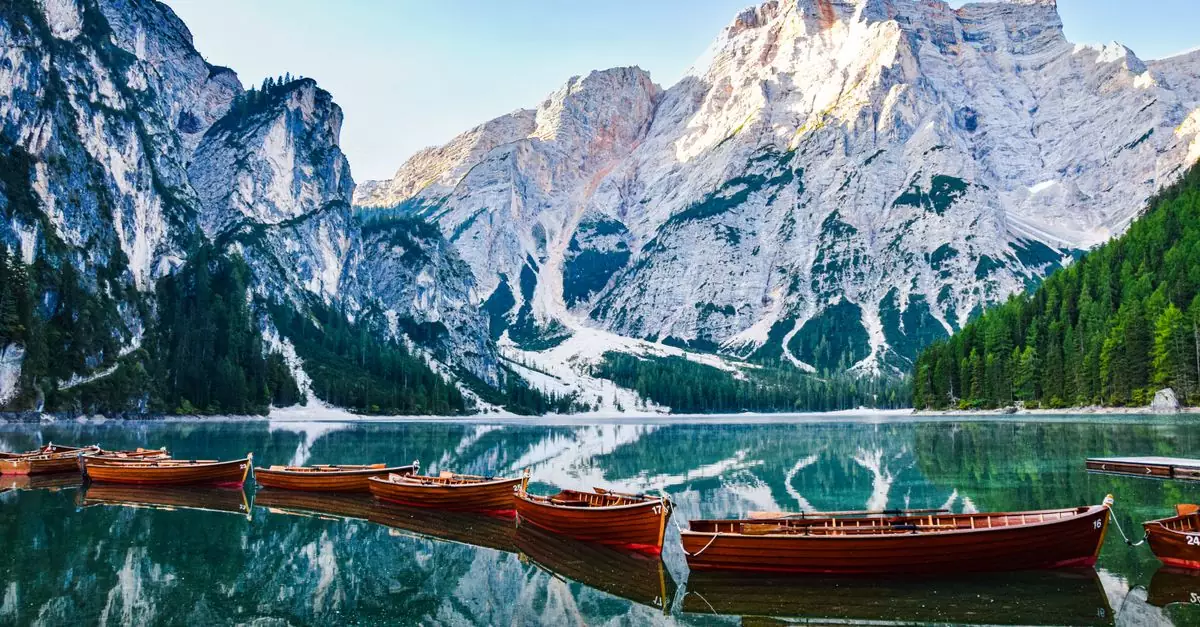
Lago di Braies, also known as Pragser Wildsee, is a breathtaking alpine lake located in the South Tyrol region of the Italian Dolomites. Surrounded by the imposing Seekofel mountain range, its emerald-green waters are incredibly clear, reflecting the dramatic peaks and surrounding forests. The lake is famed for its boathouse, where visitors can rent traditional wooden rowboats.
Visiting Lago di Braies:
During peak season (late spring to early autumn), access to the lake by private vehicle is often restricted, with shuttle services or parking areas located further away. Booking these services or a guided tour in advance is recommended. The lake is accessible year-round, but winter conditions can make access difficult and limit activities to snowshoeing or cross-country skiing.
- Boating: Renting a rowboat is a quintessential Lago di Braies experience.
- Hiking: Trails circumnavigate the lake and lead to higher mountain refuges.
- Accommodation: Hotels and guesthouses are available in nearby towns like Villabassa (Niederdorf) and Dobbiaco (Toblach).
Lake Bled, Slovenia: Island Charm in the Julian Alps
While not as remote as some high-alpine lakes, Lake Bled in Slovenia combines natural beauty with cultural significance. This glacial lake features a picturesque island with a church at its center and a medieval castle perched on a cliff overlooking the water. The Julian Alps provide a stunning mountainous backdrop.
Activities and Access:
Travelers can reach Lake Bled by car or bus from Ljubljana, Slovenia’s capital. Traditional wooden boats called ‘pletna’ offer a charming way to reach the island. Visitors can also hike up to Bled Castle for panoramic views or enjoy the many walking paths around the lake. The lake is beautiful in all seasons, but spring and autumn offer pleasant weather for outdoor activities, while winter can transform the landscape into a snowy wonderland.
- Pletna Boats: Hire a local boatman for a unique island transfer.
- Bled Castle: Offers historical insights and spectacular views.
- Local Cuisine: Sample the famous Bled cream cake (kremšnita).
South America’s Hidden Alpine Wonders: Beyond the Popular
South America boasts a dramatic tapestry of towering peaks and pristine alpine waters, offering some of the world’s best mountain lakes for adventurous travelers. While destinations like Patagonia draw significant crowds, numerous less-trodden gems await those willing to venture a little further. These high-altitude lakes, often cradled by glaciers and dramatic geological formations, provide unforgettable trekking and photography opportunities.
Laguna 69, Peru: Trekking to a High-Altitude Paradise
Nestled within Peru’s Cordillera Blanca, Laguna 69 is a jewel of vibrant turquoise water, named for its proximity to Nevado Chacraraju. Reaching this stunning lake requires a moderately challenging day hike from the base camp at Cebollapampa. The trail ascends steadily, passing waterfalls and offering increasingly spectacular views of snow-capped peaks.
Altitude can be a significant factor, so acclimatization in Huaraz for at least two days prior is highly recommended. The hike itself is about 3-4 hours each way, covering roughly 9 kilometers (5.6 miles) round trip. Pack plenty of water, snacks, and sun protection. The best time to visit is during the dry season, from May to September, when the skies are typically clear and the trails are in good condition.
Cañón del Colca’s Laguna Salina, Peru: Pink Flamingos and Volcanic Backdrops
While not a typical alpine lake, Laguna Salina in Peru’s Colca Canyon offers a unique spectacle of pink flamingos against a stark, volcanic landscape. This shallow, saline lagoon serves as a vital feeding ground for Andean, Chilean, and James’s flamingos, creating a vibrant contrast with the arid surroundings. Accessing the lake usually involves a guided tour or a private vehicle, as it’s situated within a protected reserve.
The best viewing times are often early morning or late afternoon when the light is soft and the flamingos are most active. Be prepared for high altitudes, as the Colca Canyon region is well above sea level. While the lake itself isn’t suitable for swimming, the visual experience of thousands of flamingos in this dramatic setting is unparalleled.
Laguna Quilotoa, Ecuador: Crater Lake Adventures
Laguna Quilotoa is a breathtaking crater lake in the Ecuadorian Andes, renowned for its striking emerald-green waters that change color with the light. The lake sits within the caldera of the Quilotoa Volcano, and its sheer beauty draws visitors from around the globe. Travelers can hike down to the water’s edge, a steep but rewarding descent.
Getting back up is the main challenge, and many visitors opt to hire a mule or horse for the return journey. For the truly adventurous, a multi-day Quilotoa Loop trek connects several indigenous villages and offers stunning Andean scenery. Accommodations are available in nearby villages like Quilotoa village itself or Chugchilán, providing a chance to experience local culture. The dry season, from June to September, offers the most reliable weather for hiking and enjoying the views.
El Chaltén’s Lago del Desierto, Argentina: Glacial Majesty
Lago del Desierto, near the iconic trekking town of El Chaltén in Argentinian Patagonia, is a serpentine lake fed by glacial meltwater. Its name, “Desert Lake,” is somewhat misleading, as it’s a place of dramatic natural beauty, surrounded by ancient forests and towering granite peaks, including views of Fitz Roy on clear days. The lake is accessible via a scenic drive or a boat trip across its waters, offering different perspectives of the landscape.
From the lake’s edge, hiking trails lead to viewpoints and smaller lagoons, showcasing the raw power of Patagonian glaciers. The weather in Patagonia is notoriously unpredictable, so visiting during the summer months (December to February) offers the best chance for stable conditions, though rain and wind are always possible. This region is a hiker’s paradise, with options ranging from short walks to multi-day expeditions. For those planning a trip to this part of South America, understanding the weather is key.
When to Chase the World’s Best Mountain Lakes: Seasonal Guide
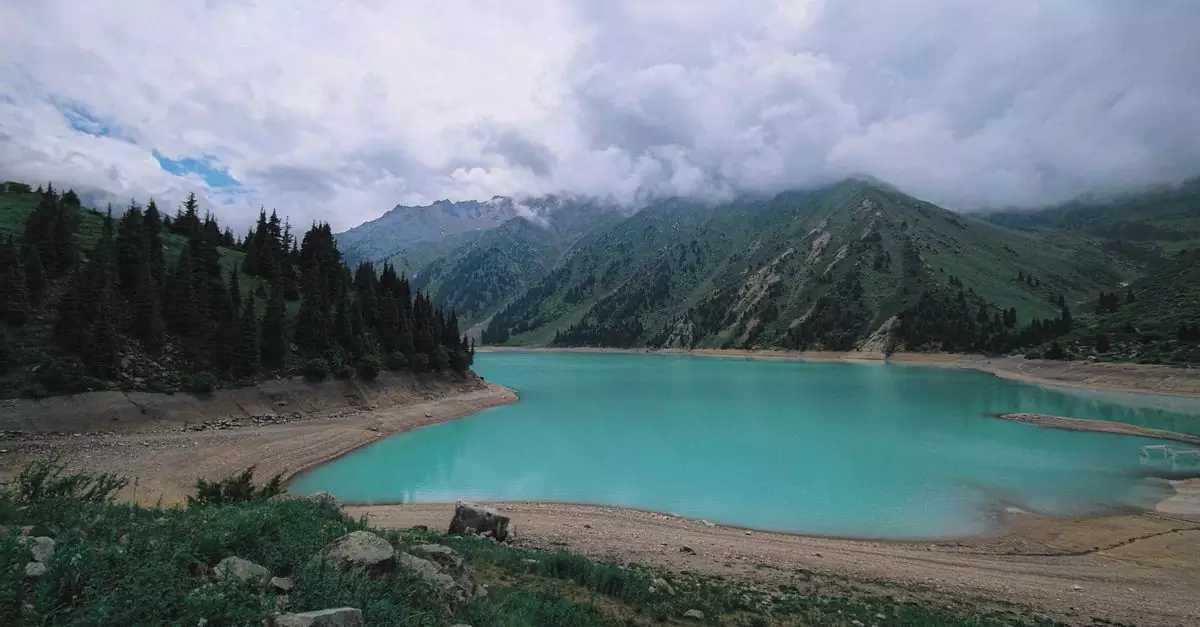
Timing your visit to the world’s best mountain lakes can dramatically enhance your experience, from the accessibility of trails to the vibrancy of the surrounding landscapes. Each season offers a unique perspective on these alpine gems. Understanding the weather patterns and peak seasons for different regions will help you plan a rewarding trip.
Best Months for Summer Alpine Adventures (June-August)
Summer is the most popular time to visit mountain lakes worldwide. During these months, most high-altitude trails are clear of snow, making them accessible for hiking and camping. The weather is generally warmer, with longer daylight hours ideal for photography and outdoor activities. This is the prime season for exploring the majestic lakes of the Rockies, the Alps, and the Andes.
For instance, visiting Lake Louise in the Canadian Rockies between July and August offers the best chance for clear, sunny days and vibrant turquoise waters, though it will be crowded. Similarly, the Swiss Alps are at their most accessible, with cable cars operating and hiking routes fully open. Be prepared for peak season crowds and book accommodations well in advance.
Autumn Hues: Photography at Its Peak (September-October)
As summer fades, autumn brings a spectacular display of color to the mountain landscapes surrounding these lakes. The crisp air and fewer crowds make September and October ideal for photographers and those seeking a more tranquil experience. The changing foliage often creates stunning reflections in the still waters, offering unparalleled photographic opportunities.
Consider visiting the lakes in Patagonia during this period. While the weather can be unpredictable, the golden hues of the Lenga trees against the backdrop of jagged peaks are breathtaking. In North America, lakes in states like Colorado or Montana showcase vibrant fall colors, though early snow can sometimes occur. Pack layers, as temperatures can fluctuate significantly.
Winter Wonders: Frozen Lakes and Snow-Capped Peaks (December-February)
Winter transforms mountain lakes into serene, frozen landscapes, offering a different kind of beauty. For those who enjoy winter sports or dramatic, snow-covered scenery, this season can be magical. Many lakes freeze over, providing opportunities for ice skating or simply admiring the stark contrast of white snow against dark, rugged mountains.
However, accessibility becomes a major factor. Many mountain roads and hiking trails are closed due to snow and ice. Destinations like Jökulsárlón glacier lagoon in Iceland, though not strictly a lake in the traditional sense, offers a stunning winter spectacle year-round, but other high-altitude lakes might be completely inaccessible. Research local conditions thoroughly and be equipped for cold weather and potential travel disruptions.
Spring Thaw: Wildflowers and Emerging Trails (April-May)
Spring at higher elevations is a time of renewal. As the snow melts, wildflowers begin to bloom, painting the meadows around the lakes with vibrant colors. This season is excellent for experiencing the resurgence of nature, though trails can still be muddy or partially covered in snow early in spring. Waterfalls fed by snowmelt are often at their most powerful.
Visiting lakes in regions like the Sierra Nevada in California during late April or May can be rewarding. You’ll witness the landscape coming alive, often with fewer visitors than in summer. Be aware that higher elevation trails may still be challenging to access, and weather can be highly variable, with potential for late snowstorms. Pack waterproof gear and be prepared for changing conditions.
Planning Your Alpine Lake Expedition: Logistics and Tips
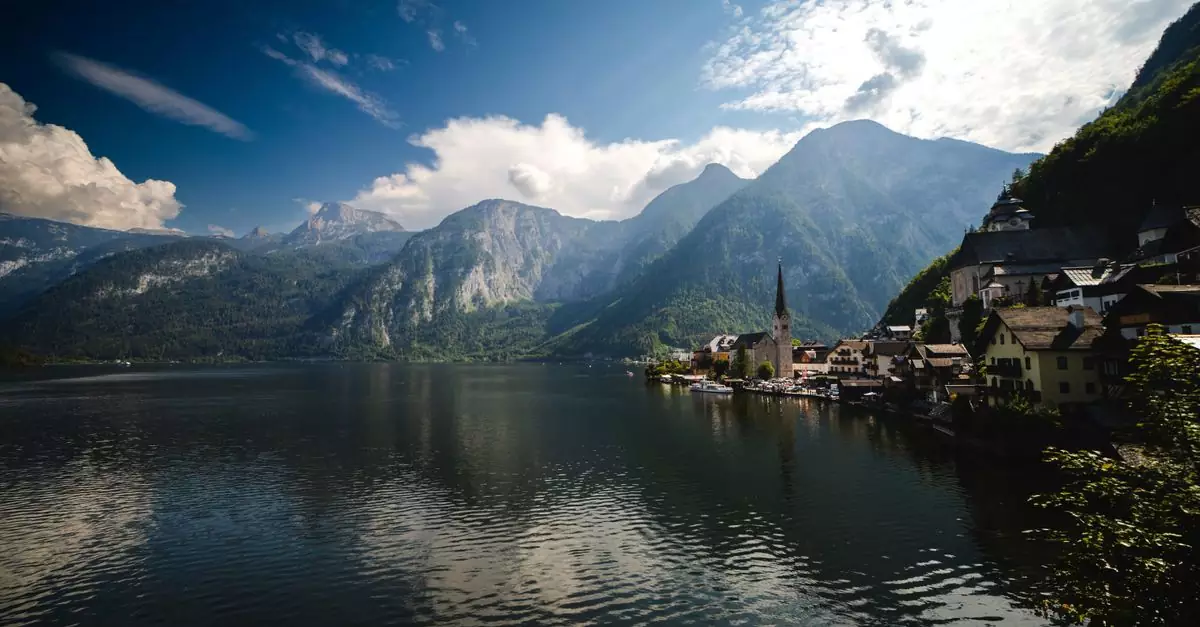
Embarking on a journey to the world’s best mountain lakes requires careful planning, especially when many are tucked away in remote, high-altitude locations. Understanding the logistics, from how to reach them to what to pack, can make the difference between a strenuous ordeal and an unforgettable adventure.
Getting to Remote Mountain Lakes: Transportation Options
Accessing these pristine bodies of water often involves a multi-modal approach. For many iconic alpine lakes, the initial journey might involve flying into a major regional airport. From there, renting a car is frequently the most flexible option, allowing you to reach trailheads or smaller towns. However, some destinations are only accessible via public transport, such as local buses or scenic train lines. Once near the lake, expect to rely on your own two feet. Hiking is the primary way to reach many secluded lakes, with trail lengths and difficulty varying significantly. For instance, reaching a lake in the Patagonia region of South America might involve a multi-day trek, while others in the European Alps might be accessible via a short walk from a mountain pass reached by cable car.
Consider the following common transportation scenarios:
| Destination Type | Primary Access Method | Secondary Access Method(s) | Typical Final Approach |
|---|---|---|---|
| European Alps | Car, Train, Bus | Cable Car, Gondola | Hiking |
| Himalayas | Flight to major city, Bus | Jeep, Trekking | Hiking |
| Canadian Rockies | Car | Shuttle bus (seasonal), Hiking | Hiking |
| Andes (e.g., Patagonia) | Flight to regional hub, Bus | 4×4 vehicle, Long-distance Trekking | Hiking |
Packing Essentials for High-Altitude Environments
High altitudes present unique challenges, and packing wisely is crucial for comfort and safety. Layering is key, as temperatures can fluctuate dramatically throughout the day. Start with a moisture-wicking base layer, add an insulating mid-layer like fleece or down, and top it off with a waterproof and windproof outer shell. Sturdy, broken-in hiking boots are essential for navigating uneven terrain. Don’t forget sun protection; the sun’s rays are more intense at higher elevations, so pack sunscreen, a wide-brimmed hat, and sunglasses. A reusable water bottle or hydration pack is essential, along with a water filter or purification tablets, as access to potable water can be scarce.
Essential items to include:
- Moisture-wicking base layers
- Insulating mid-layers (fleece, down jacket)
- Waterproof and windproof outer shell
- Durable hiking boots
- Sunscreen (SPF 30+) and lip balm with SPF
- Wide-brimmed hat and sunglasses
- Reusable water bottle or hydration reservoir
- Water filter or purification tablets
- First-aid kit
- Headlamp or flashlight
- Navigation tools (map, compass, GPS device)
- High-energy snacks
Accommodation Near Iconic Lakes: From Rustic Huts to Luxury Stays
Accommodation options surrounding the world’s best mountain lakes range from basic to luxurious, depending on the location’s development. In popular regions like the Swiss Alps or the Canadian Rockies, you’ll find a spectrum of choices. These can include charming alpine villages with hotels and guesthouses, rustic mountain huts (refuges or rifugios) offering dormitory-style sleeping and communal meals, or even remote wilderness lodges accessible only by foot or seaplane. For those seeking a more immersive experience, camping near designated areas or backcountry camping (where permitted and with proper permits) offers unparalleled proximity to nature. Booking in advance is highly recommended, especially during peak season, as availability can be limited, particularly for the more remote or popular huts.
Budgeting for Your Mountain Lake Getaway
The cost of visiting mountain lakes varies significantly based on the destination, duration of your trip, and chosen accommodation and activities. Flights to remote regions can be a substantial expense. Once at your destination, transportation costs, whether for car rental, buses, or local guides, will add up. Accommodation is another major factor; camping will be the most budget-friendly, followed by mountain huts, and then hotels. Food costs can also vary, with self-catering being cheaper than dining out.
Here’s a general breakdown to help with your budgeting:
| Expense Category | Budget Traveler ($) | Mid-Range Traveler ($$) | Luxury Traveler ($$$) |
|---|---|---|---|
| Transportation | Public buses, carpooling | Rental car, regional flights | Private transfers, domestic flights |
| Accommodation | Camping, hostels, basic huts | Guesthouses, standard hotels | Boutique hotels, lodges |
| Food | Groceries, self-catering | Mix of self-catering and restaurants | Fine dining, resort meals |
| Activities | Hiking, free viewpoints | Guided day hikes, entrance fees | Private guides, scenic flights, spa |
| Contingency | 10-15% | 10% | 5-10% |
Remember to factor in potential costs for park entrance fees, permits for hiking or camping, and travel insurance, which is always advisable for adventurous trips.
Photographing the Best Mountain Lakes: Capture Breathtaking Scenery
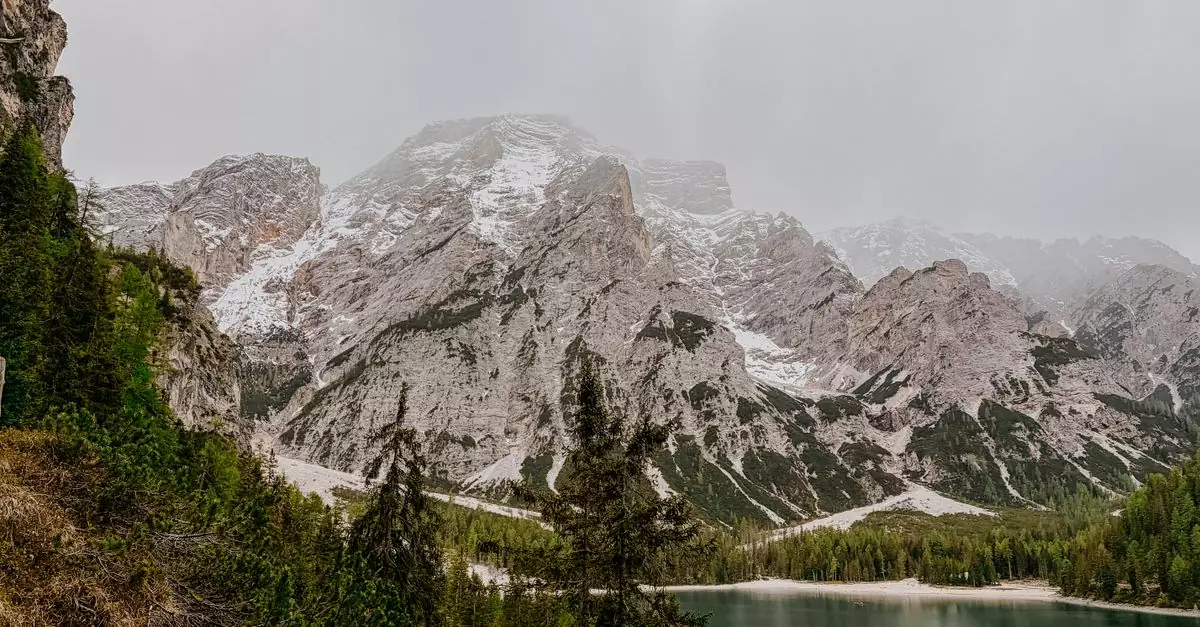
Capturing the grandeur of the world’s best mountain lakes requires more than just pointing a camera. It’s about understanding light, composition, and the unique character of each location. These alpine gems offer unparalleled photographic opportunities, from mirror-like reflections to dramatic, rugged backdrops.
Golden Hour Magic at Lake Bled, Slovenia
Lake Bled, with its iconic island church and medieval castle perched above, is a photographer’s dream, especially during the golden hours. The soft, warm light of sunrise and sunset bathes the water and surrounding Julian Alps in a gentle glow. Aim for an early morning shoot to catch the mist rising from the lake, creating an ethereal atmosphere. The castle, illuminated by the rising sun, offers a stunning foreground element.
For the best vantage points, consider the Ojstrica viewpoint, a short hike offering panoramic views, or the Pletna boat docks for shots looking towards the island. Tripods are essential for sharp images in low light and for capturing smooth reflections on the water’s surface.
Sunrise Over Jökulsárlón Glacier Lagoon, Iceland
While technically a glacier lagoon rather than a mountain lake, Jökulsárlón’s dramatic setting and ice formations make it a must-visit for landscape photographers. The lagoon is fed by the Breiðamerkurjökull glacier, with icebergs calving off and drifting towards the sea. Sunrise here is a spectacle of color, with the sky reflecting in the still water and illuminating the ice in hues of blue, white, and orange.
The nearby Diamond Beach, where ice chunks wash ashore on black volcanic sand, provides a stark contrast and unique photographic subjects. Be prepared for unpredictable weather; waterproof gear for yourself and your equipment is crucial. Early morning offers fewer crowds and the best light.
Capturing the Scale of Crater Lake, Oregon, USA
Crater Lake National Park in Oregon boasts one of the deepest and clearest lakes in the world, formed in the caldera of a collapsed volcano. Its intense blue color is mesmerizing. To convey the sheer scale and depth, use wide-angle lenses and look for foreground elements like volcanic rock formations or distant Wizard Island to provide a sense of perspective.
Several overlooks along Rim Drive offer incredible views, including Watchman Overlook and Discovery Point. For a different perspective, consider hiking down to the lake’s edge at Cleetwood Cove Trail, the only legal access point for swimming. The clarity of the water is best appreciated on a clear day, but the lake can also appear moody and dramatic under cloud cover. Planning your visit during the summer months, typically July through September, offers the most reliable access and best weather conditions for photography.
Best Lenses and Camera Settings for Landscape Photography
When photographing mountain lakes, a versatile kit is key. A wide-angle lens (e.g., 16-35mm equivalent) is indispensable for capturing expansive vistas and dramatic foregrounds. A mid-range zoom (e.g., 24-70mm) offers flexibility for framing specific features or distant peaks. For capturing details or compressing the scene, a telephoto lens (e.g., 70-200mm) can be useful.
Recommended Camera Settings:
| Feature | Sunrise/Sunset (Low Light) | Midday (Bright Light) |
|---|---|---|
| Aperture | f/8 – f/16 | f/11 – f/18 |
| ISO | 100 – 400 | 100 |
| Shutter Speed | Varies (use tripod) | 1/125s – 1/500s |
| Focus | Manual (hyperfocal) | Autofocus/Manual |
Using a tripod is essential for sharp images, especially in low light or when using longer exposures to smooth water. Polarizing filters can enhance blue skies and reduce glare on the water’s surface, while neutral density filters help achieve longer exposures for silky water effects. Always shoot in RAW format to maximize post-processing flexibility.
Frequently Asked Questions About Visiting World Mountain Lakes
Are there entrance fees for national parks with famous mountain lakes?
Many national parks and protected areas housing spectacular mountain lakes charge entrance fees. These fees help fund conservation efforts, trail maintenance, and visitor services. For example, visiting a lake within Banff National Park in Canada or Yosemite National Park in the United States typically requires a park pass. It’s wise to check the official park website for current fee structures and potential discounts before your trip. Some areas may also have separate fees for specific activities like camping or backcountry permits.
What are the typical weather conditions at high-altitude lakes?
Weather at high-altitude lakes is notoriously unpredictable, even in summer. Expect cooler temperatures than at lower elevations, with significant drops in temperature after sunset. Sunshine can be intense, but clouds can gather rapidly, bringing rain, hail, or even snow at any time of year. Strong winds are also common. Always pack layers, including waterproof and windproof outerwear, and be prepared for a wide temperature range. Checking the local mountain weather forecast just before and during your visit is crucial.
Is it safe to swim in the world’s best mountain lakes?
Swimming in mountain lakes can be exhilarating, but safety is paramount. The primary concern is the extreme cold of the water, which can lead to hypothermia quickly, even on a warm day. Most mountain lakes are fed by snowmelt and glaciers, keeping temperatures near freezing. It’s advisable to swim for very short periods, if at all, and to be aware of your physical limits. Always check for local advisories regarding water quality or potential hazards like strong currents or underwater obstacles. For many, a refreshing dip is best enjoyed with a quick plunge rather than an extended swim.
What are some lesser-known mountain lakes worth exploring?
While iconic lakes like Moraine Lake or Lake Bled often steal the spotlight, numerous hidden gems offer breathtaking beauty without the crowds. Consider exploring the glacial lakes of the Andes, such as Laguna Quilotoa in Ecuador, a stunning crater lake with vibrant turquoise waters. In Europe, look beyond the Swiss Alps to discover gems like the Krn Lakes in Slovenia’s Julian Alps, offering a more rugged and tranquil hiking experience. For those venturing through South America, researching smaller national parks or less-trafficked trails can reveal spectacular alpine tarns. These less-visited spots often provide a more intimate connection with nature and a chance to experience the serene grandeur of mountain landscapes.