The mesmerizing turquoise hue of certain lakes is not merely a trick of the light; it’s a natural phenomenon influenced by specific geological and atmospheric conditions. Understanding the factors that create these vibrant shades can enhance your appreciation when visiting the world’s best turquoise lakes. The intensity and exact shade of blue result from a combination of elements, primarily the presence of finely ground rock particles and how sunlight interacts with the water.
This guide explores the science behind this captivating color, detailing the roles of glacial flour, mineral content, and sunlight. We will then take you on a journey to some of the most spectacular turquoise destinations worldwide, from Croatia’s cascading wonders to the iconic peaks of the Canadian Rockies and the vibrant aquatic landscapes of South America. Discover what makes these lakes special and what you need to know to plan your unforgettable visit.
Why Are Some Lakes So Turquoise? The Science Behind the Color
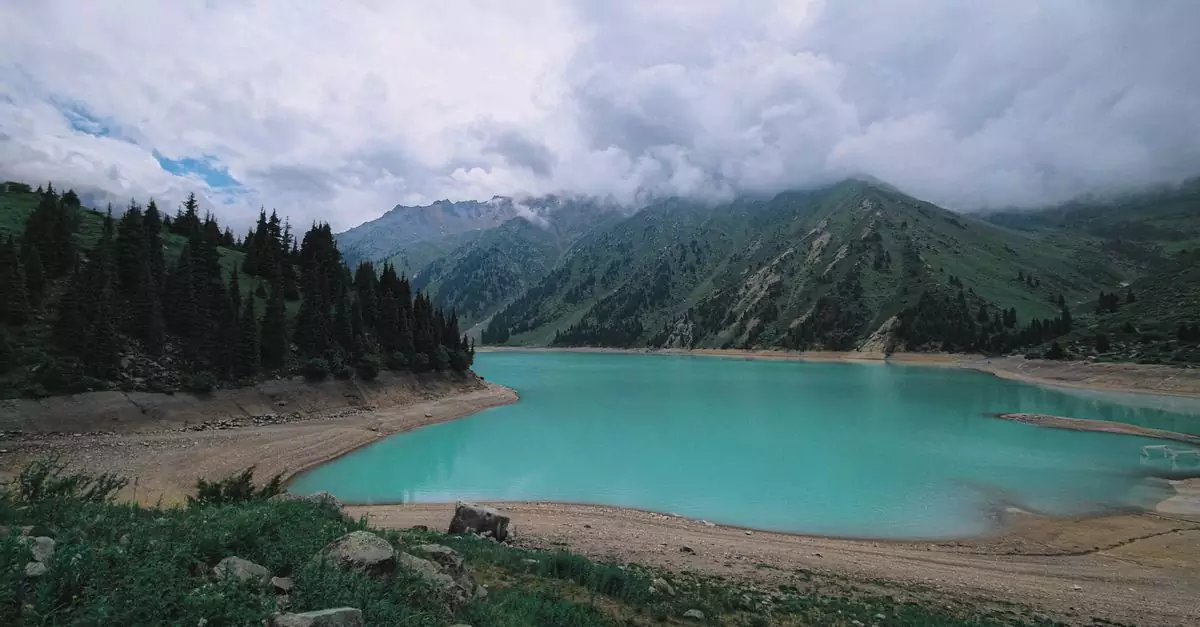
The striking turquoise hue of certain lakes is not an optical illusion; it arises from natural processes influenced by geological and atmospheric conditions. Understanding these vibrant shades enhances your experience at some of the world’s finest turquoise lakes. The intensity and specific blue tones stem from a combination of factors, notably finely ground rock particles and the interaction of sunlight with the water.
Glacial Flour: The Key Ingredient for Vivid Blue
The primary contributor to a lake’s striking turquoise color is a phenomenon known as “glacial flour.” This refers to rock particles ground into fine silt by glaciers over thousands of years. As glaciers move, they pulverize bedrock into a fine dust. When this glacial flour is washed into lakes, typically via meltwater streams, it remains suspended rather than dissolving.
These microscopic particles effectively reflect and scatter sunlight, particularly wavelengths in the blue and green spectrum. The finer the particles, the more pronounced this effect becomes, resulting in brilliant, almost unreal shades of turquoise. Lakes fed by active glaciers, especially in mountainous regions, are prime candidates for this dazzling display. The more active the glacier and the more rock it grinds, the more glacial flour enters the water, intensifying the color.
Mineral Content and Water Clarity’s Role
In addition to glacial flour, the mineral content of the water and its overall clarity play crucial supporting roles. Lakes with high concentrations of dissolved minerals, such as calcium carbonate, can exhibit vibrant blue and green colors. When suspended in water, these minerals refract sunlight, enhancing blue tones. This is evident in the milky turquoise hues seen in certain cenotes or high-alkalinity lakes.
Water clarity is also paramount. Murky water, even with glacial flour or minerals, will appear duller. Clear water allows sunlight to penetrate deeper, giving suspended particles more opportunity to scatter light effectively. Lakes that are relatively free from organic matter, like algae blooms or sediment from river runoff, tend to showcase their turquoise colors more vividly. The absence of these impurities ensures that light scattering by glacial flour or minerals is the dominant optical effect.
How Sunlight Affects Lake Hues
Sunlight is a critical component in producing the visual spectacle of turquoise lakes. White sunlight comprises all colors of the visible spectrum. When this light strikes water containing suspended glacial flour or specific minerals, different wavelengths are absorbed and scattered differently. Shorter wavelengths, like blue and green, are scattered more effectively by these particles and the water molecules themselves.
Longer wavelengths, such as red and yellow, are absorbed more readily by the water. Consequently, the light reflected back to our eyes is predominantly blue and green, creating the signature turquoise appearance. The angle of the sun and the observer also influence the perceived color. On bright, sunny days, the turquoise is often at its most vibrant, while cloudy conditions can mute the colors. Shallow areas may appear lighter, more aquamarine due to less light penetration and scattering. This interplay of light, water, and suspended particles transforms ordinary lakes into breathtaking natural wonders.
Must-See Turquoise Lakes in South America
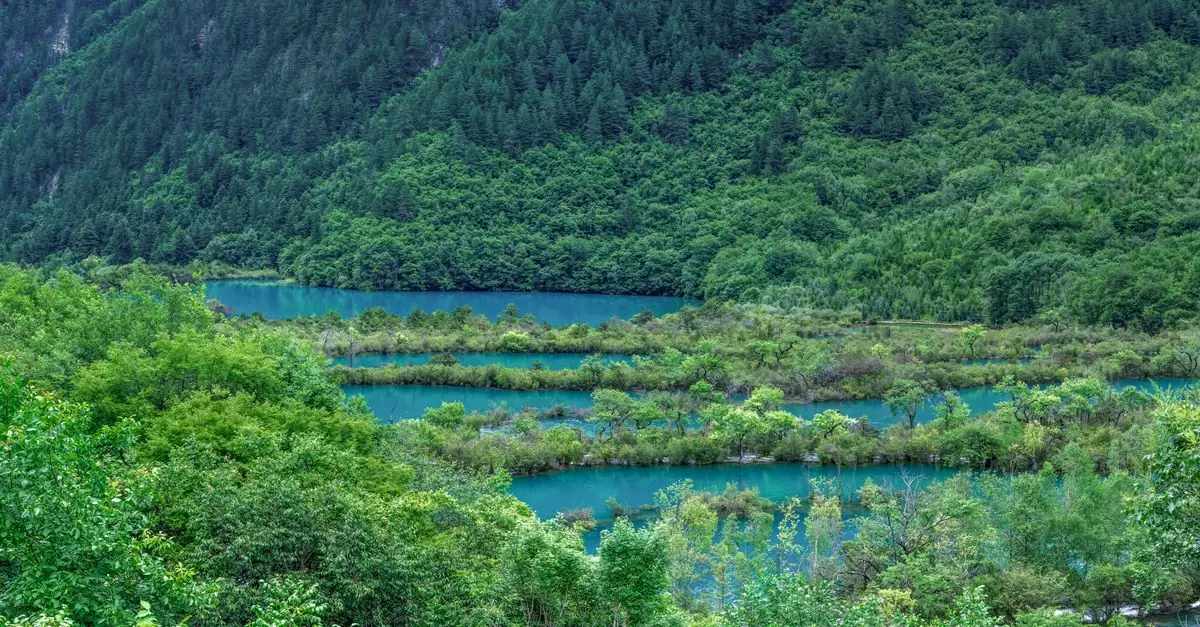
South America boasts some of the planet’s most breathtaking blue and green aquatic wonders. From high-altitude glacial lakes to vibrant rivers, these destinations offer unparalleled natural beauty. Planning a trip to see these turquoise lakes requires understanding their unique accessibility and seasonal considerations.
Laguna Colorada, Bolivia: A Flamingo Paradise
Laguna Colorada, located in Bolivia’s Eduardo Avaroa Andean Fauna National Reserve, is famous for its striking red hue caused by algae and minerals. However, the surrounding salt flats and often clear skies reflect mesmerizing turquoise and sapphire blue, creating a stunning contrast with the pink flamingos that gather here. The sheer number of Andean, James’s, and Chilean flamingos makes this a wildlife photographer’s dream.
Getting to Laguna Colorada typically involves a multi-day 4×4 tour from Uyuni. These tours are essential due to the rugged and remote terrain. Visitors should prepare for extreme altitudes, cold temperatures, and basic accommodations, often in shared refuges. The dry season, from June to October, offers the clearest skies and most accessible conditions, though temperatures can drop significantly at night.
Lake Titicaca’s Shimmering Waters (Peru/Bolivia)
Straddling the border of Peru and Bolivia, Lake Titicaca is the world’s highest navigable lake. While its overall color can vary, many coves and deeper waters often display a brilliant turquoise, especially under sunny skies. The lake is renowned for its floating Uros islands, made entirely of totora reeds, and the traditional cultures of the Taquile and Amantani islands.
Puno, Peru, and Copacabana, Bolivia, serve as the main gateways to the lake. Boat tours are the primary way to experience the islands and the lake’s expanse. The best time to visit is during the dry season, from May to October, when rainfall is minimal and the sun shines brightly, enhancing the water’s vibrant colors. Budget travelers can find hostels in Puno and Copacabana, while more upscale options exist on some islands.
Laguna 69, Peru: Trekking to a Jewel in the Andes
Nestled in Huascarán National Park in Peru’s Cordillera Blanca mountain range, Laguna 69 is a stunning glacial lake renowned for its intense turquoise color. This color results from glacial silt suspended in the water, reflecting sunlight. Reaching this natural wonder requires a challenging but rewarding day hike.
The trek to Laguna 69 starts from Huaraz and involves a strenuous uphill climb of approximately 3-4 hours. The altitude can be significant, so acclimatization in Huaraz for a few days prior is highly recommended. Organized tours from Huaraz are common and often include transportation to the trailhead and a guide. The best trekking season is generally from May to September, during the dry season, offering clear views and stable weather.
Caño Cristales, Colombia: The River of Five Colors
Often called the “River of Five Colors” or the “Liquid Rainbow,” Caño Cristales in Colombia is a truly unique natural phenomenon. From June to November, a specific aquatic plant, Macarenia clavigera, blooms and transforms the riverbed into a vibrant spectacle of reds, blues, yellows, greens, and purples. While not a lake, its expansive stretches of vivid color rival any turquoise water destination.
Access to Caño Cristales is managed and typically involves flying into La Macarena, a town in the Meta department. From there, a combination of boat and foot travel is required to reach the river. The park is open to visitors only during specific periods to protect the ecosystem, so checking current access regulations is crucial. The peak viewing season coincides with the rainy season in other parts of the continent, typically from June to November, when river levels are optimal for the plants to thrive.
| Destination | Country | Best Time to Visit | Primary Access Point | Typical Tour Length | Estimated Budget (per day, excl. flights) |
|---|---|---|---|---|---|
| Laguna Colorada | Bolivia | June – October | Uyuni | 3-4 days | $100 – $150 |
| Lake Titicaca | Peru/Bolivia | May – October | Puno / Copacabana | 1-2 days | $50 – $100 |
| Laguna 69 | Peru | May – September | Huaraz | 1 day | $40 – $80 |
| Caño Cristales | Colombia | June – November | La Macarena | 2-3 days | $150 – $250 |
Beyond South America: Global Gems of Turquoise Water
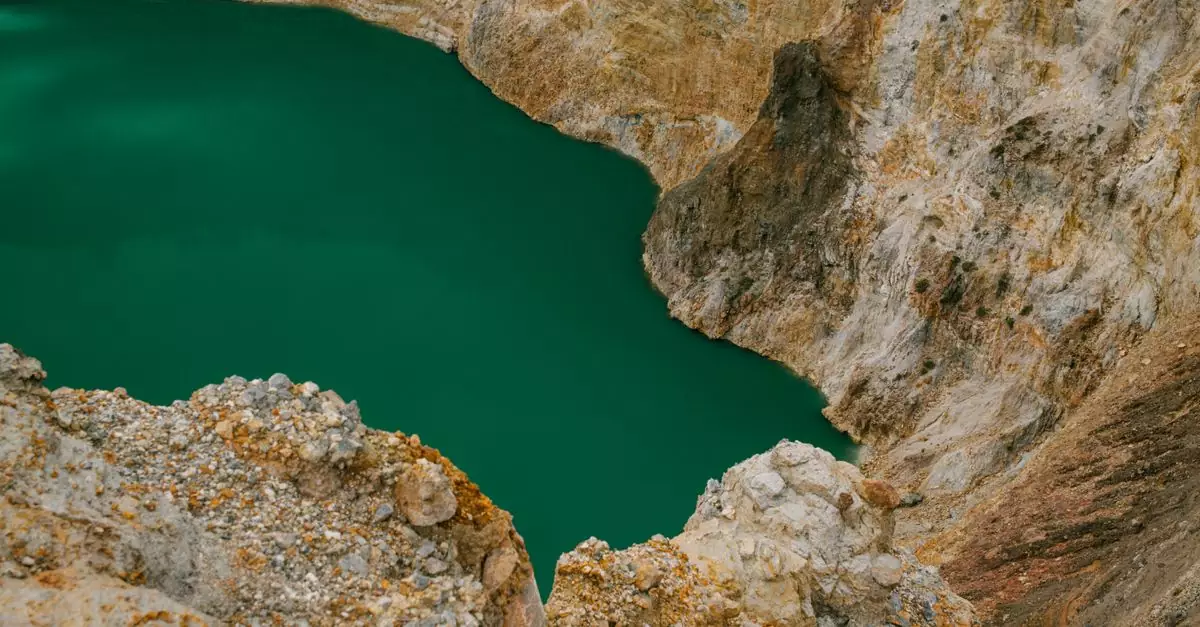
While South America boasts stunning azure and emerald waters, the allure of vibrant turquoise lakes extends far beyond its borders. These captivating bodies of water, often formed from glacial melt or unique mineral compositions, offer breathtaking spectacles that attract travelers from around the globe. From Croatia’s cascading falls to the iconic peaks of the Canadian Rockies, discovering these aquatic wonders reveals a different perspective on natural beauty.
Plitvice Lakes National Park, Croatia: Cascading Wonders
Plitvice Lakes National Park in Croatia is a UNESCO World Heritage site, renowned for its series of 16 terraced lakes interconnected by waterfalls and streams. The water’s striking turquoise and emerald hues result from mineral deposits and organisms, changing color with the angle of sunlight and mineral content. Navigating the park involves a network of wooden walkways that wind over and around the lakes, offering intimate views of the cascading waters and lush surrounding forests.
Visiting Plitvice is a full-day affair, and it’s advisable to arrive early, especially during peak season (July and August), to avoid large crowds. The park is accessible by bus from major Croatian cities like Zagreb or Zadar. Accommodation options range from guesthouses in surrounding villages to hotels within the park itself. Be prepared for extensive walking; comfortable shoes are essential.
| Season | Water Color Intensity | Crowd Levels |
|---|---|---|
| Spring | Moderate to High | Moderate |
| Summer | High | Very High |
| Autumn | High | Moderate |
| Winter | Low (often frozen) | Low |
Moraine Lake, Canada: The Iconic Rocky Mountain Spectacle
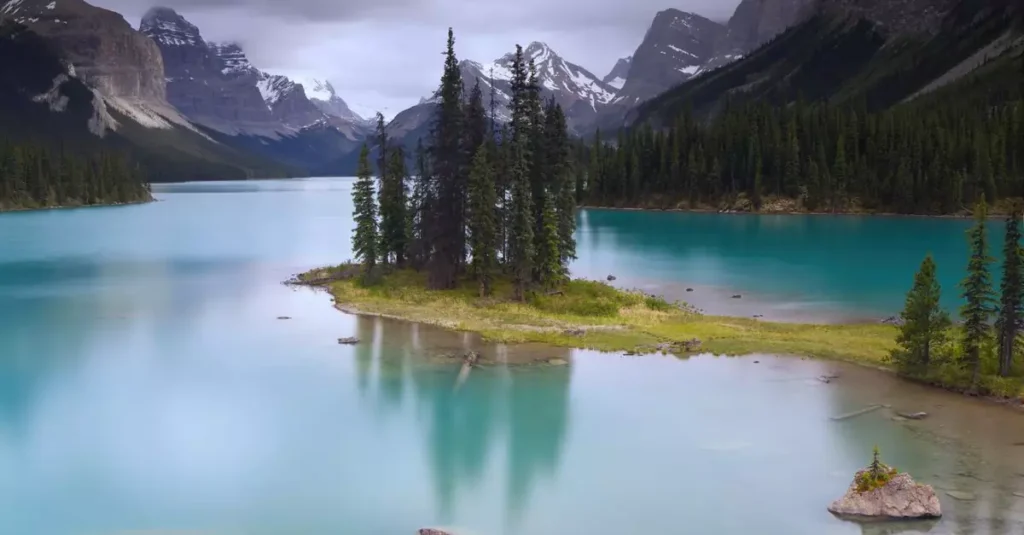
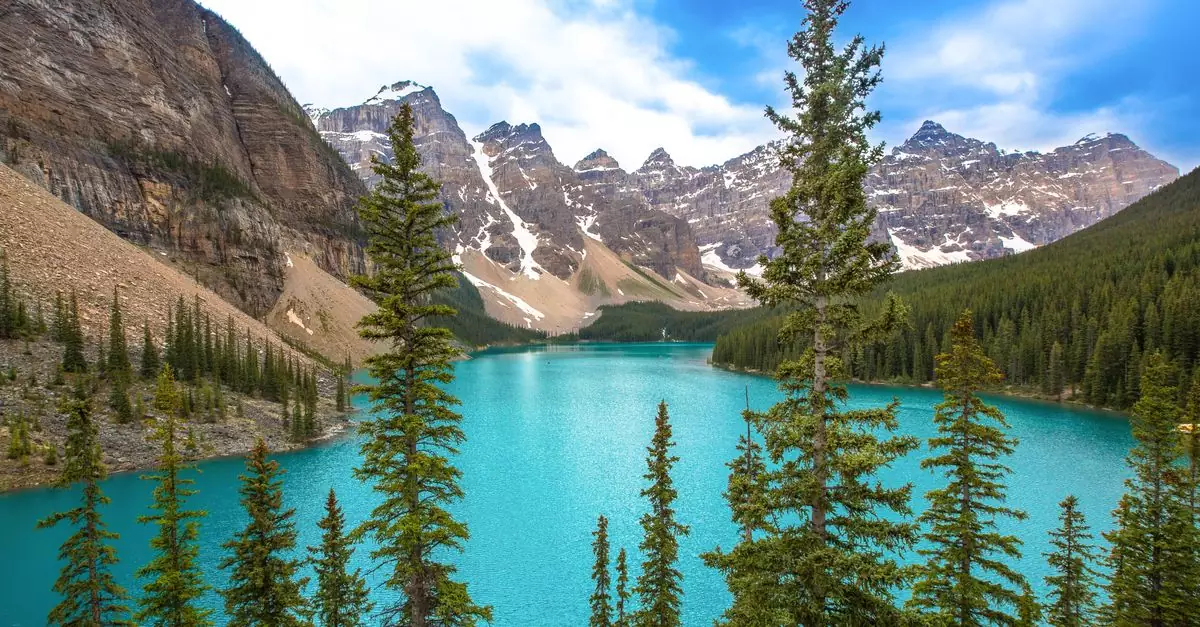
Moraine Lake, located in Banff National Park, Canada, is arguably one of the most photographed lakes in the world. Its brilliant turquoise color, derived from glacial rock flour suspended in the water, is most vivid during the summer months when the glaciers feeding it are actively melting. The Valley of the Ten Peaks provides a dramatic backdrop, creating a postcard-perfect scene.
Access to Moraine Lake is restricted to Parks Canada shuttles, Roam Public Transit, or cycling during peak season (typically late May to early October) due to its popularity and limited parking. This restriction helps preserve the fragile environment and enhance the visitor experience. Staying in nearby Lake Louise offers convenient access, though booking accommodations well in advance is crucial. The iconic view is often captured from the Rockpile trail, a short but steep climb that offers panoramic vistas.
Lake Peyto, Canada: A Wolf’s Eye View of Turquoise
Also within Banff National Park, Lake Peyto offers a unique, wolf-head-shaped vista from its popular viewpoint. Similar to Moraine Lake, its vibrant turquoise color comes from glacial rock flour. The viewpoint, easily accessible via a short walk from the parking area, provides a breathtaking perspective of the lake’s winding shape and the surrounding Canadian Rockies.
Lake Peyto is best visited between June and September when the ice has melted and the water is at its most luminous. While there are no accommodations directly at Lake Peyto, the town of Lake Louise is a short drive away and offers a range of hotels and lodges. This spot is a popular stop for those traveling the Icefields Parkway, a scenic route connecting Banff and Jasper National Parks.
Pistol Lake, Canada: A Less-Crowded Ontario Gem
For those seeking a more tranquil experience with vibrant turquoise waters, Pistol Lake in Ontario’s Algoma District offers a compelling alternative. While not as globally famous as its Rocky Mountain counterparts, Pistol Lake is celebrated for its incredibly clear, bright blue-green waters, especially during the summer. It’s a popular destination for canoeing, kayaking, and fishing, accessible via the scenic Lake Superior Provincial Park.
Travelers can reach Pistol Lake by driving along Highway 17. Camping within Lake Superior Provincial Park is an excellent option for immersing oneself in the natural beauty, with several campgrounds available. The park also offers backcountry camping for more adventurous visitors. Unlike the highly regulated access to the Banff lakes, Pistol Lake provides a more accessible, yet equally stunning, turquoise water experience for those exploring northern Ontario.
Planning Your Visit to the World’s Best Turquoise Lakes
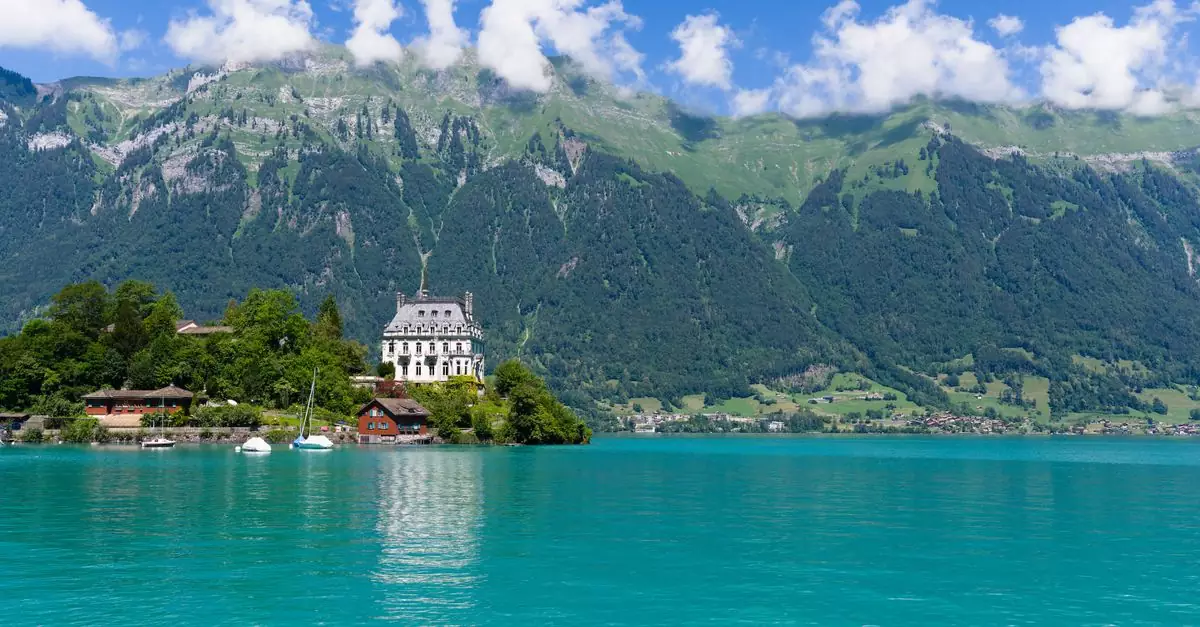
Experiencing the world’s most stunning turquoise lakes often requires careful planning, especially when many are located in remote or challenging-to-reach destinations. Understanding the best times to visit, how to get there, and what to pack will significantly enhance your adventure. This section offers practical advice to help you make the most of your journey to these vibrant natural wonders.
Best Time to Visit for Peak Color and Weather
The ideal time to visit turquoise lakes often aligns with periods of clear skies and optimal water conditions, influenced by season and local climate. For many alpine lakes, the summer months (June to September in the Northern Hemisphere) provide the best access and clearest water, as snowmelt feeds the lakes and surrounding vegetation is at its greenest. This timing also typically means more pleasant weather for hiking and sightseeing.
However, some lakes, particularly those in tropical regions or fed by specific mineral flows, may have different peak seasons. For instance, lakes in Patagonia experience prime viewing conditions during their respective summer months. Researching the specific climate patterns of your chosen lake is crucial.
Consider these general guidelines:
- Alpine Lakes: Late Spring to Early Autumn (May-October in Northern Hemisphere) for clear water and accessible trails.
- Glacial Lakes: Summer months offer the most dramatic turquoise hues due to increased glacial meltwater.
- Tropical Lakes: Dry seasons typically provide clearer skies and less disruptive rainfall.
Getting There: Transportation Options for Remote Lakes
Reaching the world’s best turquoise lakes can be an adventure in itself. Many are situated far from major cities, requiring a combination of transportation methods.
- Flights: The initial step often involves flying into the nearest major airport. From there, you might need to arrange domestic flights to smaller regional airports.
- Ground Transportation: Rental cars offer invaluable flexibility, especially in regions like Iceland or New Zealand, where driving yourself allows for spontaneous stops. In some areas, however, roads can be unpaved or challenging, so a 4×4 vehicle might be necessary. Public transport options like buses or trains may connect larger towns but often require additional local transport like taxis or shuttles to reach the lake itself.
- Boats and Ferries: For lakes that are islands or require crossing a body of water, ferries or local boat services are essential. Lake Louise in Canada, for instance, is accessible by car, but boat tours on the lake are a popular way to experience its beauty.
- Hiking and Trekking: Many of the most spectacular turquoise lakes are only accessible on foot. This can range from short, well-maintained trails to multi-day treks through remote wilderness. Planning for these hikes includes assessing trail difficulty, required permits, and necessary gear. For those venturing into more remote areas of South America, understanding local logistics and potentially hiring guides is highly recommended.
| Destination Type | Primary Transport | Secondary Transport | Notes |
|---|---|---|---|
| Alpine Lakes | Car Rental / Bus | Hiking / Shuttle | Road access can be seasonal. |
| Glacial Lakes | Flight / Car | Boat / Hiking | Often requires significant trekking. |
| Remote Islands | Flight / Ferry | Local Boat / Walking | Access can be weather-dependent. |
Packing Essentials for Lakeside Adventures
Packing smart is key to enjoying your time at these often-remote natural attractions. Weather can change rapidly, even in summer, so layering is crucial.
- Waterproof and Windproof Outerwear: Essential for protection against sudden rain showers and wind, common in mountainous or coastal regions.
- Sturdy Hiking Boots: Whether planning short walks or long treks, comfortable, broken-in hiking boots are vital for navigating varied terrain.
- Moisture-Wicking Base Layers: Synthetic or merino wool layers help regulate body temperature and keep you dry.
- Sun Protection: High SPF sunscreen, sunglasses, and a wide-brimmed hat are necessary, as sun intensity can be high, especially at altitude or near water.
- Insect Repellent: Depending on the season and location, mosquitoes or other biting insects can be a nuisance.
- Reusable Water Bottle and Water Filter: Staying hydrated is important, and having a way to filter water can be a lifesaver in remote areas.
- Camera and Extra Batteries/Memory Cards: You’ll want to capture the vibrant colors, so ensure your equipment is ready.
Photography Tips for Capturing Turquoise Brilliance
Photographing turquoise lakes presents unique challenges and opportunities. The intense color can be amplified or diminished by lighting conditions.
- Golden Hours: Early morning and late afternoon (sunrise and sunset) often provide the softest, most flattering light. This light can make the turquoise hues pop and create beautiful reflections on the water’s surface.
- Polarizing Filter: A polarizing filter is invaluable for landscape photography, especially near water. It helps reduce glare from the water’s surface, allowing you to see more of the lakebed and enhancing the saturation of the turquoise color. It also deepens blue skies.
- Vary Your Angles: Don’t just shoot from eye level. Get low to the ground for a different perspective, or find a higher vantage point for a panoramic view. Including foreground elements like rocks, trees, or wildflowers can add depth and interest to your shots.
- Shoot on Cloudy Days: While sunshine is great, overcast days can produce more even, diffused light that prevents harsh shadows and can reveal subtle variations in the lake’s color. The vibrant turquoise often stands out even more dramatically against a muted sky.
- Check Your White Balance: Water colors can be tricky for cameras. Experiment with your white balance settings to ensure you’re accurately capturing the natural turquoise shade. Shooting in RAW format gives you the most flexibility for adjustments in post-processing.
Unique Experiences Around Turquoise Lakes
Beyond their stunning visual appeal, the world’s best turquoise lakes offer a wealth of activities and cultural encounters. These vibrant bodies of water serve as focal points for adventure, relaxation, and genuine connection with local life. Planning your visit to include these unique experiences will transform a scenic trip into a memorable journey.
Kayaking and Paddleboarding on Azure Waters
Gliding across the surface of a turquoise lake by kayak or paddleboard provides an unparalleled perspective. The clarity of the water allows you to see the lakebed below, often revealing colorful pebbles or submerged rock formations. Many locations offer rentals directly on the shore, making spontaneous excursions easy. For those seeking tranquility, early morning paddles are ideal, as the water is typically calm and the surrounding landscape is bathed in soft light.
Consider destinations like Plitvice Lakes National Park in Croatia, where you can navigate between its cascading waterfalls and interconnected lakes. The calm waters here are perfect for a leisurely paddle, allowing you to appreciate the intricate karst landscape. Always check local regulations regarding watercraft, as some protected areas may have restrictions.
Hiking Trails with Panoramic Lake Views
Many turquoise lakes are nestled within mountainous regions, offering a network of hiking trails that lead to breathtaking viewpoints. These trails range from gentle lakeside strolls to challenging mountain ascents. The reward for your effort is often a sweeping panorama of the brilliantly colored water set against dramatic backdrops of peaks and forests.
In Patagonia, for instance, trails around Lago Pehoé in Torres del Paine National Park provide iconic views of the lake’s electric blue hue against the granite spires of the Paine Massif. Wear sturdy hiking boots, carry plenty of water, and be prepared for changing weather conditions, especially at higher altitudes. Consulting local park maps and ranger stations is crucial for selecting trails suitable for your fitness level.
Wildlife Spotting Near Colorful Lagoons
The ecosystems surrounding turquoise lakes often teem with diverse wildlife. Birdwatchers can find numerous species, from waterfowl to migratory birds, attracted to the abundant aquatic life. Keep an eye out for mammals that frequent the shores for water and food. Responsible wildlife viewing is paramount; maintain a safe distance, never feed animals, and be aware of your surroundings.
The glacial lakes of the Canadian Rockies, such as Moraine Lake in Banff National Park, are known for their vibrant blue color and the surrounding wildlife, including elk, deer, and various bird species. During certain seasons, you might even spot bears, so it’s essential to be bear-aware and carry appropriate safety gear if hiking in these areas.
Cultural Immersion in Lakeside Communities
Beyond the natural beauty, many turquoise lakes are surrounded by vibrant communities with rich cultural traditions. Engaging with local populations offers a deeper understanding of the region. This can involve visiting local markets, trying regional cuisine, or participating in cultural festivals if your timing aligns. Learning a few basic phrases in the local language can greatly enhance interactions.
The communities around Lake Atitlán in Guatemala are a prime example. Indigenous Mayan villages dot the shores, each with its own distinct textiles, languages, and customs. Taking a boat taxi between villages like San Pedro La Laguna and Santiago Atitlán allows for easy exploration and opportunities to interact with artisans and residents. Respectful engagement is key; always ask permission before taking photographs of people.
Frequently Asked Questions About Turquoise Lakes
Are these lakes safe for swimming?
The safety of swimming in turquoise lakes depends on the specific location and its water quality. Many of these stunning natural wonders, such as those in the Canadian Rockies or the glacial lakes of the Alps, are fed by pure meltwater and are generally safe for a refreshing dip. However, always check local advisories for any potential risks, such as strong currents, cold temperatures, or the presence of algae blooms. Some lakes, particularly those with unique mineral compositions or proximity to industrial activity, might not be suitable for swimming.
What causes the color to change?
The striking turquoise hue of these lakes primarily results from glacial flour, finely ground rock particles suspended in the water. As glaciers erode mountains, they create this silt. When sunlight hits these suspended particles, it scatters the light, reflecting blue and green wavelengths more strongly, giving the water its vibrant color. The intensity of the color can vary depending on the season, the amount of glacial meltwater, and the concentration of these rock particles. Heavy rainfall or sediment runoff can temporarily alter the clarity and color.
Which turquoise lake is the most accessible?
Accessibility varies greatly among the world’s most visually arresting turquoise lakes. For travelers seeking ease of access, Lake Louise in Banff National Park, Canada, is a prime example. It’s located near a major highway and offers ample parking, visitor facilities, and paved pathways along its shores. Many turquoise lakes in the Swiss Alps, such as those near Grindelwald, are also quite accessible via well-maintained hiking trails or cable car systems. Conversely, remote glacial lakes in Patagonia or the Himalayas may require significant trekking or specialized transportation, making them less accessible for the average tourist.
Can I visit multiple turquoise lakes in one trip?
Yes, it is often possible to visit multiple turquoise lakes within a single trip, especially if you focus on a specific region known for them. For instance, a journey through the Canadian Rockies can easily include visits to Lake Louise, Moraine Lake, and Peyto Lake within a week. Similarly, exploring the South Island of New Zealand allows for visits to lakes like Tekapo and Wanaka. Planning a multi-lake itinerary requires careful consideration of travel time between locations and the best season for viewing each lake’s vibrant colors. Consider grouping destinations by proximity to optimize your travel time.