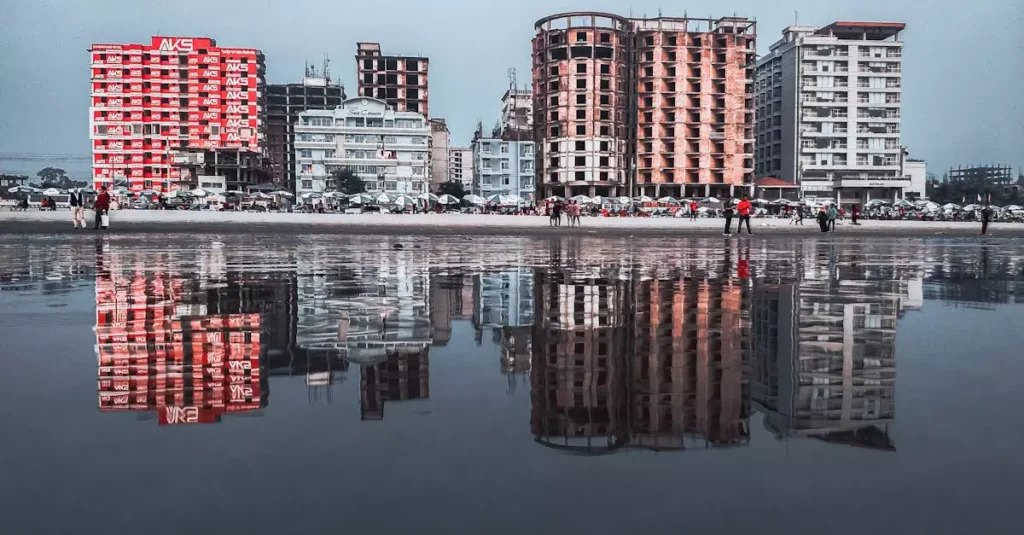
Cox’s Bazar stands out as a premier beach getaway in Bangladesh. For many travelers, understanding the daily expenses involved in visiting Cox’s Bazar is crucial before making any arrangements. This is particularly relevant as costs fluctuate based on the season, hotel locations, and modes of transportation.
This guide presents an uncomplicated budget overview for Cox’s Bazar in 2026. You’ll find insights into daily expenses related to meals, accommodations, local transport, and activities. Additionally, tips on how to economize while still enjoying your trip will be shared.
If youre seeking a practical approach to traveling in Asia, this article is tailored for you. It highlights optimal budget ranges, crowd dynamics, and straightforward travel tips for exploring Cox’s Bazar in Bangladesh.
Cox’s Bazar Travel Cost Per Day: What to Expect in 2026
Your daily expenses in Cox’s Bazar will largely depend on your travel preferences. Budget travelers can keep costs low by opting for accommodations outside the main tourist areas and choosing simpler meals. Those seeking a mid-range experience will likely spend more for added comfort, such as rooms with ocean views and more convenient transport options. Luxury travelers should be prepared for significantly higher expenses, especially during peak times.
In 2026, a practical daily budget for Cox’s Bazar is estimated as follows: budget travelers might spend between BDT 2,500 and BDT 4,000 daily, mid-range travelers could range from BDT 5,000 to BDT 9,000, while luxury trips can exceed BDT 12,000 per day. These amounts may fluctuate during holidays, extended weekends, and school vacations.
First-time visitors often find themselves spending more on their arrival and departure days due to intercity travel. If you come via bus or plane, your average daily cost might increase slightly when you divide the total travel expenses by the number of days. This is a typical scenario and should be factored into your budget for Cox’s Bazar.
| Travel Style | Hotel | Food | Local Transport | Daily Total |
|---|---|---|---|---|
| Budget | BDT 1,200-2,000 | BDT 800-1,200 | BDT 200-500 | BDT 2,500-4,000 |
| Mid-range | BDT 2,500-5,000 | BDT 1,200-2,000 | BDT 500-1,000 | BDT 5,000-9,000 |
| Comfort | BDT 6,000+ | BDT 2,000+ | BDT 1,000+ | BDT 12,000+ |
For a broader understanding of the country, consider reviewing Bangladesh prior to planning your itinerary.
How to Reach Cox’s Bazar and What It Costs
Transport expenses constitute a significant portion of the daily travel cost in Cox’s Bazar when considering the entire trip. Given its distance from Dhaka, most travelers opt for either bus or air travel. The distance from Dhaka to Cox’s Bazar ranges between 390 and 420 kilometers, depending on the chosen route. Typically, the bus journey lasts between 10 to 14 hours, while a flight takes around one hour.
As of 2026, bus fares generally fall between BDT 1,200 and BDT 3,500 one way, influenced by the quality of service. Economy tickets are more affordable, whereas AC business class tickets come at a premium. Flights, while costlier, offer a time-saving alternative and alleviate travel fatigue. Early bookings can yield better prices, but last-minute fares can spike during busy holiday seasons.
The distance from Cox’s Bazar Airport to the main beach area is relatively short, typically around 4 to 6 kilometers. You can take a rickshaw, CNG auto-rickshaw, or local taxi to cover this in approximately 15 to 25 minutes, depending on traffic conditions. Local transport is generally inexpensive, but prices may rise during peak traffic or heavy rain.
For more official tourism information, visit Beautiful Bangladesh.
Hotel, Food, and Local Transport Costs
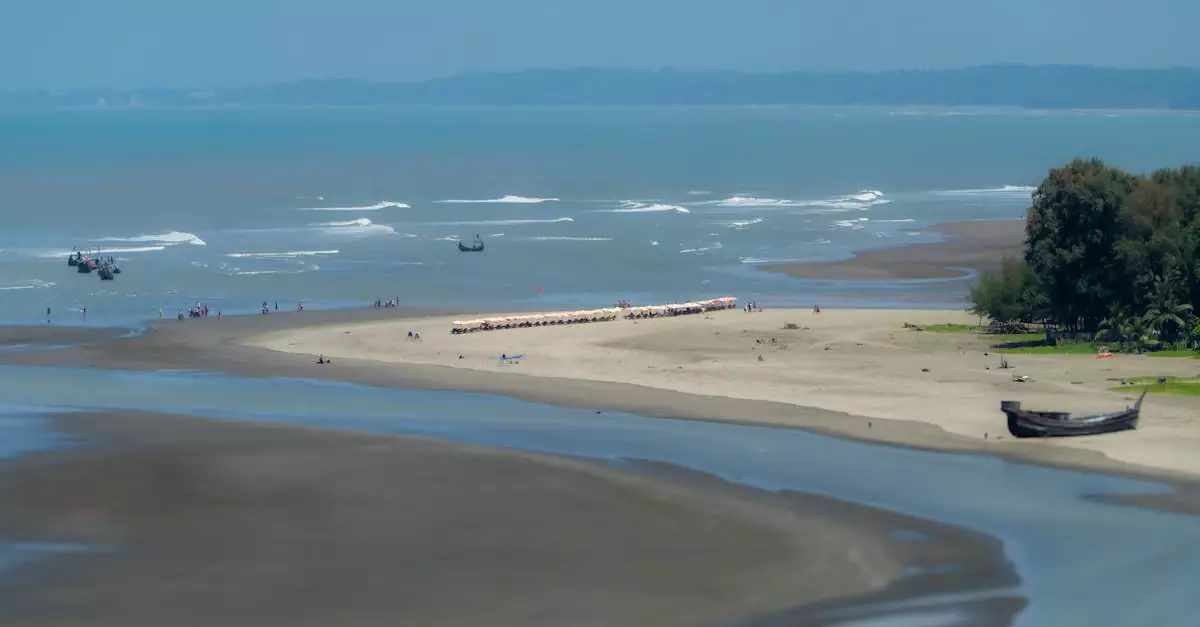
Accommodation prices in Cox’s Bazar can vary significantly. Rooms located near the beach or in the main hotel district tend to be pricier. By choosing accommodations slightly away from the busiest areas, you can often save money. Budget rooms may be basic but are typically clean. Mid-range hotels offer improved amenities, such as better bathrooms and air conditioning, along with closer access to the beach.
Dining costs can be manageable if you opt for local cuisine. A simple breakfast might set you back BDT 150 to BDT 300, while lunch and dinner at local eateries could range from BDT 300 to BDT 700 each. Seafood prices can escalate, particularly in tourist-frequented areas. Many travelers inadvertently overspend on snacks, cold beverages, and beachside cafes.
Local transport options are quite user-friendly. Short rickshaw rides typically cost between BDT 50 and BDT 150, while CNG rides for brief city routes range from BDT 100 to BDT 300. If you plan to visit nearby attractions like Himchari, Inani Beach, or Marine Drive viewpoints, transport costs can increase due to waiting times and distances involved.
Key Advice: Make hotel reservations before arriving during peak seasons. Cox’s Bazar attracts large crowds quickly, and same-day room rates can surge. Additionally, check if your accommodation includes breakfast, as this can help reduce your daily food expenses.
Best Budget Breakdown for 1 Day, 3 Days, and 5 Days
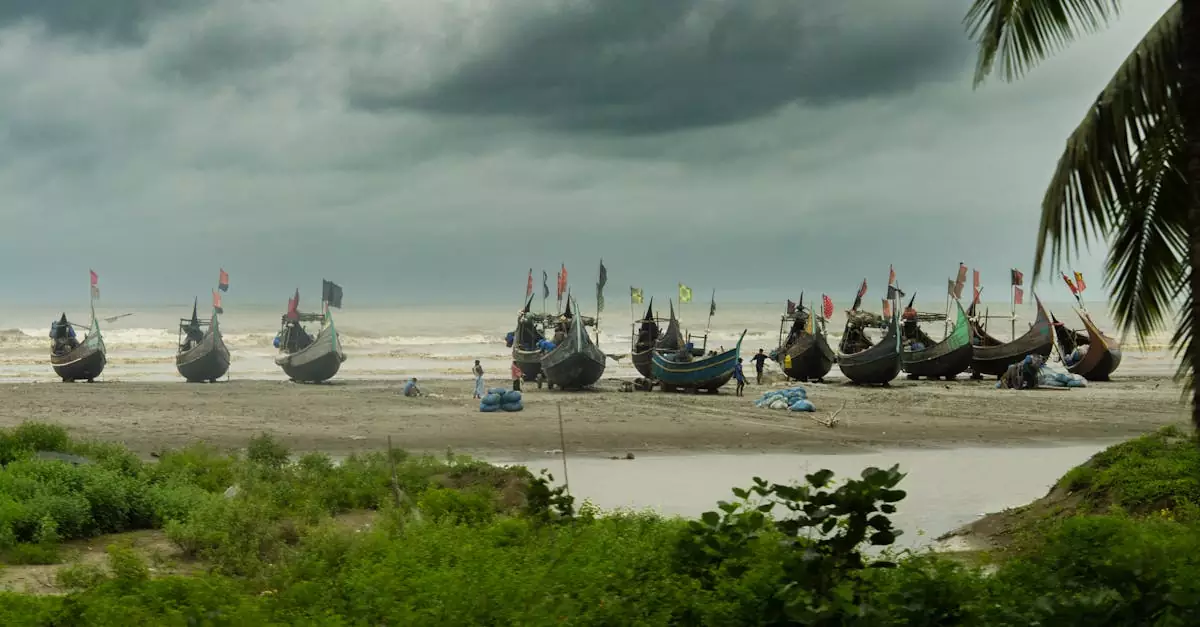
Travelers frequently seek a straightforward estimate for daily expenses in Cox’s Bazar over the course of their trip. The total will vary based on the length of stay. Short visits may feel pricier per day due to the higher proportion of budget allocated to transportation. Conversely, longer stays can reduce the average daily cost if accommodation and food choices remain consistent.
For a one-day visit, the overall cost can be substantial, as you still incur long-distance travel expenses. A three-day trip offers a more balanced budget. If you stay for five days, you can incorporate side excursions while managing costs, provided you avoid peak hotel rates. This highlights the importance of distinguishing between transport costs and daily living expenses in a budget guide for Cox’s Bazar.
Heres a practical estimation:
- 1 day: BDT 4,000 to BDT 10,000 including travel
- 3 days: BDT 10,000 to BDT 25,000 including travel
- 5 days: BDT 16,000 to BDT 40,000 including travel
Reality Check: A low daily budget may not remain low during Eid, public holidays, or winter weekends. During these times, hotels and buses may sell out quickly, and last-minute prices can soar.
Best Time to Visit and How Seasons Change the Budget
The season significantly influences daily travel costs in Cox’s Bazar. Peak season typically extends from late autumn to winter, offering cooler weather and a more pleasant beach experience, but also attracting larger crowds. Hotel rates often increase, and popular dining spots can become congested during meal hours.
The monsoon season may lower accommodation costs, but it also brings unpredictable weather, cloudy views, and potential travel disruptions. While some travelers appreciate the tranquility, beach activities might be limited. For those seeking lower expenses and who are willing to tolerate less reliable weather, the off-season can be beneficial.
For many, the period from November to February strikes the right balance between favorable weather and comfort. March to May can become hot and humid, making daytime activities feel exhausting. June to October introduces rain and rougher sea conditions, necessitating careful planning to keep your daily travel costs manageable.
Key Advice: If you plan to travel during peak season, aim to arrive early in the day and verify hotel check-in policies. Some establishments impose additional fees for early check-in or late checkout, impacting your overall budget.
Crowd Behavior, Safety, and Travel Reality
Cox’s Bazar buzzes with activity, particularly near the beach, Laboni area, and main dining streets. On weekends and holidays, the crowds can become dense, slowing movement. This can affect transport times, waiting periods at restaurants, and even the ability to capture a beach photo without numerous people in the frame. If you prefer a quieter experience, weekdays are ideal.
Generally, safety is manageable if you remain vigilant and avoid isolated areas after dark. Opt for trusted transportation, keep your phone charged, and negotiate fares upfront if they are not metered. Walking along the beach is safest during daylight or early evening when the area is lively and easier to navigate.
For a broader perspective on the country and its tourism landscape, you can also refer to Britannica’s overview of Bangladesh. Many visitors also compare trips in Bangladesh with routes in neighboring South and Southeast Asia.
For further inspiration, this Bangladesh travel destination guide can provide insights into how Cox’s Bazar fits into a broader travel itinerary.
Pros and Cons of Visiting Cox’s Bazar on a Budget
Embarking on a budget-friendly trip to Cox’s Bazar comes with distinct advantages, as well as certain limitations. Being aware of both aspects can help you plan a more fulfilling experience and prevent any disappointments. The city can be economical, provided you make informed choices regarding timing, hotel locations, and dining options.
Pros
- A variety of hotel price ranges are available.
- Local cuisine is affordable and readily accessible.
- Short city rides are generally cheaper compared to many tourist destinations.
- Options exist for both quick weekend getaways and extended stays.
- Access to the beach is straightforward from the main town area.
Cons
- Prices can escalate quickly during peak season.
- Traffic and crowds may consume valuable time.
- Rooms with sea views are significantly pricier than basic accommodations.
- Some tourist-oriented restaurants charge inflated prices for simple dishes.
- Weather conditions can impact comfort and planned activities.
When evaluating the overall travel costs in Cox’s Bazar, the most significant savings typically arise from strategic hotel bookings and straightforward food choices. Conversely, the largest additional expenses often stem from seasonal demand rather than minor daily purchases.
Practical Budget Tips for Cox Bazar Budget Guide Travelers
An effective budget guide for Cox’s Bazar should emphasize actionable strategies rather than theoretical advice. Start by comparing hotel rates across various locations, not just the beachfront. Next, establish your food budget before arrival. Lastly, set aside a contingency fund for unexpected transport or weather challenges.
Consider maintaining a fixed daily spending limit, which simplifies tracking your daily travel expenses in Cox’s Bazar. If one meal exceeds your budget, adjust by reducing costs elsewhere later in the day. This straightforward approach works effectively for shorter trips.
Additionally, carry small denominations of cash. Many local vendors and drivers prefer cash for minor transactions. While digital payments are becoming more common, cash remains convenient in smaller shops and during busy periods. If you plan to explore nearby beaches or viewpoints, inquire about round-trip transport costs with your hotel before departing.
- Opt for weekdays to reduce crowd pressure.
- Book transport in advance for holiday seasons.
- Choose accommodations slightly away from the busiest hotel areas for better rates.
- Enjoy local meals for breakfast and lunch.
- Maintain a buffer of 10% to 15% for potential price fluctuations.
For most travelers, the most effective strategy isnt necessarily the cheapest; rather, its the one that provides comfort, control, and minimizes unexpected costs.
FAQs About Cox’s Bazar Travel Cost Per Day
1. What is the average Cox’s Bazar travel cost per day?
On average, budget travelers spend between BDT 2,500 and BDT 4,000 daily, mid-range travelers allocate BDT 5,000 to BDT 9,000, and those seeking comfort can expect to spend more. Total expenses depend on accommodation, meals, and the season.
2. Is Cox’s Bazar expensive for budget travelers?
It can be budget-friendly if you steer clear of peak seasons and select simple accommodations and local food options. The primary cost concern arises from last-minute bookings during holidays.
3. How much is transport from Dhaka to Cox’s Bazar?
Bus fares typically range from BDT 1,200 to BDT 3,500 one way, while flights are pricier but save considerable time. The bus journey usually takes between 10 to 14 hours.
4. What is the best month to save money in Cox’s Bazar?
Traveling during off-peak months often results in lower hotel rates, though weather may be less predictable. For a balance of comfort and cost, shoulder seasons are generally preferable to peak holiday weeks.
5. How many days are enough for Cox’s Bazar?
Three days is sufficient for a first-time visit to enjoy the beach, local cuisine, and one or two nearby attractions. Five days allows for a more leisurely pace and additional excursions.
Plan Smart and Keep Your Budget Realistic
The actual daily travel cost in Cox’s Bazar hinges on your travel style, timing, and accommodation choices. While budget travel is feasible, it requires careful planning regarding transportation, hotel prices, and seasonal crowd dynamics. To enhance your experience, prioritize early bookings, opt for simple meals, and choose your travel dates wisely.
Cox’s Bazar continues to be a sought-after beach destination in Bangladesh, thanks to its easy accessibility, stunning coastline, and diverse travel options. With a well-defined budget and realistic expectations, you can relish your trip without overspending. This approach is key to making the most of your Cox’s Bazar budget guide in 2026.