Dreaming of standing in the world’s largest salt flat? Bolivia’s Salar de Uyuni is a bucket-list destination that leaves travelers speechless. The question most people ask first is straightforward: what’s this adventure actually going to cost? Getting a handle on expenses upfront makes all the difference when you’re planning your Bolivian getaway.
Breaking down the financial side of a Uyuni trip requires looking at several moving parts. You’ll need to account for tour operators, where you’ll sleep, what you’ll eat, and various fees along the way. The goal here is simplegive you real numbers so you can budget with confidence. A well-planned trip means fewer surprises and more enjoyment.
Bolivia ranks among the world’s most affordable travel destinations. That said, costs for the Uyuni Salt Flats can swing wildly depending on your choices. How long you stay, how many people travel with you, and what level of comfort you want all play major roles. Getting into the specifics helps you figure out what works for your wallet and travel style.
How Much Does a Uyuni Trip Cost? A Detailed Breakdown
Your total spending hinges on multiple factors working together. Where you start your journey, which tour operator you pick, and your personal spending patterns all matter. Most visitors book a multi-day tour departing from Uyuni town itself. Some prefer starting from San Pedro de Atacama across the border in Chile. You’re looking at paying for transportation, the actual tour, a place to sleep, meals, and park entrance fees. A basic 3-day group tour runs roughly $150-$200 USD, though this often doesn’t cover getting to Uyuni or some entrance charges.
How much comfort you want directly impacts what you’ll spend. Backpackers living lean might get by on less than $50 USD daily outside their tour package. Travelers seeking nicer beds and warmer showers could easily spend $100 USD or more each day. These numbers apply to your time in town before and after the tour, plus any extra nights elsewhere. Prices shift regularly, so always reach out to tour companies for their current rates. Booking early often locks in better pricing and guarantees your spot.
Getting all these pieces right is crucial for accurate budgeting. Each cost component deserves attention so you understand where your money goes. The beauty of this trip is flexibilityyou can shape the experience to match your budget. Think of this guide as your roadmap for answering every cost-related question that comes up.
Key Expenses: Transport, Tours, and Accommodation
Getting to the Uyuni Salt Flats involves several major spending categories. Transportation to Uyuni town comes first. Most travelers arrive by bus from La Paz or Santa Cruz. An overnight bus from La Paz typically costs between $15-$30 USD. Flying is another option at $70-$150 USD one way, though it eats into your budget faster. The bus journey itself offers a bonusyou get to see more of Bolivia’s landscape along the way.
The tour package itself represents your biggest expense. Different tour lengths come with different price tags. A 1-day tour keeps you focused on the salt flats themselves. A 3-day, 2-night tour expands into lagoons, desert landscapes, and geysers. The longer option gives you a much fuller picture of the region. Most tours include basic accommodation and meals, but these tend to be pretty rustic. Bringing extra cash for beverages or snacks is smart.
Staying in Uyuni town before or after your tour adds another layer to costs. Dormitory beds in budget hostels go for $10-$20 USD per night. Mid-range hotels run $30-$60 USD. If you want something nicer, expect to pay $80 USD and up. These nights before and after your tour matterfactor them in carefully. A good night’s rest makes a real difference, especially after a dusty tour.
Uyuni Tour Options and Their Price Tags
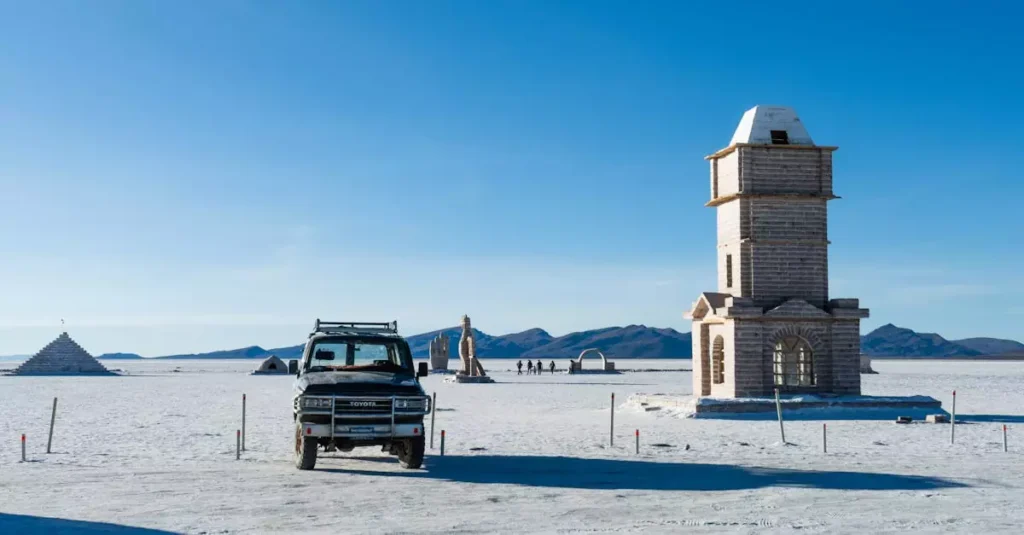
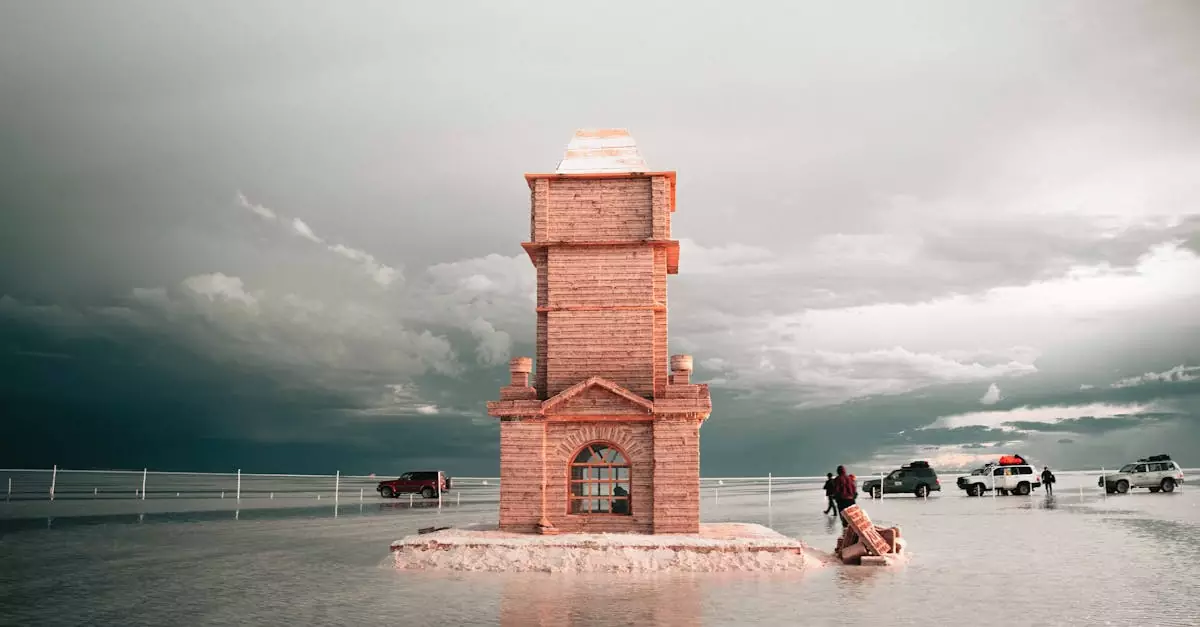
Picking the right tour shapes both your experience and your spending. Tour operators offer a range of packages. The most requested options span 1-day, 2-day, and 3-day experiences. A 1-day tour typically runs $30-$60 USD and zeros in on the main salt flat highlights. You’ll see Incahuasi Island and the train cemetery. This works perfectly if you’re short on time or money. It still delivers that magical salt flat feeling.
Most visitors choose the 3-day, 2-night tour for a more complete adventure. Group tours in this category cost $150-$250 USD per person. Transport, a driver-guide, basic sleeping arrangements, and most meals are included. Private tours exist too, offering more freedom and better accommodations. A private 3-day tour runs $700-$1500 USD for the vehicle itself. Split that cost among your group, and the per-person price becomes more reasonable. Where you start your tour affects pricing significantly.
Tours beginning in San Pedro de Atacama, Chile tend to cost moretypically $200-$350 USD for 3 days. Border crossing logistics add to the expense. Always verify what’s actually included before booking. Some operators exclude park entrance fees or sleeping bags. Knowing these details upfront prevents nasty surprises later. This transparency ensures your trip stays on budget and stress-free.
Comparison Table: Uyuni Tour Types and Estimated Costs
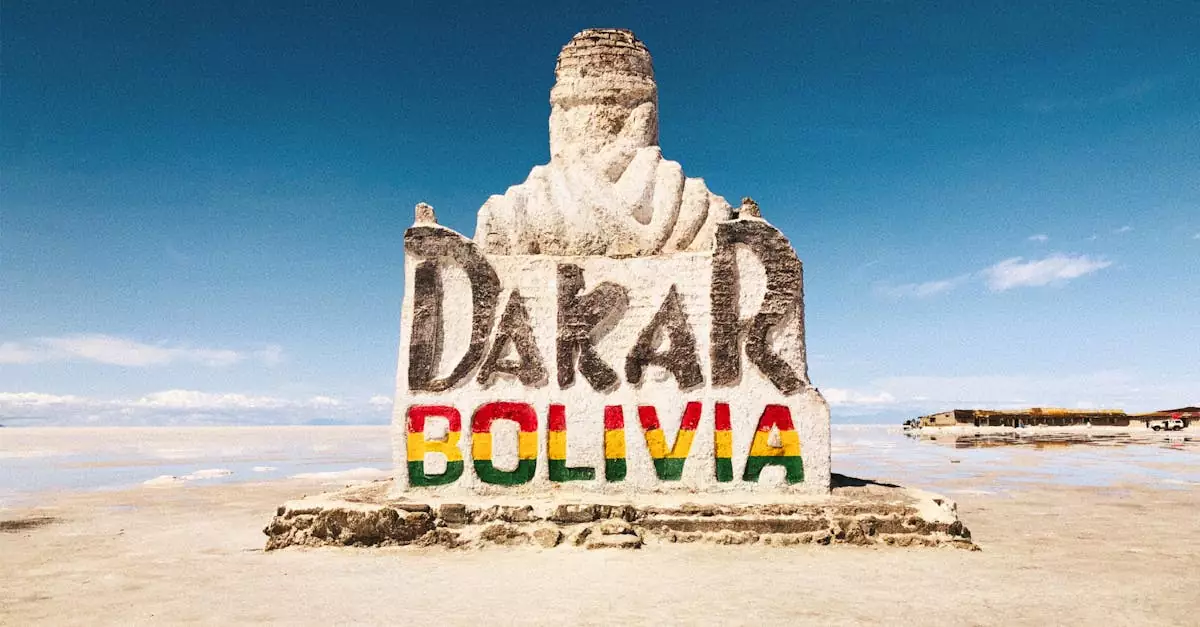
Seeing the differences side-by-side makes choosing easier. The table below shows common Uyuni tour options with their typical costs. These per-person estimates give you a solid foundation for planning. Your actual expenses may differ based on current market rates and personal preferences. Your travel style should guide which option appeals to you most.
| Tour Type | Duration | Average Cost (USD) | Inclusions | Pros | Cons |
|---|---|---|---|---|---|
| 1-Day Group Tour | 1 Day | $30 – $60 | Transport, Driver, Lunch | Affordable, Quick | Limited sights, Rushed |
| 3-Day Group Tour (Uyuni Start) | 3 Days / 2 Nights | $150 – $250 | Transport, Driver-Guide, Basic Accommodation, Most Meals | Comprehensive, Social, Good Value | Basic amenities, Fixed itinerary |
| 3-Day Group Tour (San Pedro Start) | 3 Days / 2 Nights | $200 – $350 | Transport, Driver-Guide, Basic Accommodation, Most Meals, Border Fees | Convenient for Chile travelers, Scenic route | Higher cost, Border crossing time |
| 3-Day Private Tour (Uyuni Start) | 3 Days / 2 Nights | $700 – $1500 (per vehicle) | Private Transport, Driver-Guide, Accommodation, Meals, Flexible Itinerary | Personalized, Comfortable, Flexible | Most expensive option |
This comparison makes it easier to answer the cost question based on what matters to you. Always double-check what each operator actually includes. Some offer slightly nicer rooms or throw in extras that justify a higher price. Others stick to the bare essentials. Knowing these differences helps you get real value for your money.
Accommodation and Food Budget for Your Uyuni Adventure
Beyond the tour itself, accommodation and food expenses add up during your time in Uyuni town. This covers nights before and after your tour, plus any extra time in La Paz or elsewhere. Prices vary quite a bit depending on what you choose. In Uyuni town, a hostel dorm bed runs $10-$15 USD. A private room in a basic hotel costs $20-$40 USD. Mid-range hotels sit at $50-$80 USD. During your 3-day tour, expect very basic sleeping quarters. Shared rooms, cold showers, and minimal heating are standard. Salt hotels, while uniquely memorable, are part of the basic packagenot luxury experiences.
Eating in Bolivia won’t drain your wallet. A traditional almuerzo (lunch) costs $3-$7 USD in town and usually includes soup, a main course, and a drink. Dinner ranges from $5-$15 USD depending on where you eat. Your tour operator provides meals throughout the journey. These are straightforward but fillingtypically pasta, rice, chicken, or vegetables. Bringing your own snacks is worth considering. Energy bars, fruit, and chocolate travel well and provide quick boosts. Water is usually provided, but a refillable bottle makes sense.
Keep some cash handy for drinks or snacks at stops along the way. These small purchases add up faster than you’d expect. Tour prices rarely cover these incidental items. Planning for daily spending beyond the tour prevents budget headaches. You’ll stay energized and comfortable throughout your adventure.
Hidden Costs and Extras to Consider
Many travelers overlook certain expenses when budgeting for Uyuni. These overlooked costs can quickly add up. Building them into your budget from the start is smart planning. National park entrance fees top the list. The Eduardo Avaroa Andean Fauna National Reserve charges an entry fee of approximately 150 Bolivian Soles (around $22 USD). Isla Incahuasi, the famous “fish island,” requires a separate 30 Bolivian Soles payment (about $4 USD). Tour prices almost never cover these fees. You’ll pay them in cash on site.
Tipping your driver and guide is customary, though not required. A $10-$20 USD tip per person for a 3-day tour shows genuine appreciation. Their job is physically demanding and often thankless. Souvenirs represent another potential expense. Local artisans sell crafts at various stopssalt carvings, alpaca wool items, and other handmade goods. Budget $20-$50 USD if shopping appeals to you. Personal gear like warm clothing or sleeping bags might need renting. Some tours provide sleeping bags, but others charge $5-$10 USD for rental. Travel insurance deserves consideration too. It protects you against unexpected problems and is part of responsible travel planning. These extras round out your complete spending picture.
Pros and Cons: Budget vs. Comfort for Uyuni Trips
- Budget Travel (Pros): Significantly lower upfront costs. Experience the raw, authentic side of Bolivia. More money for other adventures.
- Budget Travel (Cons): Basic accommodation, shared facilities, less flexibility. Potential for discomfort in cold conditions.
- Comfort Travel (Pros): Private tours offer flexibility and personalized itineraries. Better accommodation options (though still basic on tour). More amenities and privacy.
- Comfort Travel (Cons): Much higher price point. Can feel less ‘adventurous’ for some travelers.
Sample Itineraries and Budget Breakdowns
Real numbers help clarify what you might actually spend. Below are three sample budgets representing different travel styles. These examples show how much does a Uyuni trip cost across the spectrum. Remember, these are estimatesyour actual costs may shift based on current prices and personal decisions. We’ll look at a budget-conscious traveler, someone seeking mid-range comfort, and a traveler prioritizing premium experiences.
Budget Traveler (3-Day Tour)
- Bus from La Paz to Uyuni (return): $30 USD
- Hostel in Uyuni (2 nights): $25 USD
- 3-Day Group Tour: $160 USD
- Entrance Fees: $26 USD
- Food/Snacks (extra): $20 USD
- Tips: $10 USD
- Total Estimate: $271 USD
This approach minimizes spending by using public transport and basic services. It’s ideal for backpackers and penny-pinchers. The total remains remarkably affordable for such an unforgettable experience.
Mid-Range Traveler (3-Day Tour)
- Flight from La Paz to Uyuni (return): $180 USD
- Mid-range hotel in Uyuni (2 nights): $80 USD
- 3-Day Group Tour (slightly better operator): $220 USD
- Entrance Fees: $26 USD
- Food/Snacks (extra): $40 USD
- Tips: $20 USD
- Total Estimate: $566 USD
This option balances cost with added convenience and comfort. Flying saves travel time, and nicer accommodation means better rest. It’s the sweet spot for many visitors. For additional budgeting resources, our travel budget guide offers more insights.
Comfort Traveler (3-Day Private Tour)
- Flight from La Paz to Uyuni (return): $180 USD
- Comfort hotel in Uyuni (2 nights): $120 USD
- 3-Day Private Tour (vehicle cost, divided by 2 people, so $400 per person): $800 USD
- Entrance Fees: $26 USD
- Food/Snacks (extra): $60 USD
- Tips: $40 USD
- Total Estimate: $1226 USD
A private tour gives you maximum control over your itinerary and pace. It’s perfect for families or small groups wanting personalized service. This premium option shows the full range of what a Uyuni trip can cost depending on your priorities.
Practical Tips for Saving Money on Your Uyuni Trip
Visiting the Salar de Uyuni doesn’t require spending a fortune. Smart choices can stretch your budget without sacrificing the experience. Flexible travel dates work in your favor. The shoulder seasons (April-May and September-October) typically offer lower prices for both flights and tours. Booking directly with tour operators in Uyuni beats online agencies, which add markups. Spend time comparing several operators before deciding. This legwork pays off with better deals.
Traveling with friends or finding group members helps split private tour costs. Even for group tours, having companions gives you negotiating power. Pack your own snacks and water. Buying these items in Uyuni or along the route costs more. Dress in layers of warm clothing to avoid renting extra gear. The salt flats get brutally cold at night, so a quality sleeping bag matters. Overnight buses instead of flights save on both airfare and accommodation for one night. It’s longer but significantly cheaper.
Carry enough Bolivian currency in small bills. Many places, especially during tours, don’t accept cards. This makes small purchases and entrance fee payments straightforward. For more regional information, the Wikipedia article on Salar de Uyuni provides helpful background.
Frequently Asked Questions About Uyuni Costs
Questions about expenses come up repeatedly when people plan their Uyuni adventure. We’ve gathered the most common ones here with straightforward answers. These FAQs clarify your spending expectations. They help you understand the true cost of a Uyuni trip.
How much cash should I bring for a 3-day Uyuni tour?
Bring at least 200-300 Bolivian Soles (roughly $30-$45 USD) per person. This covers entrance fees, tips, and extra snacks or drinks. Credit cards won’t work in most places, so cash is essential.
Are flights to Uyuni expensive?
Flights from La Paz to Uyuni typically range from $70 to $150 USD one way. They cost more than buses but save considerable travel time. Booking ahead sometimes unlocks better prices.
What’s included in a standard Uyuni tour price?
Standard 3-day tours typically cover transportation, a driver-guide, basic accommodation for two nights, and most meals. National park entrance fees, hot showers, and personal snacks or drinks are usually excluded.
Can I find budget accommodation in Uyuni town?
Yes, Uyuni has several affordable hostels and guesthouses. Dormitory beds cost $10-$15 USD per night. Basic private rooms run around $20-$40 USD.
Is it better to book a Uyuni tour in advance or upon arrival?
Booking after you arrive in Uyuni often allows better negotiation. You can shop around and compare operators directly. During peak season, booking a few days ahead guarantees your spot. Our best time to visit guide offers more seasonal insights.
Conclusion: Your Unforgettable Uyuni Adventure Awaits
Knowing what a Uyuni trip costs is your first step toward making this dream real. The Salar de Uyuni delivers landscapes that truly take your breath away. With careful planning, you can create an experience that fits your budget perfectly. Whether you go with a budget group tour or splurge on a private adventure, the memories will stay with you forever.
This guide breaks down every cost categorytransportation, tours, places to sleep, meals, and those sneaky extra fees. Accounting for all these pieces ensures your trip runs smoothly. Bolivia offers exceptional value for travelers. Your Uyuni adventure can be surprisingly affordable.
Picture yourself standing on that endless white expanse under a canopy of stars. You’re fully prepared now. Time to book your journey to the heart of Bolivia. The stunning Salar de Uyuni is waiting for you.