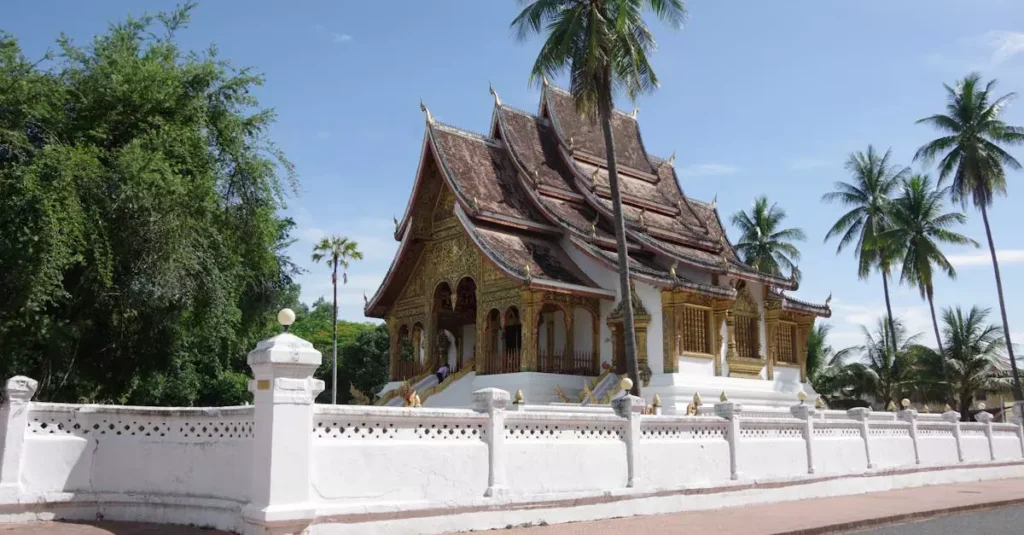
Luang Prabang, recognized as a UNESCO World Heritage site in Laos, draws visitors with its tranquil charm and deep-rooted spiritual traditions. This historic city, situated where the Mekong and Nam Khan rivers meet, is home to stunning temples that each reflect stories of faith and heritage. Travelers often find themselves eager to delve into this vibrant cultural mosaic, which naturally involves visiting many sacred locations. Being aware of the costs involved is essential for planning a thoughtful and enjoyable trip.
Many visitors are curious about the expenses tied to exploring these revered temples. Figuring out the luang prabang temple entry fees total can initially feel confusing. Charges differ from temple to temple, and questions about the availability of a combined pass often arise. This guide clarifies those costs, offering accurate and current details to help you plan your budget wisely for a meaningful journey through this captivating city.
The information provided covers everything from individual temple prices to smart strategies for saving money and respecting local traditions. It breaks down the costs connected with visiting Luang Prabangs most famous wats and cultural spots. After reading, youll have a clear understanding of what to expect financially, allowing you to focus fully on soaking up the rich spiritual and cultural experiences Luang Prabang provides.
Exploring Luang Prabang’s Sacred Landscape
In Luang Prabang, spirituality is woven into everyday life. The city boasts over 30 active temples, called wats, standing as living monuments to centuries of Buddhist devotion. These sites are more than tourist stopsthey serve as lively hubs for worship, education, and community. Monks clad in saffron robes are a familiar sight, especially during the early morning alms giving ceremony, which respectfully draws onlookers. Visitors often find themselves captivated by the detailed wood carvings, gilded stupas, and serene temple courtyards. Spending between half an hour to an hour at a major temple is typical, depending on how deeply you want to explore its art and history. The quiet reverence maintained by locals creates a peaceful environment for visitors. These temple grounds truly form the spiritual core of the city.
The temples of Luang Prabang hold immense historical value. They showcase a distinctive fusion of Lao and French colonial architecture, creating a unique aesthetic. Inside many temples, youll find ancient Buddha statues and elaborate murals illustrating Jataka stories. Visiting these sites offers a rich glimpse into Lao cultural heritage and history. Accessibility is generally convenient, as most temples lie within walking distance from the city center. For instance, Wat Xieng Thong sits right along the Mekong River, presenting breathtaking riverside views. Meanwhile, Mount Phousi involves a climb but rewards visitors with expansive city panoramas. Recognizing these different experiences helps craft an itinerary that balances cultural immersion with scenic enjoyment.
Decoding Luang Prabang Temple Entry Fees Total
Knowing the luang prabang temple entry fees total is vital for travelers watching their budgets. Unlike some places that offer a single pass covering multiple attractions, Luang Prabang charges separate fees for each major temple or site. These entrance costs are generally modest, ranging between 10,000 LAK and 30,000 LAK (about $0.50 to $1.50 USD). Payment usually happens at small booths near temple entrances, so having small bills of Lao Kip on hand is recommended. Although each fee is low, visiting several sites over multiple days can add up quickly.
The overall expense really depends on your travel plans. Most visitors choose to explore three to five key temples plus the Royal Palace Museum during their stay. For example, entering Wat Xieng Thong, Wat Mai, and the Royal Palace Museum requires paying three separate charges. This system offers flexibility, allowing you to pick sites that match your interests and schedule without paying for places you might skip. The fees help support the upkeep and preservation of these treasured heritage landmarks. Keep in mind that temples typically open from 8:00 AM to 5:00 PM, with entry booths closing promptly at those times.
Is a Luang Prabang Temple Pass Cost-Effective?
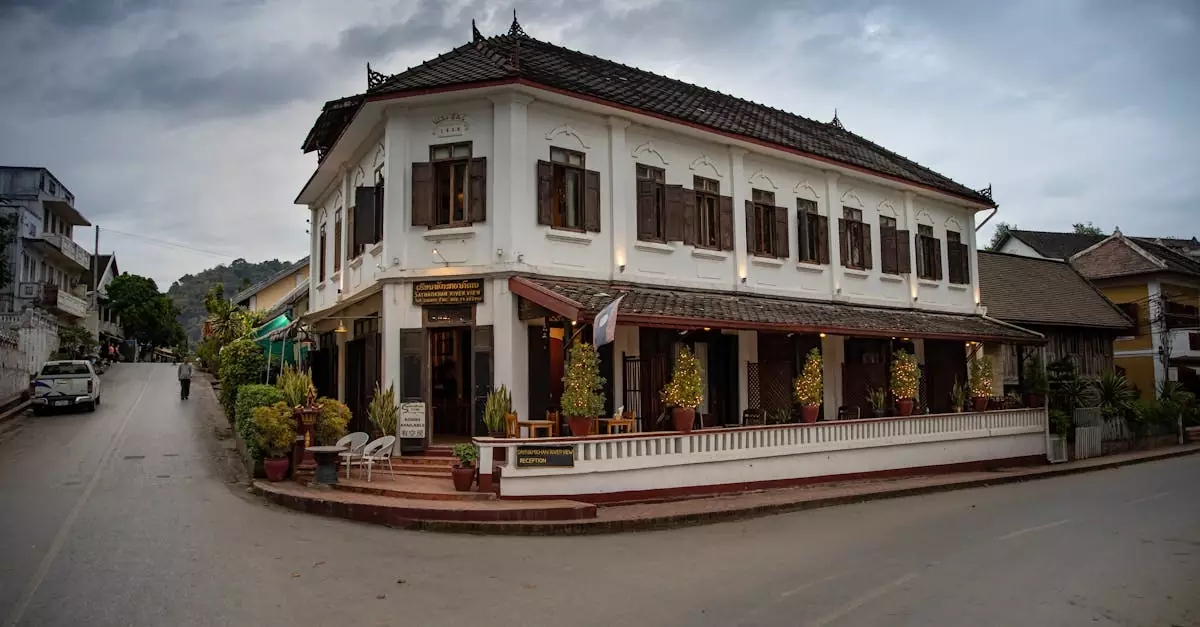
Many travelers ask if purchasing a combined luang prabang temple pass cost would simplify their visits. At present, Luang Prabang does not provide an official all-in-one pass covering the major temples and attractions. This contrasts with places like Angkor Wat, where comprehensive passes are available. Instead, visitors pay separately at each location. This approach has its pros and cons. Understanding them can help you decide the best way to organize your temple visits and manage your budget effectively. The upside is you only pay for the places you actually explore, which offers lots of flexibility.
Without a universal pass, you retain full control over your schedule. You can focus on temples that truly interest you, without feeling obligated to maximize a passs value. This can make sense if your time is limited or your interests are specific. On the other hand, if you plan a thorough temple tour, paying individual fees could end up costing more than a hypothetical bundled pass. It also means handling cash repeatedly for each entry. Still, many visitors find the individual fee system manageable due to the low costs involved. Consider your own travel preferences and how many temples you intend to visit before deciding if a pass would be worthwhile.
Pros and Cons of Individual Temple Entry Fees
- Pros:
- Flexibility to visit only the temples you want, without feeling pressured.
- Pay-as-you-go system suits short stays or focused interests.
- Entry fees directly support the maintenance of each temple.
- Allows a leisurely pace without the constraints of pass validity periods.
- Cons:
- Costs can accumulate if visiting many sites over several days.
- Requires carrying small Lao Kip notes for each ticket purchase.
- Separate transactions at each temple can slow down your schedule.
- No discounts from bulk purchasing like a bundled pass might offer.
Key Temple Entry Fees: A Detailed Breakdown
To assist with budgeting, heres a clear overview of entry fees for some of Luang Prabangs most frequented temples and cultural attractions. While prices tend to remain stable, minor changes can occur, so its wise to carry some flexibility. All fees are charged in Lao Kip (LAK). Visits typically last from 45 minutes up to 1.5 hours. For instance, the wat xieng thong entrance fee is a standard charge for one of the citys most revered temples. Having this breakdown helps you estimate your total expenses for a full cultural experience.
The mount phousi entrance fee is another common cost, offering not only spiritual value but also stunning views, especially at sunrise or sunset. Likewise, the royal palace museum entrance fee grants access to a landmark filled with royal relics and beautiful architecture. These are among the primary paid attractions visitors prioritize. While many smaller wats dont require entry fees, these key sites provide a deeper understanding of Luang Prabangs rich heritage. Occasionally, some temples might charge extra for special exhibitions or photography permits, though this is uncommon.
Comparison Table: Major Luang Prabang Attraction Fees
| Attraction | Approx. Entry Fee (LAK) | Approx. Entry Fee (USD) | Typical Visit Time | Notes |
|---|---|---|---|---|
| Wat Xieng Thong | 20,000 LAK | ~$1.00 | 45-60 minutes | Famous temple known as Golden City Temple |
| Mount Phousi (Phou Si) | 20,000 LAK | ~$1.00 | 60-90 minutes | Hilltop temple with spectacular sunrise and sunset views |
| Royal Palace Museum (Haw Kham) | 30,000 LAK | ~$1.50 | 60-90 minutes | Former royal residence; photography inside is prohibited |
| Wat Mai Suwannaphumaham | 10,000 LAK | ~$0.50 | 30-45 minutes | Next to Royal Palace, renowned for golden bas-reliefs |
| Wat Visounnarath (Wat Visun) | 10,000 LAK | ~$0.50 | 30-45 minutes | Oldest active temple, famous for its Watermelon Stupa |
| Alms Giving Ceremony | Free | Free | 30 minutes | Morning ritual; visitors watch respectfully |
Navigating Temple Etiquette and Visiting Hours
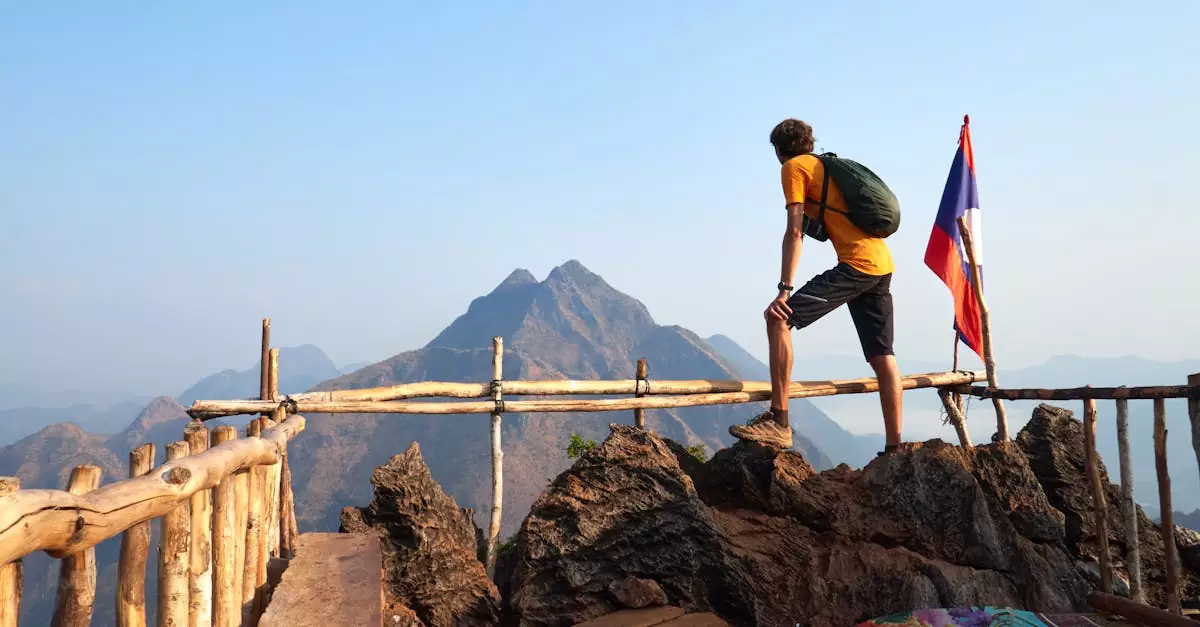
To ensure a respectful visit to Luang Prabangs temples, its important to follow local customs. Dressing modestly is essential: both men and women should cover shoulders and knees, avoiding tank tops, shorts, or short skirts. If you arrive unprepared, many temples offer sarongs for rent or purchase near the entrance. Shoes must be removed before stepping inside any temple building or ordination hall, known as a sim. Silence and respect are expected, especially during prayer. Avoid pointing your feet at Buddha statues or monks, as this is considered highly disrespectful. Following the temple etiquette luang prabang ensures a positive experience for everyone.
Most temples open around 8:00 AM and close by 5:00 PM, though times can vary slightly or shift during local holidays. Early morning visits tend to be quieter and cooler, particularly at popular spots like Wat Xieng Thong and Mount Phousi. Some temples close briefly during lunch hours. If ceremonies are underway, its courteous to observe from a distance without interrupting worshippers. Photography is usually allowed, but always ask before photographing monks or locals, and avoid using flash inside sacred spaces.
Practical Tips for Budgeting Your Temple Visits
Once you understand the pay-per-site system, budgeting for temple visits in Luang Prabang becomes straightforward. Carrying small Lao Kip notes is crucial since ticket booths rarely provide change for large bills, and credit cards are not accepted for entry fees. Estimate how many temples you plan to visit and withdraw enough cash to cover those entrances. For most travelers, carrying between 100,000 and 150,000 LAK (around $5 to $7.50 USD) is sufficient for a few days worth of entry fees. Grouping visits to nearby temples can also reduce transport expenses if you rent a tuk-tuk or bike. Many key temples lie within easy walking distance in the city center.
Important Tip 1: Choose your temples wisely. With over 30 temples to explore, its impossible to see them all in one trip. Focus on main attractions like Wat Xieng Thong, the Royal Palace Museum, and Mount Phousi, selecting those that resonate most with your interests. This approach prevents feeling overwhelmed and keeps costs manageable. Plenty of smaller temples dont charge entry fees and offer authentic glimpses into local religious life. The official Laos tourism website, Tourism Laos, offers general information, but its best to confirm fees on arrival.
Important Tip 2: Consider timing your visits carefully. While sunset at Mount Phousi is a popular choice, it also means crowds and longer waits at the ticket booth. Visiting early in the morning tends to be more peaceful and provides better light for photography. This practical insight helps avoid busy times if you seek tranquility. Renting a bicycle for 20,000 to 30,000 LAK a day is an affordable and enjoyable way to get around, giving you freedom and cutting down tuk-tuk costs for short distances.
Frequently Asked Questions About Luang Prabang Temple Fees
How much does it cost to enter Wat Xieng Thong?
Admission to Wat Xieng Thong, one of the most renowned temples in Luang Prabang, usually costs 20,000 LAK per person. This fee helps fund the temples upkeep. Having the exact amount ready is advisable when purchasing your ticket.
Is there a temple pass for all temples in Luang Prabang?
No, there is currently no official all-inclusive temple pass covering every temple and attraction in Luang Prabang. Visitors pay separate fees at each location they choose to visit, which offers flexibility in planning.
What is the typical entry fee for Mount Phousi?
Climbing Mount Phousi, which provides sweeping views over the city, generally requires a 20,000 LAK entrance fee. This is collected at the base before the ascent. The site is popular during sunrise and sunset.
Do I need cash for temple entry fees?
Yes, temple entry fees in Luang Prabang are almost always paid in cash (Lao Kip). Credit cards are not accepted at ticket booths. Its best to carry small denominations to avoid difficulties with change.
Are there any free temples to visit in Luang Prabang?
Yes, many smaller temples around Luang Prabang do not charge an entrance fee. While major attractions like Wat Xieng Thong and the Royal Palace Museum have fees, numerous other wats can be visited for free. The daily alms giving ceremony is also free to watch.
Conclusion: Planning Your Spiritual Journey
Figuring out the luang prabang temple entry fees total is straightforward once you grasp the individual payment system. Although theres no all-encompassing pass, the modest charges for each temple let you tailor your visit to fit your interests and budget. Compared to other global heritage sites, the cost of exploring Luang Prabangs iconic temples is quite reasonable. Your entrance fees directly support the maintenance and preservation of these priceless religious and historical places, helping secure their legacy for years to come. For broader information on Laos, see Laos on Wikipedia.
Carry small Lao Kip notes, dress respectfully, and observe local customs to ensure a smooth and rewarding experience. Whether youre drawn to the shimmering spires of Wat Xieng Thong, the grandeur of the Royal Palace Museum, or the sweeping views from Mount Phousi, Luang Prabang offers a journey rich in tranquility and history. Take in the peaceful atmosphere, immerse yourself in the culture, and let the spiritual energy of this charming city deepen your travel experience.