Picture endless plains stretching toward the horizon, scattered with Africa’s most iconic animals. There’s something almost magical about witnessing the Great Migration unfold before your eyesa natural spectacle that defies description. For countless travelers, a safari through Kenya’s Masai Mara National Reserve represents the ultimate adventure. The wildlife viewing opportunities here are genuinely unmatched, drawing adventurers from every corner of the globe.
Of course, turning this dream into reality comes with a practical question: what will a masai mara safari cost 1 week actually set you back? Getting a handle on the finances is essential before you commit to booking. The price tag varies considerably based on your preferred travel style, where you choose to stay, and which season you select for your African getaway.
This guide breaks down every expense you’re likely to encounter during a 7-day safari adventure. You’ll see everything from ultra-luxury lodges to wallet-friendly camps laid out clearly. By the end, you’ll have a solid understanding of what awaits you financially, empowering you to plan with real confidence. Ready to dig into the specifics of what your Kenya safari budget might look like?
Understanding Your Masai Mara Safari Cost for 1 Week
A Masai Mara safari represents a significant investment, but one that delivers extraordinary returns in terms of experience. Your total masai mara safari cost 1 week depends on multiple interconnected factors. Accommodation preferences matter enormously, as does your choice of transportation and which activities appeal to you most. Timing your visit also plays a major role in what you’ll pay. During the Great Migration season, demand skyrockets and so do prices.
The kenya 7 day safari cost spectrum is genuinely broad. At the lower end, you’ll find basic tented camps with shared game drives included. Step up to mid-range, and you get comfortable lodges or semi-permanent camps with better amenities and more space. Luxury safaris deliver private guides, exclusive accommodations, and personalized experiences throughout your week. Think carefully about which comfort level matters most to you. Your choice here will directly shape your final bill. By understanding these variables upfront, you can design a trip that aligns with both your dreams and your budget. The good news? Amazing experiences exist at every price point.
Beyond these basics, several other components factor into your final cost. Park entrance fees are non-negotiable and represent a substantial portion of expenses. Your safari vehicle and the expertise of your masai mara guide also contribute significantly to the total. Some packages bundle all meals in, while others offer more flexibility with dining choices. Each of these moving parts deserves attention. When you understand how they fit together, you get a complete picture of what your week-long adventure will actually cost. Smart planning now prevents financial surprises later.
Accommodation Choices: From Budget to Luxury
Where you lay your head each night is arguably the biggest factor shaping your masai mara safari cost 1 week. The Masai Mara caters to virtually every accommodation preference imaginable. You can find rustic campsites on one end and ultra-luxurious tented camps on the other. Knowing what each tier offers helps you make a choice that genuinely suits you. Every option brings its own flavor to the wilderness experience.
Budget-conscious travelers often stay at basic tented camps or public campsites. You get the essentials plus genuine immersion in the bush atmosphere. Expect to spend somewhere in the $1,500 to $2,500 range per person for your entire week. Mid-range accommodations step things up with comfortable lodges and permanent tented camps. Private bathrooms, hot showers, and often a swimming pool come standard. These typically run $2,500 to $4,500 per person for a 7-day Kenya safari. For those chasing ultimate comfort and exclusivity, luxury tented camps and lodges deliver in spades. Think gourmet meals, private plunge pools, and service that anticipates your every need. Budget $4,500 to $10,000+ per person for a week at these properties. Many luxury camps sweeten the deal with private airstrip transfers and customized game drives tailored to your interests.
Your accommodation choice should reflect how you want to experience the wilderness. Budget camps deliver raw, unfiltered nature without the frills. Mid-range properties strike a comfortable balance between adventure and convenience. Luxury camps elevate every moment while keeping you surrounded by pristine landscape. Location matters toosome camps sit within the main reserve boundaries, while others occupy conservancies just outside. Conservancies often permit activities the main reserve restricts, like night drives and walking safaris. Spend time researching these distinctions. They’ll help you select the perfect base camp for your adventure.
Pros and Cons of Different Accommodation Types
- Budget Camps/Public Campsites:
- Pros: Most affordable option, authentic bush experience, great for adventurous travelers.
- Cons: Basic facilities, less privacy, often shared bathrooms, can be less comfortable.
- Mid-Range Lodges/Tented Camps:
- Pros: Good balance of comfort and cost, private facilities, often include pools and dining areas, good value for money.
- Cons: Can be larger and less intimate than luxury camps, sometimes further from prime wildlife areas.
- Luxury Tented Camps/Lodges:
- Pros: High comfort, personalized service, excellent food, prime locations, exclusive activities, ultimate privacy.
- Cons: Very expensive, may feel less ‘wild’ due to high amenities, not suitable for all budgets.
Safari Transport Options and Their Impact
Getting to and around the Masai Mara shapes both your masai mara safari cost 1 week and your overall experience. Two main routes connect you from Nairobi to the reserve: overland or by air. Each comes with distinct advantages and tradeoffs that affect your budget and how you spend your time. Making the right choice depends on what you prioritize.
Road travel is the more economical option for most travelers. A 4×4 Land Cruiser or minivan picks you up from Nairobi and handles the 5-6 hour drive to the Mara. The journey itself offers scenic views of the Kenyan landscape and local communities. Admittedly, the roads get rough closer to the reserve, and the ride can be bumpy. Round-trip road transfers typically cost $200-$400 per person and are often bundled into budget and mid-range packages. While slower, this route lets you absorb more of the countryside. Flying gets you there in roughly 45 minutes to an hour, departing from Nairobi’s Wilson Airport directly to airstrips within or near the reserve. It’s considerably faster and more comfortable. The time you save translates to more hours on game drives. Expect to pay $300-$600 per person for round-trip air transfers. Mid-range to luxury packages commonly include flights. This option suits travelers who want to maximize their time actually seeing wildlife.
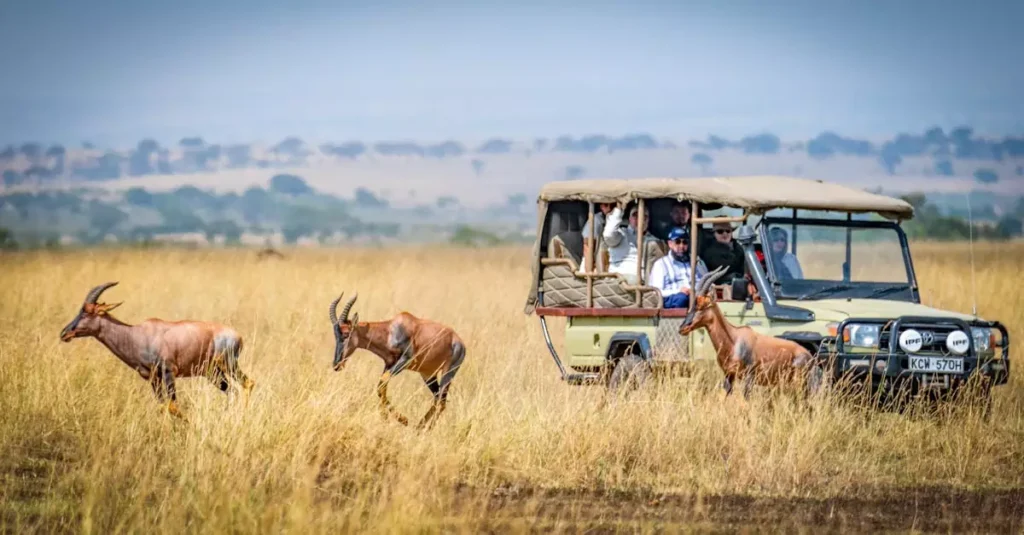
Once inside the reserve, specialized safari vehicles handle your game drives. These are typically 4x4s with pop-up roofs that let you photograph and observe wildlife comfortably. Most packages include shared game drives with fellow guests. You can arrange a private vehicle and dedicated masai mara guide for an additional fee if you prefer. This gives you control over timing and routes, creating a more tailored experience. However, it will noticeably increase your kenya 7 day safari cost. Weigh your budget against how much flexibility matters to you. Either way, the journey itself becomes part of your adventure story.
What’s Included in Your 7-Day Kenya Safari Package?
Knowing exactly what your kenya 7 day safari cost covers prevents confusion and helps you budget accurately. While inclusions vary between operators and price tiers, certain elements appear consistently. Understanding these helps you compare offers side-by-side. It also keeps you from encountering unexpected charges. Reputable operators always provide transparent breakdowns of what you’re paying for.
Your seven days and six nights of accommodation in the Masai Mara are almost always covered. This typically includes full boardbreakfast, lunch, and dinner. Park entrance fees for the Masai Mara National Reserve are standard inclusions. These fees run roughly $70-80 per person daily and represent a significant cost component. The heart of any safari package is the game drives themselves. You’ll have an experienced masai mara guide driving a 4×4 vehicle, usually with morning and afternoon outings to maximize wildlife encounters. Many packages throw in airport transfers from Nairobi or internal flights. Bottled water during game drives is commonly included too. Always read the fine print carefully to confirm exactly what you’re getting.
Several costs typically fall outside the package price. International flights to and from Kenya almost never come included. Kenya visa fees are your responsibility. Travel insurance, while highly recommended, isn’t part of the standard package. Personal items like alcoholic drinks, souvenirs, and laundry services cost extra. Tipping your guide and camp staff is customary and expecteda meaningful part of your overall masai mara safari cost 1 week. Optional experiences like hot air balloon safaris or visits to Maasai villages carry additional charges. A hot air balloon safari, for instance, runs around $450-$600 per person. Knowing about these extras in advance lets you build a realistic complete budget. For deeper information on the reserve, visit the Maasai Mara Wikipedia page.
The Best Time to Visit and Seasonal Pricing
When you choose to visit dramatically impacts your masai mara safari cost 1 week. The Masai Mara cycles through distinct seasons, each offering different wildlife viewing and price variations. Timing your trip strategically can either maximize value or deliver specific experiences you’re after. Your budget and what you hope to witness should guide this decision.
Peak season runs from July through October, coinciding with the Great Migration when millions of wildebeest and zebras cross the Mara River. It’s an awe-inspiring natural event that draws massive crowds and premium pricing. Expect accommodations and packages to cost 20-50% more during these months. You’ll need to book far aheadsometimes a year or moreto secure your spot. The shoulder seasons, roughly November to December and March to June, offer excellent wildlife viewing without the peak-season crowds. Prices are noticeably more reasonable during these windows. You might even negotiate discounts on accommodations and tours. April and May bring the short rains, transforming the landscape into brilliant green. This “green season” features the lowest prices of the year. Rain typically falls in brief bursts rather than all day, and the scenery is absolutely stunning. Birdwatchers especially love this period.
Match your travel dates to your priorities. Absolutely determined to see the Great Migration? Prepare for higher costs and more people around. Prefer fewer crowds and better value? The shoulder or low seasons deliver fantastic wildlife viewing with lush green backdrops. Your masai mara guide will expertly navigate you to the best spots regardless of season. The Masai Mara delivers an incredible experience year-round. For more detailed guidance on timing, check out our article on the best time to visit. This will help you align your dates with both your budget and your expectations.
Comparing 7-Day Safari Packages: Value for Money
Comparing different 7-day packages is crucial when planning your masai mara safari cost 1 week. Value doesn’t always mean the cheapest optionit means getting the best experience for your money. Packages cater to different budgets and preferences, with varying inclusions and service levels. Understanding these differences empowers you to choose wisely for your Kenya 7-day safari.
Budget safaris, typically $1,500 to $2,500 per person, usually feature basic tented camp accommodation. You’ll likely travel by road from Nairobi, with shared game drives in a minivan or 4×4. Meals are included, though drinks cost extra. This works perfectly for adventurous travelers who prioritize wildlife viewing over creature comforts. Mid-range safaris, running $2,500 to $4,500 per person, step up the comfort level considerably. Permanent tented camps or lodges with private facilities become the norm. Road transfers might still be the transport method, but in a more comfortable 4×4 Land Cruiser. Some mid-range packages include internal flights. Game drives remain shared but with smaller groups. Meal quality improves, and some non-alcoholic beverages might be included. These packages strike an excellent balance between comfort, experience, and cost.
Luxury safaris start at $4,500 and climb well beyond $10,000+ per person, delivering an exceptional experience. Exclusive, high-end tented camps or lodges become your home. Internal flights are standard, often landing at private airstrips. You’ll have a private 4×4 vehicle and dedicated masai mara guide throughout your stay. This flexibility means you dictate your game drive schedule and routes. Gourmet meals, premium alcoholic beverages, and various additional activities come standard. Walking safaris or night drives in conservancies might be included. While the upfront kenya 7 day safari cost is higher, the service level and exclusivity can deliver exceptional value for an unforgettable experience. Carefully examine each itinerary and its inclusions to ensure alignment with your expectations.
Comparison Table: 7-Day Masai Mara Safari Packages
| Feature | Budget Safari (e.g., $1,500 – $2,500) | Mid-Range Safari (e.g., $2,500 – $4,500) | Luxury Safari (e.g., $4,500 – $10,000+) |
|---|---|---|---|
| Accommodation | Basic tented camps, public campsites | Comfortable lodges, permanent tented camps | Exclusive tented camps, boutique lodges |
| Transport (Nairobi-Mara) | Road (shared minivan/4×4) | Road (comfortable 4×4) or internal flight | Internal flight (often private airstrip) |
| Game Drives | Shared (larger groups) | Shared (smaller groups) | Private vehicle and guide |
| Meals & Drinks | Full board (basic), drinks extra | Full board (good quality), some non-alcoholic drinks | Gourmet full board, premium alcoholic drinks |
| Activities | Standard game drives | Standard game drives, optional extras | Tailored game drives, walking safaris, night drives |
| Service Level | Functional, friendly | Attentive, personalized | Highly personalized, exclusive |
Practical Tips for Planning Your Masai Mara Adventure
Successful safari planning involves more than just understanding the masai mara safari cost 1 week. Numerous practical considerations ensure your Kenya 7-day safari runs smoothly and delivers maximum enjoyment. These tips address everything from booking strategy to health preparation, setting you up for a worry-free wilderness experience.
Book early, especially if peak season is your target. Popular camps and experienced guides get claimed quickly. Aim for 6-12 months ahead to secure your preferred options and sometimes snag better pricing. Get comprehensive travel insurance without delay. It should cover medical emergencies, trip cancellations, and lost baggage. The remote setting of a safari makes solid insurance genuinely invaluable. Pack strategically and lightly. Soft-sided luggage works best for internal flights. Neutral-colored clothing, a wide-brimmed hat, sunglasses, and sturdy walking shoes are essentials. Include insect repellent, sunscreen, and any personal medications you need. A camera with a good zoom lens is practically mandatory for capturing wildlife moments. Budget for tipping as well. Your masai mara guide and camp staff depend on tips as part of their income. Plan for roughly $10-20 per person daily for your guide and $5-10 for camp staff. These contributions matter more than you might think.
Before departure, consult your doctor about vaccinations and malaria prevention. Yellow Fever vaccination might be required depending on your travel history. Drink plenty of water throughout your game drives. Always listen to your guide’s safety instructions around wildlife. Pick up a few basic Swahili phrases like “Jambo” (hello) to enrich your interactions with locals. Internet and phone service can be spotty in remote areasembrace the opportunity to disconnect and be fully present. For additional budgeting strategies, explore our comprehensive travel budget guide. These steps will help you get the absolute most from your adventure.
Frequently Asked Questions About Masai Mara Safaris
Planning a Masai Mara safari naturally raises questions. Here are answers to queries that come up most often. These responses should clarify key aspects of your masai mara safari cost 1 week and what to expect overall.
What is the average daily cost for a Masai Mara safari?
Daily costs vary significantly depending on your chosen tier. Budget safaris average $200-$400 per day, while luxury experiences run $600-$1,500+ daily. These figures typically bundle accommodation, meals, park fees, and game drives together.
Are park fees included in the 7-day safari package?
Park fees are included in virtually all legitimate 7-day safari packages. Entry into the Masai Mara National Reserve is mandatory, and reputable operators always factor this in. Verify this detail when you’re comparing packages.
What is the best way to save money on a Masai Mara safari?
Travel during the low season (April-May) for the best rates. Choose road transfers over flights. Opt for budget tented camps and participate in shared game drives. Booking with a group can also reduce per-person costs significantly.
Do I need a visa for Kenya?
Most foreign nationals need a visa to enter Kenya. You can apply for an e-visa online before your trip. Check the specific requirements for your nationality well ahead of your travel dates.
Is it safe to go on a 7-day Kenya safari?
Safaris are very safe when operated by reputable companies. Guides receive extensive training in wildlife behavior and safety protocols. Following their instructions keeps you secure. Tourist areas are well-maintained