Africa is a continent bursting with color, from the azure alleyways of Chefchaouen to the rainbow facades of Bo-Kaap. If you’re seeking a visual feast, exploring the most colorful cities in Africa promises an unforgettable journey. This guide will take you through these vibrant urban landscapes, revealing the stories behind their hues and the experiences awaiting you.
Discover the charm of Morocco’s “Blue Pearl,” the historical significance of Cape Town’s painted neighborhood, and the dynamic energy of Lagos through its art and markets. You’ll learn about the best times to visit each destination, practical tips for getting around, and how to find unique souvenirs that capture the spirit of these incredible places. Prepare to be inspired by a continent that paints its cities with life, culture, and breathtaking beauty.
Exploring the Vibrant Hues of Chefchaouen, Morocco
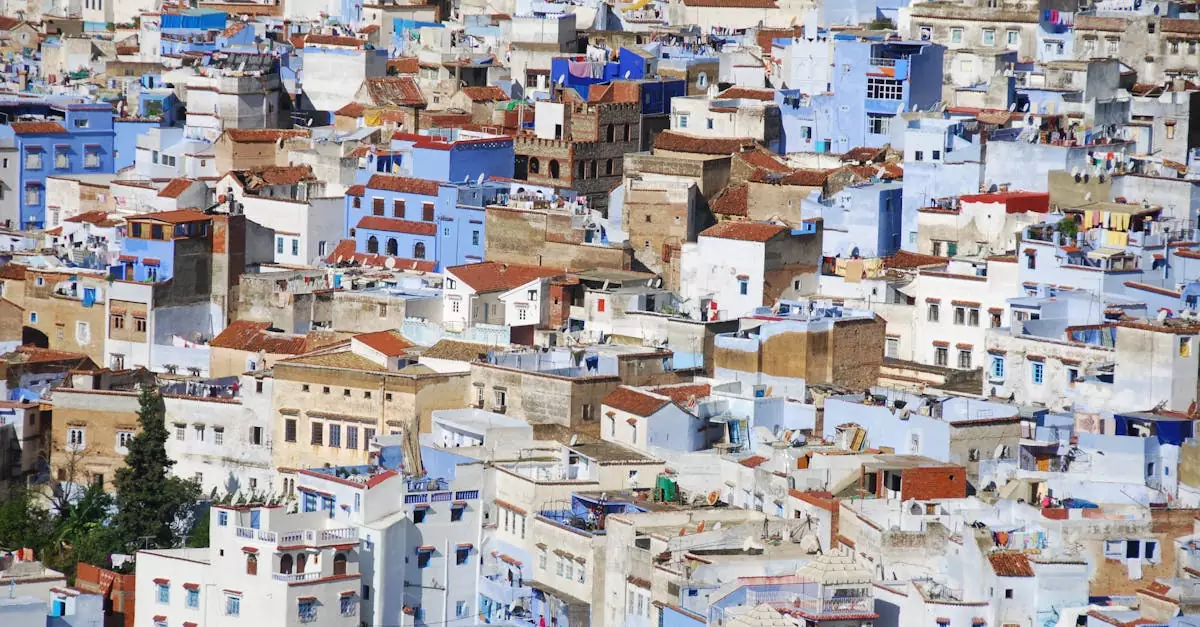
Chefchaouen, Morocco, known as the “Blue Pearl,” is one of the most visually striking and colorful cities in Africa. Nestled in the Rif Mountains, this charming destination captivates visitors with its shades of blue, transforming narrow streets and ancient buildings into a living canvas. The consistent use of blue paint, from soft pastels to deep indigos, creates a serene atmosphere, making it a photographer’s paradise and a must-visit for anyone seeking a unique urban landscape.
Wandering the Blue Pearl’s Medina Alleys
The heart of Chefchaouen’s allure lies within its medina, a labyrinth of winding alleyways where every turn reveals a new shade of blue. Unlike the bustling intensity of larger Moroccan cities, Chefchaouen’s medina offers a more relaxed pace, inviting unhurried exploration. Locals paint their homes, doorways, and staircases in various blue hues—a tradition with origins ranging from repelling mosquitoes to symbolizing the sky and heaven. As you navigate these enchanting passages, take time to appreciate the architectural details: ornate wooden doors, flower-filled window boxes, and glimpses into tranquil courtyards.
Getting lost is part of the experience here. There’s no need for a strict itinerary; simply wander and let the blue guide you. You’ll encounter small squares, hidden fountains, and local artisans at work. The best time to experience the medina is early morning, before the day-trippers arrive, when soft light casts a gentle glow on the blue walls and the city awakens peacefully.
Best Photo Spots in Chefchaouen’s Azure Streets
Chefchaouen’s photogenic qualities are undeniable, offering countless opportunities for stunning shots. The ubiquitous blue provides a unique backdrop, making subjects pop and creating a cohesive visual narrative throughout your travels.
Here are a few key areas and tips for capturing the best of Chefchaouen:
- Plaza Uta el-Hammam: This main square is the vibrant heart of the medina, surrounded by cafes and the historic Kasbah. While busy, it offers a great starting point and frames the surrounding blue buildings beautifully.
- The Medina’s Narrow Alleys: Walking through the medina is an adventure. Look for colorful doorways, intricate tilework, and staircases adorned with potted plants. The contrast between the blue walls and vibrant flora is striking.
- Ras El Ma Waterfall: Located on the edge of the medina, this spot offers a refreshing natural element. Locals wash clothes by the stream, and the surrounding hills provide a scenic backdrop.
- Higher Vantage Points: Climb to higher points overlooking the city, such as the Spanish Mosque (a short hike from the medina), for panoramic views of the blue rooftops cascading down the hillside.
Remember to be respectful when photographing locals and their homes. Always ask for permission before taking close-up portraits.
Finding Authentic Moroccan Crafts in the Souks
Chefchaouen’s souks, while smaller and less aggressive than those in Fes or Marrakech, offer a delightful shopping experience. You’ll find a range of traditional Moroccan handicrafts, many unique to the Rif region. The vibrant blue theme extends to local crafts, with many items featuring blue accents or entirely blue designs.
Common finds include:
- Hand-woven blankets and textiles: Often made with wool, these are staples of Rifian craftsmanship.
- Leather goods: Bags, slippers (babouches), and wallets are readily available.
- Ceramics: Look for hand-painted tagines, bowls, and decorative plates.
- Local spices and argan oil: Essential Moroccan products are sold in many stalls.
- Wooden carvings and metalwork: Intricately designed items add to the artisanal offerings.
Engage with the vendors, as many are happy to share stories about their craft. Bargaining is expected; approach it with a friendly attitude. A good starting point is to offer around 60-70% of the asking price and negotiate from there. Prices in Chefchaouen are generally more reasonable than in larger imperial cities, making it a pleasant place to pick up souvenirs. Understanding the significance of these crafts can enrich the shopping experience.
The Rainbow Architecture of Bo-Kaap, Cape Town, South Africa
A Stroll Through Cape Town’s Iconic Colorful Neighborhood
Bo-Kaap, a historic neighborhood perched on the slopes of Signal Hill in Cape Town, South Africa, is a visual feast. Its narrow, cobbled streets are lined with brightly painted houses in vivid blues, sunshine yellows, fiery reds, and emerald greens. This vibrant district is one of the most photographed areas in Cape Town, drawing visitors eager to capture its unique charm. Wandering through Bo-Kaap feels like stepping into a living postcard, with each corner revealing a new, cheerful vista.
The best way to experience Bo-Kaap is on foot. Start near the Bo-Kaap Museum, which offers insights into the area’s rich heritage. From there, let your curiosity guide you through the winding lanes. You’ll encounter residents going about their daily lives, often pausing to chat with visitors. Keep an eye out for intricate ironwork on balconies and the distinctive Cape Dutch architectural style, softened by the cheerful hues. Early morning or late afternoon light provides the best illumination for photographs, avoiding harsh midday shadows.
Understanding the History Behind Bo-Kaap’s Bright Houses
The distinctive colors of Bo-Kaap are deeply rooted in its history. Originally, the houses were all white. The tradition of painting them in bright colors began in the late 20th century, though the exact reason is debated. One popular theory suggests that residents celebrated their home ownership by painting them in vibrant shades. Another perspective links the colors to the area’s origins as a community for Cape Malay people, descendants of slaves brought from Southeast Asia by the Dutch East India Company.
The Cape Malay community has a rich cultural heritage, blending influences from various parts of Asia and Africa. This fusion is evident in their music, food, and traditions. The brightly colored houses reflect this vibrant cultural identity, serving as a visual expression of joy and resilience. The neighborhood has been declared a national heritage site, preserving its unique character and architectural integrity. Visiting Bo-Kaap offers a tangible connection to this significant chapter of South African history.
Sampling Cape Malay Cuisine in Bo-Kaap
No visit to Bo-Kaap is complete without indulging in Cape Malay cuisine. This culinary tradition is characterized by aromatic spices, sweet and savory combinations, and influences from Indian, Malaysian, and Indonesian cooking. Many local eateries and homes in Bo-Kaap offer authentic dishes that delight the palate.
A must-try is the Bobotie, a savory minced meat dish baked with an egg-based topping, often served with yellow rice and sambals. Other popular options include Denningvleis (a sweet and sour lamb curry), Koesisters (spiced, syrup-soaked doughnuts, typically enjoyed on a Sunday morning), and various fragrant curries. For an immersive experience, consider booking a traditional Cape Malay cooking class or a home-cooked meal. These opportunities provide not only a chance to taste incredible food but also to learn about the cultural significance behind the recipes.
When planning your visit to this visually stunning part of Cape Town, consider going during the shoulder seasons of spring (September to November) or autumn (March to May). The weather is pleasant, and crowds may be smaller than during peak summer months. Getting to Bo-Kaap is straightforward; it’s a short taxi or ride-share trip from the city center, and once there, walking is the best way to appreciate its charm. While generally safe, it’s wise to remain aware of your surroundings, especially in quieter side streets.
Lagos, Nigeria: A Spectrum of Urban Energy and Art
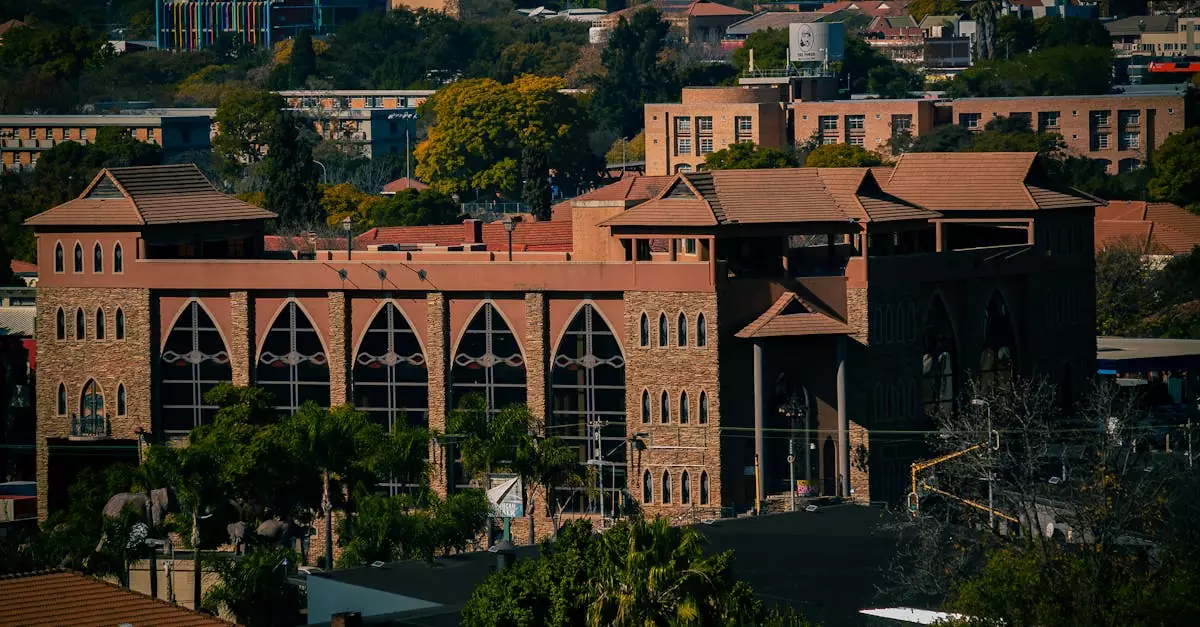
Lagos, Nigeria, pulsates with vibrant energy that translates into a kaleidoscope of colors, from bustling street markets to a thriving art scene. This megacity offers a sensory overload in the best possible way, making it a prime example of Africa’s most colorful cities. Its sheer scale and dynamism are captivating, presenting travelers with a rich tapestry of experiences.
Exploring the Artistic Hubs of Lagos Island
Lagos Island is the historical and cultural heart of the city, home to many artistic treasures that define Lagos’s colorful character. The Nike Art Gallery, a towering multi-story building, is a must-visit. Its exterior, painted in bright hues, hints at the vast collection within, featuring thousands of artworks by Nigerian artists. From intricate beadwork and traditional textiles to contemporary paintings and sculptures, the gallery showcases the nation’s creative spirit. Wandering through its rooms feels like stepping into a living museum, with every corner revealing new visual delights.
Beyond formal galleries, the streets themselves serve as canvases. Look for murals and public art installations that add splashes of color to the urban landscape. Visiting during the week can offer a more relaxed experience, allowing ample time to appreciate the intricate details of the art.
Navigating the Bustling Markets of Balogun and Oke Arin
The markets of Lagos are where the city’s true colors come alive. Balogun Market and Oke Arin Market are legendary for their sheer volume and variety of goods, creating an overwhelming yet exhilarating atmosphere. Imagine stalls overflowing with vibrant fabrics—Ankara prints in every imaginable pattern, shimmering silks, and richly embroidered materials. The air is thick with the scent of spices and the chatter of vendors and shoppers.
Navigating these markets requires energy. It’s best to go with a guide or a local friend, especially for first-time visitors. Be prepared to haggle; it’s part of the cultural experience. Early mornings, around 8 or 9 AM, are often the best time to visit before the midday heat and crowds become overwhelming. Comfortable walking shoes are essential, and keeping valuables secure is crucial due to the dense crowds. These markets are not just places to shop; they are vibrant social hubs where the pulse of Lagos is most palpable.
Experiencing the Street Art Scene in Lekki
The Lekki district, known for its modern and upscale vibe, has become a significant hub for contemporary art, particularly street art. As you drive or walk through Lekki, you’ll encounter large-scale murals adorning building walls, transforming ordinary spaces into extraordinary public galleries. These artworks often reflect social commentary, Nigerian culture, and abstract designs, adding a dynamic visual layer to the neighborhood.
Organized art walks or tours can be a fantastic way to discover the best pieces and learn about the artists behind them. Many murals are located in areas like the Lekki Arts and Crafts Market or along major thoroughfares. The street art scene here is constantly evolving, with new pieces appearing regularly, so even repeat visitors can find something new to admire. This evolving artistic landscape solidifies Lagos’s reputation as one of the most visually stimulating and colorful cities in Africa.
What are the Best Times to Visit Africa’s Colorful Cities?

Planning your trip to Africa’s most visually striking urban centers involves understanding regional climate patterns and peak tourist seasons. Each city and country offers unique experiences depending on when you visit, influencing everything from the vibrancy of street art to the comfort of your exploration. Timing can significantly impact your budget and the crowds you encounter, making a little research essential for a smooth and colorful journey.
Seasonal Weather Patterns for Moroccan Cities
Morocco’s cities, like Marrakech and Chefchaouen, are best experienced during their shoulder seasons. Spring (March to May) and autumn (September to November) offer pleasant temperatures ideal for wandering through medinas and admiring the blue hues of Chefchaouen or the vibrant souks of Marrakech. Summers can be intensely hot, particularly inland, making daytime sightseeing challenging. Winters are mild but can bring rain, especially in coastal cities like Essaouira.
| Month | Avg. High (°C) | Avg. Low (°C) | Rainfall (mm) | Notes |
|---|---|---|---|---|
| March | 21 | 9 | 30 | Pleasant, blooming flowers |
| April | 23 | 11 | 25 | Ideal for outdoor activities |
| May | 26 | 13 | 15 | Warm, fewer crowds before summer |
| September | 30 | 17 | 5 | Post-summer warmth, good visibility |
| October | 27 | 15 | 20 | Comfortable temperatures, autumn colors |
| November | 23 | 11 | 35 | Cooler, potential for rain |
Visiting during these periods allows for comfortable exploration of the intricate tilework, bustling markets, and unique architecture that define these Moroccan gems. Booking accommodations in advance is advisable, especially for popular destinations like Marrakech during spring.
Optimal Visiting Periods for South African Urban Exploration
South Africa boasts diverse urban landscapes, from the cosmopolitan vibe of Cape Town to the vibrant cultural hub of Durban. The optimal times to visit largely depend on your priorities, as the country experiences distinct seasons.
For Cape Town, the summer months (December to February) offer hot, dry weather perfect for exploring beaches and iconic landmarks like Table Mountain. However, this is also peak tourist season, leading to higher prices and larger crowds. The shoulder seasons of spring (September to November) and autumn (March to May) provide a more relaxed experience with pleasant temperatures and fewer visitors. Autumn, in particular, is stunning with changing foliage in the winelands.
Johannesburg and Pretoria, located inland, have a more temperate climate. Their dry season (May to September) is characterized by sunny days and cooler evenings, ideal for city tours and visiting historical sites. The summer months (October to April) are warmer and wetter, with frequent afternoon thunderstorms.
Navigating Rainy Seasons in West African Capitals
West African cities like Accra, Ghana, and Lomé, Togo, experience tropical climates with distinct wet and dry seasons. The rainy season typically runs from May to October, bringing heavy downpours, particularly in the afternoons. While this period can be challenging for outdoor activities, it also means lush landscapes and fewer tourists.
Visiting during the dry season, from November to April, offers consistently sunny and warm weather. This is the most popular time for travelers to experience the vibrant street art, colorful markets, and lively culture of these capitals. However, it’s also peak tourist season, so expect higher prices for flights and accommodation.
When traveling during the wet season, be prepared for potential disruptions to travel plans due to heavy rain. Pack lightweight, waterproof clothing and an umbrella. Despite the rain, you can still immerse yourself in the local culture, perhaps by visiting indoor markets or enjoying the lively atmosphere of a local eatery. The off-peak season often means better deals on accommodations and a more authentic experience with fewer crowds. Understanding these seasonal nuances will help you plan a trip to Africa‘s colorful cities that aligns with your budget and travel style.
Getting Around and Staying Safe in Visually Stunning African Destinations
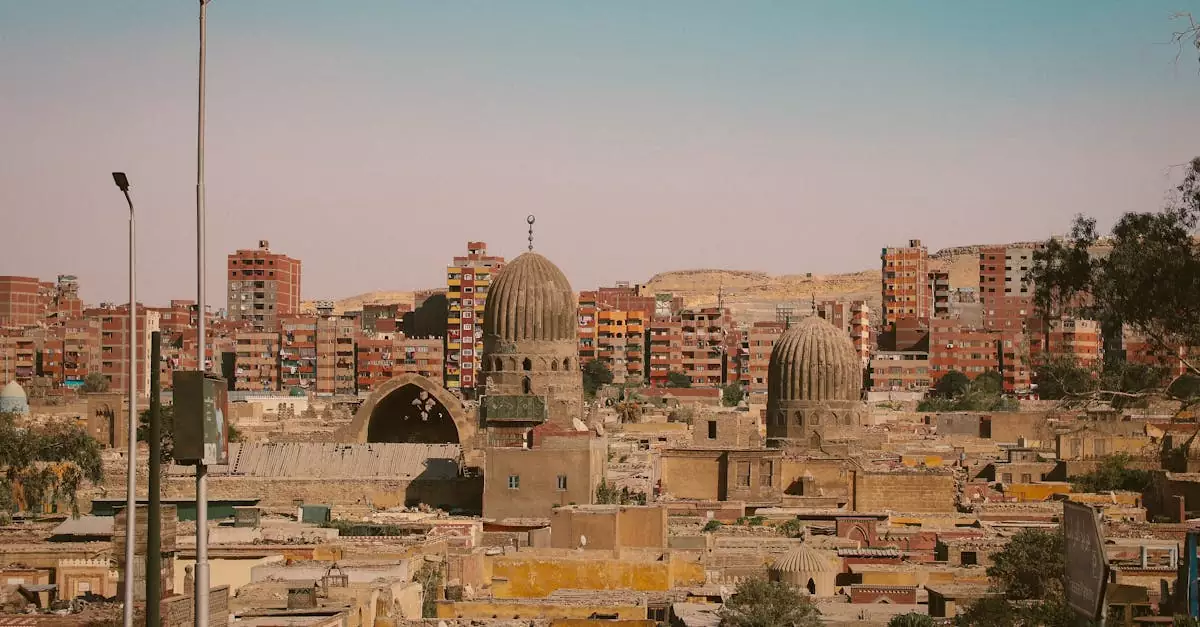
Navigating the vibrant landscapes of Africa’s most colorful cities offers a rich tapestry of experiences, and understanding local transportation and safety is key to a fulfilling journey. Each city presents unique logistical considerations, from bustling medinas to sprawling urban centers. Planning your transit and prioritizing your well-being will allow you to fully immerse yourself in the visual splendor that makes these destinations so captivating.
Transportation Options: From Taxis to Local Buses
Getting around Africa’s visually striking cities often involves a mix of modern conveniences and traditional methods. In cities like Marrakesh, Morocco, the medina is best navigated on foot, but for longer distances, petit taxis (red) are readily available for short hops within the city, while grand taxis (white) serve inter-city routes. Negotiate fares before starting your journey, as meters are rarely used.
For a more immersive experience and a budget-friendly option, local buses and shared minibuses, often called “matatus” in East Africa or “danfos” in Nigeria, offer a glimpse into daily life. While these can be crowded and routes may not always be clearly marked in English, they are an efficient way to cover ground. In larger metropolises like Cape Town, South Africa, a more developed public transport system, including the MyCiTi bus service, provides reliable and affordable access to various neighborhoods. Consider ride-sharing apps, which are increasingly prevalent in major urban areas, offering a convenient and often transparent pricing structure.
Here’s a quick look at common transportation types:
| Transportation Type | Typical Use Case | Cost (Approximate) | Notes |
|---|---|---|---|
| Petit Taxis | Short city trips | Low to Medium | Negotiate fare upfront; common in North and West Africa. |
| Grand Taxis | Inter-city travel | Medium | Shared rides, can be faster than buses. |
| Local Buses | Daily commutes, budget travel | Very Low | Can be crowded; routes may be challenging to decipher for tourists. |
| Minibuses (Matatus) | Urban and rural transport | Very Low | Common in East Africa; lively atmosphere. |
| Ride-Sharing Apps | City travel, convenience | Medium to High | Availability varies by city; transparent pricing. |
| Walking | Exploring medinas, city centers | Free | Best for dense, historic areas. |
Accommodation Choices: Boutique Riads to Modern Hotels
Your choice of accommodation significantly impacts your experience in these colorful cities. In historic centers, traditional guesthouses and riads offer an intimate connection to local architecture and culture. These often feature inner courtyards, intricate tilework, and rooftop terraces with stunning views, providing a tranquil escape from the city’s energy. Marrakech’s riads are a prime example, offering a unique stay steeped in Moroccan heritage.
For travelers seeking contemporary comforts, modern hotels are abundant in most major cities. You’ll find everything from international chain hotels offering familiar amenities to stylish boutique hotels that capture local flair with contemporary design. Cities like Nairobi, Kenya, and Lagos, Nigeria, boast a wide range of international and upscale local hotels catering to business and leisure travelers alike. Consider proximity to attractions and transportation hubs when making your selection. Booking in advance is highly recommended, especially during peak tourist seasons.
Tips for a Safe and Enjoyable Travel Experience
Prioritizing safety allows you to fully appreciate the visual richness of Africa’s vibrant urban centers. Common sense precautions go a long way. Be aware of your surroundings, especially in crowded markets and public transport. It’s wise to avoid displaying expensive jewelry or large amounts of cash. Keep your valuables secure and consider using a money belt.
When exploring on foot, stick to well-lit and populated areas, particularly after dark. Research reputable tour operators if you plan on taking guided excursions. While many interactions with locals will be positive and enriching, be wary of overly persistent touts or unsolicited guides. Learning a few basic phrases in the local language can be incredibly helpful and is often appreciated. Staying hydrated is crucial, especially in warmer climates, and it’s advisable to drink bottled water. For the most up-to-date travel advisories and visa information for various countries across Africa, consult official government resources or the African Tourism Board. Always inform someone of your itinerary, and consider travel insurance for added peace of mind.
Frequently Asked Questions About Colorful Cities in Africa
Are these cities suitable for budget travelers?
Many of Africa’s visually striking cities offer excellent options for budget-conscious travelers. Destinations like Chefchaouen in Morocco and Stone Town in Zanzibar are known for affordable guesthouses and street food. You can often find budget-friendly meals at local markets, which are also fantastic places to soak in the atmosphere.
Transportation within these cities is typically inexpensive, with local buses and shared taxis being common and economical choices. While some tourist activities might have entry fees, simply wandering through the vibrant streets and observing daily life is a rich and free experience. Planning your visit during the shoulder seasons can also lead to lower accommodation prices.
What unique souvenirs can I find in these vibrant locations?
These colorful urban centers are treasure troves for unique souvenirs. In Chefchaouen, look for hand-woven blankets, leather goods, and intricately designed ceramic tagine pots, often dyed in shades of blue. Stone Town in Zanzibar offers aromatic spices like cloves and cinnamon, beautiful carved wooden chests, and vibrant Kanga fabrics.
Marrakech, with its sprawling souks, is famous for its hand-painted ceramics, colorful babouches (leather slippers), intricate metal lanterns, and aromatic argan oil products. When shopping, remember that bargaining is part of the cultural experience in many of these markets, so don’t be afraid to negotiate respectfully.
Can solo travelers explore these colorful cities safely?
Solo travel in Africa’s vibrant cities is generally safe, provided you take standard precautions. As with any destination, it’s wise to be aware of your surroundings, especially in crowded markets or at night. Researching your specific destination and understanding local customs is highly recommended.
Many travelers find the locals in these cities to be welcoming and helpful. Sticking to well-lit, populated areas after dark is a good practice. Using reputable transportation services, like ride-sharing apps or pre-booked taxis, can add an extra layer of security. Staying connected with friends or family back home and keeping them updated on your itinerary is also a sensible step.
| Destination | Estimated Daily Budget (USD) | Transportation Ease | Safety Perception |
|---|---|---|---|
| Chefchaouen, Morocco | $40 – $70 | Moderate | Good |
| Stone Town, Zanzibar | $50 – $80 | Moderate | Good |
| Marrakech, Morocco | $50 – $90 | Moderate | Moderate |
These figures are estimates and can vary based on accommodation choices and spending habits. For more travel insights into Africa, consult resources like the African Tourism Board.