Africa is a continent of unparalleled diversity, showcasing a rich tapestry of traditions, heritage, and vibrant living cultures. Discovering the best African cultural experiences allows for a deep connection to ancient histories, unique lifestyles, and the enduring spirit of its people. This journey will guide you through immersive encounters, from witnessing the captivating Maasai jumping dance in Kenya and Tanzania to exploring the cliffside villages of the Dogon people in Mali. You’ll uncover architectural marvels from ancient civilizations like the Pyramids of Giza and Great Zimbabwe, savor authentic flavors in Ethiopian restaurants and Moroccan riads, and engage with skilled artisans crafting Kente cloth and intricate wood carvings. Prepare to delve into a continent where every interaction tells a story and every tradition opens a window to a world waiting to be explored.
Immerse Yourself in Vibrant Tribal Traditions
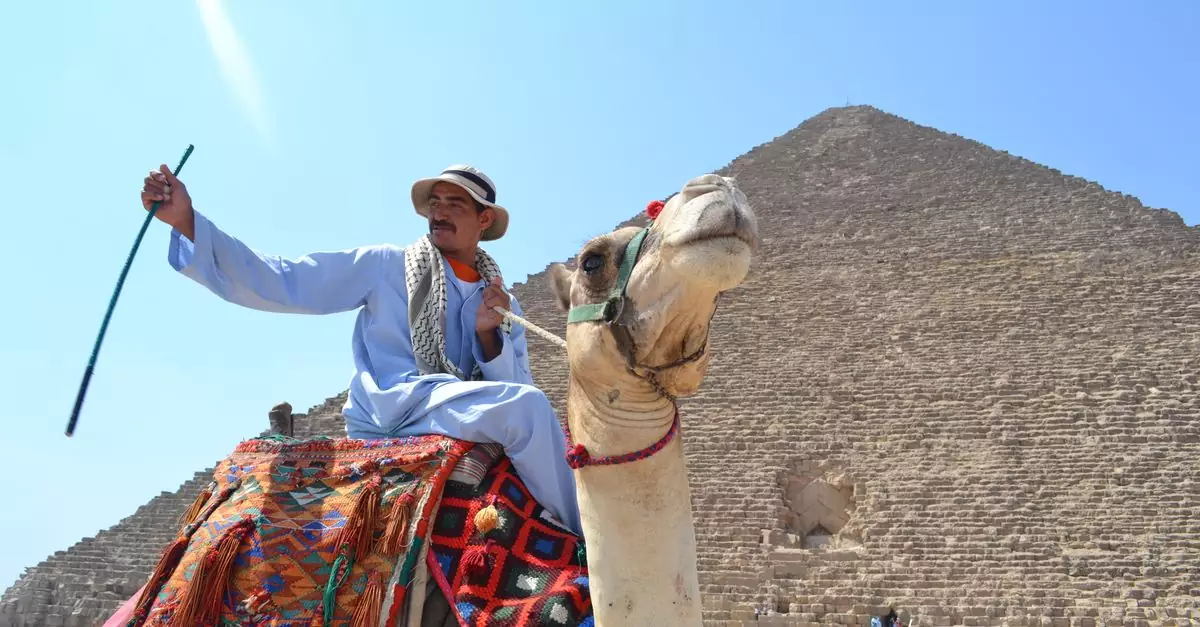
Africa’s rich cultures are best experienced through its diverse tribal traditions. These encounters provide profound insights into the continent’s heritage, showcasing ancient rituals, art forms, and ways of life. Engaging respectfully with these communities offers unparalleled perspectives on human history and cultural resilience.
Witness the Maasai Jumping Dance in Kenya & Tanzania
The Maasai people, known for their striking red shukas and intricate beadwork, present a captivating cultural spectacle. The Adumu, or jumping dance, is a highlight, where young Maasai warriors leap vertically, showcasing their strength and agility in a vibrant display. This ritual is often performed during ceremonies and gatherings, visually representing Maasai culture.
Visiting Maasai communities requires some planning. Many tours operate out of Nairobi, Kenya, or Arusha, Tanzania, offering day trips or multi-day cultural immersion experiences. Choose reputable tour operators who prioritize ethical tourism, ensuring your visit benefits the Maasai people. Respectful observation is key; always ask for permission before taking photographs.
| Activity | Location | Best Time to Visit | Typical Cost (USD) | Notes |
|---|---|---|---|---|
| Maasai Jumping Dance | Maasai Mara (Kenya), Serengeti (Tanzania) | Dry season (June-October) | $50 – $150 (guided tour) | Requires organized tour; respect local customs. |
Experience the Troupes of the Dogon People in Mali
The Dogon people of Mali are renowned for their unique architecture, intricate masks, and rich oral traditions. Their villages, carved into the cliffs of the Bandiagara Escarpment, are UNESCO World Heritage sites that offer a glimpse into a society deeply connected to its spiritual beliefs. The Dogon’s elaborate masquerades, especially during funeral ceremonies (dama), are visually stunning and culturally significant performances.
Traveling to the Dogon region involves navigating logistical challenges, as it is more remote. Flights typically land in Bamako, followed by overland travel. The best time to visit is during the dry season, from November to February, to avoid heavy rains. Engaging a local guide is highly recommended for understanding the complex social structures and symbolic meanings behind their art and rituals. The African Tourism Board can provide resources for planning your trip.
Explore the Royal Palace of the Zulu Kingdom in South Africa
In South Africa, the legacy of the Zulu Kingdom is palpable, particularly in KwaNongoma, the heartland of the Zulu monarchy. While the historical royal kraals are largely in ruins, the spirit of the Zulu people and their traditions remain strong. Visitors can learn about the history of King Shaka and the Zulu nation, witnessing cultural performances that showcase traditional music and dance.
The annual Reed Dance ceremony (Umkhosi weNkhosi), held in Nongoma, is a significant event where thousands of young women gather to present reeds to the Queen Mother, symbolizing chastity and readiness for marriage. This vibrant festival offers an authentic experience of Zulu heritage. Planning a visit around this event requires booking accommodations well in advance, as it attracts considerable attention. Exploring this region is best done with a guided tour that can provide historical context and facilitate respectful interactions.
Uncover Ancient History and Architectural Marvels
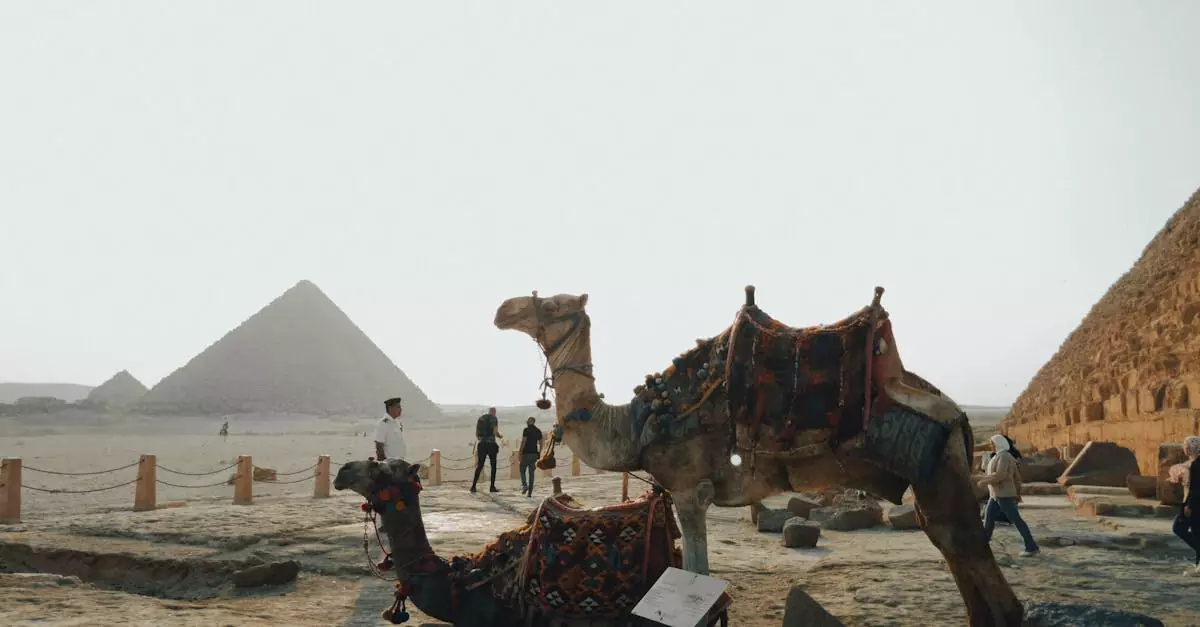
Africa’s rich history is etched into its landscapes, with ancient sites offering profound insights into bygone civilizations. These destinations are not just historical markers; they are vibrant testaments to human ingenuity and cultural evolution, providing some of the best African cultural experiences for those eager to delve into the continent’s past.
Explore the Pyramids of Giza and the Sphinx in Egypt
No exploration of ancient African heritage is complete without witnessing the monumental Pyramids of Giza and the enigmatic Sphinx. Standing on the outskirts of Cairo, these structures are among the oldest surviving wonders of the world, built as tombs for pharaohs of the Old Kingdom. Visiting these sites provides a tangible connection to ancient Egyptian civilization, its advanced engineering, and complex spiritual beliefs.
Travelers can arrange guided tours from Cairo, which often include transportation and historical context. While the pyramids themselves are the main draw, the surrounding plateau offers panoramic views and a sense of the vastness of the ancient necropolis. Consider visiting early in the morning to avoid peak crowds and the midday sun.
- Best Time to Visit: October to April for milder weather.
- Getting There: Taxis, ride-sharing services, or organized tours from Cairo.
- Budget Considerations: Entrance fees apply. Hiring a reputable guide can enhance the experience.
Wander Through the Ruins of Great Zimbabwe
In Southern Africa, the sprawling stone ruins of Great Zimbabwe tell the story of a powerful medieval kingdom. This UNESCO World Heritage site, located near Masvingo, was once the capital of a vast trading empire that flourished between the 11th and 15th centuries. The sheer scale of the Great Enclosure and the Temple complex, built without mortar, is a remarkable feat of architecture and a key component of understanding regional history.
Exploring the various sections of the ruins, including the Hill Complex, the Valley Ruins, and the Great Enclosure, offers a comprehensive view of the society that built it. The on-site museum provides further context on the artifacts discovered, shedding light on the lives and trade networks of the Shona people who constructed this impressive city.
- Logistics: Access is typically via Masvingo. Accommodation options range from guesthouses to hotels.
- Cultural Significance: Understanding the site’s history is crucial to appreciating its importance as a symbol of pre-colonial African achievement.
- Safety: The area is generally safe for tourists, but standard travel precautions are advised.
Discover the Rock-Hewn Churches of Lalibela, Ethiopia
Ethiopia’s Lalibela is renowned for its extraordinary 12th-century rock-hewn churches, carved directly from the earth. These monolithic structures, including the iconic Bet Giyorgis (Church of St. George), are not only architectural marvels but also active centers of Ethiopian Orthodox Christianity. Pilgrims and visitors are drawn to the spiritual atmosphere and the unique artistry evident in their construction.
Navigating between the churches often involves descending into deep trenches and crossing narrow bridges, adding an element of adventure to the experience. Each church possesses its own distinct design and historical narrative, often adorned with ancient frescoes and religious artifacts. Engaging with living traditions, Lalibela offers a profound glimpse into centuries of faith and artistic expression.
- Transportation: Flights to Lalibela are available from Addis Ababa. Local transport includes taxis and walking.
- Accommodation: A range of lodges and hotels are available in Lalibela town.
- Timing: Visiting during a religious festival can provide deeper cultural immersion, though it also means larger crowds.
These ancient sites represent just a fraction of the historical depth found across the African continent. Each location offers a unique window into the past, allowing travelers to connect with heritage in a profound way. For more information on African tourism, resources like the African Tourism Board can be invaluable for planning your journey.
Savor Authentic Flavors: A Culinary Journey
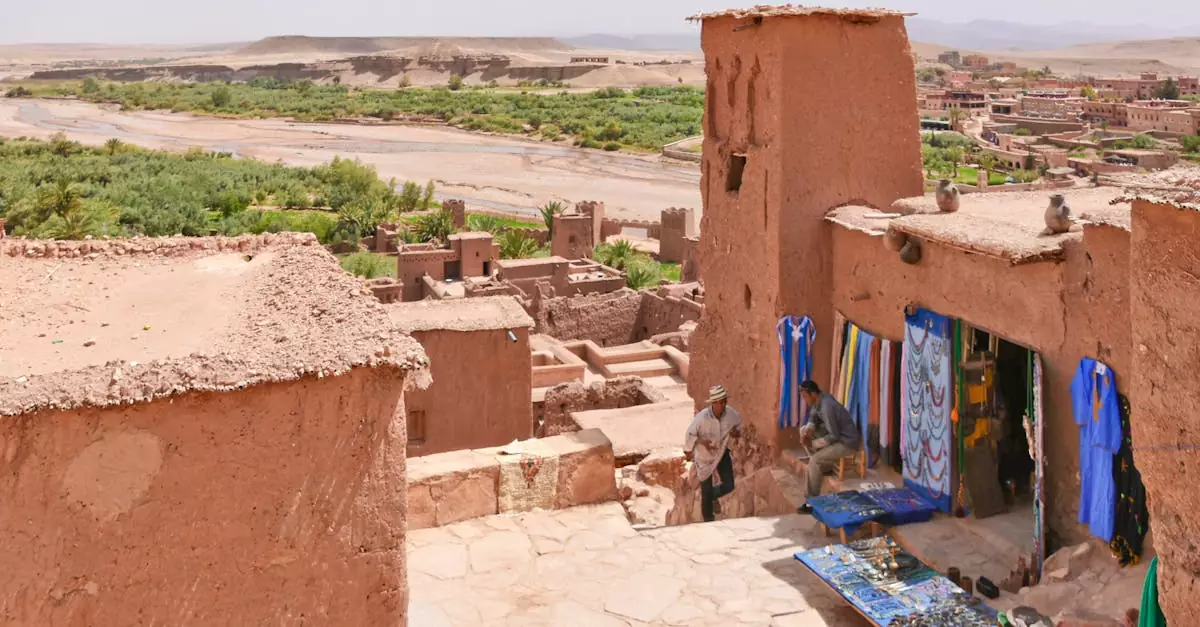
Food is a universal language, and Africa’s diverse culinary landscape provides vibrant and delicious cultural experiences. Engaging with local cuisine establishes a direct connection to history, traditions, and the essence of a place. From bustling markets to intimate family meals, these gastronomic adventures are central to the best African cultural experiences.
Taste Injera and Doro Wat in Ethiopian Restaurants
Ethiopian cuisine stands out with its unique use of injera, a spongy, sourdough flatbread made from teff flour, serving as both a plate and utensil. Meals are typically communal, with various stews, known as wats, served atop a large injera. Doro wat, a rich and spicy chicken stew often simmered with hard-boiled eggs, is a national treasure and a must-try dish.
When visiting Ethiopia, or seeking Ethiopian restaurants elsewhere, look for establishments emphasizing fresh ingredients and traditional cooking methods. The communal dining style encourages interaction and a deeper appreciation of the food and company. Many restaurants offer vegetarian and vegan options, as Ethiopian Orthodox fasting traditions mean many dishes are meat-free on specific days.
Consider visiting during a local festival or holiday, as these often feature elaborate feasts and special culinary preparations. The aroma of spices like berbere, a key ingredient in many wats, fills the air, creating an inviting atmosphere. For travelers interested in hands-on experiences, some establishments offer cooking classes where you can learn to prepare these iconic dishes yourself.
Enjoy Tagine and Couscous in Moroccan Riads
Morocco’s culinary heritage is a captivating blend of Berber, Arab, and Mediterranean influences, best experienced in the atmospheric courtyards of traditional riads. The iconic tagine, a slow-cooked stew prepared in a distinctive conical clay pot, offers a symphony of flavors, from savory lamb with prunes to fragrant chicken with preserved lemons and olives. Couscous, often served on Fridays, is another staple, prepared with tender vegetables and meats.
Staying in a riad often includes breakfast and dinner, providing an excellent opportunity to sample authentic Moroccan home cooking. These meals are typically served family-style, fostering a warm and convivial dining experience. Beyond riads, exploring the vibrant food stalls in cities like Marrakech or Fez offers a casual yet equally delicious way to engage with local flavors.
The scent of mint tea, Morocco’s national drink, is ever-present, often served with sweet pastries. When ordering, don’t hesitate to ask about the day’s specials or the chef’s recommendations. Many culinary tours are available, guiding you through local markets and teaching you about the regional specialties. This immersive approach is key to unlocking the best African cultural experiences through food.
Sample Jollof Rice in West African Food Markets
Jollof rice is a beloved dish across West Africa, with friendly rivalries existing between nations like Nigeria, Ghana, and Senegal over whose version reigns supreme. This flavorful one-pot rice dish, cooked in a rich tomato and pepper-based sauce, is a staple at celebrations and everyday meals alike. Sampling it from a bustling food market offers an authentic taste of the region’s vibrant culinary scene.
Food markets in cities like Accra, Lagos, or Dakar are sensory explosions, filled with the sights, sounds, and smells of local life. Here, you can find vendors preparing fresh jollof with various accompaniments, such as grilled meats, plantains, or fried fish. The atmosphere is lively, and engaging with vendors is part of the experience.
When trying jollof rice, consider its regional variations. Nigerian jollof might be smokier, while Ghanaian versions can be sweeter. Senegal’s thieboudienne, while distinct, shares a similar rice-and-fish foundation. Be open to trying other local delicacies alongside your jollof. Many markets also offer fresh fruit juices and local snacks. For travelers seeking genuine connections, sharing a meal from a market stall is an invaluable part of experiencing the best African cultural experiences.
Engage with Local Artisans and Craftsmanship
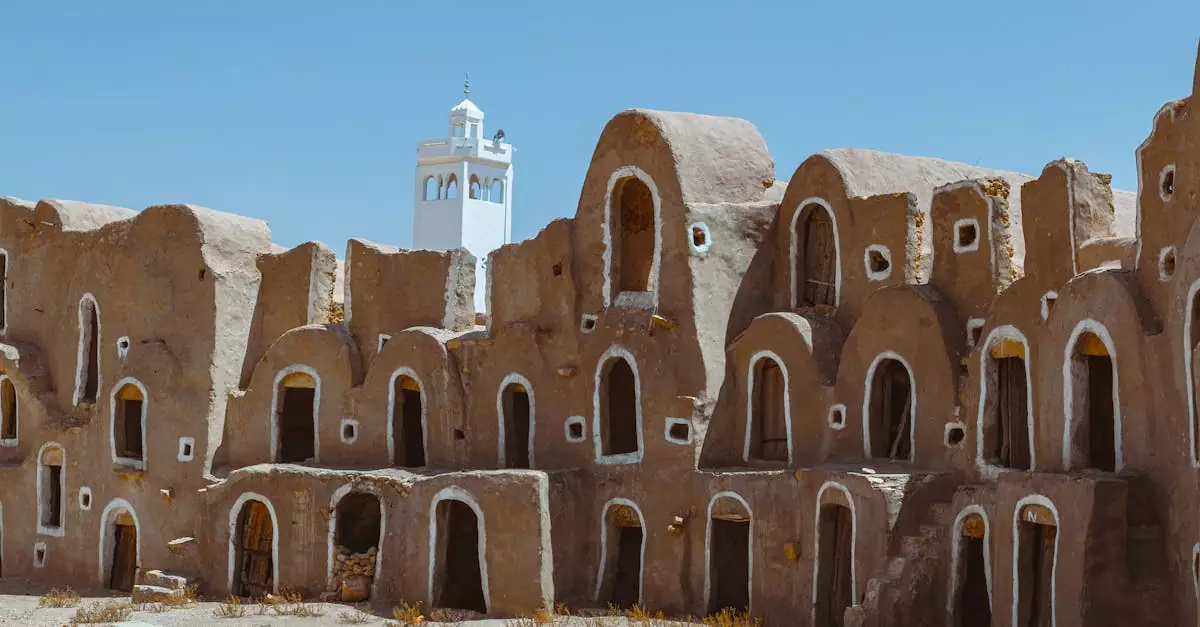
Connecting with local artisans provides a profound glimpse into the soul of African cultures. These traditions, passed down through generations, encompass not just the creation of beautiful objects but also the preservation of history, community, and identity. Engaging with craftspeople allows travelers to understand the stories behind the art, the techniques involved, and the significance of each piece. This direct interaction is a cornerstone of experiencing the best African cultural experiences.
Shop for Kente Cloth in Ghana’s Markets
Ghana is renowned for its vibrant Kente cloth, a handwoven textile with a rich history, traditionally worn by royalty. In regions like the Ashanti or Ewe communities, you can witness the intricate process of Kente weaving firsthand. Many markets, particularly in Kumasi and Accra, offer a dazzling array of Kente designs. Each pattern and color combination holds specific meanings, often related to proverbs, historical events, or social status.
When visiting, consider taking a weaving workshop. This hands-on experience deepens appreciation for the skill and labor involved. Arrive early in the day for the best selection and to engage with weavers before the midday heat. Bargaining is common, but always approach it respectfully, recognizing the artistry and effort behind each cloth.
- Best Time to Visit Markets: Mornings, especially weekdays, offer a less crowded experience.
- Transportation: Taxis and ride-sharing services are readily available in major cities. Local buses (tro-tros) provide a more immersive, budget-friendly option.
- Budget: Prices vary significantly based on design complexity and the quality of silk or cotton used. Expect to pay anywhere from $50 to several hundred dollars for a good-quality cloth.
Discover Wood Carvings in Kenya’s Coastal Towns
Kenya’s coastal regions, with their Swahili heritage, are known for exquisite wood carving. Towns like Lamu and Malindi are famous for intricately carved doors, furniture, and decorative items made from local hardwoods like mvuli or mahogany. These carvings often feature geometric patterns, floral motifs, and Arabic calligraphy, reflecting historical trade links with the Arabian Peninsula.
Visiting local workshops allows you to see artisans at work, shaping raw wood into stunning pieces. Many carvers are happy to explain their techniques and the symbolism behind their designs. It’s an excellent opportunity to purchase unique souvenirs that embody the essence of coastal Kenyan culture. When selecting pieces, look for smooth finishes and well-executed details.
- Logistics: Lamu is accessible by boat, adding to its unique charm. Malindi is reachable by road and has an airport.
- Cultural Insight: Many carvings are functional, such as traditional Swahili beds (vikokotoni) or chests, showcasing a blend of art and utility.
- Safety: Coastal towns are generally safe for tourists, but it’s wise to be aware of your surroundings, especially when carrying cash for purchases.
Learn Batik Techniques in Senegal
Senegal is a hub for vibrant textile arts, with batik being a particularly popular craft. Batik involves applying wax to fabric to prevent dye from penetrating certain areas, creating intricate patterns and designs. This technique is used to produce colorful clothing, wall hangings, and home decor.
In cities like Dakar and Saint-Louis, you can find numerous art centers and workshops where you can learn the batik process. Participating in a workshop provides a hands-on understanding of the artistry and patience required. You’ll have the chance to create your own piece of Senegalese art to take home, making for a truly memorable souvenir.
- Artistic Style: Senegalese batik often features bold colors and motifs inspired by local flora, fauna, and abstract patterns.
- Where to Find Workshops: Look for community art centers or cooperatives in major cities. Some guesthouses may also offer introductory sessions.
- Budget Considerations: Workshop fees typically range from $30 to $100, depending on duration and materials provided. The cost of finished batik items can vary widely.
What Are the Best Times to Experience African Culture?
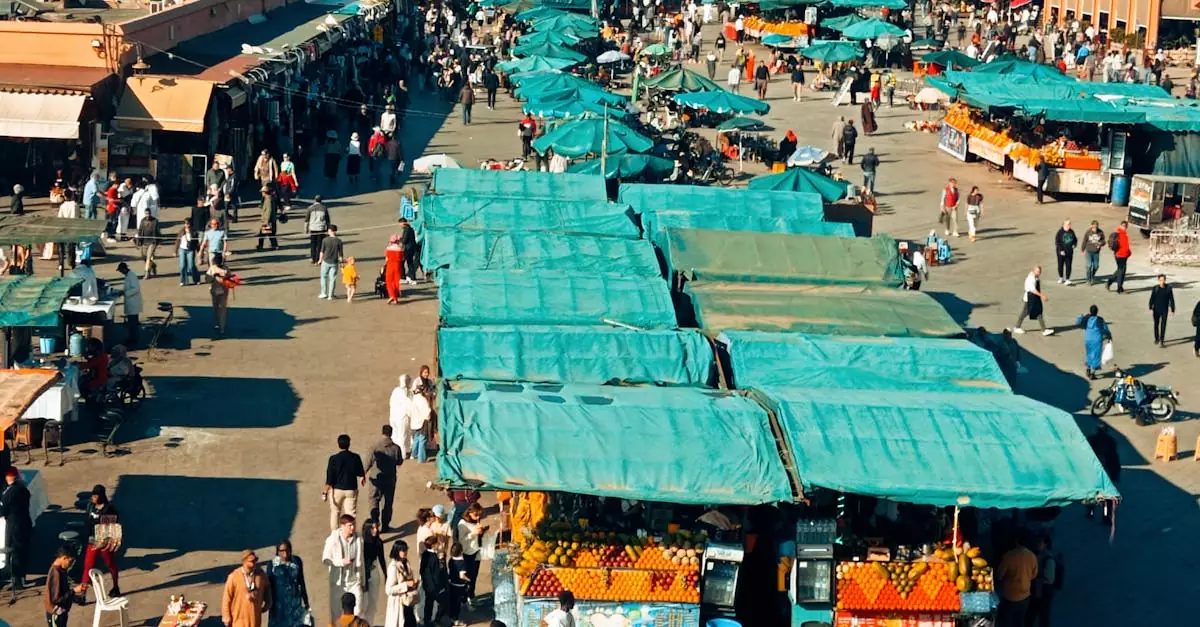
Timing your visit to Africa can significantly enhance your cultural immersion. The continent’s vastness means diverse climates and cultural calendars, but understanding general patterns can lead to more rewarding experiences. Many travelers seek festivals and traditional ceremonies, often tied to specific seasons or harvest cycles.
Seasonal Festivals and Cultural Gatherings
Africa’s rich traditions are often best experienced during its vibrant festivals. The timing of these events varies widely, from the colorful Timkat festival in Ethiopia, celebrated in late January, to the Durbar Festival in West Africa, marking the end of Ramadan and often occurring in April or May. The Festival au Désert in Mali, though uncertain due to regional instability, traditionally took place in January, showcasing Tuareg music and culture. Researching local calendars for your chosen destination is crucial for catching these unique celebrations. Many of these events provide profound glimpses into local customs, music, dance, and community life.
Navigating Weather Patterns for Cultural Immersion
Africa’s diverse climates mean that “best time” is relative. For many regions, the dry season, typically from June to October, offers more predictable weather, making travel easier and outdoor cultural activities more comfortable. This is also when you’ll find major wildlife migrations in places like the Serengeti, often coinciding with cultural events for communities in the region. However, the rainy season, while potentially disruptive to travel, can offer a different perspective. Landscapes become lush, prices for accommodations may drop, and you might encounter fewer crowds, allowing for more intimate interactions with local culture. For instance, visiting the Dogon country in Mali during the rainy season can provide a more authentic experience with fewer tourists.
A general overview of regional weather patterns can help in planning:
| Region | Dry Season | Rainy Season | Considerations for Cultural Travel |
|---|---|---|---|
| North Africa | June – August | November – March | Mild winters ideal for exploring ancient sites and cities. |
| West Africa | November – April | May – October | Festivals often coincide with harvest or religious observances. |
| East Africa | June – October | March – May | Wildlife viewing peaks, often aligning with cultural migrations. |
| Southern Africa | May – October | November – April | Pleasant temperatures for exploring diverse landscapes and cultures. |
Peak Tourist Seasons vs. Authentic Local Life
While peak tourist seasons, often coinciding with dry months and major holidays, offer convenience and a wider range of organized tours, they can also mean larger crowds and higher prices. For a more authentic cultural experience, consider visiting during the shoulder seasons (just before or after peak times) or even the low season. This is when you’re more likely to have genuine interactions with local communities without the filter of mass tourism. For example, visiting a village in Ghana during the off-peak season might allow for more spontaneous invitations to local gatherings or markets. The African Tourism Board website can provide insights into regional tourism trends and events.
Frequently Asked Questions About African Cultural Travel
What are some common cultural etiquette tips for travelers in Africa?
Navigating cultural nuances is key to a rewarding journey. Always ask permission before taking photographs of people, especially in rural areas. Dressing modestly, covering shoulders and knees, is generally appreciated, particularly when visiting religious sites or interacting with elders.
When invited into someone’s home, bringing a small gift like fruit, sweets, or school supplies for children is a thoughtful gesture. It’s also customary to greet elders first and to use your right hand for giving and receiving items, as the left hand is often considered unclean in many cultures. Learning a few basic phrases in the local language can significantly enhance your interactions.
How can I respectfully engage with local communities?
Respectful engagement means approaching interactions with humility and genuine curiosity. Participate in community-led tours or workshops where available, as these are often designed to share traditions authentically. Support local artisans and businesses by purchasing crafts directly from them, ensuring fair prices.
Be mindful of your impact. Avoid intrusive behavior, and never participate in activities that exploit local people or wildlife. If visiting a traditional ceremony or event, follow the lead of your local guides regarding participation and respectful observation. Understanding and respecting local customs, such as removing your shoes before entering a home or mosque, shows consideration. For a broader understanding of the continent, refer to general information about Africa.
What are the best regions for first-time cultural travelers in Africa?
For those new to exploring Africa’s rich heritage, several regions offer accessible and deeply engaging cultural experiences. Morocco, with its vibrant souks, historic medinas in cities like Marrakech and Fes, and Berber traditions, provides a straightforward introduction to North African culture. The blend of Arab, Berber, and European influences is captivating.
East Africa, particularly Kenya and Tanzania, offers a chance to interact with communities like the Maasai and Samburu, renowned for their distinctive attire and traditions. The Serengeti and Maasai Mara provide not only incredible wildlife but also opportunities for cultural immersion. For a different flavor, consider Ghana in West Africa, known for its welcoming people, historical sites related to the slave trade, and vibrant Ashanti culture, including colorful festivals like Panafest. These destinations offer a good balance of cultural richness and established tourism infrastructure.