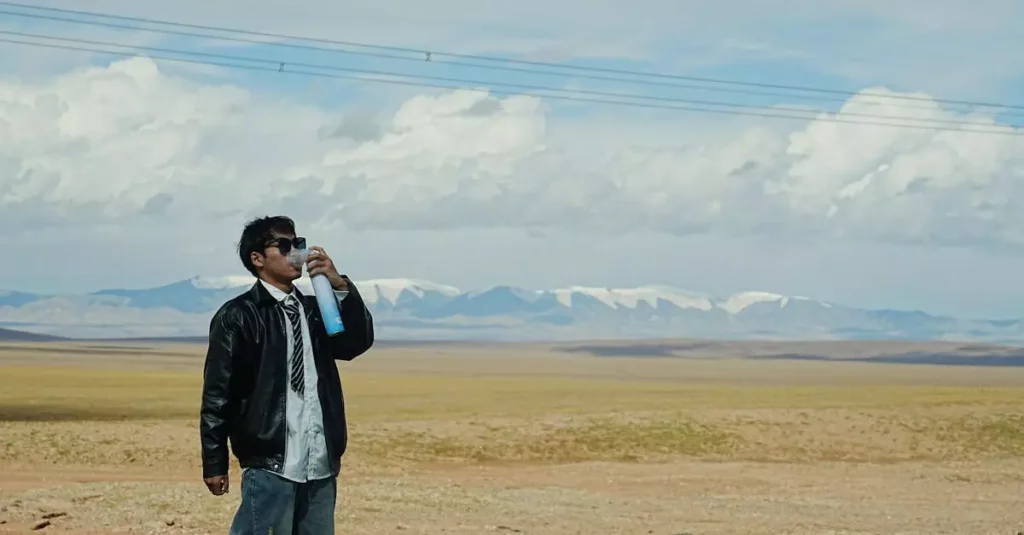
Planning a trip to Mongolia means preparing for breathtaking landscapes and deep cultural immersion. When you’re mapping out your journeyespecially to the vibrant capital of Ulaanbaatarthere’s one practical detail that often slips travelers’ minds: how much you’ll actually spend on drinking water. Getting a handle on mongolia drinking water cost matters more than you’d think. It directly affects your budget and, more importantly, keeps you healthy and comfortable throughout your adventure.
Most travelers ask the same questions: Is the tap water safe? What are my options beyond bottled water? This guide cuts through the confusion and lays out exactly what’s available to you. We’ll walk you through bottled water pricing, explore sustainable alternatives, and share insights pulled from travel guides and conversations with locals who know the scene firsthand. You’ll get practical, honest information you can actually use.
By the time you finish reading, you’ll know exactly how to handle your hydration needs in Mongolia without overspending or compromising on safety. We’ll break down costs across different water sources, compare what makes sense for your trip, and share tips that’ll keep you healthy while your wallet stays happy.
Understanding Mongolia Drinking Water Cost: An Overview
Water costs vary significantly depending on where you buy it and what type you choose. In Ulaanbaatar, your options range from convenient bottled water to more sustainable refill stations. Most tourists gravitate toward bottled water for its reliability and perceived safetythough it’s also the pricier choice. Costs shift based on brand, bottle size, and where you shop. A small convenience store will charge more than a large supermarket selling the same product.
Beyond the standard plastic bottle, you’ll find filtered water at dedicated refill stations or some guesthouses. This route costs significantly less per liter and cuts down on plastic waste, which matters if responsible travel is on your radar. Tap water presents another option, though opinions on its safety for tourists vary. Locals typically boil theirs or use home filters. Understanding what’s available helps you stretch your budget while making choices that align with your values. This guide will help you navigate those decisions smartly.
Bottled Water Prices in Ulaanbaatar
For most visitors in Ulaanbaatar, bottled water is the default choice. The price is reasonable compared to what you’d pay back home, but it adds up fast if you’re not careful. You’ll find both local and international brands everywheresupermarkets, convenience stores, even small kiosks scattered throughout the city. Local options like APU or Sharyn Gol won’t hit your wallet as hard as imported brands.
A standard half-liter bottle runs between 1,000 and 1,500 MNT (roughly $0.30 to $0.45 USD). Step up to 1.5 liters, and you’re looking at 1,800 to 2,500 MNT ($0.55 to $0.75 USD). These prices are typical at bigger supermarkets like E-Mart or Nomin Supermarket. If you’re staying longer or heading out of the city, buying in bulk makes sense. Five-liter and 10-liter bottles offer much better value per liter. A 5-liter bottle typically costs 5,000 to 8,000 MNT ($1.50 to $2.40 USD). Smaller shops or tourist-heavy spots may charge more, so always check the price tag before handing over your money. A little attention to pricing keeps your daily expenses in check.
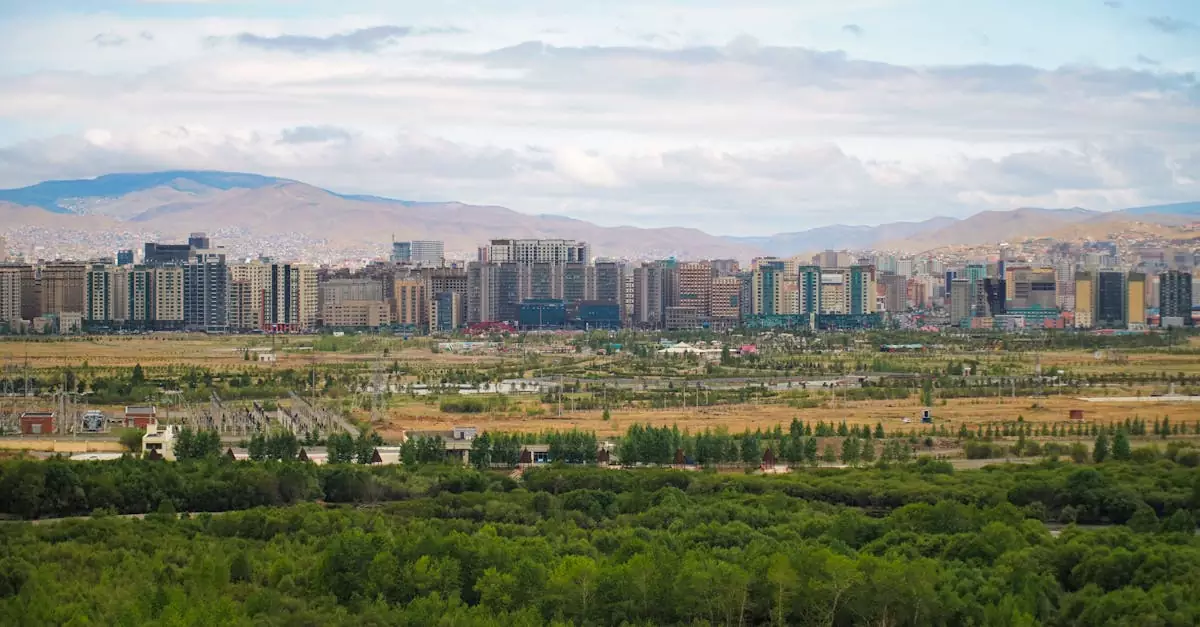
Alternative Drinking Water Sources and Their Costs
Bottled water is convenient, but it’s far from your only optionand exploring alternatives can slash your mongolia drinking water cost while reducing your plastic footprint. Filtered water refill stations have popped up across Ulaanbaatar and other towns. You bring your own reusable bottle, pay a small fee, and fill up. Per-liter costs run just 200 to 500 MNT ($0.06 to $0.15 USD). For travelers staying put for a while, this is a game-changer financially.
Boiling tap water is another route. While Ulaanbaatar’s tap water is treated, it’s not always recommended for tourists straight from the tap due to unfamiliar microbes. A vigorous boil for at least a minute kills most pathogens effectively. Your main cost here is the energyelectricity or gas. If you have kitchen access or a kettle, this becomes your cheapest option by far. Personal water purification devicesLifestraws, Sawyer filters, purification tabletsoffer portability and flexibility. An initial investment of 15,000 to 25,000 MNT ($4.50 to $7.50 USD) for a tablet pack or filter device pays dividends over time, especially if you’re venturing into remote areas where bottled water isn’t readily available.
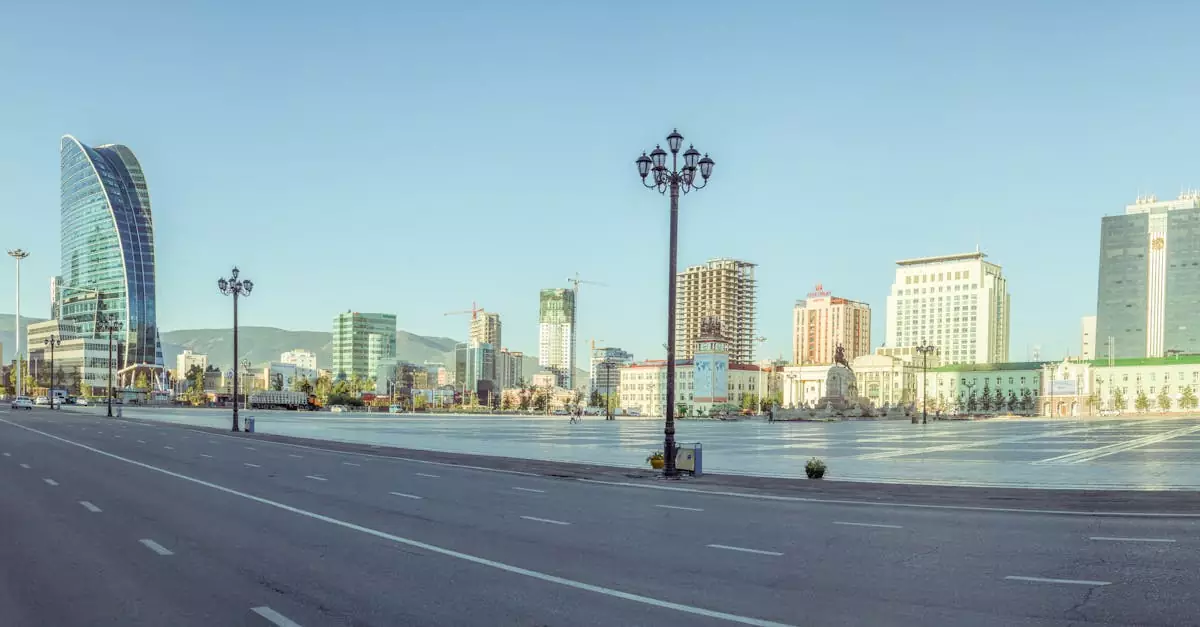
Pros and Cons: Bottled vs. Filtered vs. Tap Water
Picking your water source in Mongolia means weighing convenience against cost and environmental impact. Each choice has real tradeoffs. Bottled water wins on convenienceit’s everywhere, needs no prep, and tastes consistent. Many travelers feel safest with it, which matters when you’re traveling. The downside? It’s expensive over time, and the plastic waste is real. Responsibly disposing of bottles can be tricky in some parts of Mongolia, even in Ulaanbaatar where efforts are being made.
Refill station water strikes a balance. It costs far less per liter and uses a reusable bottle, so you’re not generating plastic waste. This works great if you care about your environmental footprint and don’t mind hunting down a refill station or carrying a larger bottle. Boiled tap water is the budget championalmost free if you have heat accessbut it takes time and tastes different. Some travelers also feel uncertain about the water quality before boiling, which keeps them away from this option. Weighing these tradeoffs helps you pick what actually works for your trip and travel style.
Comparison Table: Drinking Water Options in Mongolia
Here’s a quick visual breakdown of your main drinking water options in Mongolia. This table factors in cost, how easy each option is to use, safety for tourists, and environmental considerationsall the things that matter when you’re planning your trip.
| Water Option | Average Cost (per liter) | Convenience | Safety (for tourists) | Environmental Impact |
|---|---|---|---|---|
| Bottled Water (0.5L – 1.5L) | 1,000 – 2,500 MNT | Very High (widely available) | High (sealed, treated) | High (plastic waste) |
| Bottled Water (5L+) | 1,000 – 1,600 MNT | Medium (bulkier to carry) | High (sealed, treated) | Medium (less plastic per liter) |
| Filtered Water (Refill Stations) | 200 – 500 MNT | Medium (requires finding station) | High (filtered, tested) | Low (reusable bottles) |
| Boiled Tap Water | Minimal (energy cost) | Medium (requires boiling time) | High (if boiled correctly) | Very Low |
| Purified Tap Water (with filter/tablets) | Low (initial device cost) | High (portable solution) | High (if used correctly) | Low (reusable device) |
Practical Tips for Managing Your Drinking Water Cost in Mongolia
Smart water habits can free up serious cash for the experiences you actually came for. Start with a reusable water bottleit’s the single best move for your budget and the environment combined. Filtered water stations are becoming more common in Ulaanbaatar and larger towns. Ask your guesthouse staff or chat with locals to find the nearest one. Some cafes will refill your bottle for cheap or even free if you’re a customer.
If you’re buying bottled water, go big. A 5-liter bottle costs way less per liter than buying five individual bottles. Pour what you need into your reusable bottle as you go. This strategy works especially well if you’re staying in one spot for several days. Planning ahead matters toobefore heading to remote areas, grab a portable water filter or purification tablets. These turn questionable water sources into safe drinking water, so you’re not stuck paying premium prices for bottled options in the middle of nowhere. Mongolia’s dry climate means you’ll need more water than you think. Map out your water needs before long journeys or hikes. For more budget planning insights, check out our travel budget guide to Mongolia.
Water Safety and Health Considerations
Safe drinking water isn’t just about avoiding illnessit’s essential for actually enjoying your trip. Bottled water is generally reliable, but understanding the bigger picture helps. Ulaanbaatar’s tap water is treated, but it may contain minerals or microbes your stomach isn’t used to. Travel health advisories typically recommend tourists skip unboiled tap water. If you do drink it, boil it hard for at least a minute to kill bacteria and viruses. A quality water filter designed for international travel works too.
When you buy bottled water, check that the seal is intact. A broken seal means the bottle could’ve been refilled with unsafe water or tampered with. Stick with recognizable brands from established stores rather than roadside vendors when possible. You’ll need more water in Mongolia than you expectthe air is dry, especially in summer or when you’re active. Dehydration sneaks up quickly and brings headaches, fatigue, and worse. Drink water even when you’re not thirsty. These precautions keep water-related health issues off your travel worry list. For more on Mongolia’s environment, visit Wikipedia.
Frequently Asked Questions About Drinking Water in Mongolia
Is tap water safe to drink in Ulaanbaatar?
Tap water in Ulaanbaatar is treated, but it’s generally not recommended for direct consumption by tourists. Your body may not be used to the local microbes or mineral content. Boiling the water for at least one minute is advised to ensure its safety.
Where can I refill my water bottle in Mongolia?
You can find filtered water refill stations in Ulaanbaatar and other larger towns, often in residential areas or near markets. Some guesthouses and cafes might also offer refills. Always carry a reusable bottle to take advantage of these cost-effective options.
What is the average daily water cost for a traveler?
The average daily water cost can range from $1.50 to $5 USD, depending on your choices. If you rely solely on small bottled water, it will be higher. Using refill stations or purification methods significantly reduces this daily expense.
Are water purification tablets effective in Mongolia?
Yes, water purification tablets are highly effective for making questionable water sources safe to drink. They are a great portable solution, especially when traveling to remote areas where bottled or filtered water may not be available. Always follow the product instructions carefully.
Can I buy large water bottles in remote areas?
While Ulaanbaatar and larger towns offer 5-liter or even 10-liter bottles, availability in remote areas or smaller villages can be limited. It’s best to stock up before heading off the beaten path or carry a personal water filter. For optimal planning, consider the best time to visit Mongolia and prepare your water supply accordingly.
Conclusion
Getting the mongolia drinking water cost right is crucial for both your budget and your health. You’ve got solid optionsfrom convenient bottled water in Ulaanbaatar to budget-friendly refill stations and portable filters. We’ve walked through the prices, the tradeoffs, and what actually makes sense depending on where you’re traveling and how long you’re staying. Staying hydrated matters in Mongolia’s climate, and knowing your options puts you in control.
Smart planningwhether that means carrying a reusable bottle, investing in a filter, or finding local refill stationssaves money and reduces waste. Follow the practical tips and safety guidelines in this guide, and you’ll handle your water needs confidently. You’ll have more cash for the experiences that make Mongolia unforgettable, and you’ll do it responsibly. Enjoy the vast steppes and rich culture knowing you’re prepared.