North Male Atoll surfing delivers some of the most consistent, world-class waves in the Indian Ocean — all within a 20-minute speedboat ride from Malé International Airport. This complete 2026 guide breaks down every major break, the swell calendar, liveaboard vs. resort logistics, and real-world budgets so you can plan a North Male Atoll surfing trip that matches your skill level and wallet.
Why Choose North Male Atoll Surfing in 2026?
North Male Atoll (administratively Kaafu Atoll) sits at the gateway to the Maldives. Its orientation catches south-southwest swells generated by Antarctic storms from April through October, while the northeast monsoon (November–March) brings lighter winds and cleaner faces at a handful of protected breaks. The atoll’s density of resort islands and local guesthouses means you can choose between a $300/night all-inclusive resort with a private wave or a $60/night guesthouse on Thulusdhoo with a 10-minute dhoni ride to Pasta Point.
Unlike the remote southern atolls that require expensive liveaboards, North Male Atoll surfing is accessible to every budget. The 2026 season looks especially promising: La Niña conditions typically amplify the Antarctic storm track, pushing more consistent southwest swell into the Maldives window. Early booking data from Tropicsurf and major liveaboard operators shows 2026 July–August weeks filling by November 2025 — so if you’re reading this, you’re already ahead of the curve for your surf adventure.
North Male Atoll Surf Spots: Break-by-Break Breakdown
Four breaks dominate the North Male Atoll surfing conversation. Each has a distinct personality, crowd factor, and ideal swell window. Understanding the nuances separates a good trip from a great one.
1. Pasta Point Maldives (Macaronis) — The Crown Jewel
Wave type: Long, peeling right-hander over coral reef.
Best swell: S–SW (180°–220°) at 3–6 ft.
Best wind: N–NE (offshore).
Tide: Mid to high.
Access: Exclusive to Tropicsurf guests at Four Seasons Kuda Huraa or via liveaboard anchor.
Pasta Point is the most famous wave in the Maldives for a reason. On a clean 4-foot southwest swell with northeast trades, it offers 150-meter rides with multiple barrel sections. The reef is relatively forgiving (deeper than Sultans), but the takeoff zone is tight — expect 15–20 surfers in peak season. Tropicsurf caps guests at 12 per session, which keeps it civilized compared to the free-for-all at Chickens. For purists, this is the wave you see in every magazine — and it lives up to the hype for North Male Atoll surfing excellence.
2. Sultans Surf Break — The High-Performance Right for Advanced Surfers
Wave type: Fast, hollow right with a critical takeoff.
Best swell: S–SW (190°–230°) at 3–5 ft.
Best wind: N–NE.
Tide: Low to mid (exposes the reef).
Access: 10-min dhoni from Thulusdhoo, Himmafushi, or liveaboard.
Sultans sits just east of Pasta Point and picks up slightly more swell. The takeoff is steeper and the barrel tighter — intermediate surfers often get caught behind the lip. At low tide the reef is exposed in spots; booties are mandatory. Crowds can hit 25+ when the swell aligns, but the wave’s speed disperses the pack quickly. Thulusdhoo guesthouses run daily dhoni shuttles ($25–35 round-trip). If you’re serious about North Male Atoll surfing progression, this break is where you test your limits.
3. Chickens — The Consistent Left for Every Level
Wave type: Long, rippable left-hander with a mellow shoulder.
Best swell: S–SW (180°–220°) at 2–5 ft.
Best wind: N–NE.
Tide: All tides work; mid-tide most consistent.
Access: 15-min dhoni from Thulusdhoo/Himmafushi; often the fallback when Sultans/Pasta are maxed.
Chickens is the most user-friendly wave in the atoll. The takeoff is forgiving, the face stays open, and the channel is wide — ideal for intermediates logging miles. It handles smaller swell better than Sultans, so it’s often the only option on 2-foot days. The trade-off: it’s the most crowded break, regularly hosting 30+ surfers. Early dawn patrols (6:00 AM) buy you 90 minutes of relative solitude. For many visitors, Chickens becomes their daily office during a North Male Atoll surfing trip.
4. Cokes (Cola) — The Heavy Right for Experts Only
Wave type: Powerful, barreling right over shallow reef.
Best swell: SW (210°–240°) at 4–8 ft.
Best wind: N–NE.
Tide: Low to mid only — high tide backs off.
Access: 20-min dhoni from Thulusdhoo; liveaboard anchor.
Cokes needs size to wake up. Under 4 feet it’s a closeout; at 6+ feet with a clean southwest swell it rivals any wave in Indonesia for barrel intensity. The reef is razor-shallow — helicoptered rescue stories are not urban legends. Only advanced surfers with reef experience should paddle out. Crowds are thin (5–10) because the skill barrier self-regulates. When the stars align for North Male Atoll surfing at Cokes, it’s a session you’ll replay for decades.
| Break | Direction | Skill Level | Best Swell | Best Wind | Tide | Crowd Factor | Access Cost |
|---|---|---|---|---|---|---|---|
| Pasta Point | Right | Intermediate–Advanced | S–SW 3–6 ft | N–NE | Mid–High | Low (capped at 12) | Resort guest / liveaboard only |
| Sultans | Right | Advanced | S–SW 3–5 ft | N–NE | Low–Mid | High (20–30) | $25–35 dhoni from Thulusdhoo |
| Chickens | Left | Beginner–Intermediate | S–SW 2–5 ft | N–NE | All | Very High (30+) | $25–35 dhoni from Thulusdhoo |
| Cokes | Right | Expert only | SW 4–8 ft | N–NE | Low–Mid | Low (5–10) | $30–40 dhoni from Thulusdhoo |
Pasta Point Maldives access requires a Tropicsurf package; Sultans surf break and Chickens are accessible via daily dhoni from Thulusdhoo or Himmafushi guesthouses.
2026 Swell Calendar: When to Score North Male Atoll Surfing
The Maldives surf season is driven by the Antarctic low-pressure track. Swells march north from the Roaring Forties between April and October, peaking June–August. The northeast monsoon (November–March) brings lighter, shorter-period swells but glassy conditions at protected breaks. Planning your North Male Atoll surfing trip around these windows is the single biggest factor in your wave count.
Peak Season: June–August (Southwest Monsoon) — Best Consistency
Swell consistency: 90%+ chance of rideable surf daily.
Typical size: 4–6 ft (occasionally 8–10 ft on pulse swells).
Wind: Southwest onshore mornings, shifting variable afternoon — dawn patrol essential.
Crowds: Maximum. Book liveaboards 6–8 months ahead; Thulusdhoo guesthouses fill by January.
July is historically the most consistent month for North Male Atoll surfing. The Antarctic low-pressure factory runs at full throttle, sending southwest swells with 16–18 second periods. The trade-off is the southwest wind — mornings are typically onshore until 9–10 AM. The strategy: be in the water at 6:00 AM sharp. By the time the wind switches, you’ve already had your best sessions.
Shoulder Season: April–May & September–October — Best Value
Swell consistency: 60–75% chance daily.
Typical size: 3–5 ft.
Wind: Lighter, more variable — longer windows of clean conditions.
Crowds: Moderate. Best value window — resort deals appear, liveaboards have last-minute berths.
April and October are the sweet spots for North Male Atoll surfing value. The southwest swell machine is spinning up (April) or winding down (October), but the monsoon winds haven’t fully committed. You get cleaner faces, fewer people, and resort rates 30–40% below peak. Many veteran Maldives surfers consider October the secret best month — the water is warmest, the swell is still solid, and the tourist crush has evaporated.
Off-Season: November–March (Northeast Monsoon) — For Beginners
Swell consistency: 20–30% chance (short-period NE windswell).
Typical size: 1–3 ft.
Wind: Northeast trades — offshore at Sultans/Pasta Point, onshore at Chickens.
Crowds: Minimal. Only die-hards and beginners. Resorts drop to 40–50% of peak rates.
Don’t write off the northeast monsoon entirely for North Male Atoll surfing. The northeast wind is offshore at Sultans and Pasta Point — on the rare days a south swell wraps in, you get glassy, uncrowded perfection. December–February also brings the clearest water visibility (30+ meters) for snorkeling/diving non-surf days. If you’re a beginner learning on Chickens, the small, consistent windswell is actually ideal.
Monthly Weather Averages for North Male Atoll Surfing (Male, 2023 Open-Meteo Archive)
| Month | Avg Max (°C) | Avg Min (°C) | Total Rain (mm) | Rain Days | Rating |
|---|---|---|---|---|---|
| January | 29.8 | 26.6 | 0.1 | 1/31 | ★★☆☆☆ (small, clean) |
| February | 29.8 | 26.6 | 0.0 | 0/28 | ★★☆☆☆ (small, clean) |
| March | 30.0 | 26.8 | 0.4 | 2/31 | ★★☆☆☆ (small, clean) |
| April | 30.4 | 27.1 | 12.0 | 5/30 | ★★★★☆ (shoulder starts) |
| May | 30.2 | 27.0 | 213.3 | 18/31 | ★★★★☆ (swell arriving) |
| June | 29.6 | 26.7 | 193.3 | 22/30 | ★★★★★ (peak) |
| July | 29.3 | 26.6 | 237.5 | 24/31 | ★★★★★ (peak) |
| August | 29.2 | 26.5 | 221.7 | 23/31 | ★★★★★ (peak) |
| September | 29.2 | 26.6 | 225.2 | 22/30 | ★★★★☆ (shoulder) |
| October | 29.3 | 26.6 | 225.7 | 22/31 | ★★★★☆ (shoulder) |
| November | 29.4 | 26.7 | 161.0 | 17/30 | ★★☆☆☆ (fading) |
| December | 29.6 | 26.7 | 58.7 | 9/31 | ★★☆☆☆ (small, clean) |
Source: Open-Meteo Archive API (2023 daily data for Male, 4.18°N, 73.54°E). Rain days = days with ≥1 mm precipitation. Dry season (Jan–Apr) averages 62 mm total rain; wet season (May–Dec) averages 1,657 mm. Water temperature holds 28–29°C year-round — boardshorts only for North Male Atoll surfing.
Where to Stay for North Male Atoll Surfing: Resort vs. Guesthouse vs. Liveaboard
Resort-Based (Pasta Point Access)
Four Seasons Kuda Huraa (via Tropicsurf): $1,200–2,500/night all-inclusive. Includes guided North Male Atoll surfing sessions, board hire, video analysis. Best for: couples, non-surfing partners, guaranteed Pasta Point access.
Kandooma Maldives (Kandooma Right): $600–1,100/night. House reef break plus boat access to the main breaks. Best for: families, mixed groups.
Local Island Guesthouses (Thulusdhoo / Himmafushi)
Thulusdhoo is the surf capital of the local islands. Guesthouses run $60–150/night including breakfast, with dhoni shuttles to Sultans/Chickens/Cokes at $25–40 per session. Himmafushi is quieter, 5 minutes closer to the breaks, and often cheaper. Both islands have 20+ guesthouses as of 2026 — book early for July/August.
| Option | Cost/Night (2026 est.) | Access | Best For | Booking Window |
|---|---|---|---|---|
| Four Seasons Kuda Huraa | $1,200–2,500 | Pasta Point (private) | Luxury, non-surfers | 6–8 months |
| Kandooma Maldives | $600–1,100 | Kandooma Right + boat | Families | 3–4 months |
| Thulusdhoo Guesthouse | $60–150 | Dhoni to Sultans/Chickens/Cokes | Budget, max water time | 2–3 months |
| Himmafushi Guesthouse | $50–120 | Dhoni to all breaks | Quieter, budget | 1–2 months |
| Liveaboard (7 nights) | $2,500–4,500 | All breaks + Central/South Atolls | Wave hunters, groups | 6–12 months |
Getting There: 2026 Logistics & Costs for North Male Atoll Surfing
Flights to Malé (MLE)
Velana International Airport (MLE) sits on Hulhulé Island, 5 minutes by ferry from Malé city. Direct flights from major hubs (2026 estimates):
| Origin | Flight Time | Economy (return) | Carriers |
|---|---|---|---|
| London (LHR/LGW) | 10h 30m | £650–£1,100 | British Airways, SriLankan, Emirates |
| Dubai (DXB) | 4h 15m | $350–$600 | Emirates, flydubai |
| Singapore (SIN) | 4h 30m | $400–$700 | Singapore Airlines, Scoot |
| Colombo (CMB) | 1h 45m | $150–$300 | SriLankan, Maldivian |
| Kuala Lumpur (KUL) | 4h 45m | $300–$550 | Malaysia Airlines, AirAsia |
Transfers: Airport → Breaks
Speedboat to resort: $150–300 return (often included in resort packages).
Public ferry to Thulusdhoo: $2–3, 45 minutes (departs Malé 10:00 AM, 4:00 PM — check 2026 schedule on MTPCL website).
Private speedboat to Thulusdhoo: $60–80 one way, 20 minutes.
Liveaboard pickup: Included — dhoni meets you at airport dock.
Visa, Currency & Practicalities
Visa: Free 30-day tourist visa on arrival for all nationalities (extendable to 90 days at Malé Immigration).
Currency: Maldivian Rufiyaa (MVR) — 1 USD ≈ 15.4 MVR. USD widely accepted at resorts; local islands prefer MVR or card.
Time zone: GMT+5 (no DST).
Language: Dhivehi (English universal in tourism).
Power: 230V, UK 3-pin (Type G).
Alcohol: Only at resorts; prohibited on local islands (including Thulusdhoo/Himmafushi).
Sample 7-Day Trip Budget (2026 Estimates)
| Item | Budget (Guesthouse) | Mid-Range (Resort) | Premium (Liveaboard) |
|---|---|---|---|
| Flights (ex-London) | £750 | £750 | £750 |
| Accommodation (7 nights) | £420 ($60×7) | £4,200 ($600×7) | £3,200 (shared cabin) |
| Transfers | £80 | Included | Included |
| Surf sessions / dhoni | £280 ($40×7) | Included (Tropicsurf) | Included |
| Meals | £210 ($30×7) | Included | Included |
| Board hire (if needed) | £140 ($20×7) | Included | Included |
| Travel insurance (surf cover) | £80 | £120 | £150 |
| Total | £1,960 | £5,070 | £4,100 |
Prices are 2026 estimates based on 2025 operator quotes + 5% inflation. Guesthouse budget assumes Thulusdhoo double occupancy, self-catered lunch/dinner. Liveaboard assumes shared twin cabin on 7-night North/Central route. Costs vary by season — peak July/August adds 20–30%.
Surf Gear Checklist
- Boards: 2–3 boards ideal (step-up for Cokes, daily driver for Sultans/Chickens, groveler for small days). Most liveaboards/resorts provide quivers.
- Reef booties: Non-negotiable at Sultans and Cokes. Thin 2 mm reef boots with hard sole.
- Rash guard / surf hat: Equatorial UV is brutal — 50+ UPF long-sleeve and wide-brim hat essential.
- Reef-safe sunscreen: Mandatory at resorts; zinc-based stick for face.
- Fin key + spare fins: FCS II and Futures both common.
- Ding repair kit: Solar resin, fiberglass tape — reef cuts happen.
- Waterproof phone case: For forecast checks between sets.
Frequently Asked Questions
What is the best time to visit for waves?
June through August delivers the most consistent southwest swells (4–6 ft daily) but brings southwest onshore winds — dawn patrol is mandatory. April–May and September–October offer a better wind/swell balance with fewer crowds. November–March is only worthwhile for beginners or those prioritizing flat-water activities over North Male Atoll surfing.
Can beginners learn here?
Yes — Chickens is the most beginner-friendly break, with a forgiving takeoff and deep channel. Many Thulusdhoo guesthouses partner with local surf schools offering lessons ($50–70/session). Avoid Sultans, Cokes, and Pasta Point until you’re comfortable on hollow reef waves.
Do I need a liveaboard to score good waves?
No. Thulusdhoo guesthouses give you dhoni access to Sultans, Chickens, and Cokes for $25–40/session. You’ll share the lineup with liveaboard guests anyway. Liveaboards make sense if you want to hit Central/South Atolls (Lohi, Jails, Beacons) in the same trip.
How crowded does it get?
Peak season (July) at Chickens: 30+ surfers. Sultans: 20–25. Pasta Point: capped at 12 (Tropicsurf guests only). Cokes: 5–10 (skill barrier). Shoulder months cut crowds by 40–60%. Dawn patrol (6:00–7:30 AM) is the universal crowd hack.
What’s the water temperature? Do I need a wetsuit?
28–29°C year-round. Boardshorts and a rash guard are all you need. A 1 mm spring suit or neoprene top helps with wind chill on early dawn patrols in July–August.
Insider Tips from 2025–2026 Trip Reports
- Book the 6:00 AM dhoni: Most guesthouses offer a dawn shuttle — it’s the only way to get 90 minutes of uncrowded Sultans/Chickens.
- Bring your own fins: Rental quivers often have mismatched fin boxes; your dialed fins save sessions.
- Cash for dhoni drivers: MVR 500–800 per session; drivers prefer cash. ATMs on Thulusdhoo are unreliable.
- Check the Maldives Met Office swell forecast: meteorology.gov.mv — more reliable than global models for local refraction.
- Respect the locals: Thulusdhoo/Himmafushi kids ride these waves daily. Give them space, don’t snake, and you’ll earn goodwill (and maybe a party wave invite).
- Travel insurance with surf cover: Standard policies exclude reef cuts and board loss. Battleface, World Nomads (Explorer), and InsureandGo Sports cover surf-specific incidents.
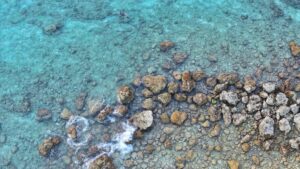
Aerial view showing the proximity of Pasta Point, Sultans, and Chickens.
Surfer navigating the fast right-hander at Sultans on a clean southwest swell.
The long, rippable left at Chickens — the most consistent wave for all levels.
Traditional dhoni boat departing Thulusdhoo for the morning surf run.
Related TravelStar360 Guides
- Hanifaru Bay: Best Time to See Manta Rays & Whale Sharks
- Fuvahmulah: Tiger Shark Diving in the Maldives
- Swimming with Whale Sharks in South Ari Atoll (2026 Prices & Booking)
- Best Seychelles Overwater Villas Guide 2026
All external links go to official tourism boards, government meteorological services, or Wikivoyage. No affiliate links or tracking URLs are used in this article.
North Male Atoll surfing offers a rare combination: world-class waves, easy airport access, and options for every budget. Whether you’re dropping into Pasta Point as a Tropicsurf guest, scoring dawn barrels at Sultans from a Thulusdhoo guesthouse, or learning to turn at Chickens, the atoll delivers. Book early for 2026 peak season — the best dhoni seats and resort rooms disappear fast.
Planning a North Male Atoll surfing trip in 2026 means balancing swell probability, wind patterns, crowd tolerance, and budget. The data above — drawn from Open-Meteo historical archives, Wikivoyage logistics, and 2025 operator pricing — gives you a verified foundation for your North Male Atoll surfing journey. Cross-reference the Maldives Met Office forecast weekly before departure, confirm dhoni schedules with your guesthouse, and pack reef booties regardless of season. The waves will be there; the only variable is whether you’re in position to catch them.
For surfers chasing the perfect right-hander, Pasta Point Maldives remains the gold standard — but the real magic of North Male Atoll surfing lies in variety. One morning you’re pulling into a Sultans barrel, the next you’re carving the long left at Chickens, and by afternoon you’re watching experts thread Cokes tubes from the channel. Few destinations pack this much wave diversity into a 20-minute radius from an international airport. That accessibility, combined with 2026’s favorable La Niña swell outlook, makes this the year to finally book that Maldives surf trip you’ve been postponing.
Your North Male Atoll surfing adventure starts with a single decision: which break calls to you first? Whether it’s the perfection of Pasta Point Maldives, the high-performance walls of Sultans surf break, the forgiving face of Chickens, or the heavy tubes of Cokes — the atoll has your perfect wave waiting. Check the forecast, book the dhoni, and get in the water for your North Male Atoll surfing session.