Planning a trip to witness the ocean’s most majestic giants requires knowing exactly where to go and when. The world’s best whale watching destinations offer unparalleled opportunities to observe these magnificent marine mammals in their natural habitat, from the nutrient-rich waters of Monterey Bay to the sheltered lagoons of Baja California and the dramatic coastlines of South Africa and New Zealand.
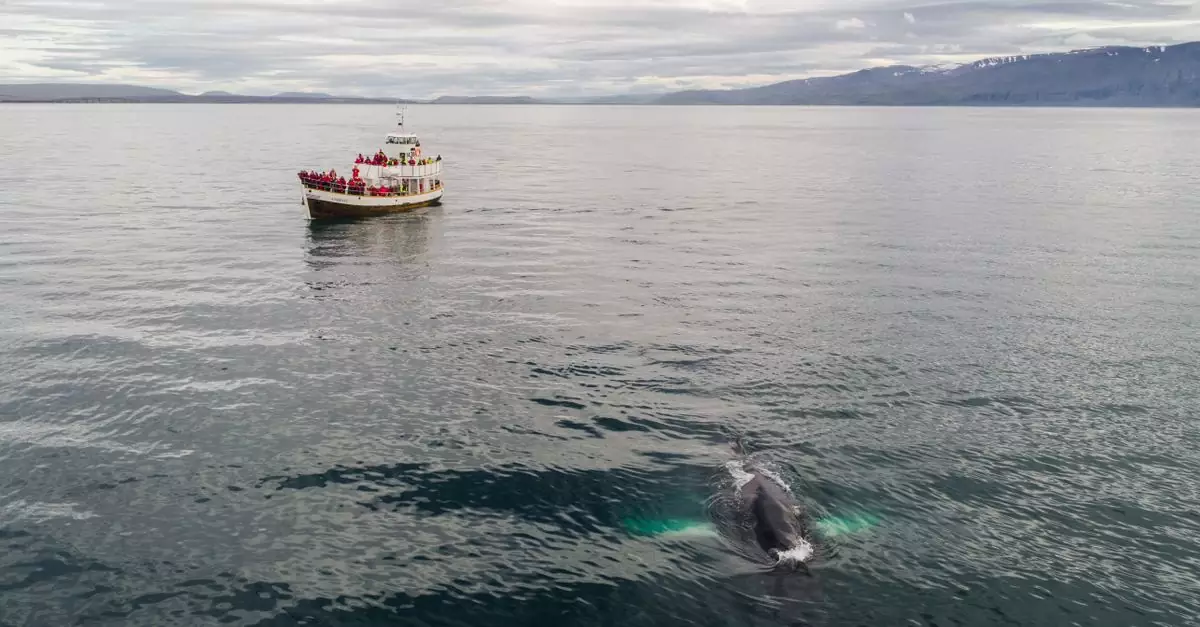
At-a-Glance: Best Whale Watching Destinations 2026
| Destination | Primary Species | Peak Season | Best Viewing Method | Approx. Budget (USD) |
|---|---|---|---|---|
| Monterey Bay, California | Humpback, Gray, Blue Whales | April–November | Boat Tours, Land Lookouts | $70–$150 per tour |
| San Juan Islands, Washington | Orcas, Minke Whales | May–October | Boat Tours, Kayaking | $80–$160 per tour |
| Baja California Sur, Mexico | Gray, Humpback, Blue Whales | December–April | Boat Tours | $60–$120 per tour |
| Hermanus, South Africa | Southern Right Whales | June–November | Land-Based, Boat Tours | $50–$100 per tour |
| Kaikoura, New Zealand | Sperm Whales, Humpbacks | Year-Round (Sperm) | Boat Tours | $90–$170 per tour |
Worth Knowing Before You Go
- Seasickness is real: Even on calm days, the motion on open water affects many people. Take medication 30 minutes before departure.
- No guarantees: These are wild animals in a vast ocean. Reputable operators don’t promise sightings.
- Distance regulations: Most countries enforce minimum approach distances (often 100m/300ft) for whale protection.
- Weather dependent: Tours cancel for high winds, fog, or rough seas. Build flexibility into your schedule.
- Photography challenges: A telephoto lens (300mm+) is ideal. Phones struggle with distance and motion.
Top 5 Whale Watching Destinations for 2026
1. Monterey Bay, California: The Humpback Highway
Monterey Bay’s deep submarine canyon brings nutrient-rich waters close to shore, creating one of the world’s most reliable whale watching destinations. Humpback whales feed here from April through November, with peak breaching activity June–September. Gray whales migrate past in spring (March–May), and blue whales—the largest animals ever—appear in summer.
Insider tip: Morning tours typically have calmer seas. Combine with a visit to the Monterey Bay Aquarium for context on the marine ecosystem you’re observing.
2. San Juan Islands, Washington: Orca Territory
The Salish Sea around the San Juan Islands hosts three resident orca pods (J, K, and L pods) plus transient orcas, humpbacks, and minke whales. Lime Kiln Point State Park offers world-class land-based viewing—whales often pass within 20 feet of shore. Boat tours from Friday Harbor provide closer encounters while following strict Be Whale Wise guidelines.
Insider tip: Book a multi-day stay to maximize chances. The San Juan Islands are also excellent for kayaking, cycling, and exploring charming island towns.
3. Baja California Sur, Mexico: Gray Whale Nurseries
The lagoons of Magdalena Bay and San Ignacio become gray whale maternity wards from January to March. Mothers bring calves right up to small pangas (fishing boats), allowing intimate encounters unmatched anywhere else. Humpbacks and blue whales also frequent the Sea of Cortez and Pacific coast during this season.
Insider tip: Base yourself in Loreto for blue whales or Guerrero Negro for gray whales. The desert-meets-ocean landscape adds dramatic scenery to every tour.
4. Hermanus, South Africa: Land-Based Whale Capital
Hermanus holds the unique distinction of world-class whale watching from shore. Southern right whales calve in Walker Bay from June to November, often swimming within meters of the cliffside path. The town employs a “whale crier” who blows a kelp horn when whales appear. Boat tours offer closer views, but the land-based experience is the primary draw.
Insider tip: Visit during the Hermanus Whale Festival (late September) for peak activity plus cultural events. Combine with Cape Town and the Winelands for a complete South Africa itinerary.
5. Kaikoura, New Zealand: Year-Round Sperm Whales
Kaikoura’s deep offshore canyon supports a resident population of sperm whales—deep-diving giants present year-round. Tours venture to the canyon edge, where hydrophones detect surfacing whales. Dusky dolphins, fur seals, and migratory humpbacks (June–July, Oct–Dec) add variety. The Snow-capped Seaward Kaikoura Range provides a spectacular backdrop.
Insider tip: Morning tours have the highest success rates. Consider a scenic flight for an aerial perspective on sperm whales and the dramatic coastline.
When to Go: Whale Watching Calendar 2026
Whale migrations follow predictable seasonal patterns. Planning your trip around these windows maximizes sighting probability:
| Month | Best Destinations | Key Species |
|---|---|---|
| January–March | Baja California, Mexico | Gray whales (calving), Humpbacks, Blue whales |
| March–May | California Coast | Gray whales (northbound migration), Humpbacks arriving |
| June–September | Monterey Bay, San Juan Islands, Kaikoura | Humpbacks (feeding), Orcas, Sperm whales (year-round) |
| June–November | Hermanus, South Africa | Southern Right Whales (calving/nursing) |
| December–April | Baja California (return), Hawaii | Humpback whales (breeding/calving) |
Essential Planning Tips
Choosing a Responsible Tour Operator
Look for operators certified by Whale SENSE, Be Whale Wise, or similar programs. They maintain safe distances, limit boat numbers, employ naturalist guides, and contribute to research. Avoid operators that guarantee sightings, chase whales, or allow swimming with large whales (often illegal and stressful for animals).
What to Pack
- Layered clothing (waterproof outer shell essential)
- Seasickness medication (take before boarding)
- Binoculars (8×42 or 10×42 ideal)
- Camera with telephoto lens (300mm+)
- Reef-safe sunscreen, hat, sunglasses
- Reusable water bottle and snacks
Frequently Asked Questions
Which destination has the highest sighting success rate?
Monterey Bay (April–Nov) and Kaikoura (year-round sperm whales) consistently report 90%+ success rates during peak seasons due to resident populations and predictable feeding grounds.
Can I see whales from shore without a boat tour?
Yes. Hermanus (South Africa) is the world’s best land-based destination. Lime Kiln Point (San Juan Islands), Point Reyes (California), and various headlands in Kaikoura also offer reliable shore viewing during peak seasons.
What’s the average cost of a whale watching tour?
Most 3–4 hour tours range $60–$170 per person. Multi-day expeditions in Antarctica or the Arctic cost significantly more ($500–$2000+). Land-based viewing is free at public access points.
Are whale watching tours safe for children?
Most operators welcome children 5+. Shorter tours (2–3 hours) on larger, stable vessels are best for families. Check age policies and consider seasickness susceptibility.
Related Guides
- Best Whale Watching Destinations 2026 Guide — Detailed destination breakdown with logistics
- Best Wildlife Cruises 2026 | Top Marine Life Expeditions — Multi-day expeditions for serious enthusiasts
- Best Antarctica Cruises 2026 | Expedition Ships & Wildlife — Ultimate polar whale encounters
- Best World Cruises 2026 | Top Itineraries & Pricing — Global circumnavigation options
- Best Galapagos Marine Animal Experiences 2026 | Swim & Dive — Unique marine mammal encounters
- Best Ocean Wildlife Destinations 2026 | Whale Watching & More — Broader marine wildlife guide
Plan your whale watching adventure for 2026. Book tours early for peak season, choose responsible operators, and pack for variable ocean conditions. The memory of a 40-ton whale breaching beside your boat stays with you forever.