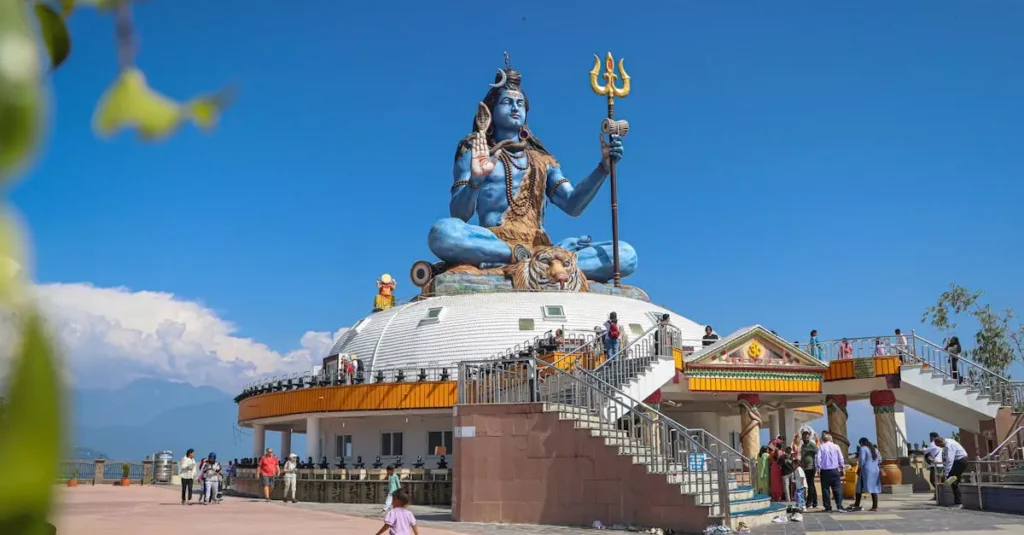
Introduction to Dining in Pokhara
Pokhara sits beside the placid waters of Phewa Lake and is often described as Nepals most picturesque city. Many visitors stop here to relax after multi-day treks into the Annapurna region. The culinary scene ranges from classic Nepali plates to global comfort food, with everything from Dal Bhat to wood-fired pizza on offer. Knowing the pokhara food cost per day gives you a clearer idea of how to budget for meals during a 2026 visit.
The aromas of spices and fresh cooking greet the city each morning. Lakeside draws the bulk of tourists, and the pokhara food price there tends to be higher than in neighborhoods away from the lake. Still, people pay a premium for the viewdining while the sun slips behind the hills is a common treat. If you prefer lower prices and an authentic street vibe, the local markets provide plenty of inexpensive snack options.
Nepalese hospitality is visible at every table in Pokhara, and that friendly approach extends from family-run eateries to upscale restaurants. Options suit tight budgets as well as more indulgent stays. Hygiene standards and overall food quality have noticeably improved in recent years. Below youll find a practical breakdown of typical meal costs so you can plan without surprises while enjoying the citys mountain-sided charm.
Understanding the Pokhara Food Cost Per Day
The average pokhara food cost per day depends largely on the type of traveler you are. Budget visitors can manage on approximately $12 to $15 daily, covering simple local breakfasts, a filling lunchtime Dal Bhat, and modest dinners. Mid-range travelers usually spend between $25 and $35, which allows for nicer cafes and occasional international dishes. If you choose upscale dining with wine and premium ingredients, expect daily spending to exceed $50. These estimates reflect economic trends observed in 2026.
Breakfast tends to be the least expensive meal. A cup of tea and some fresh bread can be under $2, while a full English-style breakfast typically runs $5 to $7. Lunch is the main meal for many locals; Dal Bhat is ubiquitous, nutritious, and often offered with free refills, making it exceptional value. Small neighborhood eateries serve this staple at very low pokhara food price points.
Dinner costs vary considerably by location and menu choices. Lakeside restaurants usually charge more for the lakeside atmosphereexpect around $8 for a basic pizza and about $10 for a steak in many places. Alcohol pushes up the daily total: a large local beer at a bar is often $4 to $6. Staying to water and tea keeps expenses down. Also check menus for additional chargesmany venues add roughly 10% service and 13% VAT to the final bill.
Average Pokhara Food Price for Local Meals
Local cuisine lies at the heart of Pokharas food culture. Dal Bhatlentil soup served with rice, vegetable curry, and picklesis the national staple and a must-try. At a neighborhood eatery, the pokhara food price for Dal Bhat is typically 300 to 500 NPR, roughly $2.50 to $4.00. Its an efficient, energy-packed option that many trekkers rely on before heading into the hills.
Momos are a beloved snack throughout the citysteamed or fried dumplings filled with meat or vegetables. A plate of ten usually costs between 150 and 300 NPR, available from street carts to sit-down restaurants. Smaller, busy momos stalls often serve the tastiest versions. For official travel advice and updates, the Nepal Tourism Board is a useful resource.
Street food remains incredibly affordable. Sel Roti, a sweet fried rice bread, sells for under $0.50 per piece. Spicy favorites like Chatpate and Panipuri near the lakeside generally cost about $1 per serving. When sampling street snacks, favor crowded stalls where turnover is highthis helps ensure freshness and safety. Choosing local options like these keeps your pokhara food cost per day low while offering authentic flavors.
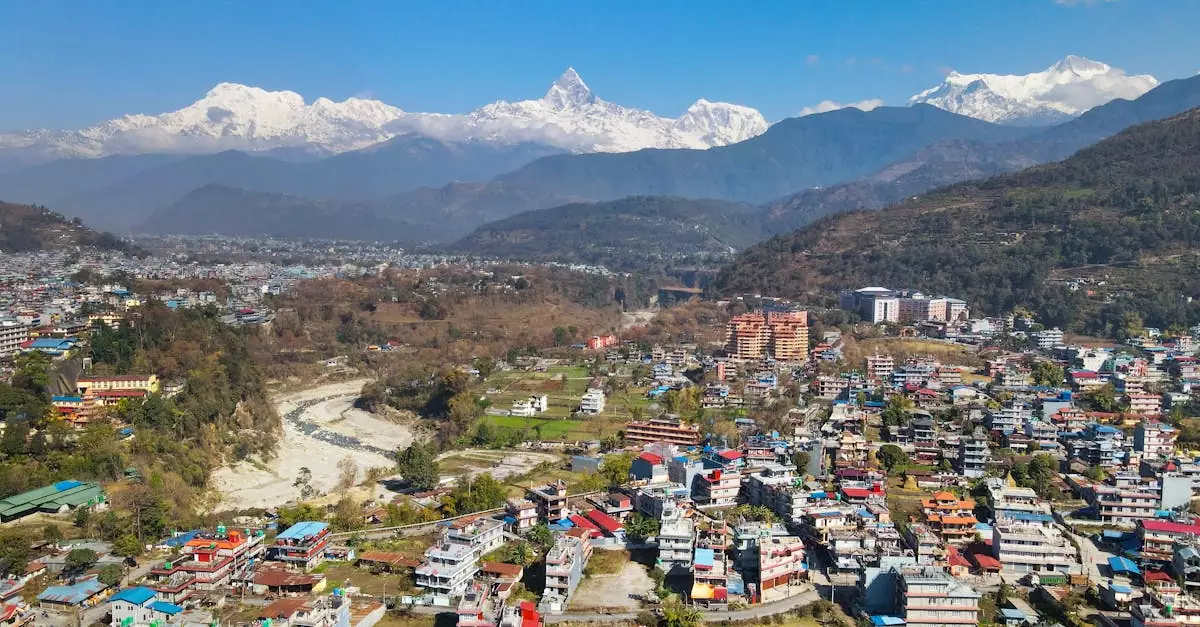
Dining at Lakeside: Tourist Cafes and International Cuisine
Lakeside is the hotspot for visitors, lined with colorful cafes and restaurants that serve cuisines from around the worldItalian, French, Chinese, Indian and more. The pokhara food price in this district is higher than in the Old Bazaar, with main courses at cafes commonly priced between $6 and $12. Staff in these places generally speak good English and cater to international tastes.
Many venues boast direct views of Phewa Lake, which makes them ideal for leisurely lunches or romantic dinners. Morning bakeries and coffee shops are plentiful, and a latte often costs around $2.50. These cafes attract travelers who spend afternoons working over free WiFi in a relaxed setting. For practical maps and official recommendations, check Nepal Tourism.
International menus offer a welcome break from local farethink wood-fired pizzas, crisp salads, and pasta made with ingredients from nearby farms. The use of locally grown organic produce enhances flavor, but imported items like specialty cheeses or certain spices increase costs. Glance over the menu prices before sitting down if you want to keep spending within your plan.
Budgeting for Drinks and Snacks in Pokhara
Beverages can change your daily food budget quickly. Bottled water in shops is inexpensiveabout $0.25 to $0.50although many hotels provide filtered water to guests free of charge. Soft drinks retail for around $0.80 in stores and often cost twice that at restaurants. Alcohol is more heavily taxed; a local Everest or Gorkha beer typically runs about $5 in a bar.
Coffee culture is expanding, with specialty cafes using Himalayan-grown beans. An Americano usually costs around $2.00. If tea is your preference, a cup of local Masala tea can be as cheap as $0.30 from a stall. Convenience snacks like biscuits, dried fruit, and nuts are available at corner shopshandy for long walks. For background on tourism trends, see Wikipedia’s page on tourism in Nepal.
Fresh fruit is abundant and budget-friendly; bananas, oranges, and apples often cost $1 to $2 per kilo from street vendors. Smoothies and freshly pressed juices are popular by the lake, with large glasses of mango or pineapple juice around $3perfect for warm afternoons. Picking local snacks and drinks is an easy strategy to keep your pokhara food cost per day down so you can spend more on activities like paragliding.
Comparison of Food Costs: Local vs. Tourist Areas
Price differences between the Old Bazaar and Lakeside are noticeable. The Old Bazaar reflects everyday local pricing, while Lakeside carries a tourist markup for atmosphere and service. Visiting both areas gives a fuller picture of the cityenjoy authentic local life and also the convenience of tourist-oriented comforts. Combining visits to each can make your trip both richer and more budget-friendly.
| Meal Type | Budget (Local) | Mid-Range (Cafe) | Luxury (High-end) |
|---|---|---|---|
| Breakfast | $1.50 – $2.50 | $4.00 – $6.00 | $10.00+ |
| Lunch | $2.50 – $4.00 | $7.00 – $10.00 | $15.00+ |
| Dinner | $3.00 – $5.00 | $8.00 – $15.00 | $25.00+ |
| Beer/Wine | $4.00 | $6.00 | $10.00+ |
As the table shows, the pokhara food price shifts with where you eat. Sticking to local spots keeps daily costs very low, while mixing in mid-range meals typically brings an average pokhara food cost per day near $25. Planning a weeks worth of meals in advance can lead to meaningful savings compared with spontaneous dining every night.
Pros and Cons of Eating in Pokhara
There are many upsides to dining in Pokhara: the wide range of options, freshness of produce, and striking locations all contribute to a memorable food scene. Many restaurants source vegetables from nearby farms, and lakeside seating makes for an enjoyable atmosphere. Friendly service is also common, adding to the overall experience.
- Pros: Wide variety of international and local cuisines.
- Pros: Very affordable prices for budget travelers.
- Pros: Fresh and organic ingredients used in many dishes.
- Pros: Beautiful dining locations with lake and mountain views.
- Cons: Service can be slow during the busy peak season.
- Cons: Extra taxes and service charges can surprise you.
- Cons: Street food may not always meet strict hygiene standards.
- Cons: Prices in Lakeside are much higher than in the rest of the city.
Expect a relaxed pace when dining outwaiting 30 to 45 minutes for food during busy periods is not unusual. Also check menus carefully for small-print fees to avoid bill shock. Despite these minor frustrations, Pokhara remains a top spot in Nepal for food lovers thanks to its mix of flavors, settings, and welcoming people.
Practical Tips to Save Money on Food
Keeping food costs down in Pokhara is straightforward with a few simple habits. Dine where locals gathercrowded neighborhood restaurants usually offer tasty, inexpensive meals. Avoid overly touristy establishments with glossy multi-language menus; they tend to carry higher prices. Look out for places labeled ‘Bhojanalaya’ for reliable local deals and lower pokhara food cost per day.
Bring a refillable water bottle and use hotel or public refill stations to cut down on single-use purchases. Many Lakeside bars run early-evening happy hour promotionsbuy-one-get-one offers are common and make sunset drinks much cheaper. For a broader budget plan that includes accommodation and transport, see a detailed pokhara travel cost guide.
Watch for set lunch menus that bundle a soup, main course, and drink at a discount compared with la carte ordering. If your stay is longer, renting a room with kitchen access and cooking from local market produce is the most economical route. That said, the lure of the citys many restaurants makes it easy to splurge now and then.
Frequently Asked Questions
Is it safe to eat street food in Pokhara?
Generally yes, if you choose wisely. Opt for busy stalls where food is cooked fresh in front of you and avoid unpeeled fruit or raw salads from vendors to reduce the risk of stomach upset.
How much should I tip at restaurants in Pokhara?
Many tourist-oriented restaurants include a 10% service charge on the bill; if that appears, an additional tip isnt necessary. If no service charge is added and the service was good, leaving around 510% is appreciated.
Are there vegetarian and vegan options in Pokhara?
Yesvegetarian and vegan diners are well catered to. Traditional dishes like Dal Bhat are often naturally vegetarian, and many Lakeside cafes offer plant-based milk, vegan cheeses, and meat alternatives for international dishes.
Can I pay with a credit card in Pokhara restaurants?
Large restaurants in Lakeside generally accept credit cards, though a 34% surcharge may apply. Small local eateries and street vendors usually take cash only, payable in Nepalese Rupees.
What is the most expensive food in Pokhara?
Imported items such as premium steaks, fine wines, and certain seafood dishes tend to be the priciest. Dining at luxury hotels or high-end resorts also costs considerably more than standard city restaurants.
Conclusion
Pokhara serves up an appealing mix of humble street snacks and lakeside fine dining, so travelers of all budgets can eat well. The pokhara food cost per day is generally affordable, and by alternating local meals with occasional treats you can enjoy both authentic tastes and scenic dining without overspending. Use the price examples above to sketch a realistic food budget for your 2026 trip, and savor the citys flavors as you explore this Himalayan gateway.