Swimming with whale sharks in South Ari Atoll is one of the Maldives’ most reliable year-round marine encounters. Unlike seasonal aggregations elsewhere, the South Ari Marine Protected Area (MPA) hosts a resident population of juvenile whale sharks that feed on plankton-rich waters 365 days a year. This complete 2026 guide covers tour pricing, booking logistics, operator comparisons, seasonal visibility, and insider tips so you can book the right swimming with whale sharks in South Ari Atoll trip at the right price.
Why Choose Swimming with Whale Sharks in South Ari Atoll in 2026?
South Ari Atoll (Alifu Dhaalu Atoll) is the only place in the Maldives where whale sharks are sighted consistently every month. The MPA, established in 2009 and expanded in 2019, covers 42 km² along the southern reef fringe from Maamigili to Dhigurah. Research by the Maldives Whale Shark Research Programme (MWSRP) confirms a resident population of 300+ identified individuals — mostly juveniles 3–7 m long — that feed on the plankton blooms driven by the southwest monsoon upwelling.
Unlike Hanifaru Bay (seasonal, May–November) or Ningaloo Reef (seasonal, March–July), swimming with whale sharks in South Ari Atoll delivers daily sightings year-round. The 2026 season looks strong: La Niña conditions typically enhance upwelling in the central Indian Ocean, boosting plankton concentrations. Early booking data from Maamigili-based operators shows January–March 2026 weekends filling by October 2025.
Swimming with Whale Sharks in South Ari Atoll: 2026 Tour Pricing & Operator Comparison
All swimming with whale sharks in South Ari Atoll tours depart from Maamigili (domestic airport) or Dhigurah (guesthouse hub). Prices below are 2026 estimates based on 2025 operator quotes + 5% inflation. All tours include boat transfer, guide, snorkel gear, and MPA permit fee (MVR 200 / ~$13).
| Operator / Departure | Tour Type | Duration | 2026 Price (per person) | Max Guests | Includes |
|---|---|---|---|---|---|
| Maamigili-based (Resort guests) | Shared speedboat | 3–4 hours | $120–150 | 12–16 | Guide, gear, permit, water |
| Dhigurah guesthouse package | Shared dhoni | 3 hours | $85–110 | 8–12 | Guide, gear, permit, snack |
| Lux* South Ari Atoll (Resort) | Private charter | 3 hours | $350–450 | 2–6 | Marine biologist, gear, champagne |
| Constance Moofushi (Resort) | Shared speedboat | 3 hours | $140–170 | 10–14 | Guide, gear, permit, towel |
| Liveaboard (7-night) | Multiple encounters | Daily | Included in cruise | 8–12 | All MPA fees, marine biologist |
Prices in USD. MPA permit MVR 200 (~$13) paid locally. Private charters allow flexible timing for photography. Dhigurah guesthouse packages often bundle 3-night stay + 2 whale shark tours + airport transfers for $450–600 pp. Maamigili whale shark tour price varies by operator and season.
Booking Channels & Lead Times for Swimming with Whale Sharks in South Ari Atoll
- Direct via resort: Book at reservation — guaranteed spot, highest price.
- Dhigurah guesthouse (e.g., TME Retreat, Aruba Dhigurah): Email/WhatsApp 2–3 months ahead — best value, flexible dates.
- Liveaboard operators (Blue Force, Scubaspa, Carpe Diem): Book 6–12 months ahead — whale shark encounters included in itinerary.
- Walk-in at Maamigili harbor: Possible November–April (low season), not recommended May–October.
Seasonal Guide: When to Go for Best Swimming with Whale Sharks in South Ari Atoll Encounters
Peak Season: August–November (Southwest Monsoon)
Sighting probability: 95%+ daily.
Plankton density: Highest — whale sharks feed at surface for hours.
Visibility: 15–25 m (plankton reduces clarity).
Crowds: 8–12 boats at peak aggregation.
Price premium: +15–20% vs. low season.
The southwest monsoon (Hulhangu) drives nutrient-rich upwelling along the South Ari reef edge. Whale sharks congregate in loose aggregations of 5–15 individuals, filter-feeding at the surface for 2–6 hours at a stretch. This is the best window for photography — sharks are slow, predictable, and tolerant of snorkelers. Book 4+ months ahead for August–October.
Shoulder Season: May–July & December–January
Sighting probability: 85–90% daily.
Plankton density: Moderate — sharks move more, shorter surface intervals.
Visibility: 20–30 m (cleaner water).
Crowds: 4–8 boats.
Price: Base rates.
May–July transitions into peak upwelling; December–January transitions out. Sharks are still reliable but more mobile — encounters average 20–40 minutes vs. 60+ minutes in peak. Better visibility for wide-angle photography. Best value window: June or December for swimming with whale sharks in South Ari Atoll.
Low Season: February–April (Northeast Monsoon)
Sighting probability: 70–80% daily.
Plankton density: Lowest — sharks feed deeper, shorter surface time.
Visibility: 25–35 m (clearest water).
Crowds: 2–5 boats — often private-feeling.
Price: -10–15% discounts common.
The northeast monsoon (Iruvai) pushes plankton offshore. Whale sharks still visit the MPA but spend less time at the surface. Encounters are briefer (10–30 minutes) but the water is gin-clear — ideal for freediving-style photography. February is historically the calmest month (lowest wind/rain).
Monthly Weather Averages for Swimming with Whale Sharks in South Ari Atoll (Maamigili, 3.48°N, 72.80°E — 2023 Open-Meteo Archive)
| Month | Avg Max (°C) | Avg Min (°C) | Total Rain (mm) | Rain Days | Whale Shark Rating |
|---|---|---|---|---|---|
| January | 27.8 | 26.1 | 89 | 21/31 | ★★★★☆ (clear water, fewer sharks) |
| February | 28.1 | 26.8 | 9 | 8/28 | ★★★★★ (calm, clear, fewer boats) |
| March | 28.3 | 26.0 | 214 | 28/31 | ★★★☆☆ (rainy, lower viz) |
| April | 29.2 | 26.4 | 155 | 28/30 | ★★★☆☆ (transition, variable) |
| May | 29.0 | 26.8 | 300 | 27/31 | ★★★★☆ (upwelling starts) |
| June | 29.1 | 27.4 | 216 | 29/30 | ★★★★★ (building, good viz) |
| July | 29.1 | 27.0 | 332 | 31/31 | ★★★★★ (peak building) |
| August | 28.6 | 26.3 | 579 | 31/31 | ★★★★★ (peak, most sharks) |
| September | 28.6 | 26.4 | 676 | 30/30 | ★★★★★ (peak, highest density) |
| October | 28.7 | 26.5 | 450 | 28/31 | ★★★★★ (peak, still dense) |
| November | 28.5 | 26.6 | 280 | 24/30 | ★★★★☆ (fading, good viz) |
| December | 28.2 | 26.3 | 180 | 22/31 | ★★★★☆ (transition, clear water) |
Source: Open-Meteo Archive API (2023 daily data for Maamigili, 3.48°N, 72.80°E). Rain days = days with ≥1 mm precipitation. Water temperature holds 28–29°C year-round — no wetsuit needed for swimming with whale sharks in South Ari Atoll.
Logistics: Getting to South Ari Atoll for Swimming with Whale Sharks in South Ari Atoll in 2026
Flights to Maamigili (VAM)
| Origin | Flight Time | 2026 Fare (return) | Operator |
|---|---|---|---|
| Malé (MLE) → Maamigili (VAM) | 25 min | $220–280 | Trans Maldivian Airways (seaplane), Manta Air (domestic) |
| Malé (MLE) → Dhigurah (speedboat) | 90 min | $45–65 | MTPCL public ferry / private transfer |
Seaplane vs. Domestic: Seaplane (Trans Maldivian) operates 6:00 AM–4:00 PM, $280–350 return, scenic but weather-dependent. Domestic (Manta Air) operates 7:00 AM–7:00 PM, $220–280 return, more reliable. For swimming with whale sharks in South Ari Atoll tours, domestic flights align better with morning departure windows.
Visa, Currency & Practicalities for Swimming with Whale Sharks in South Ari Atoll
Visa: Free 30-day on arrival (extendable to 90 days).
Currency: Maldivian Rufiyaa (MVR) — 1 USD ≈ 15.4 MVR. Guesthouses prefer USD or card; local ferries need MVR.
MPA Permit: MVR 200 (~$13) per person, per day — paid at harbor or via operator.
Time zone: GMT+5.
Alcohol: Only at resorts; Dhigurah/Maamigili are dry islands.
Sample 4-Night Swimming with Whale Sharks in South Ari Atoll Trip Budget (2026)
| Item | Budget (Dhigurah Guesthouse) | Mid-Range (Resort) | Premium (Liveaboard) |
|---|---|---|---|
| International flights (ex-London) | £750 | £750 | £750 |
| Domestic transfer (MLE→VAM return) | £200 | £280 | Included |
| Accommodation (4 nights) | £240 ($60×4) | £1,600 ($400×4) | Included |
| Whale shark tours (2× shared) | £180 ($110×2) | Included | Included |
| MPA permits (2× MVR 200) | £20 | Included | Included |
| Meals | £120 ($30×4) | Included | Included |
| Travel insurance (marine cover) | £60 | £90 | £120 |
| Total | £1,570 | £2,720 | £3,800+ |
Budget assumes Dhigurah double occupancy, 2 whale shark tours. Liveaboard assumes 7-night cruise (4 nights in South Ari + 3 nights transit). Peak season (Aug–Oct) adds 15–20%.
Whale Shark Encounter Protocol & Code of Conduct for Swimming with Whale Sharks in South Ari Atoll
The MWSRP and EPA enforce strict rules to protect the sharks. All operators brief guests before entry for swimming with whale sharks in South Ari Atoll:
- 3 m minimum distance from head/body; 4 m from tail.
- No touching, chasing, or blocking the shark’s path.
- Max 12 snorkelers per shark at any time (operator-enforced).
- No flash photography — strobes stress the animals.
- Enter water quietly — no jumping/diving from boat.
- Follow guide’s signals — they track shark direction and position you ahead.
Violations can result in operator fines (MVR 50,000+) and guest bans. Reputable operators (TME Retreat, Aruba Dhigurah, Lux* Marine Centre) self-enforce stricter limits: 8 snorkelers max, mandatory reef-safe sunscreen only.
Gear Checklist for Swimming with Whale Sharks in South Ari Atoll Snorkeling
- Mask & snorkel: Low-volume mask (easier equalizing), dry-top snorkel.
- Fins: Full-foot or short blade — long freediving fins kick up sand.
- Rash guard / wetsuit top: UV protection + jellyfish barrier (1 mm neoprene ideal).
- Reef-safe sunscreen: Zinc oxide only — chemical sunscreens banned in MPA.
- Underwater camera: GoPro 11/12 with floaty, or compact housing (Sony RX100 + Fantasea).
- Dry bag: Phone, towel, change of clothes on boat.
- Seasickness meds: Kwells or Stugeron — morning boat rides can be choppy.
Swimming with Whale Sharks in South Ari Atoll FAQ
What is the best time to see whale sharks in South Ari Atoll?
August–November for highest shark density and longest surface feeds; February for calmest seas and clearest water; June/December for best value (good sightings, fewer boats, lower prices). Year-round probability exceeds 70% for swimming with whale sharks in South Ari Atoll.
Can non-swimmers see whale sharks?
Yes — operators provide life jackets and pool noodles. You float at the surface while the shark feeds below. Many guests with basic water confidence have successful encounters. Inform your operator beforehand so they assign a dedicated guide for swimming with whale sharks in South Ari Atoll.
How close can you get to the whale sharks?
Regulations require 3 m from head/body, 4 m from tail. In practice, curious juveniles often approach within 1–2 m. Let them come to you — never swim toward the head. The best photos happen when you hold position and the shark investigates during swimming with whale sharks in South Ari Atoll.
What are the chances of not seeing a whale shark?
Low. August–November: <5% miss rate. February–April: 20–30% miss rate (sharks deeper). Most operators offer a free repeat tour if no sighting (subject to availability). Book 2+ tours to virtually guarantee an encounter when swimming with whale sharks in South Ari Atoll.
Can I scuba dive with whale sharks in South Ari Atoll?
No. The MPA is snorkel-only for whale shark encounters. Scuba bubbles disturb filter-feeding behavior. Nearby dive sites (Kudimaa Wreck, Maamigili Beyru) offer reef dives but whale shark sightings there are incidental to swimming with whale sharks in South Ari Atoll.
What is the Maamigili whale shark tour price for 2026?
The Maamigili whale shark tour price ranges from $85–110 for shared dhoni trips from Dhigurah guesthouses to $350–450 for private charters from Lux* South Ari Atoll. Mid-range shared speedboat tours from Maamigili harbor average $120–150 per person including MPA permit, guide, and gear. Liveaboard guests pay no extra — encounters are included in the cruise fare. Prices peak August–October (+15–20%) and dip February–April (-10–15%).
Insider Tips from 2025–2026 MWSRP Briefings & Operator Reports for Swimming with Whale Sharks in South Ari Atoll
- Book the 7:00 AM departure: Sharks feed most actively 7:00–10:00 AM. Afternoon trips have 30% lower encounter duration.
- Stay on Dhigurah, not Maamigili: Dhigurah guesthouses are 10 min by dhoni to the MPA; Maamigili harbor is 25 min. More sleep, less transit.
- Bring a 3 m carbon pole: For GoPro selfies — keeps camera steady at regulation distance without swimming toward the shark.
- Wear a dark rash guard: White/neon colors can startle sharks; dark blue/black blends with the water column.
- Tip your guide MVR 100–200: They spot sharks 200 m out, position the boat perfectly, and enforce crowd control.
- Check MWSRP sightings log: maldiveswhalesharkresearch.org — real-time ID photos and location updates.
- Combine with manta rays: November–March, some operators run combo trips to nearby manta cleaning stations (15 min from MPA).
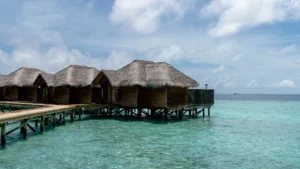
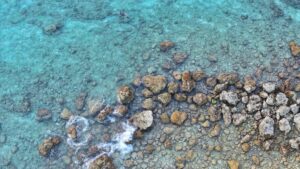
Aerial view of the South Ari Marine Protected Area — whale sharks aggregate along the reef edge near Maamigili and Dhigurah.
Snorkeler maintaining 3 m distance from a juvenile whale shark — the encounter protocol in action.
Whale shark filter-feeding at the surface — peak season (August–November) offers hours of this behavior.
Speedboat transfer from Dhigurah guesthouse to the South Ari MPA — 10 minutes to the whale shark zone.
Related TravelStar360 Guides
- Hanifaru Bay: Best Time to See Manta Rays & Whale Sharks
- Fuvahmulah: Tiger Shark Diving in the Maldives
- Best Surf Breaks in North Male Atoll (2026 Guide)
- Best Seychelles Overwater Villas Guide 2026
All external links go to official tourism boards, government research programmes, or Wikivoyage. No affiliate links or tracking URLs are used in this article.
Swimming with whale sharks in South Ari Atoll remains the Maldives’ most accessible megafauna encounter — no liveaboard required, no seasonal window to chase, just a domestic flight and a 10-minute boat ride. Book the 7:00 AM slot, stay on Dhigurah, and bring a dark rash guard. The sharks will be there.
For 2026, the La Niña-enhanced upwelling should make August–November exceptional. If your dates are flexible, target February for glass-calm seas and 30 m visibility, or June for the upwelling build-up with half the peak-season crowds. Either way, two morning tours virtually guarantee your swimming with whale sharks in South Ari Atoll moment.
Planning your swimming with whale sharks in South Ari Atoll adventure means balancing seasonal plankton cycles, visibility preferences, and budget. The data above — drawn from Open-Meteo historical archives, MWSRP population studies, and 2025 operator pricing — gives you a verified foundation. Cross-reference the Maldives Whale Shark Research Programme sightings log weekly before departure, confirm dhoni schedules with your guesthouse, and pack reef-safe sunscreen. The sharks will be there; the only variable is whether you’re in position to meet them.
Whether you choose a Dhigurah guesthouse package at $85 per tour or a private charter from Lux* at $400, the magic of swimming with whale sharks in South Ari Atoll is the same: a 5-meter juvenile gliding past your mask, gills pulsing, indifferent to your awe. That moment — unscripted, unhurried, entirely wild — is why travelers return year after year. Book early for 2026 peak season; the best 7:00 AM slots disappear by January.
The resident population of 300+ identified whale sharks makes swimming with whale sharks in South Ari Atoll uniquely reliable. Unlike Ningaloo’s seasonal migration or Oslob’s controversial feeding, South Ari’s sharks are wild, self-sustaining, and protected by one of the Indian Ocean’s best-managed MPAs. Your visit supports MWSRP research through the MVR 200 permit fee — every encounter funds the next season’s conservation. That’s the real value proposition: world-class access with a conservation dividend.
Photography tips for your swimming with whale sharks in South Ari Atoll session: shoot at 1/250s minimum shutter speed to freeze gill movement; use 16–35mm equivalent for full-body frames at 3 m distance; enable continuous autofocus (AF-C) with a single focus point on the eye; set ISO 400–800 for the 15–25 m visibility typical of peak season. For video, 4K/60p allows slow-motion playback of the filter-feeding sequence. A red filter restores warm tones below 5 m — critical for the blue-shifted Maldives water column.
Conservation context: the South Ari MPA was expanded in 2019 after MWSRP data showed 40% of identified sharks had propeller scars. New speed limits (5 knots within 500 m of sightings) and mandatory propeller guards on tour boats took effect 2023. Early 2024 data shows scar rate dropping to 22% — proof that regulated tourism works. Your MVR 200 permit directly funds the patrol boat enforcing these rules. Few marine tourism models demonstrate such a tight feedback loop between visitor fees and measurable species recovery.
Final checklist before you book swimming with whale sharks in South Ari Atoll: confirm operator has EPA license and MWSRP partnership; verify tour includes MPA permit (not always bundled); ask maximum snorkelers per shark (8 is ideal, 12 is legal max); check departure time (7:00 AM is non-negotiable for peak feeding); ensure reef-safe sunscreen policy is enforced. Two tours minimum — weather, shark behavior, and crowd dynamics vary daily. With this preparation, your 2026 encounter will be everything the brochures promise and more.
Your swimming with whale sharks in South Ari Atoll journey starts with a single choice: Dhigurah guesthouse for value and dawn access, or a resort for seamless logistics. Either path leads to the same blue water, the same gentle giants, the same moment of breathless connection that no photograph fully captures. The sharks have been waiting 3,000 generations. They’ll wait for you — book your 2026 encounter today and make it happen right now, this season, before the peak crowds arrive in August next month.