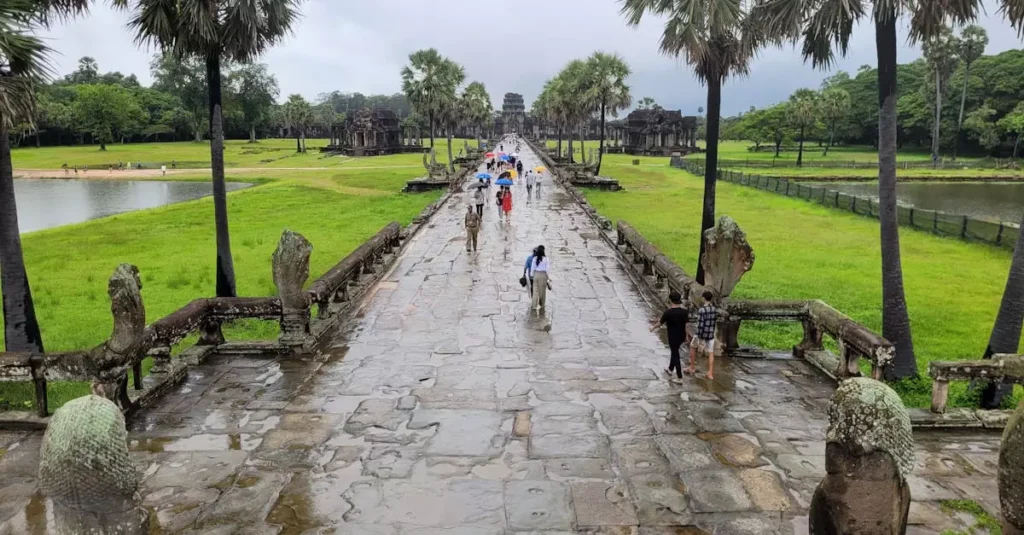

Experiencing Siem Reap, Cambodia, during the rainy season reveals a distinct charm. Many visitors are curious about the siem reap rainy season travel cost during this stretch from May through October. The rains bring vibrant greenery and fewer tourists, which often translates into more affordable travel options. Knowing how expenses break down can help you organize your trip more efficiently.
During these off-peak months, airfare and lodging tend to drop in price. Hotel and guesthouse rates become more attractive, and tour operators frequently lower their fees. This season is ideal for travelers looking to stretch their budgets. While occasional showers are part of the experience, youll benefit from quieter temple visits and a peaceful atmosphere.
Here, youll find a detailed overview of common expenses, spanning flights, accommodations, dining, and activities. Alongside cost insights, practical tips for making your money go further are included. Discover how to explore Angkors ancient marvels without overspending.
Understanding Siem Reap Rainy Season Travel Cost
Known locally as the green season, Siem Reaps rainy period lasts from May until October. Showers tend to be brief but heavy, often arriving in the afternoons, leaving plenty of daylight hours for sightseeing. The main perk for visitors is the significant drop in prices. Many services become more affordable, making it a perfect time for a siem reap off season budget getaway.
During this time, accommodation rates can fall by 30 to 50 percent compared to the busy months. Airline tickets also become more wallet-friendly. Many travelers notice their daily expenses shrink, which can allow for either a longer stay or upgraded comforts. The rain refreshes the environment, transforming dusty temples into lush green sites. Tourist numbers thin out at famous spots like Angkor Wat, offering a more tranquil and intimate experience. Keep in mind that some of the less traveled temple trails may get muddy.
Most visitors still focus on exploring the Angkor Archaeological Park. The entry fees remain unchanged year-round: a one-day ticket costs $37, three days are $62, and seven days run $72. These passes are mandatory for temple visits, so factoring them into your budget is crucial. The reduction in other daily expenses balances the overall cost nicely.
Accommodation Costs During the Green Season
Where youll notice the biggest savings during the rainy season is in lodging. Hotels and guesthouses tend to see fewer visitors, which drives prices down. Options are available across all budget categories. Budget guesthouses typically charge between $10 and $20 per night, while mid-range hotels fall between $30 and $60. Luxury accommodations, which usually start around $100, may be found at $60 to $90 during this period.
Many places roll out special deals or discounts for extended stays. While booking early can secure the best rates, last-minute bargains are not uncommon. Its smart to pick accommodations with positive reviews and perks like a swimming pool, perfect for unwinding after a day exploring temples. On average, travelers spend about $25 a night for comfortable rooms that include air conditioning and private bathroomsa significant drop from peak season rates.
Choosing to stay just outside the bustling Pub Street area can yield even better bargains. Neighborhoods like Wat Bo Road or along the riverside tend to be quieter but remain close to key attractions. Tuk-tuks and local transport options are readily available, giving you flexibility to manage your siem reap rainy season travel cost. Dont forget to check if breakfast is included, as this can shave a few dollars off daily expenses.
Transportation and Food Expenses
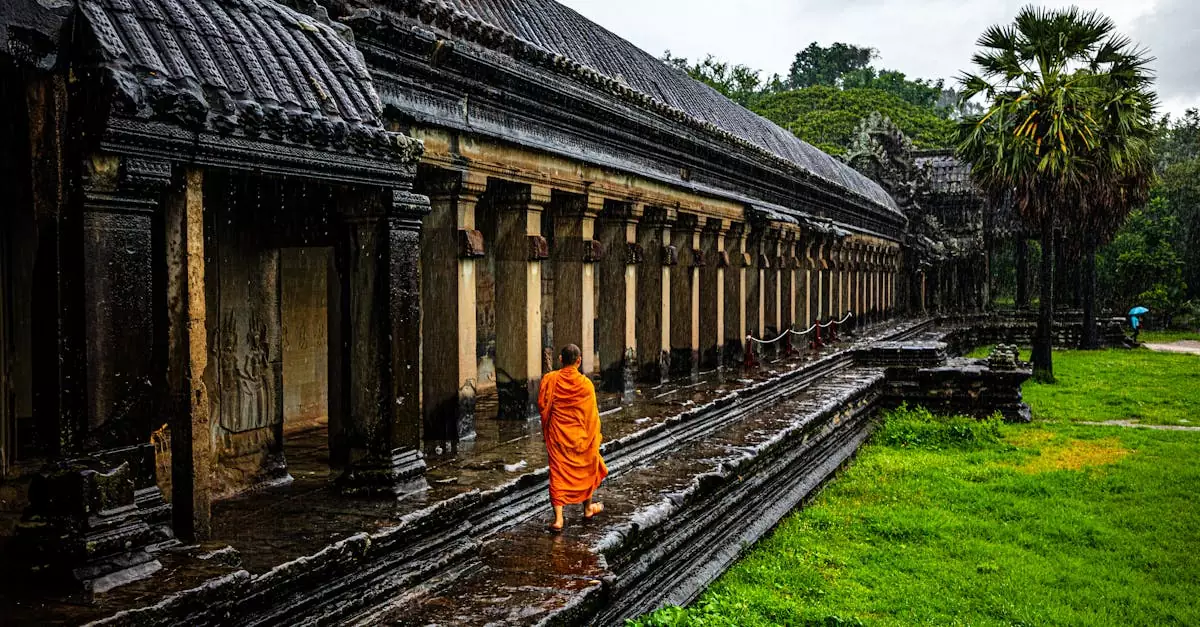
Getting around Siem Reap is generally affordable. Tuk-tuks are the most popular transport option, with short city rides costing between $1 and $3. Hiring a tuk-tuk for a full day to explore the Angkor temples usually ranges from $15 to $25, depending on the route and driver. Bicycles can be rented for $1 to $3 daily, offering a leisurely way to roam the town. Motorbikes are also available at roughly $5 to $10 a day, but riding them requires caution.
Dining expenses vary with personal taste. Street food and market vendors serve satisfying meals for as little as $1 to $3. Local restaurant dishes generally cost between $4 and $7, while Western-style venues or hotel restaurants tend to be pricier, ranging from $10 to $20 per meal. Most travelers find a daily food budget of $15 to $25 sufficient to cover meals and snacks. Dont miss out on refreshing fruit shakes, typically priced around $1.
Staying hydrated is important under Cambodias warm climate. Large bottles of water cost between $0.50 and $1, and many places offer free refills to reduce plastic waste and save money. Cooking your own food is uncommon among tourists, mainly because eating out remains inexpensive. This convenience supports a manageable siem reap off season budget, letting you enjoy flavorful Khmer cuisine without breaking the bank.
Activities and Excursion Costs
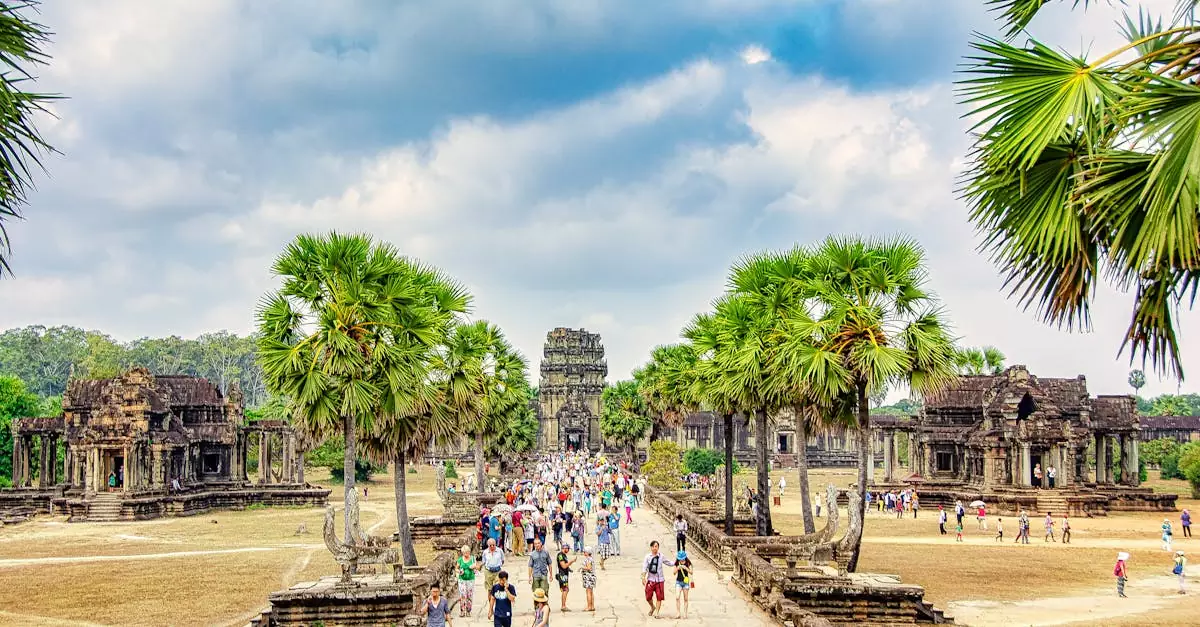
The Angkor Archaeological Park remains the centerpiece of any visit. As mentioned, entry fees are $37 for a single day, $62 for three days, and $72 for seven days. Beyond temple visits, many affordable activities await. For example, tickets to the Cambodian Cultural Village cost about $15. An evening of traditional Apsara dance accompanied by dinner ranges between $12 and $25. Cooking classes, a popular choice, typically fall in the $20 to $35 range.
History enthusiasts might visit the Angkor National Museum for $12 or the Landmine Museum for $5, both offering valuable insight into Cambodias past. Boat tours on Tonl Sap Lake to witness floating villages usually charge $15 to $25 per person. When booking private tours, dont hesitate to negotiate; shared tours are often less expensive.
Exploring local markets is another rewarding experience. Psar Chaa, the Old Market, is ideal for souvenirs and snacks, where bargaining is expected and can help you save. After a day of sightseeing, many visitors treat themselves to a traditional Khmer massage costing between $6 and $10 per hour. These activities enrich your trip without significantly increasing your siem reap rainy season travel cost. Look out for combo deals if you plan several excursions.
Pros and Cons of Rainy Season Travel
Visiting Siem Reap during the rainy months brings both benefits and challenges. Knowing what to expect helps travelers prepare and make the most of their experience. For those watching their budget, the positives usually take precedence and offer a fresh glimpse of this captivating region.
Pros:
- Lower Costs: Flights, hotels, and tours are markedly cheaper, ideal for a siem reap off season budget.
- Fewer Crowds: Popular temples like Angkor Wat see reduced visitor numbers, allowing for peaceful exploration and better photo opportunities.
- Vibrant Greenery: The rains transform the landscape from dry and dusty to lush and vivid, enhancing the beauty of the temples.
- Cooler Weather: Although humid, the rain often brings relief with cooler temperatures.
- Atmospheric Skies: Overcast and rainy skies create dramatic, photogenic scenes.
Cons:
- Rain Showers: Frequent downpours can interrupt plans, though they tend to be brief and intense.
- Humidity: The moisture can feel oppressive, especially to those unaccustomed to tropical climates.
- Muddy Terrain: Certain temple paths and rural roads may become slippery and difficult to navigate.
- Increased Mosquitoes: More standing water can lead to a rise in mosquitoes.
- Limited Sunsets: Cloud cover often obscures clear sunset views over Angkor Wat.
Comparison: Rainy Season vs. Dry Season Costs
Below is a comparison of average daily spending, highlighting how your siem reap rainy season travel cost can differ from the dry season. Keep in mind, these are general figures and individual expenses may vary.
The dry season, spanning November through April, attracts the highest number of visitors, pushing prices up across the board. Flights and accommodation reach their peak during this time. The table illustrates potential savings during the rainy season.
| Expense Category | Rainy Season (May-Oct) | Dry Season (Nov-Apr) |
|---|---|---|
| Accommodation (Budget/Mid-range) | $15 – $50 | $30 – $80 |
| Food (Local/Mid-range) | $15 – $25 | $20 – $35 |
| Local Transport (Tuk-tuk day) | $15 – $20 | $20 – $25 |
| Activities (Excluding Angkor Pass) | $10 – $30 | $15 – $40 |
| Estimated Daily Total (Excl. Angkor Pass) | $55 – $125 | $85 – $180 |
Clearly, traveling in the rainy season offers significant financial advantages. These savings can be redirected towards extra experiences or simply used to extend your trip. It makes a siem reap off season budget journey especially appealing.
Practical Tips for a Budget-Friendly Rainy Season Trip
Getting the most value out of your visit to Siem Reap during the rainy season takes some savvy preparation. The following tips can help you control your siem reap rainy season travel cost, drawn from seasoned travelers advice.
- Pack Wisely: Opt for lightweight, quick-drying clothing and bring a reliable rain jacket or poncho. Waterproof footwear is highly advisable.
- Bargain Smartly: Negotiate fares for tuk-tuks and at markets, starting offers around 50-70% of the initial price.
- Choose Local Eats: Street vendors and local eateries provide tasty, budget-friendly meals.
- Stay Hydrated: Carry a refillable water bottle; many places offer complimentary refills, saving money and reducing plastic waste.
- Start Early: Begin temple visits in the morning to avoid afternoon rains and crowds.
- Book Ahead: Even in low season, pre-book flights and hotels a few months in advance for better prices.
- Consider Multi-Day Passes: If planning to explore many temples, the 3-day or 7-day Angkor pass offers better value.
- Use Ride-Hailing Apps: Services like Grab or PassApp can provide fixed rates for tuk-tuks and taxis, eliminating negotiation hassles.
Important Tip 1: Carry small denominations of US dollars, Cambodias widely accepted currency, to simplify transactions and avoid overpaying. Important Tip 2: Secure travel insurance to prepare for unexpected issues like delays or health concerns during the rainy season. For a broader look at Cambodia, visit the Wikipedia page on Cambodia.
Reality Check: Although fewer crowds are a major plus, busy spots like Angkor Wat can still get crowded at sunrise. Absolute solitude is rare. Also, some off-road paths may become quite difficult after heavy rains, so plan your routes with your tuk-tuk driver accordingly. For official travel information, explore Tourism Cambodia.
FAQs About Siem Reap Rainy Season Travel
Common questions about traveling to Siem Reap in the rainy season are answered here.
Is the rainy season a good time to visit Siem Reap?
Definitely, especially for those seeking lower costs and fewer tourists. The lush scenery is a highlight, though you should be ready for periodic showers.
What is the average daily budget for Siem Reap in the rainy season?
A budget traveler can expect to spend between $55 and $125 daily, not including the Angkor pass. This covers accommodation, food, and local transportation.
Do I need an umbrella or a raincoat?
Both are recommended. A lightweight rain jacket or poncho works well, and an umbrella is handy for lighter rain or sun protection.
Are the temples open during the rain?
Yes, temple grounds remain accessible despite rain. Heavy showers might briefly affect visibility and make surfaces slippery but rarely cause closures.
Are there more mosquitoes during the rainy season?
Yes, increased rainfall leads to more mosquitoes. Its wise to use insect repellent and wear long sleeves and pants, particularly at dawn and dusk.
Conclusion: Embrace the Green Season Savings
Traveling to Siem Reap during the rainy season opens doors to a unique and rewarding adventure. It offers noticeable savings on your siem reap rainy season travel cost while allowing you to explore Angkors wonders without the usual crowds. The vibrant green landscapes add a fresh beauty to your journey.
Following budget-friendly strategies can lower your expenses considerably. Affordable lodging, tasty local food, and economical transportation options all contribute to a pleasant stay. Embracing the occasional rain showers adds to the areas special atmosphere, often resulting in stunning skies and rejuvenated scenery. Planning a siem reap off season budget trip can be both memorable and cost-effective.
Prepare for the weather, organize your itinerary thoughtfully, and immerse yourself in Cambodias rich culture. Traveling during this quieter season allows for a deeper connection with the sites. Siem Reap welcomes you with open arms, lush surroundings, and friendlier prices.

Our Fact Checking Process
We prioritize accuracy and integrity in our content. Here's how we maintain high standards:
- Expert Review: All articles are reviewed by subject matter experts.
- Source Validation: Information is backed by credible, up-to-date sources.
- Transparency: We clearly cite references and disclose potential conflicts.
Our Review Board
Our content is carefully reviewed by experienced professionals to ensure accuracy and relevance.
- Qualified Experts: Each article is assessed by specialists with field-specific knowledge.
- Up-to-date Insights: We incorporate the latest research, trends, and standards.
- Commitment to Quality: Reviewers ensure clarity, correctness, and completeness.
Look for the expert-reviewed label to read content you can trust.