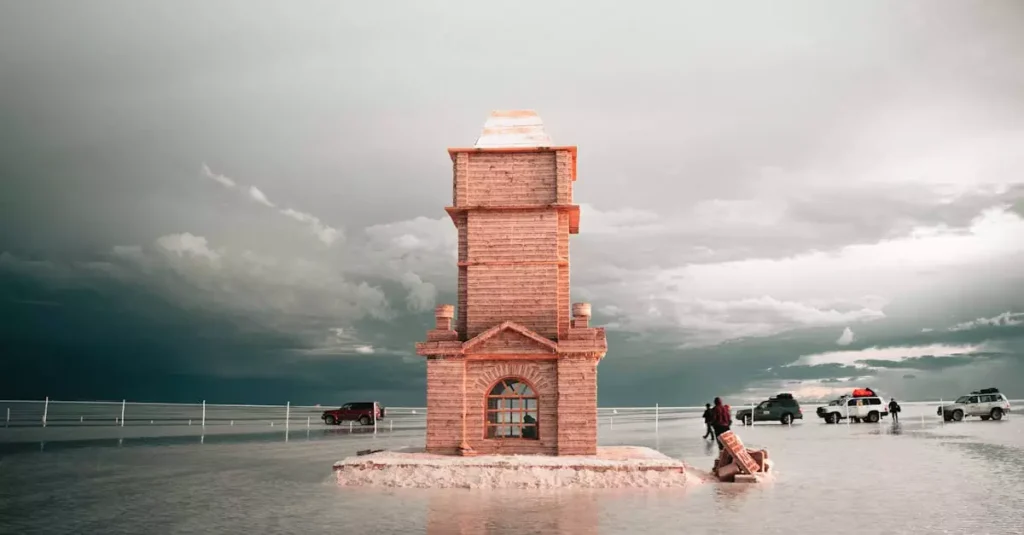
A trip to Bolivia’s vast, shimmering Salar de Uyuni is something most travelers dream about. The salt flats draw visitors from every corner of the world, and for good reason. But before you book your adventure, getting a handle on what you’ll actually spend makes all the difference. Here’s a detailed breakdown of what to expect financially so you can travel without worry.
Uyuni itself is a small town, yet it serves as the main jumping-off point for the world-famous Salt Flats. Most people come specifically for the multi-day tours, which tend to be the biggest expense you’ll face. Understanding the real costsfor tours, meals, beds, and getting aroundhelps you plan smarter and enjoy more.
You’re about to see exactly what a typical day in Uyuni costs, from tour prices down to meals and those little extras that add up. Getting clear numbers lets you experience the breathtaking landscapes without constantly worrying about your bank account.
Understanding Your Uyuni Daily Budget Breakdown
The real key to nailing your Uyuni daily budget breakdown is recognizing what actually costs money. The tour itself will be your biggest line item. Most tours run one to three days and cover transport, a guide, and usually meals plus somewhere basic to sleep. But prices shift depending on how long you go, which company you pick, and what they throw in.
Beyond the tour, you’ve got to account for time spent in Uyuni town itself. That means a place to stay before or after your tour, meals that aren’t part of your package, water, snacks, and random stuff you’ll want. Keep some money aside for surprises. A solid breakdown keeps your spending in check and your stress level down.
Bolivia’s currency is the Bolivian Boliviano (BOB), and you should carry enough cash on hand. Credit cards won’t work in most placesespecially with tour operators and small shops. Mapping out your expenses ahead of time stops surprises from derailing your trip and lets you actually focus on those incredible views.
Tour Costs: The Main Expense
The Salt Flats tour is really what brings people to Uyuni, and it’s definitely the biggest hit to your wallet. Most travelers go for the classic 3-day, 2-night option that leaves from town. You’re looking at roughly 150 to 250 USD per person, which typically covers your 4×4 ride, a driver who knows the area, two nights in basic digs, and most of your meals.
If you’re short on time, there’s a 1-day option too. It zeros in on the Salt Flats themselves and runs 30 to 60 USD. You won’t get accommodation or extensive meals with this one. Before you hand over money, ask exactly what’s included. Some outfits offer nicer beds or better food, and they charge more for it. Make sure you know what language your guide speaks, too.
Keep in mind that entrance fees to the national parks aren’t rolled into your tour priceyou pay those separately. The Eduardo Avaroa Andean Fauna National Reserve costs around 30-40 USD. Isla Incahuasi, that famous “fish island” in the middle of the salt, runs about 5 USD. Tipping your guide and driver is also expected and appreciated. Factor all of this into your actual spending.
Accommodation Options and Prices
You’ll probably spend at least one night in Uyuni town before or after your Salt Flats adventure. The options here are straightforward and geared toward backpackers and budget-conscious travelers. Dorm beds in hostels run about 8 to 15 USD per night. A private room in a hostel or basic guesthouse costs between 20 and 40 USD, usually with your own bathroom and sometimes breakfast included.
If you want more comfort, mid-range hotels exist in town. These go for roughly 50 to 80 USD per night and come with better heating, reliable hot water, and a decent breakfast spread. Booking ahead is smart, especially when lots of travelers are around. It guarantees you get what you want at the price you expect. Always read recent reviews to know what you’re getting.
During your 3-day tour, you’ll sleep in pretty basic placesmaybe a salt hotel or a rustic hostel with shared dorms and minimal amenities. Hot showers sometimes cost extra, around 1-2 USD. Don’t count on much heating, so pack a warm sleeping bag or layers. These costs are typically baked into your tour price, but knowing what to expect helps you prepare properly. It’s all part of your real spending picture.
Food and Drink: Eating in Uyuni
Food and drink need to be part of your spending plan. Multi-day tours include most mealsthey’re simple but filling, usually rice, pasta, vegetables, and some meat. You’ll want to buy snacks, extra water, and drinks though. Stock up before you leave town, because options get pretty thin once you’re out there.
In Uyuni town itself, you’ve got choices. Market stalls serve cheap, authentic meals for 2 to 5 USD. Tourist-focused restaurants have main courses from 7 to 15 USD. There are pizzerias and cafes too. Breakfast before your tour might run 3 to 7 USD, and dinner in town could be 10 to 20 USD.
Water is critical at this altitude, so always buy bottled. A big bottle costs 1-2 USD. Soft drinks and local beers are reasonably priced. If you have dietary restrictions, let your tour operator know ahead of time. Bringing your own specialized snacks is also a smart move. This keeps your energy up and your spending under control.
Transportation Within Uyuni
Getting to Uyuni is usually your first transport cost. Many people take overnight buses from La Paz or Sucrethose tickets run 15 to 30 USD. Train service from Oruro is another option. Flights from La Paz to Uyuni’s small airport exist too, though they’re pricier at 50 to 100 USD or more. They save you a lot of time though.
Once you’re in town, you won’t need much transportation. Uyuni is small enough to walk around. Most hotels and tour agencies are a short walk from the bus and train stations. If you’ve got heavy bags or arrive late, taxis are easy to find. A quick ride around town costs about 1 to 3 USD. Always settle on a price before you get in.
Your Salt Flats tour includes all transportation. You’ll ride in a tough 4×4 built for rough terrain. The tour company handles everything. You don’t have to worry about extra transport costs during the tour itself. Your spending mainly covers getting to and from Uyuni and moving around town beforehand.
Miscellaneous Expenses and Tips
Smaller costs pop up that people often forget about but add up fast. Park entrance fees like Isla Incahuasi and the Eduardo Avaroa National Reserve are mandatory and can total 35-45 USD. Keep this amount in local currency for easy payment. You might want to grab souvenirs too.
Salt crafts, alpaca wool products, and local textiles are the typical souvenirs. Budget 10 to 30 USD if you plan to buy a few things. Hot showers on tour, when available, usually cost 1-2 USD. Charging devices might cost a bit at remote places. A portable power bank is worth havingit saves money and keeps your stuff charged.
Tipping isn’t required in Bolivia but it’s genuinely appreciated. At the end of a 3-day tour, consider tipping your guide and driver10-20 USD per person split between them is standard. It’s a small but meaningful part of your overall spending. For broader travel expense advice, check out our travel budget guide.
Uyuni Daily Expense Cost Full Breakdown: A Comparison Table
Here’s a practical table showing what different travel styles actually cost. These are realistic estimates based on typical prices, though things shift with seasons, your negotiation skills, and what you personally want. Remember that your tour is a one-time payment for the whole duration, not daily, but we’ve averaged it here to show the overall impact on your budget.
| Category | Budget Traveler (USD) | Mid-Range Traveler (USD) | High-End Traveler (USD) |
|---|---|---|---|
| 3-Day Tour (Avg. Daily) | $50 – $70 | $70 – $90 | $90 – $120+ |
| Accommodation (Pre/Post Tour) | $10 – $20 | $30 – $60 | $70 – $100+ |
| Food & Drink (Outside Tour) | $10 – $15 | $20 – $35 | $40 – $60+ |
| Entrance Fees (Avg. Daily) | $10 – $15 | $10 – $15 | $10 – $15 |
| Miscellaneous (Snacks, Souvenirs, Tips) | $5 – $10 | $15 – $25 | $30 – $50+ |
| Estimated Total Daily | $85 – $130 | $145 – $225 | $240 – $345+ |
This snapshot shows how your choices shape your total spending. The tour cost averaged daily is paid upfront, not each day. Tweak these numbers based on your travel style and what matters to you. Always factor in your own spending habits. That’s how you build a budget that actually works.
Pros and Cons of Budgeting for Uyuni
Creating a detailed uyuni daily budget breakdown has real benefits. It gives you financial clarity and cuts down on stress. Knowing your limits means you can choose experiences that truly matter to you. A budget also keeps you from overspending and ensures you’ve got enough for the rest of your South America trip. It puts you in control.
Pros of Budgeting:
- Financial Control: You know exactly where your money is going.
- Reduced Stress: Fewer financial surprises mean a more relaxing trip.
- Better Planning: Allows you to save appropriately before your journey.
- Prioritization: Helps you decide which experiences are worth the cost.
- Preparedness: You are ready for expected and unexpected expenses.
That said, budgeting does have drawbacks. Being too strict can kill spontaneity. You might skip cool opportunities because they’re not in your plan. Unexpected price jumps or hidden fees can throw everything off. It takes real time and effort to research and track what you spend. For some travelers, that feels like a hassle.
Cons of Budgeting:
- Limited Spontaneity: You might miss out on unplanned activities.
- Time-Consuming: Requires research and tracking of expenses.
- Unexpected Costs: Hidden fees or price changes can disrupt your plan.
- Potential for Stress: Constantly worrying about spending can detract from enjoyment.
- Rigidity: A very strict budget may feel restrictive.
Practical Tips for Saving Money in Uyuni
You can absolutely keep costs down without sacrificing the experience. Book your tour directly in Uyuniprices are usually lower than booking online or through agencies elsewhere. Spend time comparing a few local operators. You’ll get better rates and find a trustworthy company.
Bring your own snacks and water from town. Prices skyrocket once you’re in remote areas. A good stash of snacks and a big bottle of water saves several dollars. If you’re traveling with friends, split a private room in townit’s way cheaper per person. Carrying enough Bolivian Bolivianos is also key. ATMs in Uyuni can be unreliable and charge fees. Most vendors and tour operators want cash anyway.
Negotiating prices for souvenirs and taxi rides is totally normal here. A friendly negotiation can save you a few bucks. Travel insurance isn’t a direct saving, but it protects you from big unexpected costs. Medical emergencies or lost luggage can be expensive without coverage. It’s solid peace of mind. Using these strategies, you can meaningfully lower your Uyuni daily expense cost full breakdown. That means more money to actually enjoy yourself.
FAQs About Your Uyuni Daily Budget
How much does a 3-day Uyuni tour cost?
A standard 3-day, 2-night Uyuni tour typically costs between 150 and 250 USD per person. This price usually includes transport, a guide, basic accommodation, and most meals. Always confirm what is included before booking your tour.
What is the best currency to use in Uyuni?
The best currency to use in Uyuni is the Bolivian Boliviano (BOB). Carry enough cash, as many places do not accept credit cards. You can exchange USD in Uyuni, but rates might not be as favorable as in larger cities like La Paz.
Are credit cards accepted widely in Uyuni?
No, credit cards are not widely accepted in Uyuni. Most tour operators, restaurants, and shops prefer cash payments. It is crucial to withdraw enough Bolivian Bolivianos from ATMs in larger cities before arriving in Uyuni, as local ATMs can be unreliable.
What hidden costs should I expect on a Uyuni tour?
Hidden costs often include national park entrance fees, which are usually 30-40 USD for the Eduardo Avaroa Reserve and 5 USD for Isla Incahuasi. Other potential costs are hot showers (1-2 USD), extra snacks or drinks, and tips for your guide and driver. For more information on the region, visit wikipedia.org/Salar_de_Uyuni.
Can I visit the Salar de Uyuni without a tour?
While technically possible to visit parts of the Salar de Uyuni independently, it is not recommended. The area is vast and remote, with challenging navigation and limited infrastructure. A guided tour ensures safety, provides necessary transportation, and enhances the overall experience with local expertise.
Conclusion
Mapping out your uyuni daily budget breakdown is genuinely important for making the most of your Salt Flats trip. When you understand the real costsfrom tours to beds to foodyou can spend smartly and stress less. Don’t forget the smaller things, and always keep some cash for surprises. This kind of detailed planning lets you travel with real confidence.
Whether you’re a budget backpacker or prefer more comfort, Uyuni has options for you. Those incredible landscapes and unique cultural moments are absolutely worth the investment. With smart planning and the tips here, you can experience the magic of Uyuni without money worries hanging over your head. Start planning your budget now and get ready for something truly special.
Soak it all in, stand in awe of that endless white expanse, and make memories you’ll carry forever. Your well-planned uyuni daily budget breakdown means you can focus on the breathtaking beauty around you instead of your wallet. Safe travels to the magnificent Salar de Uyuni!