
South America’s extensive coastlines offer a culinary paradise where the ocean’s rhythm meets vibrant local flavors. From the zesty freshness of Peruvian ceviche to Brazil’s rich, coconut-infused stews and the perfectly grilled catches along Colombia’s shores, this continent promises an unforgettable gastronomic journey. If you’re envisioning sun-drenched beaches paired with incredible food, discovering the best beach food towns in South America is essential for any traveler’s itinerary.
This guide will take you on a delicious exploration, highlighting regions celebrated for their abundant seafood, unique culinary traditions, and the lively atmosphere of their coastal communities. You’ll learn about must-try dishes, the best places to find them, and what makes each destination a standout for food lovers seeking an authentic taste of the sea. Prepare to embark on a flavorful adventure that will inspire your next trip.
Why South America Reigns Supreme for Beach Foodie Adventures
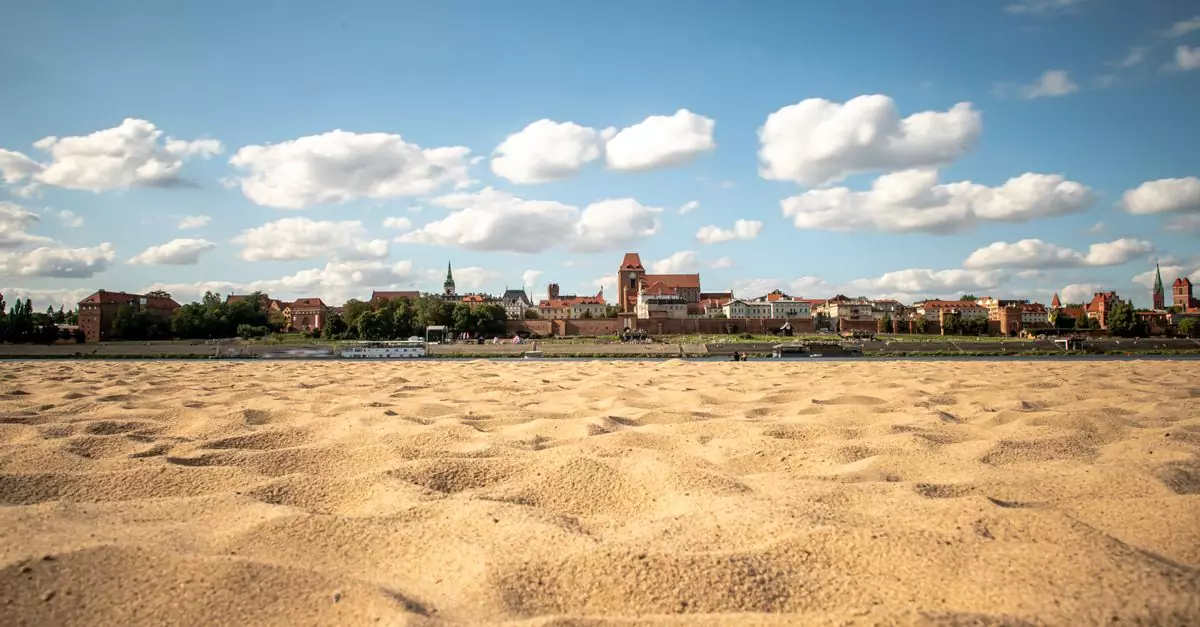
The Unbeatable Fusion of Ocean Breezes and Savory Flavors
South America boasts a unique culinary landscape where the waves meet the vibrant pulse of local gastronomy. The continent’s coastlines, from the Pacific to the Atlantic, provide a wealth of fresh seafood, forming the backbone of many regional dishes. This constant supply of pristine ingredients, combined with centuries of culinary tradition and diverse cultural influences, creates an unparalleled dining experience. Imagine savoring freshly grilled fish with a squeeze of lime, the salty air enhancing every bite. This sensory blend of sea, sun, and spice is a hallmark of the best beach food towns across South America.
From Ceviche to Moqueca: A Taste of Coastal Diversity
The variety of seafood preparations along South America’s shores is astounding. Peru, for instance, is renowned for its ceviche, a dish of raw fish cured in citrus juices, often enhanced with chili peppers and onions. Moving eastward, Brazil boasts moqueca, a fragrant seafood stew made with coconut milk, dendê oil, and various fish and shellfish. Each coastal nation, and often each region within those nations, presents its own distinct take on seafood, reflecting local ingredients and historical exchanges. This diversity ensures that any culinary journey along the coast will be a continuous discovery of new tastes and textures.
Exploring the Best Beach Food Towns for Every Palate
Finding the best beach food towns in South America means catering to a wide spectrum of preferences, from adventurous eaters to those seeking comforting flavors with a coastal twist. Whether your ideal meal involves delicate raw preparations, hearty stews, or simply grilled catches, there’s a destination waiting to be discovered. Look for towns where fishing remains a central part of the local economy, as this often correlates with the freshest and most authentic culinary offerings. Travelers can explore vibrant markets overflowing with the day’s catch and unassuming eateries serving generations-old recipes.
The choices for a beach food adventure are vast, spanning the continent’s diverse coastlines. For those drawn to the Pacific’s bounty, destinations in Peru and Ecuador offer exceptional seafood experiences. On the Atlantic side, Brazil and Colombia present unique flavors influenced by different cultures and marine ecosystems.
Here’s a quick look at how some regions compare for a beach foodie trip:
| Destination Type | Seafood Focus | Key Dishes | Atmosphere | Budget Range |
|---|---|---|---|---|
| Peruvian Coast | Ceviche, Tiradito | Fresh, zesty, diverse | Lively, cultural | Moderate to High |
| Brazilian Coast | Moqueca, Grilled Fish | Rich, coconut-infused | Relaxed, festive | Moderate |
| Colombian Coast | Coconut Rice, Fried Fish | Savory, tropical | Laid-back, vibrant | Low to Moderate |
When planning your trip, consider the seasonality of certain seafood. Peak fishing seasons can vary, impacting availability and price. Researching local fishing calendars can enhance your culinary journey. Transportation to these coastal towns often involves flights to major cities followed by bus or private transfers. Many towns are walkable, allowing easy access to markets and restaurants. Safety is generally good in established tourist areas, but standard precautions are advisable, especially in larger port cities. Accommodations range from simple guesthouses to boutique hotels, often with stunning ocean views.
Northern Brazil: The Seafood Symphony of Salvador and Beyond
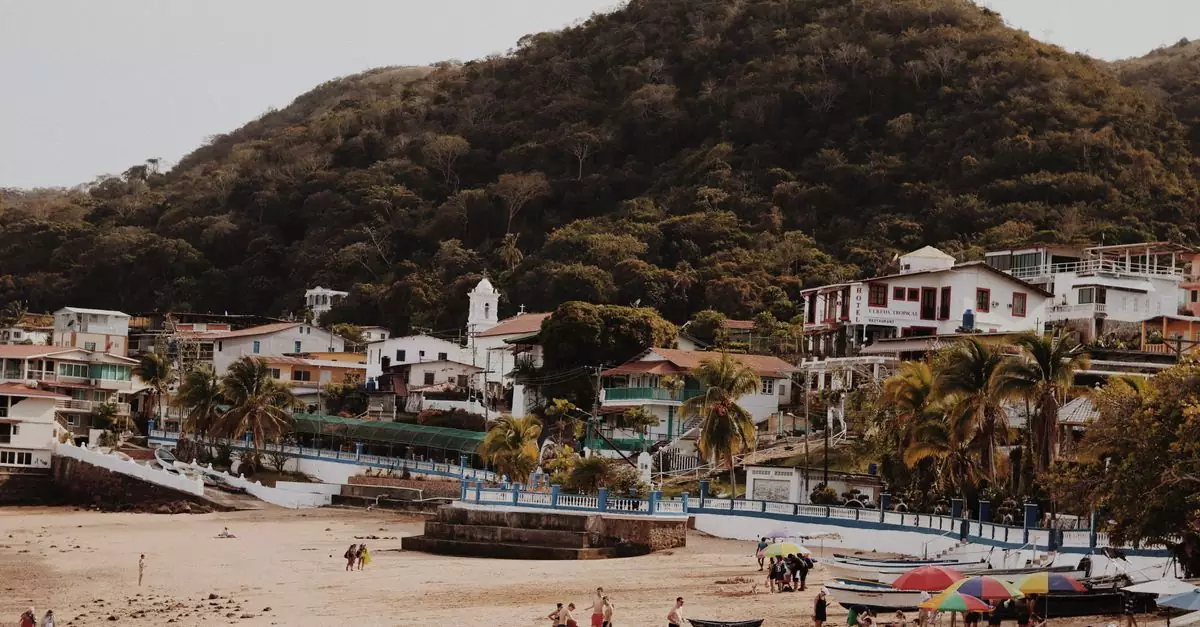
Northern Brazil’s coastline is a vibrant tapestry of flavors, where the Atlantic’s bounty meets a rich culinary heritage. This region offers some of the best beach food experiences in South America, blending fresh seafood with Afro-Brazilian influences. From bustling city beaches to remote fishing villages, travelers can embark on a gastronomic adventure that tantalizes the taste buds.
Salvador’s Pelourinho: A Culinary Hotspot for Acarajé and Seafood Moqueca
Salvador da Bahia, steeped in history and culture, is a must-visit for food lovers. The UNESCO World Heritage site of Pelourinho, with its colorful colonial architecture, is not just a feast for the eyes but also a hub for authentic Bahian cuisine. Here, street food reigns supreme, with acarajé being the star. These deep-fried black-eyed pea fritters, stuffed with spicy vatapá (a creamy paste of bread, shrimp, coconut milk, and peanuts) and caruru (okra stew), offer a sensory explosion. Look for the baianas de acarajé, women in traditional dresses, expertly preparing these delights.
Beyond street snacks, Salvador’s restaurants serve incredible seafood. The moqueca baiana, a rich seafood stew made with dendê oil, coconut milk, peppers, onions, and tomatoes, is a regional specialty. Often prepared with fresh fish, shrimp, or both, it’s served with rice and farofa (toasted cassava flour). For an authentic experience, seek out restaurants in the historic center or along the waterfront that prioritize fresh, locally sourced ingredients. Exploring Salvador’s culinary landscape is essential for understanding the region’s vibrant culture.
The Fresh Catches of Porto da Lua, Ilha dos Frades
A short boat trip from Salvador lies the tranquil Ilha dos Frades, home to the charming fishing village of Porto da Lua. This island paradise offers a laid-back approach to beachside dining, focusing on the day’s fresh catch. Life here moves at a slower pace, dictated by the tides and fishermen’s returns.
At Porto da Lua, you’ll find simple beachside eateries where the menu often depends on the morning’s catch. Imagine grilled fish, seasoned with local herbs, served with pirão (a thick porridge made from fish broth and cassava flour) or a refreshing salad. The clarity of the turquoise waters surrounding the island mirrors the purity of the flavors served. It’s a place to savor fresh seafood, unadorned and perfectly prepared. Getting to Ilha dos Frades typically involves a ferry or guided boat tour from Salvador, making it an accessible day trip or peaceful overnight stay.
Dining on the Dunes: Jericoacoara’s Unique Beachfront Eats
Further north along Brazil’s coast, the windswept dunes of Jericoacoara present a distinct culinary scene. This former fishing village, now a popular windsurfing and kitesurfing destination, has a bohemian vibe and surprisingly sophisticated food offerings, all set against a dramatic natural backdrop.
While Jeri is famous for its stunning sunsets viewed from the Duna do Pôr do Sol, its culinary offerings are equally memorable. Beachfront restaurants and kiosks line the main beach, serving a fusion of Brazilian and international flavors. Freshly grilled fish and shrimp are staples, often prepared with tropical fruits or local spices. Don’t miss the chance to try peixe na telha, fish cooked on a clay tile, a traditional method that locks in moisture and flavor. For a unique experience, many establishments offer dining directly on the sand, with tables set just steps from the ocean. The best time to visit Jericoacoara for optimal beach conditions and a lively atmosphere is generally from July to December, though it remains beautiful year-round. Transportation to Jericoacoara often involves a combination of bus and 4×4 transfer from Fortaleza, adding to the adventure of reaching this remote gem.
The Pacific Coast of Peru: Ceviche Capital and Coastal Delights
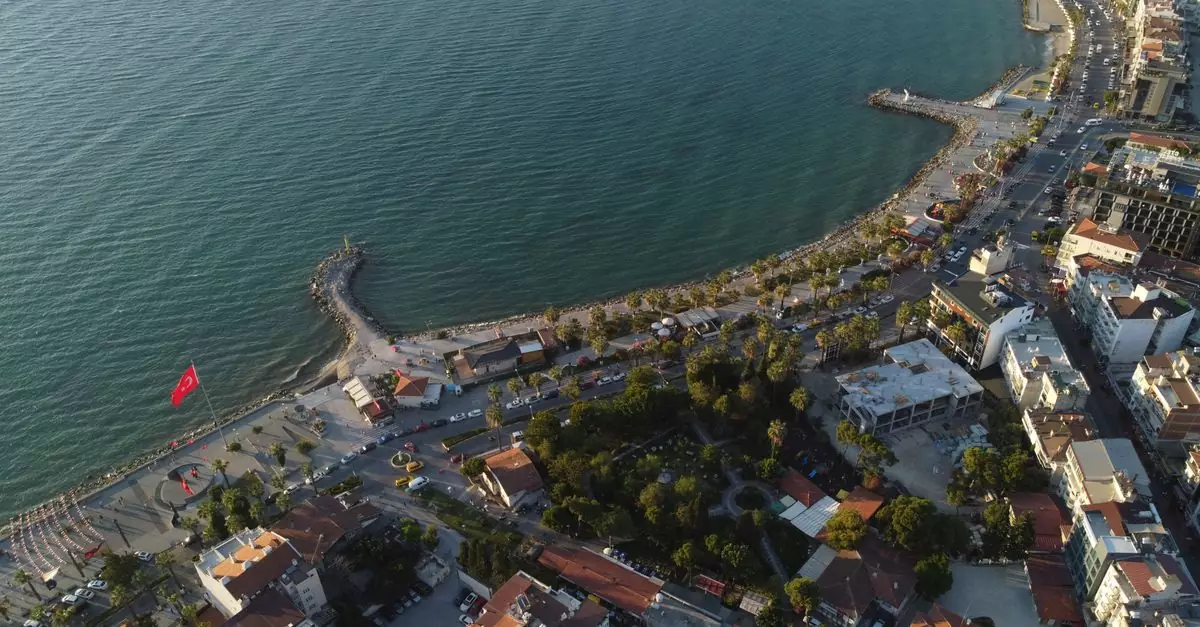
Peru’s extensive Pacific coastline offers a vibrant culinary scene, particularly for seafood lovers. From the bustling capital to quieter fishing villages, this region is a prime destination for those seeking the best beach food towns. The abundance of fresh catches, combined with centuries of culinary tradition, makes for an unforgettable gastronomic journey.
Lima’s Miraflores and Barranco: A Ceviche Lover’s Paradise
Lima, the capital of Peru, stands out as a world-renowned gastronomic hub, with its coastal districts, Miraflores and Barranco, at the forefront. Here, the iconic Peruvian ceviche reigns supreme. Prepared with freshly caught fish, lime juice, red onion, and aji peppers, it’s a dish that embodies ocean freshness. Beyond ceviche, you’ll find a variety of seafood preparations, from tiradito, a sashimi-like dish, to grilled octopus and sudado de mariscos, a flavorful seafood stew.
Getting around these districts is straightforward. Taxis and ride-sharing apps are readily available, making it easy to hop between restaurants and attractions. Many eateries in Miraflores offer ocean views, enhancing the dining experience. Barranco, known for its bohemian charm, features intimate restaurants and cevicherias tucked away on its colorful streets. Visiting during the dry season, from May to November, offers pleasant weather for exploration.
Exploring the Fresh Markets of Huanchaco for Traditional Tiradito
Further north, the ancient fishing town of Huanchaco, near Trujillo, provides a more laid-back approach to coastal cuisine. This UNESCO World Heritage site is famous for its caballitos de totora, traditional reed fishing boats used for over 3,000 years. Witnessing these boats return with their daily catch offers a direct connection to the source of the region’s freshest ingredients.
Huanchaco’s culinary highlight is its tiradito, a dish that showcases the delicate flavors of raw fish. Unlike ceviche, tiradito is typically served with a sauce on the side, allowing diners to control the intensity of flavor, often featuring creamy aji amarillo or spicy rocoto pepper sauces. Local markets are the best places to sample these dishes, offering an authentic taste of Peruvian coastal life. The proximity to Trujillo provides good transportation links, and the town itself is easily navigable on foot.
Máncora: Casual Beachfront Dining and Pisco Sours
Máncora, on Peru’s northern coast, is a popular beach destination known for its laid-back atmosphere and vibrant nightlife. While it attracts surfers and sun-seekers, it also boasts a thriving food scene centered around fresh seafood. The beachfront restaurants here offer a casual dining experience, where you can enjoy grilled fish, shrimp skewers, and hearty seafood arroz con mariscos (seafood rice) with your feet practically in the sand.
Evenings in Máncora are best spent savoring a classic Peruvian Pisco Sour, the national cocktail, as the sun sets over the Pacific. The town is accessible by bus from major cities like Lima or Piura. Accommodation ranges from budget hostels to boutique hotels, catering to various traveler preferences. While Máncora is lively, exercising standard travel precautions is advisable. The culinary offerings here are unpretentious and delicious, making it a true gem among South America’s beach food towns.
Colombia’s Caribbean Gems: Cartagena and the Taste of the Sea
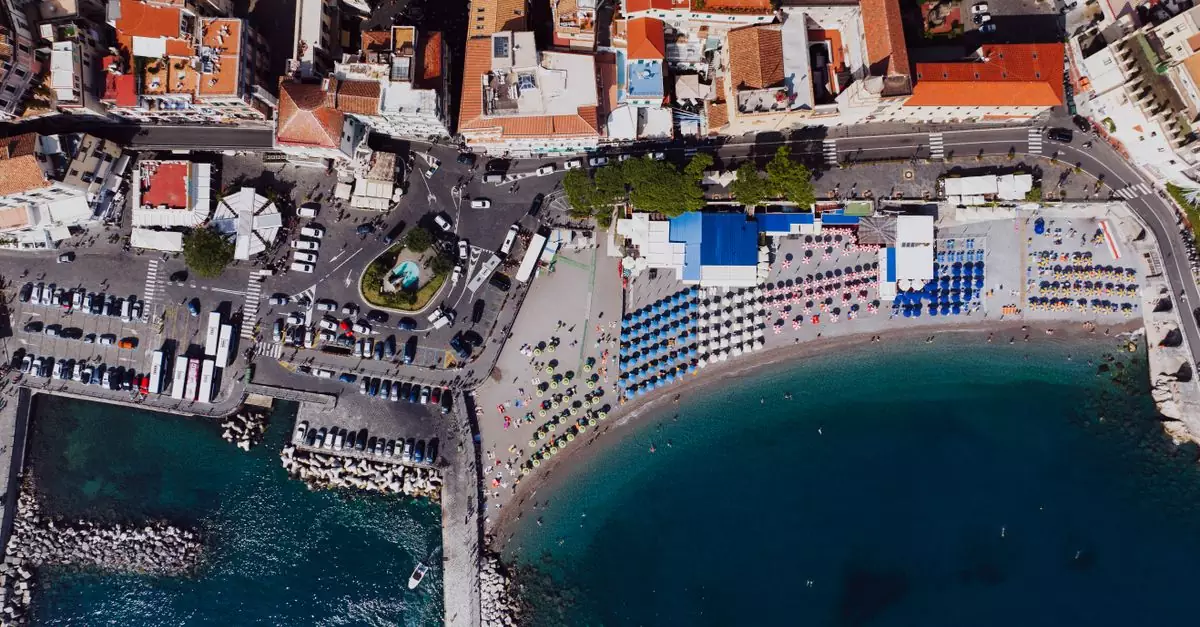
Colombia’s Caribbean coast offers a vibrant tapestry of flavors, where fresh seafood meets rich cultural influences. The best beach food towns here are characterized by lively atmospheres and an abundance of ocean-to-table delights. From the historic streets of Cartagena to the tranquil islands nearby, this region promises a culinary adventure for every traveler.
Cartagena’s Walled City: From Arepas to Grilled Fish in Getsemaní
Cartagena’s historic Walled City and the adjacent Getsemaní neighborhood are not just visual feasts; they are also culinary hotspots. Within these colorful colonial streets, you can find everything from satisfying street food to sophisticated seafood dishes. Don’t miss trying arepas con huevo, a fried corn cake stuffed with egg, often found at bustling street stalls. For a more substantial meal, seek out restaurants serving pescado frito (fried fish), typically a whole snapper or sea bass, seasoned and fried to crispy perfection. Many establishments in Getsemaní offer an authentic taste of local life, with fresh catches grilled to order.
When visiting, consider the shoulder seasons like April-May or September-October for fewer crowds and pleasant weather. Transportation within the walled city is best done on foot, allowing you to stumble upon hidden culinary gems.
The Island Flavors of the Rosario Islands: Fresh Lobster and Coconut Rice
A short boat trip from Cartagena lies the Rosario Islands, an archipelago offering pristine beaches and unparalleled seafood experiences. Here, the focus is on hyper-local ingredients, with lobster being a star attraction. Many small island restaurants and beachside shacks serve freshly caught lobster, often grilled and served with simple sides.
A classic accompaniment is arroz con coco (coconut rice), a subtly sweet and fragrant dish that perfectly complements the savory seafood. The journey to the islands is part of the experience, with various boat tours and private transfers available. Day trips are popular, allowing ample time for swimming, snorkeling, and indulging in the local cuisine.
For an authentic island dining experience, look for places that prepare their seafood on-site. Many vendors will even show you the day’s catch before preparing it. This direct connection to the source ensures maximum freshness and flavor.
Santa Marta’s Beachfront Cafes: Simple, Fresh Seafood Delights
Further east along the coast, Santa Marta and its surrounding beaches, such as El Rodadero and Taganga, present a more laid-back approach to coastal dining. Beachfront cafes and restaurants here pride themselves on serving uncomplicated, delicious seafood. Think ceviche made with the day’s catch, grilled corvina (sea bass), or hearty seafood stews.
The vibe in Santa Marta is generally more relaxed than in Cartagena, making it a great spot for unwinding with a meal after a day at the beach. Many eateries are casual, with tables set directly on the sand, offering an immersive beach dining experience.
When planning your visit, keep in mind that Santa Marta can be quite hot year-round, so hydrating and seeking shade during midday meals is advisable. Local buses and taxis are readily available for getting between Santa Marta and its nearby beach towns. For those interested in exploring further, the nearby Tayrona National Natural Park offers stunning natural beauty alongside simple, fresh food options.
Argentina and Uruguay: A Different Coastal Culinary Experience
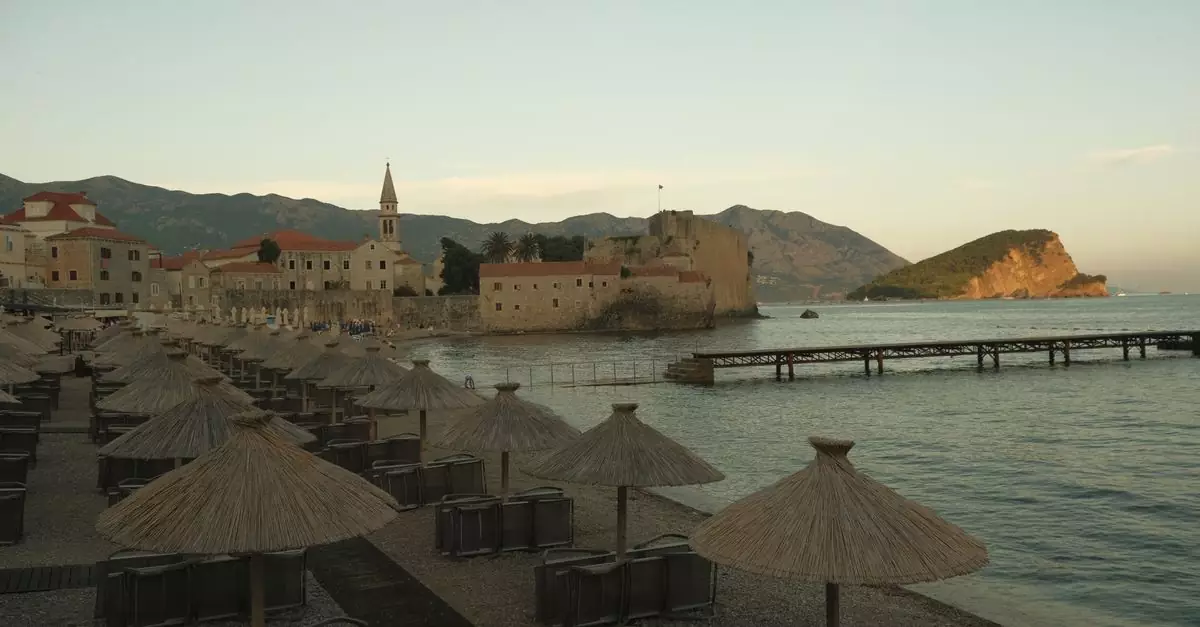
While many associate South America’s best beach food towns with tropical flavors, the Atlantic coastlines of Argentina and Uruguay offer a distinct, European-influenced culinary landscape. Here, hearty seafood, grilled meats, and robust wines take center stage, providing a satisfying counterpoint to the sun and surf.
Mar del Plata’s Seafood Traditions: Merluza Negra and Rabas
Mar del Plata, Argentina’s most famous seaside resort, boasts a rich history of seafood consumption. The city’s bustling port ensures a constant supply of fresh catches, with merluza negra (black hake) often being the star. This firm, white fish is prepared in various ways, from simple grilled preparations to more elaborate stews. Another ubiquitous dish is rabas, fried squid rings similar to calamari, served in nearly every beachfront parrilla (grill house) and restaurant, often with a squeeze of lemon and a side of mayonnaise or aioli.
Beyond the well-known, keep an eye out for brotola, a delicate white fish, and corvina, a flavorful sea bass. For a truly local experience, seek out chupín de pescado, a rich fish stew typically made with hake and vegetables. The dining scene here ranges from casual beachside kiosks offering quick bites to elegant restaurants overlooking the ocean. Visiting during the summer months, from December to February, offers the liveliest atmosphere and the freshest seafood.
Punta del Este’s Chic Dining Scene: Grilled Fish and Local Wines
Punta del Este, Uruguay’s glamorous coastal playground, presents a more sophisticated take on beachside dining. While rabas are still a popular appetizer, the emphasis shifts towards elegantly prepared grilled fish and seafood platters. Think fresh corvina, pescadilla (whiting), and brotola cooked to perfection, often seasoned simply with olive oil, garlic, and herbs to let the natural flavors shine. Many upscale restaurants in Punta del Este feature open-fire grills, imparting a delicious smoky char to the seafood.
The region’s burgeoning wine industry also plays a significant role. Uruguay is renowned for its Tannat grape, a full-bodied red wine that pairs surprisingly well with grilled fish, especially heartier varieties. White wines, such as Albariño, offer a refreshing accompaniment to lighter seafood dishes. Dining in Punta del Este can be pricey, particularly during peak season (December to March), but the quality of ingredients and stunning ocean views often justify the expense. Consider exploring restaurants in quieter neighborhoods away from the main tourist hubs for potentially better value and a more authentic experience.
Exploring the Less-Traveled Beaches for Authentic Bites
Venture beyond the main tourist centers of Mar del Plata and Punta del Este to discover the true heart of coastal Argentinian and Uruguayan cuisine. Smaller towns and less-developed beaches often hide culinary gems where local fishermen bring in their daily catch. In Argentina, look for towns along the Ruta Provincial 11 or explore the Costa Atlántica further south. In Uruguay, consider towns like La Paloma or Cabo Polonio for a more rustic and authentic seafood experience.
These less-trafficked areas are where you’re more likely to find family-run establishments serving traditional dishes passed down through generations. Expect simple, unfussy preparations that highlight the freshness of the ingredients. Grilled fish, often whole and served with a side of salad or potatoes, is a common and delicious option. Don’t hesitate to ask locals for recommendations; they’ll often point you towards the best parrillas or small eateries where the food is honest and flavorful. This approach not only offers a more authentic taste of the region but also provides a more budget-friendly dining experience compared to established resorts. For travelers interested in exploring more of South America, these coastal regions offer a unique culinary adventure.
Frequently Asked Questions About South America’s Beach Food Towns
What is the best time of year to visit South America’s beach food towns?
The ideal time to visit South America’s coastal culinary hotspots depends heavily on the specific region. Generally, the shoulder seasons – spring (September to November) and autumn (March to May) – offer a sweet spot with pleasant weather and fewer crowds. This timing avoids peak summer heat and rainy seasons that can affect certain coastlines. For instance, the northern coasts of Brazil are warm year-round, while destinations further south, like parts of Peru or Chile, benefit from warmer months between December and February.
What are the must-try local dishes in each region?
Each coastal area boasts unique flavors. In Brazil, expect vibrant moqueca (seafood stew) and acarajé (black-eyed pea fritters) in Salvador, or fresh grilled fish in beachside barracas along the Northeast. Peru’s coast is renowned for ceviche, tiradito (a Peruvian sashimi), and causa (potato terrine), especially in Lima or further north in Trujillo. In Ecuador, encebollado (fish soup) is a breakfast staple, while Colombia’s Caribbean coast offers fresh fried fish with coconut rice and patacones (fried plantains).
How can I travel between these coastal destinations affordably?
Traveling between these coastal destinations affordably often involves a mix of buses and budget flights. Long-distance buses are a common and economical way to traverse coastlines within a single country, though journeys can be lengthy. For longer distances between countries, look for deals on regional airlines. For example, flying between Lima and Santiago might be more efficient than a multi-day bus trip. Researching bus companies like Cruz del Sur (for Peru) or looking for flight sales on sites like Skyscanner can help manage costs.
Are there any specific dietary considerations for beach food in South America?
Many beachside offerings focus on fresh seafood, which is a significant consideration for those with shellfish allergies or dietary restrictions. While vegetarian options are increasingly available, they might not always be the most prominent dishes at traditional beach eateries. It’s wise to learn a few key phrases in the local language to inquire about ingredients. For instance, asking “Sin mariscos, por favor” (No seafood, please) in Spanish or “Sem frutos do mar, por favor” (No seafood, please) in Portuguese can be very helpful. Always communicate any severe allergies clearly.