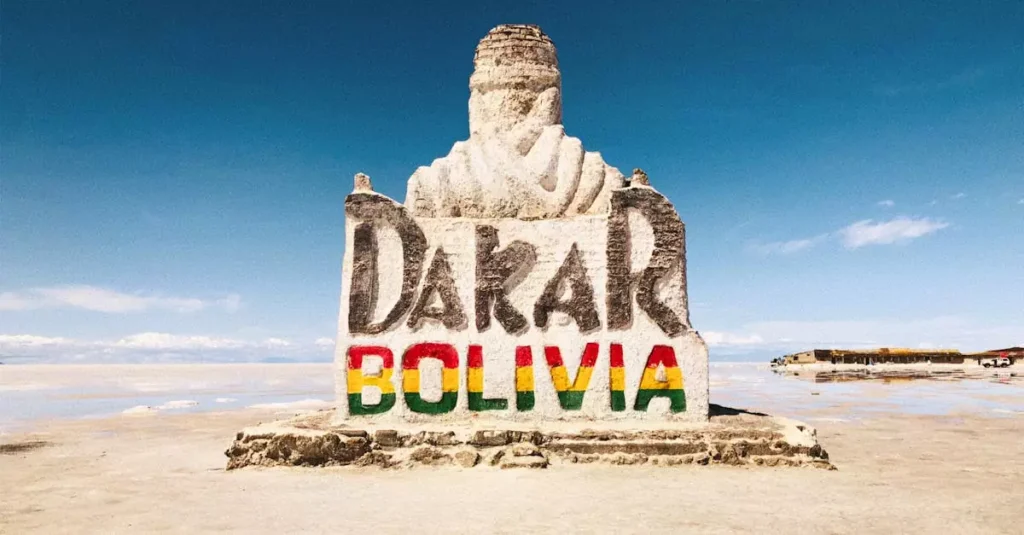
Bolivia’s Salar de Uyuni stands as one of Earth’s most otherworldly destinations. The endless expanse of white salt and perfectly mirrored reflections have captivated travelers from every corner of the globe. Yet for many, the prospect of affording such an adventure feels impossibly out of reach.
The good news? You can witness this natural marvel without emptying your wallet. Travel experts and local guides have shared their best uyuni cost saving tips, and the strategies are surprisingly straightforward. It all comes down to smart planning and making intentional choices about where your money goes. You’ll still experience every bit of Uyuni’s magic.
From selecting the right tour operator to finding where locals actually eat, this guide walks you through everything that impacts your budget. Tours, transportation, accommodation, foodwe’ve covered it all. What awaits you is a breathtaking journey through one of the world’s most surreal landscapes, planned and executed without financial stress.
Planning Your Uyuni Trip on a Budget
The foundation of any affordable trip is built before you even arrive. Your decisions during the planning phase ripple through every aspect of your experience and directly affect your bottom line. When you visit matters tremendously. How you book your accommodations and tours matters equally.
April through November represents Uyuni’s low season, and this timing brings real advantages. Tour prices drop noticeably, hotels have more availability, and you’ll encounter fewer crowds competing for resources. Book your major tours well ahead of timethis secures your spot and often unlocks better rates. Spend time comparing different operators online, reading reviews from actual travelers, and assessing their safety records alongside their prices. The absolute cheapest option isn’t always the wisest choice.
Group tours divide expenses across multiple travelers, making them substantially more economical than private alternatives. You’ll also meet fellow adventurers, which adds its own value to the experience. Flexibility with your travel dates creates significant savings opportunities. Peak holiday seasons send prices climbing across accommodations, tours, and transport. Research flights and bus fares weeks in advanceearly bookings frequently come with meaningful discounts. Before committing to any tour package, dig into what’s actually included. Some budget operators exclude critical items like park entrance fees or meals, which can add $20-30 or more to your final cost. A few hours of research prevents nasty surprises. For broader insights on timing your travels strategically, our guide on the best time to visit various destinations offers additional context.
Smart Accommodation Choices for Uyuni Cost Saving Tips
Where you lay your head each night significantly impacts your budget. Uyuni presents a spectrum of lodging options, each with its own price point and comfort level. The goal is finding that sweet spota safe, clean place that doesn’t drain your funds.
Hostels dominate the budget traveler’s landscape here. Dormitory beds typically run $7-15 per night, while private rooms hover between $20-40. Both options beat standard hotel rates by a considerable margin. Guesthouses and family-run accommodations often deliver more authentic local experiences while keeping costs down. Locations slightly removed from the town center sometimes offer lower rates, though you’ll want to verify they’re still convenient for tour pickups. Some travelers venture into nearby villages seeking additional savings, but factor in extra transport costs and travel timethese often negate any financial advantage. Staying in Uyuni proper remains the most practical choice for most visitors.
Multi-day tours typically bundle accommodation into their package price. This means basic salt hotels or refuges during your journey aren’t an additional expense. What you do need to budget for are the nights before and after your tour. Booking these strategically contributes meaningfully to your uyuni cost saving tips. Comparison websites help you evaluate options, but don’t overlook direct inquiries with smaller guesthousesthey sometimes offer better rates than online platforms. Ask about discounts for extended stays. These small negotiations accumulate into real savings that enhance your overall experience.

Navigating Transport: How to Save on Getting to and Around Uyuni
Reaching Uyuni and moving around once you’re there represents a substantial portion of most budgets. Your transport choices dramatically influence your overall spending. Most travelers arrive via bus from other Bolivian citiesLa Paz, Sucre, and Potos are the primary gateways. Overnight buses offer the best value, saving you both money and an accommodation night. Expect to pay $15-30 from La Paz (10-12 hours) or $10-20 from Potos (6-7 hours). Book your ticket a day or two ahead to guarantee availability, especially during busier periods.
Flights from La Paz exist but cost significantly moretypically $80-150 or higher. They save time, not money, making them suitable only for those with limited days and higher budgets. Within Uyuni town itself, walking suffices for most needs. The settlement is compact and navigable on foot. Taxis handle short distances affordably, though always agree on fares beforehand to avoid disputes. Tour companies handle transport during your actual tour, eliminating additional costs during those days.
If you’re arriving from Chile or Argentina, cross-border bus routes often prove cheaper than flying into Bolivia separately. Many travelers combine a Uyuni tour with a border crossingstarting in San Pedro de Atacama, Chile, and finishing in Uyuni, or vice versa. This approach consolidates travel costs efficiently. Vet these cross-border tours carefully, prioritizing reputation and safety. The journey through the high-altitude desert delivers stunning scenery alongside practical budget management. For geographical context about the region, Wikipedia’s Salar de Uyuni page provides comprehensive background information.
Essential Uyuni Tour Options: A Cost Comparison
Exploring the salt flats requires an organized tourthere’s simply no practical alternative. Your choice between 1-day, 2-day, or 3-day options significantly affects both cost and what you experience. Most travelers select the 3-day, 2-night option for its comprehensive scope. You’ll see the salt flats, colored lagoons, and desert landscapes in their full glory. The 1-day tour focuses primarily on the salt flats themselves, suitable for those with minimal time or budget, though it sacrifices much of what makes the region extraordinary.
Pricing varies considerably among operators. Expect $150-250 for a 3-day tour, typically including transport, driver-guide, basic lodging, and meals. A 1-day tour runs $30-70, usually with transport and sometimes lunch. Always verify what’s included before booking. National park entrance fees sometimes aren’t covered and can add $20-30 to your total. Bargaining is often possible, particularly with group bookings, but don’t sacrifice safety and reputation for rock-bottom prices. A moderately more expensive tour from a trusted operator frequently delivers better value.
Here’s how the main tour options stack up:
| Tour Type | Typical Price Range (USD) | Key Inclusions | Main Highlights |
|---|---|---|---|
| 1-Day Salt Flats Tour | $30 – $70 | Transport, driver-guide, sometimes lunch | Train Cemetery, Colchani, Incahuasi Island, sunset on salt flats |
| 3-Day, 2-Night Tour | $150 – $250 | Transport, driver-guide, basic accommodation, meals | All 1-day highlights plus colored lagoons, geysers, hot springs, desert landscapes |
Pros and Cons of Tour Options
1-Day Tour Pros: Lower cost, minimal time commitment, suits tight schedules, and you still witness the iconic salt flats. Cons: You miss the stunning lagoons and broader desert scenery. The pace feels rushed, and you don’t experience the region’s full diversity.
3-Day Tour Pros: Comprehensive exploration covering all major attractions, includes accommodation and most meals, allows deeper landscape immersion, and offers superior photography opportunities. Cons: Higher expense, requires more time away, basic accommodations can challenge some travelers, and you spend considerable time in a jeep.
Food and Drink: Eating Well Without Breaking the Bank
Daily meals accumulate quickly when traveling. Uyuni provides genuine opportunities to eat well affordably. Local markets offer fresh fruits, vegetables, and snacks at remarkably low pricesperfect for lunch provisions or supplementing tour meals. Small local eateries called ‘comedores’ serve traditional Bolivian dishes that are both hearty and inexpensive. A full ‘Menu del Da’ (daily special) typically costs $3-6 and includes soup, a main course, and a beverage.
Street vendors selling empanadas, salteas, and regional snacks provide tasty, incredibly cheap options. Watch for vendors with steady local traffic and clean operationsthis usually signals fresh food. Multi-day tours include meals, though they’re basic and filling. Bring supplementary snacks from town for between-meal hunger or dietary preferences. Water becomes expensive in remote areas, so fill bottles before departing. Stock up thoroughly.
If your accommodation offers kitchen access, cooking some meals represents one of the smartest uyuni budget tips available. Market groceries and self-prepared food cost far less than eating out while giving you dietary control. Uyuni’s high altitude demands serious hydration. Carry sufficient water and refill whenever possible rather than purchasing expensive bottled beverages at tourist stops. Thoughtful food and drink decisions create meaningful savings while allowing you to taste authentic local flavors. Our comprehensive travel budget guide provides additional expense management strategies.
Packing Smart and Avoiding Hidden Costs
Strategic packing extends beyond fitting everything into your backpack. It’s about preparing for Uyuni’s unique conditions to sidestep unexpected expenses. The salt flats sit above 3,600 meters (12,000 feet), where temperatures plummet dramatically after dark. Warm layers, a quality jacket, hat, and gloves are non-negotiable. Sun protection matters equallysunglasses, sunscreen, and SPF lip balm shield against intense salt reflection. Buying these locally costs considerably more than bringing them from home.
Renting specialized gear like sleeping bags, warm jackets, or trekking poles is an option, though costs accumulate quickly. Purchasing items at home typically proves cheaper. Always compare rental rates against home purchase prices beforehand. A dependable sleeping bag is essential for multi-day toursbasic accommodations get genuinely cold. Your own ensures both comfort and cleanliness. A power bank becomes invaluable when charging opportunities are scarce during tours.
Altitude sickness poses real risks in Uyuni, and preventing it saves both money and trip disruption. Drink copiously, avoid alcohol and heavy meals upon arrival, and discuss altitude medication with your doctor. Coca leaves and mate de cocalocal natural remedieshelp manage symptoms affordably. Travel insurance deserves serious consideration for remote area exploration. Ensure your policy covers high-altitude activities and emergency evacuation. This modest upfront cost shields you from potentially devastating expenses. Unexpected medical emergencies or lost luggage without insurance can devastate your finances. Preparation protects both your budget and your peace of mind.
Practical Tips for Maximizing Your Uyuni Budget
Beyond major expenses, countless small decisions compound into substantial savings. These practical uyuni budget tips ensure maximum value from every dollar spent. Approach your trip with flexibilityit allows you to adapt to local conditions and capitalize on unexpected opportunities.
- Use Local Currency: Always transact in Bolivian Bolivianos (BOB). Exchange rates offered by shops or tour operators for USD often disadvantage you.
- Carry Small Bills: Market vendors and small businesses frequently lack change for large denominations. Small bills streamline transactions.
- Bargain Respectfully: Bargaining is culturally normal in markets and with some tour operators. Approach it with friendliness and courtesy.
- Buy Snacks in Uyuni Town: Stock water, cookies, and other provisions before your tour departs. Remote area prices spike dramatically.
- Bring Your Own Toiletries: Tours rarely provide adequate soap, shampoo, or toilet paper. Pack your preferences.
- Consider a Shared Taxi: When traveling between towns or to the bus station, seek shared taxis instead of private ones.
- Limit Souvenir Shopping: Souvenirs tempt, but set a budget beforehand. Prioritize experiences over possessions.
- Check for Student Discounts: Bring your student ID. Some attractions and transport offer reductions for verified students.
- Learn Basic Spanish Phrases: Spanish communication helps negotiate better prices and deepens cultural understanding.
- Be Aware of ATM Fees: Withdraw larger amounts less frequently to minimize transaction charges. Confirm your bank’s international fees beforehand.
FAQs: Your Top Questions on Uyuni Budget Travel Answered
Is Uyuni an expensive destination to visit?
Uyuni becomes quite affordable with thoughtful planning. While tours represent a major expense, daily living costs remain relatively modest. Strategic accommodation and food choices allow solid budget management.
How much cash should I bring to Uyuni?
Bring sufficient cash for your remaining tour balance, park fees, and personal expenses. ATMs exist but prove unreliable. Budget roughly $100-200 USD equivalent in Bolivian Bolivianos for a 3-day tour, excluding your tour’s primary payment.
Can I do the Uyuni Salt Flats independently without a tour?
Independent exploration isn’t recommended or practical. The terrain is vast, remote, and demands experienced drivers with specialized vehicles. Organized tours are essential for both safety and access.
What is typically included in a standard Uyuni tour price?
Standard multi-day tours include 4×4 transport, Spanish-speaking driver-guide, basic accommodation, and meals. Always confirm what’s included and excluded, such as national park entrance fees or English-speaking guides.
Is it safe to travel to Uyuni on a tight budget?
Budget travel to Uyuni is generally safe. Work with reputable tour operators, watch your belongings, and follow standard travel precautions. Always prioritize safety over the absolute lowest price.
Conclusion: Embark on Your Affordable Uyuni Adventure
The Uyuni Salt Flats represent a once-in-a-lifetime experience that doesn’t require unlimited funds. By applying these expert uyuni cost saving tips, you can witness its wonders affordably. Smart planning, informed decisions, and a flexible mindset are your greatest assets. Your dream trip is entirely achievable.
Book strategically, choose budget-conscious accommodation, and manage transport costs carefully. Eat where locals eat and pack thoughtfully to avoid unnecessary expenses. Embrace both the adventure and the unique challenges of high-altitude exploration. These deliberate choices generate real savings.
You now possess the knowledge to plan an incredible, cost-effective journey. Head out and discover the mesmerizing landscapes of Uyuni. Savor every moment, confident in your smart financial decisions. Your unforgettable Bolivian adventure awaits!