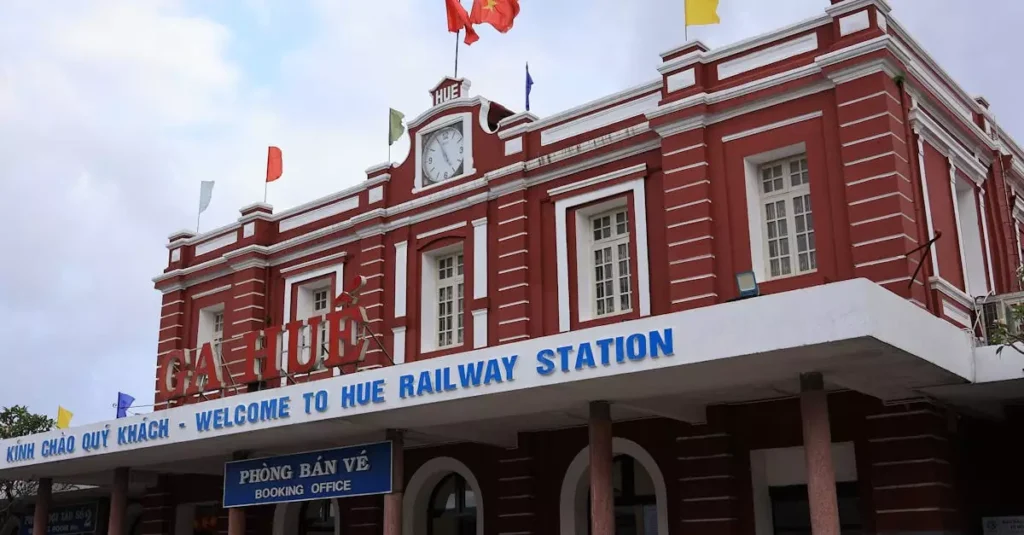
Vietnam is a land full of captivating adventures for every kind of traveler. From the lively streets of Hanoi to the tranquil waters of the Mekong Delta, the country enchants visitors with its deep history and breathtaking scenery. Experiencing Vietnam by train is among the most genuine ways to explore, offering a window into everyday life as it unfolds outside.
When planning your trip, understanding the vietnam train travel cost plays a crucial role in budgeting effectively. This breakdown explores the various expenses involved, highlighting the factors that influence ticket prices, so you can make well-informed travel choices.
You’ll find insights into the different train classes, popular routes, and practical advice for saving money. The goal is to give a thorough overview so you know what to expect and can enjoy a seamless and memorable journey through Vietnams rail network.
Why Choose Train Travel in Vietnam?
Taking the train in Vietnam is about more than just getting from one place to anotherits an experience that immerses you in the countrys rich and varied landscapes. As the train moves along, youll pass by lush rice terraces, coastal stretches, and quaint rural communities, bringing the scenery to life in a way flying simply cannot.
The rail lines connect major hubs such as Hanoi, Hue, Da Nang, and Ho Chi Minh City, making it straightforward to travel the length of Vietnam. The train also opens doors to genuine encounters with locals and fellow travelers, fostering a sense of community and shared adventure. The unhurried pace lets you truly absorb the atmosphere, offering a more authentic journey than other modes of transport.
In addition, trains are generally reliable, safe, and comfortable. For overnight trips, sleeper cabins allow you to rest well and arrive refreshed, saving valuable daylight hours for sightseeing. Choosing the train adds a distinctive and enjoyable chapter to your Vietnam exploration, making it a favored option among many travelers.
Understanding Vietnam Train Travel Cost
The vietnam train travel cost can vary widely depending on a few key factors. The length of the journey is the most obviouslonger routes like the entire North-South line naturally come with higher prices, while shorter regional trips are easier on the wallet. Another major influence is the class of service, ranging from simple hard seats to plush soft sleeper cabins, each with its own pricing.
Travel dates also matter. During peak seasons such as summer or holiday periods, prices tend to rise. Booking ahead often secures better deals, whereas last-minute tickets, especially on popular routes, may be pricier. Additionally, the type of train makes a difference; private tourist trains with enhanced amenities usually charge a premium over standard national railway services. Knowing these elements helps you plan your expenses more accurately.
To illustrate, a trip from Hanoi to Ho Chi Minh City can cost anywhere from $40 for a hard seat to over $100 for a soft sleeper. This broad range underscores the importance of selecting an option that balances comfort with budget. Thoughtful planning is key to managing your vietnam train travel cost effectively.
Popular Train Routes and Their Costs
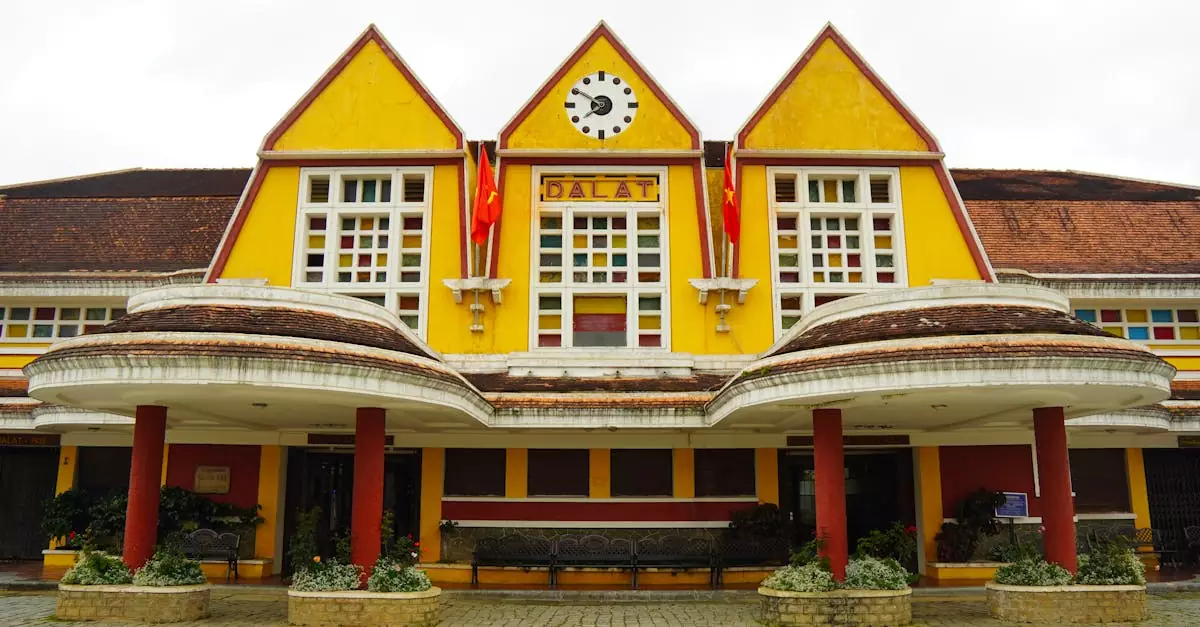
Vietnam features several well-known train routes, each showcasing unique landscapes and experiences. The most iconic is the ‘Reunification Express,’ which spans over 1,700 kilometers from Hanoi to Ho Chi Minh City. This journey takes about 30 to 35 hours, with vietnam train ticket price for a soft sleeper ranging between $80 and $120, while hard seats are typically $40 to $60, depending on the train and booking time. Traveling this route lets you witness the full spectrum of Vietnams diverse regions.
Shorter routes also draw many visitors. The overnight train from Hanoi to Sapa (Lao Cai) takes roughly 8 to 10 hours and leads to stunning mountainous terrain. Tourist trains like Victoria Express and Sapaly Express provide comfortable sleeper cabins priced between $35 and $70, while standard soft sleepers range from $25 to $45. Another favorite, the scenic coastal segment from Hue to Da Nang, takes just 2 to 3 hours. Tickets are quite affordable here, usually between $5 and $15 for a soft seat. Timing your visit well can affect availability and pricing; check the best time to visit for insights.
Other noteworthy trips include Hanoi to Hue, lasting about 12 to 14 hours, and Da Nang to Nha Trang, around 9 to 11 hours. Soft sleeper fares for Hanoi to Hue generally fall within $30 to $60, while Da Nang to Nha Trang tickets cost $25 to $50. These examples reflect the varied vietnam train travel cost across different journeys, each offering its own charm depending on your schedule and budget.
A Closer Look at Train Classes and Fares
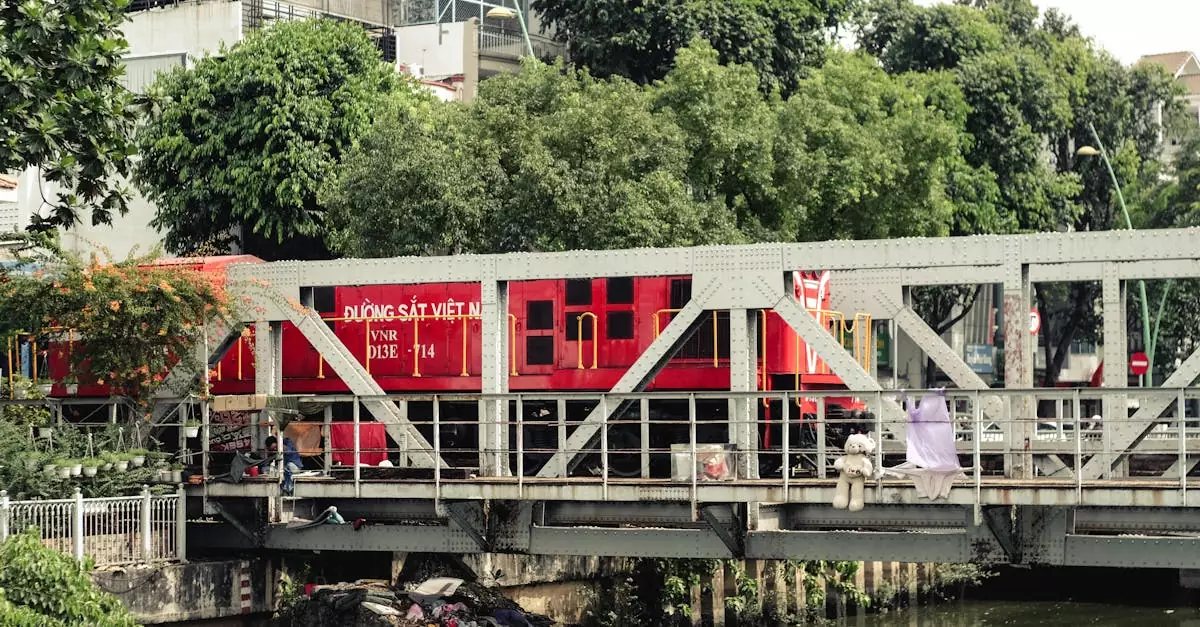
Vietnams trains cater to a range of preferences and budgets through multiple class options, making it easier to control your vietnam train travel cost. At the most economical end are Hard Seats, which are simple wooden or hard plastic benches. These seats are often crowded and best for short trips. They represent the lowest vietnam train ticket price and are suited to budget-conscious travelers or daytime journeys.
Soft Seats are a step up, offering padded, reclining chairs that provide greater comfort for trips lasting around 6 to 8 hours. Though priced modestly higher than hard seats, they remain affordable. For overnight travel, sleeper options are preferable. Hard Sleeper cabins typically feature six berths arranged across three bunks on each side, with firm beds that allow you to lie down. This class strikes a balance between cost and comfort on longer routes.
The Soft Sleeper class is the most comfortable, with cabins usually consisting of four berths featuring softer beds and more space. This option provides the best rest and commands the highest vietnam train ticket price. For those seeking luxury, some routes offer private tourist trains with VIP two-berth cabins equipped with hotel-like conveniences, though these come at a premium. Your choice should reflect your journey length and personal comfort needs.
Comparing Train Travel with Other Transport Options
Traveling around Vietnam offers several ways to get from place to place, each with pros and cons. Weighing these options helps match your budget and itinerary. Train travel blends a unique combination of experience, comfort, and cost. It tends to be more comfortable than long-distance buses and often less expensive than flying, especially for medium distances. The scenic views from trains are unmatched. Buses, while cheaper, can involve cramped conditions and rough roads. Flights are the fastest but lack the immersive ground-level perspective and require additional time for airport procedures.
Heres a snapshot comparing costs and travel times for a long haul like Hanoi to Ho Chi Minh City:
| Transport Type | Approx. Cost (USD) | Approx. Time | Comfort Level |
|---|---|---|---|
| Train (Soft Sleeper) | $80 – $120 | 30 – 35 hours | High |
| Bus (Sleeper) | $30 – $50 | 35 – 40 hours | Medium |
| Flight | $50 – $150+ | 2 – 3 hours (flight time) | High (but less scenic) |
Although flying shortens travel time significantly, the vietnam train travel cost often suits travelers better, especially when valuing the journey itself. Trains allow you to absorb more of the countrys character. For further information on Vietnams geography and transport systems, check out Wikipedia’s page on Vietnam.
Pros and Cons of Vietnam Train Travel
Weighing the advantages and disadvantages of train travel in Vietnam can guide your decision. On the plus side, trains offer extraordinary views of Vietnams varied environments, creating lasting impressions. This mode of transport also immerses you in local culture, providing opportunities to meet Vietnamese people and observe their daily lives. For lengthy or overnight trips, sleeper cabins offer a comfortable alternative that doubles as accommodation, helping cut down on lodging expenses and reducing your overall vietnam train travel cost.
Trains are generally safer than buses and more environmentally friendly than air travel. Stations are often conveniently located in city centers, simplifying transfers. However, trains run slower than planesa trip from Hanoi to Ho Chi Minh City can exceed 30 hours. This pace might not suit travelers pressed for time. Train schedules can be less flexible than buses, with fixed routes and fewer departures. Although sleeper cabins are comfortable, they dont match the luxury of a hotel bed. Crowding in hard or soft seat classes may also affect comfort. Yet, for many, the benefits and unique experiences of train travel far outweigh these drawbacks.
Practical Tips for Saving on Vietnam Train Travel Cost
Keeping your vietnam train travel cost manageable is easier with a few savvy approaches. Securing tickets in advance, especially for popular routes and sleeper accommodations, often results in better prices. Traveling outside peak periods, avoiding major holidays like Tet (Lunar New Year), can also reduce costs since demand and fares spike during those times. Selecting the appropriate class matters tooopting for a soft seat instead of a soft sleeper on shorter journeys can lead to significant savings.
Purchasing tickets directly at stations or via official railway websites helps avoid additional fees from third-party agents. Bringing your own food and drinks is a smart move, as train vendors might charge premium prices. Overnight trains can be particularly cost-effective, combining travel and accommodation in one. Comparing prices across platforms and hunting for discounts or promotions can further stretch your budget, making the journey both affordable and comfortable.
FAQs About Vietnam Train Travel
Is train travel safe in Vietnam?
Train travel in Vietnam is widely regarded as safe. The national railway system maintains good standards, accidents are uncommon, and onboard security is reliable, allowing you to travel with confidence.
How do I buy train tickets in Vietnam?
You can purchase tickets at train stations or book online through the official Vietnam Railways website. Many trusted travel agencies and hotels also sell tickets. Its wise to book early for popular routes and sleeper cabins to secure your spot.
What is the best class for long journeys?
For overnight or extended trips, Soft Sleeper cabins are the best choice. They provide padded beds and extra space, ensuring a comfortable nights sleep so you arrive rested.
Can I bring luggage on Vietnamese trains?
Yes, passengers can bring luggage. Overhead racks and spaces under berths accommodate bags, while larger items may be stored in designated areas. Keeping valuables close is always recommended.
Are there food and drinks available on trains?
Long-distance trains typically have dining cars or vendors selling meals and drinks. However, options can be limited, so bringing your own snacks and water is advisable to ensure you have what you prefer.
For more background on Vietnams geography and transportation, visit Wikipedia’s page on Vietnam, which provides useful context for travel planning.
Conclusion: Your Journey Awaits
Traveling through Vietnam by train offers a rich and unforgettable experience. It blends incredible scenery with cultural immersion, making it more than just transportation. Knowing the vietnam train travel cost helps you prepare for the journey, considering factors like route distance, class of service, and travel season. Whether you choose a hard seat or a soft sleeper, the vietnam train ticket price often represents excellent value for the unique experience.
Smart planning, such as booking early and selecting the suitable class, can help you optimize your budget. When compared to other modes of transport, trains provide a comfortable, safe, and scenic way to explore the country. The chance to meet locals and enjoy the passing landscapes often outweighs any downsides, making train travel a preferred option for many adventurers.
Ultimately, your Vietnamese rail journey promises lasting memories. Its about savoring the moments along the way, not just the destination. Equipped with this knowledge, youre ready to embark on your own rail adventure, embracing the charm of the ‘Reunification Express’ and discovering the heart of Vietnam. Wishing you a wonderful trip!