Tashkent street food vs restaurant cost comparison matters more than most first-time visitors expect. Prices can look cheap everywhere. The real difference shows up in portions, time, and transport.
I noticed this most near Chorsu Market. Hot bread smelled like smoke and sesame. Nearby restaurants felt calmer, but slower, and sometimes pricier for the same meal.
If you are planning Tashkent on a budget, this guide breaks down the real numbers. It also covers crowd patterns, distances, and seasonal eating habits in Uzbekistan.
Tashkent street food vs restaurant cost comparison: the real price gap
Street food in Tashkent usually wins on price. A samsa may cost 8,000 to 15,000 UZS. A kebab skewer often lands around 15,000 to 30,000 UZS. Tea is usually cheap, often 3,000 to 8,000 UZS.
In casual restaurants, the same lunch costs more. A simple plov plate may run 35,000 to 60,000 UZS. Soup and bread can push the bill higher. Mid-range dining can reach 80,000 to 150,000 UZS per person.
For travelers tracking a Tashkent food cost comparison, the gap is clear. Street food can be 40% to 70% cheaper. Restaurants trade money for seating, comfort, and a more predictable menu.
Transport also changes the math. A short Yandex Go ride across central Tashkent may cost 12,000 to 25,000 UZS. That means chasing one cheap meal far away can erase savings fast.
| Meal type | Typical price | Best for | Trade-off |
|---|---|---|---|
| Street samsa | 8,000-15,000 UZS | Fast snack | Limited seating |
| Street kebab | 15,000-30,000 UZS | Cheap lunch | Less variety |
| Casual restaurant plov | 35,000-60,000 UZS | Full meal | Higher cost |
| Mid-range restaurant meal | 80,000-150,000 UZS | Comfort dining | Time and budget hit |
“Check lunch prices before 1:00 p.m. Many restaurants raise the odds of cheaper set meals early.”
Where street food works best in Tashkent
Street food shines near markets, metro stations, and busy residential streets. Chorsu Market is the obvious stop. It is about 10 minutes by taxi from central hotels. On foot, the trip can take 35 to 45 minutes, depending on your base.
Busy streets near the metro often have the best turnover. That matters. Higher turnover usually means fresher food and shorter waits. I made the mistake of stopping at a nearly empty stall once. The food was fine, but it sat too long under heat lamps.
Street food is also best when you want flexibility. You can eat quickly, then keep moving. That helps if you are crossing the city between museums, bazaars, and Soviet-era sights.
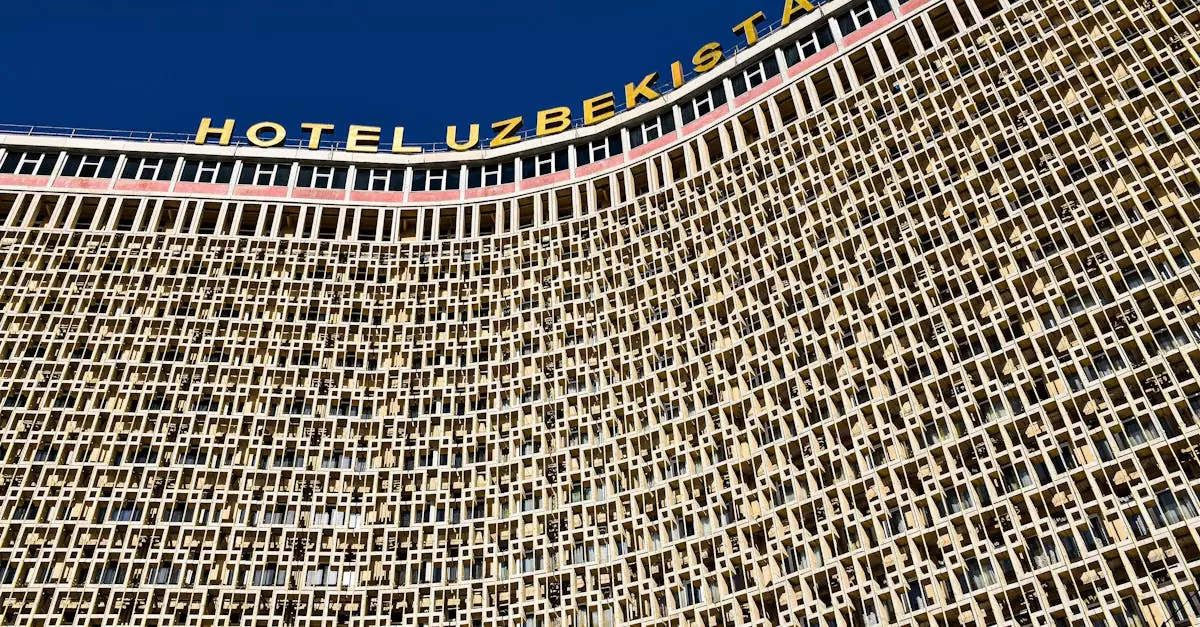
For context on the country and its food culture, see Uzbekistan background.
“Use the metro to reach food zones, then walk the last 5 to 10 minutes. It is faster than fighting traffic.”
Restaurants in Tashkent and when they make sense
Restaurants make sense when you want air conditioning, cleaner restrooms, and a slower meal. That matters in summer. Tashkent can feel harsh in July and August. A sit-down lunch becomes more valuable then.
Many restaurants serve larger portions than street vendors. One plate of plov can feed a heavy eater. Two travelers can often share several dishes and still spend less than at a tourist café elsewhere in Asia.
Timing matters here too. Dinner rush often starts around 7:00 p.m. and peaks near 8:30 p.m. Families arrive late. Service can slow down. If you want a quick meal, go earlier.
Restaurants near central parks and main boulevards usually cost more. Smaller neighborhood places can be better value. They may also feel less polished. That is normal in Tashkent.
For official travel context, the country’s tourism page is useful: Uzbekistan tourism.
Best areas for cheap eating and easy transport
Chorsu is the best-known food area for visitors. It is crowded, loud, and practical. Metro access is strong. The station is close, and taxis are easy to find.
Broadway and central districts have more restaurant choice. Prices rise a little. You gain comfort and better English menus. That can save time if you are tired or traveling with family.
Residential districts often offer the lowest restaurant prices. The problem is access. You may spend 20 to 30 minutes in a taxi each way. That is fine for a planned meal, but not for a snack.
Crowd behavior changes by day. Fridays and weekends are busier. Families eat out later. Lunch crowds are more local on weekdays. Tourists usually cluster around market areas and well-known restaurants.
“If a place is packed with office workers at 1:00 p.m., the lunch value is usually strong.”
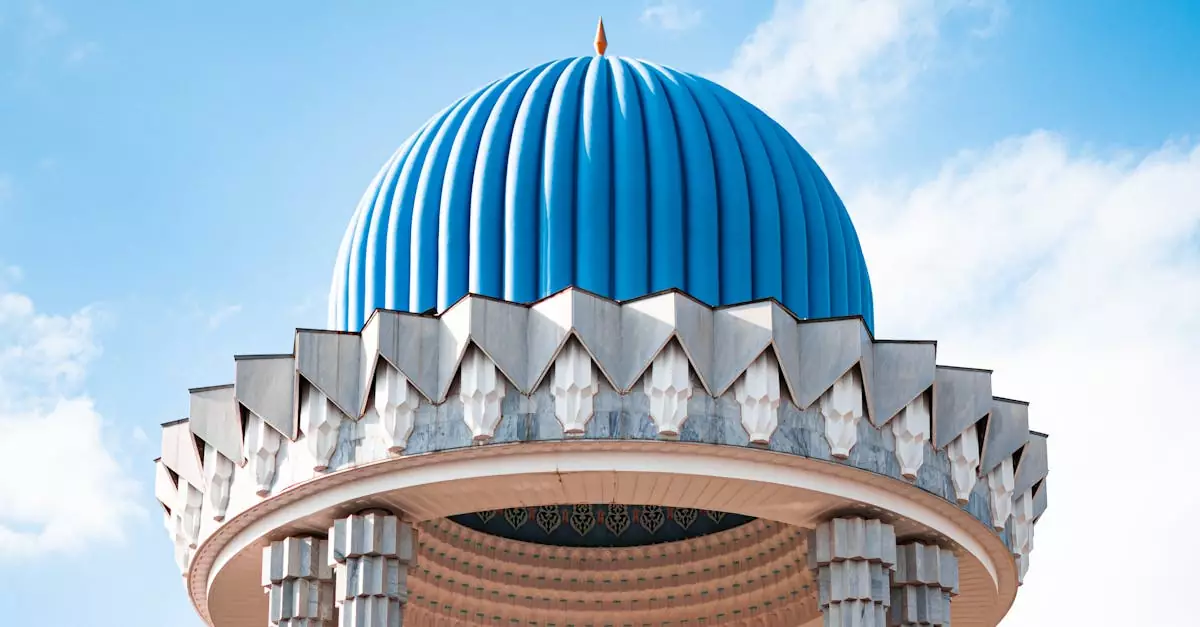
For heritage context, UNESCO’s Uzbekistan page helps explain the broader travel appeal: UNESCO Uzbekistan.
Street food safety, freshness, and the reality check
Street food is not risky by default. It depends on turnover, heat, and cleanliness. Hot food is usually the safest bet. Avoid items that sit open for long periods.
Reality Check: Cheap does not always mean better value. A low-priced snack can leave you hungry again in an hour. Then the savings disappear.
Look for busy stalls with visible cooking. Steam, flame, and constant customers are good signs. Cold salads and mayonnaise-heavy items need more caution in hot weather.
In winter, the equation changes. Hot soups, dumplings, and grilled foods become more attractive. Street eating feels less comfortable in freezing wind. Restaurants become easier to enjoy then.
Seasonal weather also affects walking distances. In summer, a 1.5 km walk can feel much longer. In spring and autumn, the same route is easy. Plan food stops around the weather, not only the map.
“Carry small cash in 10,000 and 20,000 UZS notes. Some stalls dislike large bills.”
Sample daily budget for food in Tashkent
Here is a realistic daily range for one traveler. Breakfast from a bakery or stall may cost 15,000 to 25,000 UZS. Lunch from street food may cost 25,000 to 45,000 UZS. Dinner at a casual restaurant may cost 50,000 to 90,000 UZS.
That puts a mixed day at roughly 90,000 to 160,000 UZS. A restaurant-heavy day can reach 180,000 to 300,000 UZS. A street-food-heavy day can stay under 70,000 UZS if you keep portions simple.
For two travelers, sharing plates helps. A plov portion, bread, and tea can cover a light lunch. Add one kebab order and you still keep costs controlled.
Transit should stay in the budget too. A few short taxi rides can add 30,000 to 60,000 UZS per day. In Tashkent, that is often less than one extra restaurant meal.
Also keep an eye on the 2026 Europe connection trend. If you are pairing Uzbekistan with Europe, remember ETIAS planning may affect onward routing and timing.
Pros and cons of street food versus restaurants
- Street food pros: Lower prices, faster service, easy snacking, strong local feel.
- Street food cons: Less seating, fewer menu choices, more weather exposure.
- Restaurant pros: Better comfort, larger portions, cleaner restrooms, easier for groups.
- Restaurant cons: Higher prices, slower peak-hour service, more transport time if far away.
“Ask for the day’s price before ordering plov. Some places vary by meat cut and portion size.”
What I would choose on a short trip
For one or two days, I would mix both. Street food works for breakfast and lunch. Restaurants work better for dinner or when the weather is rough.
That mix gives you value and comfort. It also reduces fatigue. You do not spend every meal hunting for the cheapest option. That gets old quickly.
If your hotel sits near a metro line, use it. The system is clean and efficient. It cuts taxi dependence and helps food-hopping feel easier.
For broader factual context, Britannica offers a solid country overview: Britannica Uzbekistan.
FAQ
How much cheaper is street food than restaurants in Tashkent?
Usually 40% to 70% cheaper, depending on the meal and area.
Why do some restaurants cost much more in central Tashkent?
Location, comfort, and tourist demand push prices up.
When is the best time to eat street food in Tashkent?
Late morning to early afternoon works well for freshness and turnover.
How do I avoid paying too much for a meal?
Check prices first, compare portions, and avoid taxi-heavy detours.
Why does season matter for food choices in Tashkent?
Summer heat makes restaurants more comfortable, while winter favors hot sit-down meals.
Conclusion
Tashkent gives you real choice. Street food saves money and time. Restaurants add comfort and structure. The best trip uses both.
If you want the smartest budget, eat where locals are moving fast. Then save restaurant meals for heat, cold, or long evenings. That balance keeps your Tashkent food cost comparison honest and useful.
Plan your food stops around the metro, the weather, and the crowd. That simple approach makes Tashkent easier, cheaper, and more enjoyable.
