For many travelers, a journey to the Uyuni Salt Flats in Bolivia represents a bucket-list destination like no other. The landscape here defies descriptionvast, surreal, and utterly unlike anywhere else on the planet. It’s the kind of place that demands careful planning, particularly when it comes to figuring out your budget.
Getting a realistic sense of uyuni dry season tour cost is essential before you commit to the trip. You’ll find that prices vary significantly depending on how long you want to stay, what’s included in your package, and which operator you book with. This guide breaks down everything you need to know so you can allocate your travel funds with confidence.
You’ll discover what typical expenses look like, see how different tour options stack up against each other, and pick up some practical strategies for stretching your budget further. By the time you finish reading, you’ll have a solid grasp of what this incredible dry season experience will actually cost you.
Understanding the Uyuni Dry Season Experience
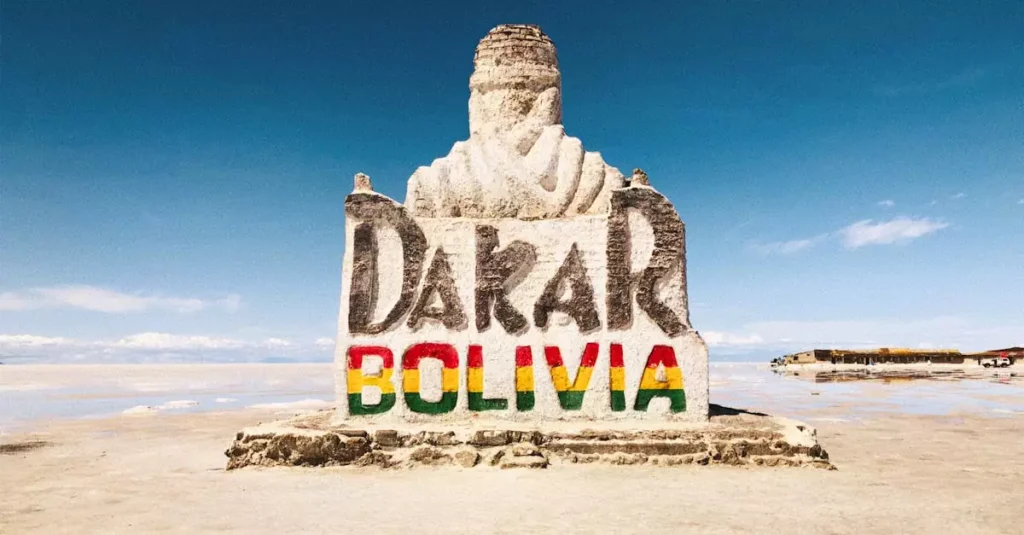
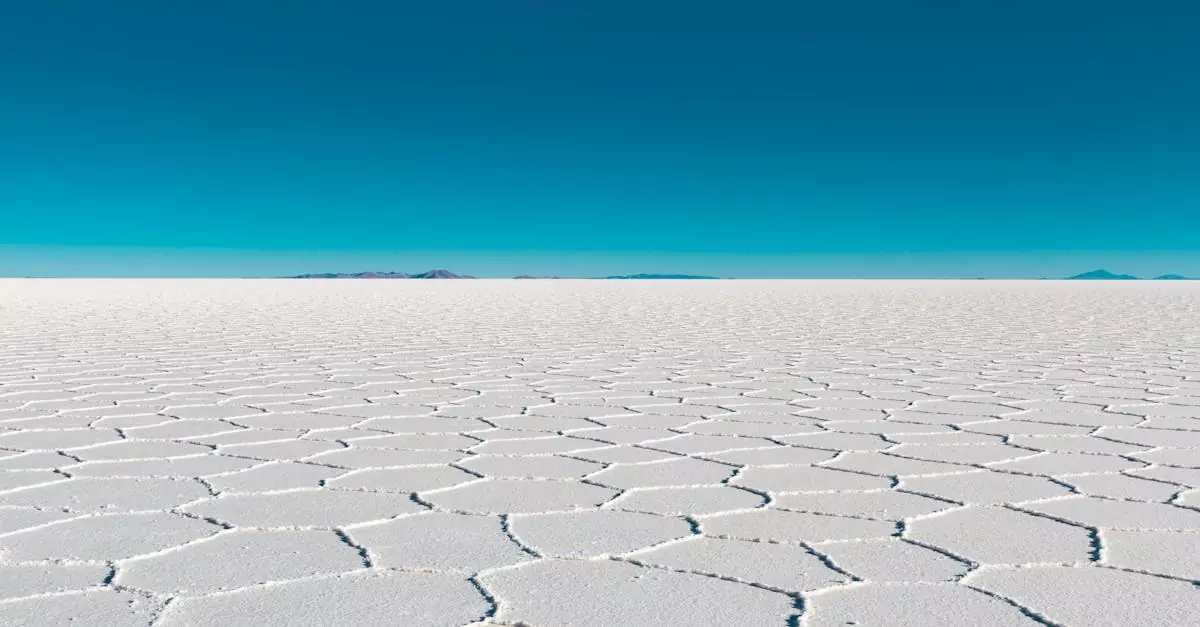
The Salar de Uyuni holds the distinction of being the world’s largest salt flat, stretching across more than 10,000 square kilometers in southwest Bolivia. From May through November, the dry season transforms this already remarkable landscape into something even more dramatic. The salt crust cracks into distinctive polygonal patterns, creating a stark white expanse that seems to stretch endlessly toward the horizon. During these months, you get crisp, clear visibility and the kind of depth perception in photos that simply isn’t possible any other time of year. Incahuasi Island, crowned with towering giant cacti, becomes fully accessible. Travelers from around the globe flock here to witness this natural phenomenon firsthand.
You won’t experience the famous mirror effect that makes the wet season so Instagram-famousthat ethereal reflection of sky on water happens only when a thin layer of moisture covers the flats during the rainy months. But the dry season compensates with its own distinct character. You can actually drive across vast stretches that remain impassable during wetter months, and the combination of brilliant sunshine and crystal-clear air makes for genuinely comfortable daytime exploration. Nighttime is another story entirely. Temperatures plummet dramatically after sunset, creating a striking contrast that adds to the raw, elemental nature of the adventure.
Tour operators structure their dry season itineraries around what makes this period special. They emphasize the expansive white landscape, the intricate salt formations, and the geological wonders. You’ll typically visit a salt hotel, explore the train cemetery, and stop at numerous viewpoints that showcase the region’s unique features. Rain is rarely a problem, which means the roads stay in better shape and your schedule stays on track. This predictability appeals to many travelers who want a more reliable experience. The dry season genuinely showcases one of Earth’s most remarkable natural wonders.
Factors Influencing Uyuni Dry Season Tour Cost
Several variables directly shape what you’ll pay for your uyuni dry season tour cost. Getting familiar with these helps you understand where your money goes. Tour length matters tremendously. Options range from single-day excursions to three-day expeditions, and each additional day naturally bumps up the price. Longer tours mean more meals, overnight accommodation, and coverage of more territory. The operator you choose also plays a major role. Local, budget-focused agencies typically charge less than larger, established companies. Those bigger operators often justify higher prices with better vehicle conditions, English-speaking guides, and superior food quality.
What’s bundled into your package significantly affects the bottom line. Some basic tours cover just transport and a guide. Premium packages throw in all meals, basic lodging, and entrance fees. Luxury options go further with private vehicles, nicer hotels, and more elaborate food. Always verify the exact inclusions before you book. Group size directly impacts per-person pricing too. Most operators fit 6-7 people into each 4×4 vehicle, which keeps costs reasonable. Private tours exist but command a substantial premium. Traveling with a small group of strangers is actually one of the best ways to keep expenses down.
Even within the dry season itself, demand fluctuates. July and August represent peak tourist season, which can drive prices up slightly. May and November, sitting at the shoulders of the season, often come with better deals. Advance bookings, especially during busy periods, secure your spot and sometimes lock in a lower rate. As you evaluate these factors, keep them in mind when researching your uyuni salt flats dry season travel price. They’ll help you find the right balance between cost and experience.
Typical Tour Packages and Their Prices
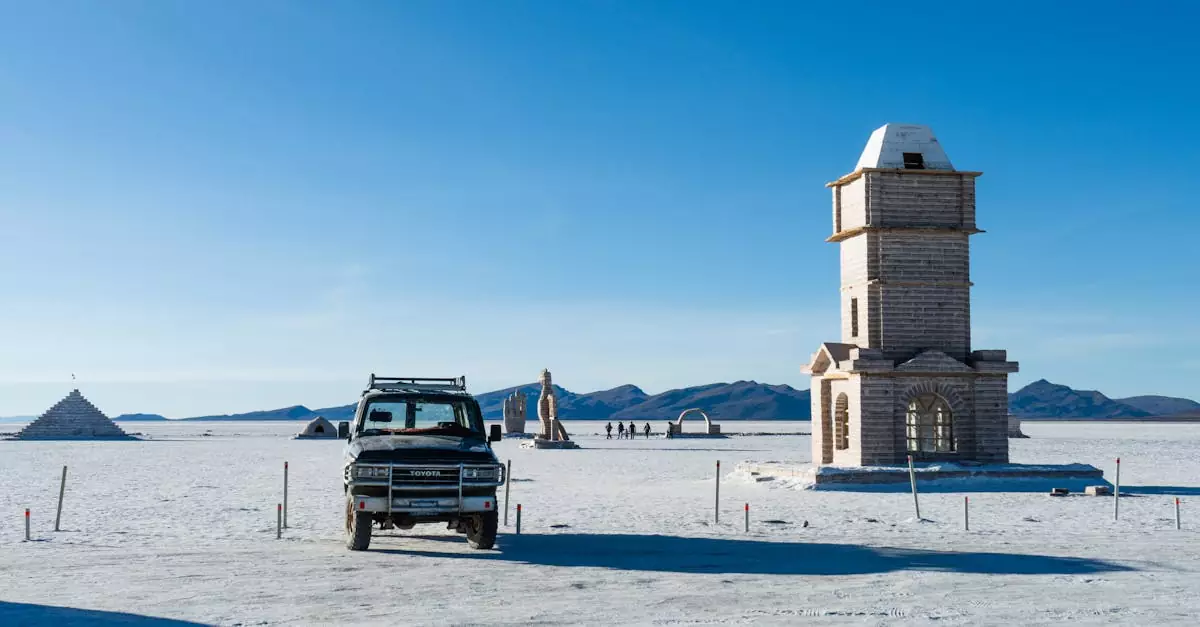
Dry season tours typically break down into three main categories, each offering different value and experience levels. The one-day tour zeroes in on the salt flat’s most iconic spots: the train cemetery, a salt hotel, Incahuasi Island, and several photo opportunities. You’re looking at roughly $30 to $60 USD per person for a group tour of this length. It’s perfect if time or budget constraints limit you, giving you a solid introduction to the salt flats’ otherworldly beauty without requiring an overnight stay.
Step up to the two-day, one-night option and you get more depth. You’ll sleep in a basic salt hotel or hostel, which means you catch both sunset and sunrise over the flats. Most itineraries include a visit to a nearby local village, adding cultural context to the natural wonders. Expect to pay between $80 and $150 USD per person. This middle-ground tour genuinely deepens your connection to the landscape. You see more territory, and the overnight experienceincluding stargazing far from any city lightsbecomes a highlight in itself.
The three-day, two-night tour represents the most comprehensive option available. It covers the salt flats themselves plus the spectacular Eduardo Avaroa Andean Fauna National Reserve, where you’ll encounter vivid lagoons, geysers, and natural hot springs. Accommodation remains basic but functionalsimple hostels or refugios. Group tour pricing typically ranges from $120 to $250 USD per person. This is the experience that really showcases the region’s diversity and geological drama. You get the fullest picture of southwest Bolivia’s natural treasures. For travelers with the time and budget to spare, this option genuinely captures what makes the area so special. Keep in mind these figures apply to group tours and can shift based on your operator.
Comparison: Dry Season vs. Wet Season Costs
When you stack the uyuni dry season tour cost against wet season pricing, the differences are actually less dramatic than you might expect. Operator expensesfuel, vehicle maintenance, guide salariesstay relatively constant year-round. That said, demand and accessibility do create some interesting shifts. The wet season (December through April) draws crowds chasing the famous mirror effect, particularly around holidays. This surge can lead to slightly elevated prices or tighter availability for popular tours.
The dry season’s advantage lies in what it unlocks. You gain access to remote areas that become impassable when rains arrive, including Incahuasi Island. While demand peaks during July and August, the overall infrastructure handles the volume well. Operators often price similarly to wet season tours, but dry season packages frequently cover more ground and more attractions. You’re essentially getting more sightseeing value for comparable money. The experiences themselves are fundamentally differentdry season emphasizes those endless white vistas and stark geological formations, while wet season revolves around reflections and the mirror effect.
The table below gives you a side-by-side look at typical costs and what each season delivers. This should help you decide which suits your travel style and wallet better. Remember these are averages; actual prices shift based on your specific operator, what’s included, and how you book.
| Feature | Dry Season (May-Nov) | Wet Season (Dec-Apr) |
|---|---|---|
| Average 3-Day Tour Cost | $120 – $250 USD | $130 – $260 USD |
| Main Attraction | Vast white landscapes, Incahuasi Island, deep salt formations | Mirror effect, reflections, unique photo opportunities |
| Accessibility | High, most areas accessible | Limited, some areas (like Incahuasi) may be inaccessible |
| Weather | Sunny days, very cold nights, less rain | Rainy, cloudy days, milder nights, muddy conditions |
| Photography | Perspective shots, clear skies, starry nights | Reflection shots, dramatic skies |
Pros and Cons of Dry Season Tours
The dry season brings real advantagesand some trade-offs worth considering. Weighing both sides helps you set realistic expectations and budget accordingly.
- Pros:
- Every part of the salt flats opens up, including Incahuasi Island.
- The conditions create stunning perspective photos impossible in other seasons.
- Clear nights deliver some of the best stargazing you’ll experience anywhere.
- Heavy rain rarely cancels tours, keeping your schedule intact.
- Better road conditions mean smoother, more comfortable travel.
- Weather patterns are more predictable, making planning easier.
- Cons:
- The iconic mirror effect simply doesn’t happenyou’ll miss that particular magic.
- Nighttime temperatures plunge dramatically, requiring serious cold-weather gear.
- Dust becomes a nuisance on unpaved roads, especially in vehicles.
- Peak season months like July and August bring crowds to popular spots.
- The landscape, while stunning, offers less visual variety than the wet season.
What’s Included in Your Tour Price?
Breaking down exactly what your uyuni dry season tour cost covers prevents unpleasant surprises down the road. Transportation in a 4×4 vehicletypically a Toyota Land Cruiser or equivalentis standard. Your guide, usually Spanish-speaking, drives and narrates the experience. English-speaking guides exist but typically come with an extra charge. Multi-day tours provide accommodation in basic hostels or salt hotels. These aren’t luxury stays; expect simple beds, shared bathrooms, and electricity that may or may not be reliable. They’re functional places to sleep in genuinely remote locations.
Meals come included in multi-day packages, covering breakfast, lunch, and dinner. The food is straightforwardrice, pasta, chicken, vegetableshearty and satisfying rather than gourmet. If you’re vegetarian, mention this when booking so they can accommodate you. Water typically comes with meals, but bringing extra is smart. Some tours include snacks; carrying your own stash is always a good idea. Before you depart, confirm the exact meal plan with your operator. You want to know you’ll be properly fed throughout the journey.
Several costs typically fall outside the base tour price, and they add up. National park entrance fees are almost never included. The Eduardo Avaroa Andean Fauna National Reserve charges around 150 Bolivian Soles (roughly $22 USD). Incahuasi Island costs about 30 Bolivian Soles ($4.50 USD). Hot springs access runs about 6 Bolivian Soles ($1 USD). Tipping your guide and driver isn’t included either. Personal expensesextra snacks, bottled water, souvenirs, hot showers if available (typically 10-20 Bolivian Soles)are on you. Carry enough local currency to cover these extras comfortably. For additional budgeting guidance, our travel budget guide offers useful strategies.
Saving Money on Your Uyuni Dry Season Adventure
You don’t need unlimited funds to explore the Uyuni Salt Flats. Several smart moves can meaningfully reduce your uyuni dry season tour cost. Joining a group tour instead of going private makes the biggest difference. Private tours cost substantially more. Standard operators assemble groups of 6-7 people per vehicle. Solo travelers arriving in Uyuni often find other backpackers to team up with, which frequently results in better pricing than booking online as a single person.
Booking directly with local agencies in Uyuni or San Pedro de Atacama (just across the Chilean border) sometimes beats online prices. Online booking offers convenience and certainty. But local agencies frequently undercut web prices and show more flexibility with last-minute deals. Always compare several operators before deciding. Don’t automatically go for the cheapest option. Check reviews and ask what’s actually included. Rock-bottom prices sometimes hide additional costs or indicate lower-quality service.
Tour duration affects your overall spend. A one-day tour is the most budget-conscious choice. If you have extra time, a three-day tour delivers excellent valueyou cover enormous territory across the altiplano. Bring your own snacks and water rather than buying them along the way; prices skyrocket in remote areas. A reusable water bottle saves money and reduces plastic waste. If you’re sensitive to cold, pack your own sleeping bag. Hostels sometimes rent them, but that’s an added expense. Timing matters too. Travel during shoulder months like May, June, September, or October. These periods see lighter crowds and sometimes offer slightly better prices compared to the peak July-August window.
Choosing the Right Tour Operator
Your choice of operator fundamentally shapes both your safety and the quality of your experience. Look for companies with proven safety track records. This means well-maintained vehicles with good tires and proper safety equipment. Ask directly about vehicle condition. Inquire into driver experiencethey should know the challenging terrain intimately. A skilled driver becomes absolutely crucial when navigating this remote Bolivian region.
Scour review platforms like TripAdvisor and Google for feedback from past travelers. Pay close attention to comments about vehicle safety, guide competence, and meal quality. Consistently negative reviews warrant serious caution, especially mentions of reckless driving or unsafe practices. A bargain uyuni dry season tour cost tempts many travelers, but cutting corners on safety is never worth it. You often get what you pay for. A modestly higher price frequently reflects better standards and genuine peace of mind. That investment matters when you’re exploring such a remote, extreme environment.
Think about what level of comfort you actually need. Some travelers want English-speaking guides and comfortable accommodations. Others are perfectly happy with basic amenities and a Spanish-speaking driver. Be explicit about your preferences when booking. Ask detailed questions about inclusions and exclusions. Confirm the exact itinerary and whether changes might happen. Trustworthy operators answer your questions transparently and honestly. They’re upfront about pricing and what you’re getting. For additional context about the region, the Wikipedia page for Salar de Uyuni offers useful background information.
Practical Tips for Your Uyuni Dry Season Trip
Preparation extends well beyond budget planning. Altitude presents a genuine challenge. Uyuni sits at approximately 3,700 meters (12,139 feet), and some areas you’ll visit exceed 4,500 meters (14,764 feet). Spend a day or two acclimatizing in Uyuni or another high-altitude city like La Paz before your tour starts. Drink water constantly, avoid alcohol, and eat light meals. Coca leaves or coca tea can ease altitude symptoms significantly.
Pack strategically for extreme temperature swings. Daytime warmth contrasts sharply with nighttime cold. Layer your clothingthermal underwear, warm hat, gloves, and a heavy jacket are all essential. Sun protection deserves serious attention given the high altitude and reflective salt surface. Sunglasses, high-SPF sunscreen, and a wide-brimmed hat are non-negotiable. Your feet will thank you for bringing comfortable walking shoes; the terrain gets uneven. Don’t forget a camera with extra batteriescold drains them fast. A portable power bank for charging devices is equally important.
Carry sufficient Bolivian Soles before you leave town. ATMs in Uyuni exist but aren’t always dependable. Once you venture out on your tour, cash becomes king. Small shops, hot springs, and other stops only accept local currency. Bring small bills for entrance fees, snacks, and souvenirs. Stay flexible mentally. Remote-area tours sometimes encounter unexpected changes. Road conditions, mechanical issues, or weather can alter plans. Rolling with these changes makes the adventure more enjoyable and rewarding.
FAQs: Your Questions About Uyuni Dry Season Tours Answered
Is the Uyuni Salt Flats worth visiting in the dry season?
Definitely. The dry season delivers a completely distinct experience. You witness the cracked salt patterns and capture perspective photos that simply aren’t possible other times. Full access to remote spots like Incahuasi Island, which can become unreachable during wet months, is another major advantage.
How much spending money do I need for a dry season tour?
Beyond your tour cost, budget around $50-$100 USD in local currency. This covers national park fees, hot springs, Incahuasi Island entrance, snacks, water, and potential hot showers or souvenirs. Having a bit extra provides peace of mind.
Can I book a tour upon arrival in Uyuni?
Yes, many travelers prefer this approach. You can compare operators and prices directly before committing. That said, during peak season (July-August), booking a day or two ahead ensures you get your preferred tour.
What are the main differences between a 1-day and 3-day dry season tour?
One-day tours focus exclusively on the main salt flat attractions near Uyuni. Three-day tours venture into the Eduardo Avaroa National Reserve, revealing colorful lagoons, geysers, and hot springs. The longer option showcases far more landscape diversity and provides a much richer overall experience.
Are there any hidden costs I should be aware of?
National park entrance fees rarely come included in the base tour pricethat’s the biggest one. Also budget for hot showers, extra water, snacks, and tips for your guide and driver. Always ask your operator to spell out exactly what’s included.
Conclusion: Planning Your Unforgettable Dry Season Adventure
The uyuni dry season tour cost doesn’t have to feel overwhelming once you understand what drives the pricing. Armed with knowledge about the various factors affecting costs, you can make smart choices. Whether you choose a quick one-day visit or commit to a full three-day expedition, the Uyuni Salt Flats deliver an experience unlike anything else on Earth. The dry season reveals its own stunning characterendless white horizons, skies perfect for stargazing, and complete access to all the region’s geological wonders.
Prioritize safety above all else and select a tour operator with a solid reputation. Saving money matters, but never sacrifice quality and reliability for a lower price. Account for those additional expenses like park fees and personal spending money in your planning. Pack appropriate clothing for the temperature extremes. Give yourself time to acclimatize to the altitude for a comfortable journey. With thoughtful preparation, your trip to this remarkable Bolivian destination will unfold smoothly and leave you with memories