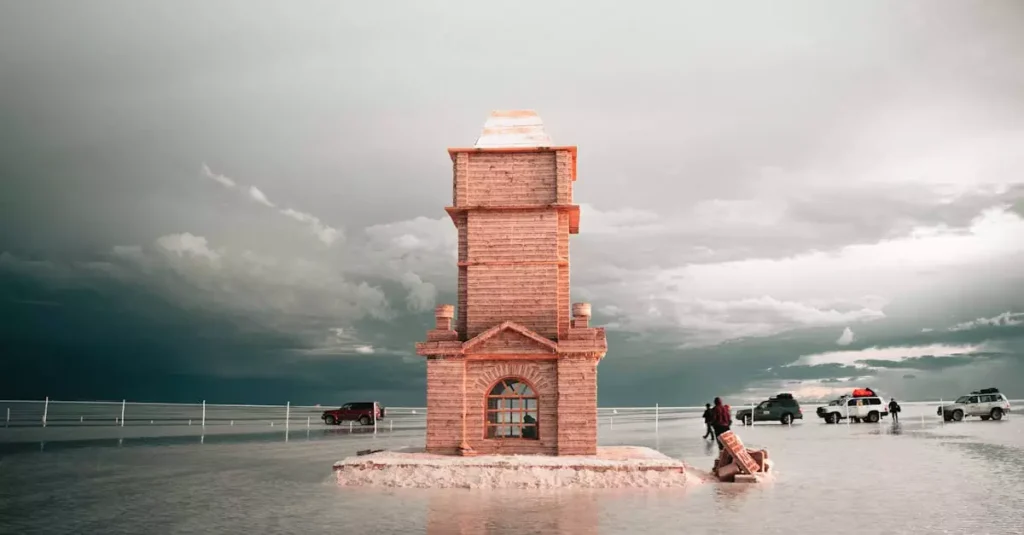
The otherworldly landscapes of the Salar de Uyuni have captivated travelers for years, and it’s easy to see why. Bolivia’s vast white salt flats stretch endlessly across the horizon, creating an almost surreal experience that feels like walking on another planet. Yet before you pack your bags, the practical question inevitably surfaces: what will this adventure actually cost? Breaking down the uyuni tour cost breakdown helps you plan a trip that’s both magical and financially manageable.
Planning a journey to this remote destination requires understanding where your money goes. From tour packages to meals, accommodation, and those sneaky extras that catch many travelers off guard, every element deserves attention. The good news? With proper preparation, you can experience the salt flats without financial stress. This guide walks you through each expense category, ensuring no surprises derail your dream vacation.
By the end of reading this, you’ll have a complete picture of what to expect financially. You’ll know typical tour package prices, understand what’s included versus what costs extra, and discover practical ways to stretch your budget without sacrificing quality. Armed with this knowledge, you can make confident decisions about your unforgettable visit to the Uyuni Salt Flats.
Understanding Your Uyuni Tour Options and Prices
Selecting the right tour is your first major decision when calculating your uyuni tour cost breakdown. Most visitors choose multi-day packages that last anywhere from one to three days. The three-day/two-night option has become the most popular choice among travelers. This duration gives you access to the most diverse landscapes: the famous salt flats, the stunning colored lagoons, and the dramatic geysers that dot the region.
Several factors influence how much you’ll actually pay. Group tours tend to be significantly cheaper since you’re splitting costs with five or six other travelers in a shared 4×4 vehicle. Private tours, by contrast, offer flexibility and comfort but come with a much steeper price tag. Your starting point also matterswhether you begin in Uyuni itself, San Pedro de Atacama in Chile, or Tupiza in Bolivia will affect your final bill.
A quick day tour from Uyuni typically runs USD 25-40 per person, covering transport and a basic lunch. Two-day options fall in the USD 60-100 range. The popular three-day/two-night tour from Uyuni usually costs USD 120-200 per person, which generally includes your 4×4 transport, a Spanish-speaking driver-guide, two nights of basic accommodation, and all meals. Keep in mind these are average figuresprices fluctuate depending on the operator’s reputation and whether you’re traveling during peak or low season. Always confirm what’s actually included before handing over your money.
Booking ahead during busy months often guarantees availability and sometimes better rates. That said, many travelers book directly upon arriving in Uyuni, which lets them compare operators side by side. Take time to check reviews and ask questions about safety records. This matters more than saving a few dollars.
The Core Uyuni Tour Cost Breakdown
The tour package itself represents your biggest expense in the uyuni tour cost breakdown. A three-day/two-night group tour from Uyuni typically costs between USD 120 and USD 200 per person. This covers your 4×4 vehicle, a Spanish-speaking driver-guide, two nights in basic accommodations, and all your meals. That said, always verify these details before committing.
Some operators advertise suspiciously low prices. These bargains sometimes come at the cost of vehicle maintenance or food quality. Paying slightly more for a reputable company often proves worthwhile. If you prefer an English-speaking guide, expect to add USD 100-200 to your total tour costthough this fee gets split among your group, making it more affordable per person.
Your accommodation during the tour will be modest. The first night typically takes place in a salt hotel, while the second night is spent in a rustic hostel near the lagoons. Both offer shared dorm-style sleeping arrangements with minimal amenities. Hot showers exist but often cost extra (around BOB 10-20, or USD 1.50-3). Heating is rare, so pack warm clothing. The meals provided are simple but fillingthink chicken, rice, and vegetables prepared in the local style. Let your operator know in advance if you’re vegetarian or vegan; they can usually accommodate dietary preferences.
When you consider what you’re getting, the value becomes clear. You’re exploring remote, breathtaking landscapes with professional transportation, a guide, food, and lodging included. The costs reflect the significant logistical challenges of operating in such a remote area. Always ask for clarity on what’s explicitly covered to avoid surprises during your adventure.
Accommodation and Food Expenses Beyond the Tour
Your uyuni tour cost breakdown extends beyond the tour package itself. You’ll almost certainly spend at least one night in Uyuni town before or after your tour. The town offers various accommodation options to suit different budgets. Budget hostels charge USD 10-20 per night for a dorm bed. Mid-range hotels run USD 30-60 per night and typically include private bathrooms and better facilities. Luxury options exist for USD 70 and up, though they’re limited.
Eating in Uyuni town won’t break the bank. A simple meal at a local restaurant costs USD 3-7 for traditional Bolivian fare. Tourist-oriented restaurants charge USD 8-15 for main courses. Breakfast at your hostel might be included, or you can grab coffee and pastries for USD 2-5. Smart travelers buy snacks and drinks in town before their tour begins, since prices spike at remote stops along the way.
During your three-day tour, meals are typically included. Your driver or the basic accommodations will prepare simple, hearty food designed to fuel you through long drives and high altitudes. You might want to bring extra snacks anywaychocolate, nuts, energy barsfor those long stretches between stops. Budget an additional USD 10-20 for these provisions. Staying hydrated matters at this altitude, so purchase large water bottles in Uyuni town before departing.
Essential Extras and Hidden Costs
Beyond the main tour and basic necessities, several other charges contribute to your full uyuni tour cost breakdown. The Eduardo Avaroa Andean Fauna National Reserve entrance fee stands out as the most significant. This costs BOB 150 (roughly USD 22) per person and isn’t typically included in tour packages. You’ll pay in cash at the reserve entrance, so plan accordingly. This fee supports conservation efforts in the area.
Hot spring visits usually come with their own entrance feetypically BOB 6 (about USD 1) at the Termas de Polques. Many tours include a soak here, which is a wonderful way to warm up after cold nights. Tipping your driver-guide is customary. For a satisfying three-day tour, BOB 50-100 (USD 7-14) per person is appropriate, usually pooled among the group. This acknowledges their hard work and expertise.
Other potential charges include hot shower fees at basic accommodations (BOB 10-20), toilet usage fees at some locations, and souvenirs like salt carvings or local handicrafts (budget USD 10-30 if you plan to shop). Travel insurance isn’t a direct tour expense, but it’s crucial. It covers medical emergencies or trip cancellations and provides essential peace of mind for remote travel.
| Expense Category | Typical Inclusions (3-Day Tour) | Typical Exclusions (Always Budget For) |
|---|---|---|
| Tour Package | 4×4 transport, driver-guide (Spanish), 2 nights basic accommodation, all meals (simple) | National Reserve entrance fee, hot spring fee, English-speaking guide, tips |
| Accommodation | 2 nights during tour (salt hotel, basic hostel) | Pre/post tour accommodation in Uyuni town, hot showers during tour |
| Food & Drink | 3 breakfasts, 3 lunches, 2 dinners during tour | Snacks, bottled water, alcoholic beverages, meals in Uyuni town |
| Personal Expenses | N/A | Souvenirs, toilet fees, phone charging, travel insurance |
Transportation to and from Uyuni
Getting to Uyuni represents a significant portion of your overall uyuni tour cost breakdown. This remote town is reachable by bus, train, or flight, with most travelers coming from La Paz, Sucre, or Santa Cruz. Buses offer the most economical choice. An overnight bus from La Paz to Uyuni costs around BOB 80-150 (USD 12-22), depending on comfort level. Semi-sleeper and sleeper buses provide extra legroom and are worth the premium for such a long journey. The ride takes approximately 10-12 hours. From Sucre, buses cost BOB 60-100 (USD 9-15) and take 7-8 hours.
Flying is the fastest option but comes at a premium. Amaszonas and BoA (Boliviana de Aviacin) operate flights to Uyuni. One-way fares from La Paz range from USD 70-150 or higher, with better prices available if you book ahead. The flight itself takes only about an hour, saving you significant travel time. This works well if your schedule is tight. Weather delays and cancellations do happen occasionally in this region, so build in flexibility if you’re flying.
Train travel offers another alternative. Ferroviaria Andina operates trains from Oruro to Uyuni, though you’d need to reach Oruro first via bus from La Paz. Trains provide a more comfortable experience than buses and cost roughly the same as mid-range bus tickets. Schedules aren’t daily, so check ahead. When deciding how to reach Uyuni, weigh the time saved against the extra cost. This calculation helps you choose the transportation method that best fits your overall budget and timeline.
Uyuni Tour Pros and Cons: Group vs. Private, 1-Day vs. 3-Day
Evaluating different tour options is essential when planning your uyuni tour cost breakdown. Group tours dominate the market for good reasonthey’re substantially cheaper. You split the 4×4 vehicle and driver costs with five or six other travelers, making the Salar de Uyuni accessible even on tight budgets. Meeting fellow travelers and sharing the experience creates lasting friendships. The downside? You follow a fixed itinerary with limited flexibility. Vehicle space is shared, and group dynamics can sometimes clash if personalities don’t mesh well.
Private tours deliver maximum flexibility. You customize your itinerary, choose your own pace, and stop when you want. This appeals to photographers or those with specific interests. You receive personalized attention from your guide. The trade-off is significant costprivate tours run two to three times more than group options, making them less practical for solo budget travelers but ideal for families or small groups seeking exclusivity.
A one-day tour represents the cheapest option and lets you see the main salt flats highlights: Incahuasi Island and the train cemetery. It’s perfect if time is extremely limited. However, you’ll miss the stunning sunsets, sunrises, and remote lagoons that truly showcase the region’s magic. The Uyuni Salt Flats reveal their full wonder over multiple days. A three-day tour, while pricier, offers comprehensive coverage including colorful lagoons, geysers, and unique rock formations. This depth provides an infinitely richer experience. Consider the best time to visit to align with your chosen tour type and desired experience.
Practical Tips for Budgeting Your Uyuni Adventure
Smart financial decisions can meaningfully reduce your overall uyuni tour cost breakdown. Carry sufficient Bolivian Bolivianos (BOB) in small billsmany remote locations don’t accept cards, and ATMs are scarce outside Uyuni town. USD is sometimes accepted for larger transactions, but local currency is always preferable. Exchange money in larger cities like La Paz or Santa Cruz for better rates than you’ll find in Uyuni.
Booking directly in Uyuni often allows better negotiation than booking online. You can compare prices and inclusions from different operators in person. Avoid suspiciously cheap tours; they might cut corners on safety or quality. Inspect the vehicle’s condition and ask about the driver’s experience. Inquire about emergency procedures and verify the presence of spare tires and first-aid kits. These details directly impact your safety.
Pack strategically to minimize additional purchases. Bring warm layers, a quality sleeping bag (some tours rent them), sunscreen, sunglasses, and a hat. The altitude and intense sun demand preparation. Buy snacks and water in Uyuni town before your tour startsthey’re cheaper there. A portable power bank is invaluable since electricity access is limited in remote accommodations. Stay flexible with your plans; unexpected delays happen in remote areas. A positive attitude transforms any unforeseen circumstances into part of the adventure. This comprehensive approach ensures you maximize your travel budget guide for Uyuni.
Uyuni Salt Flats Full Expense Breakdown Guide: A Summary
Assembling all the pieces creates a clear picture of your Uyuni Salt Flats full expense breakdown guide. For a typical three-day/two-night group tour from Uyuni, the core tour package runs around USD 120-200. This is your largest single expense. Don’t forget the mandatory National Reserve entrance fee of BOB 150 (USD 22). Hot springs cost just BOB 6 (USD 1). Tipping your driver-guide is customarybudget around BOB 50-100 (USD 7-14) per person.
Accommodation in Uyuni town before or after your tour adds USD 10-60 per night depending on comfort preferences. Meals in town range from USD 3-15 per meal. Stocking up on snacks and water for the tour might cost an additional USD 10-20. Transportation to Uyuni varies significantlybuses from La Paz cost USD 12-22, while flights run USD 70-150 or more. These are per-person, one-way costs.
A budget-conscious traveler can expect a full Uyuni Salt Flats expense breakdown to total roughly USD 250-400 for a three-day tour. This includes transport to and from Uyuni from La Paz, the tour itself, park fees, and basic pre and post-tour expenses. This estimate excludes international flights to Bolivia and personal shopping. Always add a 10-15% buffer for unexpected costs. This ensures you can travel without financial stress and fully enjoy the unique beauty of the Salar de Uyuni.
Frequently Asked Questions About Uyuni Tour Costs
How much is a typical 3-day Uyuni tour?
A typical three-day/two-night group tour from Uyuni costs between USD 120 and USD 200 per person. This price usually includes transport, a Spanish-speaking driver-guide, basic accommodation, and all meals during the tour. Prices vary based on the tour operator and season.
Are meals and accommodation included in Uyuni tours?
Yes, most multi-day Uyuni tours include meals and basic accommodation. You’ll receive breakfast, lunch, and dinner throughout the tour. Accommodation is typically in shared dorms in salt hotels or rustic hostels.
What are the main hidden costs for an Uyuni trip?
The main hidden costs include the Eduardo Avaroa National Reserve entrance fee (BOB 150 / USD 22). Other expenses are hot spring fees (BOB 6 / USD 1), tips for your driver-guide, and charges for hot showers. Snacks, bottled water, and souvenirs add up as well.
Is it cheaper to book an Uyuni tour in advance or on arrival?
Booking on arrival in Uyuni town often yields better prices. You can compare operators directly and negotiate deals. During peak season, advance booking might guarantee availability when tours fill quickly.
How much extra cash should I bring for a 3-day tour?
For a three-day tour, bring around BOB 300-500 (USD 45-70) in local currency. This covers the park entrance fee, hot springs, tips, extra snacks, and small purchases. ATMs aren’t accessible once your tour begins.
Final Thoughts on Your Uyuni Tour Budget
Approaching your Uyuni adventure with a clear uyuni tour cost breakdown sets the stage for a worry-free trip. While remote, the Salar de Uyuni remains surprisingly accessible across various budgets. Understanding the core tour expenses, additional fees, and transportation costs lets you prepare confidently. Remember that the experience itself is truly pricelessyou’re visiting landscapes found nowhere else on Earth.
Prioritize safety and reputable operators over rock-bottom prices. A well-maintained vehicle and experienced driver are non-negotiable for this journey. Prepare yourself for basic facilities and high altitudes. Embrace the rugged beauty and unique culture of Bolivia. Your careful planning ensures you can fully immerse yourself in the salt flats’ magic.
This guide has provided a comprehensive look at what to expect financially. With this information, you’re now equipped to plan your unforgettable visit. The Uyuni Salt Flats await. Get ready for an adventure that will create memories lasting a lifetime, all within your carefully planned budget.