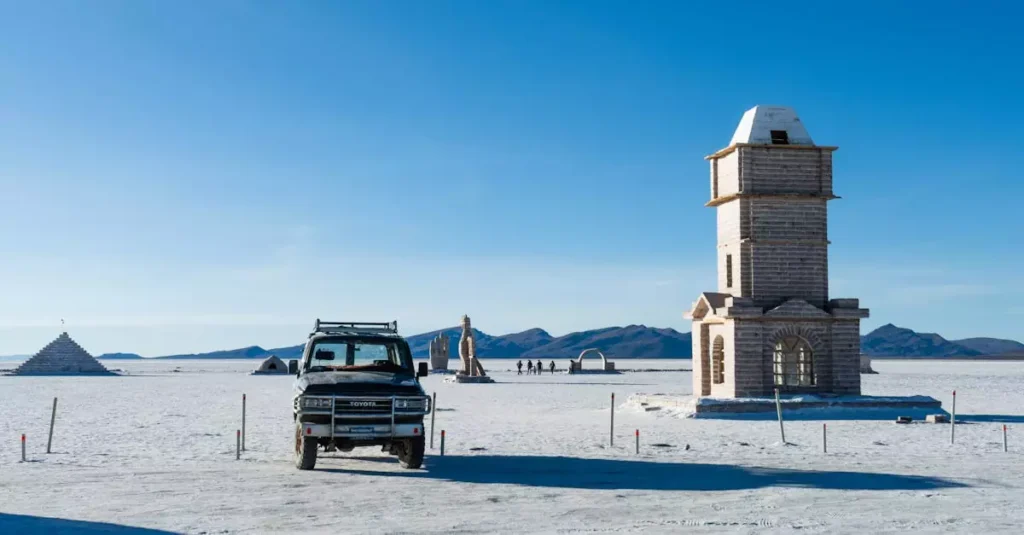
The Salar de Uyuni in Bolivia draws travelers from around the world, and for good reason. This sprawling salt flat delivers otherworldly vistasmirror-like surfaces reflecting the sky, colorful mineral lagoons, and ancient cacti-covered islands scattered across the terrain. But before you pack your bags, you’ll want to get a handle on what this adventure will actually cost you.
Your uyuni road trip cost depends largely on how you choose to explore. A guided tour offers structure and safety, while self-driving gives you complete controland a different financial picture. This breakdown covers everything from vehicle rental and fuel to lodging and meals, so you can figure out what works for your wallet and travel style.
From transportation and accommodation to food and park entrance fees, every expense adds up. By mapping out these costs upfront, you’ll avoid surprises and can focus on soaking in the stunning landscapes instead of worrying about your budget.
Understanding the Uyuni Road Trip Cost
How much you’ll spend on a Uyuni road trip really comes down to your travel preferences. Most visitors book multi-day tours lasting three or four days, departing from Uyuni town, San Pedro de Atacama in Chile, or Tupiza in Bolivia. Guided tours typically bundle transport, a driver-guide, basic lodging, and meals into one package.
If independence appeals to you, a uyuni self drive trip budget bolivia guide becomes essential reading. Self-driving unlocks freedom but demands careful financial planning. You’re responsible for vehicle rental, insurance, fuel, GPS equipment, and potentially hiring a local guide for navigationthe salt flats are notoriously tricky to traverse without local knowledge.
Beyond the main expenses, smaller costs accumulate quickly. National park entrance fees, snacks, beverages, and souvenirs all eat into your budget. Smart travelers also set aside emergency funds for unexpected vehicle repairs or medical situations. Being prepared transforms your trip from stressful to seamless.
Guided Tour vs. Self-Drive: A Cost Comparison
Choosing between a guided tour and self-driving is one of the biggest decisions you’ll make for your Uyuni visit. Both paths have distinct financial and experiential trade-offs. Guided tours remain the most popular option because they handle logistics and keep you safe. Expect to pay $150 to $250 per person for a 3-day tour departing from Uyuni, which covers your 4×4 vehicle, driver-guide, basic accommodation, and all meals. Tours starting from San Pedro de Atacama or Tupiza run highertypically $200-$350due to longer distances and border crossing fees. Tour quality and operator reputation also influence pricing, with luxury options pushing well beyond these ranges.
Self-driving offers flexibility but requires more upfront spending and planning. A suitable 4×4 rental runs $80 to $150 daily, depending on vehicle type, rental length, and insurance. Fuel in remote areas doesn’t come cheap. Navigation across featureless salt flats demands GPS or satellite phone technology. Many self-drivers hire a local guide for at least part of the journey, adding $50-$100 daily. When you tally everything up, the total uyuni road trip cost for self-driving can easily match or exceed what you’d pay for a guided tourunless you’re splitting costs among a larger group.
Breaking Down Your Uyuni Self-Drive Trip Budget
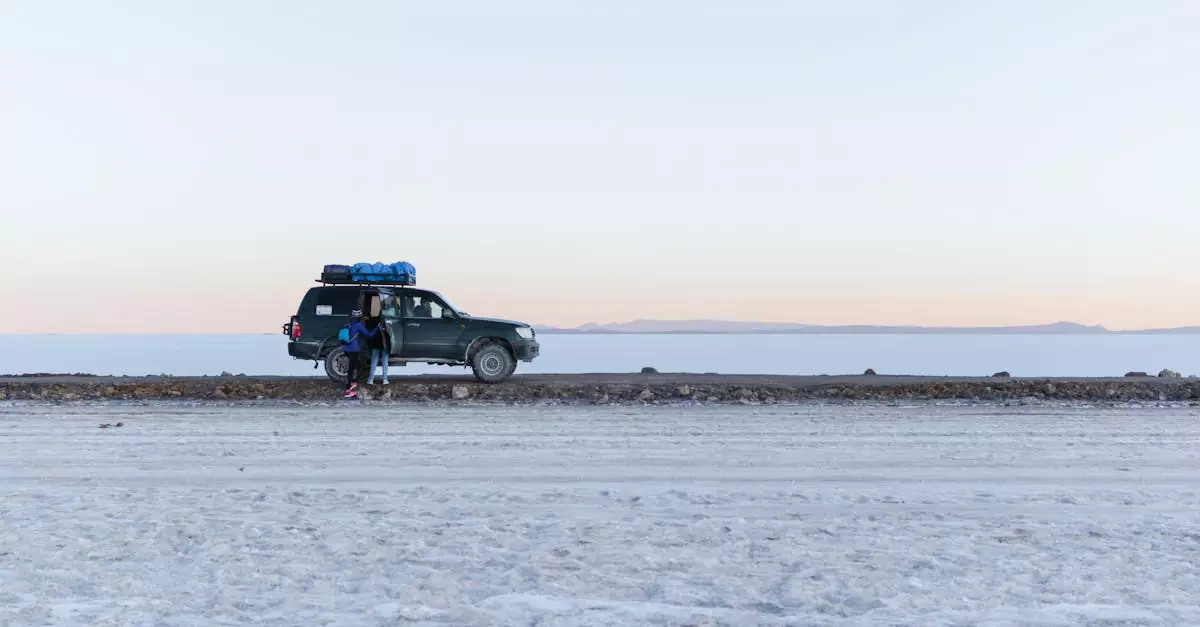
Going solo across the Uyuni salt flats promises unmatched freedom, but it demands meticulous budgeting. Vehicle rental represents your largest single expense. Budget $80 to $150 daily for a dependable 4×4, and always verify that comprehensive insurance is included for remote travel. Some rental companies offer unlimited mileage, which suits longer expeditions. Expect to leave a security depositoften several hundred dollarsrefundable when you return the vehicle in good condition.
Fuel costs deserve serious attention. Diesel typically costs less than gasoline in Bolivia, though prices fluctuate. You’ll need substantial fuel reserves for the long stretches across the salt flats and surrounding terrain. Pack extra jerry cans since fuel stations vanish once you leave civilization. A typical 3-day self-drive burns through $100-$200 in fuel, depending on your route and how efficiently your vehicle runs. Navigation is non-negotiable; a reliable GPS device or smartphone app is essential. A satellite phone rentalaround $10-$20 dailyprovides a safety net in this isolated region.
Permits and entrance fees are mandatory expenses. The Eduardo Avaroa Andean Fauna National Reserve charges roughly 150 Bolivian Soles (about $22 USD) per person, payable in cash at the entrance. Accommodation for self-drivers ranges from $10-$30 nightly for basic hostels or salt hotels, with pricier options limited in remote areas. You’ll also need to budget for food and watereither by bringing supplies or purchasing from small local shops. A solid uyuni self drive trip budget bolivia guide includes a contingency buffer for surprises.
Key Cost Factors for Your Uyuni Adventure
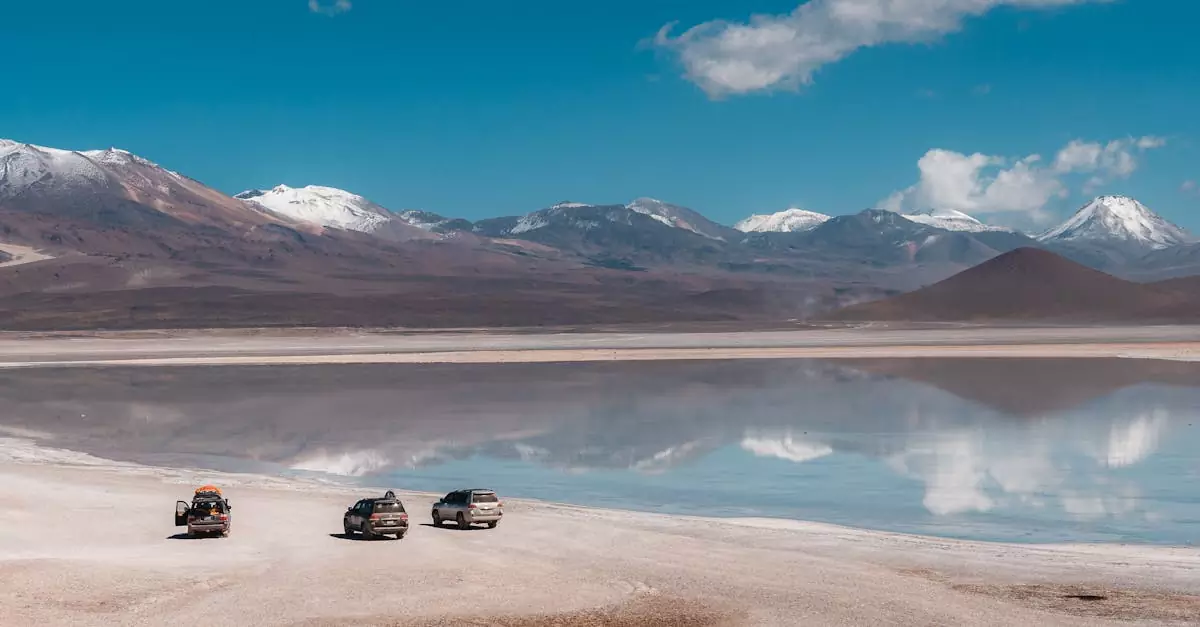
Several variables beyond transport shape your overall uyuni road trip cost. Accommodation quality makes a real difference. Guided tours typically include basic lodging in salt hotels or rustic hostelsusually shared rooms with minimal amenities. Upgrading to private rooms or better-equipped accommodations bumps up your tour price. Self-drivers enjoy more flexibility but face limited choices in remote areas. Booking early, especially during peak season, secures your preferred lodging before options disappear.
Food and beverages matter more than many travelers realize. Guided tours provide all meals, which tend to be straightforward local farequinoa, rice, chicken, vegetables. Extras like snacks, bottled water, and drinks cost more. Self-drivers must plan meals strategically, either by packing supplies or relying on village shops. Staying hydrated at high altitude is critical, so budget accordingly. Plan on an extra $10-$20 daily per person for personal snacks and beverages.
Park entrance fees are non-negotiable if you’re visiting protected areas like the Eduardo Avaroa Andean Fauna National Reserveexpect around 150 BOB per person. Carry Bolivian currency in small bills for these payments and tips. Tipping your driver and guideusually 50-100 BOB per person for multi-day tripsis customary. Other potential charges include hot spring access, shower facilities, or device charging at some lodges. For broader spending strategies, a comprehensive travel budget guide can help you manage all your expenses smartly.
Comparison Table: Guided Tour vs. Self-Drive
Here’s how the numbers stack up for a typical 3-day Uyuni adventure:
| Category | Guided Tour (per person) | Self-Drive (per vehicle, 2-4 people) |
|---|---|---|
| Vehicle Rental | Included | $240 – $450 (3 days) |
| Driver/Guide | Included | $150 – $300 (optional local guide) |
| Fuel | Included | $100 – $200 |
| Accommodation | Included (basic) | $30 – $90 (3 nights, basic) |
| Food & Water | Included (basic meals) | $60 – $120 (for 2 people) |
| National Park Fees | $22 (150 BOB) | $22 (150 BOB) per person |
| Other Fees (Hot springs, etc.) | $5 – $10 | $5 – $10 |
| Estimated Total (3 Days) | $150 – $250 per person | $587 – $1172 per vehicle |
This comparison reveals an important insight: while guided tours have a fixed per-person price, self-drive costs depend heavily on group size. A group of four splitting a self-drive might actually spend less per person than four people taking separate guided tours. That said, self-driving requires significantly more planning, risk management, and upfront investment. Factor in your group size and comfort level before deciding.
Pros and Cons of a Uyuni Self-Drive Trip
Self-driving the Uyuni salt flats delivers genuine rewards alongside serious challenges. The freedom is unparalleledyou set the pace, stop whenever inspiration strikes for photos, and discover remote spots that standard tours skip. This creates a deeply personal experience. For larger groups, splitting vehicle rental and fuel costs makes self-driving financially competitive. There’s also real satisfaction in navigating such demanding terrain yourself, along with a stronger bond between travel companions and the landscape itself.
The downsides demand respect. Navigation across endless, featureless salt flats is genuinely dangerous without experience and proper equipment. There are no marked roads, and GPS signals can fail. Getting lost happens. Vehicle breakdowns in remote areas become emergenciesno cell service, limited rescue options, extreme altitude, and harsh weather all compound the problem. Rental vehicles may have maintenance issues. You also lose the invaluable local knowledge a professional driver providesthey know the best photo locations, safe routes, and cultural insights. Weigh these factors honestly before committing to self-drive.
Practical Tips for Managing Your Uyuni Road Trip Cost
Smart planning keeps your uyuni road trip cost reasonable. Travel during shoulder seasons like April-May or September-October when prices drop. Peak summer and rainy season (December-April) both drive costs up, and the rainy season brings tour cancellations due to flooding. For timing guidance, check our article on the best time to visit.
- Book in Advance: Securing guided tours weeks or months ahead locks in better rates and guarantees availability, especially during high season.
- Travel in a Group: Sharing vehicle rental, fuel, and supplies with friends dramatically reduces per-person costs on self-drive trips. Group discounts also apply to some guided tours.
- Bring Your Own Snacks and Water: Tours include meals, but packing extra snacks, energy bars, and a refillable water bottle saves money. Bottled water in remote areas costs significantly more.
- Negotiate Tour Prices: In Uyuni town, haggling over tour prices is normal practice, particularly for last-minute bookings or larger groups. Compare multiple agencies before committing.
- Carry Local Currency (BOB): Small vendors and park entrances often accept only Bolivian Bolivianos. ATMs are scarce outside Uyuni town. Keep small denominations for tips and minor expenses.
- Pack Smart: Bring essentials like sunscreen, sunglasses, warm layers, and a quality camera to avoid expensive last-minute purchases in remote areas.
- Consider a Basic Tour: Budget-conscious travelers should opt for standard 3-day tours with basic accommodationthey offer excellent value and cover all major highlights.
The Salar de Uyuni holds the distinction of being Earth’s largest salt flat, a remarkable geological formation. Learning about its creation and significance enriches your visit. Detailed information is available on Wikipedia’s Salar de Uyuni page.
Frequently Asked Questions About Uyuni Costs
How much cash should I bring for a Uyuni road trip?
Bring at least 500-800 Bolivian Bolivianos (roughly $70-$115 USD) per person for a 3-day trip. This covers national park fees, hot spring access, extra snacks, drinks, and guide tips. ATMs vanish outside Uyuni town, so plan your cash withdrawal carefully.
Are meals included in Uyuni tour prices?
Standard multi-day guided tours include breakfast, lunch, and dinnertypically simple, locally-sourced dishes. Snacks, bottled water, and alcoholic drinks usually cost extra.
What is the average cost of a 3-day Uyuni tour?
A 3-day tour from Uyuni town typically runs $150 to $250 per person. Prices fluctuate based on operator reputation, accommodation comfort level, and whether you start in Bolivia or Chile.
Is it cheaper to start a Uyuni tour from Bolivia or Chile?
Starting directly from Uyuni in Bolivia costs less than departing from San Pedro de Atacama in Chile. Chilean tours include border crossing fees and longer transport distances, raising the total price.
What are the hidden costs of a Uyuni road trip?
Hidden expenses include national park entrance fees (around $22 USD), hot spring access, small toilet fees, driver and guide tips, and emergency supplies or vehicle repairs for self-drivers. Always budget extra for unexpected situations.
Conclusion: Your Unforgettable Uyuni Journey Awaits
Mapping out your uyuni road trip cost sets the foundation for an incredible adventure. Whether you choose a guided tour’s convenience and safety or embrace a self-drive expedition’s thrilling independence, understanding your budget matters. The breakdown of vehicle expenses, fuel, lodging, food, and park fees gives you the information needed to make smart choices aligned with your financial comfort zone.
The Salar de Uyuni presents landscapes found nowhere else on Eartha truly singular natural spectacle. Armed with insights from this uyuni self drive trip budget bolivia guide, you’re positioned to make informed decisions. Prioritize safety, especially if self-driving appeals to you. Carry adequate local currency and prepare for the remote conditions you’ll encounter. This groundwork allows you to fully experience the breathtaking beauty and surreal vistas without distraction.
Investing in a Uyuni road trip is investing in a once-in-a-lifetime experience. The salt flat’s vastness, the vivid mineral lagoons, and Bolivia’s rich culture combine into something unforgettable. With this comprehensive guide, you’re ready to plan your perfect adventure, ensuring your uyuni road trip cost matches your vision. Now go explore one of South America’s most extraordinary natural wonders.