South America beckons with its diverse landscapes, offering a profound backdrop for rejuvenation and self-discovery. From the mist-shrouded Andes to the vibrant Amazon rainforest, the continent provides a unique setting for those looking to reconnect with themselves and nature. This guide explores the best wellness retreats across South America, highlighting destinations that blend ancient healing traditions with modern comfort. You’ll discover sanctuaries focused on yoga, meditation, holistic therapies, and digital detoxes, each offering a pathway to inner peace and physical well-being.
Whether you’re drawn to the spiritual energy of the mountains or the restorative power of the jungle, South America’s wellness offerings are as varied as its geography. We’ll delve into specific retreats, detailing their unique approaches, ideal times to visit, and how to plan your journey to these tranquil havens. Prepare to explore options that cater to every need, from luxury eco-lodges to secluded meditation centers, and learn how to extend your wellness experience by embracing local culture and cuisine.
Discovering South America’s Top Wellness Retreats for Mind and Body
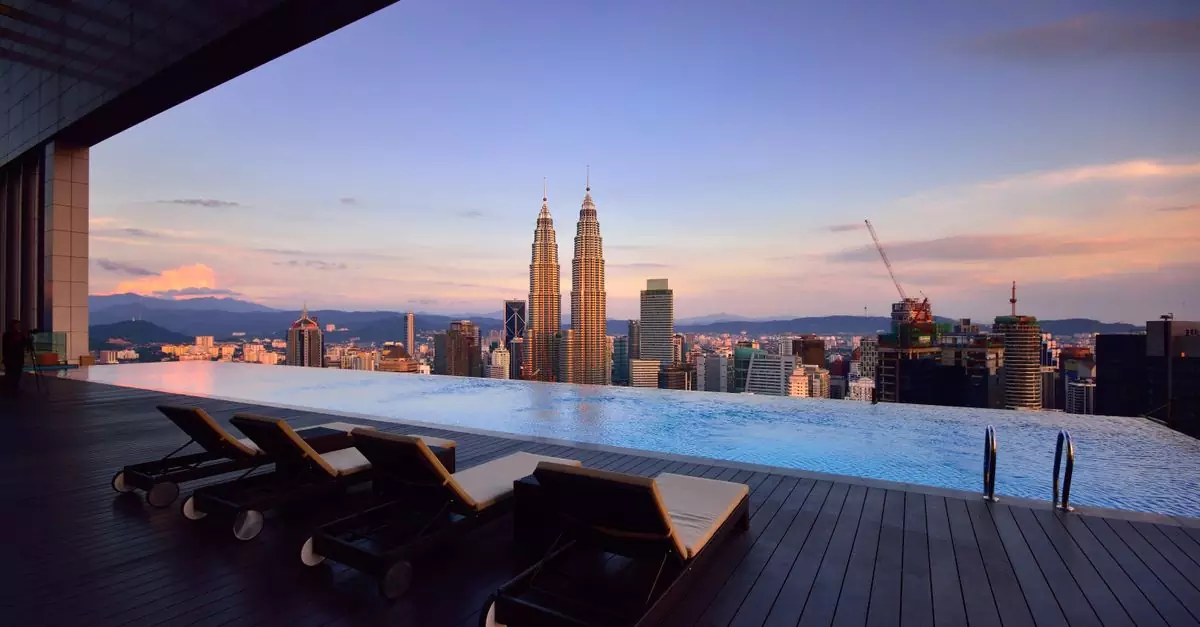
South America offers a diverse landscape for those seeking a restorative escape. From the majestic Andes to lush rainforests, the continent provides a profound backdrop for rejuvenation. The best wellness retreats here blend ancient healing traditions with modern comfort, offering pathways to inner peace and physical well-being. Travelers can find programs focused on yoga, meditation, holistic therapies, and deep connections with nature.
Unyogami’s Andean Sanctuary: Yoga and Meditation in Peru
Nestled high in the Peruvian Andes, Unyogami provides an immersive yoga and meditation experience designed to connect participants with the mountains’ powerful energy. This retreat emphasizes mindful movement, breathwork, and silent contemplation against a backdrop of breathtaking vistas. Guests typically engage in daily yoga sessions, guided meditations, and educational workshops on spiritual growth.
The remote location requires some planning for transportation. Travelers usually fly into Cusco and then arrange for a private transfer to the sanctuary, a journey that can take several hours but is well worth it for the tranquility it offers. Accommodations are comfortable yet simple, fostering a focus on the inner journey rather than material distractions. The crisp, thin air adds to the profound sense of peace.
Pachamama Village Eco-Retreat: Holistic Healing in Ecuador
Pachamama Village, located in the Ecuadorian Amazon, offers a holistic approach to healing, emphasizing the wisdom of the rainforest and indigenous traditions. This eco-retreat allows guests to disconnect from the digital world and reconnect with themselves and nature through plant-based diets, shamanic ceremonies, and natural therapies. It’s a place for deep detoxification and spiritual recalibration.
Reaching Pachamama Village involves flying into Quito, then taking a domestic flight to Coca, followed by a boat journey along the Napo River. This multi-stage trip immerses visitors in the jungle environment from the outset. The retreat emphasizes sustainability, with accommodations built from local materials that blend seamlessly into the forest. Expect to learn about medicinal plants and ancient healing practices from local guides.
Chapada Diamantina’s Spiritual Sanctuaries: Brazil’s Nature-Based Escapes
The Chapada Diamantina region in Brazil is renowned for its dramatic plateaus, waterfalls, and caves, offering a stunning natural amphitheater for spiritual retreats. Several centers here combine yoga, meditation, and hiking through the park’s diverse trails. The emphasis is on harnessing the revitalizing power of this unique landscape for mental and physical well-being.
Travelers typically fly into Salvador or Lençóis and then arrange ground transportation to their chosen retreat center. The region is best explored on foot, with guided treks leading to stunning viewpoints and natural pools perfect for quiet reflection. Accommodations range from rustic eco-lodges to comfortable guesthouses, all designed to complement the natural surroundings. Clear, starlit nights provide a perfect canvas for stargazing and contemplation.
| Region | Country | Primary Focus | Typical Duration | Best Time to Visit | Budget Range (USD) |
|---|---|---|---|---|---|
| Peruvian Andes | Peru | Yoga, Meditation, Mountain Energy | 7-10 days | May – October | $1500 – $3000 |
| Ecuadorian Amazon | Ecuador | Holistic Healing, Rainforest Wisdom | 7-14 days | Year-round | $1200 – $2500 |
| Chapada Diamantina | Brazil | Nature-Based Yoga, Hiking, Reflection | 5-7 days | April – September | $800 – $1800 |
What are the best times to visit South American wellness retreats?
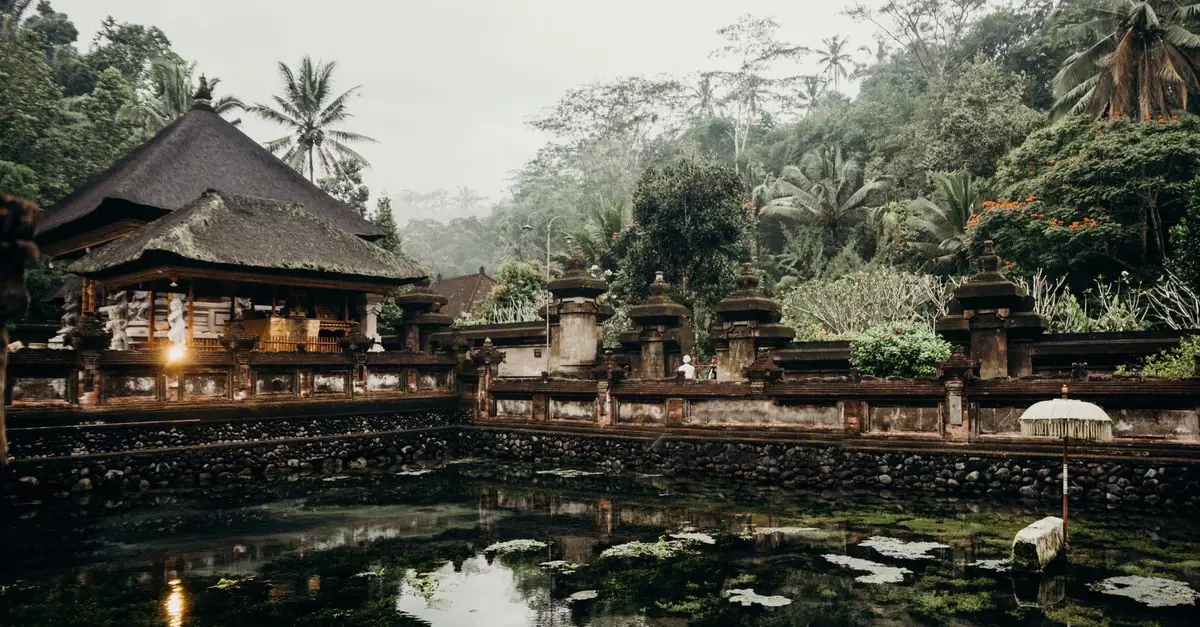
Timing your wellness escape to South America requires considering diverse climates and regional specialties. The continent’s vastness means you could be seeking mountain serenity in the Andes or jungle rejuvenation in the Amazon, each with its optimal window for a truly restorative experience. Understanding these nuances will help you find the best wellness retreats that align with your desired atmosphere and activities.
Navigating Seasonal Rains and Sunshine for Your Retreat
South America’s weather patterns vary dramatically by region and altitude, making the “best time” a subjective choice based on your tolerance for rain or preference for dry seasons. For many coastal or lower-altitude destinations, the shoulder months often offer a sweet spot. For instance, visiting during the dry season, typically from May to October, can provide more predictable sunshine for outdoor activities and a more comfortable climate for yoga or spa treatments. However, traveling just outside these peak times can also mean fewer crowds and potentially lower prices for your chosen retreat.
Peak Seasons for Yoga and Meditation in the Andes
The Andes mountain range, a popular destination for spiritual retreats and high-altitude meditation, generally experiences its driest and sunniest period from April to November. This window offers clear skies, making it ideal for hiking to sacred sites or participating in outdoor yoga sessions with breathtaking panoramic views. While this is a popular time, booking well in advance is crucial for securing a spot at sought-after wellness centers in places like Peru or Ecuador. The crisp, cool air at these altitudes can enhance focus and mindfulness, creating a powerful environment for deep introspection.
Ideal Months for Amazonian Detox and Nature Immersion
For those drawn to the unique healing properties of the Amazon rainforest, the timing of your visit significantly impacts the experience. The dry season, generally from June to November, is preferred by many as it means less rain, making jungle treks and river excursions more accessible and comfortable. This period allows for deeper immersion in nature, with more opportunities for guided walks to discover medicinal plants and observe wildlife. Conversely, the wet season, from December to May, brings heavier rainfall, which can make some areas inaccessible but also enhances the lushness of the rainforest and may be ideal for those seeking a more secluded, introspective experience with fewer visitors.
Here’s a general overview of seasonal considerations for different regions:
| Region | Dry Season | Wet Season | Best for Wellness Retreats |
|---|---|---|---|
| Andes (Peru, Chile) | April – November | December – March | Yoga, meditation, hiking, high-altitude rejuvenation |
| Amazon (Brazil, Peru) | June – November | December – May | Nature immersion, detox, plant medicine, jungle retreats |
| Patagonia (Chile, Argentina) | October – April | May – September | Hiking, active retreats, nature immersion (summer focus) |
| Coastal Brazil | May – September | October – April | Beach retreats, surf yoga, coastal relaxation |
This overview of South America can help you pinpoint the best time for your specific wellness goals, ensuring you find the most conducive environment for rejuvenation and personal growth.
Planning Your Journey to Remote Wellness Havens
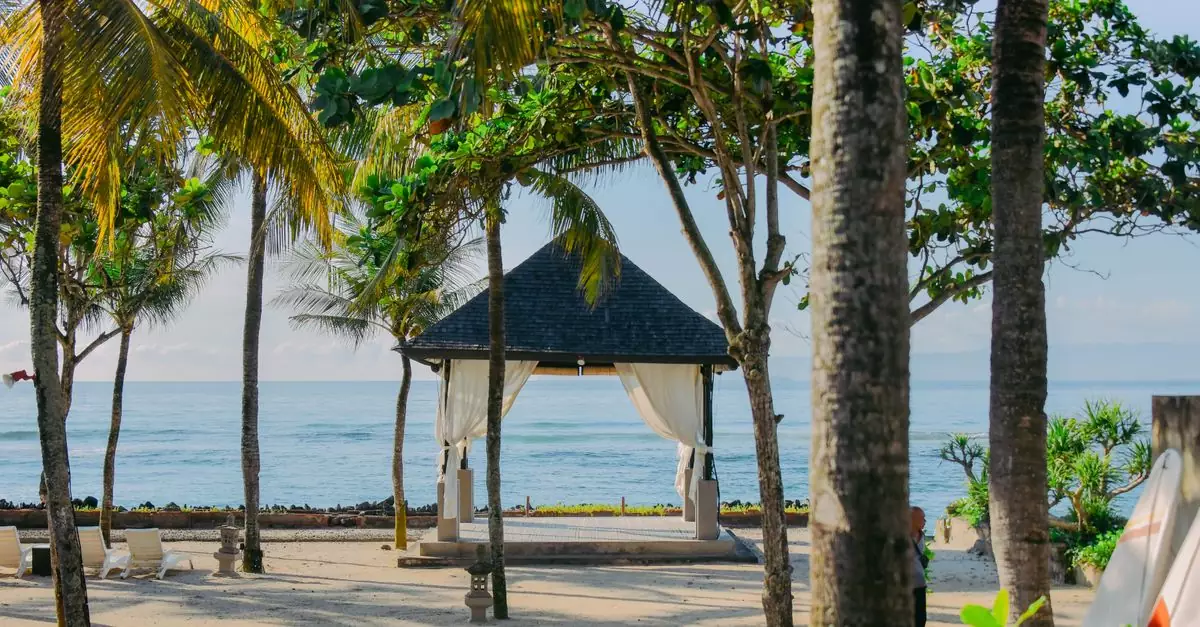
Embarking on a wellness retreat in South America often means venturing off the beaten path, to places where natural beauty amplifies the restorative experience. Understanding the logistics of reaching these serene locations is key to a smooth and rejuvenating trip. Whether you’re drawn to the ancient energies of the Andes or the vibrant biodiversity of the rainforest, careful planning ensures you arrive refreshed and ready to unwind.
Getting to the Sacred Valley: Flights and Local Transport
The Sacred Valley of the Incas in Peru is a prime destination for those seeking spiritual and physical renewal. The nearest major airport is Alejandro Velasco Astete International Airport (CUZ) in Cusco. Most international travelers will connect through Lima (LIM) before flying to Cusco. From Cusco, the valley stretches out, with towns like Urubamba, Ollantaytambo, and Pisac serving as popular bases for wellness centers.
Once you land in Cusco, you have several options to reach your chosen retreat. Taxis are readily available at the airport, but it’s advisable to pre-book transport with your retreat center or a reputable local company. This often ensures a smoother transition and can sometimes be more cost-effective, especially if sharing. Shared minivans, known as colectivos, also operate between Cusco and the valley towns, offering a budget-friendly alternative, though they can be less comfortable and require more local knowledge. The drive from Cusco to the heart of the Sacred Valley typically takes 1.5 to 2 hours, depending on your final destination and traffic. Consider the altitude; Cusco sits at over 11,000 feet, so allow a day or two to acclimatize before strenuous activities or deep immersion in a retreat.
Reaching Ecuador’s Cloud Forests: Bus and Transfer Options
Ecuador’s Mindo cloud forest region, renowned for its lush landscapes and diverse birdlife, offers a tranquil escape. The closest international airport is Mariscal Sucre International Airport (UIO) in Quito. From Quito, the journey to Mindo is relatively straightforward. The most common and economical way to reach Mindo is by public bus. Buses depart regularly from Quito’s main bus terminal, Terminal Terrestre Quitumbe. The journey takes approximately 2 to 3 hours and provides scenic views as you ascend into the cloud forest.
For a more direct and comfortable experience, private taxis or pre-arranged shuttle services from Quito are available. These can be booked through your accommodation in Mindo or a local tour operator. While more expensive than the bus, they offer door-to-door service and can be a good option if you are traveling with luggage or prefer not to navigate public transport. Some wellness lodges located deeper within the forest may offer their own transfer services from Mindo town or even directly from Quito, so it’s worth inquiring with your chosen retreat provider. The cooler, misty climate of the cloud forest creates a unique atmosphere for relaxation and introspection.
Accessing Chapada Diamantina National Park from Salvador
Chapada Diamantina National Park in Brazil is a vast and breathtaking region of table-top mountains, waterfalls, and caves, offering a rugged yet deeply spiritual setting for a wellness journey. The primary gateway city for accessing the park is Salvador, Bahia. The nearest airport to the park itself is Lençóis Airport (LEC), but flights are infrequent and often expensive. Most travelers fly into Salvador’s Deputado Luís Eduardo Magalhães International Airport (SSA).
From Salvador, the most practical way to reach the park is by bus to the town of Lençóis, the main hub for exploring Chapada Diamantina. Several bus companies operate this route, with journeys typically lasting between 6 to 7 hours. Buses depart from Salvador’s main bus terminal, Rodoviária de Salvador. Booking bus tickets in advance is recommended, especially during peak travel seasons. For those seeking a quicker or more convenient arrival, private transfers or rental cars are options, though driving in Brazil can be challenging. Many visitors opt to arrange guided tours or transportation once they arrive in Lençóis, as navigating the park’s extensive network of trails and attractions often requires local expertise and specialized vehicles. The dramatic landscapes and the sense of remoteness in Chapada Diamantina make it an unparalleled destination for disconnecting and finding inner peace.
Choosing Your Ideal South American Wellness Stay
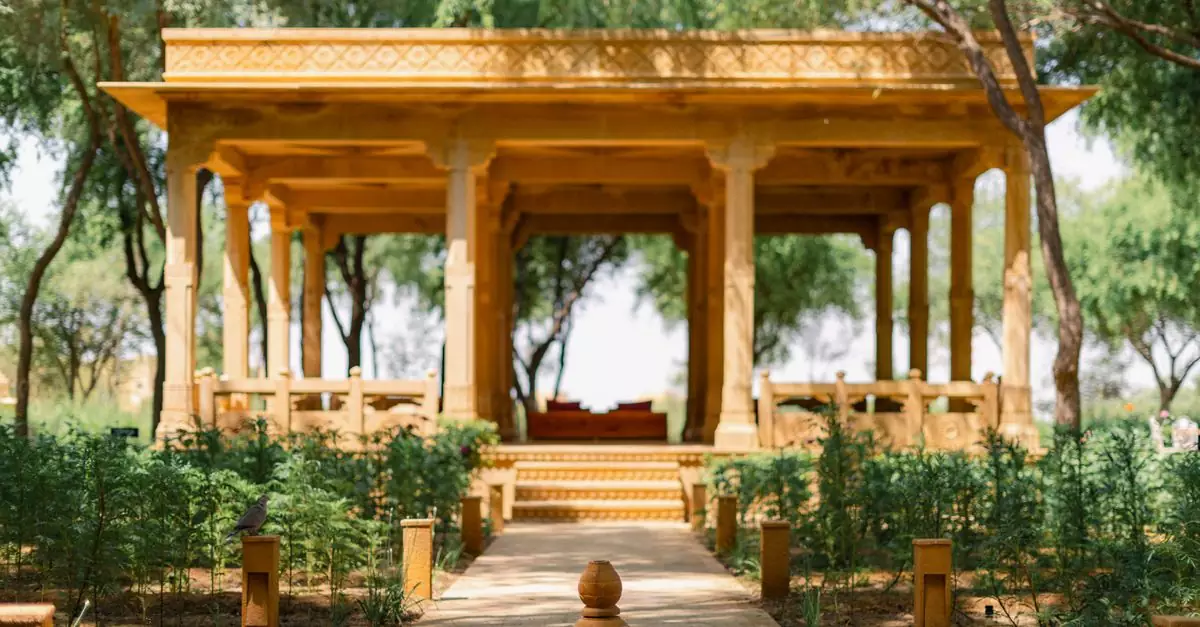
South America offers a diverse landscape for rejuvenation, from the lush Amazon rainforest to the serene Andes mountains. When selecting a wellness retreat, consider what kind of experience will best support your personal goals. Whether you seek deep relaxation, spiritual growth, or a digital detox, the continent provides unique settings tailored to various needs.
Luxury Eco-Lodges with Spa Services
For travelers prioritizing comfort alongside natural immersion, luxury eco-lodges provide a sophisticated approach to wellness. These retreats often blend seamlessly with their surroundings, utilizing sustainable practices and local materials in their design. Expect high-end amenities such as gourmet organic cuisine, infinity pools with breathtaking views, and personalized spa treatments that draw on indigenous healing traditions. Many lodges are situated in biodiverse regions like the cloud forests of Ecuador or the coastal areas of Brazil, offering opportunities for gentle exploration and connection with nature.
When planning a stay at a luxury eco-lodge, consider the specific spa services offered. Some focus on holistic therapies like aromatherapy and reflexology, while others might incorporate more specialized treatments such as volcanic mud wraps or Amazonian clay masks. The best retreats ensure their services are delivered by highly trained therapists in tranquil, aesthetically pleasing environments.
Secluded Yoga Shalas and Meditation Centers
If your focus is on deepening your mindfulness practice, a secluded yoga shala or meditation center provides an ideal sanctuary. These retreats are often found in quieter, more remote locations, such as the foothills of the Andes in Peru or the tranquil beaches of Uruguay. The emphasis here is on simplicity, discipline, and creating an atmosphere conducive to introspection. Daily schedules typically include multiple yoga and meditation sessions, silent periods, and nourishing vegetarian or vegan meals.
Travelers drawn to these settings often appreciate the opportunity to disconnect from daily stressors and immerse themselves in a supportive community focused on spiritual and mental well-being. It’s worth researching the teaching style and lineage of the yoga and meditation practices offered, as different approaches resonate with different individuals. Some centers may also provide workshops on related topics like breathwork or mindfulness techniques.
Ayahuasca and Plant Medicine Retreat Centers
For those seeking profound personal transformation, South America, particularly Peru and Colombia, is a well-established destination for ayahuasca and other indigenous plant medicine ceremonies. These retreats are often facilitated by experienced shamans and curanderos in traditional settings, frequently deep within the Amazon rainforest. The intention is to facilitate deep healing, emotional release, and spiritual insight through guided ceremonial experiences.
It is crucial to approach these retreats with thorough research and a clear understanding of the commitment involved. Safety, ethical practices, and the qualifications of the facilitators are paramount. Many reputable centers provide pre- and post-ceremony support, including integration sessions to help participants process their experiences. Travelers interested in this path should be prepared for intense emotional and psychological journeys. Ensure you understand the legal status and cultural context of these practices in the region you plan to visit.
Beyond the Retreat: Exploring Local Culture and Cuisine

Wellness journeys in South America extend far beyond the tranquil confines of a retreat center. Engaging with the vibrant local culture and savoring its unique culinary traditions can profoundly enhance your rejuvenation experience. Many retreats are strategically located to offer easy access to authentic cultural encounters, allowing you to deepen your understanding of the region and its people.
Tasting Traditional Andean Healing Foods
The Andes mountains are a treasure trove of ancient culinary wisdom, with ingredients and preparation methods steeped in healing traditions. Many wellness retreats incorporate local, nutrient-rich foods into their menus, often highlighting ingredients like quinoa, maca, and amaranth. These ancient grains and roots are not only nourishing but also believed to possess adaptogenic and energy-boosting properties.
Consider seeking out dishes that utilize “hierbas medicinales” (medicinal herbs) common in Andean cultures, such as muña, which aids digestion, or chamomile for relaxation. Some retreats may even offer workshops on preparing these traditional foods, providing a hands-on way to connect with local wellness practices. Exploring these flavors offers a delicious pathway to understanding holistic well-being.
Experiencing Indigenous Markets Near Retreat Locations
Visiting indigenous markets is an immersive way to connect with the heart of South American culture and discover local ingredients. In regions like Peru or Ecuador, markets such as Pisac near Cusco or Otavalo in Ecuador showcase a dazzling array of fresh produce, artisanal crafts, and local delicacies. These bustling hubs are where communities gather to trade, providing an unfiltered glimpse into daily life.
When visiting, be open to trying local fruits you might not recognize, like lucuma or cherimoya. Engaging with vendors, even with limited Spanish, can be a rewarding experience. Many retreat centers can arrange guided market tours, often including explanations of local produce and its traditional uses. This offers a practical and sensory introduction to the region’s bounty, complementing your wellness goals.
| Market Location | Country | Key Attractions | Best Day to Visit |
|---|---|---|---|
| Pisac | Peru | Textiles, ceramics, fresh produce, medicinal herbs | Sunday |
| Otavalo | Ecuador | Woven textiles, jewelry, traditional clothing, food | Saturday |
| San Blas | Argentina | Local produce, artisanal cheeses, empanadas | Daily |
Sustainable Dining Options for the Conscious Traveler
For travelers prioritizing sustainability, South America offers a growing number of dining experiences that align with ethical and environmental values. Many wellness retreats lead this movement, sourcing ingredients from local, organic farms and supporting fair-trade practices. This commitment to sustainability often extends to minimizing food waste and utilizing the entire ingredient.
Beyond retreat centers, look for restaurants that emphasize “farm-to-table” concepts. In cities like Lima, Peru, renowned for its culinary scene, you’ll find numerous establishments championing sustainable seafood and locally grown produce. Supporting these businesses not only provides a delicious meal but also contributes to the preservation of the region’s natural resources and supports local communities. This mindful approach to dining enriches your travel experience and aligns with a holistic sense of well-being, mirroring the ethos of the best wellness retreats.
Frequently Asked Questions About South American Wellness Escapes
What should I pack for a South American wellness retreat?
Packing for a wellness retreat in South America depends heavily on the specific location and the activities offered. For most retreats, comfortable, breathable clothing suitable for yoga, meditation, or hiking is essential. Think layers, as temperatures can vary significantly, especially at higher altitudes or during different times of the day.
Consider including:
- Moisture-wicking activewear
- A light to medium-weight jacket or fleece
- Comfortable walking shoes and sandals
- Swimsuit, if the retreat has a pool or hot springs
- Sunscreen, hat, and sunglasses for sun protection
- Insect repellent, particularly for Amazonian or tropical regions
- A reusable water bottle to stay hydrated and minimize waste
Don’t forget personal items like toiletries, any necessary medications, and a journal for reflections. Many retreats offer laundry services, so you may not need to pack an extensive wardrobe.
Is it safe to travel solo to these retreat locations?
South America is a vast continent with diverse safety landscapes. Generally, popular tourist destinations and well-established wellness retreat centers are quite safe, especially if you exercise common sense precautions. This includes being aware of your surroundings, avoiding displaying expensive items, and not walking alone in unfamiliar areas after dark.
Many travelers find solo journeys to be incredibly rewarding. Retreats themselves often foster a strong sense of community, making it easy to connect with others. Researching the specific region you plan to visit is crucial. For instance, major cities might require more vigilance than remote mountain or jungle retreats. Always inform someone of your travel plans and check travel advisories for the most current safety information.
What is the typical cost of a week-long retreat?
The cost of a week-long wellness retreat in South America can vary widely, typically ranging from $1,000 to $3,500 USD per person. This price often includes accommodation, all meals, and a set program of activities such as yoga, meditation, workshops, and sometimes guided excursions.
Several factors influence the price:
- Location: Retreats in more remote or exclusive areas, like the Galapagos or high-end resorts in the Andes, will generally be more expensive.
- Inclusions: The more specialized therapies, private sessions, or extensive excursions offered, the higher the cost.
- Accommodation Style: Luxury resorts will command higher prices than simpler eco-lodges or guesthouses.
- Duration: While this question focuses on a week, shorter or longer stays will adjust the total cost.
Some retreats may offer early bird discounts or group rates, so it’s worth checking their booking policies. Transportation to and from the retreat location is usually an additional expense.