The Salar de Uyuni stretches across Bolivia’s high plateau like something from another planet. Adventurers from every corner of the globe dream of standing in this surreal landscape, camera in hand, capturing those mind-bending perspective photos. Yet the reality of getting there can feel daunting when you’re watching your budget. The good news? You absolutely can experience this natural wonder without draining your bank account. This guide reveals the uyuni cheapest way to visit this extraordinary destination.
Bolivia ranks among South America’s most wallet-friendly countries, but reaching Uyuni still demands strategic planning. Every decisionfrom how you get there to which tour you book to where you eatdirectly impacts your bottom line. We’ve spent years exploring budget travel strategies across the continent, and we’re sharing exactly what works. The experience doesn’t have to suffer when you’re saving money.
You’ll find everything here: transportation routes with real price comparisons, tour options broken down honestly, accommodation that won’t leave you sleeping on the street, and food strategies that keep both your wallet and stomach happy. By the end, you’ll have a clear roadmap for making this dream trip happen without financial stress.
Why Visit Salar de Uyuni on a Budget?
There’s nowhere else quite like it. Endless white horizons stretch to every edge of your vision, and when conditions align, the salt flats mirror the sky so perfectly you lose all sense of where ground ends and atmosphere begins. The geological formations are unlike anywhere else on Earth. You can spend hours playing with perspective in photographs. You can walk across a landscape that feels genuinely alien.
Traveling cheap here actually deepens the experience. Budget travelers eat where locals eat, stay in family-run hostels, and naturally connect with other adventurers chasing the same dream. You’ll find yourself in conversations you wouldn’t have in a tour bus full of package tourists. Stretching your money further also means you can stay longer in South Americamaybe adding weeks to explore other regions, tackle longer treks, or simply move at a more relaxed pace.
The myth that cheap travel means cheap experiences doesn’t hold up in Uyuni. Smart planning lets you see all the main attractions, sleep somewhere comfortable, eat well, and still come in significantly under budget. The trick is knowing where to splurge and where to save. Embrace the challenge. You’ll discover that resourcefulness and good planning create some of the most rewarding travel memories.
Getting to Uyuni: Your Cheapest Transport Options
The journey to Uyuni town is your first major expense, and it’s also where you have the most control over costs. Multiple routes exist, each with different price tags and travel times. Being flexible with your schedule opens up cheaper options.
From La Paz, overnight buses depart most evenings and roll into Uyuni early the next morning after 10-12 hours on the road. Expect to pay $15-$25 USD depending on the bus company and seat type. Semi-cama (semi-sleeper) seats cost a bit more but provide noticeably better comfort for the long haul. Companies like Todo Turismo charge premium prices for better conditions, while Trans Omar and El Dorado offer solid budget options. Book a day or two ahead, especially during peak season when seats fill quickly.
Coming from Potos? The bus ride shortens to 6-7 hours and costs roughly $8-$15 USD. From Sucre, plan for 7-8 hours and $10-$18 USD. Both routes use established bus services with straightforward schedules. If you’re traveling from Santa Cruz, brace yourself for 18-24 hours (often with a transfer through Potos or Oruro) and budget $25-$40 USD. Always verify current schedules and prices once you arrive in Boliviaprices fluctuate seasonally. Timing your trip to avoid the rainy season also improves travel comfort and reliability.
The train from Oruro presents another option. You’d first catch a bus to Oruro from La Paz (3-4 hours), then board the train for a 7-hour journey to Uyuni. Train tickets sometimes match bus prices, and the ride offers more comfort and scenery. However, trains run infrequentlyusually just a few times weekly. Flights exist from La Paz to Uyuni, covering the distance in under an hour, but they cost $80-$150 USD or more. For budget travelers, the time and money savings don’t justify the expense. Buses and trains remain your best bets for keeping costs down.
Choosing Your Tour: The Uyuni Cheapest Way to Visit the Salt Flats
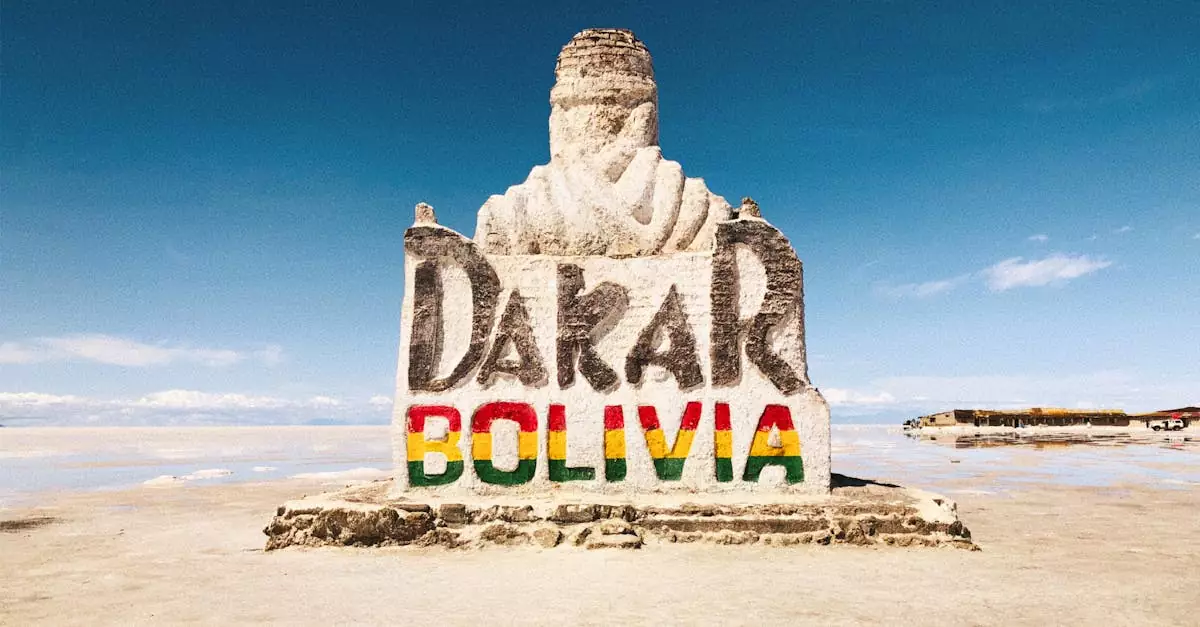
The salt flats themselves require a guidethe terrain is vast, unmarked, and genuinely dangerous to navigate alone. Finding the uyuni cheapest way to visit means selecting both the right operator and the right tour length for your budget and interests. Two main options dominate: 1-day tours and 3-day/2-night tours, each with distinct trade-offs.
Book directly in Uyuni town whenever possible. Online prices are routinely inflated. Arriving a day early gives you time to walk around, visit multiple tour offices (most cluster near the main plaza), and compare what each operator offers. Ask pointed questions about vehicle condition, guide experience, and what’s actually included. Connect with other travelers at your hostel to form a grouplarger parties negotiate better per-person rates. A full jeep typically holds 6-7 passengers, and splitting costs across more people makes a significant difference.
Here’s how the main tour options stack up:
| Tour Type | Pros | Cons | Estimated Cost (USD) | Key Inclusions |
|---|---|---|---|---|
| 1-Day Uyuni Salt Flats Tour | Quick, budget-friendly, ideal for limited time. Focuses solely on the salt flats. | Misses southern lagoons, deserts, volcanoes. Less immersive experience. | $30 – $60 | Transport, guide, lunch (sometimes), basic photo stops. |
| 3-Day/2-Night Salt Flats & Lagoons Tour | Comprehensive, immersive, includes diverse landscapes beyond the salt flats. More adventure. | More expensive, longer commitment, basic accommodation (salt hotels/hostels), can be tiring. | $150 – $250 | Transport, guide, all meals, 2 nights basic accommodation, major attractions. |
The 3-day tour delivers substantially more for your money in terms of sheer experience. You’ll traverse the Eduardo Avaroa Andean Fauna National Reserve, see the vibrant colored lagoons, witness active geysers and natural hot springs, and visit the haunting train cemetery. Sunrise and sunset over the salt flats from different vantage points make for unforgettable moments. While the upfront cost is higher, meals and accommodation are included, making the per-day value competitive. For those truly scraping by, the 1-day tour still delivers the iconic salt flats experience and the photos you came for. For deeper context on the region’s unique geology, Wikipedia’s Salar de Uyuni page offers excellent background.
Accommodation and Food: Saving Money in Uyuni Town
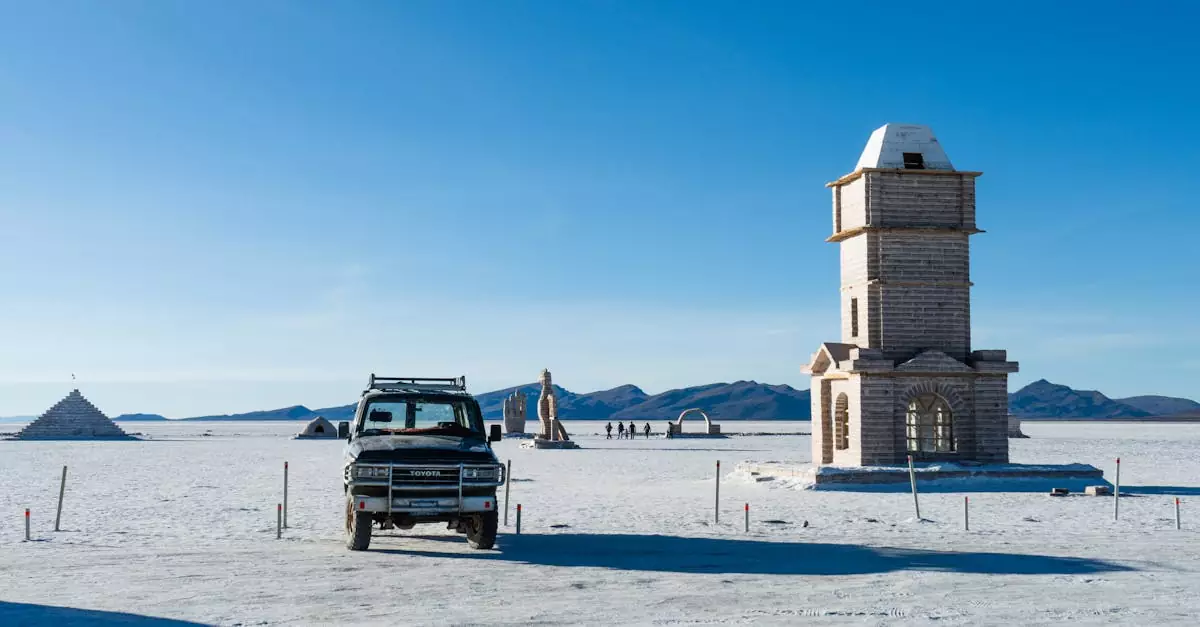
Uyuni is smalla compact town where budget lodging and cheap eats are genuinely available. Hostels dominate the budget accommodation scene, offering not just a bed but also a social hub for meeting other travelers and forming tour groups. Expect to pay $10-$20 USD per night for a dorm bed. Private hostel rooms run $25-$40 USD. Always check recent reviews for cleanliness and actual amenities before booking.
Most hostels provide basic necessities: hot showers (though sometimes on limited schedules) and Wi-Fi (often slow). Several have shared kitchensa game-changer for budget travelers. You can buy groceries at the market and cook your own meals, slashing food costs dramatically. Hostel La Magia de Uyuni and Hostal Kory Wasi consistently offer good value. Book a few days ahead during peak season, though walking in sometimes yields slightly better deals if rooms sit empty.
The Mercado Central is your secret weapon for cheap eating. Fresh produce, bread, and local snacks cost pennies. Many market stalls serve ‘almuerzo’ (set lunch menus) for $2-$5 USDtypically soup, a main dish, and a drink, all hearty and satisfying. Eat where locals eat. Street vendors hawk salteas (savory baked empanadas) and anticuchos (grilled beef heart skewers) for just a few Bolivianos. Use common sense with street food hygiene, as you would anywhere.
Tourist restaurants clustered around the main plaza charge two to three times more. Walk a few blocks away from Plaza Arce and you’ll find authentic local spots with far better value. If your hostel has a kitchen access, buy ingredients and cookit’s the ultimate budget hack. Stock up on snacks and water before your tour departs; vendors along the route charge inflated prices. A little meal planning prevents expensive impulse purchases and keeps your daily costs low.
Practical Tips for a Cheap Uyuni Travel Guide
Budget travel to Uyuni presents both advantages and challenges worth understanding upfront. Knowing what to expect helps you prepare better and navigate the experience more smoothly. This section offers practical, real-world advice for maximizing savings while enhancing your overall journey.
Pros and Cons of Budget Travel in Uyuni
- Pros:
- Authentic Experience: You interact more with locals and witness daily life as it actually happens.
- Meet Like-Minded Travelers: Hostels and budget tours attract adventurous, interesting people from everywhere.
- Sense of Accomplishment: Successfully managing a trip on a tight budget feels genuinely rewarding.
- More Travel: Saving money means extending your trip or visiting additional places.
- Flexibility: Budget options often allow more spontaneity in planning and route changes.
- Cons:
- Less Comfort: Basic accommodation and transport lack luxury amenities.
- Limited Choices: Fewer options for tours, restaurants, and services overall.
- Requires Resourcefulness: You need to actively hunt for deals and manage logistics yourself.
- Potential for Basic Tours: Some budget tour operators use older vehicles or provide fewer amenities.
- Physical Demands: Long bus rides and high altitude exposure can be genuinely challenging.
Save Money Tips for Your Uyuni Adventure
- Travel During Shoulder Season: April-May and September-October bring fewer crowds and potentially lower prices for tours and rooms. Avoid the rainy season (January-March) unless witnessing the mirror effect is non-negotiableroad closures and higher prices are common.
- Bring Your Own Snacks and Water: Tour vendors charge premium prices. Stock up in Uyuni before departure. Plenty of water matters especially at high altitude, where dehydration worsens altitude sickness.
- Bargain Respectfully: Light negotiation works in local markets. Always do it with genuine respect and a smile for the vendors.
- Form a Group for Tours: Solo travelers should connect with others at the hostel to fill a jeep. Operators consistently offer better rates for full vehicles.
- Pack Smartly: Bring multiple layers even in summernighttime temperatures drop dramatically. A good sleeping bag or liner for the 3-day tour prevents rental costs if you get cold easily.
- Prepare for Altitude: Uyuni sits above 3,700 meters (12,100 feet). Acclimatize first in La Paz or Potos. Drink water constantly, skip alcohol, and take it easy upon arrival. Coca leaves or mate de coca genuinely help.
- Carry Cash: Most places in Uyuni, especially smaller shops and tour operators, accept only cash in Bolivian Bolivianos. ATMs are scarce and sometimes run dry. Bring enough for tours, park fees, and personal expenses.
- Power Bank: Electricity is limited on the 3-day tour. A fully charged power bank keeps your devices ready for those epic photos.
- Sun Protection: High-altitude sun is intense. Pack high-SPF sunscreen, sunglasses, and a wide-brimmed hat.
Apply these save money tips and you’ll dramatically reduce costs while maintaining a genuinely great experience. For broader South America budget strategies, check out our budget travel strategies guide.
Beyond the Salt Flats: Exploring Uyuni on a Shoestring
The salt flats are the main attraction, but Uyuni town and its surroundings offer additional experiences worth your time. Many cost nothing or almost nothing. These side attractions add depth to your visit and provide insight into the region’s history and culture. You don’t need to spend much to enjoy them.
The Train Cemetery (Cementerio de Trenes) sits just outside town and ranks among the area’s most compelling sights. Dozens of abandoned steam locomotives and train cars rust under the Bolivian sky, remnants from the 19th and early 20th centuries when they transported minerals from regional mines. The eerie, photogenic landscape tells a story of Bolivia’s industrial past. Best of all? Completely free. You can walk there in 30-45 minutes or grab a cheap taxi for just a few Bolivianos.
Exploring Uyuni town itself offers authentic cultural immersion. Wander through the Mercado Central and watch daily life unfold. Sample cheap local snacks. Relax in Plaza Arce and observe people passing by. Street vendors sell small crafts and food. These interactions support locals directly and cost almost nothing. Small local museums sometimes have minimal entrance fees and offer insights into regional history and geology.
Evenings in Uyuni are quiet and peaceful. Take a stroll through town or simply sit at your hostel, breathing in the crisp air. The region’s ecological significance extends well beyond the salt flats themselves. Wikipedia’s Salar de Uyuni page provides valuable context for understanding the unique environment you’re exploring. Remember: some of the best travel moments cost absolutely nothing. They come from observation and genuine appreciation.
Frequently Asked Questions about Visiting Uyuni on a Budget
Is it safe to travel to Uyuni alone on a budget?
Yes, solo budget travel to Uyuni is generally safe. Take standard precautions: use reputable tour operators, inform someone of your itinerary, and stay aware of your surroundings, especially at night.
What’s the best time to visit Uyuni for budget travelers?
Shoulder seasons (April-May and September-October) offer fewer crowds and potentially lower prices for tours and accommodation. Weather is generally pleasant, balancing dry season conditions with fewer tourists.
Can I save money by bringing my own food on the 3-day tour?
3-day tours include meals, but bringing extra snacks and water is highly recommended. You’ll save money on expensive roadside purchases and ensure you have food you actually enjoy, especially if you have dietary restrictions.
How much cash should I bring to Uyuni?
Bring enough for your tour balance, national park entrance fees, hot springs fees, and personal spending. ATMs are unreliable. For a 3-day trip (excluding the main tour cost), estimate $200-$300 USD equivalent in Bolivian Bolivianos.
Are there hidden costs I should be aware of?
Yes. The Eduardo Avaroa Andean Fauna National Reserve entrance fee runs around 150 BOB. Hot springs cost 30 BOB. Toilet use along the route costs 5-10 BOB per stop. These rarely appear in basic tour quotes. Tips for guides and drivers are customary.
Conclusion: Your Affordable Adventure Awaits in Uyuni
The Salar de Uyuni doesn’t have to remain a distant dream. Careful planning of transportation, smart tour selection, and strategic choices about where you stay and eat make this wonder accessible on a budget. You now have the essential tools and save money tips to make it happen. From navigating bus routes to selecting value-driven tours, every strategy here is designed to help you save.
Budget travel often creates the most authentic and memorable experiences. You’ll connect with local culture in ways expensive tours never allow. You’ll meet fellow adventurers. You’ll gain deeper appreciation for your journey. The vast, ethereal landscapes of the Uyuni Salt Flats belong to everyone willing to plan smartly and explore resourcefully. Embrace both the adventure and the challenge.
Pack your bags, charge your camera, and prepare for an unforgettable journey. The uyuni cheapest way to visit isn’t just about saving Money it’s about unlocking adventure without financial stress. Your affordable Bolivian adventure to the world’s largest salt flat is within reach. Start planning today.