South America is a continent shaped by fire and ice, featuring some of the world’s most impressive volcanic landscapes. From the snow-capped peaks of the Andes to the geothermal wonders of the Atacama Desert, these dramatic terrains offer a striking combination of raw power and stunning beauty. If you’re planning an adventure to explore the best volcanic landscapes, you’ll encounter remarkable geological formations, vibrant ecosystems, and unforgettable experiences. This guide highlights the most iconic volcanic sites, detailing what makes each unique, the best times to visit, essential packing tips, and exciting activities. Prepare to be inspired by the earth’s dynamic artistry as we explore South America’s fiery heart.
Top Volcanic Wonders in South America for 2026
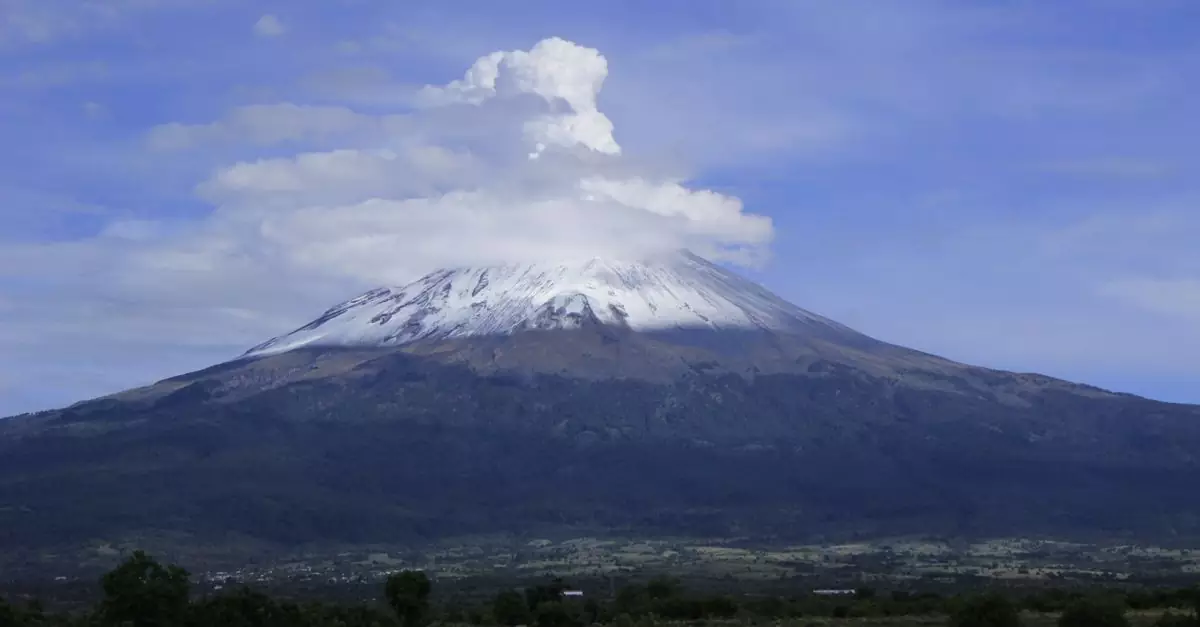
South America features some of the planet’s most dramatic geological formations, with its volcanic landscapes presenting a compelling mix of power and beauty. For travelers seeking breathtaking scenery and adventure, these iconic peaks and calderas offer unforgettable experiences. Planning your visit in 2026 ensures access to established tourism infrastructure while still allowing for genuine discovery.
Cotopaxi National Park: Ecuador’s Majestic Stratovolcano
Dominating the Ecuadorian highlands, Cotopaxi is one of the world’s highest active volcanoes and a quintessential symbol of the Andes. Its near-perfect conical shape, often capped with snow, creates an iconic view visible from Quito on clear days. The national park surrounding the volcano features diverse ecosystems, ranging from Andean páramo grasslands to cloud forests, supporting a rich array of wildlife, including wild horses and various bird species.
Climbing Cotopaxi is a significant undertaking. Guided ascents typically require prior mountaineering experience and acclimatization. The climb includes glacier travel and is best attempted during the dry seasons from December to February and June to August. Shorter hikes and horseback riding excursions at lower elevations provide stunning views of the volcano without the extreme challenge.
Getting There: The park is reachable via day trips from Quito, approximately a 1.5 to 2-hour drive. Organized tours usually include transportation and guides. Independent travelers can hire a taxi or take a bus towards Lasso and arrange local transport from there.
Accommodation: Options range from rustic mountain lodges near the park entrance to comfortable hotels in nearby towns like Latacunga or Machachi. Staying closer to the park allows for early access to hikes.
Ojos del Salado: Argentina & Chile’s High-Altitude Volcanic Giant
Straddling the border between Argentina and Chile, Ojos del Salado is the highest active volcano on Earth, reaching an impressive 6,893 meters (22,615 feet). This colossal stratovolcano is part of the Andes’ “Ring of Fire” and showcases a stark, arid beauty marked by vast scree slopes and a lunar-like landscape. While its volcanic activity is low, fumaroles near the summit indicate ongoing geothermal processes.
The ascent of Ojos del Salado is a serious expedition, requiring excellent physical condition, acclimatization to extreme altitude, and specialized equipment for glacier travel. The climbing season typically runs from December to March, aligning with the austral summer. The challenging terrain and remote location mean that most expeditions last multiple days, often starting from the small town of Fiambalá in Argentina or Copiapó in Chile.
Logistics: Reaching base camps requires 4×4 vehicles due to rough, unpaved roads. Many trekkers opt for organized expeditions that manage transportation, logistics, and guides, which is highly recommended for safety and success.
Budget: This destination is generally more expensive due to logistical complexities and the need for specialized guides and equipment, catering to experienced mountaineers and adventure enthusiasts.
Villarrica Volcano: Chile’s Active Cone and Adventure Hub
Situated in Chile’s picturesque Lake District, Villarrica Volcano is one of South America’s most active and iconic stratovolcanoes. Its summit often emits smoke, and on clear nights, the glowing lava within its crater is a spectacular sight. The volcano’s accessible slopes and surrounding natural beauty make it a prime destination for adventure tourism.
Hiking to the crater rim is a popular activity, offering unparalleled views of the surrounding lakes and volcanoes. Guided tours are mandatory for summit attempts, typically taking a full day. Hikers should be prepared for steep ascents, volcanic ash, and icy sections, particularly at higher altitudes. Equipment, including crampons and ice axes, is often provided by tour operators. The best time for climbing is during the summer months, from December to March, when weather conditions are generally more favorable.
Getting Around: Pucón, a charming adventure town, serves as the primary base for exploring Villarrica. It’s well-connected by bus to major Chilean cities like Santiago and Temuco. From Pucón, local transport or tour operators can take you to the volcano’s base.
Activities: In addition to volcano trekking, the region offers opportunities for white-water rafting, kayaking, hot springs, and exploring nearby national parks. This makes it a versatile destination for a range of travelers.
Planning Your Expedition to South America’s Best Volcanic Landscapes
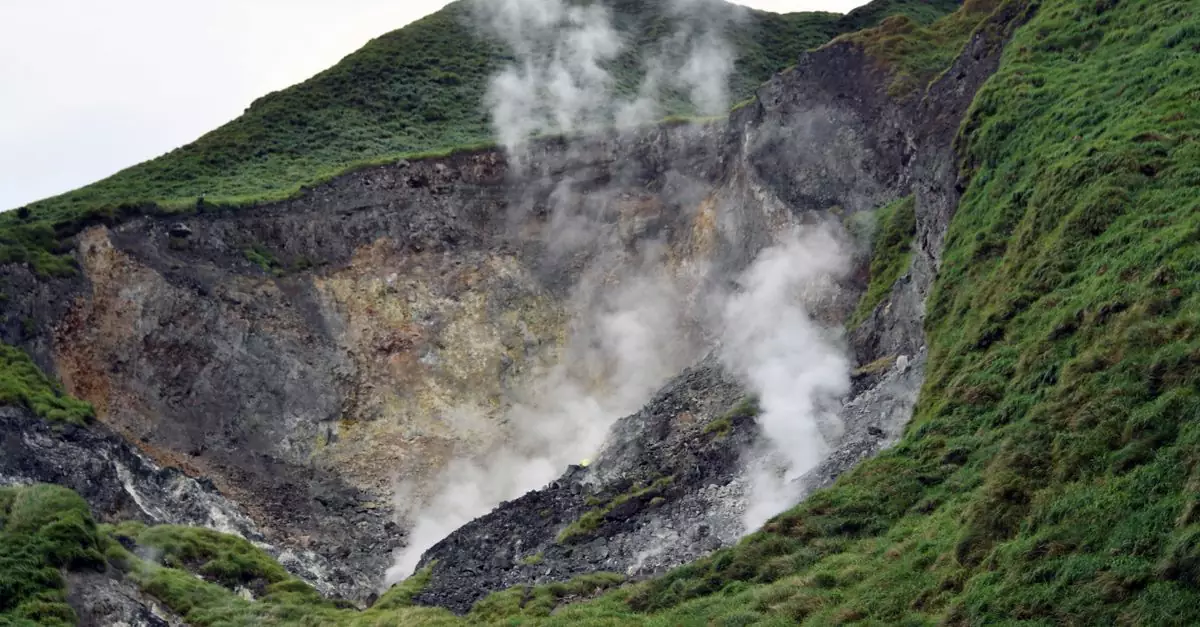
Embarking on an adventure to witness South America’s dramatic volcanic terrains requires careful planning. From the towering Andes to the rugged Patagonian steppe, these regions showcase unparalleled geological wonders. Understanding the best times to visit, efficient transportation methods, and essential gear will ensure a memorable and safe journey.
Best Time to Visit South America’s Volcanic Regions
The optimal time to explore South America’s volcanic landscapes largely depends on the specific region and its climate. For the Andes, particularly popular destinations like the Atacama Desert in Chile or the Ecuadorian highlands, the dry season from May to October offers clearer skies and more stable weather conditions. This period is excellent for trekking and photography, minimizing the risk of rain or snow obscuring views.
Patagonia’s volcanic areas, while less active in recent history, experience a short summer season from December to February. This is the most accessible time for hiking and exploring, though winds can be fierce year-round. Shoulder seasons—April to May and September to October—can offer fewer crowds and dramatic autumn colors, but weather is more unpredictable. Always check local conditions, as microclimates are common.
| Region | Best Months | Key Considerations |
|---|---|---|
| Atacama Desert, Chile | May – October | Dry, clear skies, cooler temperatures |
| Ecuadorian Andes | June – August | Dry season, good for high-altitude treks |
| Patagonia, Argentina/Chile | December – February | Mildest weather, but windy; peak season |
| Northern Andes (Colombia) | December – March | Dry season, suitable for coffee region volcanoes |
Getting Around: Transportation Options for Volcanic Tours
Navigating South America’s diverse volcanic landscapes often requires a combination of transport. Within major cities or tourist hubs like Quito, Santiago, or El Calafate, local buses and taxis are readily available. However, reaching more remote volcanic sites typically necessitates organized tours, private transfers, or renting a four-wheel-drive vehicle.
Many travelers choose guided tours that include transportation to trailheads and specific viewpoints, simplifying logistics, especially in areas with challenging road conditions. For independent exploration, consider domestic flights between major cities to save time, followed by bus services or car rentals for local access. Exploring South America often means embracing varied travel methods.
Key transportation considerations include:
- Organized Tours: Convenient for accessing remote areas and gaining geological context.
- Rental Cars: Offers flexibility but requires confidence driving on potentially unpaved or high-altitude roads. Four-wheel drive is recommended for many volcanic park access roads.
- Local Buses: The most budget-friendly option for inter-city travel, though can be slow and less direct for reaching specific natural attractions.
- Domestic Flights: Essential for covering long distances quickly between countries or major cities.
Essential Packing List for High-Altitude Volcanic Treks
Packing appropriately is crucial for comfort and safety when visiting volcanic regions, which are often at high altitudes. Layering is key to managing fluctuating temperatures. Start with a moisture-wicking base layer, followed by insulating mid-layers like fleece or down, and an outer shell that is waterproof and windproof.
Sturdy, broken-in hiking boots are essential for navigating rocky terrain. Sun protection is vital due to intense UV radiation at higher elevations; include a wide-brimmed hat, sunglasses, and high SPF sunscreen. Altitude sickness can be a concern, so consider consulting your doctor about preventative measures and pack any prescribed medication. Staying hydrated is paramount.
Essential items include:
- Layered Clothing: Moisture-wicking base layers, fleece or down jacket, waterproof/windproof outer shell.
- Footwear: Broken-in hiking boots with good ankle support.
- Sun Protection: High SPF sunscreen, sunglasses, wide-brimmed hat.
- Hydration: Reusable water bottle or hydration reservoir.
- First-Aid Kit: Including any personal medications and altitude sickness remedies.
- Navigation: Map, compass, or GPS device, especially for independent hikes.
- Headlamp: Useful for early morning starts or unexpected delays.
Unique Volcanic Activities and Hiking Trails
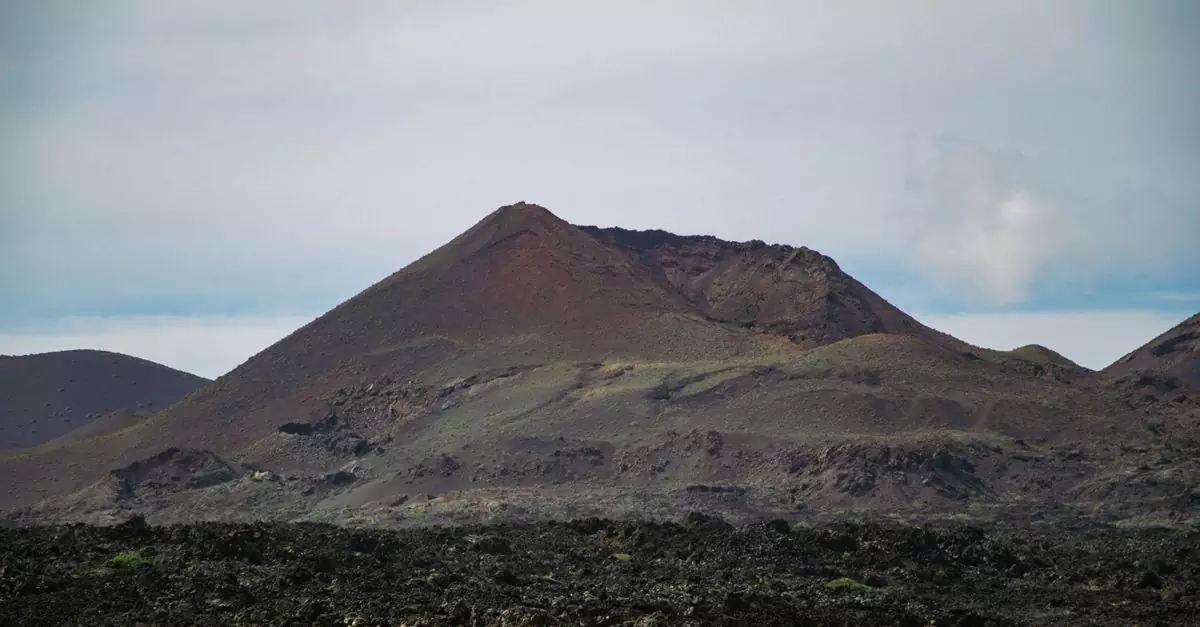
South America offers more than just dramatic peaks; its volcanic regions provide incredible opportunities for active exploration. From multi-day treks around caldera lakes to the stark beauty of geothermal fields, these landscapes beckon adventurers. Understanding the logistics and challenges of each activity will help you plan an unforgettable journey.
Trekking the Quilotoa Loop: Ecuador’s Crater Lake Hike
The Quilotoa Loop in Ecuador is a renowned trekking route that circles the stunning Quilotoa crater lake. This multi-day hike takes you through remote Andean villages, offering a glimpse into local Kichwa culture and providing breathtaking vistas of the volcanic caldera. The trail varies in difficulty, with some sections steep and rocky, while others traverse rolling hills.
Key Considerations for the Quilotoa Loop:
- Duration: Typically 3-4 days, though shorter or longer variations are possible.
- Difficulty: Moderate to challenging, requiring good physical fitness. Altitude can be a significant factor, with the loop reaching over 3,900 meters (12,800 feet).
- Logistics: Accommodation is usually in basic hostels or homestays in villages like Chugchilán, Isinlivi, and Sigchos. Transportation to the trailhead is often via local buses from Latacunga.
- Best Time to Visit: The dry season, from June to September, offers the most reliable weather. However, shoulder seasons (April-May and October-November) can be less crowded.
You can arrange guided treks or hike independently, but hiring a local guide can enhance the cultural experience and navigation. Be prepared for variable weather, including sun, rain, and cold, even within the same day.
Exploring the Geysers of El Tatio: Chile’s Geothermal Fields
Located in the Atacama Desert, the El Tatio geyser field is one of the highest in the world, situated at an altitude of 4,320 meters (14,173 feet). Witnessing the geysers erupt at dawn is a surreal experience, as the frigid desert air creates dramatic plumes of steam. The landscape is stark and otherworldly, dotted with fumaroles and steaming vents.
Visiting El Tatio:
- Timing: Tours depart very early in the morning, often before sunrise, to see the geysers at their most active. The temperature can drop below freezing.
- Transportation: Access is typically via guided tours from San Pedro de Atacama. While it’s possible to drive yourself, a 4×4 vehicle is recommended due to the rough road.
- What to Expect: Walking paths guide visitors through the geothermal area. Some tours include breakfast and a stop at a natural hot spring for a dip.
- Altitude Sickness: Due to the extreme altitude, acclimatization in San Pedro de Atacama for at least 1-2 days prior is crucial.
The raw power of the earth is palpable here, making it a must-see for anyone interested in geothermal wonders and dramatic landscapes.
Summiting Volcanoes: Guided Ascents for Experienced Climbers
For the truly adventurous, South America offers numerous opportunities to summit active and dormant volcanoes. These expeditions require significant climbing experience, proper gear, and often, guided support. Peaks like Cotopaxi in Ecuador, Villarrica in Chile, and Ojos del Salado on the Argentina-Chile border present challenging but rewarding climbs.
Considerations for Volcano Ascents:
- Experience Level: These climbs are not for beginners. Prior mountaineering experience, including glacier travel and crevasse rescue for some routes, is essential.
- Guided vs. Independent: For most high-altitude volcanoes, hiring a certified guide is highly recommended for safety and logistical reasons. Guides provide crucial knowledge of routes, weather patterns, and emergency procedures.
- Equipment: Specialized climbing gear, including crampons, ice axes, helmets, and warm clothing, is mandatory.
- Permits and Regulations: Many volcanoes are within national parks and require permits and adherence to specific climbing regulations. Research these well in advance.
- Altitude and Weather: High altitudes and rapidly changing weather conditions pose significant challenges. Proper acclimatization and monitoring for altitude sickness are vital.
These volcanic summits offer unparalleled views and a profound sense of accomplishment. Thorough planning and respect for the mountain’s power are essential for a successful and safe ascent. For those interested in the broader geological context of the region, exploring resources on South America’s geology can provide valuable background.
Beyond the Peaks: Exploring Volcanic Regions’ Hidden Gems
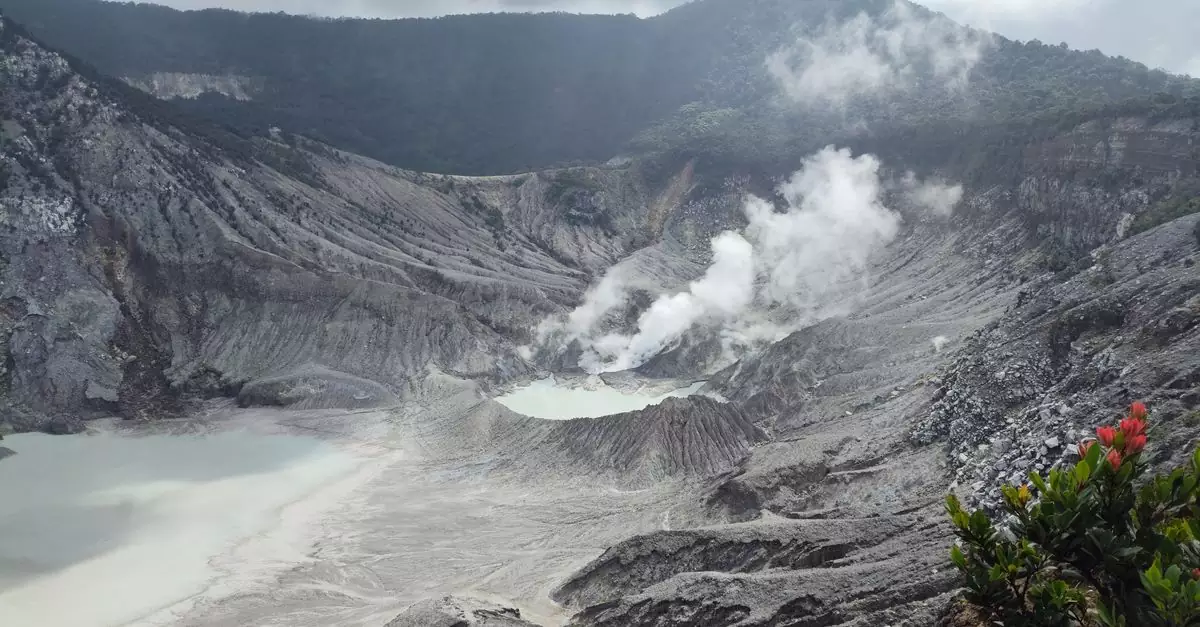
While towering volcanoes capture the imagination, South America’s volcanic influence shapes its landscapes in subtler, yet equally captivating ways. From surreal, mineral-rich lakes to ancient geological formations, these regions offer unique experiences far beyond the summit. Understanding these nuances can unlock a deeper appreciation for the continent’s dynamic geology.
The Colorful Lakes of the Andes: Laguna Verde and Laguna Colorada
In the high-altitude Altiplano of Bolivia, two of the most striking volcanic landscapes are the Laguna Verde and Laguna Colorada. Laguna Verde, at the foot of the Licancabur volcano, is renowned for its vibrant emerald hue, a color derived from copper minerals. The shifting winds often create mesmerizing patterns on its surface.
Nearby, Laguna Colorada presents a stark contrast with its deep red waters, colored by algae and sediments. This shallow lake is a crucial feeding ground for thousands of flamingos, including the rare James’s flamingo. Visiting these lakes requires careful planning due to their remote location and extreme altitude, typically involving multi-day tours from Uyuni or San Pedro de Atacama. The best time to visit is during the dry season, from May to October, when clear skies provide dramatic views of the surrounding volcanoes.
Patagonia’s Volcanic Past: Exploring Torres del Paine’s Geology
Patagonia, often celebrated for its glaciers and granite spires, also bears the indelible mark of volcanic activity. The iconic granite peaks of Torres del Paine National Park, for instance, are remnants of ancient volcanic intrusions that were later uplifted and sculpted by erosion. Understanding this geological history adds depth to the park’s dramatic scenery.
Hiking through Torres del Paine, especially on trails like the W Trek or the O Circuit, reveals evidence of this past, from distinct rock formations to ancient lava flows. While active volcanism is not a feature of modern Patagonia, its volcanic origins are fundamental to the region’s topography. The park’s unique geological makeup contributes to its diverse ecosystems and breathtaking vistas. Planning a trip to Torres del Paine is best done between November and March for optimal weather conditions.
Discovering Lesser-Known Volcanic Hot Springs and Thermal Baths
Beyond the dramatic peaks and colorful lakes, South America is dotted with natural hot springs and thermal baths, many fed by geothermal activity linked to its volcanic belts. These offer a more tranquil way to experience the earth’s internal heat. While places like Baños in Ecuador are well-known, numerous smaller, less commercialized options exist.
For instance, the Termas de Puritama near San Pedro de Atacama provide a series of warm, mineral-rich pools set in a beautiful canyon, a stark contrast to the arid desert landscape. In Chile’s southern Lake District, geothermal areas offer opportunities for relaxation amidst lush forests. These thermal sites are often accessible via local buses or guided tours. It’s advisable to check local conditions and opening times, as some may have seasonal access.
| Region/Country | Notable Volcanic Feature | Key Attraction | Best Time to Visit (Dry Season) |
|---|---|---|---|
| Altiplano, Bolivia | Volcanic Lakes (Laguna Verde) | Licancabur volcano views, vibrant lake colors | May – October |
| Altiplano, Bolivia | Volcanic Lakes (Laguna Colorada) | Flamingo populations, unique red water | May – October |
| Patagonia, Chile | Ancient Volcanic Intrusions | Granite spires of Torres del Paine | November – March |
| Atacama Desert, Chile | Geothermal Activity | Termas de Puritama hot springs | Year-round (check conditions) |
| Lake District, Chile | Geothermal Activity | Natural hot springs amidst forests | Year-round (check conditions) |
What Are the Safest Ways to Experience Volcanic Landscapes in South America?
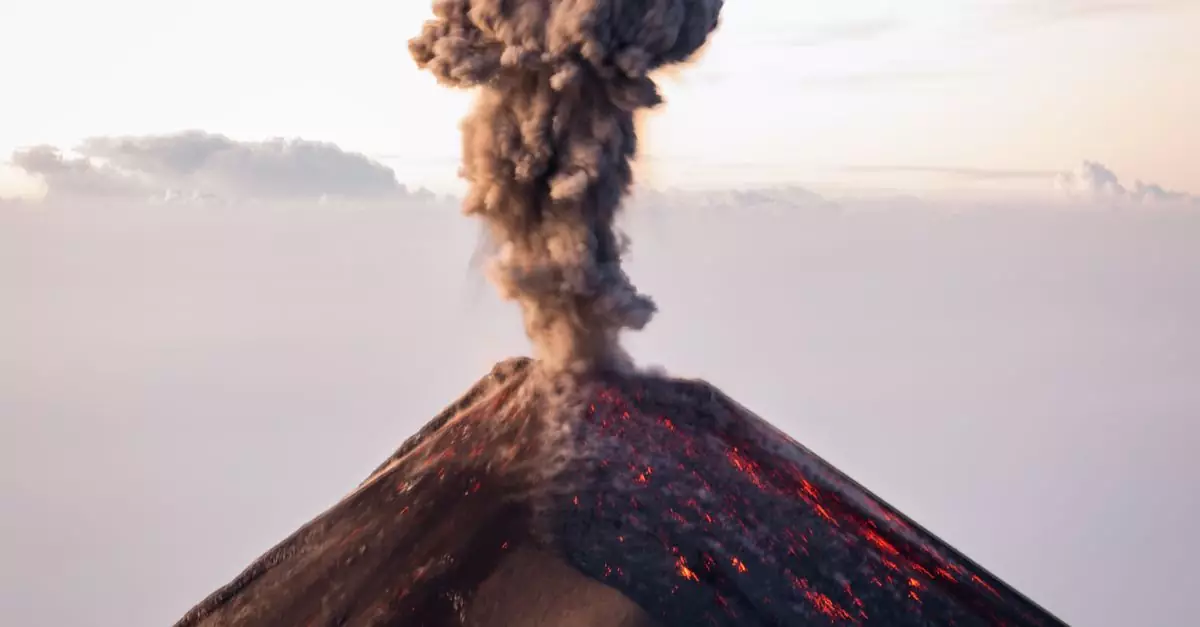
South America offers some of the planet’s most dramatic volcanic scenery, from the towering peaks of the Andes to the geothermal wonders of Patagonia. Experiencing these powerful natural formations requires a focus on safety and preparedness. Understanding the risks and taking appropriate precautions ensures a rewarding adventure.
Understanding Volcanic Activity and Safety Protocols
Volcanic regions in South America, such as those in Ecuador and Chile, can be active. While many popular sites are monitored and deemed safe for tourism, it’s crucial to stay informed about current conditions. Local authorities and geological institutes often provide real-time updates. Always heed warning signs and instructions from park rangers or guides. Familiarize yourself with emergency procedures for the specific area you plan to visit, as protocols can vary.
Choosing Reputable Tour Operators for Volcanic Excursions
Opting for established and reputable tour operators significantly enhances safety when visiting volcanic areas. These companies employ experienced guides trained in first aid and familiar with the terrain and potential hazards. They also typically provide necessary safety equipment, such as helmets for areas with potential rockfall or specialized gear for glacier hikes. Before booking, research reviews and ensure the operator adheres to local safety regulations. For instance, excursions around Cotopaxi National Park in Ecuador often involve guided treks where guide expertise is paramount.
Altitude Sickness: Prevention and Management Tips
Many of South America’s most stunning volcanic landscapes are situated at high altitudes, increasing the risk of altitude sickness. Symptoms can range from headaches and nausea to more severe conditions. Gradual ascent is key; spend a day or two acclimatizing in a lower-altitude town before tackling higher elevations. Staying hydrated by drinking plenty of water and avoiding alcohol and heavy meals can also help. If symptoms arise, descend to a lower altitude immediately. Many travelers find that consulting a doctor before their trip for advice on medication like Diamox can be beneficial.
| Symptom | Prevention Strategies | Management Steps |
|---|---|---|
| Headache | Gradual ascent, hydration, avoid alcohol | Rest, hydration, descend if severe |
| Nausea/Vomiting | Light meals, hydration, avoid alcohol | Rest, hydration, consider medication |
| Dizziness | Acclimatization, hydration | Slow down, rest, descend if needed |
| Fatigue | Gradual ascent, adequate sleep | Rest, hydration |
Frequently Asked Questions About South America’s Volcanic Terrain
Are there active volcanoes I can visit in South America?
Yes, South America boasts several accessible active volcanoes, offering thrilling experiences for adventurous travelers. Destinations like Chile’s Villarrica Volcano allow guided treks to its crater rim, where you might witness lava. Ecuador’s Cotopaxi is another iconic active stratovolcano, though access can be restricted based on volcanic activity. Always check current conditions and go with certified guides for safety.
What is the best volcanic landscape for photography?
For photographers, the Atacama Desert in Chile offers otherworldly volcanic landscapes, particularly around the El Tatio Geysers. The stark desert scenery, combined with steaming geysers at sunrise, creates dramatic shots. Another stunning option is the Ojos del Salado region, the world’s highest active volcano, providing vast, arid panoramas. The unique geological formations and vibrant mineral colors in these areas make them prime subjects.
Can I visit volcanic sites on a budget in South America?
Visiting South America’s volcanic sites can be budget-friendly, especially with strategic planning. Many national parks in countries like Ecuador and Peru have relatively low entrance fees. Opting for local buses instead of private transport can significantly cut costs. Staying in hostels or guesthouses in towns near volcanic areas, such as Baños in Ecuador or Pucón in Chile, offers affordable accommodation.
Consider self-guided hikes in accessible areas where permitted, rather than always booking expensive guided tours. Researching free or low-cost trekking routes can also help manage expenses. For a broader overview of the continent, consult National Geographic’s South America travel resources.