A safari in Kenya’s iconic Masai Mara captures the imagination of countless travelers. You picture yourself watching lions prowl across endless plains, elephants moving majestically through the landscape, giraffes stretching their necks toward acacia trees. Yet the price tag often feels like a barrier to making this dream real. Peak season costs can quickly spiral beyond what most budgets allow, leaving many adventure seekers convinced they’ll have to wait years to afford it.
The secret? Travel when fewer people do. The off-seasonthose quieter months when fewer tourists arriveopens the door to experiencing everything you’ve dreamed about for a fraction of the cost. You’ll still encounter incredible wildlife. The crowds simply disappear, replaced by a more intimate connection with the reserve. The savings are real and substantial.
This guide breaks down every element of the masai mara off season safari cost, from where you’ll sleep to how you’ll get around and what you’ll pay to enter the park. You’ll discover practical strategies for finding the best deals. You’ll also understand what makes low season travel differentboth the advantages and the occasional challenge. By the time you finish reading, you’ll have everything needed to plan an unforgettable Kenyan adventure that won’t drain your bank account.
Understanding the Masai Mara Off-Season
The Masai Mara shifts dramatically with the seasons, affecting everything from animal behavior to how many visitors arrive each day. Kenya’s rainy periods define the low season: April through May, then again from November into early December. Most travelers avoid these months, assuming wet weather ruins the experience. That assumption misses the reality entirely.
Rain transforms the landscape in remarkable ways. The dusty, parched plains of dry season become a lush carpet of green vegetation. This creates a photographer’s paradise with vibrant backdrops you won’t find during peak months. The showers themselves tend to be brief and intensethey rarely persist all day. Afterward, skies clear and light becomes soft and beautiful. Temperatures stay mild and comfortable, making long game drives genuinely pleasant. The abundance of vegetation means herbivores thrive, which naturally draws predators into the area.
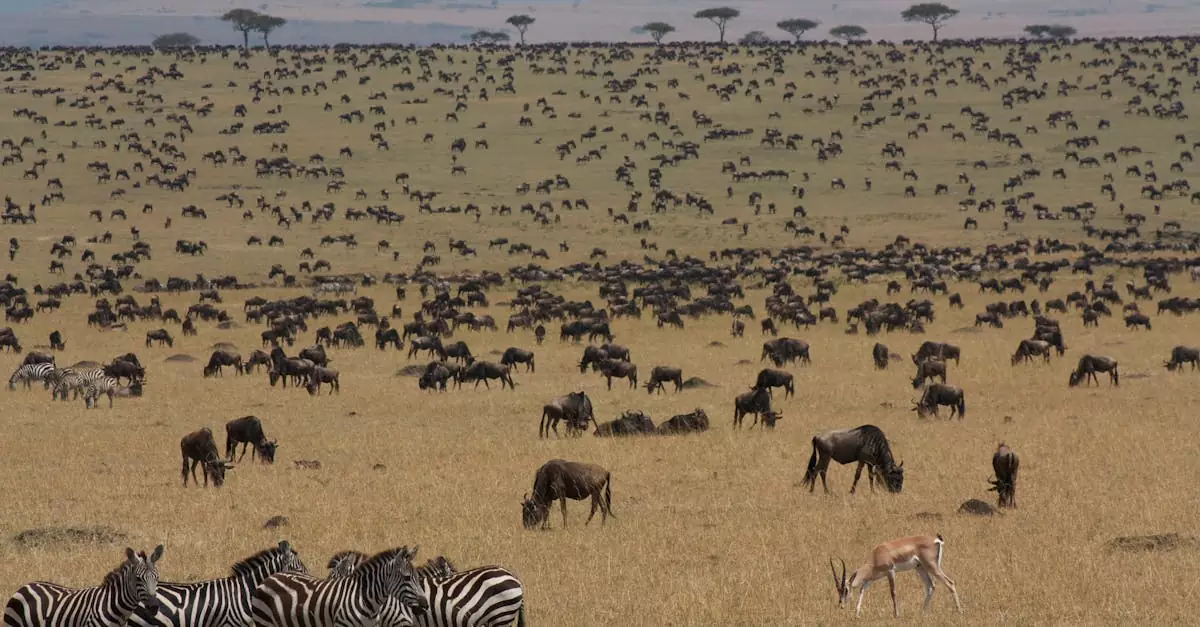
Wildlife viewing doesn’t suffer during these monthsit simply changes character. Resident animals never leave, so zebras, buffalo, and countless other species remain visible year-round. Many animals give birth during the low season, creating dramatic moments as mothers protect vulnerable calves from predators. Birdwatchers find these months particularly rewarding, as migratory species arrive in large numbers. The quieter atmosphere means you often have sightings entirely to yourself, a luxury rarely experienced during busy months.
Why Choose an Off-Season Safari? The Benefits
The financial advantage immediately stands out. Accommodation prices drop significantly. Safari packages cost less. Even flights become more affordable. Suddenly, a trip that seemed out of reach becomes possible. You might save hundreds or thousands of dollarsmoney you could spend upgrading to a nicer camp, extending your stay, or exploring other parts of Kenya.
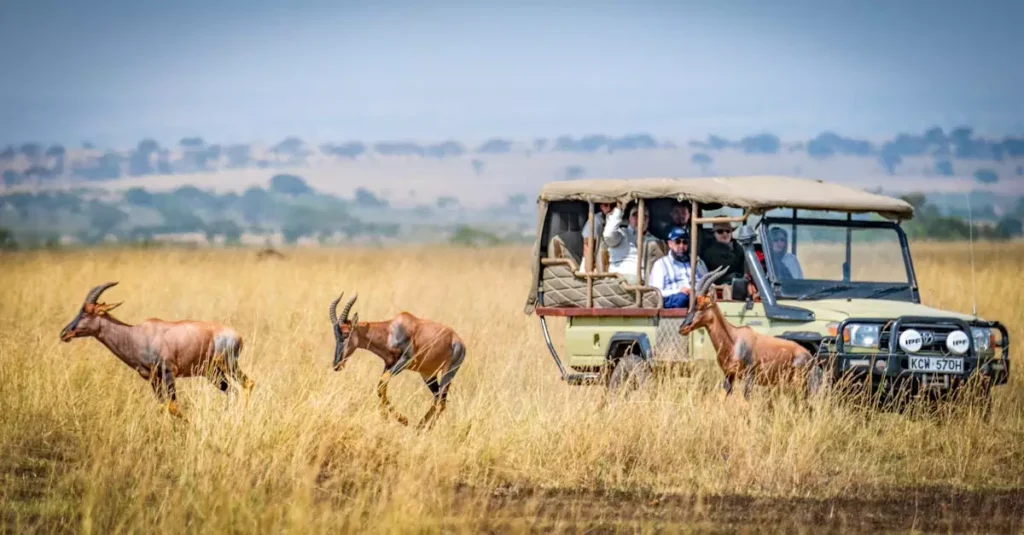
Beyond the budget, there’s the matter of space and solitude. Peak season brings vehicle convoys to popular sightings, with multiple cars jockeying for position. The low season reverses this entirely. You’ll find yourself alone with your guide and driver, able to watch animal behavior unfold without interruption. Photography becomes genuinely enjoyable when you’re not competing with other photographers for angles. Your guide can dedicate full attention to your interests, spending extra time tracking animals and sharing deeper knowledge about the ecosystem. This personalized experience transforms a safari from a checklist into something far more meaningful.
The landscape itself deserves mention. Those rains create a verdant paradise that looks completely different from the dry season. The contrast is striking and genuinely beautiful. Many animals give birth during these months, offering the heartwarming experience of seeing newborns. The dramatic skies and vibrant colors create opportunities for photographs you simply can’t capture during other times of year. For more details on timing your visit, our guide to optimal travel periods provides comprehensive information.
Breaking Down the Masai Mara Off Season Safari Cost
Your safari budget consists of several distinct components, each with its own price range. Understanding these pieces helps you plan effectively and identify where you might save the most. During low season, prices across all categories drop noticeably, creating real opportunities for significant overall savings.
Accommodation typically represents your largest expense. Budget camps charge $150-$250 per person nightly during the off-season, usually including meals and game drives. Mid-range options fall between $300-$500. Luxury camps, which command $800-$1500+ during peak times, often drop to $500-$900 in the low season. Safari packages vary dramatically based on group size and vehicle arrangement. A 3-day group safari might cost $600-$1200 per person, while private safaris start around $1500-$2500 for the same duration. These typically bundle transport, accommodation, and guided game drives together. Always verify exactly what’s included before committing to any package.
Park fees remain constant regardless of season. Non-residents currently pay $70 daily to enter Masai Mara National Reserve, or $80 if entering from outside the main reserve. Private conservancy fees run higher, typically $80-$100 daily. Getting to the Mara involves another choice: fly from Nairobi (faster but pricier at $300-$500 return per person) or drive (cheaper at $150-$250 return but taking 5-6 hours). Optional activities like hot air balloon safaris ($450-$550) or visits to Maasai villages ($20-$30) add to your total. Most full-board packages include meals and drinks, but budget separately for personal items and gratuities. Standard tipping runs $10-$20 daily for guides and $5-$10 for camp staff.
Masai Mara Low Season Safari Price Kenya: A Comparison Table
Seeing numbers side-by-side reveals just how substantial the low season savings really are. The masai mara low season safari price kenya shows meaningful reductions across virtually every category. This table compares a typical 3-day, 2-night mid-range safari between peak months (July-October and January-February) and low season (April-May and November-early December). All figures are per person and approximate, as individual operators set their own rates. Use this as a planning reference rather than exact pricing.
| Item | Peak Season (Approx. USD) | Low Season (Approx. USD) | Savings (Approx. USD) |
|---|---|---|---|
| Accommodation (2 nights, mid-range) | $800 – $1200 | $500 – $800 | $300 – $400 |
| Safari Vehicle & Guide (3 days) | $600 – $900 | $400 – $600 | $200 – $300 |
| Park Fees (3 days, non-resident) | $210 | $210 | $0 |
| Internal Flights (Nairobi-Mara return) | $400 – $550 | $300 – $450 | $100 – $100 |
| Total Estimated Cost (per person) | $2010 – $2860 | $1410 – $2060 | $600 – $800+ |
The math speaks for itself. Savings of $600-$800+ per person on a 3-day trip represent real moneyenough to upgrade your accommodation, add extra days, or fund a hot air balloon adventure. This is precisely why experienced travelers choose the off-peak months. You receive the same quality safari experience at a substantially lower price. Those savings could easily cover several additional days exploring Kenya or splurging on activities you might otherwise skip.
Pros and Cons of a Low Season Safari
Making a smart travel decision requires honestly weighing both sides. Low season safaris offer genuine advantages, but they also come with considerations worth understanding. This balanced view helps you set realistic expectations and prepare appropriately. Most travelers find the benefits far outweigh any drawbacks, particularly those seeking value and a more exclusive experience.
Pros of Traveling During the Low Season:
- Significant Cost Savings: Enjoy lower prices on accommodation, flights, and safari packages.
- Fewer Crowds: Experience more private game drives and less competition at wildlife sightings.
- Lush Green Landscapes: The rains transform the Mara into a vibrant, green paradise. This offers stunning photography opportunities.
- Excellent Birdwatching: Migratory birds arrive, making it a prime time for bird enthusiasts.
- Newborn Animals: Witness the heartwarming sight of baby animals. Many species calve during these months.
- More Personalized Service: With fewer guests, guides and camp staff can offer more individual attention.
Cons of Traveling During the Low Season:
- Rainfall: Expect occasional heavy showers. These can impact road conditions and game drive timings.
- Muddy Roads: Some tracks can become challenging to navigate. This might limit access to certain areas.
- Thick Vegetation: While beautiful, lush growth can sometimes make spotting smaller animals harder.
- Great Migration Timing: The main wildebeest migration might not be in the Masai Mara during all low season months.
- Some Camps May Close: A few smaller camps might close for maintenance during the quietest periods.
- Humidity: The air can be more humid, especially after rain.
Despite occasional rain, many travelers treasure the low season for its peaceful atmosphere. The dramatic skies and vibrant ecosystem create genuinely memorable experiences. Experiencing the Mara without peak season throngs allows for a deeper connection with the landscape and wildlife. You can truly immerse yourself in the wild rather than rushing between sightings. For many, this makes the low season the superior choice.
How to Budget for Your Masai Mara Off-Season Trip
Smart budgeting maximizes your low season savings while ensuring a quality experience. Even with reduced prices, a safari requires financial planning. Making strategic choices keeps you comfortable within your budget without sacrificing enjoyment. These practical strategies help you manage your masai mara off season safari cost effectively.
Start by selecting a tour operator with solid reviews and established relationships with lodges. These companies often negotiate better rates and understand low season travel’s nuancesroad conditions, wildlife movements, and seasonal patterns. Booking well ahead secures better prices. Many camps offer early bird discounts that can be quite generous. Group safaris split vehicle and guide costs among multiple people, significantly reducing per-person expenses. Even joining a small scheduled group can save considerable money compared to private arrangements.
Flexibility with dates often unlocks even better deals. Shifting your trip by a week or two can mean avoiding minor peak periods within the low season. Pack light to minimize baggage fees on internal flights. Laundry services at camps mean you don’t need extensive wardrobes. Research your chosen camp’s inclusions carefullysome offer all-inclusive packages covering drinks and activities, while others charge separately. Plan for gratuities in advance: $10-$20 daily for guides and $5-$10 for camp staff is standard. Carry small currency denominations for this purpose. Travel insurance, while not a direct safari cost, protects against trip cancellations, medical emergencies, and lost luggageessential peace of mind. For deeper budgeting strategies, our comprehensive travel budget guide offers additional insights. Understanding the region’s history and geography through Maasai Mara on Wikipedia can also enhance your appreciation for the destination.
Practical Tips for Your Off-Season Safari Adventure
Off-season travel requires slightly more preparation than peak season visits, but these efforts pay dividends in comfort and experience quality. Being well-prepared lets you fully embrace the low season’s unique character. You can focus entirely on wildlife and landscapes rather than worrying about logistics. These practical suggestions help you navigate potential challenges and maximize your adventure.
Pack layers in lightweight, quick-drying fabrics. A quality waterproof jacket and trousers are essential. Waterproof hiking boots or shoes handle muddy paths effectively. Insect repellent becomes more important after rain when mosquitoes increase. A wide-brimmed hat and sunglasses protect against strong sun even on cloudy days. Binoculars are non-negotiable for wildlife viewing. Bring a good camera with extra batteriesthe soft light during and after rain creates stunning photographic conditions. Waterproof camera bags protect your gear from moisture.
Maintain flexibility throughout your trip. Road conditions shift quickly after heavy rain, requiring route changes or timing adjustments. Embrace these modifications as part of the adventure rather than frustrations. Your guide possesses invaluable knowledge about terrain and animal behaviortrust their decisions and discuss your preferences with them. They can often find alternative routes or hidden gems you wouldn’t discover alone. Keep an open mind about unexpected discoveries. The quieter atmosphere frequently leads to more intimate animal encounters and longer observation periods. This luxury rarely occurs during busy seasons. Savor the peace and solitudeit’s a genuinely special aspect of low season travel that creates deeper connections to nature.
Frequently Asked Questions About Masai Mara Off-Season Safaris
Travelers planning low season trips often have similar questions. Getting clear answers helps you feel confident about your choice and plan more effectively. These responses address common concerns and uncertainties about off-peak travel.
What months are considered off-season in Masai Mara?
The off-season typically runs April through May and November into early December. These periods align with Kenya’s long and short rainy seasons respectively.
Is wildlife viewing still good during the low season?
Yes, absolutely. Many animals remain year-round, and the lush landscape provides abundant food that attracts diverse species. This is also prime time for birdwatching and observing newborn animals.
Can I see the Great Migration during the off-season?
The main herds typically occupy the Serengeti during April-May and don’t reach the Masai Mara until July. In November-December, you might catch the migration’s tail end, though it’s not guaranteed. The low season offers other spectacular wildlife moments instead.
Are roads difficult to navigate during the rainy season?
Some roads do become muddy and challenging, particularly after heavy downpours. However, safari vehicles are robust 4x4s, and guides are skilled at navigating these conditions safely and comfortably.
How much can I save by traveling off-season?
Savings typically range from 30-50% or more, depending on your accommodation and package choices. You could save hundreds to over a thousand dollars per person, making a dream safari genuinely affordable. For additional context about the region, Maasai Mara’s Wikipedia page provides helpful geographical information.
Conclusion: Your Affordable Masai Mara Dream Awaits
Visiting the Masai Mara during the off-season delivers an experience that balances affordability with extraordinary wildlife viewing. You’ll immerse yourself in the African bush’s raw beauty without battling crowds or peak season prices. The lush green landscapes and dramatic skies create stunning backdrops. Witnessing newborn animals adds profound meaning to your adventure. Most importantly, the financial savings make this dream genuinely accessible.
We’ve thoroughly examined the masai mara off season safari cost, showing how various components build your overall budget. The comparison table clearly demonstrates the financial benefits. We’ve discussed both advantages and challenges, giving you the information needed to make a confident decision. With thoughtful planning and a flexible attitude, you can enjoy an unforgettable tripone that combines authentic adventure with excellent value.
Don’t let cost concerns keep you from experiencing the Masai Mara. The low season presents a genuine opportunity to create lasting memories while witnessing Kenya’s most famous reserve. Begin planning your off-season safari today. Embrace the quieter side of the Mara and discover its hidden wonders. Your affordable and extraordinary African adventure is waiting.