Embarking on one of the best wildlife cruises offers an unparalleled gateway to witnessing nature’s most captivating spectacles in their natural habitats. These journeys are designed for deep immersion, taking you to remote corners of the globe where extraordinary animal encounters are not just possible, but probable. From the unique evolutionary wonders of the Galapagos to the icy grandeur of Antarctica and the vibrant rainforests of Borneo, each destination presents a distinct and unforgettable tapestry of biodiversity.
This guide explores the top destinations for these incredible voyages, detailing what to expect on board, the ideal times for maximum sightings, and essential packing tips to ensure your comfort and preparedness. Whether you dream of observing polar bears in the Arctic or orangutans in their jungle home, we’ll help you navigate the options to plan your ultimate wildlife adventure.
Top Destinations for Unrivaled Wildlife Cruises
A wildlife cruise provides remarkable opportunities to witness nature’s most magnificent spectacles up close. These voyages focus on immersion, taking you to remote corners of the globe where animal encounters are not just possible, but probable. From the volcanic landscapes of the Galapagos to the icy expanses of the Arctic, each destination presents a unique tapestry of biodiversity.
Galapagos Islands: A Living Laboratory of Evolution
The Galapagos Islands are a premier destination for wildlife enthusiasts, renowned for their fearless and endemic species. Here, evolution unfolds before your eyes, with animals like marine iguanas, giant tortoises, and blue-footed boobies exhibiting behaviors found nowhere else on Earth. Cruises typically range from a few days to over a week, allowing for exploration of multiple islands, each with its distinct ecosystem.
Most Galapagos cruises operate from mainland Ecuador, with flights departing from Quito or Guayaquil to Baltra or San Cristobal. The best time to visit is generally year-round, though the warm season (December to May) offers calmer seas and better snorkeling conditions, while the cool season (June to November) brings richer marine life due to upwelling currents. It’s crucial to book with reputable operators who adhere to strict environmental guidelines to protect this fragile ecosystem.
Antarctica: The Pristine Frontier for Penguin and Whale Watching
Antarctica offers a truly awe-inspiring experience, a vast continent of ice and snow teeming with life. Aboard an expedition cruise, you can witness immense colonies of penguins—Adélie, Gentoo, and Chinstrap—alongside majestic whales like humpbacks and orcas. The sheer scale of the landscape and the abundance of wildlife create an unforgettable adventure.
Expedition cruises to Antarctica depart primarily from Ushuaia, Argentina, or sometimes Punta Arenas, Chile. The Antarctic cruise season runs from November to March, with each month offering slightly different highlights. Early season (November) features pristine snowscapes and penguin courtship, while mid-season (December-January) is peak breeding time, and late season (February-March) offers better whale sightings as they feed before migrating. These voyages are often longer, typically 10-20 days, and come with a higher price tag due to the remoteness and specialized nature of the ships.
The Arctic: Witnessing Polar Bears and Arctic Foxes in Their Natural Habitat
The Arctic presents a starkly beautiful and challenging environment, home to iconic wildlife such as polar bears, walruses, Arctic foxes, and various whale species. Cruises here focus on the rugged coastlines of Svalbard (Norway), Greenland, or the Canadian Arctic, offering a chance to see these creatures adapted to extreme conditions. The dramatic icy landscapes are as much a draw as the animals themselves.
Arctic wildlife cruises typically run from June to September, when sea ice recedes, making navigation possible. Svalbard is a popular starting point, with expeditions often departing from Longyearbyen. The longer daylight hours during this period also maximize wildlife viewing opportunities. Due to the sensitive nature of the Arctic environment and the presence of large predators, all excursions are guided by experienced naturalists and polar bear guards.
Borneo: Searching for Orangutans and Proboscis Monkeys
Borneo offers a different kind of wildlife encounter, focusing on lush rainforests and unique primate species. River cruises along the Kinabatangan River in Sabah, Malaysia, provide intimate views of orangutans, proboscis monkeys, pygmy elephants, and a dazzling array of birdlife. These journeys are often more accessible and budget-friendly than polar expeditions.
The best time to visit Borneo for wildlife viewing is generally during the drier months, from March to October. While orangutans can be seen year-round, river levels can affect accessibility. Many visitors combine a river cruise with visits to rehabilitation centers or national parks like Sepilok. These trips are ideal for those seeking a rich cultural experience alongside incredible primate and bird sightings.
| Destination | Best Time to Visit (General) | Typical Duration | Wildlife Highlights | Approximate Budget Range (USD) |
|---|---|---|---|---|
| Galapagos Islands | Year-round (Dec-May warm) | 5-10 days | Giant Tortoises, Marine Iguanas, Blue-Footed Boobies | $4,000 – $10,000+ |
| Antarctica | November – March | 10-20 days | Penguins, Whales (Humpback, Orca), Seals | $8,000 – $20,000+ |
| The Arctic (Svalbard) | June – September | 7-14 days | Polar Bears, Walruses, Arctic Foxes, Whales | $6,000 – $15,000+ |
| Borneo (Kinabatangan) | March – October | 3-7 days | Orangutans, Proboscis Monkeys, Pygmy Elephants, Birds | $1,000 – $4,000 |
Choosing Your Ideal Wildlife Cruise Experience
Selecting the best wildlife cruise depends heavily on your travel style, budget, and what you hope to see. The variety of options allows you to tailor your adventure to your preferences, from rugged expeditions to more leisurely explorations. Understanding the different types of cruises available will help you make an informed decision for an unforgettable encounter with nature’s wonders.
Expedition Cruises vs. Luxury Wildlife Voyages
The primary distinction between expedition and luxury wildlife cruises lies in their focus and amenities. Expedition cruises prioritize close wildlife encounters and remote destinations. These often involve Zodiac excursions, expert lectures, and a more rugged, science-led approach. You might find yourself on a sturdy vessel designed to navigate icy waters or remote archipelagos.
Luxury wildlife voyages, on the other hand, blend exceptional wildlife viewing with high-end comforts. While still offering expert guides and immersive experiences, they provide gourmet dining, spacious suites, and premium service. These cruises are for travelers who want to witness nature’s spectacle without sacrificing sophisticated amenities. The cost for luxury options is typically higher, reflecting the enhanced service and onboard facilities.
Small Ship Cruises for Intimate Wildlife Viewing
For those seeking a more personal wildlife experience, small ship cruises are an excellent choice. Vessels carrying fewer than 100 passengers can access smaller bays and coves that larger ships cannot, resulting in more frequent and less crowded wildlife sightings. The smaller group size fosters camaraderie among passengers and allows for more flexible itineraries based on wildlife movements.
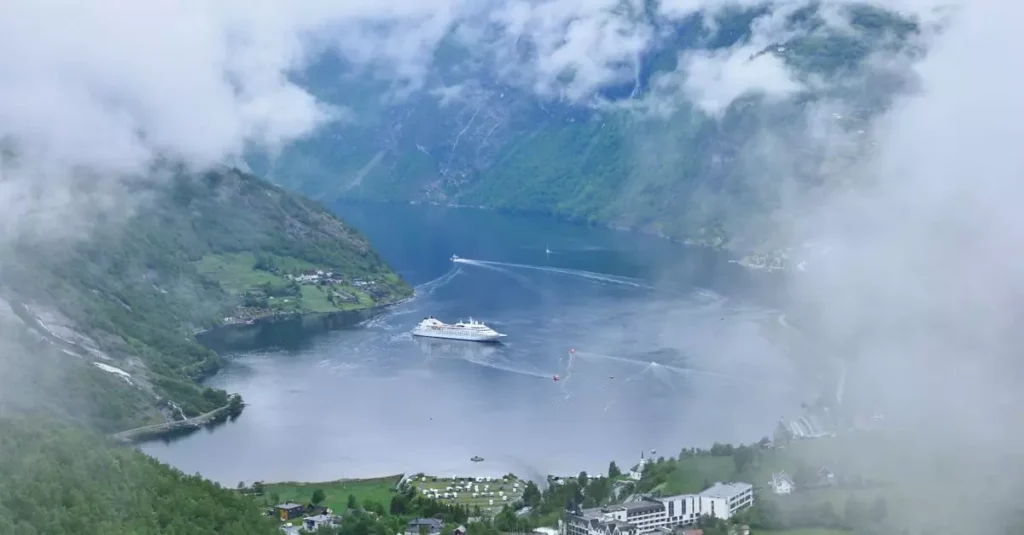
These cruises excel in destinations like the Galapagos Islands or the Norwegian fjords, where navigating narrow channels and anchoring in secluded spots is key to successful wildlife observation. The accessibility of guides is another significant advantage; with fewer people, it’s easier to ask questions and engage directly with naturalists and marine biologists.
Family-Friendly Wildlife Cruises for All Ages
Many cruise lines now offer family-friendly wildlife cruises designed to engage younger travelers while providing enriching experiences for adults. These itineraries often include onboard educational programs, kid-friendly activities, and excursions tailored to family interests. Think interactive nature talks, scavenger hunts, or supervised snorkeling trips.
When considering a family trip, look for operators that highlight their commitment to safety and provide age-appropriate excursions. Destinations like Alaska or the Caribbean can be particularly appealing for families, offering a diverse range of wildlife often visible from the ship or during short, accessible outings. The key is finding a balance between educational content and fun, ensuring every family member has a memorable time.
Solo Traveler Opportunities on Wildlife Expeditions
Wildlife cruises are increasingly popular among solo travelers, offering a safe and social environment for incredible adventures. The shared passion for nature creates bonds between passengers, making it easy to strike up conversations and form friendships. Many expedition companies are accustomed to solo travelers and may offer single cabins or roommate-matching programs to help manage costs.
Onboard lectures, group excursions, and communal dining encourage interaction. Whether you’re sailing to Antarctica or observing bears in the Pacific Northwest, the immersive nature of these trips provides ample opportunity to connect with like-minded individuals. The focus on exploration means there’s always something to discuss, making solo travel on a wildlife cruise a remarkably social experience.
What to Expect on a Wildlife Cruise: Itinerary and Activities
Wildlife cruises are designed for intimate encounters with nature, offering a blend of adventure and education. While itineraries vary by destination and cruise line, most focus on maximizing opportunities to observe animals in their natural habitats. Expect a daily rhythm of excursions, onboard learning, and dedicated time for photography.
Daily Zodiac Excursions for Close-Up Encounters
The cornerstone of any wildlife cruise experience is the daily excursion via Zodiac. These sturdy, inflatable boats allow small groups to navigate shallow waters, approach shorelines, and view wildlife with minimal disturbance. Guides expertly maneuver the Zodiacs to bring you within viewing distance of seals lounging on rocks, penguins porpoising through the water, or even whales surfacing nearby. Safety briefings are standard before each excursion, and guides are trained to ensure guest safety and the well-being of the animals.
Kayaking and Snorkeling Adventures Amidst Marine Life
For a more immersive experience, many wildlife cruises offer kayaking and snorkeling opportunities. Paddling a kayak allows you to glide silently through calm bays, providing a unique perspective on coastal wildlife like sea otters or seabirds. Snorkeling reveals a vibrant underwater world, with chances to see colorful fish, seals, or even sea turtles. These activities are typically offered in sheltered areas, and participants are provided with all necessary gear. The timing often depends on weather and sea conditions, with guides prioritizing safe and optimal viewing.
Onboard Lectures from Naturalists and Experts
Even when you’re not out on an excursion, learning continues onboard. Most reputable wildlife cruises feature a team of naturalists, biologists, and historians who deliver engaging lectures. These presentations cover a range of topics, from specific wildlife you might encounter to the geology and history of the region. They provide invaluable context, helping you understand animal behavior, ecological systems, and the significance of the places you visit. These talks deepen your appreciation for the natural world.
Photography Opportunities: Capturing Rare Wildlife Moments
Wildlife cruises are a photographer’s dream. The close proximity to animals, combined with stunning natural landscapes, provides endless opportunities to capture breathtaking images. Whether you’re aiming for professional-quality shots or simply want to document your journey, the diverse wildlife and dramatic scenery offer compelling subjects. Many cruise lines even offer photography workshops or tips from onboard experts to help you make the most of your camera. Dawn and dusk often present the most dramatic light for photography, and itineraries are frequently structured to take advantage of these golden hours.
When is the Best Time to Book a Wildlife Cruise?

Choosing the right time to embark on a wildlife cruise significantly impacts your chances of incredible animal encounters. Understanding migration patterns, weather, and seasonal demand helps in planning a more rewarding and often more budget-friendly trip. The “best” time truly depends on where you want to go and what you hope to see.
Seasonal Wildlife Migration Patterns: Whales, Birds, and Mammals
Many of the world’s compelling wildlife viewing opportunities are dictated by animal migrations. For instance, whale watching is spectacular in places like Alaska and Baja California during specific months when these marine giants come close to shore to breed or feed. In the Galápagos Islands, marine iguanas and sea lions are active year-round, but specific bird breeding seasons offer unique sights. Researching the primary species you wish to observe is crucial for timing your expedition. For example, the migration of humpback whales off the coast of Hawaii typically occurs from December to May, making it prime time for whale-focused voyages.
Navigating Weather Conditions for Optimal Viewing
Weather plays a critical role in both wildlife activity and your comfort level. Arctic and Antarctic expeditions, for example, are generally limited to the warmer summer months (roughly May to September for the Arctic and November to March for the Antarctic). During these periods, sea ice recedes, making navigation possible and exposing land for wildlife to forage. In contrast, tropical destinations like the Amazon rainforest or the Galapagos Islands experience distinct wet and dry seasons. The dry season often concentrates wildlife around water sources, making them easier to spot, though the wet season can offer lush landscapes and fewer crowds. Always check the typical weather patterns for your chosen destination during your intended travel window.
Peak Seasons vs. Shoulder Seasons for Wildlife Cruises
Booking during peak season often guarantees the best wildlife viewing as it coincides with major migrations or breeding periods. However, peak seasons also mean higher prices and more fellow travelers. Shoulder seasons—the periods just before or after the peak—can offer a compelling alternative. You might still experience excellent wildlife activity but with fewer boats and potentially lower costs. For example, early spring or late autumn in Alaska can provide fantastic bear and whale sightings with a more intimate experience than the height of summer. Consider your priorities: maximum sightings, budget, or a more tranquil journey.
Here’s a general comparison of seasonal advantages:
| Region/Destination | Peak Wildlife Season | Shoulder Season Advantage | Considerations |
|---|---|---|---|
| Galápagos Islands | December – May (Warm/Wet) | June – November (Cool/Dry) – better for marine life | Year-round viewing, but specific species vary |
| Antarctica | November – March | Limited, but early/late season can offer fewer ships | Extreme cold, requires specialized gear |
| Alaska (Inside Passage) | June – August | May & September – fewer crowds, potential for early/late migrations | Dependent on specific animal focus (whales, bears) |
| Baja California | December – April (Whales) | Outside whale season for other marine life and desert flora | Focus on specific marine mammal migrations |
| Amazon Rainforest | Dry Season (July – Nov) | Wet Season (Dec – June) – higher water levels, different bird activity | Humidity, insects, specific animal habitats change |
Essential Packing List for Your Wildlife Cruise Adventure
Embarking on a wildlife cruise requires thoughtful packing to ensure comfort and preparedness across varied environments. From the deck of your ship to remote landings, having the right gear significantly enhances your experience. Consider the diverse climates you might encounter, from polar regions to tropical islands, and pack accordingly.
Layering Clothing for Diverse Climates
The key to comfortable dressing on a wildlife cruise is layering. This strategy allows you to adapt to rapidly changing temperatures and weather conditions. Start with a moisture-wicking base layer, such as merino wool or synthetic fabrics, to draw sweat away from your skin. The next layer should provide insulation; fleece jackets or down vests are excellent choices. Your outer layer needs to be waterproof and windproof, especially if you plan on zodiac excursions or exploring coastal areas. For destinations like the Antarctic Peninsula, where rapid weather shifts are common, a reliable waterproof shell is indispensable.
For warmer climates, like the Galapagos or the Amazon rainforest, lightweight, quick-drying clothing is essential. Long sleeves and pants offer protection from the sun and insects, even in humid conditions. Pack breathable fabrics like linen or performance synthetics. Even in warmer regions, a light sweater or jacket is advisable for cooler evenings on deck.
Essential Gear: Binoculars, Camera Equipment, and Waterproof Bags
High-quality binoculars are essential for any wildlife viewing expedition. Look for models with good magnification (e.g., 7x or 8x) and a wide field of view to easily spot and track animals. Waterproof and fog-proof options are ideal for durability in challenging conditions. A good camera with a telephoto lens will allow you to capture memorable shots without disturbing the wildlife. Remember to pack extra batteries and memory cards, as charging opportunities might be limited during excursions.
Waterproof bags are crucial for protecting your electronics and valuables during Zodiac landings or unexpected rain showers. Dry bags come in various sizes and are perfect for keeping cameras, phones, and passports safe and dry. A smaller waterproof pouch can be useful for essentials you need readily accessible, like sunscreen and lip balm.
Footwear for Landings and Onboard Comfort
Your footwear needs to be versatile. For landings on rocky shores or muddy terrain, waterproof, sturdy boots with good grip are essential. Many expedition cruises provide rubber boots for wet landings, but check with your cruise operator in advance. If you plan on hiking or walking extensively, comfortable, broken-in hiking shoes are a good addition.
Onboard the ship, comfortable shoes are important for navigating decks and common areas. Sneakers or comfortable walking shoes are generally sufficient. Pack a pair of slip-on shoes or sandals for easy wear in your cabin and around the ship. Avoid bringing brand-new shoes that could cause blisters on your first day.
Sun Protection and Personal Medications
Even in cooler climates, the sun’s rays can be intense, especially at sea and at higher altitudes. Pack a high SPF sunscreen, a wide-brimmed hat, and sunglasses with UV protection. Lip balm with SPF is also advisable to prevent chapped lips. For tropical destinations, consider lightweight UPF-rated clothing for added sun protection.
Always pack personal medications in your carry-on luggage. Bring more than you think you will need, as well as any necessary prescriptions. It’s wise to pack a basic first-aid kit with essentials like pain relievers, bandages, antiseptic wipes, and motion sickness medication, as the sea can be unpredictable. Familiarize yourself with any potential health advisories for your chosen destination.
Frequently Asked Questions About Wildlife Cruises
What is the average cost of a wildlife cruise?
The cost of a wildlife cruise varies significantly based on destination, duration, ship size, and level of luxury. Shorter trips to more accessible locations might start around $2,500 per person, while extended expeditions to remote regions like Antarctica or the Galapagos Islands can easily exceed $10,000. This typically includes accommodation, meals, and guided excursions.
Are wildlife cruises safe for inexperienced travelers?
Yes, most wildlife cruises are very safe for inexperienced travelers. Reputable operators prioritize guest safety with experienced guides, robust safety protocols, and appropriate equipment. Many vessels are designed for stability, and excursions are managed to minimize risk. It’s always wise to choose operators with strong safety records and to listen carefully to all briefings.
What kind of animals can I realistically expect to see?
Expectations should align with the cruise’s destination. In the Galapagos, you might encounter giant tortoises, marine iguanas, and blue-footed boobies. Arctic expeditions offer opportunities to see polar bears, walruses, and various whale species. African safaris by sea, often along the coast of Botswana or Namibia, could reveal elephants, lions, and abundant birdlife. Always remember that wildlife sightings are never guaranteed, as animals are unpredictable.
How do I choose a reputable wildlife cruise operator?
When selecting an operator, look for companies with a proven track record in wildlife tourism and a commitment to responsible travel. Check for certifications from organizations like the International Association of Antarctica Tour Operators (IAATO) or similar bodies for other regions. Reading recent traveler reviews, inquiring about their guides’ expertise, and understanding their environmental policies are crucial steps. A well-established operator will be transparent about their itineraries, safety measures, and what is included in the price.