South America is a continent brimming with opportunities for adventure, from the dense Amazon rainforest to the towering Andes mountains and the stark beauty of its deserts. If you’re a thrill-seeker looking for your next unforgettable journey, this guide to the best adventure nature destinations in South America will help you plan an epic trip.
You’ll discover exhilarating ways to experience the continent’s diverse landscapes, including gateways for exploring the Amazon, iconic trekking routes in the Andes and Patagonia, magnificent waterfalls, and unique challenges of desert environments. Prepare to explore the wild heart of South America and find inspiration for your next great outdoor escape.
Unforgettable Amazon Rainforest Adventures
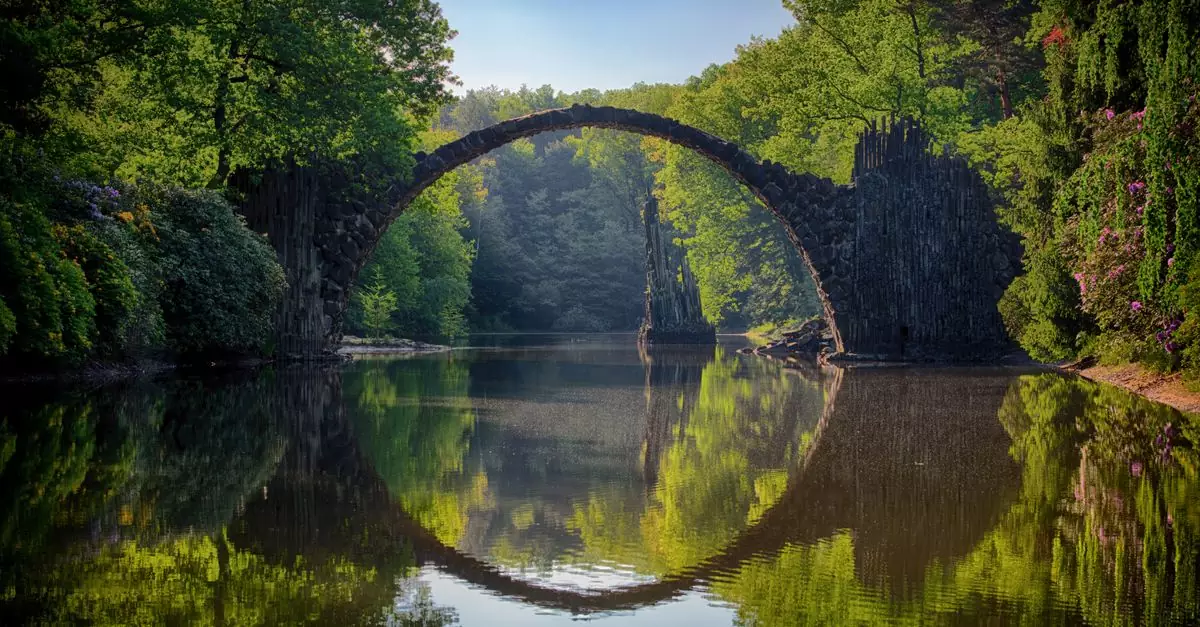
The Amazon rainforest, a vast and biodiverse ecosystem across South America, offers unparalleled adventure opportunities. Its dense jungle, winding rivers, and incredible wildlife attract those seeking a truly immersive nature experience. Navigating this immense wilderness requires careful planning, but the rewards are immense, from spotting elusive jaguars to kayaking alongside pink river dolphins.
Exploring the Peruvian Amazon: Iquitos vs. Puerto Maldonado
When planning an Amazon adventure in Peru, travelers often choose between two main gateways: Iquitos and Puerto Maldonado. Iquitos, the world’s largest city inaccessible by road, offers a more remote feel, typically accessed by flight from Lima or Cusco. Here, you can embark on multi-day river cruises or stay in jungle lodges reachable by boat, often involving longer travel times into the primary rainforest.
Puerto Maldonado, on the other hand, is more easily reached by a short flight from Cusco or Lima. It serves as the gateway to Tambopata National Reserve and Madre de Dios, known for its high concentration of macaw clay licks and abundant wildlife. Lodges around Puerto Maldonado are often closer to the city, making for shorter transfers, though some prime areas still require significant boat journeys.
| Gateway | Access | Typical Activities | Lodge Proximity |
|---|---|---|---|
| Iquitos | Flights from Lima/Cusco | River cruises, remote lodge stays, deeper jungle exploration | Further |
| Puerto Maldonado | Flights from Cusco/Lima | Macaw clay licks, wildlife spotting, shorter transfers | Closer |
Wildlife Spotting in the Ecuadorian Amazon: Yasuni National Park
Ecuador’s Amazon region, particularly around Yasuni National Park, is celebrated for its exceptional biodiversity. This area is among the most biodiverse places on Earth, showcasing an astonishing array of flora and fauna. Getting here usually involves a flight to Coca (Francisco de Orellana Airport), followed by a motorized canoe trip down the Napo River, a major tributary of the Amazon.
Lodges in this region focus on guided nature walks, canoe excursions, and canopy tours, offering chances to see monkeys, sloths, and a dazzling variety of birds, including toucans and parrots. The infrastructure caters to eco-tourism, with many lodges committed to conservation and sustainable practices. Timing your visit outside the heaviest rainy season (typically December to March) can enhance wildlife viewing opportunities.
Navigating the Brazilian Amazon: Manaus and the Meeting of Waters
Manaus, the capital of the Brazilian state of Amazonas, is a major hub for exploring the Brazilian Amazon. It’s famous for the “Meeting of Waters,” where the dark Rio Negro and the sandy-colored Rio Solimões flow side-by-side for miles without mixing. This natural phenomenon is striking and a popular excursion from Manaus.
From Manaus, adventurers can arrange jungle tours, riverboat expeditions, and visits to indigenous communities. The sheer scale of the Brazilian Amazon means that reaching truly remote areas often involves longer boat journeys or specialized expeditions. Consider visiting during the drier season (July to December) for easier navigation and potentially more visible wildlife along riverbanks, though the high-water season also offers unique perspectives for exploring flooded forests. For more information on planning your South American adventure, National Geographic provides excellent resources.
Trekking the Majestic Andes Mountains
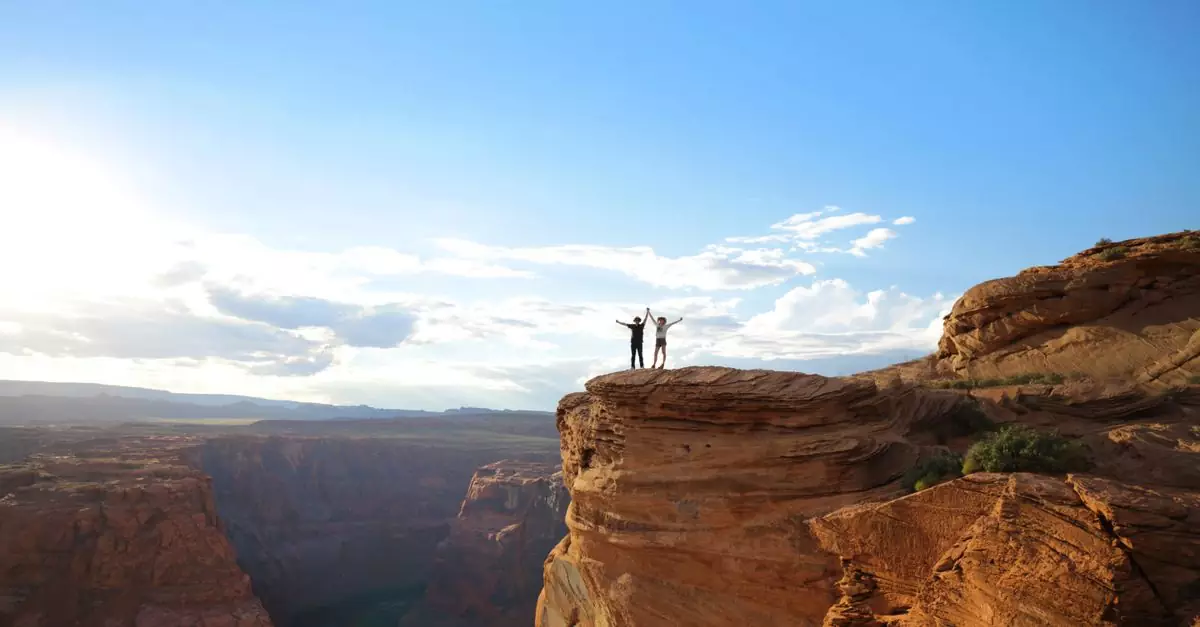
The Andes mountain range, a colossal spine running the length of South America, offers some of the planet’s most dramatic and rewarding trekking experiences. For thrill-seekers and nature lovers, these peaks present an unparalleled opportunity to challenge themselves amidst breathtaking scenery. From ancient Incan paths to rugged glacial landscapes, the Andes deliver adventure in spades.
Inca Trail to Machu Picchu: A Classic South American Trek
The Inca Trail is arguably the most famous trek in South America, leading adventurers through cloud forests and over ancient stone pathways to the iconic citadel of Machu Picchu. This 4-day, 26-mile (42 km) hike is more than just a physical challenge; it’s a journey through history, passing numerous Inca ruins and offering stunning vistas. Due to its popularity and the need to preserve the delicate ecosystem, permits are strictly limited and must be booked months in advance, often up to a year.
Planning Your Inca Trail Hike:
- Permits: Essential and sell out quickly. Book through a licensed tour operator.
- Season: The dry season (May to September) offers the best weather, with June to August being peak season. The trail is closed every February for maintenance.
- Difficulty: Moderate to challenging, with high altitude and steep ascents. Acclimatization in Cusco beforehand is highly recommended.
- Logistics: Tours include guides, porters, food, and camping equipment. You’ll need to arrange your own accommodation in Cusco before and after the trek.
Cordillera Blanca: Peru’s Ultimate Hiking Playground
For those seeking a more rugged and less crowded trekking experience, Peru’s Cordillera Blanca in the Ancash region is a paradise. This range boasts the highest concentration of tropical glaciers in the world and over 30 peaks exceeding 6,000 meters (19,685 feet). Treks here range from challenging multi-day expeditions like the Santa Cruz trek to demanding high-altitude climbs.
The Santa Cruz trek is a popular 3- to 4-day route, offering incredible views of snow-capped peaks, turquoise lakes, and vibrant alpine meadows. For serious mountaineers, peaks like Huascarán (Peru’s highest) and Alpamayo present formidable challenges, requiring technical climbing skills and experience. Huaraz, the gateway city, serves as an excellent base for arranging treks and acclimatization.
Key Considerations for Cordillera Blanca:
- Altitude: Many trails reach over 4,700 meters (15,400 feet). Proper acclimatization is crucial to avoid altitude sickness.
- Seasonality: The dry season (April to October) is ideal for trekking and climbing.
- Access: Most treks depart from or near Huaraz. Transportation to trailheads is usually arranged via tour operators or local transport.
- Accommodation: Options range from basic hostels in Huaraz to camping on the trails.
Patagonia’s Torres del Paine: Iconic Peaks and Glacial Wonders
Patagonia, shared by Chile and Argentina, is a land of raw, untamed beauty, and Torres del Paine National Park in Chile is its crown jewel for adventure travelers. This park is renowned for its dramatic granite spires, vast glaciers, and windswept steppes. The W Trek and the O Circuit are the park’s signature multi-day hikes, each offering a unique perspective on the park’s magnificent landscapes.
The W Trek, typically completed in 4 to 5 days, takes hikers past the iconic towers, the French Valley, and Grey Glacier. The O Circuit is a more challenging, longer loop that encircles the entire massif, providing a more remote and immersive Patagonian experience. Weather in Patagonia is notoriously fickle, with all four seasons possible in a single day, making it essential to pack layers and be prepared for wind and rain.
Patagonia Trekking Essentials:
- Booking: Campsites and refugios (mountain lodges) within the park must be booked well in advance, especially for the peak season (December to February).
- Season: The Patagonian summer (December to March) offers the most stable weather and longest daylight hours, but also the largest crowds. Shoulder seasons (October-November and March-April) offer fewer crowds but more unpredictable weather.
- Transportation: Access to the park is typically via Puerto Natales, with bus services running to the park entrances.
- Cost: Patagonia can be an expensive destination, with park entrance fees, accommodation, and transportation contributing significantly to the budget. National Geographic provides further insights into the region.
Discovering South America’s Most Thrilling Waterfalls
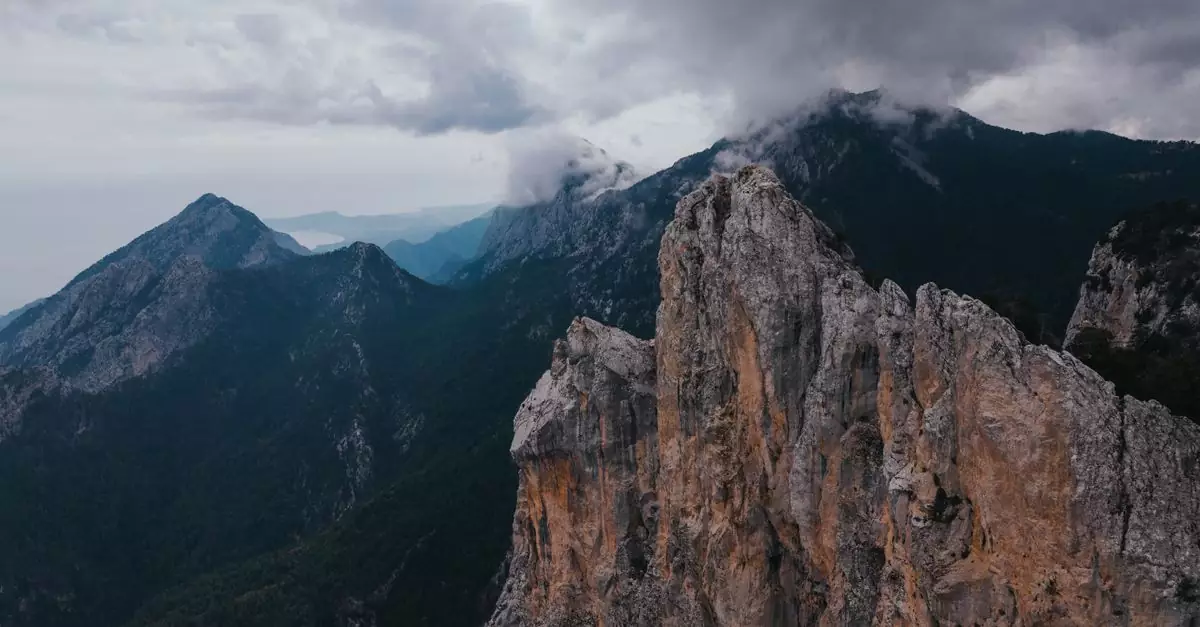
South America is home to some of the world’s most awe-inspiring waterfalls, showcasing nature’s power and beauty. These natural wonders are not just sights to behold but also destinations for adventure, drawing travelers seeking to experience their grandeur up close. From easily accessible giants to remote cascades, the continent’s waterfalls provide a unique thrill for any nature enthusiast.
Iguazu Falls: Experiencing the Power on the Brazilian and Argentinian Sides
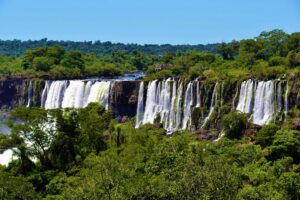
Iguazu Falls, a UNESCO World Heritage site, is an immense system of 275 individual waterfalls stretching nearly three kilometers along the border of Brazil and Argentina. The sheer scale and thunderous roar of the falls create a visceral experience. Visitors can choose to explore from different perspectives on each side.
The Argentinian side allows for intimate exploration, with a network of walkways bringing you incredibly close to the cascades, including the “Devil’s Throat” (Garganta del Diablo). Here, you can feel the mist and hear the deafening sound of water plunging into the abyss. The Brazilian side offers panoramic views, showcasing the full sweep of the falls and providing excellent photo opportunities.
Getting to Iguazu Falls typically involves flying into either Foz do Iguaçu (Brazil) or Puerto Iguazú (Argentina). Both towns have ample accommodation options. Day trips are common, but spending at least two full days allows for thorough exploration of both sides. The best time to visit is generally during the wet season (December to February) for maximum water flow, though this also brings higher humidity and potential rain.
Angel Falls: Venezuela’s Remote Natural Spectacle
Angel Falls, the world’s tallest uninterrupted waterfall, plunges an astonishing 979 meters (3,212 feet) from the Auyán-tepui tabletop mountain in Venezuela’s Canaima National Park. Reaching this remote wonder is an adventure in itself, typically involving a flight to Canaima village followed by a motorized canoe trip up the Carrao and Churún rivers. This journey takes you through pristine rainforest, offering a glimpse into the untouched wilderness of the Guiana Highlands.
The final leg involves a hike through the jungle to a viewpoint offering breathtaking vistas of the falls. Due to its remote location and the current political situation in Venezuela, travel to Angel Falls requires careful planning and consideration of safety advisories. Tours are usually organized from Canaima and include guides, transportation, and basic accommodation. The dry season (December to April) is preferable for easier river navigation, though water levels may be lower.
Kaieteur Falls: Guyana’s Untamed and Spectacular Cascade
Kaieteur Falls in Guyana is a magnificent single-drop waterfall, four times higher than Niagara Falls and boasting a greater water flow than any other single cascade in the world. Located within Kaieteur National Park, it is one of the most powerful and visually stunning waterfalls in South America, yet it remains relatively undeveloped and uncrowded. The journey to Kaieteur typically involves a small charter flight from Georgetown, Guyana’s capital, landing on a grass airstrip near the falls.
The experience at Kaieteur immerses you in raw nature. Visitors can walk to several viewpoints offering dramatic perspectives of the falls and the surrounding pristine rainforest. Keep an eye out for the tiny golden frog, which lives exclusively in the bromeliads at the top of the falls. The park is a haven for wildlife, including the endemic white-tailed cock-of-the-rock. Access is primarily through guided tours, essential for logistics and safety. The best time to visit is during the rainy season (May to July) for maximum water volume, though flights can be affected by weather.
Unique Desert and Salt Flat Adventures
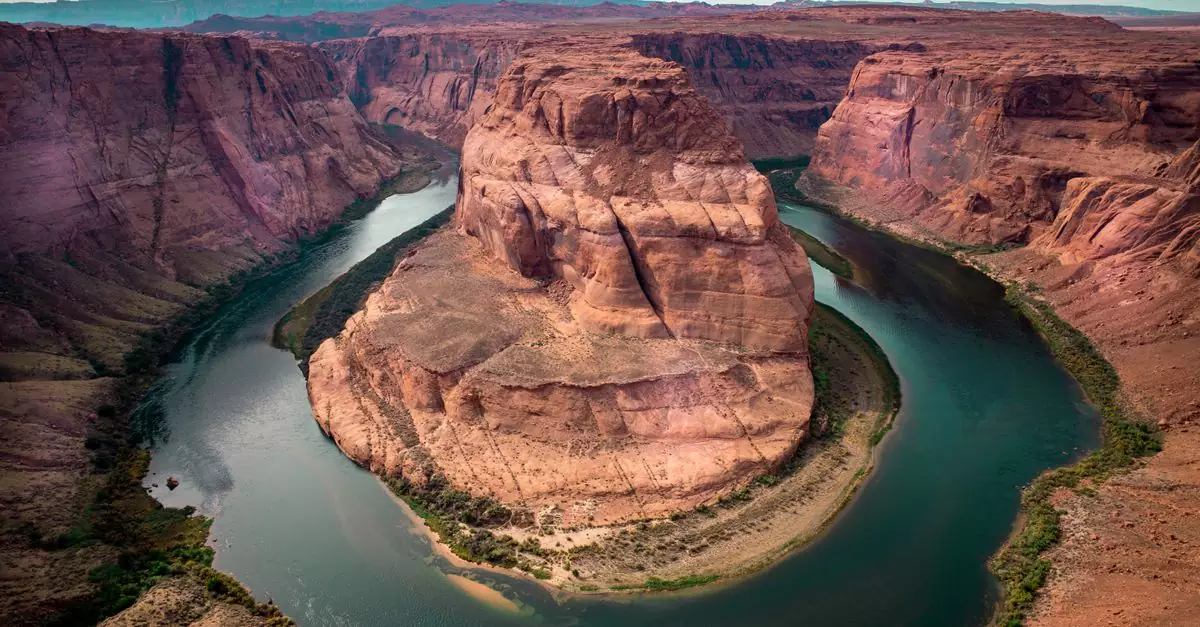
South America offers a dramatic contrast to its lush rainforests and towering mountains, with vast, arid landscapes that promise unique adventure. These destinations challenge perceptions of desert travel, offering surreal vistas and thrilling activities for those seeking the extraordinary. From shimmering salt flats to expansive dune seas, these natural wonders provide a different wilderness experience.
Salar de Uyuni: Bolivia’s Surreal Salt Flats
The Salar de Uyuni in Bolivia is the world’s largest salt flat, creating an optical illusion of an endless white expanse. During the dry season (May to November), the cracked, hexagonal salt patterns are a photographer’s dream. Visitors often rent 4×4 vehicles with drivers to navigate the vastness, with tours typically lasting several days. These excursions frequently include visits to Isla Incahuasi, an island covered in giant cacti, and the colorful, mineral-rich lagoons of the Eduardo Avaroa Andean Fauna National Reserve.
Budget travelers can find basic accommodations in the town of Uyuni, while more comfortable options, including salt hotels, are available closer to the flats. The high altitude (over 3,600 meters) means acclimatization is crucial. Pack layers, sunscreen, and sunglasses, as the sun’s reflection off the salt can be intense.
Atacama Desert: Chile’s Driest Desert and Stargazing Paradise
The Atacama Desert in northern Chile is renowned as one of the driest places on Earth, offering stark beauty and incredible astronomical conditions. Its clear skies, free from light pollution, make it a premier destination for stargazing. Beyond celestial displays, adventure seekers can explore geysers, hot springs, and dramatic canyons.
Popular activities include visiting the El Tatio geyser field at sunrise, exploring the Valle de la Luna (Moon Valley) for its otherworldly rock formations, and sandboarding down dunes. San Pedro de Atacama serves as the main hub, offering a range of accommodations from hostels to luxury lodges. Transportation within the desert typically involves guided tours or renting a 4×4 for independent exploration, though many sites are accessible via guided excursions.
Lençóis Maranhenses: Brazil’s Dune Landscapes with Seasonal Lagoons
Lençóis Maranhenses National Park in northeastern Brazil presents a truly unique desert landscape. During the dry season, it appears as an endless expanse of white sand dunes. However, from roughly May to September, heavy rains fill the valleys between the dunes, creating thousands of crystal-clear freshwater lagoons.
Visiting during this wet season transforms the landscape into a surreal playground. Travelers can swim in the refreshing lagoons, hike between dune systems, and marvel at the vibrant blues and greens against the stark white sand. Access is typically via São Luís or Barreirinhas, with 4×4 vehicles required to reach the park’s interior. Accommodations are available in nearby towns like Barreirinhas and Atins. The best time to visit for the full lagoon experience is after the rainy season has peaked.
When is the Best Time to Visit These Adventure Hotspots?
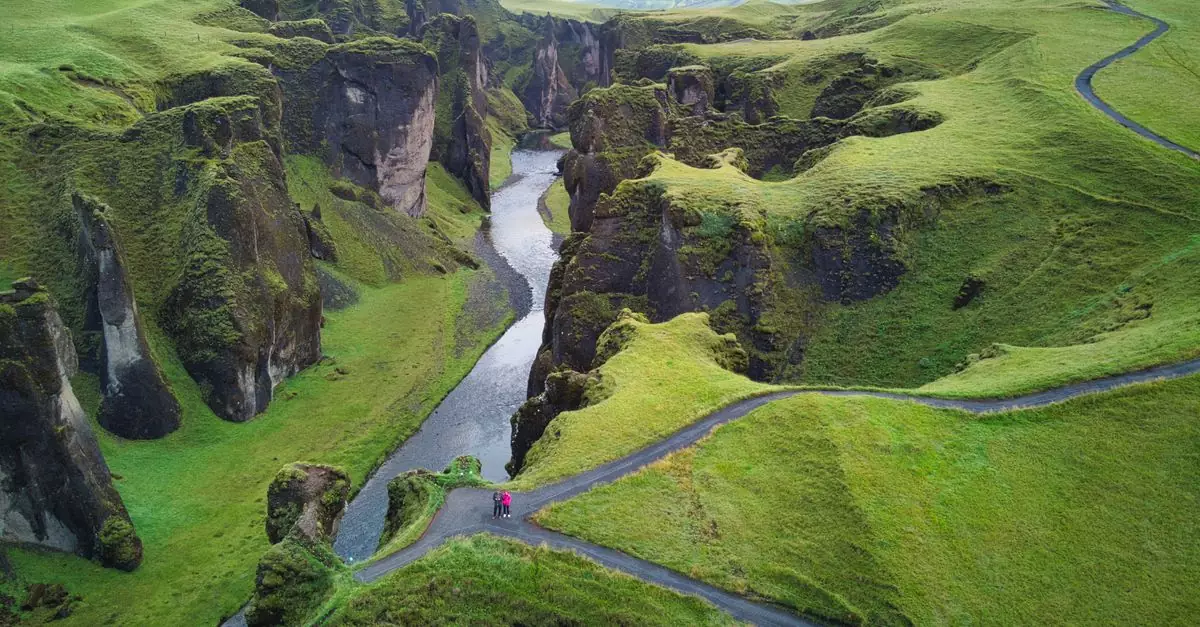
Timing your adventure travel in South America is crucial for maximizing your experience and avoiding potential disruptions. The continent’s vastness and diverse climates mean that peak seasons and weather patterns vary significantly across different regions. Understanding these nuances will help you choose the best months for trekking, wildlife viewing, and exploring natural wonders.
Navigating Rainy vs. Dry Seasons in the Amazon
The Amazon rainforest experiences distinct wet and dry seasons, each offering unique advantages for travelers. The wet season, generally from December to May, brings higher river levels, making it ideal for boat excursions deeper into the jungle and accessing more remote areas. Wildlife is often more visible along riverbanks. However, expect more humidity and frequent rainfall, which can impact trekking opportunities.
The dry season, from June to November, sees lower river levels, revealing more land for hiking and easier navigation on established trails. Mosquitoes are typically less prevalent during this period. While boat travel might be limited to main channels, land-based wildlife viewing can be excellent. Many lodges offer both dry and wet season packages, so research specific activities and desired experiences when planning your Amazon adventure.
Optimal Trekking Seasons in the Andes and Patagonia
For high-altitude trekking and exploring dramatic mountain landscapes, shoulder seasons and dry periods are generally preferred. In the Andes, particularly around Peru and Ecuador, the dry season runs from April/May to October. This period offers clearer skies, less rain, and more stable weather conditions crucial for multi-day treks like the Inca Trail.
Patagonia, shared by Argentina and Chile, has its prime trekking season during its summer months, from December to February. This is when daylight hours are longest, and temperatures are relatively milder, though still unpredictable. For those seeking fewer crowds and potentially lower prices, the shoulder months of October-November and March-April can be rewarding, but be prepared for a wider range of weather conditions.
| Region | Best Time (Dry/Mild) | Shoulder Months | Considerations |
|---|---|---|---|
| Peruvian Andes | May – October | April, Nov | Clear skies, stable weather for trekking. |
| Patagonian Andes | December – February | Oct-Nov, Mar-Apr | Longest daylight, but still variable weather. |
| Bolivian Andes | May – October | April, Nov | High altitude, dry and sunny conditions prevail. |
Best Months for Visiting Waterfalls and Desert Regions
Destinations featuring powerful waterfalls, like Iguazu Falls on the Brazil-Argentina border, are impressive year-round. However, the wet season (typically December to March) often results in more voluminous and dramatic cascades. The dry season can offer easier access and clearer views of the surrounding landscape.
For arid regions such as Chile’s Atacama Desert, the best time to visit depends on your tolerance for temperature extremes. The shoulder seasons of March-May and September-November offer pleasant daytime temperatures and cooler nights, ideal for stargazing and exploring unique geological formations. The summer months (December-February) can be very hot, while winter (June-August) brings colder nights. Planning your visit to these diverse South American landscapes requires careful consideration of regional climate patterns.
Frequently Asked Questions About South American Adventure Travel
What are the essential packing tips for adventure travel in South America?
Packing smart is key for any South American adventure. Layers are crucial, as weather can change dramatically from coast to mountains or jungle. Include moisture-wicking base layers, a fleece or insulated jacket, and a waterproof outer shell. Sturdy, broken-in hiking boots are essential for trekking. Don’t forget insect repellent with DEET, high SPF sunscreen, a wide-brimmed hat, and sunglasses. A reusable water bottle and a basic first-aid kit will also prove invaluable.
For high-altitude destinations like the Andes, consider bringing altitude sickness medication and an electrolyte powder. If you plan on visiting the Amazon, lightweight, long-sleeved clothing to protect against sun and insects is essential, along with quick-drying fabrics. A headlamp or flashlight is useful for navigating in remote areas or during power outages.
How can I travel affordably between these nature destinations?
Traveling affordably between South America’s vast natural wonders often involves a mix of options. Long-distance buses are a common and budget-friendly choice for overland travel between cities and towns. Companies like Cruz del Sur or Bolivian Hop offer comfortable services on many popular routes. Booking tickets in advance, especially during peak season, can sometimes secure better prices.
For longer distances or to save time, budget airlines operate within and between many South American countries. Look for deals on carriers serving routes between major hubs. Within cities and popular tourist areas, local buses, colectivos (shared taxis), and walking are the most economical ways to get around. Consider purchasing a regional travel pass if available for certain areas, which can offer bundled transport.
What safety precautions should I take in remote natural areas?
Safety in remote natural areas across South America requires diligence. Always inform someone of your itinerary and expected return time, whether it’s your accommodation host, a guide, or a friend back home. Stick to marked trails and never venture off alone, especially in unfamiliar terrain. Hiring local guides is highly recommended for treks and excursions in remote regions; they possess invaluable knowledge of the landscape, weather patterns, and potential hazards.
Be aware of wildlife and maintain a safe distance. Research specific risks for the region you are visiting, such as venomous snakes, insects, or dangerous currents in rivers. Carry sufficient water and food, and know how to purify water if necessary. For challenging hikes, consider carrying a satellite phone or personal locator beacon for emergencies. Always check local weather forecasts before setting out and be prepared for sudden changes.
Are there any hidden gem adventure spots beyond the main attractions?
Beyond the iconic destinations, South America holds many lesser-known adventure spots. Consider exploring the Serranía de la Macarena in Colombia, a unique ecosystem where the Andes, Amazon, and Orinoco regions meet, offering incredible biodiversity and opportunities for river trips and jungle hikes.
Another less-trodden path is the El Chaltén region of Patagonia, Argentina, beyond the main hiking trails around Fitz Roy. Exploring lesser-known valleys or taking multi-day treks offers a more solitary Patagonian experience. In Ecuador, the Podocarpus National Park in the southern Andes provides a rich cloud forest environment with diverse trails and opportunities for birdwatching and challenging hikes, far from the crowds of the more popular national parks. These destinations often require more independent planning but reward travelers with unparalleled natural beauty and fewer fellow adventurers.