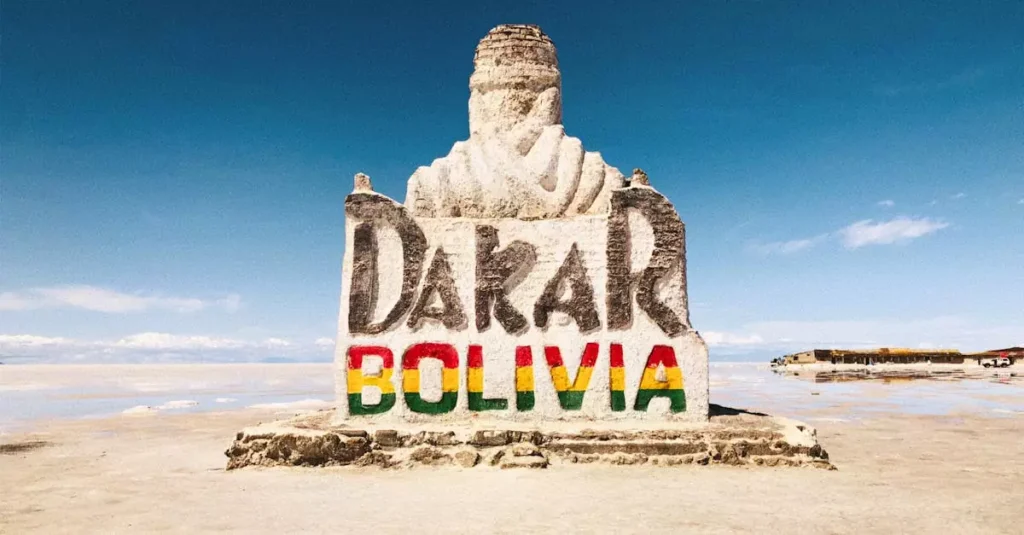
Bolivia’s Uyuni Salt Flats rank among Earth’s most otherworldly destinations. Picture yourself surrounded by endless white salt plains, jewel-toned lagoons, and dramatic desert vistas stretching to the horizon. For many travelers, it represents the ultimate bucket-list experience. Yet Indian travelers planning this journey face unique considerationsparticularly when it comes to budgeting and logistics. A South American adventure of this magnitude demands thoughtful preparation and realistic financial planning.
More goes into organizing this trip than simply booking a tour package. You’ll need to navigate international flights, secure visa documentation, arrange local transportation, find accommodation, and account for daily expenses. The geographical distance and cultural contrasts mean that being well-prepared isn’t optionalit’s essential. Breaking down the financial aspects removes much of the uncertainty surrounding this incredible journey. Here’s what Indian travelers specifically need to know about costs.
This guide walks you through the exact uyuni tour cost for indians, covering everything from airfare to meals and incidentals. By understanding each expense category, you can build a realistic budget and avoid financial surprises once you arrive. Let’s examine what this unforgettable Bolivian expedition actually costs.
Understanding the Uyuni Tour Cost for Indians
Several major cost categories make up your total travel budget when heading to the Uyuni Salt Flats from India. Each one deserves careful consideration. International flights typically consume the largest portion of your budget, followed by visa processing, the tour package itself, accommodation, meals, and various incidentals. Price ranges vary considerably across each category, shifting based on your travel style and personal preferences.
Flights represent the single biggest expense for most Indian travelers. Bolivia’s remote location means you’ll face lengthy journeys with multiple connections. Visa fees add another necessary cost layer. Local tour operators present options ranging from basic shared tours to exclusive private experiences. Your accommodation choiceswhether budget hostels or comfortable hotelsand dining preferences significantly impact your bottom line. Grasping how these components work together enables you to construct a workable budget and ensures your trip unfolds smoothly. Let’s break down each major expense category.
Your total trip cost hinges on numerous variables. Traveling during peak season typically means higher prices across the board. Off-season travel can yield substantial savings. Being flexible with your travel dates opens additional cost-reduction opportunities. We’ll provide realistic estimates for each expense category tailored specifically to Indian citizens, reflecting common travel patterns and financial considerations.
Flights from India to Bolivia: The Biggest Expense
Traveling from India to Bolivia involves a lengthy journey with multiple connecting flights. Direct flights don’t exist on this route. Most itineraries route through major international hubsDoha, Dubai, Istanbul, or European capitals feature prominently. Some travelers connect through the United States or Brazil instead. Your choice of airline and layover city significantly influences both cost and total travel time. This segment typically represents your largest single expense for the entire trip.
Round-trip airfare from Indian cities like Mumbai or Delhi to La Paz or Santa Cruz ranges considerably. Budget between 1,00,000 and 1,50,000 per person, though prices can climb higher. The season you travel, how far in advance you book, and which airline you choose all factor into the final price. Booking several months ahead usually secures better fares. Traveling during shoulder seasons (April-May or October-November) often brings more competitive pricing. Expect total travel time between 25 and 40 hours when accounting for layoversa substantial time commitment.
Reducing flight costs requires strategy. Use flight comparison platforms to identify the best deals. Build flexibility into your travel dates by a few days if possible. Consider flying into different Bolivian airportssometimes arriving in Santa Cruz and taking a domestic flight to La Paz proves cheaper overall. Domestic Bolivian flights typically cost 5,000 to 10,000 one-way, making this approach occasionally worthwhile. Always review baggage policies carefully to avoid surprise fees at the airport.
Bolivian Visa Requirements and Cost for Indian Citizens
Indian nationals require a visa to enter Bolivia for tourism. The application process demands advance planning before your departure date. Requirements occasionally shift, so verify current information through the Bolivian Embassy or Consulate in India via their official website. This step cannot be skipped for your Uyuni adventure.
Tourist visa costs for Indian citizens typically range from USD 30 to USD 100roughly 2,500 to 8,000 depending on exchange rates and processing fees. You may complete an online application first, then visit the Bolivian Embassy in New Delhi or an available consulate. Standard documentation includes a valid passport, passport photographs, flight itineraries, hotel reservations, bank statements, and either a letter of invitation or tour confirmation. Ensure every document is accurate and complete before submission.
Some travelers pursue “Visa on Arrival” at certain border crossings or international airports in Bolivia. This approach carries significant risk. It’s not guaranteed for all nationalities, including Indians. Obtaining your visa beforehand eliminates potential entry complications. Always carry duplicates of important travel documents, storing them separately from originalsa smart practice for any international journey. For additional context on India and its global diplomatic relationships, consult Wikipedia’s comprehensive India page.
Choosing Your Uyuni Salt Flats Tour: Options and Prices
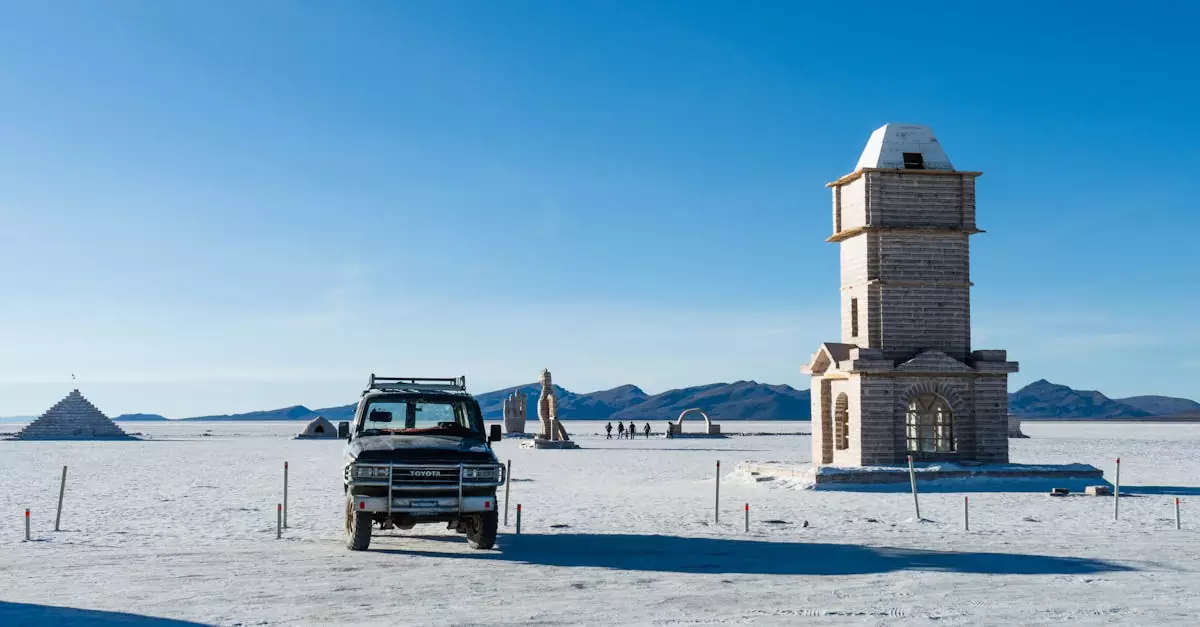
The Uyuni Salt Flats tour forms the centerpiece of your journey. Multiple tour options exist, each varying in length, comfort level, and pricing. The 3-day, 2-night expedition stands out as the most popular choice. This immersive experience takes you deep into the salt flats and surrounding desert terrain, including stops at colorful lagoons, geysers, and natural hot springs. Shorter 1-day tours focus primarily on the salt flats themselves. For a truly comprehensive experience, the 3-day option delivers significantly more.
Standard group tours for 3 days and 2 nights typically cost USD 100 to USD 250 per personapproximately 8,000 to 20,000. These packages usually include 4×4 vehicle transportation, a driver-guide, basic lodging, and meals. Accommodation consists of simple salt hotels or rustic refuges, often with shared facilities. Meals are straightforward but sustaining, designed to fuel you through the journey. Always confirm what’s included before booking. Some operators exclude national park entrance fees or hot spring charges.
Private tours offer greater flexibility and enhanced comfort at significantly higher costs. A 3-day, 2-night private tour ranges from USD 400 to USD 800 or more per vehicle. For couples, this breaks down to USD 200-400 per person. Private arrangements allow customized itineraries and superior accommodation options. You’ll likely have a dedicated English-speaking guide instead of a driver with basic language skills. Luxury tour options exist as well, featuring upscale salt hotels and refined diningthese can exceed USD 1,000 per person. Your decision depends on your budget and comfort preferences. Remember to budget for guide and driver tips, which are customary in Bolivia.
Accommodation and Food Budget in Uyuni and During the Tour
Accommodation and food expenses fluctuate depending on whether you’re staying in Uyuni town or on the salt flats tour itself. Before and after your tour, you’ll base yourself in Uyuni town, which offers lodging for various budgets. Hostels provide the most economical option, with dormitory beds running USD 10-20 nightly (800-1,600). Basic private rooms in guesthouses or budget hotels range from USD 25-50 per night (2,000-4,000). Mid-range hotels cost USD 60-100 nightly (4,800-8,000).
Your tour package typically includes accommodation for the 3-day salt flats experience, though it’s quite basic. The first night usually takes place in a salt hotela unique experience in itself. Your second night lands in a rustic refuge with shared dormitory-style sleeping and minimal facilities. Hot showers might incur extra charges or be unavailable entirely. Heating can be sparse. Prepare yourself for cold nights, particularly outside summer months. These accommodations are part of the adventure’s charm rather than a luxury experience, but they provide essential rest in remote locations.
Budget carefully for food expenses. Uyuni town restaurants range from local eateries charging USD 3-7 (240-560) to tourist-focused establishments at USD 10-20 (800-1,600) per meal. The tour package covers meals, which are generally simple yet fillingrice, pasta, vegetables, and some meat feature regularly. Pack extra snacks and water bottles. Purchasing these during the tour becomes extremely limited and expensive. Plan for USD 20-50 (1,600-4,000) daily for food and beverages outside the tour package, including water and snacks.
Comparison: Standard Group Tour vs. Private Tour
One of your most significant decisions involves choosing between a standard group tour and a private tour. Both offer distinct advantages. Yet they differ markedly in cost, flexibility, and comfort levels. Weighing these differences carefully ensures your choice aligns with your travel style and budget. Understanding the trade-offs helps you make an informed decision about your Uyuni tour cost for Indians.
Standard group tours attract most travelers due to their affordability and social opportunities. You’ll meet fellow adventurers while following a fixed itinerary in a 4×4 vehicle with 6-7 other people. Accommodation and meals remain basic. Private tours operate differently, offering complete itinerary customization, companion selection, and typically better accommodation options. These suit families, couples, or small groups seeking personalized experiences. The trade-off? Substantially higher costs. Your decision ultimately hinges on whether budget or control and comfort matters more to you.
Comparison Table: Uyuni Tour Types
| Feature | Standard Group Tour | Private Tour |
|---|---|---|
| Cost (3-day) | USD 100-250 per person (8,000-20,000) | USD 400-800+ per vehicle (32,000-64,000+) |
| Flexibility | Limited, fixed itinerary | High, customizable itinerary |
| Comfort | Basic accommodation, shared facilities | Enhanced accommodation, private rooms often available |
| Group Size | 6-7 people in a 4×4 | 2-4 people (your chosen group) |
| Language | Driver-guide with basic English/Spanish | Option for dedicated English-speaking guide |
| Privacy | Shared experience | Exclusive to your group |
Pros and Cons: Standard Group Tour
- Pros:
- Cost-effective approach makes the trip more accessible.
- Excellent opportunity to meet other travelers and forge new friendships.
- Fixed itinerary minimizes planning requirements on your end.
- Cons:
- Limited flexibility for photo stops, detours, or schedule changes.
- Basic amenities and shared sleeping quarters.
- You’re grouped with unfamiliar people for several days.
Pros and Cons: Private Tour
- Pros:
- Complete flexibility to customize the itinerary around your interests.
- Higher comfort standards, frequently including superior accommodation.
- Personalized experience tailored to your group’s preferences.
- Dedicated guide provides deeper, more nuanced insights.
- Cons:
- Substantially higher costs, particularly for solo travelers or small groups.
- Reduced social interaction with other travelers.
- Requires more advance planning and coordination.
Practical Tips for Indian Travelers to Uyuni
Successfully traveling from India to Uyuni requires thoughtful preparation across multiple areas. The following practical tips address the unique challenges this destination presents. Proper planning enhances your experience significantly, allowing you to focus on the spectacular natural beauty surrounding you.
- Altitude Sickness: Both Uyuni and La Paz sit at extreme elevations. La Paz reaches approximately 3,650 meters; Uyuni sits around 3,700 meters. Take your first few days easy. Drink abundant water and avoid alcohol. Coca leaves or coca leaf tea can ease symptoms. Speak with your doctor before departure.
- Packing Essentials: Uyuni’s weather swings dramatically. Sunny days give way to freezing nights. Pack in layerswarm jackets, thermal underwear, gloves, and hats are essential. Don’t skip high SPF sunscreen, sunglasses, and lip balm. The sun reflecting off salt intensifies its effects considerably.
- Currency and Payments: Bolivia uses the Boliviano (BOB) as its currency. Carry sufficient small denominations for purchases. ATMs exist in Uyuni town but prove unreliablethey may malfunction or run out of cash. Credit cards work at larger hotels. Tour operators and local vendors strongly prefer cash transactions.
- Travel Insurance: This is absolutely essential for such a remote area. Ensure your policy covers high-altitude activities, medical emergencies, and trip cancellations. Insurance provides crucial protection for unexpected situations.
- Basic Spanish Phrases: Though some guides speak English, basic Spanish knowledge proves invaluable. It enriches your interactions with locals and simplifies daily transactions considerably.
- Booking in Advance: During popular seasons, reserve flights and tours well ahead of time. Early booking secures availability and often yields better pricing. Our detailed guide covers the best time to visit Uyuni.
- Health Precautions: Consult your doctor regarding necessary vaccinations. Assemble a basic first-aid kit including headache remedies, stomach medications, and altitude sickness treatments.
- Communication: Local SIM cards are available, though network coverage becomes spotty outside major towns and during tours. Brief your family about your itinerary before departure.
- Respect Local Culture: Bolivia’s indigenous heritage runs deep. Honor local customs and traditions. Always request permission before photographing people.
Total Uyuni Trip Cost from India: A Budget Breakdown
Combining all expense categories provides a comprehensive picture of what your Uyuni adventure costs. This breakdown assumes a typical 7-10 day journeyincluding travel days, acclimatization time in La Paz or another Bolivian city, and the 3-day Uyuni tour. Keep in mind these are estimates subject to variation based on your specific choices.
- International Flights (Round Trip from India): 1,00,000 – 1,50,000 per person. This represents your largest single expense.
- Bolivian Visa Fees: 2,500 – 8,000 per person.
- Uyuni Salt Flats Tour (3-day group tour): 8,000 – 20,000 per person. Private tours run 25,000 – 50,000+ per person (assuming 2-3 people sharing costs).
- Accommodation (2-3 nights outside tour): 4,000 – 12,000 per person (budget to mid-range hotels).
- Food & Drinks (outside tour, 7-10 days): 10,000 – 25,000 per person (snacks, water, and restaurant meals).
- Internal Flights (e.g., La Paz to Uyuni, round trip): 10,000 – 20,000 per person. Optional but saves considerable travel time.
- National Park Entrance Fees & Hot Springs: 2,000 – 4,000 per person (paid locally, typically not included in tour pricing).
- Miscellaneous (Souvenirs, Tips, Emergencies): 10,000 – 20,000 per person.
Adding these figures together, a realistic total Uyuni trip cost from India for an Indian traveler choosing a standard group tour and mid-range accommodation comes to approximately 1,50,000 to 2,50,000 per person. This budget supports a comfortable yet not extravagant experience. Opting for private tours, luxury accommodation, or significant shopping easily pushes costs above 3,00,000. Extreme budget travelers might reduce expenses further, though this risks compromising comfort or safety. Check our travel budget guide for additional expense management strategies.
Frequently Asked Questions About Uyuni Tours for Indians
Indian travelers frequently ask specific questions about visiting Uyuni. These answers address common concerns ranging from safety to dietary accommodations. Clarifying these details supports better trip planning and reduces anxiety about your journey.
Is Uyuni safe for Indian tourists?
Uyuni generally welcomes tourists safely. Like any destination, it requires standard travel precautions. Stay aware of your surroundings, particularly in busy areas. Secure your valuables carefully. Select tour operators with solid reputations to guarantee a secure and dependable experience.
What is the best time to visit Uyuni from India?
The dry season spanning April through November offers clear skies and brilliant reflections. The wet season from December through March brings the famous mirror effect. Each season presents distinct appeal. Your preference determines which period suits you best.
Can I find vegetarian food options during the tour?
Most tour operators accommodate vegetarian dietary requirements. Notify them during booking. While selections may be simple, adequate meals are guaranteed. Carrying supplementary snacks addresses specific preferences.
How much spending money should I carry for the Uyuni tour?
Beyond tour costs, bring USD 50-100 (4,000-8,000) in local currency. This covers national park fees, hot springs access, additional water, snacks, and guide tips. ATMs are scarce and