South America’s coastlines are a paradise for seafood lovers, offering a vibrant tapestry of flavors shaped by indigenous traditions, colonial influences, and the ocean’s bounty. While Peru’s ceviche is world-famous, the continent’s culinary map extends well beyond this iconic dish, revealing a wealth of unique and delicious coastal food destinations. This guide will take you on a gastronomic journey from the bustling markets of Lima to the colorful shores of Valparaíso and the coconut-infused delights of Ecuador. You’ll discover where to find the freshest catches, learn about signature regional specialties like moqueca and encocado, and uncover tips for navigating local eateries and markets. Prepare to explore some of the best coastal food destinations South America has to offer, experiencing the true taste of the Pacific and Atlantic oceans.
Exploring Peru’s Culinary Coastline: Lima & Beyond

Peru’s capital, Lima, is a global epicenter for gastronomy, with its coastline providing an abundance of fresh seafood that forms the backbone of its celebrated cuisine. While ceviche often steals the spotlight, the culinary landscape here extends far beyond this dish, inviting travelers to delve into a rich tapestry of flavors and dining experiences. From bustling markets to sophisticated restaurants, Lima offers an unparalleled introduction to South America’s vibrant seafood culture.
Must-Try Seafood Dishes in Lima’s Miraflores District
Miraflores, a popular district known for its ocean views and upscale dining, is an excellent starting point for experiencing Lima’s coastal flavors. Beyond ceviche, look for tiradito, a Japanese-Peruvian fusion dish featuring thinly sliced raw fish bathed in a spicy sauce, often made with aji amarillo. Another essential dish is causa rellena, a layered potato dish filled with various seafood, such as crab or shrimp, offering a comforting yet sophisticated bite. For heartier options, sudado de pescado (fish stew) and arroz con mariscos (seafood rice) showcase the depth of Peruvian stews and rice dishes, packed with the day’s freshest catch.
A Day Trip to the Fishing Port of Paracas for Fresh Catches
For an authentic taste of where the ocean’s bounty begins, a day trip to the fishing port of Paracas, about a three-hour drive south of Lima, is highly recommended. This coastal town is renowned for its vibrant fishing community and incredibly fresh seafood available directly from the boats. Many local eateries in Paracas serve simple yet exquisite preparations of fish caught just hours before. Enjoy grilled corvina (sea bass) or lenguado (sole) seasoned minimally to highlight their natural sweetness. The proximity to the Ballestas Islands, often called the “Galapagos of Peru,” enriches the surrounding waters with diverse marine life, contributing to the exceptional quality of the local catch. Traveling to Paracas is best done via bus from Lima’s Javier Prado bus terminal, a straightforward and affordable journey.
Navigating Lima’s Food Markets: A Guide for Seafood Lovers
Lima’s bustling food markets, such as Mercado de Surquillo No. 1, offer an immersive experience for seafood enthusiasts. Here, you can witness the variety of fish and shellfish brought in daily from Peru’s extensive coastline. Wandering through the stalls, you’ll see everything from glistening anchovetas to plump scallops and various types of local fish. Many market stalls also offer prepared seafood snacks or simple ceviche, allowing you to sample the freshness on the spot. Engaging with the vendors can provide insight into the best catches of the day and their traditional uses. For travelers interested in a deeper dive into Peru’s culinary heritage, understanding these markets is key to appreciating the source of the nation’s celebrated dishes.
Chile’s Pacific Flavors: Valparaíso’s Vibrant Food Scene
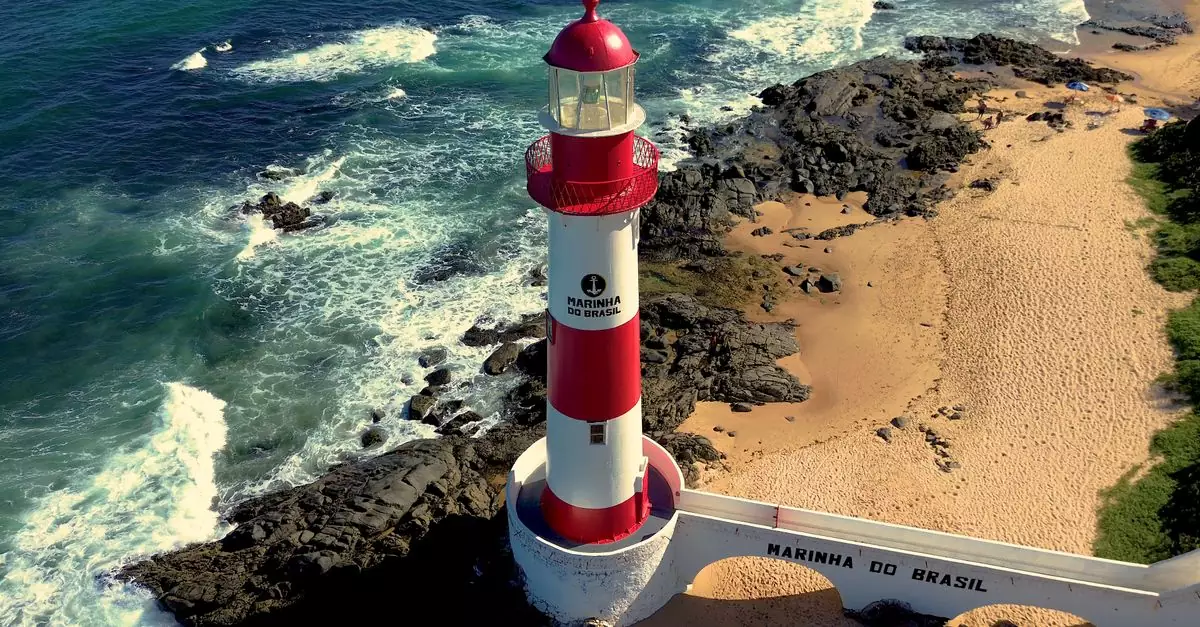
Valparaíso, Chile, offers a unique blend of bohemian charm and culinary adventure, making it one of South America’s best coastal food destinations. This UNESCO World Heritage city, perched on steep hills overlooking the Pacific, serves up a seafood-centric cuisine deeply influenced by its maritime heritage. The city’s colorful architecture and winding alleyways are matched by the vibrant flavors found in its markets, restaurants, and hidden eateries.
Sampling Freshly Caught Fish in Valparaíso’s Port Market
A visit to the Muelle Prat, Valparaíso’s bustling port market, is an essential experience for any food lover. Here, fishermen unload their daily catch, providing a direct link to the ocean’s bounty. You can witness the vibrant trade and then head to one of the simple, no-frills eateries surrounding the market for the freshest seafood possible. Dishes like reineta (a local sea bream) or congrio (conger eel) are often prepared grilled or fried, served with classic Chilean sides like puré picante (spicy mashed potatoes).
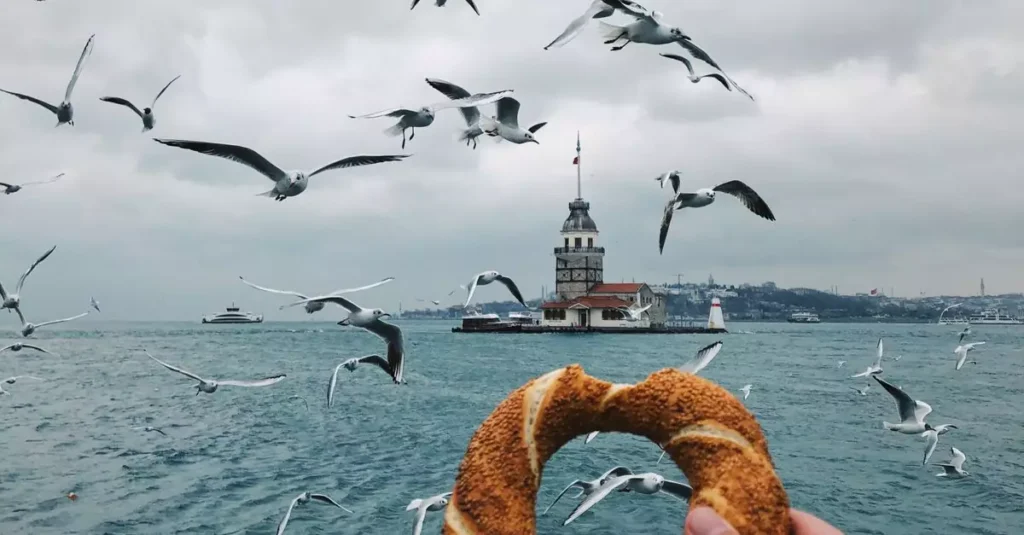
The atmosphere is lively, with seagulls circling overhead and the salty air filling your senses. Arriving in the late morning allows you to see the peak of the day’s activity and enjoy a truly authentic lunch. Be prepared for a casual dining experience; these spots prioritize flavor and freshness above all else.
Exploring the Bohemian Neighborhoods of Cerro Alegre and Cerro Concepción for Local Bites
Beyond the port, the bohemian hills of Cerro Alegre and Cerro Concepción teem with charming cafes, bistros, and restaurants. These neighborhoods, known for their vibrant street art and stunning views, offer a more refined culinary scene. You’ll find a range of options, from traditional Chilean fare to international influences, often with a creative twist.
Seek out restaurants that highlight local ingredients, such as choritos (mussels) prepared in various ways or calamares (squid). Many establishments offer menús del día (set lunch menus) that provide excellent value. Wandering these hills is an adventure in itself, with unexpected culinary discoveries around every corner. Look for small, family-run establishments for the most authentic tastes.
Day Trips from Valparaíso for Coastal Gastronomy Experiences
The region surrounding Valparaíso also boasts exceptional coastal gastronomy. A short trip to the nearby town of Concón, often called the “Gastronomic Capital of Chile,” is highly recommended. Concón is famous for its empanadas de mariscos (seafood empanadas) and its abundant seafood restaurants lining the coast.
Another worthwhile excursion is to Viña del Mar, Valparaíso’s more polished neighbor. While known for its beaches and casino, Viña del Mar also offers a sophisticated dining scene with excellent seafood restaurants, particularly along Avenida Peru. These destinations provide a broader perspective on Chile’s diverse coastal flavors, complementing the unique offerings of Valparaíso itself. Traveling between these cities is straightforward, with frequent bus services connecting them.
Ecuador’s Enchanting Coast: Manta & Montañita’s Seafood Delights

Ecuador’s Pacific coastline offers a vibrant culinary scene, heavily influenced by the ocean’s bounty. Beyond the well-known ceviche, the country’s coastal towns serve up a diverse array of fresh seafood dishes that are both delicious and affordable. Manta, a bustling port city, and Montañita, a world-renowned surf mecca, represent two distinct yet equally compelling facets of this coastal food culture. Traveling between them reveals a spectrum of dining experiences, from family-run eateries to laid-back beachside shacks.
The Best Places for Encocado de Pescado in Manta
Manta is synonymous with encocado de pescado, a rich and flavorful dish featuring fresh fish simmered in a creamy coconut sauce, often seasoned with peppers, onions, and cilantro. For an authentic taste, seek out smaller, local restaurants away from the main tourist drag. Restaurante El Mar is a local favorite, known for its generous portions and consistently fresh catch. Another highly recommended spot is El Caminito, a humble establishment where the encocado is prepared using traditional family recipes passed down through generations.
When dining in Manta, consider visiting during the weekday lunch hours. Many restaurants offer almuerzos ejecutivos (executive lunches) that include a soup, main course, and a small dessert at a significantly lower price than à la carte options. This is an excellent way to sample quality seafood without a hefty bill. The city’s central market also offers opportunities to try freshly prepared seafood snacks, though these are typically more casual and less focused on elaborate dishes like encocado.
Surfer Eats: Casual Seafood Shacks in Montañita
Montañita, while famous for its waves, also boasts a casual yet satisfying food scene centered around fresh, simple seafood. After a day of surfing, beachgoers often head to the numerous comedores and seafood shacks lining the beach and main streets. These establishments excel at preparing grilled fish, ceviche de camarón (shrimp ceviche), and arroz marinero (seafood rice).
Ceviche de la Rumiñahui is a popular choice for its vibrant shrimp ceviche, served with toasted corn kernels and plantain chips. For grilled options, El Barco offers a selection of fresh fish, often snapper or corvina, grilled to perfection with garlic and herbs. The atmosphere in these spots is relaxed, with sand between your toes and the sound of the ocean as your soundtrack. Prices are generally very reasonable, making it easy to enjoy multiple meals throughout the day.
Discovering Hidden Coastal Villages for Authentic Ecuadorian Seafood
Venture beyond Manta and Montañita to discover smaller coastal villages for an even more intimate and authentic seafood experience. Towns like Puerto López or Ayampe offer a glimpse into traditional fishing communities where the day’s catch is prepared with minimal fuss but maximum flavor. In Puerto López, look for small, family-run eateries near the fishing docks for the freshest grilled fish.
These villages are also excellent places to try bollos de pescado, a hearty plantain and fish stew often served as a breakfast or lunch dish. The pace of life is slower here, and the food reflects that simplicity and focus on fresh ingredients. Transportation to these smaller villages typically involves local buses from larger cities like Manta or Guayaquil. While accommodations might be more basic, the culinary rewards are substantial. Travelers seeking the true essence of Ecuadorian coastal cuisine will find it in these less-trafficked locales.
Brazil’s Northeastern Bounty: Salvador’s Moqueca and Beyond
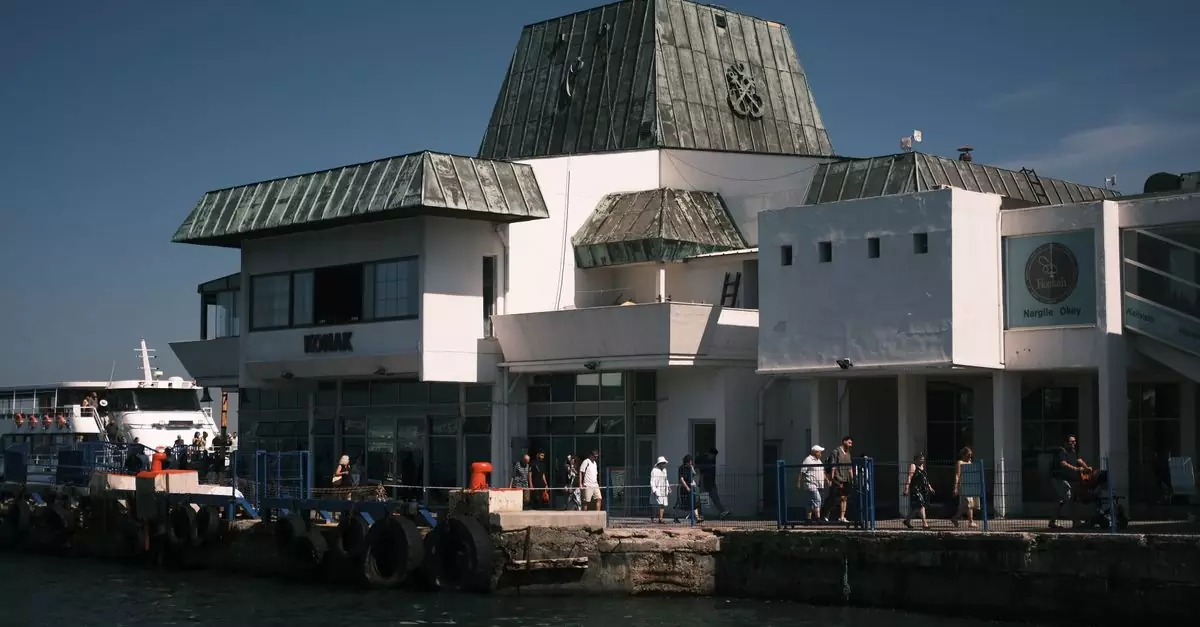
Brazil’s vast coastline offers a culinary adventure, particularly along its vibrant northeastern edge. This region is a treasure trove of seafood dishes, blending indigenous, African, and Portuguese influences into unique flavors. For travelers seeking the best coastal food destinations, the northeastern states of Bahia and Pernambuco present an irresistible gastronomic journey.
Savoring Authentic Moqueca Baiana in Salvador’s Historic Center
Salvador, the capital of Bahia, is renowned for its rich Afro-Brazilian heritage and its iconic dish, Moqueca Baiana. This hearty seafood stew, distinct from its Amazonian counterpart, features fish and shrimp simmered in dendê oil (palm oil), coconut milk, tomatoes, onions, and peppers. The result is a fragrant, creamy, and slightly spicy dish that embodies the spirit of Bahian cuisine.
To experience authentic Moqueca Baiana, head to the historic Pelourinho district. Here, traditional restaurants serve up generous portions perfect for sharing. Look for establishments that emphasize fresh, local ingredients. Many of these eateries are housed in beautifully restored colonial buildings, enhancing the overall dining experience.
- Timing: Lunch is the most popular time for Moqueca, allowing you to fully enjoy its rich flavors.
- Budget: Expect to pay between R$70-R$120 for a Moqueca serving two to three people.
- Logistics: Many restaurants in Pelourinho are within walking distance of major attractions. Consider using ride-sharing apps for easier navigation after dark.
Exploring the Coastal Markets of Recife for Unique Seafood
Further north, Recife, the capital of Pernambuco, offers a different yet equally compelling coastal food scene. Its bustling waterfront markets are essential stops for anyone interested in local produce and fresh seafood. Here, you can find a dazzling array of fish, crustaceans, and mollusks, many of which are prepared in simple, yet delicious, ways at nearby food stalls.
Beyond the markets, Recife’s culinary landscape is shaped by its unique seafood preparations. Try Carne de Sol com Macaxeira, a dish featuring sun-dried beef served with cassava, or opt for grilled fish seasoned with regional spices. The city’s proximity to the ocean ensures that the seafood is always of the highest quality.
- Local Tip: Don’t miss the chance to sample Bolo de Rolo, a delicate rolled cake that is a Pernambucan specialty.
- Transportation: Taxis and ride-sharing services are readily available for getting around Recife. The city also has a public bus system, though it can be complex for visitors.
Best Beachfront Restaurants for Fresh Catch in Porto de Galinhas
A short drive south of Recife lies Porto de Galinhas, a popular beach resort town famous for its natural pools and pristine beaches. This destination is a must-visit for its abundance of beachfront restaurants serving impeccably fresh seafood. The focus here is on simple preparations that highlight the natural flavors of the ocean’s bounty.
You can enjoy grilled fish, shrimp skewers, and lobster, often caught the same day and prepared to order. Many restaurants offer tables with direct views of the turquoise waters, making for a picturesque dining experience. The relaxed atmosphere of Porto de Galinhas complements the fresh, uncomplicated seafood dishes perfectly.
| Restaurant Type | Typical Dish | Price Range (per person) | Ambiance |
|---|---|---|---|
| Beachfront Kiosks | Grilled Fish | R$40 – R$70 | Casual, lively |
| Mid-Range Restaurants | Shrimp Moqueca | R$80 – R$130 | Relaxed, scenic |
| Upscale Dining | Lobster Thermidor | R$150+ | Elegant, romantic |
- Seasonality: The dry season, from September to March, offers the best weather for beach dining. However, the region is a year-round destination.
- Accommodation: Porto de Galinhas offers a range of options from budget pousadas to luxury resorts. Booking in advance is recommended, especially during peak season.
What’s the Best Time to Visit South America’s Coastal Food Havens?
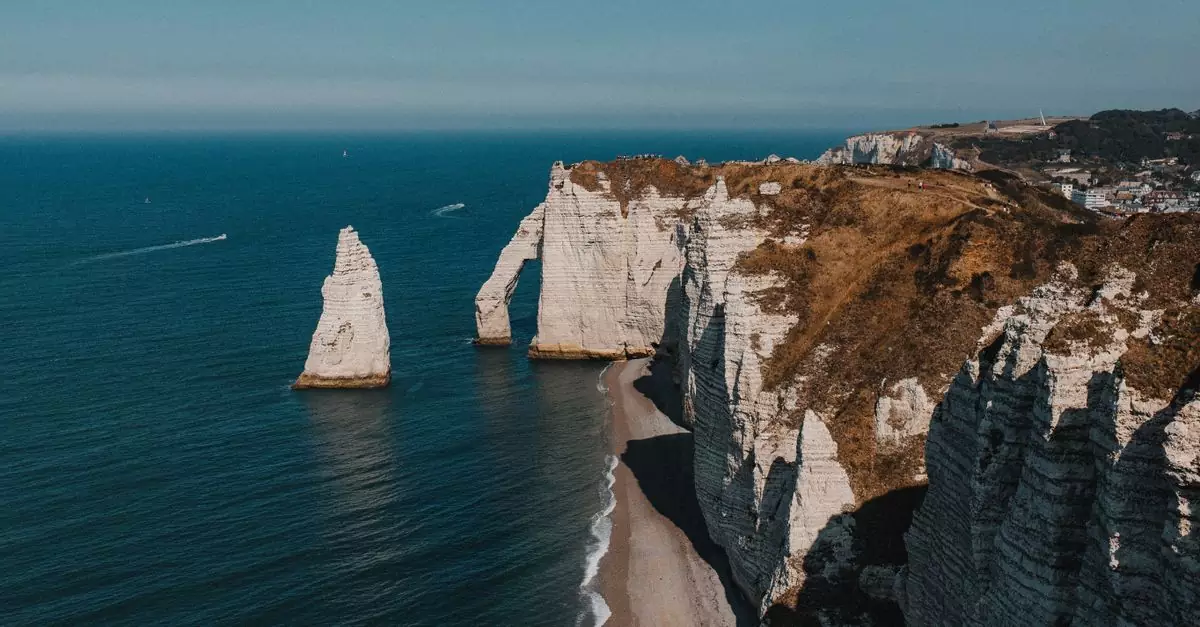
Timing your visit to South America’s vibrant coastal regions can significantly enhance your culinary journey. Understanding seasonal variations, local festivals, and weather patterns ensures you experience the freshest seafood and the liveliest atmosphere. While many destinations offer year-round appeal, specific periods unlock unique gastronomic opportunities.
Seasonal Seafood Availability: Peak Times for Peru
Peru’s Pacific coast is renowned for its exceptional seafood, largely thanks to the nutrient-rich Humboldt Current. For the best ceviche and tiradito, aim for the warmer months, generally from December to April. This period often coincides with the peak season for popular catches like corvina (sea bass) and lenguado (sole).
Outside of this peak, you can still find excellent seafood, but certain prized varieties might be less abundant or more expensive. The shoulder seasons, from May to November, can offer a more relaxed experience with fewer crowds, though the seafood selection might be slightly more limited. Always check local availability, as small fishing communities might have their own micro-seasons.
When to Experience Brazil’s Coastal Festivals
Brazil’s extensive coastline boasts a diverse culinary landscape, with each region celebrating its unique flavors. Timing your visit around local festivals can be a highlight. For instance, the Festa de Iemanjá in Salvador, Bahia, celebrated on February 2nd, is a deeply cultural event that also showcases the region’s rich Afro-Brazilian cuisine, heavily influenced by seafood.
Carnival, typically in February or March, is another vibrant time to visit coastal cities like Rio de Janeiro or Recife. While the focus is on music and parades, food stalls abound, offering regional specialties alongside more common festival fare. For a more relaxed culinary exploration of Brazil’s coast, consider the drier months between May and September, which offer pleasant weather for beachside dining and exploring smaller fishing villages.
Navigating Rainy Seasons and Dry Spells Along the Pacific
The western coast of South America presents varied weather patterns. Chile’s central coast, for example, experiences a Mediterranean climate with warm, dry summers (December to February) and mild, wet winters. The summer months are ideal for enjoying fresh seafood in cities like Valparaíso, with clear skies and comfortable temperatures.
Further north, countries like Ecuador and Colombia have tropical coastlines where rainfall can be more consistent. However, even in these regions, there are often drier periods. For instance, the Pacific coast of Ecuador, including popular spots like Montañita, tends to be drier and sunnier from December to May. Planning around these drier spells will make beachside dining and exploring coastal towns more enjoyable. Always consider local advisories, as heavy rains can occasionally impact transportation and access to remote fishing villages.
Frequently Asked Questions About South American Coastal Cuisine
What are the most iconic seafood dishes across South America?
South America’s coastlines offer a remarkable diversity of seafood preparations. In Peru, the undisputed star is ceviche, where fresh raw fish is marinated in lime juice with chili peppers and onions. Beyond ceviche, tiradito offers thinly sliced raw fish with a spicy sauce, and sudado de mariscos is a hearty fish stew.
Chile is renowned for its curanto, a traditional method of cooking seafood and meats in an underground pit with hot stones, though modern versions are often prepared in pots. Look for reineta (a type of sea bream) and merluza (hake). Further north, in Ecuador, encebollado is a popular fish soup, often made with tuna, that’s considered a potent hangover cure. Brazil’s moqueca, a rich seafood stew typically made with coconut milk, dendê oil, and peppers, is a must-try, with distinct variations found in Bahia and Espírito Santo.
How can I find authentic, non-touristy seafood restaurants?
To discover authentic flavors away from the main tourist hubs, ask locals for recommendations. This could be hotel staff, taxi drivers, or shopkeepers. Look for restaurants busy with local patrons, especially during lunch hours, as this often indicates quality and value.
Venture a few blocks away from the most prominent beachfront areas. Smaller, family-run establishments or cevicherías can offer more genuine experiences. Online reviews can be helpful, but prioritize those written in the local language or those that specifically mention a place as a local favorite. Exploring the markets where fishermen bring in their daily catch can also lead you to nearby eateries that source directly from those stalls.
Is it safe to eat street food along the coast?
Eating street food along the coast of South America can be a delicious and affordable experience, but caution is advised. Opt for vendors who are popular and have a high turnover of customers, as this suggests the food is fresh. Observe the preparation process; ensure food is cooked thoroughly and that hygiene practices seem adequate, such as clean surfaces and proper handling of ingredients.
For raw or lightly cooked items like ceviche sold from carts, assess the vendor’s setup. Is the seafood kept on ice? Does the preparation area look clean? If you have a sensitive stomach, it might be wise to stick to cooked options from reputable vendors initially. When in doubt, it’s always safer to err on the side of caution and choose established restaurants, especially when first arriving in a new destination.