Dreaming of vast savannas filled with wildlife, the excitement of spotting a lion pride, or the awe-inspiring sight of elephants at a watering hole? Africa is the ultimate destination for an unforgettable safari experience. To help you plan the adventure of a lifetime, we’ve explored the best safari destinations in Africa, highlighting those that offer unparalleled wildlife encounters.
In this guide, you’ll learn about parks and reserves that consistently deliver exceptional game viewing, from the iconic Great Migration in the Serengeti and Maasai Mara to the impressive elephant herds of Chobe and the walking safari haven of South Luangwa. We’ll examine the unique highlights of each location, the best times to visit for optimal sightings, and practical advice on accommodation and travel logistics to ensure your journey is as seamless as it is spectacular. Get ready to immerse yourself in the wild heart of Africa.
Top 5 Best Safari Destinations in Africa for Big Five Sightings
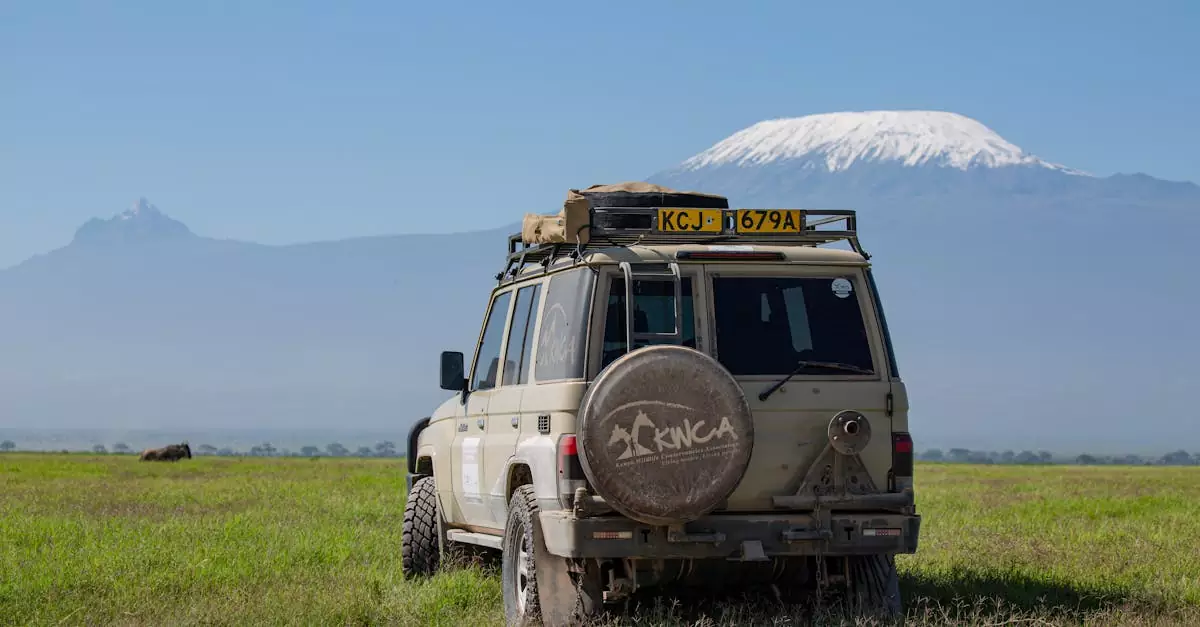
Africa is synonymous with wildlife. For many, the dream of a safari includes spotting the iconic Big Five: lion, leopard, elephant, rhino, and buffalo. While numerous parks offer incredible wildlife viewing, a select few stand out for their exceptional concentrations and diverse habitats, making them the premier safari destinations in Africa. Planning a trip to these locations requires understanding their unique offerings, best times to visit, and logistical considerations.
Serengeti National Park, Tanzania: The Great Migration Spectacle
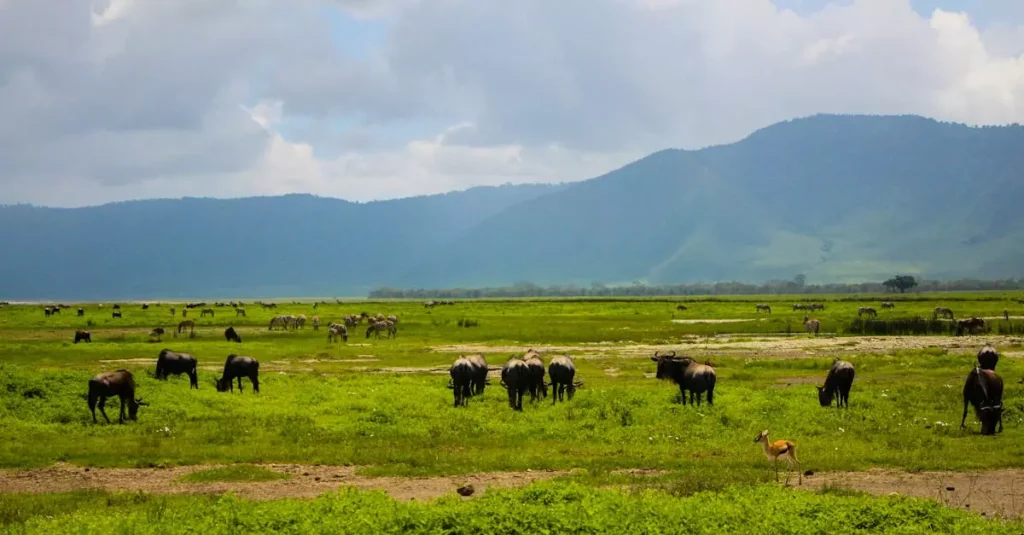
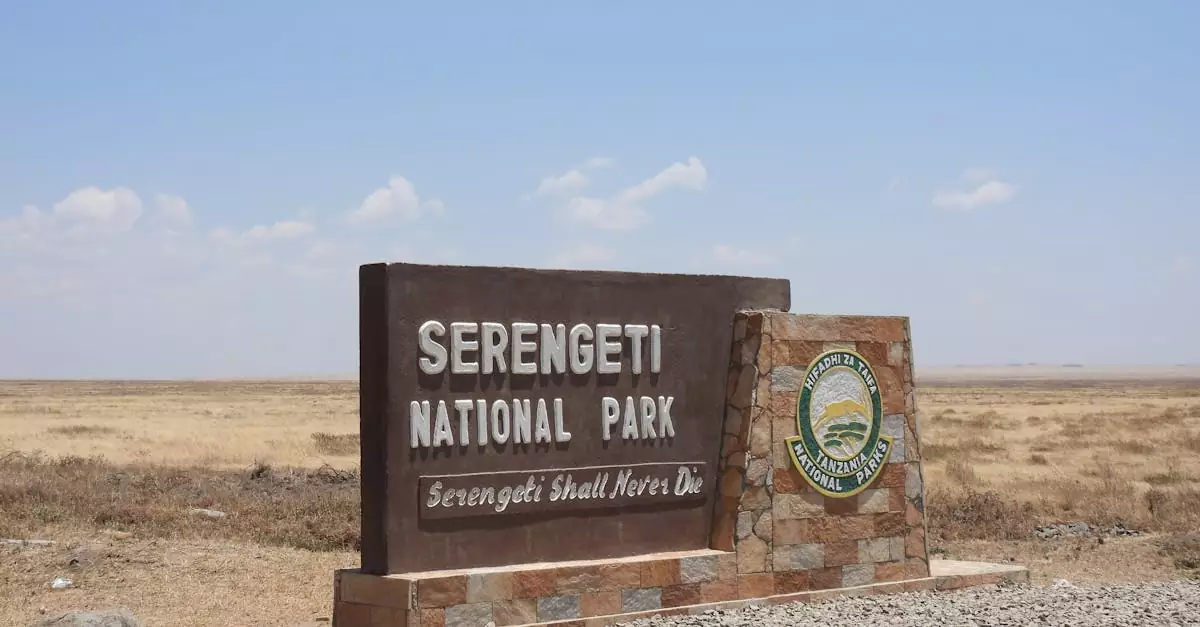
The Serengeti is perhaps the most famous of Africa’s safari destinations, primarily known for hosting the Great Migration. This monumental movement of over 1.5 million wildebeest, zebras, and gazelles across the plains is a natural spectacle. The Serengeti’s vast grasslands provide unparalleled opportunities to witness predators like lions and cheetahs in action, often set against the backdrop of the migrating herds.
- Best Time to Visit: The dry season (June to October) is ideal for witnessing the migration, especially during river crossings. However, the calving season (January to March) in the southern Serengeti offers excellent viewing of newborn animals and a surge in predator activity.
- Logistics: Kilimanjaro International Airport (JRO) is the main gateway, with light aircraft flights connecting to various airstrips within the park. Accommodations range from luxury lodges to mobile tented camps that follow the migration.
- Wildlife Highlights: Beyond the Big Five, keep an eye out for hyenas, wild dogs, giraffes, and numerous bird species.
Maasai Mara National Reserve, Kenya: Iconic Wildebeest Crossings
Adjacent to the Serengeti, the Maasai Mara offers a similar ecosystem and plays a crucial role in the Great Migration. The Mara River crossings, where wildebeest brave crocodile-infested waters, are a highlight for many visitors. The reserve is known for its high density of lions, leopards, and cheetahs, making it a top choice for big cat enthusiasts.
- Best Time to Visit: July to October is prime for migration viewing and river crossings. The rest of the year also offers excellent game viewing, with fewer crowds.
- Logistics: Flights from Nairobi’s Wilson Airport to the Maasai Mara’s airstrips are the most convenient way to reach the reserve. Options include fixed lodges, tented camps, and conservancy-based accommodations that offer exclusive experiences.
- Traveler Insight: Consider staying in a private conservancy bordering the Maasai Mara for a less crowded experience, with the added benefit of night drives and walking safaris.
Kruger National Park, South Africa: Accessible Big Five Haven
Kruger National Park is one of Africa’s largest and most established game reserves, providing an accessible and self-drive-friendly safari experience. Its well-maintained road network and diverse habitats support a rich variety of wildlife, including a healthy population of all Big Five species. The park’s infrastructure is excellent, with rest camps offering various accommodation types.
- Best Time to Visit: The dry season (May to September) is generally best, as animals congregate around water sources. The “green season” (November to March) brings lush landscapes and excellent birdwatching, with fewer tourists.
- Logistics: Visitors can fly into Kruger Mpumalanga International Airport (MQP) and rent a car or drive from Johannesburg. Accommodation ranges from self-catering chalets to guesthouses within the park’s rest camps.
- Budget Consideration: Kruger offers a variety of accommodation options, making it a more budget-conscious choice compared to some other prime safari destinations in Africa.
Chobe National Park, Botswana: Elephant Herds and River Safaris
Chobe National Park is renowned for its immense elephant population, especially along the Chobe River. Witnessing hundreds of elephants bathing, drinking, and interacting is a breathtaking sight. The park’s diverse landscapes, from floodplains to woodlands, also support a wide array of other wildlife, including buffalo, lions, and rich birdlife.
- Best Time to Visit: The dry season (May to October) sees large elephant herds gathering along the river. The wet season (November to April) offers lush scenery and is excellent for birding.
- Logistics: Most visitors access Chobe from Kasane, which has a small airport. Boat safaris on the Chobe River provide unique perspectives on wildlife. Lodges and tented camps are available both inside and outside the park.
- Unique Experience: The combination of game drives and river-based viewing offers a comprehensive safari experience, making it one of the best destinations for varied wildlife encounters.
South Luangwa National Park, Zambia: Walking Safari Pioneer
South Luangwa is widely regarded as the birthplace of the walking safari. This intimate way of experiencing the bush allows for a deeper connection with the environment and its smaller inhabitants. The park boasts a high concentration of wildlife, including leopards, lions, and elephants, and is known for its excellent predator sightings.
- Best Time to Visit: The dry season (May to October) is peak season for game viewing, especially along the Luangwa River. The shoulder season (late April and November) can offer good value and fewer crowds.
- Logistics: Access is typically via flights from Lusaka to Mfuwe Airport (MFU). Accommodations range from rustic bush camps to more luxurious lodges, many offering exceptional walking safari programs.
- Safety Note: Walking safaris are conducted with experienced guides and trackers, ensuring a safe and informative experience. The African Tourism Board provides resources for planning trips to Zambia.
Planning Your African Safari: When to Go for Optimal Wildlife Viewing
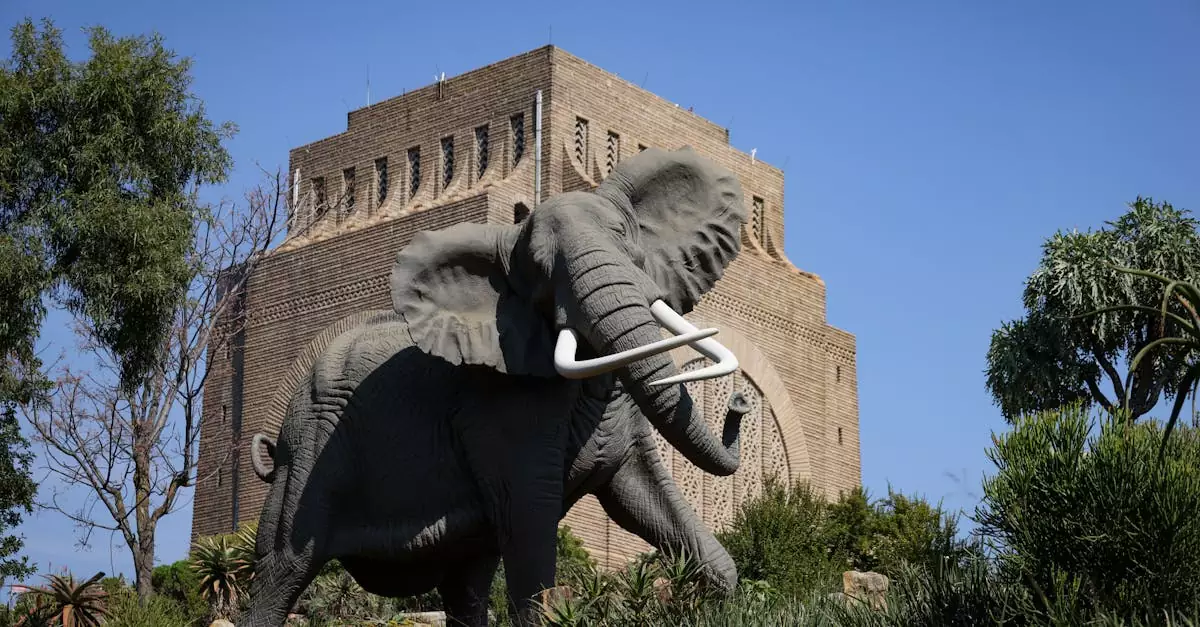
Choosing the right time for your African safari is crucial for maximizing wildlife sightings and overall enjoyment. Different regions and ecosystems have distinct seasonal patterns that influence animal behavior, vegetation, and accessibility. Understanding these nuances will help you identify the best destinations for your interests, whether you’re hoping to witness the Great Migration or seek out elusive predators.
Best Time for Serengeti & Maasai Mara: Dry Season’s Game Concentration
The Serengeti National Park in Tanzania and the Maasai Mara National Reserve in Kenya offer one of the planet’s most spectacular wildlife events: the Great Migration. For the best chance of witnessing millions of wildebeest, zebras, and gazelles, plan your visit during the dry season, generally from June to October. During these months, the herds move in search of greener pastures and reliable water sources, often crossing the Mara River dramatically.
This concentrated game activity means predators like lions, cheetahs, and hyenas are also highly active, creating exceptional viewing opportunities. The drier landscape makes it easier to spot animals against the sparse vegetation. While this is peak season, expect higher prices and larger crowds. For a slightly less crowded experience with excellent game viewing, consider the shoulder months of May and November, which can offer a good balance.
Optimal Months for Kruger: Avoiding Peak Rains for Clearer Views
South Africa’s Kruger National Park is renowned for its high density of wildlife and excellent infrastructure, making it a top choice for many safari-goers. The best time to visit Kruger for general game viewing is during the dry winter months, from May to September. During this period, the bush thins out, and animals congregate around permanent water sources, making them easier to spot.
While Kruger is a year-round destination, the summer months (October to April) bring heavy rainfall, which can complicate game viewing due to denser vegetation and scattered waterholes. The peak rainy season, typically December to March, may also lead to temporary road closures in certain areas. However, summer offers lush landscapes and is ideal for birdwatching, with many migratory species present. For those prioritizing predator sightings and ease of spotting, the dry season remains the preferred choice.
Seasonal Highlights in Chobe and South Luangwa: Floodplains and Migrations
Botswana’s Chobe National Park is famous for its enormous elephant herds, particularly along the Chobe River. The dry season, from May to October, is the most rewarding time to visit. As water levels drop, large numbers of elephants, buffalo, and other animals gather at the riverbanks to drink, creating incredible photographic opportunities. Game drives and boat safaris on the Chobe River offer unique perspectives on this wildlife spectacle.
Zambia’s South Luangwa National Park is considered one of Africa’s premier walking safari destinations. The park is at its best during the dry season, from June to October, when the Luangwa River recedes, concentrating game along its banks. This is also when the park’s leopard population is most visible. For a more exclusive experience and to witness the landscape at its most vibrant, consider the “green season” from November to April. While some camps close during the heaviest rains, this period offers lush scenery, excellent birding, and fewer visitors, though game viewing may be more dispersed.
Choosing Your Accommodation: From Luxury Lodges to Budget-Friendly Camps
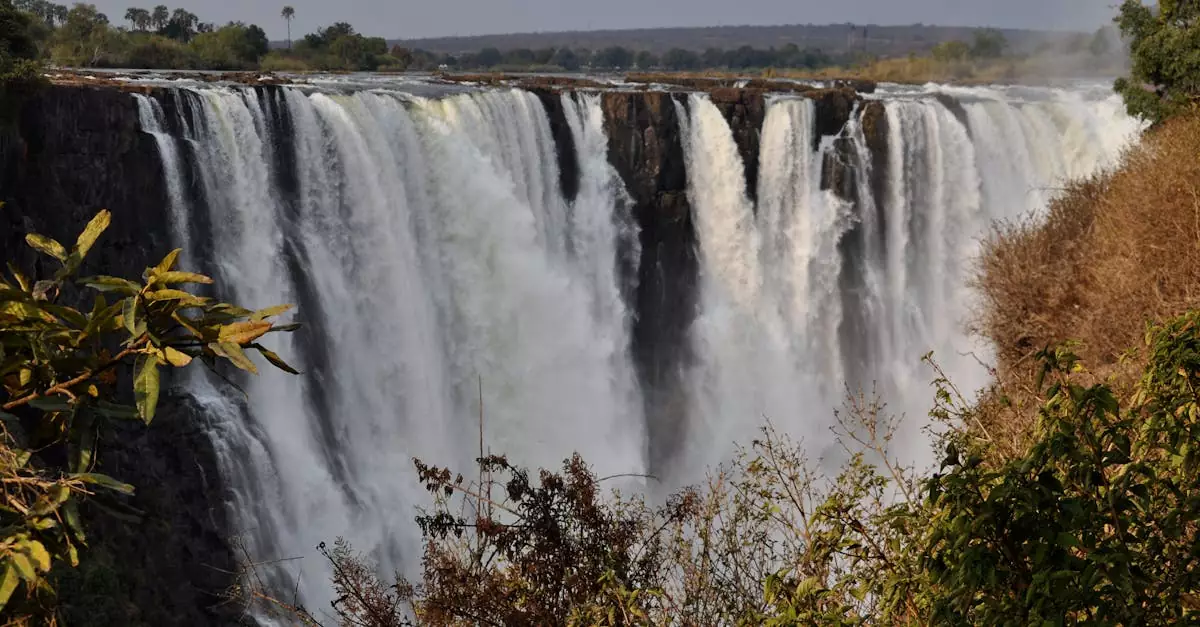
Selecting the right accommodation is crucial for planning your African safari. Your choice will significantly impact your experience, from comfort and service levels to proximity to wildlife viewing areas and overall budget. Africa offers a wide range of lodging options, catering to every traveler’s needs, whether you seek unparalleled luxury or a more rustic, immersive experience.
Luxury Safari Lodges in the Okavango Delta, Botswana
For those seeking an opulent wildlife adventure, Botswana’s Okavango Delta boasts some of the continent’s most exclusive luxury safari lodges. These establishments often feature private plunge pools, gourmet dining, and impeccable service, with many providing unparalleled access to the delta’s unique water-based safaris. Expect to see vast herds of elephants, lions, and abundant birdlife from the comfort of your elegantly appointed suite. Many lodges operate on an all-inclusive basis, covering meals, drinks, and guided game drives. Access to these remote locations is typically via light aircraft, enhancing the sense of exclusivity. While a significant investment, the intimate wildlife encounters and lavish surroundings make it a truly unforgettable experience.
Mid-Range Tented Camps in the Serengeti Plains
Tanzania’s Serengeti National Park, synonymous with the Great Migration, offers mid-range tented camps that provide an excellent balance of comfort and authentic safari immersion. These camps feature spacious canvas tents, often with en-suite bathrooms and comfortable furnishings, allowing you to feel close to nature without sacrificing essential amenities. Staying within the plains positions you perfectly to witness dramatic river crossings or vast wildebeest herds. Many camps are strategically located for prime viewing opportunities and often mobile, following migration patterns for optimal wildlife sightings. Meals are typically communal, fostering a convivial atmosphere among guests. This option is popular for families and couples seeking a memorable safari without the ultra-luxury price tag.
Budget Safari Options Near Kruger National Park Entrances
South Africa’s Kruger National Park is one of the most accessible wildlife destinations, offering a range of budget-friendly accommodation options. Staying in private guesthouses or self-catering chalets just outside the park gates or within the park’s rest camps significantly reduces costs. This approach allows for independent game viewing using your vehicle or joining affordable guided drives. While these options may lack the opulent amenities of high-end lodges, they provide a genuine safari experience. You can still encounter the Big Five and a vast array of other animals. Planning your meals and packing essentials is key when opting for these economical choices, making it an excellent way to experience a world-class park on a tighter budget.
Unique Stays: Treehouses and Mobile Camps
Beyond traditional lodges and tents, Africa offers truly unique accommodation experiences. Imagine sleeping in a luxurious treehouse overlooking a waterhole, where you can watch nocturnal animals from your bed. Alternatively, consider a mobile safari camp that moves with the seasons and wildlife, providing an adventurous and dynamic way to experience different landscapes. These camps often offer a more intimate and off-the-beaten-path adventure, with fewer guests and a focus on deep immersion in the wilderness. While less common, these specialized accommodations can provide a truly distinctive and memorable element to your trip. Booking these unique stays often requires advance planning due to limited availability.
Navigating Your Safari: Flights, Road Transfers, and Internal Travel
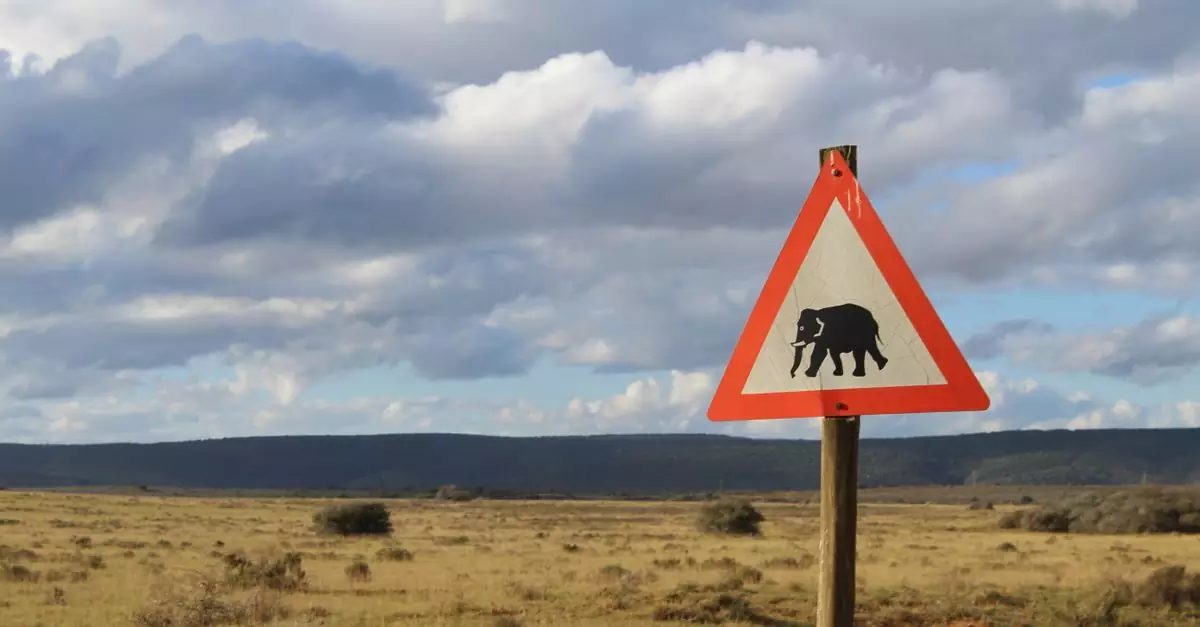
Planning your safari adventure in Africa involves understanding the logistics of getting around, from your initial arrival to reaching remote wildlife reserves. The vastness of the continent means that efficient travel planning is key to maximizing your time observing animals and minimizing transit stress. This section breaks down the common transportation methods you’ll encounter when embarking on a journey to the best safari destinations in Africa.
International Gateway Airports for East and Southern Africa
Most international travelers flying into East Africa will arrive at Jomo Kenyatta International Airport (NBO) in Nairobi, Kenya, or Kilimanjaro International Airport (JRO) in Tanzania. For Southern Africa, O.R. Tambo International Airport (JNB) in Johannesburg, South Africa, serves as the primary hub. These major airports are crucial entry points, connecting you to the rest of Africa. From these gateways, you’ll typically connect to smaller regional airports or begin your overland journey. Booking flights well in advance is recommended, especially during peak safari seasons.
Getting Between Parks: Charter Flights vs. Overland Safaris
The choice between charter flights and overland safaris significantly impacts your experience and budget. Charter flights, often on small bush planes, provide rapid transit between national parks and reserves, saving valuable time and offering stunning aerial views. This is particularly beneficial for reaching remote camps in destinations like Botswana’s Okavango Delta or the Serengeti. However, these flights can be considerably more expensive and often have strict luggage weight restrictions.
Overland safaris using 4×4 vehicles are a more immersive and budget-friendly option. They allow for spontaneous stops, interactions with local communities, and a deeper appreciation of the changing landscapes. Many travelers opt for a combination, flying into a major hub and then taking a 4×4 for the rest of their journey. The decision often hinges on your available time, budget, and desired level of adventure.
Renting a 4×4 for Self-Drive Safaris in South Africa
South Africa offers fantastic opportunities for self-drive safaris, particularly in Kruger National Park and surrounding private reserves. Renting a robust 4×4 vehicle from major airports like Johannesburg (JNB) is straightforward. This grants you the freedom to set your own pace, choose your routes, and explore at leisure. It’s essential to book your rental vehicle in advance, especially if you require specific features like a rooftop tent. Ensure your rental agreement permits travel into national parks and understand the insurance coverage. Familiarize yourself with driving on the left side of the road and be aware of speed limits and wildlife crossing zones.
Local Transportation Tips for Bush Airstrips
Many safari lodges and camps in remote areas are accessible only by small airstrips. Upon arrival at these bush airstrips, you will typically be met by your lodge’s safari vehicle – usually a custom-built open-sided 4×4 designed for game viewing. This transfer from the airstrip to the lodge often serves as your first game drive, so keep your camera ready.
- Pre-booking is essential: Your lodge will arrange these transfers. Confirm timings with them beforehand.
- Luggage limitations: Be mindful of weight and size restrictions on small charter flights. Soft-sided bags are often preferred.
- Patience is key: Flights can sometimes be delayed due to weather conditions. Embrace the slower pace of bush travel.
- Communicate with your lodge: If you have specific needs or are arriving from a different safari location, ensure your lodge is aware of your transit plans.
Understanding these transportation nuances will help you navigate the best safari destinations in Africa with confidence, ensuring a smooth and unforgettable wildlife experience.
What to Pack for Your African Safari Adventure
Preparing for an African safari involves more than just booking your trip; thoughtful packing can significantly enhance your comfort and experience. The diverse climates across the continent, from the dry heat of the savanna to cooler mornings and evenings, require versatile clothing. Understanding the practical needs for game drives, walking safaris, and general camp life is crucial for any traveler aiming for the best safari destinations in Africa.
Essential Clothing for Day and Night Game Drives
For daytime game drives, neutral-colored clothing is essential. Opt for khaki, olive green, beige, and light browns. These colors blend with the natural environment, minimizing disturbance to wildlife and reducing the chance of animals perceiving you as a threat. Bright colors can startle animals and may attract unwanted attention from insects. Lightweight, breathable fabrics like cotton or linen are ideal for staying cool under the African sun.
Layering is key for game drives, as temperatures can fluctuate significantly. Mornings and evenings in many safari regions can be surprisingly cool, while midday can be quite warm. Pack long-sleeved shirts and trousers for warmth and protection against the sun and biting insects. A lightweight fleece or a packable down jacket is invaluable for early morning or late evening excursions. Avoid camouflage patterns, as these are often reserved for military personnel and can cause confusion or alarm.
Footwear and Accessories for Walking Safaris
When planning for walking safaris, sturdy and comfortable footwear is paramount. You’ll need broken-in hiking boots or robust walking shoes with good ankle support and non-slip soles. These will protect you on uneven terrain and provide stability as you navigate bush trails. Remember that you’ll be on foot, so prioritizing comfort and safety is essential.
Consider lightweight, quick-drying socks to prevent blisters. A wide-brimmed hat is crucial for sun protection, shielding your face and neck. Sunglasses are also important for comfort and visibility. A small, comfortable daypack is useful for carrying essentials like water, snacks, a camera, and a small first-aid kit during your walks. Binoculars are a must-have for spotting distant wildlife, making them an indispensable accessory for any safari.
Photography Gear: Lenses, Batteries, and Protection
Capturing the incredible wildlife on an African safari requires appropriate photography equipment. A telephoto lens is essential for wildlife photography, allowing you to get close-up shots of animals from a safe distance. Lenses in the 300mm to 500mm range are popular among safari photographers. A versatile zoom lens, such as an 18-200mm or 70-300mm, is also useful for a variety of shots.
Ensure you pack plenty of spare batteries and memory cards, as charging facilities can be limited in remote camps. Power banks are highly recommended to keep your devices charged throughout the day. Protecting your gear from dust and moisture is vital. A sturdy camera bag with good padding and weatherproofing is a wise investment. Lens cleaning kits will help maintain your equipment in dusty environments. Many travelers find a monopod or a beanbag helpful for stabilizing their camera during long observation periods.
Health and Safety Items: First-Aid Kit and Insect Repellent
A comprehensive first-aid kit is essential for any safari trip. It should include bandages, antiseptic wipes, pain relievers, blister treatment, personal medications, and remedies for common ailments like stomach upset or headaches. It’s also wise to consult your doctor about necessary vaccinations and malaria prophylaxis before your trip, especially if visiting regions where malaria is prevalent.
High-DEET insect repellent is crucial for protecting yourself against mosquitoes and other biting insects, particularly during dawn and dusk. Consider packing after-bite treatments as well. Sunscreen with a high SPF, lip balm with SPF, and after-sun lotion are important for protecting your skin from the strong equatorial sun. Hand sanitizer is useful for maintaining hygiene when access to soap and water is limited. Traveling with a reputable tour operator, such as those recommended by the African Tourism Board, often means they can provide guidance on specific health precautions for your chosen destinations.
Frequently Asked Questions About the Best Safari Destinations in Africa
Embarking on an African safari is a dream for many, but practical questions often arise. This FAQ addresses common concerns to help you plan your adventure to the continent’s most renowned wildlife viewing locations.
Is it safe to go on an African safari?
Safety is a top priority for travelers considering a safari. Generally, organized safaris in established tourist areas are very safe. Tour operators and lodges adhere to strict safety protocols, including maintaining safe distances from wildlife and providing experienced guides. It’s advisable to choose reputable companies and follow your guide’s instructions. While some regions may have different safety considerations, most popular safari destinations in countries like Kenya, Tanzania, Botswana, and South Africa have well-developed tourism infrastructure focused on visitor security. Always check current travel advisories for specific regions.
What is the average cost of an African safari?
The cost of an African safari varies significantly based on destination, duration, accommodation style, and activities. Budget safaris can start from around $150-$250 per person per day, often involving camping or basic lodges and shared transport. Mid-range options typically fall between $300-$600 per person per day, offering comfortable lodges and private game drives. Luxury safaris, featuring exclusive reserves, high-end accommodations, and personalized service, can range from $700 to over $2,000 per person per day. These costs usually cover park fees, accommodation, meals, and most activities. Flights to and from Africa are additional.
Can I combine multiple safari destinations in one trip?
Absolutely. Combining multiple safari destinations is a popular way to experience the diverse wildlife and landscapes Africa offers. For instance, you could start in the Serengeti in Tanzania for the Great Migration and then fly to the Ngorongoro Crater for dense animal populations. Another common combination is Kenya’s Maasai Mara with Uganda or Rwanda for gorilla trekking. Planning such a trip requires careful logistical consideration, especially regarding inter-country travel and flight schedules. Many tour operators specialize in multi-destination itineraries, simplifying the planning process.
What are the visa requirements for popular safari countries?
Visa requirements differ by nationality and the specific country you plan to visit. Many nationalities can obtain visas on arrival for countries like Kenya and Tanzania, though pre-application online is often recommended or mandatory. For example, South Africa offers visa-free entry for many nationalities for short stays. Some countries, like Botswana, typically do not require visas for short tourist visits for a wide range of nationalities. It is crucial to check the official immigration website of each country you intend to visit well in advance of your travel dates. The African Tourism Board can be a helpful resource for general information, but always verify with official government sources.