South America’s volcanic landscapes offer some of the most dramatic and rewarding hiking experiences on the planet. From the near-perfect cone of Ecuador’s Cotopaxi to the fiery crater of Chile’s Villarrica, these peaks challenge adventurers while rewarding them with breathtaking vistas and a deep connection to the Earth’s raw power. If you’re seeking an unforgettable journey that combines physical exertion with natural wonder, exploring the best volcano hikes in South America should be at the top of your list. This guide will equip you with essential information, covering everything from choosing the right trek for your fitness level and understanding the best times to visit to essential packing lists and crucial safety considerations. Prepare to discover how to conquer these iconic giants responsibly and make your South American adventure truly epic.
Top 5 Best Volcano Hikes for Adventurous Travelers
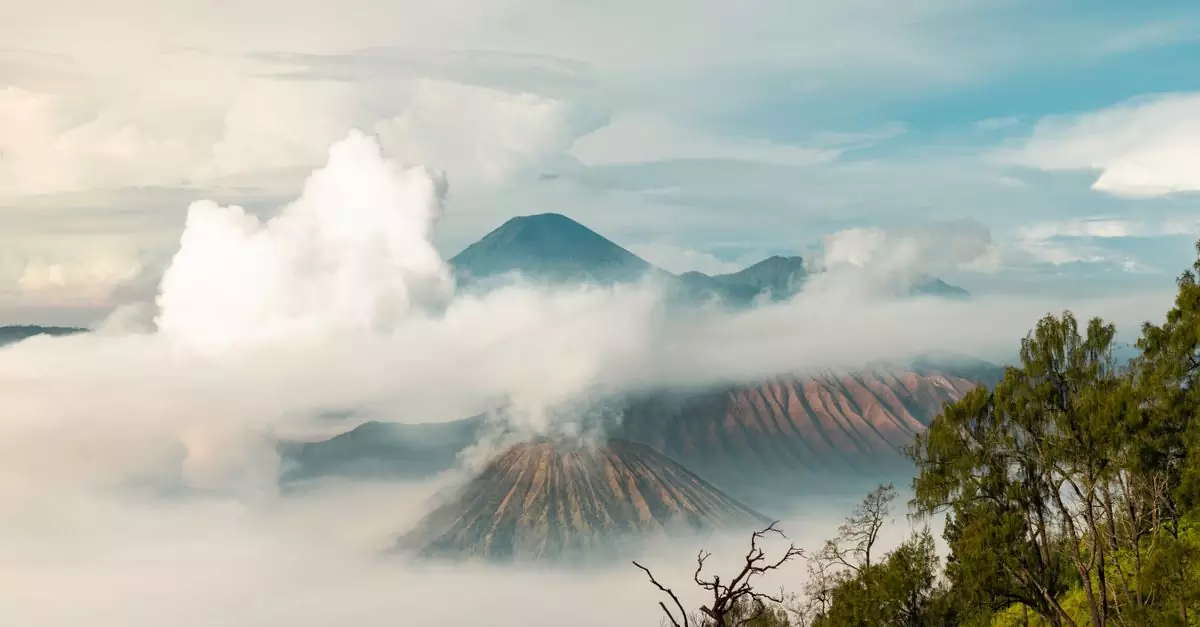
South America offers some of the most dramatic and rewarding volcano hikes on the planet. These dormant giants and active peaks provide not just a physical challenge but also unparalleled views and a profound connection with the Earth’s raw power. Whether you’re a seasoned mountaineer or an ambitious trekker, these five destinations promise an unforgettable adventure.
Hiking Cotopaxi National Park: Ecuador’s Majestic Volcano
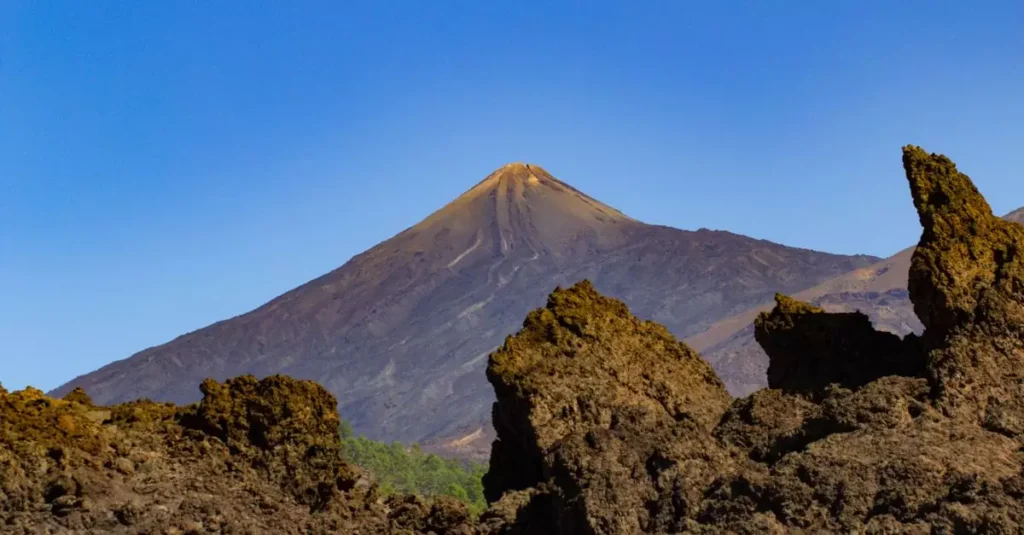
Cotopaxi, a near-perfect stratovolcano, is Ecuador’s crown jewel and a must-do for serious hikers. Standing at 5,897 meters (19,347 feet), it’s one of the highest active volcanoes in the world. The ascent typically requires crampons and an ice axe, making it a technical climb.
Most expeditions start from the José Rivas refuge, located at 4,800 meters. The climb usually begins in the early morning hours to reach the summit for sunrise. Guides are mandatory for safety and to navigate the glacial terrain. The panoramic views from the summit, encompassing the surrounding Andean landscape, are simply breathtaking.
- Difficulty: Strenuous, technical mountaineering
- Best Time to Climb: June to August (dry season)
- Logistics: Book tours with certified guides in Quito or Latacunga. Acclimatization is crucial; spend a few days in the Quito region beforehand.
- Budget: Tours typically range from $150-$300 USD per person.
Conquering Villarrica Volcano: Chile’s Active Fire Mountain
Villarrica, near Pucón in southern Chile, is one of South America’s most active volcanoes, known for its lava lake. This hike offers a thrilling experience, often with the chance to see glowing lava from the crater rim. The trek to the summit at 2,847 meters (9,340 feet) is challenging but accessible to those with good fitness.
Guided tours are essential, providing all necessary equipment, including helmets, ice axes, and crampons. The trail winds through ash fields and snow, with steep sections requiring careful footing. The reward is a spectacular view of the surrounding lakes and volcanoes, and the unique experience of peering into the fiery heart of the earth.
- Difficulty: Moderate to strenuous
- Best Time to Climb: December to March (Chilean summer)
- Safety: Tours are often canceled due to volcanic activity; check conditions beforehand.
- Local Tip: Many operators in Pucón offer day trips, making it a convenient option for those exploring the Lake District.
Tackling Misti Volcano Near Arequipa, Peru
El Misti, a majestic cone overlooking the white city of Arequipa, stands at 5,822 meters (19,101 feet). This volcano hike is a serious undertaking, typically requiring two to three days. The landscape shifts dramatically from arid slopes to volcanic scree and finally to snow-capped terrain near the summit.
Treks usually start from the Aguada Blanca National Reserve. Hikers often spend nights at base camps, allowing for acclimatization and preparation for the final push. The summit offers incredible views of Arequipa, the surrounding valleys, and other nearby volcanoes. Due to its altitude and the technical sections, a guide is highly recommended.
- Difficulty: Strenuous, high altitude
- Best Time to Climb: April to November (dry season)
- Considerations: Proper acclimatization in Arequipa (2,335 meters) is vital.
- Comparison: Misti is more accessible for multi-day treks than some of the higher Andean peaks, offering a good introduction to high-altitude volcano climbing.
Exploring the Caldera of Lonquimay Volcano, Chile
Lonquimay, situated in the La Araucanía Region of Chile, presents a different kind of volcanic adventure. While not as high as some of its neighbors, its unique caldera and the surrounding landscapes make it a compelling destination. The hike often leads to the rim of the crater, offering views of the still-active lava dome, Navidad.
This trek is generally less technical than climbing Villarrica but still demands good physical condition. The trails traverse unique volcanic terrain and, depending on the season, can involve snow. Local guides can provide insights into the volcano’s history and the region’s natural beauty.
- Difficulty: Moderate
- Best Time to Climb: December to April
- Scenery: Known for its stark, lunar-like landscapes and surrounding forests.
- Logistics: Access is often via the Conguillío National Park, requiring park entrance fees.
Summiting Ojos del Salado: Argentina & Chile’s High-Altitude Challenge
Ojos del Salado, at 6,893 meters (22,615 feet), is the world’s highest active volcano and the second-highest peak in the Andes. Straddling the border between Argentina and Chile, this colossal mountain is a serious expedition for experienced mountaineers. The climb is challenging due to its extreme altitude, potential for severe weather, and long ascents.
The climb typically involves several days, with acclimatization stages at high camps. While not technically demanding in terms of pure climbing, the altitude and harsh conditions are significant obstacles. The summit offers unparalleled views across the vast desert landscapes of the Atacama region. Access points are generally from Fiambalá, Argentina, or Copiapó, Chile.
- Difficulty: Extremely strenuous, high altitude mountaineering
- Best Time to Climb: December to March
- Preparation: Requires extensive mountaineering experience, acclimatization, and specialized gear.
- External Resource: For a broader overview of the continent’s natural wonders, explore nationalgeographic.com/travel/destination/south-america.
Planning Your South American Volcano Trek: Essential Considerations
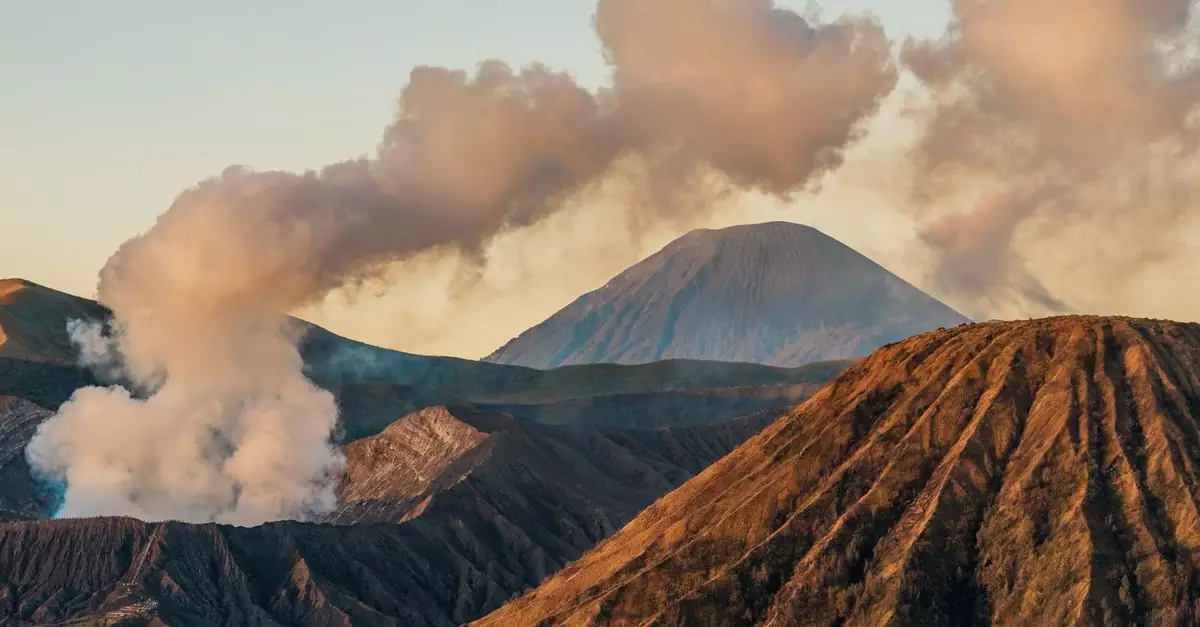
Embarking on a journey to conquer one of South America’s iconic volcanic peaks requires careful preparation. These magnificent natural wonders offer unparalleled adventure, but they also demand respect for their power and the challenging environments they inhabit. Whether you’re drawn to the fiery landscapes of Chile or the high-altitude giants of Ecuador, understanding the key planning elements will ensure a safer and more rewarding experience.
Best Time of Year for Volcano Hiking in South America
The ideal timing for your volcano trek hinges on the specific region and its prevailing weather patterns. Generally, the dry season offers the most favorable conditions, with clearer skies and less precipitation, making trails more accessible and reducing the risk of landslides.
In the Andes, particularly in countries like Ecuador, Chile, and Argentina, the dry season typically runs from June to October. This period offers cooler temperatures but significantly less rain. However, even within the dry season, conditions can change rapidly at high altitudes. Shoulder seasons, such as April-May and November-December, can offer a balance of fewer crowds and still manageable weather, though you should be prepared for occasional rain showers.
Conversely, the wet season (roughly November to April in many Andean regions) brings heavier rainfall, increased risk of snow at higher elevations, and potentially hazardous trail conditions. While some treks might still be possible, visibility can be severely impacted, and the risk of mudslides or rockfalls increases. Always check local conditions and advisories before and during your trip.
| Region | Dry Season | Wet Season | Notes |
|---|---|---|---|
| Ecuador (Andes) | June – October | November – April | Expect cooler temps in dry season. |
| Chile (Central) | September – April | May – August | Patagonia region has its own microclimate. |
| Argentina (Andes) | June – October | November – May | Similar to Chile’s Andean climate. |
Altitude Sickness: Prevention and Management Tips
Altitude sickness, or Acute Mountain Sickness (AMS), is a significant concern for many volcano hikes in South America, as many routes ascend to well over 3,000 meters (9,800 feet). Symptoms can range from mild headaches and nausea to severe and life-threatening conditions. The key to prevention is gradual ascent and proper acclimatization.
- Ascend Slowly: If possible, spend a day or two at a moderate altitude (around 2,500-3,000 meters) before ascending higher. This allows your body to adjust to the lower oxygen levels.
- Stay Hydrated: Drink plenty of water. Dehydration can exacerbate AMS symptoms. Avoid alcohol and caffeine, as they can contribute to dehydration.
- Eat Lightly: Opt for carbohydrate-rich meals, as they are easier to digest at altitude.
- Consider Medication: Consult your doctor about prescription medications like Diamox (acetazolamide). It can help speed up acclimatization, but it’s not a substitute for proper ascent strategies.
- Listen to Your Body: If you start experiencing symptoms, do not ascend further. Descend immediately if symptoms worsen. Rest, hydrate, and wait for improvement before considering moving higher.
Understanding the risks and taking proactive steps is crucial for a safe and enjoyable high-altitude trekking experience.
Choosing the Right Volcano Hike for Your Fitness Level
South America boasts a diverse range of volcano hikes, from challenging multi-day expeditions to more accessible day trips. Selecting a trek that matches your current fitness level and prior experience is essential to avoiding injury and maximizing enjoyment.
For beginners or those with moderate fitness, consider volcanoes with well-maintained trails and less extreme elevation gains. Volcanoes like Cotopaxi in Ecuador (though its summit is challenging, lower routes are accessible) or some of the smaller volcanic cones in the Chilean Lake District can be good starting points. These often involve shorter ascents and can be completed as day trips or with overnight stays in comfortable refuges.
More experienced hikers and those seeking a significant challenge might look towards iconic peaks like Ojos del Salado (the world’s highest active volcano) or the demanding ascent of Huayna Potosí in Bolivia. These treks often require technical climbing skills, significant endurance, and acclimatization over several days. Researching detailed trail descriptions, including elevation profiles, daily distances, and required gear, is essential.
It’s also wise to consider the logistical aspects. Some volcano hikes are easily accessible from major cities, while others require significant travel to remote trailheads. Factor in travel time, transportation costs, and the availability of guides or organized tours, especially for more technical or remote ascents. Consulting with local tour operators or experienced guides can provide invaluable insights into choosing the best volcano hike for your capabilities and interests across South America.
Getting to South America’s Volcanoes: Transportation Options
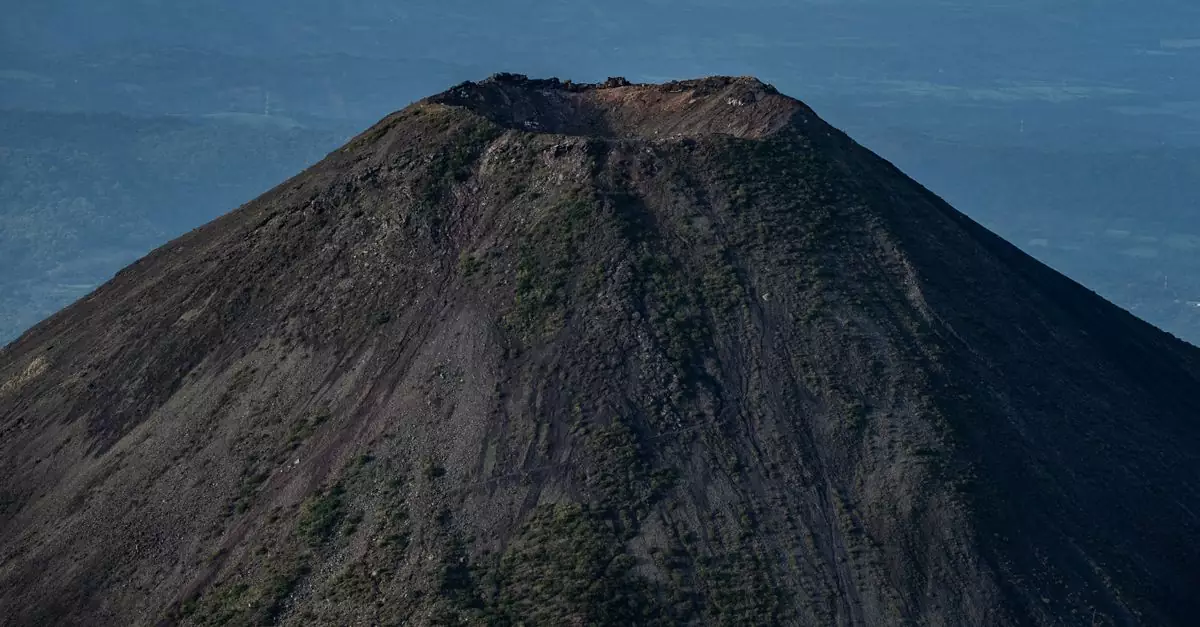
Reaching South America’s dramatic volcanic landscapes requires a multi-faceted approach to transportation, often involving a combination of flights, buses, and sometimes specialized vehicles. Understanding these options is key to planning an efficient and enjoyable adventure. The “best volcano hikes” often lie in remote areas, so flexibility and patience are essential.
Flights to Gateway Cities: Quito, Santiago, Arequipa
For most international travelers, the journey begins with a flight to one of South America’s major gateway cities. Quito, Ecuador, serves as the primary entry point for accessing volcanoes in the Ecuadorian Andes, such as Cotopaxi and Quilotoa. Santiago, Chile, is a convenient hub for reaching the volcanic regions of central and southern Chile, including Villarrica and Osorno. In Peru, Arequipa is the gateway to the Colca Canyon and its surrounding volcanoes like El Misti and Chachani.
These cities offer direct international flights and are well-connected domestically. Booking flights in advance, especially during peak travel seasons (typically June to August and December to February), can secure better prices. Consider flying into one city and out of another if your itinerary involves traversing multiple regions.
Local Transport: Buses, Taxis, and Private Transfers
Once you arrive in a gateway city, local transportation becomes crucial for reaching trailheads and smaller towns. Long-distance buses are the most budget-friendly and widely used option for inter-city travel across South America. Companies like Cruz del Sur and Oltursa offer comfortable services on major routes.
Within towns and cities, taxis are readily available. Always agree on a fare before starting your journey or ensure the meter is used. For more remote areas or specific excursions, hiring a private transfer can be more convenient, though significantly more expensive. This is often the best way to reach the base of a volcano directly from a city like Arequipa or Quito, especially if you have limited time or are traveling with a group.
Renting a 4×4 for Remote Volcano Access
For the ultimate in flexibility and access to more remote volcanic regions, renting a 4×4 vehicle is a compelling option. This is particularly true for exploring less-visited volcanoes or accessing trailheads that are not served by public transport. Many international and local car rental agencies operate in major cities like Quito, Santiago, and Lima.
However, renting a 4×4 comes with considerations. Roads leading to some volcano bases can be unpaved, rough, and steep, requiring confident driving skills and an understanding of local road conditions. Ensure your rental agreement permits travel on these types of roads and that you have adequate insurance. Navigation can also be challenging, so a reliable GPS or offline maps are essential. This option offers unparalleled freedom for those seeking to discover less-trodden paths.
| Vehicle Type | Cost (per day, approx.) | Best For | Considerations |
|---|---|---|---|
| Long-distance Bus | $20 – $50 USD | Inter-city travel, budget-conscious travelers | Can be time-consuming, limited flexibility for remote trailheads |
| Taxi | $5 – $15 USD (local) | Short distances within towns, airport transfers | Meter use, fare negotiation, availability in remote areas |
| Private Transfer | $100 – $300+ USD | Direct access to trailheads, convenience | Expensive, requires pre-booking, driver familiarity with routes |
| 4×4 Rental | $70 – $150+ USD | Remote access, flexibility, self-guided trips | Rough roads, navigation challenges, insurance, fuel costs, driver experience |
What to Pack for Your Volcano Hiking Adventure
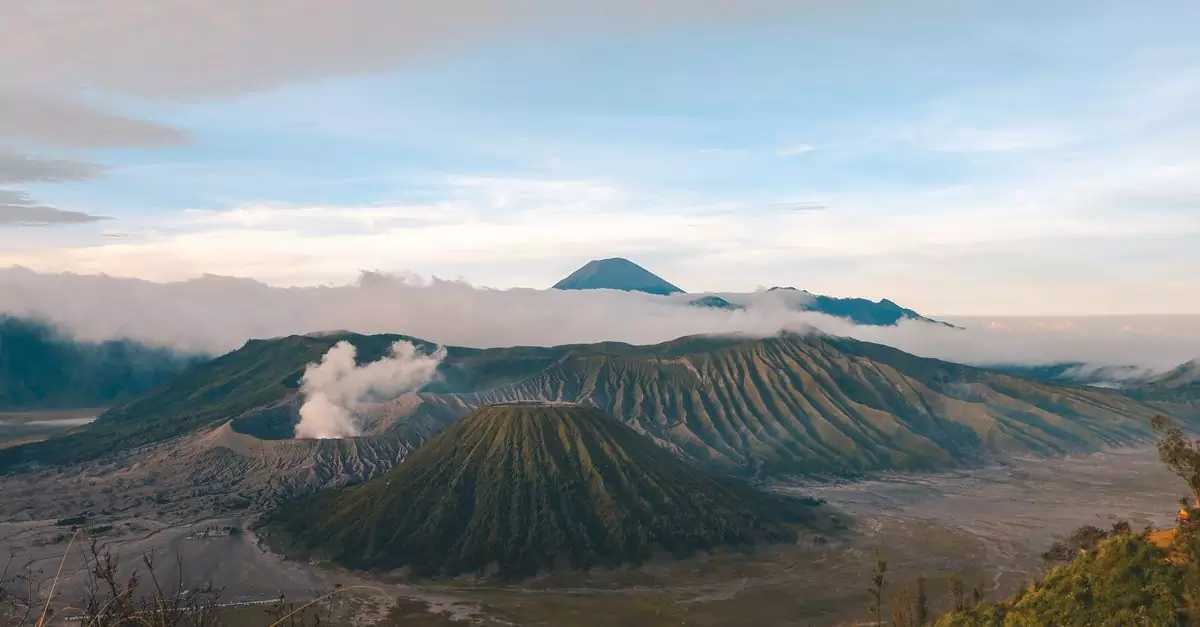
Embarking on a volcano hike in South America requires careful preparation, especially considering the diverse and often extreme environments you’ll encounter. Altitude, changing weather, and rugged terrain necessitate specific gear to ensure your safety and comfort. Packing smart means prioritizing functionality and durability.
Essential Gear: Layered Clothing, Hiking Boots, and Sun Protection
The key to dressing for volcano hikes is layering. Mountain weather can shift rapidly, so being able to add or remove clothing is crucial. Start with a moisture-wicking base layer to manage sweat, followed by an insulating mid-layer like fleece or down for warmth. A waterproof and windproof outer shell is essential to protect against rain and gusts.
Sturdy, broken-in hiking boots with good ankle support are paramount. They provide the traction needed on scree slopes and rocky paths while protecting your feet from uneven ground. Consider bringing waterproof gaiters to keep out snow, mud, and debris. Don’t forget sun protection: a wide-brimmed hat, UV-protective sunglasses, and high SPF sunscreen are vital, as the sun’s rays are intensified at higher altitudes.
Safety Equipment: Headlamps, First-Aid Kit, and Navigation Tools
For any trek, especially those involving potential early starts or late finishes, a reliable headlamp with extra batteries is essential. It frees your hands for climbing and provides crucial visibility in low-light conditions or unexpected situations. A comprehensive first-aid kit tailored for outdoor activities should include bandages, antiseptic wipes, pain relievers, blister treatment, and any personal medications.
Navigation tools are your lifeline in remote areas. While many popular trails are well-marked, carrying a map and compass and knowing how to use them is a wise precaution. A GPS device or a reliable navigation app on your phone (with downloaded offline maps) can offer an extra layer of security. Informing someone of your hiking plans, including your intended route and expected return time, is a fundamental safety step for any adventure in South America.
Hydration and Nutrition for High-Altitude Treks
Staying hydrated is critical at high altitudes, as the dry air and increased respiration lead to faster fluid loss. Carry ample water, at least 2-3 liters per person for a full day’s hike. Water purification tablets or a filter are recommended if you plan on refilling from natural sources. Electrolyte powders can also help replenish lost salts and prevent dehydration.
High-energy, easily digestible snacks are vital for maintaining energy levels. Think trail mix, energy bars, nuts, dried fruit, and jerky. For longer treks, consider packing a lightweight stove and fuel to prepare warm meals, which can be particularly comforting at altitude. Avoid heavy, processed foods that can be harder to digest. Planning your meals and snacks ahead of time ensures you have the fuel needed to conquer challenging ascents.
Safety First: Navigating South America’s Volcanoes Responsibly
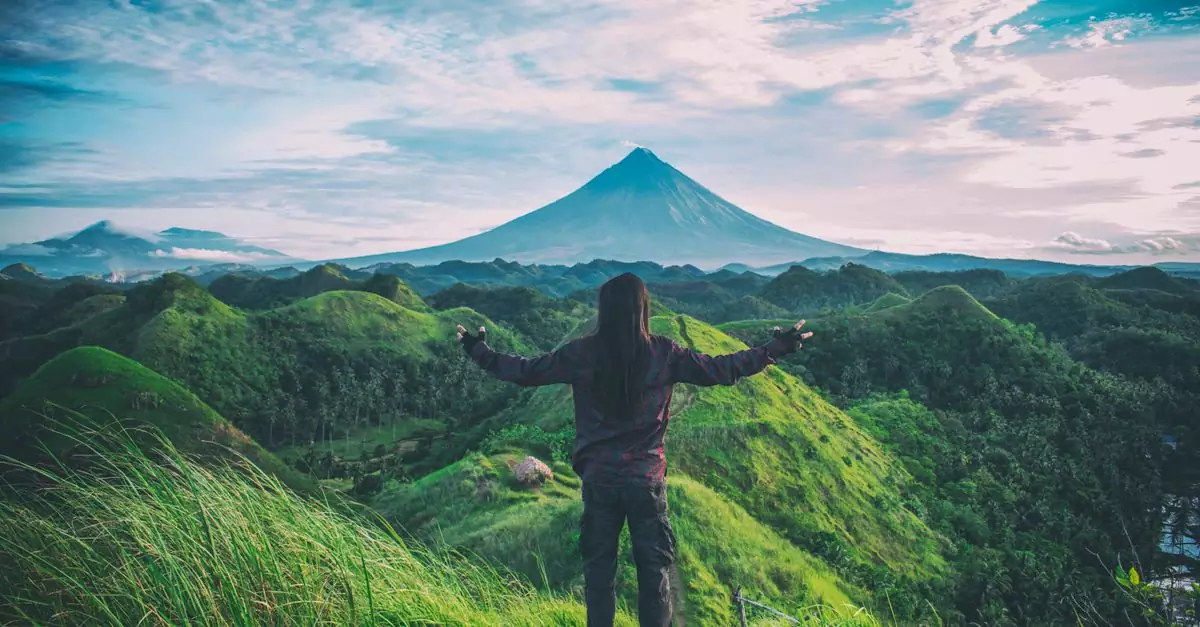
Embarking on a volcano hike in South America offers unparalleled adventure, but safety must remain paramount. These majestic peaks, while awe-inspiring, are dynamic geological forces. Understanding and respecting their potential is crucial for a rewarding and secure trekking experience.
Understanding Volcanic Activity and Local Warnings
Before setting foot on any volcanic trail, familiarize yourself with the current status of the volcano. Many active volcanoes in South America are monitored by local geological institutes. Pay close attention to official advisories, which may include warnings about gas emissions, seismic activity, or eruption risks. These alerts are often communicated through local news, park ranger stations, and official websites. Ignoring these warnings can have severe consequences. For instance, the Nevado del Ruiz in Colombia has a history of devastating eruptions, underscoring the importance of heeding official guidance.
Hiring Certified Local Guides for Treks
For most volcano hikes, especially those involving technical ascents or remote locations, engaging a certified local guide is highly recommended. Guides possess invaluable knowledge of the terrain, weather patterns, and potential hazards specific to the volcano. They are trained in first aid and rescue procedures and can navigate challenging conditions safely. When selecting a guide or tour operator, ensure they are properly licensed and have a strong safety record. This is particularly important for challenging climbs like Cotopaxi in Ecuador, where glacial conditions and altitude sickness are significant concerns.
Emergency Preparedness and Communication Strategies
Even with careful planning and a guide, unexpected situations can arise. Ensure you carry a fully charged satellite phone or personal locator beacon (PLB) for remote areas where mobile service is unreliable. Inform someone of your itinerary and expected return time. Pack a comprehensive first-aid kit, including supplies for altitude sickness and common hiking injuries. Understanding basic emergency communication protocols and carrying essential survival gear can make a critical difference in an emergency situation. Always check the weather forecast before your trek and be prepared for rapid changes, as mountain climates are notoriously unpredictable.
Frequently Asked Questions About South American Volcano Hikes
Are these volcano hikes suitable for beginners?
The suitability of South American volcano hikes for beginners varies significantly. While some, like the lower slopes of Villarrica in Chile or certain trails around Cotopaxi National Park in Ecuador, can be tackled by those with moderate fitness and some hiking experience, many require advanced preparation. Treks up higher-altitude peaks, such as Ojos del Salado or Chimborazo, involve glacier travel, technical climbing, and extreme weather, making them suitable only for experienced mountaineers. Always research the specific demands of a chosen volcano and be honest about your fitness level and experience.
What is the average cost of a guided volcano hike?
The average cost for a guided volcano hike in South America can range widely, typically from $100 to $500 USD per person for a day trip or a multi-day expedition. This price usually includes a certified guide, safety equipment (like crampons and ice axes if needed), permits, and sometimes meals. High-altitude or technically demanding climbs will naturally fall on the higher end of this spectrum. For instance, a guided ascent of Cotopaxi might cost around $150-$250, while a multi-day trek to a more remote peak could exceed $500. It’s crucial to confirm what is included in the tour price.
Can I hike volcanoes solo or do I need a group?
Hiking volcanoes solo is generally not recommended for safety reasons, especially for more challenging peaks. South America’s volcanic landscapes can be remote, unpredictable, and prone to sudden weather changes or geological activity. Many parks and protected areas require hikers to use a certified guide or to register as part of a group. Even on less technical trails, having a guide ensures you are aware of local conditions, potential hazards, and have support in case of an emergency. For popular and well-trafficked routes, solo hiking might be feasible with thorough preparation and communication, but it carries higher risks.
What are the accommodation options near popular volcano trails?
Accommodation options near popular volcano trails in South America cater to various budgets and preferences. In gateway towns like Huaraz, Peru (near Huascarán National Park), or Baños, Ecuador (near Tungurahua), you’ll find a wide range of hostels, guesthouses, and hotels. Many lodges and eco-domes are also situated closer to national park entrances, offering more rustic or immersive experiences. For those undertaking multi-day expeditions, basic mountain refuges or bivouac sites are often available at higher elevations, though these typically offer minimal amenities. Booking in advance is highly recommended, especially during peak trekking seasons.
Here’s a general overview of accommodation types:
| Accommodation Type | Typical Location | Price Range (USD/night) | Amenities |
|---|---|---|---|
| Hostels | Gateway towns, near park entrances | $15 – $40 | Dorms, private rooms, shared facilities |
| Guesthouses | Gateway towns, smaller villages | $30 – $80 | Private rooms, often family-run |
| Hotels | Gateway towns, cities | $50 – $150+ | Private rooms, en-suite bathrooms, services |
| Eco-Lodges | Near park entrances, scenic locations | $80 – $200+ | Nature-focused, often sustainable practices |
| Mountain Refuges | High-altitude trails | $20 – $50 | Basic dorms, shared sleeping areas, limited food |