For travelers drawn to Earth’s raw power and dramatic landscapes, witnessing an active volcano offers an unforgettable adventure. These geological marvels provide a unique glimpse into the planet’s dynamic forces, often set against stunning backdrops. Planning a visit requires an understanding of safety, accessibility, and the best ways to experience these fiery mountains. This guide explores some of the best active volcanoes that travelers can discover, detailing what makes each unique and providing essential tips for your expedition. You’ll learn about compelling destinations for 2026, from Indonesia’s mystical Mount Bromo to Chile’s challenging Villarrica, along with insights into transportation, essential gear, and responsible travel practices.
Top 5 Active Volcanoes for Adventurous Travelers
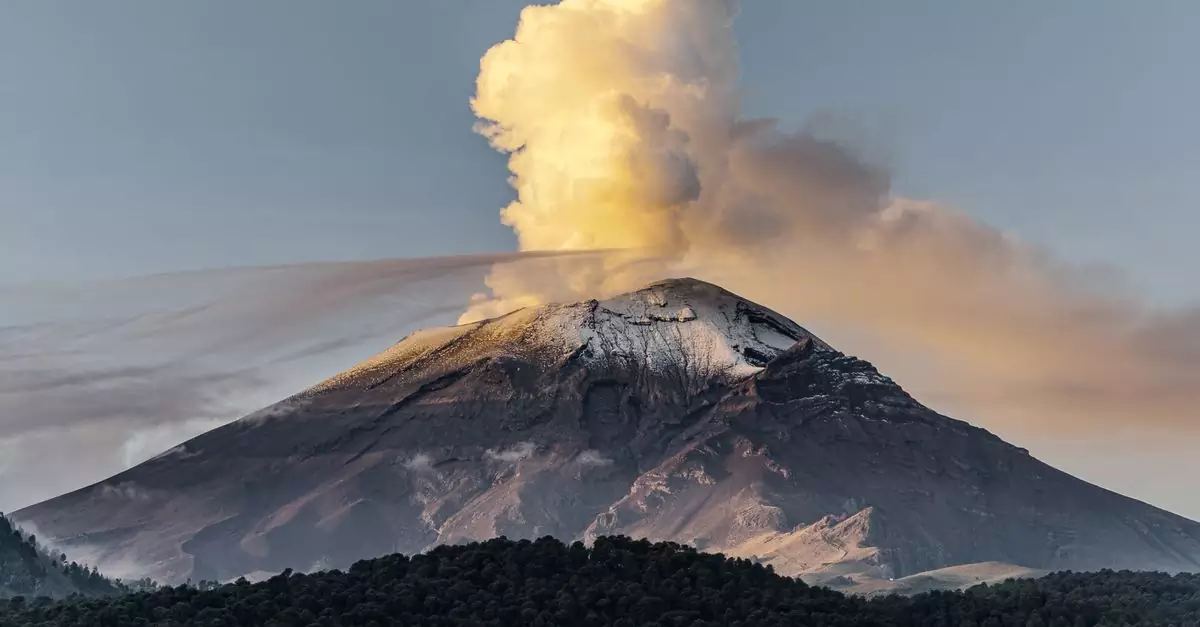
For those seeking adrenaline and awe-inspiring natural phenomena, witnessing an active volcano up close offers an unparalleled travel experience. These geological giants provide a raw glimpse into Earth’s power, often accompanied by dramatic landscapes and unique cultural contexts. Planning a trip to see these fiery mountains requires careful consideration of safety, accessibility, and the best times to visit. Here are some of the world’s most compelling active volcanoes for adventurous travelers in 2026.
Mount Bromo, Indonesia: Sunrise Spectacles and Surreal Landscapes
Mount Bromo, located in East Java, Indonesia, is renowned for its accessible caldera and breathtaking sunrise views from nearby viewpoints. This popular stratovolcano is part of the Tengger massif, a larger volcanic complex. Visitors typically arrive in the early morning hours to witness the sun rise over the volcanic landscape, often shrouded in mist, casting a mystical glow on the surrounding craters.
The experience involves a pre-dawn jeep ride across the Sea of Sand, a vast volcanic ash plain, followed by a short hike up to the rim of Mount Bromo’s crater. The sulfuric smell and the sight of steam rising from the active vent create an immersive experience. While Bromo is continuously active, eruptions are usually minor and localized, making it a relatively safe destination for tourism when proper precautions are followed.
Logistics for Mount Bromo:
- Getting There: Fly into Surabaya (SUB) or Malang (MLG) airports, then take a private car or public transport to Cemoro Lawang, the nearest village to Bromo.
- Best Time to Visit: The dry season (April to October) offers clearer skies and better visibility.
- Accommodation: Guesthouses and hotels are available in Cemoro Lawang, ranging from budget to mid-range.
- Safety: Always heed local warnings and stay behind designated barriers when near the crater rim.
Villarrica Volcano, Chile: Conquer the ‘Smoking Volcano’
Villarrica Volcano, situated in the Araucanía Region of southern Chile, is one of South America’s most active volcanoes. Its near-perfect conical shape and consistent lava lake make it a prime destination for experienced hikers and climbers. The thrill of ascending Villarrica lies in the possibility of seeing molten lava glowing within its crater.
Guided ascents are mandatory for safety and are typically undertaken overnight or in the early morning to reach the summit by sunrise. The climb involves navigating glaciers and rocky terrain, requiring good physical condition and appropriate gear. The summit offers panoramic views of the surrounding Andes mountains and lakes.
Villarrica Volcano Climbing Details:
- Base Town: Pucón is the main hub for Villarrica tours and activities.
- Tours: Numerous tour operators in Pucón offer guided climbs, including equipment rental.
- Difficulty: Challenging, requiring a good level of fitness and acclimatization.
- Season: Summer months (December to February) generally offer the most stable weather conditions for climbing.
Travelers interested in the natural wonders of South America will find Villarrica a highlight.
Mount Merapi, Indonesia: Java’s Most Active Giant
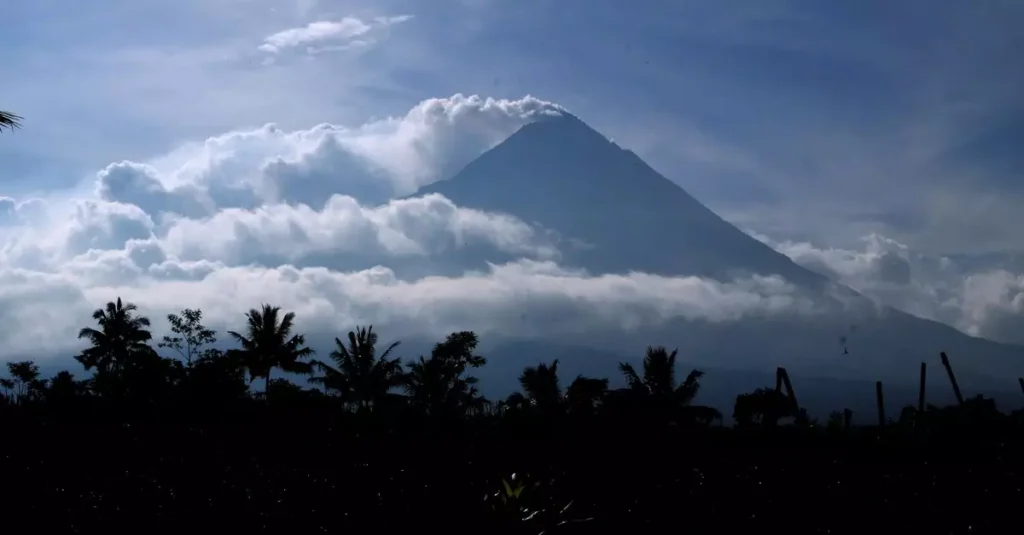
Mount Merapi, near Yogyakarta in Central Java, Indonesia, is one of the planet’s most active and dangerous volcanoes. Its frequent eruptions have shaped the local landscape and culture, with communities living on its fertile slopes for generations. Despite its risks, Merapi offers a powerful and humbling experience for visitors who approach it with respect and caution.
Tours often involve riding sturdy 4×4 vehicles across lava fields and debris from past eruptions, visiting abandoned villages, and learning about the volcano’s history and impact from local guides. The sheer scale of the destruction and the resilience of the people living nearby are profoundly moving. While direct crater access is usually restricted due to ongoing activity, the surrounding areas provide dramatic views and insights into volcanic life.
Mount Merapi Experience:
- Base: Yogyakarta is the primary gateway city.
- Tours: Jeep tours are the most popular way to experience the volcanic landscape.
- Safety: Always follow guide instructions and heed official alerts. Merapi’s activity can change rapidly.
- Cultural Context: Understanding the local reverence for Merapi, often seen as a spiritual entity, enhances the visit.
Stromboli, Italy: The Lighthouse of the Mediterranean
Stromboli, a small volcanic island in the Aeolian Islands archipelago north of Sicily, Italy, is famous for its persistent and predictable eruptions. For over 2,000 years, Stromboli has been continuously active, emitting incandescent lava fragments from its summit craters. This reliable volcanic activity has earned it the nickname “Lighthouse of the Mediterranean.”
Visitors can witness Stromboli’s fiery displays from boat tours that circumnavigate the island at night, offering spectacular views of the incandescent ejecta against the dark sky. For the more adventurous, guided hikes to the summit craters are available, allowing for a closer, albeit carefully managed, experience of the volcano’s power. These hikes require good physical condition and adherence to strict safety protocols.
Stromboli Visit Essentials:
- Access: Ferries and hydrofoils connect to Stromboli from Sicily (e.g., Milazzo) and Naples.
- Night Tours: Evening boat tours are highly recommended for viewing eruptions.
- Summit Hikes: Book guided hikes in advance, especially during peak season.
- Island Life: Stromboli itself is a charming village with limited infrastructure, offering a unique island escape.
Planning Your Volcano Adventure: Essential Considerations
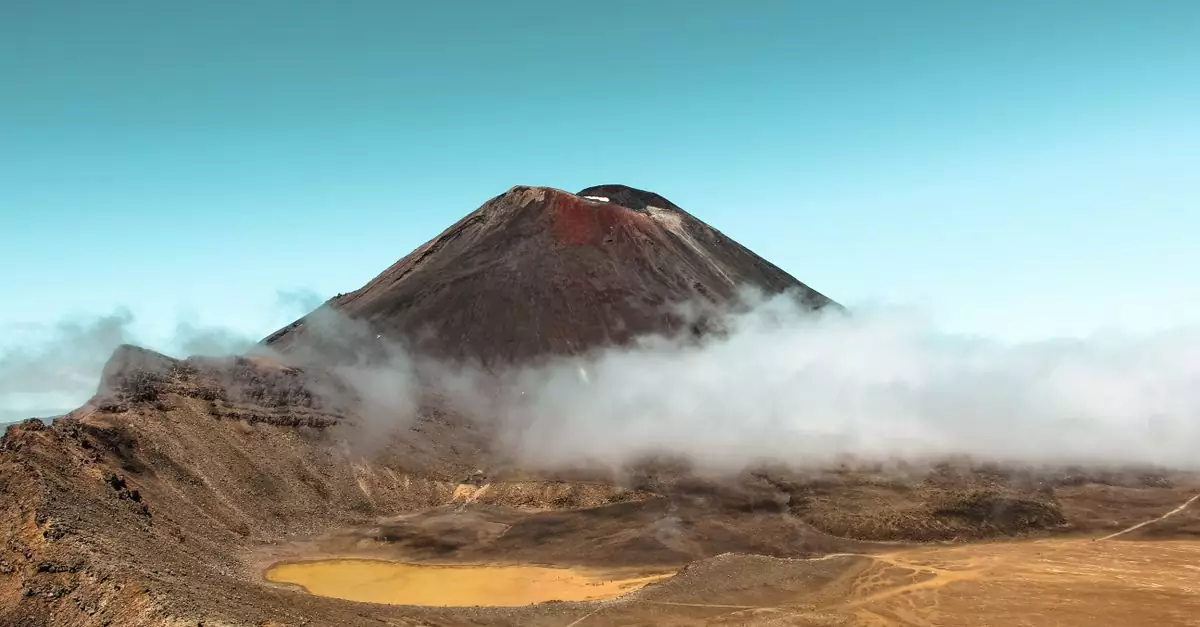
Venturing to the world’s best active volcanoes requires meticulous planning. Safety, accessibility, and the sheer power of nature demand respect and preparation. Understanding the nuances of visiting these dynamic geological sites will ensure a rewarding and secure experience.
When to Visit Active Volcanoes for Optimal Viewing and Safety
The best time to visit active volcanoes often depends on the specific location’s climate and the volcano’s current activity level. Many volcanic regions experience distinct wet and dry seasons. For instance, destinations in Southeast Asia might be best visited during their dry season, typically from April to September, to minimize rain-related disruptions and improve visibility. Conversely, some higher-altitude volcanoes may be more accessible outside harsh winter conditions.
Monitoring volcanic activity reports from local geological institutes or international volcano alert systems is crucial. Sudden increases in seismic activity or gas emissions can lead to temporary closures or restricted access for safety reasons. Planning around these potential changes is paramount. Flexibility in your itinerary is highly recommended when dealing with unpredictable natural phenomena. Always check official advisories close to your travel dates.
Navigating Transportation to Remote Volcanic Regions
Reaching active volcanoes can be an adventure in itself, often involving multiple modes of transport. Major international airports serve gateway cities near volcanic ranges, but reaching the actual volcano frequently requires local flights, long-distance bus journeys, or private car rentals. For example, accessing some of the more remote volcanoes in South America might involve flying into a capital city and then taking regional buses or arranging 4×4 transport.
Public transportation can be infrequent and slow in these areas, making private transfers or guided tours a more efficient, albeit potentially more expensive, option. Consider the road conditions; many routes leading to volcanic national parks are unpaved and can be challenging, especially during the rainy season. Booking transportation in advance, particularly for shared shuttles or popular routes, is advisable.
Here’s a look at common transportation methods:
| Transportation Type | Typical Use Case | Pros | Cons |
|---|---|---|---|
| International Flight | Reaching gateway cities near volcanic regions | Wide availability, various price points | Can be costly, long travel times |
| Regional Flight | Connecting major cities to smaller towns | Faster than ground transport | Limited routes, can be expensive |
| Bus/Coach | Inter-city travel, access to smaller towns | Affordable, extensive networks | Slow, can be uncomfortable, limited luggage space |
| Private Car/4×4 | Reaching remote trailheads, off-road access | Flexibility, comfort, direct access | Expensive, requires local driving knowledge/permits |
| Guided Tour | Comprehensive transport and logistics management | Hassle-free, expert guides, safety included | Less flexibility, can be costly |
Essential Gear: What to Pack for Volcano Treks
Packing the right gear is critical for both comfort and safety when visiting active volcanoes. Layering is key, as temperatures can fluctuate dramatically with altitude and time of day. A waterproof and windproof outer shell is indispensable, regardless of the season, to protect against unpredictable weather.
Sturdy, broken-in hiking boots with good ankle support are essential. You’ll encounter uneven terrain, loose scree, and potentially wet or muddy paths. Consider bringing trekking poles, which can significantly aid stability on ascents and descents, especially on volcanic slopes.
Beyond clothing and footwear, essential items include:
- Sun Protection: High SPF sunscreen, a wide-brimmed hat, and sunglasses are vital, as volcanic landscapes can be exposed with little shade.
- Hydration: A reusable water bottle or hydration pack is necessary. Carrying enough water is crucial, as potable water sources may be scarce.
- Navigation: A reliable map, compass, and/or GPS device are recommended, especially for independent trekking.
- First-Aid Kit: A comprehensive kit with blister treatment, pain relievers, and any personal medications.
- Headlamp or Flashlight: Essential for early morning starts or unexpected delays.
- Snacks: High-energy, non-perishable snacks will keep you fueled during your excursions.
- Camera: To capture the dramatic landscapes, but ensure it’s protected from dust and moisture.
- Face Mask/Buff: Useful for protection against volcanic ash or dust, particularly on windy days.
Safety First: Traveling Responsibly Around Active Volcanoes
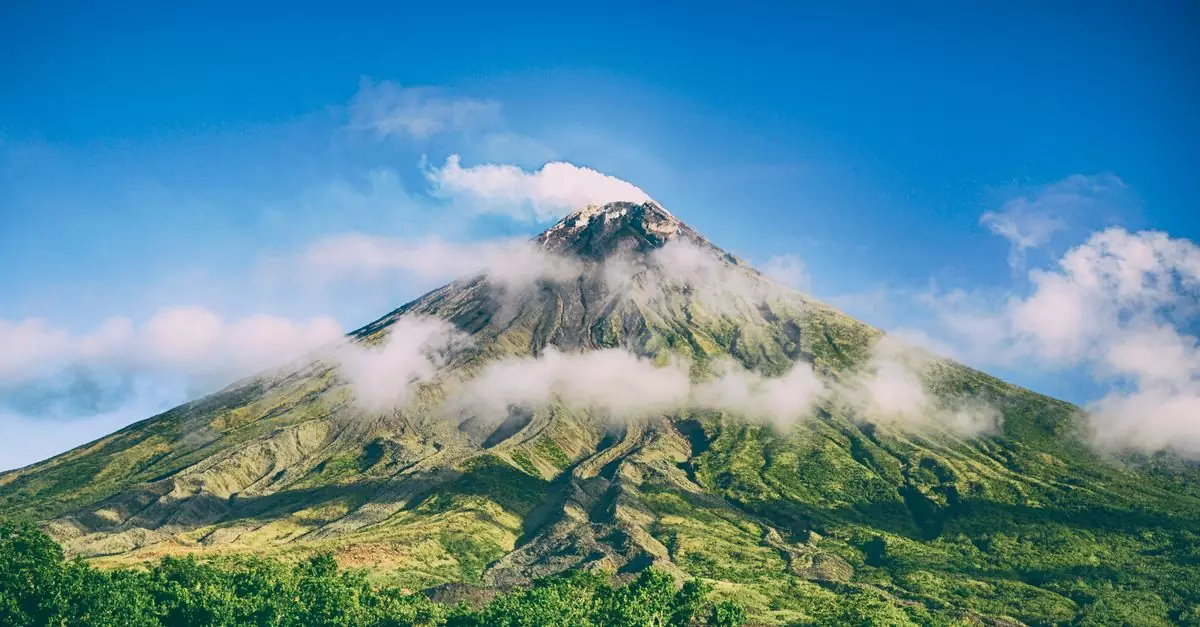
Witnessing the raw power of an active volcano is an unforgettable experience, but it demands heightened awareness of safety. Volcanic regions are dynamic environments, and understanding potential hazards is paramount for any traveler planning to visit these geological wonders. Prioritizing safety ensures a responsible and enjoyable journey, allowing you to appreciate the awe-inspiring landscapes without undue risk.
Understanding Volcanic Hazards and Evacuation Procedures
Active volcanoes present a range of potential hazards, from ashfall and gas emissions to pyroclastic flows and lahars (volcanic mudflows). Ashfall can disrupt air travel and pose respiratory risks, while gases like sulfur dioxide can be dangerous in high concentrations. Pyroclastic flows, fast-moving currents of hot gas and volcanic matter, are extremely destructive. Lahars can travel long distances, inundating valleys and communities.
Before your trip, research the specific volcano’s activity level and any associated risks. Familiarize yourself with local warning systems and evacuation routes. Many national parks and protected areas surrounding volcanoes have visitor centers that provide up-to-date information on current conditions and safety protocols. Always heed the advice of park rangers and local authorities. Understanding these risks is a crucial first step in planning your adventure to the world’s best active volcanoes.
Choosing Reputable Tour Operators for Volcano Excursions
For excursions that take you closer to volcanic sites, selecting a reputable tour operator is essential. Experienced guides are trained to assess conditions, navigate safely, and recognize the subtle signs of changing volcanic activity. They will have the necessary safety equipment and emergency protocols in place.
Look for operators with a proven safety record, proper certifications, and positive reviews from past travelers. Inquire about their guides’ qualifications and the safety equipment provided. Some operators may offer specialized tours, such as guided hikes to crater rims or visits to geothermal areas. Ensure the tour aligns with your physical fitness level and comfort with adventure. For those venturing into regions like South America, where many active volcanoes are found, choosing a local, knowledgeable operator can significantly enhance both safety and the quality of your experience.
Respecting Local Communities and Environmental Guidelines
Visiting active volcanic areas often means interacting with local communities and delicate ecosystems. It is essential to approach these visits with respect and a commitment to conservation. Always follow designated trails to prevent erosion and protect fragile vegetation.
Be mindful of noise levels and avoid disturbing wildlife. Dispose of all waste properly, and consider packing out everything you pack in. Support local economies by purchasing goods and services from local businesses. Understanding and respecting cultural norms is also important; always ask for permission before taking photographs of people. Adhering to these guidelines ensures that these natural wonders remain pristine for future generations and fosters positive relationships with the people who call these regions home.
Beyond the Crater Rim: Exploring Volcanic Landscapes
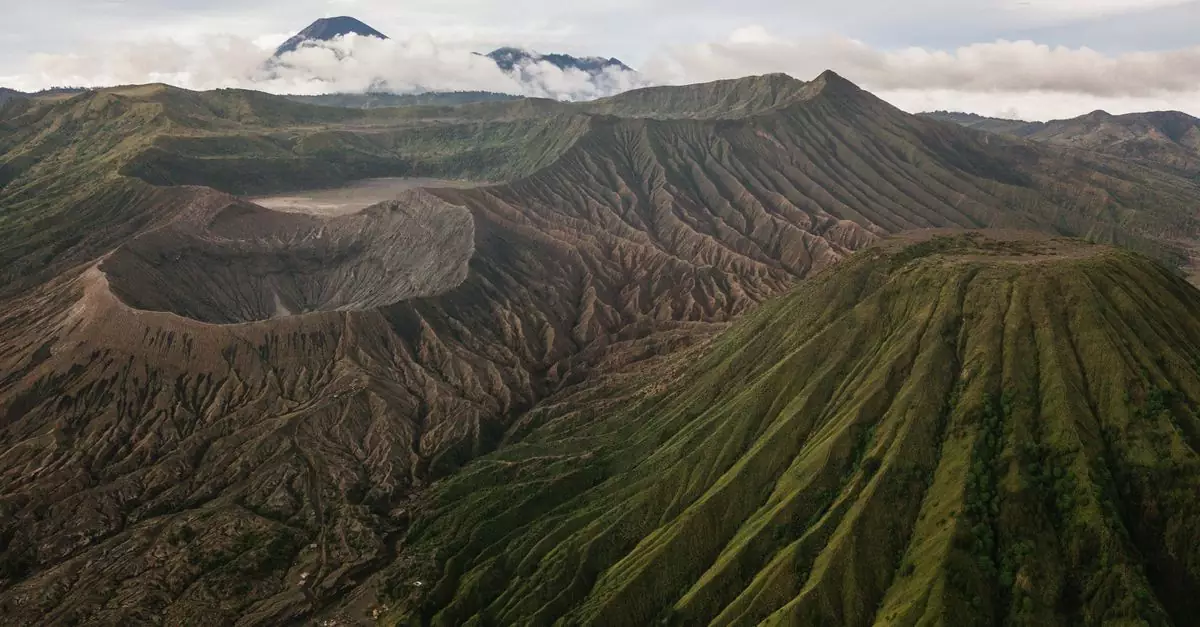
The allure of active volcanoes extends far beyond the dramatic spectacle of an eruption. Surrounding these geological giants are unique ecosystems, geothermal phenomena, and breathtaking vistas that offer enriching experiences for any traveler. Understanding the broader volcanic landscape can transform a trip into an unforgettable adventure, providing opportunities for both awe and education.
Discovering Geothermal Wonders Near Volcanic Sites
Many active volcanic regions are rich with geothermal activity, creating otherworldly landscapes of bubbling mud pots, steaming fumaroles, and vibrant hot springs. These areas offer a fascinating glimpse into the Earth’s internal heat. For instance, in Iceland, the Krafla volcano region is a prime example, featuring the Námafjall Hverir geothermal area with its striking orange and yellow sulfur deposits and the distinct smell of sulfur in the air. Visiting these sites requires caution; always stay on marked paths as the ground can be unstable and extremely hot. Many national parks or protected areas surrounding volcanoes offer guided tours that explain the geological processes at play and ensure visitor safety.
Near Rotorua, New Zealand, the geothermal fields around Mount Tarawera showcase a different kind of volcanic aftermath, with silica terraces and boiling mud pools. These locations are often accessible via walking trails, allowing for close observation of the dynamic geological forces. Planning your visit during daylight hours is recommended for the best visibility and safety.
Photography Hotspots for Capturing Volcanic Majesty
Capturing the power and beauty of active volcanoes requires strategic planning and an understanding of light. Sunrise and sunset often provide the most dramatic lighting, casting long shadows and bathing the volcanic slopes in warm hues. Locations offering panoramic views, such as accessible ridges or designated viewpoints, are crucial for composition.
For Mount Fuji in Japan, the Chureito Pagoda offers an iconic shot with the perfectly conical volcano as a backdrop, especially during cherry blossom season or autumn. Consider the season and weather; volcanic peaks can be shrouded in clouds, so flexibility is key. For photographing Mount Bromo in Indonesia, the viewpoint from Mount Penanjakan at sunrise is legendary, offering a sweeping panorama of the Bromo caldera, including the smoking Mount Bromo itself, Mount Batok, and Mount Semeru in the distance. Early morning is essential here to catch the best light and avoid crowds.
When photographing active lava flows, such as those sometimes seen at Kīlauea in Hawaii Volcanoes National Park, safety is paramount. Maintain a safe distance, use telephoto lenses to get closer shots, and be aware of air quality and wind direction. Always check with park rangers for the latest safety advisories and recommended viewing locations.
Unique Accommodation Options with Volcano Views
Waking up to the sight of a majestic volcano is an unparalleled travel experience. Several destinations offer accommodations that capitalize on these dramatic backdrops, providing a memorable stay. In Santorini, Greece, many boutique hotels cling to the caldera cliffs, offering stunning views of the submerged volcano. These often come with a higher price tag, especially during peak season, but the visual reward is significant.
For a more rustic yet equally impressive experience, consider staying in lodges or guesthouses near volcanoes in South America. For example, in Ecuador, near Cotopaxi National Park, there are haciendas that provide incredible vistas of the snow-capped Cotopaxi volcano. These accommodations often arrange guided hikes or horseback riding tours, allowing guests to immerse themselves in the volcanic landscape. Booking well in advance is highly recommended, particularly for properties with prime volcano views, as they are often in high demand.
Travelers seeking budget-friendly options might find simpler guesthouses or homestays in towns located at the foothills of famous volcanoes. While the views may not be as direct as from a cliffside hotel, they still offer a constant reminder of the powerful geological forces shaping the region.
Budgeting for Your Volcano Expedition
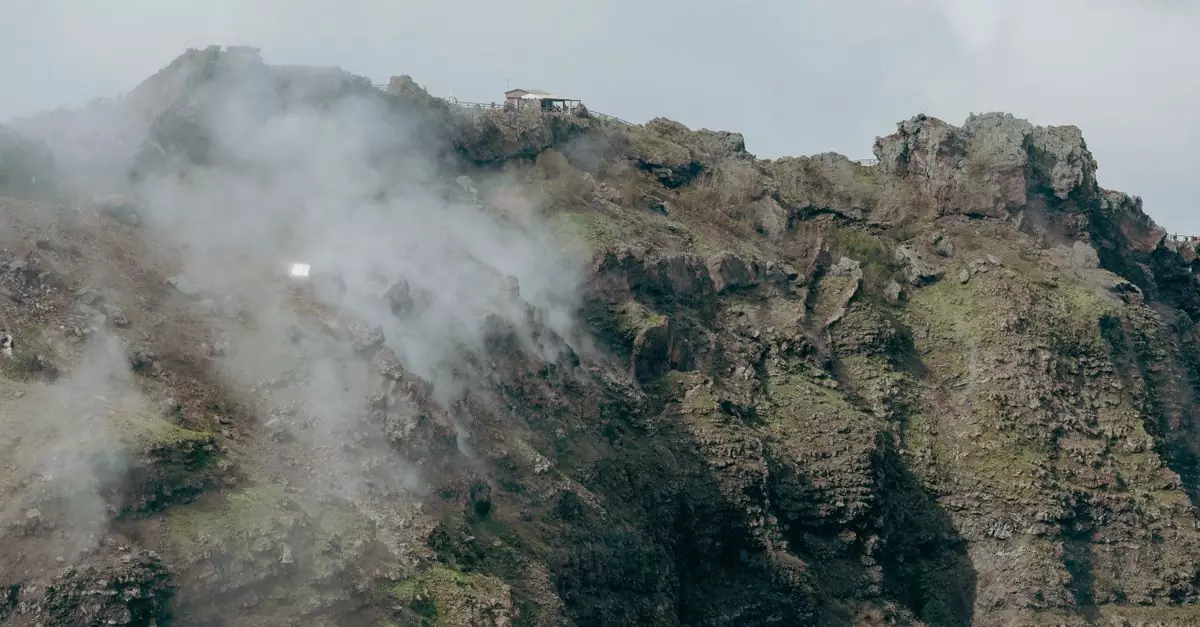
Planning an adventure to witness the world’s best active volcanoes requires careful financial consideration. Costs can vary significantly based on your chosen destinations, the duration of your trip, and your travel style. Understanding these variables upfront will help you create a realistic budget and ensure a memorable, stress-free experience.
Estimating Costs for Flights, Tours, and Local Expenses
The largest portion of your budget will likely be dedicated to flights and guided tours. Destinations like Indonesia, Iceland, and parts of South America offer access to remarkable volcanic landscapes, but flight prices fluctuate based on origin, season, and booking time. For instance, flights to Bali, Indonesia, a gateway to Mount Batur, might be more economical during the shoulder seasons of April-May or September-October.
Guided tours are essential for safety and access to many active volcanic sites. These can range from day trips to multi-day treks, with prices reflecting guide expertise, equipment provided, and included meals. A typical guided trek up Mount Batur might cost between $50-$100 USD, while more remote or challenging expeditions, such as climbing Mount Kilimanjaro in Tanzania (which has volcanic origins), can cost several thousand dollars.
Local expenses include transportation within the destination, food, and entrance fees. Research the average cost of a taxi or local bus in your chosen region. For example, getting around Iceland can be costly, so consider renting a car if you plan to visit multiple volcanic areas. Budgeting $50-$100 USD per day for local expenses is a reasonable starting point for many popular volcanic destinations.
Finding Affordable Accommodation Near Volcanic National Parks
Accommodation options near volcanic national parks often cater to different budgets. Hostels and guesthouses provide budget-friendly choices, especially for solo travelers or those on a tight budget. These often offer basic amenities but a great opportunity to connect with other adventurers.
Mid-range hotels and lodges offer more comfort and services, such as private bathrooms and on-site dining. These are suitable for couples or families seeking a balance between cost and convenience. For those seeking luxury, boutique hotels or private villas can provide an exceptional experience, often with stunning views of volcanic landscapes.
When searching for places to stay, consider locations that balance proximity to the park with accessibility to local amenities. Sometimes, staying a short drive away from the main park entrance can significantly reduce accommodation costs. Look for options that include breakfast, as this can save on daily food expenses. Booking in advance, especially during peak tourist seasons, is crucial for securing the best rates and availability.
Saving Money on Food and Activities in Volcanic Destinations
Eating like a local is one of the most effective ways to save money on food. Seek out local markets and street food vendors for authentic and affordable meals. In Southeast Asia, for instance, trying local dishes from street stalls can be a culinary adventure and a significant cost-saver compared to tourist-oriented restaurants.
Many volcanic destinations offer free or low-cost activities beyond organized tours. Hiking trails within national parks, scenic viewpoints, and geothermal areas accessible without a guide can provide incredible experiences. Research the specific park or region you plan to visit to identify these opportunities.
Consider purchasing a national park pass if you plan to visit multiple parks within a country or region. These passes can offer substantial savings on entrance fees. For example, a pass for Yellowstone National Park in the United States, known for its geothermal features and volcanic past, can cover entrance fees for a vehicle for a week. Always check the specific pass options available for your chosen destination.
Here’s a general cost comparison for popular volcanic destinations:
| Destination | Estimated Daily Budget (USD) | Accommodation Style | Food Style |
|---|---|---|---|
| Iceland | $150 – $300+ | Hotels, Guesthouses, Hostels | Mix of self-catering & restaurants |
| Indonesia (Bali) | $50 – $150 | Guesthouses, Budget Hotels | Local eateries, street food |
| USA (Hawaii) | $100 – $250 | Hotels, Vacation Rentals | Restaurants, food trucks |
| Costa Rica | $70 – $180 | Eco-lodges, Hostels, Hotels | Local sodas, restaurants |
Frequently Asked Questions About Visiting Active Volcanoes
Are active volcanoes safe to visit?
Visiting active volcanoes carries inherent risks, and safety depends heavily on the specific volcano, its current activity level, and adherence to local guidelines. Reputable tour operators and park authorities provide crucial safety information. Always heed warnings and stay within designated safe zones. Some volcanoes, like Mount Etna in Sicily, have well-established tourist infrastructure, making them relatively safer for exploration.
What is the best time of year to see active volcanoes?
The best time to visit active volcanoes often depends on the region’s climate and the volcano’s activity patterns. For many destinations, drier seasons offer clearer skies and more stable ground for hiking. For example, visiting Mount Bromo in Indonesia is often recommended during the dry season from June to September. However, some volcanoes can be visited year-round, with specific viewing opportunities like lava flows that may be more frequent during certain periods. Always check local conditions and forecasts before planning your trip.
Do I need special equipment to hike an active volcano?
The equipment needed varies greatly depending on the volcano and the type of activity. For guided tours on well-maintained trails, sturdy hiking boots, layered clothing, and a hat are usually sufficient. If you plan on more advanced treks or exploring volcanic landscapes, you might need specialized gear like helmets, gaiters, and trekking poles. For witnessing lava flows, heat-resistant clothing and eye protection can be beneficial. Always consult with your tour provider or local park service for specific requirements.
What are the most accessible active volcanoes for tourists?
Several active volcanoes offer good accessibility for tourists, balancing thrilling experiences with visitor comfort and safety.
- Mount Vesuvius, Italy: Easily reachable from Naples, with a well-trodden path to the crater rim.
- Mount Fuji, Japan: While dormant, its iconic status and established climbing routes make it a popular, accessible choice during climbing season.
- Mount Bromo, Indonesia: Accessible via jeep tours and short hikes, offering spectacular sunrise views over the caldera.
- Kīlauea, Hawaii, USA: Parts of Hawaii Volcanoes National Park are accessible via scenic drives and short walks to viewpoints.
These locations often have visitor centers, guided tours, and clear signage, making them suitable for a wide range of travelers looking to witness volcanic power.