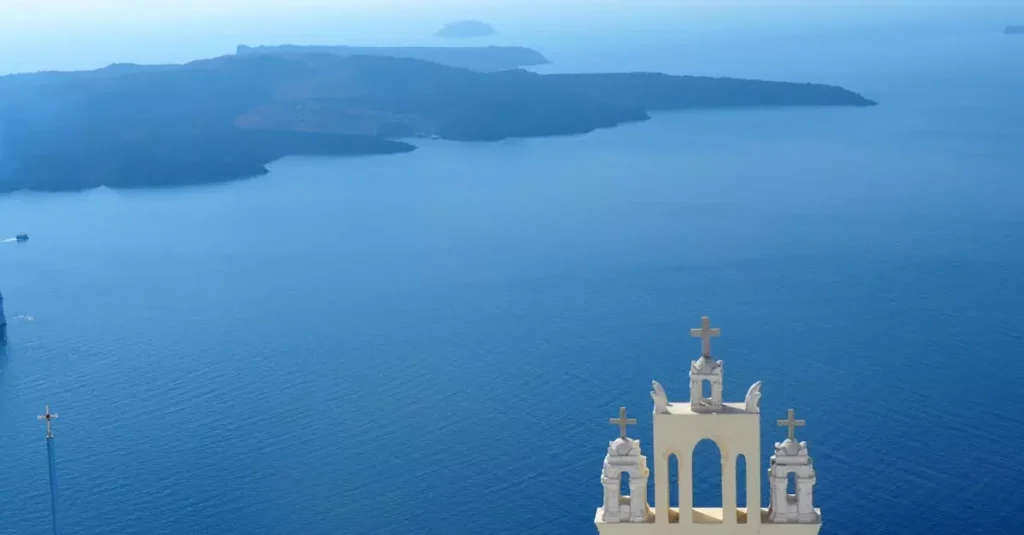
Beyond the iconic white-washed villages and vibrant nightlife of popular Greek destinations, a world of tranquil beauty and authentic experiences awaits on the hidden Greek islands. If you’re yearning for an escape that offers pristine beaches without the crowds, charming local tavernas, and a genuine connection to Hellenic culture, venturing off the beaten path is your next adventure. This guide will unveil seven of these lesser-known Aegean gems, highlighting their unique charm—from dramatic cliffside monasteries to butterfly-shaped landscapes—and showcasing what makes each island a distinct paradise. Prepare to explore the quieter side of Greece, where unforgettable memories await.
Why Seek Out Hidden Greek Islands?
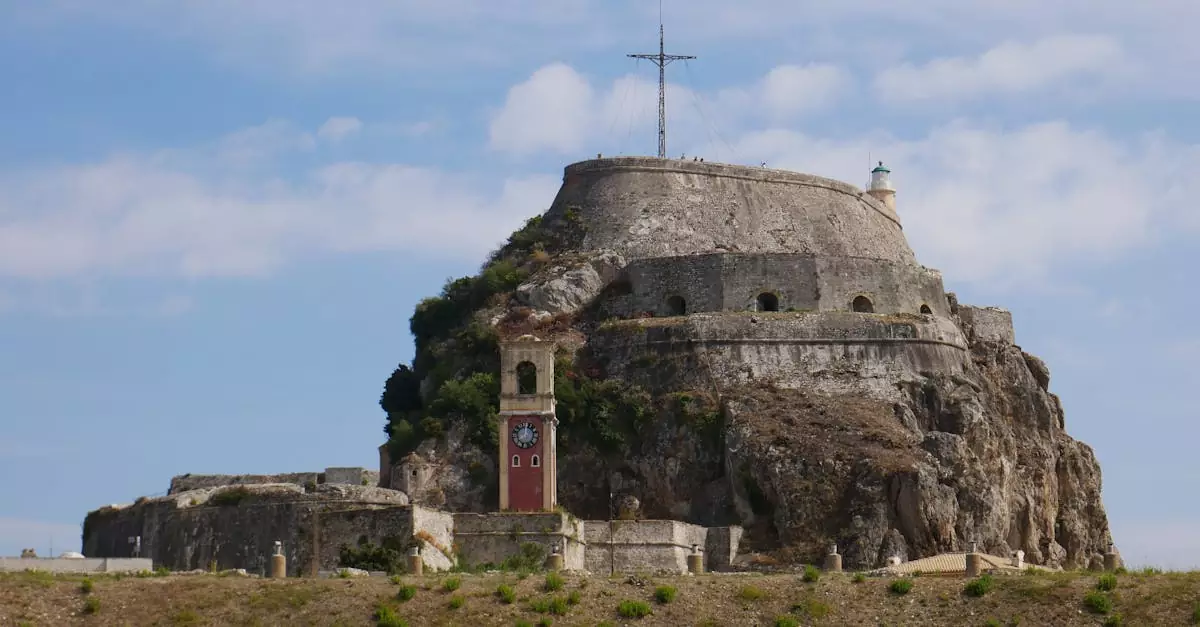
The allure of Greece often conjures images of Santorini’s caldera or Mykonos’ windmills. While these iconic destinations offer unparalleled beauty, an increasing number of travelers are venturing beyond the well-trodden paths to discover the magic of hidden Greek islands. This shift reflects a desire for a more authentic, intimate travel experience, away from bustling crowds and commercialized tourist hubs.
Escaping the Crowds: The Allure of Undiscovered Destinations
For many, the primary draw of less-visited Greek islands is the promise of tranquility. Imagine quiet beaches where the only footprints are your own or charming villages that allow you to connect with local life. Islands like Folegandros and Amorgos offer a slower pace and a genuine sense of discovery. Here, you can enjoy stunning Aegean scenery without the constant backdrop of selfie sticks and tour groups, enabling deeper immersion into the island’s natural beauty and cultural rhythm.
Authentic Greek Experiences Beyond the Tourist Trail
The true heart of Greece beats strongest on its lesser-known islands. Here, you’re more likely to encounter traditional tavernas serving recipes passed down through generations or witness local festivals that have remained unchanged for centuries. On islands such as Ikaria, known for its longevity and laid-back lifestyle, or Astypalaia with its butterfly shape and Cycladic architecture, you can engage in genuine cultural exchange. This is where you can practice your Greek, learn about local crafts, and feel like a welcomed guest rather than just another tourist. These experiences often prove more memorable and enriching than those found in heavily touristed areas.
Finding Your Personal Paradise Among the Aegean Gems
Ultimately, the search for hidden Greek islands is about personal connection and discovering a place that resonates with your individual travel style. Whether you seek rugged hiking trails, secluded coves for swimming, or simply a peaceful retreat to read a book under an olive tree, there’s an island waiting for you. Consider Kythira, a blend of Ionian and Cycladic influences, or the Dodecanese island of Symi, with its neoclassical port. Each offers a unique atmosphere and a chance to craft an escape tailored to your desires. This journey of discovery allows for the creation of truly unforgettable memories, far from the ordinary.
Top 7 Lesser-Known Greek Islands to Explore
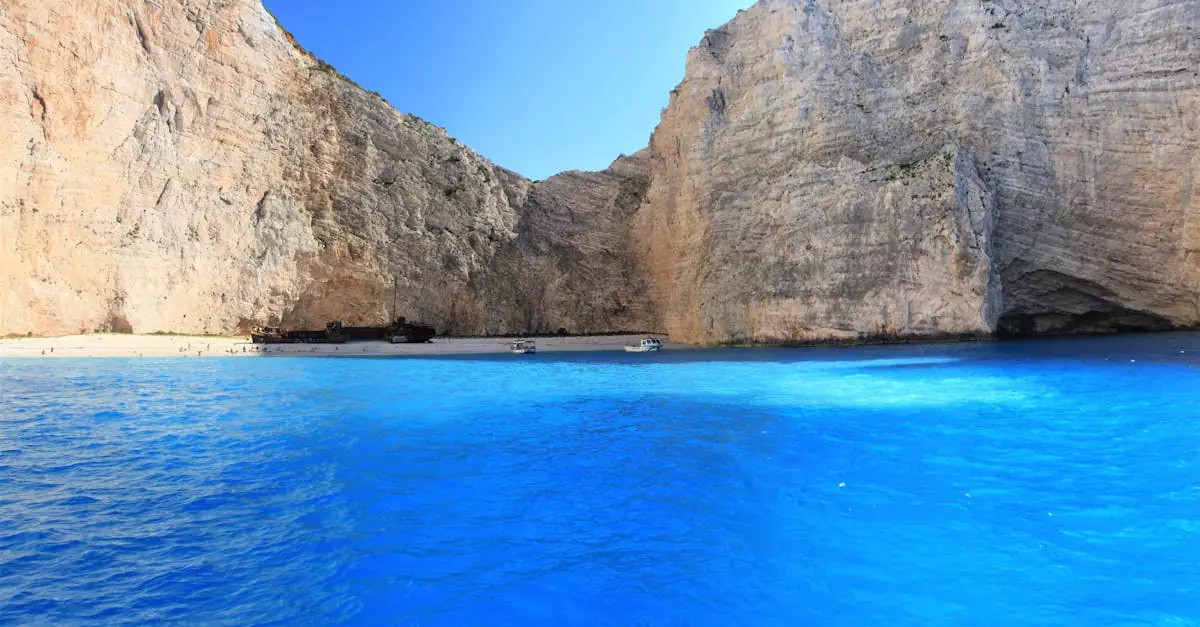
While Santorini and Mykonos attract the majority of visitors, Greece’s vast archipelago conceals countless gems that offer a more authentic and tranquil experience. For travelers looking to escape the well-trodden paths, these seven lesser-known Greek islands provide stunning landscapes, rich culture, and a slower pace of life. Discovering these hidden islands fosters a deeper connection with the local environment and a chance to experience the true spirit of Hellenic hospitality.
Folegandros: Cycladic Charm Without the Crowds
Folegandros presents quintessential Cycladic beauty—whitewashed villages clinging to cliffs, dramatic sea views, and azure waters—without the overwhelming crowds of its more famous neighbors. The island’s main town, Chora, is a car-free labyrinth of narrow alleys, charming squares, and bougainvillea-draped balconies. Visitors often find themselves captivated by the peaceful atmosphere and breathtaking sunset views from the Kastro, the old Venetian quarter.
Getting to Folegandros typically involves a ferry from Piraeus, the port of Athens, or from nearby islands like Santorini. The journey can take anywhere from 3 to 7 hours, depending on the ferry type. Accommodation ranges from boutique hotels to simple guesthouses, offering a more intimate stay. The island is best explored on foot or by local bus, with stunning hiking trails leading to secluded beaches like Katergo and Livadaki.
Amorgos: Wild Beauty and Spiritual Serenity
Amorgos is renowned for its rugged landscapes and spiritual connections, famously featured in the Luc Besson film “The Big Blue.” The island boasts dramatic cliffs plunging into the deep blue sea, ancient hiking paths, and the iconic Hozoviotissa Monastery, a breathtaking white structure built into a sheer cliff face. This monastery is a must-visit for its historical significance and unparalleled views.
The island’s main port is Katapola, with another charming town, Aegiali, offering a more relaxed vibe. Amorgos is accessible by ferry from Piraeus and other Cycladic islands. Its challenging terrain makes it a favorite among hikers, with trails connecting villages and remote beaches. The island’s commitment to preserving its traditions means visitors can still find authentic experiences and enjoy local cuisine, particularly “psimeni raki,” a spiced spirit.
Astypalaia: The Butterfly of the Aegean
Shaped like a butterfly, Astypalaia lies at the crossroads of the Cyclades and the Dodecanese, blending architectural styles and cultural influences. Its most striking feature is the Chora, crowned by a Venetian castle, cascading down the hillside toward the sea. The whitewashed houses, windmills, and narrow streets create a picturesque scene reminiscent of the Cyclades, while the island’s history ties it to the Dodecanese.
Reaching Astypalaia requires a ferry from Piraeus or Rhodes, or a flight from Athens. The island offers a good mix of beautiful beaches, some organized and others wild, accessible by car or scooter. For those interested in history, the castle and the archaeological museum provide insights into its past. Astypalaia serves as a tranquil escape with stunning natural beauty and distinct architectural charm.
Koufonisia: Crystal Clear Waters and Laid-back Vibes
The Small Cyclades, particularly Koufonisia (which includes Ano and Kato), are a paradise for beach lovers. Ano Koufonisi, the inhabited island, is a small, flat landmass renowned for its impossibly clear turquoise waters and golden sandy beaches, such as Pori and Fanos. The atmosphere here is exceptionally relaxed, focusing on simple pleasures like swimming, sunbathing, and enjoying fresh seafood.
Access to Koufonisia is via ferry from Piraeus or Naxos. The island is small enough to be explored entirely on foot or by bicycle, making it ideal for a car-free vacation. Accommodation is limited, so booking in advance, especially during peak season, is advisable. The laid-back lifestyle and stunning natural beauty make it a perfect destination for unwinding.
Ikaria: The Island Where People Forget to Age
Ikaria is legendary for its longevity and the relaxed lifestyle of its inhabitants, often attributed to a healthy diet, active lifestyle, and strong social connections. This mountainous island offers diverse landscapes, from pine forests and vineyards to dramatic coastlines and secluded beaches like Seychelles Beach. The island’s charm lies in its authenticity and the warm hospitality of its people.
Getting to Ikaria involves a ferry from Piraeus or a flight to its small airport. The island is spread out, so renting a car is recommended for exploring its various villages and natural attractions. Ikaria is a haven for those seeking a slower pace, delicious local produce, and a chance to experience a culture that prioritizes well-being.
Symi: Venetian Architecture and Turquoise Bays
Symi is a visual delight, characterized by stunning neoclassical and Venetian-style mansions that surround its horseshoe-shaped harbor. The colorful houses, built in amphitheater style, create a dramatic and captivating first impression. Beyond the main town, the island is dotted with numerous small bays and coves, many accessible only by boat, offering pristine waters for swimming and snorkeling.
Symi is typically reached by ferry from Rhodes or Kos. The island is relatively small and walkable, though local buses and water taxis are available to reach further beaches like Nanou and Marathounda. The island’s charm lies in its picturesque architecture, clear waters, and the opportunity to enjoy a peaceful atmosphere away from larger tourist hubs.
Kythira: Mythological Birthplace and Natural Wonders
Kythira, located south of the Peloponnese, is steeped in mythology as the birthplace of Aphrodite. This island offers a rich tapestry of natural beauty, from waterfalls and caves to beautiful beaches and charming villages. The Chora, with its Venetian castle, offers panoramic views, while the waterfalls of Mylopotamos provide a refreshing escape.
Kythira is accessible by ferry from Piraeus and Neapoli (Peloponnese), and also has an airport with flights from Athens. Renting a car is highly recommended to fully appreciate the island’s diverse landscapes and hidden spots. Kythira offers a blend of historical significance, natural wonders, and a tranquil atmosphere for a unique Greek island experience.
Getting to These Secluded Greek Island Paradises
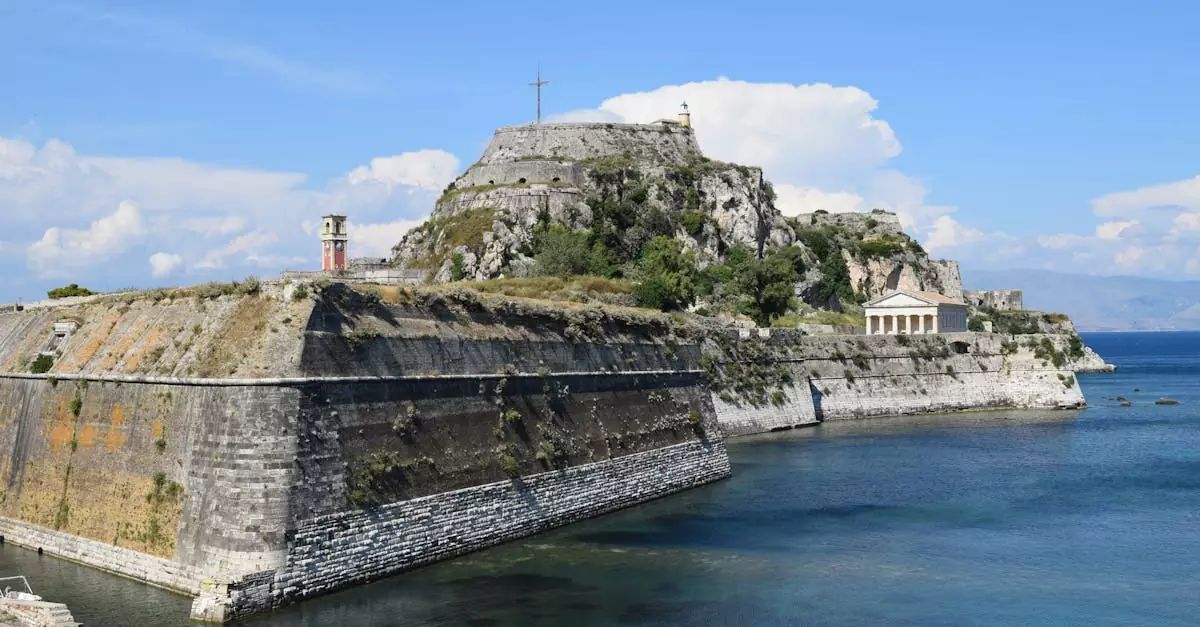
Reaching the more secluded Greek islands requires a bit more planning than heading to popular spots like Santorini or Mykonos, but the reward is a more authentic and peaceful experience. The journey often involves a combination of flights and ferries, with Athens serving as the primary gateway for most travelers. Understanding the logistics is key to unlocking these hidden gems.
Ferry Routes from Athens and Nearby Islands
The most common way to reach many of the less-trafficked islands is by ferry from Piraeus or Rafina ports near Athens. While high-speed ferries offer a quicker journey, traditional ferries are often more budget-friendly and provide a relaxed travel experience, allowing you to soak in the Aegean Sea views. Islands like Folegandros, Amorgos, or Koufonisia are accessible via these routes.
For those already in the Cyclades or Dodecanese, inter-island ferries are crucial for island hopping. It’s advisable to book ferry tickets in advance, especially during peak season (June to August), as schedules can change and popular routes fill quickly. Websites like Ferryhopper are invaluable for checking routes, schedules, and booking tickets.
Domestic Flights to Key Island Hubs
While not all hidden Greek islands have airports, some serve as convenient hubs accessible by domestic flights. Major islands like Crete, Rhodes, or Corfu have international airports and are well-connected to Athens. From these larger islands, you can catch local ferries or smaller flights to reach more remote destinations.
For example, if your aim is to visit islands in the Ionian Sea, flying into Corfu or Kefalonia might be your best bet before taking a ferry to smaller neighbors. Similarly, flying into Karpathos can be a gateway to the Dodecanese chain. Airlines like Aegean Airlines and Sky Express operate frequent domestic routes.
Navigating Between Smaller Islands: Island Hopping Tips
Island hopping between these lesser-known destinations is where the real adventure lies. The key is to group islands geographically to minimize travel time and cost. For instance, the Small Cyclades (Koufonisia, Schinoussa, Iraklia, Donoussa) are best visited together, as ferries run frequently between them.
- Plan your route: Map out which islands you want to visit and in what order.
- Book accommodations ahead: Especially on smaller islands, lodging options can be limited.
- Be flexible: Ferry schedules can be affected by weather, so have a backup plan.
- Pack light: Maneuvering luggage on and off ferries and navigating cobblestone streets is easier with less baggage.
Consider the time of year for your visit. Shoulder seasons (May-June and September-October) offer pleasant weather, fewer crowds, and often more affordable travel options, making it easier to navigate between these quieter parts of Europe.
What to Eat and Drink on Your Hidden Island Adventure
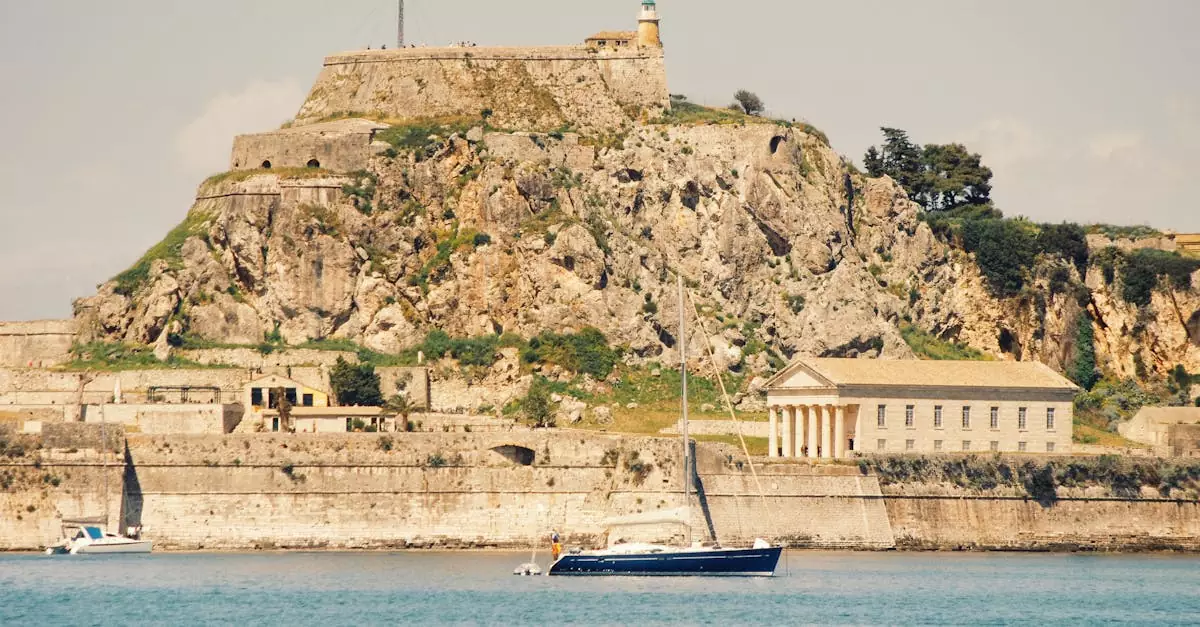
Exploring the lesser-known Greek islands offers a unique culinary journey, far removed from the tourist-centric menus of busier destinations. These remote locales often preserve traditional flavors and showcase hyper-local ingredients, providing a true taste of authentic Greece. Your gastronomic adventure will likely involve fresh catches from the Aegean Sea, robust local produce, and distinctive regional wines.
Savoring Fresh Seafood in Coastal Tavernas
Along the coastlines of these hidden gems, you’ll find family-run tavernas where the day’s catch is the star. Expect simple preparations that let the quality of the seafood shine. Grilled octopus, often marinated in olive oil and lemon, is a common and delicious offering. Freshly fried calamari, tender and never rubbery, is another staple. Many islands boast their own specialty fish dishes, perhaps a whole-baked fish seasoned with herbs or a hearty fish soup (kakavia) brimming with various seafood.
Don’t overlook the smaller, less glamorous fish. Sardines, anchovies, and red mullet are often served fried or grilled and are incredibly flavorful. Pair your meal with a crisp Greek salad, featuring ripe tomatoes, cucumbers, onions, and creamy feta cheese, drizzled with local olive oil. The freshness of these ingredients, combined with the sea breeze and the sound of gentle waves, creates a dining experience that is both simple and profoundly satisfying.
Tasting Local Cheeses and Traditional Mezes
Beyond seafood, the islands offer a delightful array of local cheeses and mezes. Many islands produce unique varieties of cheese, often from sheep or goat’s milk. Look for graviera (a hard, nutty cheese), myzithra (a soft, fresh cheese), or feta that has a distinct island character. These cheeses are often served simply, perhaps grilled (saganaki) or as part of a larger platter.
Mezes, small appetizer-style dishes, are central to Greek dining culture and are particularly vibrant on these islands. You might encounter dolmades (stuffed vine leaves), tiropita (cheese pies), spanakopita (spinach pies), or various dips like tzatziki and melitzanosalata (eggplant dip). On islands with fertile land, you’ll find exceptional vegetable-based mezes, such as fried zucchini blossoms or slow-cooked fava beans. Sharing a selection of these small plates with friends or family is an essential part of the island experience, encouraging conversation and a relaxed pace.
Discovering Unique Island Wines and Spirits
While the larger Greek islands might be known for their vineyards, many smaller islands have their own indigenous grape varieties and artisanal winemakers. Seek out local wines, often served in carafes at tavernas. These wines can be surprisingly complex and are perfectly suited to the island’s cuisine. White wines tend to be crisp and refreshing, ideal for seafood, while reds can be robust and earthy.
In addition to wine, keep an eye out for local spirits. Ouzo, the anise-flavored aperitif, is ubiquitous across Greece, but each island might have its own preferred way of serving it, often with ice and water. Some islands also produce their own raki or tsipouro, a strong distilled spirit often enjoyed after a meal to aid digestion. Trying these local beverages offers another layer of cultural immersion and a chance to connect with the island’s producers.
Planning Your Perfect Itinerary for Hidden Greek Islands
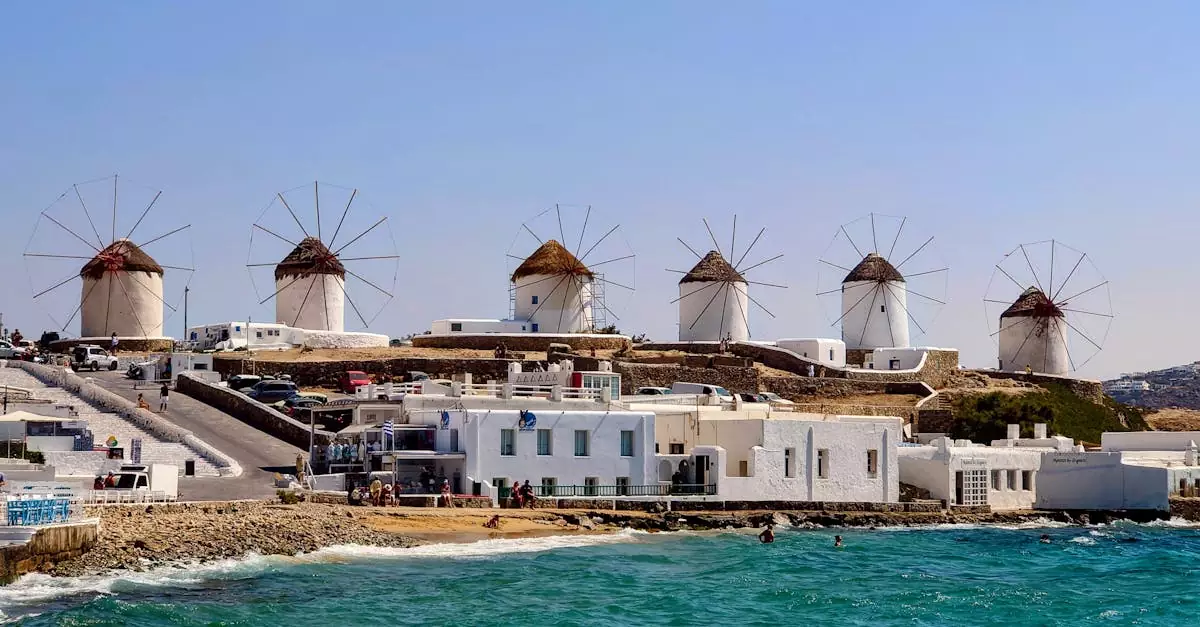
Crafting an itinerary for Greece’s lesser-known islands requires a thoughtful approach to maximize your experience and minimize travel time. Focusing on a few select islands allows for deeper immersion rather than a rushed tour.
A 7-Day Itinerary: Combining Two or Three Islands
For a week-long escape, aim to visit two or, at most, three islands that are geographically close to each other. This strategy reduces ferry time and allows for a more relaxed pace. Consider pairing islands within the same archipelago, such as the Dodecanese or the Cyclades. For example, you could spend a week exploring the laid-back charm of Astypalaia and the dramatic landscapes of Amorgos, both accessible via ferry from mainland ports like Piraeus or from larger island hubs.
Alternatively, for a more adventurous route, you might combine an island from the Ionian Sea with one from the Aegean, though this will involve flights or longer ferry journeys. A practical approach involves flying into Athens, taking a ferry to an island group, and then utilizing regional ferries or short flights to connect your chosen destinations.
Best Time to Visit for Ideal Weather and Fewer Tourists
The shoulder seasons—late spring (May to early June) and early autumn (September to mid-October)—offer the ideal time for visiting hidden Greek islands. During these months, the weather is typically warm and sunny, perfect for swimming and exploring, without the intense heat of mid-summer. Crucially, the crowds are significantly smaller, meaning more serene beaches and readily available accommodation.
- May-June: Wildflowers bloom, sea temperatures are pleasant, and the islands feel vibrant yet uncrowded.
- July-August: Peak season. Expect higher prices, packed ferries, and busy beaches. The heat can be intense.
- September-October: The sea is still warm enough for swimming, the light is beautiful, and the summer rush has subsided. This is an excellent time for island hopping.
The winter months (November to March) see many tourist facilities close, and ferry schedules become limited, making it less ideal for a typical island-hopping vacation, though it can be a peaceful time for a more local experience.
Accommodation Options: Boutique Hotels to Guesthouses
The charm of hidden Greek islands extends to their accommodation options. You’ll find a delightful range beyond large resorts. Many islands boast small, family-run guesthouses (pensions) offering authentic hospitality and a personal touch. These can be found in the main Chora (town) or perched in scenic spots overlooking the sea.
Boutique hotels are increasingly common, offering stylish comfort with local character. Look for properties that emphasize traditional architecture and provide personalized service. For budget-conscious travelers, simple rooms for rent (domatia) are widely available, often booked directly upon arrival or through local tourism offices. Booking in advance is always recommended, especially if traveling during the shoulder seasons, to secure the best spots and rates.
Consider the following accommodation types when planning your stay:
| Accommodation Type | Typical Price Range (per night) | Best For |
|---|---|---|
| Domatia (Rooms) | €40-€70 | Budget travelers, authentic local stays |
| Guesthouses | €60-€120 | Families, couples, cultural immersion |
| Boutique Hotels | €100-€250+ | Couples, travelers seeking comfort & style |
| Villas/Apartments | €150-€400+ | Groups, longer stays, self-catering |
When choosing your base, consider proximity to the port for easier ferry connections and access to local tavernas and shops. Many of these islands are small enough to be explored on foot or with a rented scooter, so a central location within a village is often advantageous.
Frequently Asked Questions About Hidden Greek Islands
Are these islands suitable for solo travelers?
Yes, many of these less-touristy Greek islands are excellent for solo travelers. Islands like Folegandros and Amorgos offer a sense of community where you can easily strike up conversations with locals or fellow visitors. The slower pace of life and focus on authentic experiences make them feel safer and more welcoming than larger, bustling destinations.
What is the best way to get around on each island?
Transportation varies by island. On smaller islands like Koufonisia, walking is often the primary way to get around, with local buses or taxis available for longer distances. Larger islands such as Ikaria or Kythira might benefit from renting a scooter or a small car to access more remote beaches and villages. Ferries are the main mode of inter-island travel, connecting these hidden gems to mainland ports like Piraeus or Rafina.
Here’s a general overview of common transportation methods:
| Island | Primary Transport | Secondary Options |
|---|---|---|
| Folegandros | Bus, Walking | Taxi |
| Amorgos | Bus, Scooter Rental | Car Rental, Walking |
| Ikaria | Car Rental, Scooter | Bus, Walking |
| Kythira | Car Rental, Scooter | Bus, Walking |
| Koufonisia | Walking | Small Boat Taxis |
| Symi | Walking, Water Taxi | Bus, Scooter Rental |
| Astypalaia | Scooter Rental, Car | Bus, Walking |
What should I pack for a trip to less-touristy Greek islands?
Pack light, breathable clothing suitable for warm weather, including swimwear, comfortable walking shoes, and a hat. Don’t forget sunscreen and insect repellent, especially for evenings. Since amenities can be simpler on these islands, consider bringing any specific toiletries or medications you might need. A good book and a reusable water bottle are also essential for a relaxed island experience.
Are these destinations budget-friendly compared to Mykonos or Santorini?
Absolutely. These hidden Greek islands offer a significantly more budget-friendly experience than popular Cycladic hotspots like Mykonos or Santorini. Accommodation, dining, and local transport are generally more affordable. You can enjoy authentic Greek cuisine at tavernas without inflated prices and find charming guesthouses at a fraction of the cost. This allows for a more immersive and less commercially driven vacation.