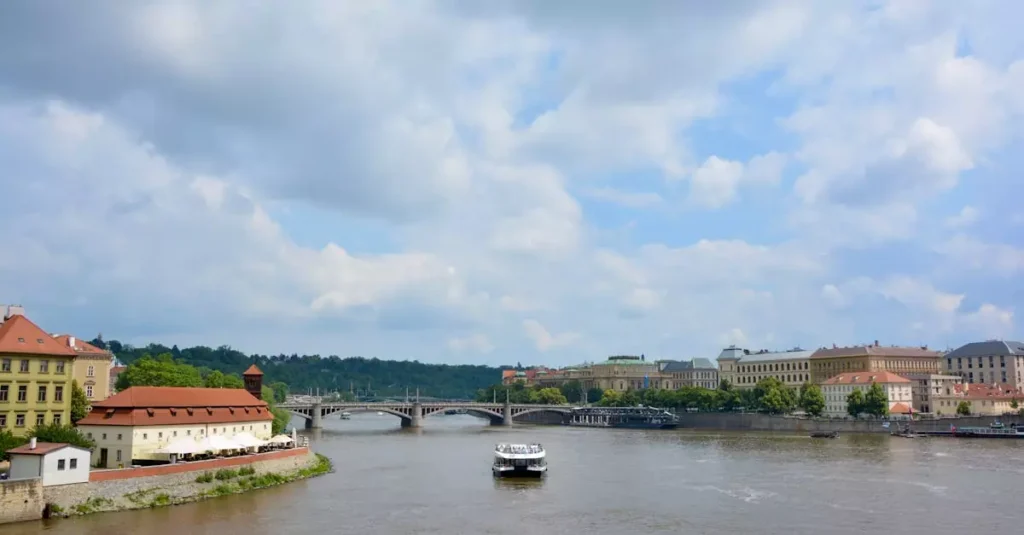
Discovering the best river cruises in Europe offers a unique way to explore the continent’s rich history, diverse cultures, and breathtaking scenery. Unlike traditional ocean voyages, these journeys glide through charming towns and iconic cities, bringing you closer to your destinations.
In this guide, we’ll delve into what makes European river cruising special, from luxurious onboard amenities and immersive shore excursions to the relaxed pace that allows you to savor each moment. You’ll discover top itineraries along legendary waterways like the Danube and Rhine, learn about various cruise lines, and get practical advice on budgeting and packing. Prepare for an unforgettable adventure that unpacks the essence of Europe, one scenic mile at a time.
Why Choose a European River Cruise for Your Next Vacation?
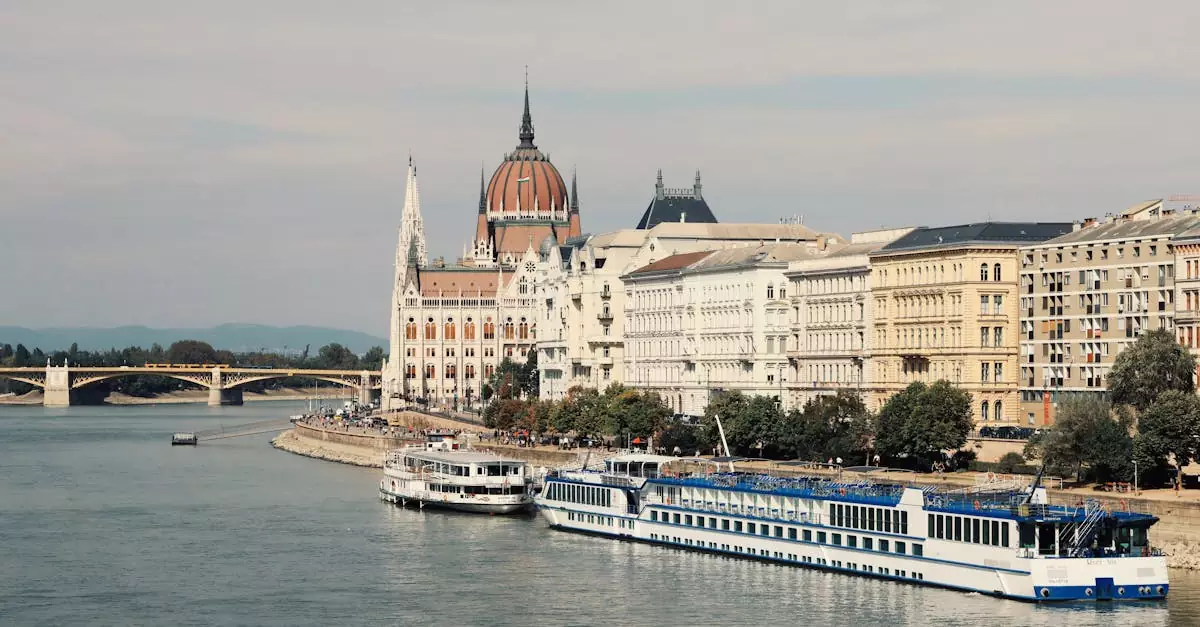
European river cruises provide a rewarding way to experience the continent’s diverse landscapes and rich history. Unlike large ocean liners that dock in major ports, river vessels navigate directly through cities and towns, offering unparalleled access to charming villages and iconic landmarks. This intimate connection to destinations is a primary draw for travelers seeking a more immersive experience.
Experiencing Europe’s Heartlands Up Close
The true magic of a European river cruise lies in its ability to bring you into the continent’s heartlands. Imagine waking up to views of vineyards cascading down hillsides along the Rhine or gliding past medieval castles along the Danube. You’ll often dock within walking distance of historic city centers, allowing for spontaneous strolls through cobblestone streets and easy access to local markets and attractions. This proximity minimizes lengthy transfers, maximizing your time for genuine exploration.
For those who appreciate a slower pace and deeper connection to the places they visit, a river journey through Europe offers a distinct advantage. You’re not just seeing Europe; you’re flowing through its very veins, witnessing daily life along its legendary waterways.
The Luxury and Convenience of River Cruising
River cruising in Europe is synonymous with comfort and convenience. Ships are typically smaller, accommodating fewer passengers, which translates to a more intimate atmosphere and personalized service. Many lines operate on an all-inclusive or nearly all-inclusive model, covering meals, beverages, and often shore excursions. This simplifies budgeting and allows guests to enjoy their journey without constant worries about additional costs.
Your luggage is handled from the moment you arrive at the port, and your floating hotel moves while you sleep, delivering you to a new destination each morning. This seamless travel eliminates the hassle of packing and unpacking, a significant benefit for those who prefer to minimize logistical complexities. Onboard amenities, from fine dining to comfortable lounges, enhance your relaxation after a day of sightseeing.
Unpacking the Unique Appeal of Europe’s Waterways
Europe’s intricate network of rivers, including the Danube, Rhine, Seine, and Douro, has served as a vital artery for trade and culture for centuries. Traveling these waterways allows you to trace historical trade routes and understand the geographical and cultural connections that have shaped the continent. Each river system offers a unique itinerary, from the imperial grandeur of cities along the Danube to the picturesque vineyards of the French wine regions.
Consider the difference between navigating the broad expanse of the Atlantic and gliding along a more intimate river. The scenery is immediate, and the historical context is palpable. You’ll witness landscapes that have inspired artists and writers for generations, all from the comfort of your ship. This direct engagement with the environment and history is what makes the best river cruises Europe offers so compelling.
Top 5 European River Cruise Itineraries for 2026
Choosing the best river cruise in Europe for your next vacation involves considering the unique charm and experiences each waterway offers. From grand imperial cities along the Danube to fairytale villages dotting the Rhine, these itineraries provide distinct cultural immersion and scenic beauty. For 2026, several routes stand out for their blend of historical significance, culinary delights, and accessibility.
Danube River: Imperial Capitals and Musical Melodies (Vienna, Budapest, Bratislava)
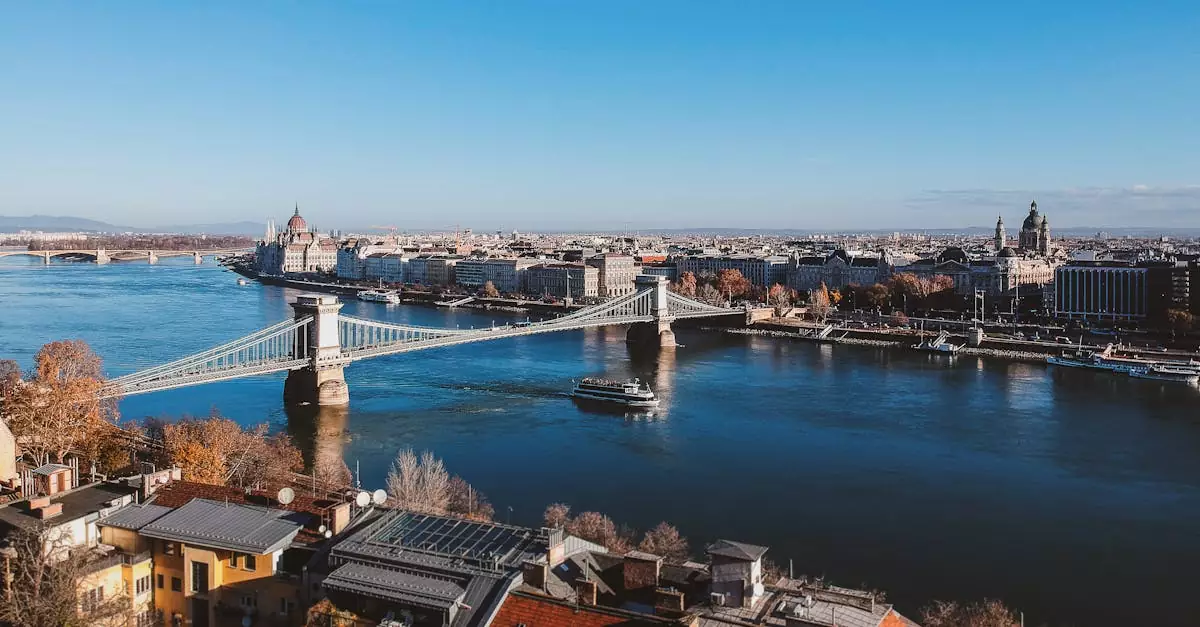
A cruise along the Danube River is a journey through the heart of Central Europe, connecting three captivating capitals. This route appeals to those interested in imperial history, classical music, and vibrant city life. You’ll typically depart from or arrive in cities like Vienna, Austria, renowned for its palaces and musical heritage, and Budapest, Hungary, famous for its thermal baths and stunning Parliament building. A common stop is Bratislava, Slovakia, offering a charming old town and a hilltop castle.
Many itineraries focus on the “Imperial Capitals” or “Musical Melodies” theme, often including guided tours of Schönbrunn Palace in Vienna, a Danube River cruise performance, and a visit to Fisherman’s Bastion in Budapest. The best time for this cruise is from spring through autumn, with summer offering the warmest weather and December providing a festive atmosphere with Christmas markets.
Logistics & Budget:
- Duration: Typically 7-10 days.
- Budget: Mid-range to luxury, with prices varying based on cabin type and cruise line. Expect to budget $2,500 – $6,000+ per person.
- Transportation: Most cruises include transfers from the airport to the ship in the embarkation city. Flights to Vienna or Budapest are readily available.
Rhine River: Castles, Vineyards, and Fairytale Villages (Cologne, Strasbourg, Basel)
The Rhine River cruise offers a quintessential European experience, winding through dramatic landscapes dotted with medieval castles and picturesque vineyards. This itinerary is ideal for travelers seeking charming old towns, scenic beauty, and a taste of the region’s renowned wines. Popular ports of call include Cologne, Germany, with its magnificent cathedral; Strasbourg, France, known for its Alsatian architecture and European Parliament; and Basel, Switzerland, a cultural hub.
The Middle Rhine Valley, a UNESCO World Heritage site, is a highlight, featuring a concentration of castles perched on hilltops overlooking the river. Many cruises offer wine tastings in the Rheingau or Alsace regions. The best time to visit is late spring and early autumn for pleasant weather and vibrant foliage, although summer offers long daylight hours.
Comparison: Rhine vs. Danube
| Feature | Rhine River Cruise | Danube River Cruise |
|---|---|---|
| Scenery | Castles, vineyards, steep riverbanks | Grand imperial cities, rolling hills |
| Culture | German, French (Alsatian), Swiss | Austrian, Hungarian, Slovak, German, Serbian |
| Pace | Often more focused on charming towns and scenery | Often more focused on capital city experiences |
| Best For | Romantic getaways, history buffs, wine lovers | Culture vultures, music enthusiasts, city explorers |
Seine River: Parisian Charm and Normandy’s History (Paris, Rouen, Honfleur)
Cruising the Seine River provides an intimate perspective on France, from the iconic landmarks of Paris to the historic landing beaches of Normandy. This itinerary is perfect for those who wish to combine world-class art and culture with significant historical sites. Most Seine River cruises begin and end in Paris, allowing for pre- or post-cruise exploration of the capital.
Key stops often include Rouen, with its stunning Gothic cathedral and medieval streets, and Honfleur, a picturesque harbor town that inspired Impressionist painters. Many cruises also venture to the D-Day landing beaches and the American Cemetery at Omaha Beach, offering a poignant historical dimension. The best seasons are spring and early autumn for milder weather and fewer crowds.
Traveler Insight: An overnight stay in Paris at the beginning or end of your Seine cruise is highly recommended to fully experience the city’s attractions.
Douro Valley: Portugal’s Wine Region and Historic Cities (Porto, Regua, Pinhão)
The Douro River in Portugal offers a visually stunning river cruise experience through one of the world’s oldest demarcated wine regions. This itinerary is ideal for food and wine enthusiasts, as well as those seeking dramatic landscapes and authentic Portuguese culture. Cruises typically start and end in Porto, a vibrant city famous for its port wine cellars and historic Ribeira district.
Along the Douro, you’ll visit towns like Regua and Pinhão, the heart of port wine production. Excursions often include visits to Quintas (wine estates) for tastings, tours of terraced vineyards, and opportunities to learn about the winemaking process. The best time to cruise is late spring or early autumn, when the weather is pleasant and the vineyards are particularly beautiful.
Sample Itinerary Overview (Douro Valley):
| Day | Port of Call | Activities |
|---|---|---|
| 1 | Porto | Embarkation, city tour, port wine tasting |
| 2 | Regua | Visit Mateus Palace, explore local markets |
| 3 | Pinhão | Vineyard visit and tasting, scenic views |
| 4 | Porto | Disembarkation |
This route provides a more focused, regional experience compared to broader continental journeys on rivers like the Danube or Rhine.
What to Expect on the Best River Cruises in Europe?
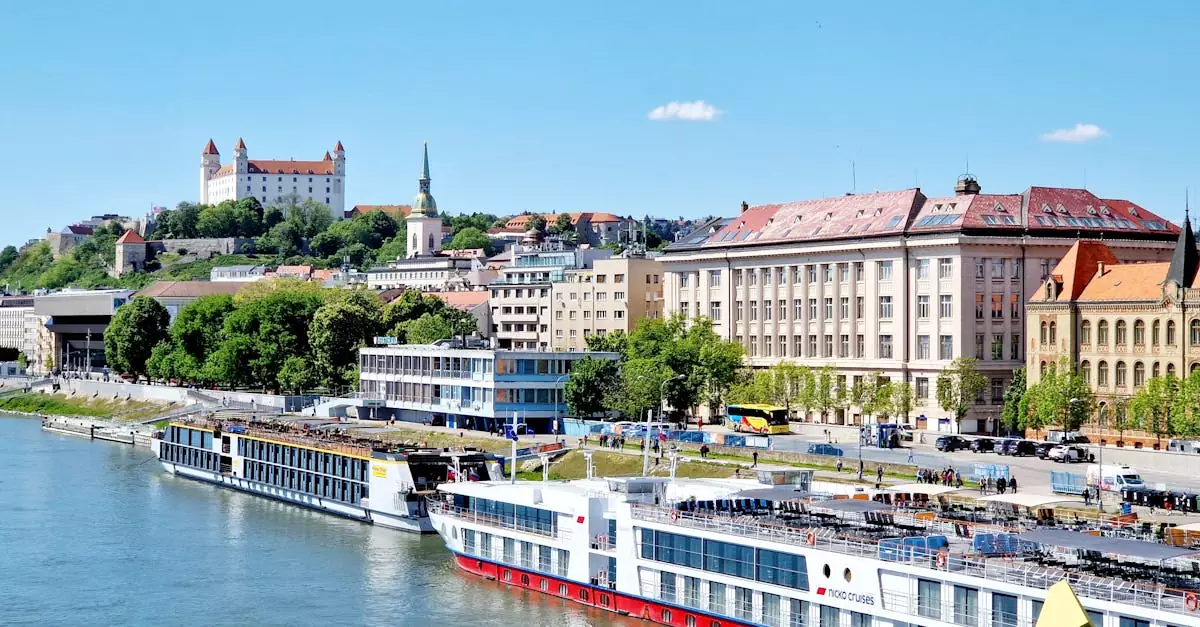
River cruising in Europe offers an intimate way to see the continent’s most iconic cities and picturesque landscapes. Unlike large ocean liners, river vessels navigate inland waterways, docking directly in the heart of towns and villages. This proximity allows for easy access to historical sites and a more immersive cultural experience. The best river cruises in Europe typically focus on a relaxed pace, combining comfortable onboard living with engaging shore excursions. Travelers can anticipate a high level of service, often with all-inclusive packages covering meals, drinks, and guided tours.
Onboard Amenities: From Gourmet Dining to Relaxing Lounges
Modern river cruise ships are designed for comfort and convenience, often resembling boutique hotels on water. Expect well-appointed staterooms, many with French balconies or full verandas offering direct views of the passing scenery. Dining is a highlight, with most lines featuring an elegant restaurant serving locally inspired cuisine and international favorites. Meal times are usually flexible, with options for open seating.
Beyond dining, onboard amenities often include a comfortable lounge or bar area, perfect for socializing or enjoying a pre-dinner cocktail. Many ships also offer a sundeck with seating and panoramic views, a small fitness room, and sometimes a boutique. Wi-Fi is generally available, though speeds can vary. The intimate size of these vessels, typically carrying between 100 and 200 passengers, fosters a friendly atmosphere.
Shore Excursions: Immersive Cultural Experiences
Shore excursions are the cornerstone of the European river cruise experience. Included in most fares, these guided tours offer a deep dive into the history, culture, and local life of the destinations visited. You might walk through ancient Roman ruins in Trier, Germany, explore medieval castles along the Rhine, or visit the charming canals of Amsterdam.
Most excursions are guided by local experts who provide insightful commentary. The pace is generally moderate, with options for more active or leisurely tours. Many lines also offer “gentle walker” groups and specialized tours focusing on culinary traditions or art. The advantage of river cruising is that the ship docks centrally, allowing you to begin your exploration immediately and minimizing travel time to attractions.
The Pace of Travel: Slow Exploration vs. Fast-Paced Sightseeing
River cruising is inherently a slower form of travel, allowing passengers to absorb their surroundings. The journey itself becomes part of the experience, with scenic cruising through picturesque valleys and alongside vineyard-covered hillsides. Many itineraries are designed to allow ample time in each port, typically a full day or even an overnight stay.
This unhurried approach contrasts with the often-frenetic pace of land-based tours. While some itineraries might cover significant distances, the daily schedule usually balances guided activities with free time. This allows travelers to revisit a favorite spot, browse local markets, or simply relax at a café and people-watch. It’s this blend of guided discovery and personal exploration that makes the best river cruises in Europe so appealing for those seeking a more relaxed yet enriching travel style.
Budgeting for Your European River Cruise Adventure
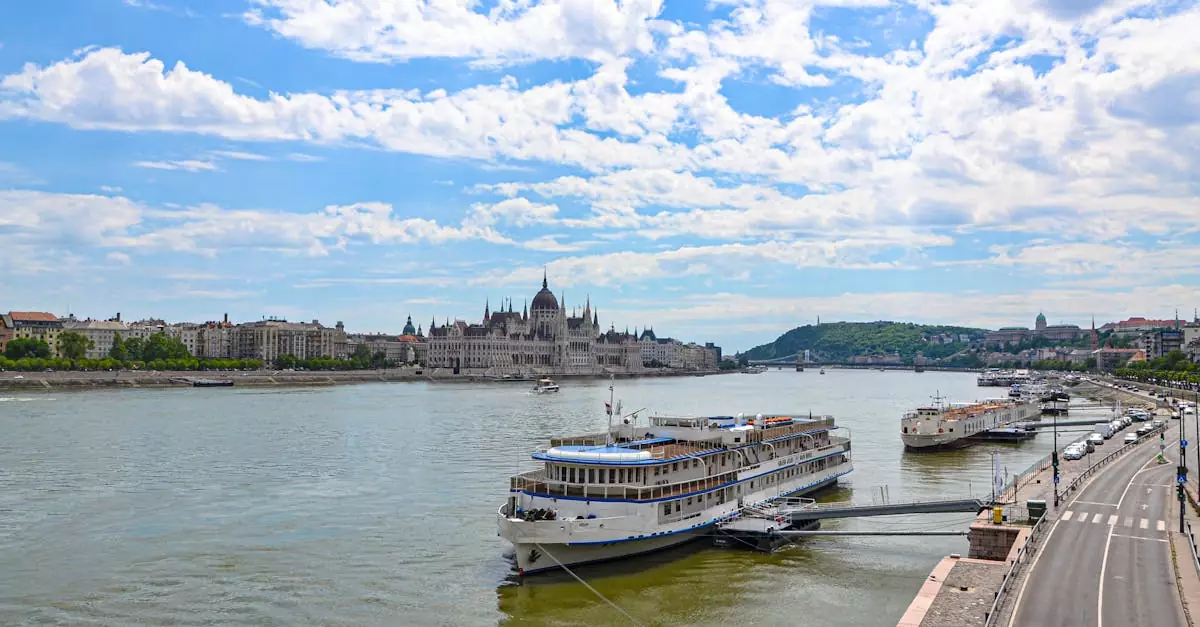
Planning a European river cruise involves understanding various costs to ensure a smooth journey. While many cruises offer an all-inclusive experience, anticipating additional expenses is crucial for accurate budgeting. Knowing when to book can also significantly impact the overall price, making early planning a wise strategy for securing the best value.
Understanding All-Inclusive vs. A La Carte Pricing
Most reputable European river cruise lines operate on an all-inclusive model, simplifying budgeting considerably. This typically covers your stateroom, all meals onboard (often in multiple dining venues), a selection of alcoholic and non-alcoholic beverages, Wi-Fi, and a daily schedule of shore excursions in each port of call. Some lines also include gratuities for onboard staff and even airport transfers.
However, the definition of “all-inclusive” can vary between companies. It’s essential to scrutinize what’s included before booking. For instance, premium wines or spirits might incur extra charges, and not all excursions may be part of the base fare; some might be optional upgrades. A la carte pricing, while less common for the main cruise fare, might apply to specialty dining rooms, spa treatments, or optional, more in-depth excursions. Always confirm the specifics with your chosen cruise line or travel agent to avoid surprises.
Estimating Additional Costs: Flights, Tips, and Personal Spending
Beyond the cruise fare itself, several other costs need factoring into your travel budget. International flights to your embarkation city and from your disembarkation city are often the largest additional expense. Prices fluctuate based on your departure location, time of year, and how far in advance you book.
While many lines include gratuities, it’s wise to confirm this. If not included, budget approximately €15-€20 per person, per day for tips for the captain, crew, and guides. Personal spending money is also a significant consideration. This covers souvenirs, impulse purchases in port, optional activities not included in the itinerary, and any meals or drinks you might consume off the ship. A reasonable estimate for personal spending might range from €50 to €100 per person, per day, depending on your shopping habits and desired experiences.
Finding Value: When to Book for the Best Deals on River Cruises
Securing the best value for your European river cruise often comes down to timing. Booking early, typically 6 to 12 months in advance, is generally recommended. This not only provides the widest selection of itineraries and stateroom categories but also often unlocks early booking discounts and special offers from cruise lines. These promotions can include reduced deposits, onboard credits, or complimentary upgrades.
The shoulder seasons—spring (April-May) and fall (September-October)—can also offer better pricing compared to the peak summer months (June-August). Traveling during these periods often means fewer crowds, pleasant weather, and potentially lower airfare to Europe. For instance, a spring cruise along the Rhine might coincide with blooming tulips, while an autumn journey on the Danube could offer stunning fall foliage. Avoiding major holidays and school vacation periods can also lead to more economical travel arrangements. Consider researching specific cruise line promotions and working with a travel advisor who specializes in river cruises; they often have access to exclusive deals or insights into when prices are likely to drop.
Choosing the Right Cruise Line for Your European Experience
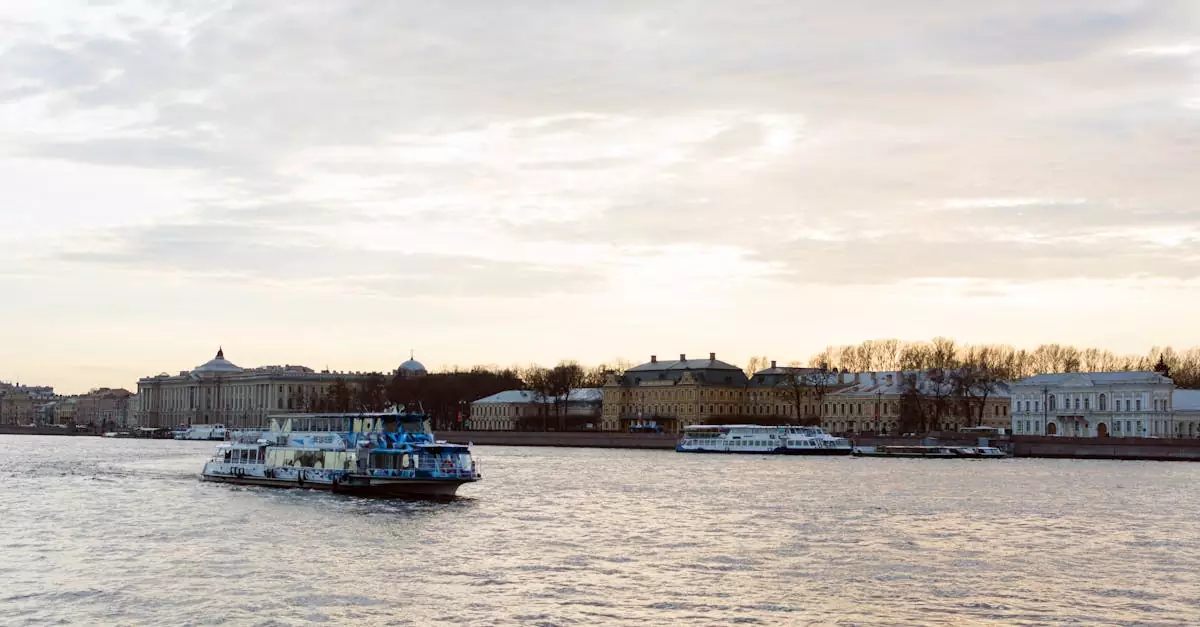
Selecting the best river cruise line in Europe depends on your travel style, budget, and desired onboard experience. Each company offers a distinct approach to exploring the continent’s waterways, from cultural immersion to active adventures and luxury. Understanding these differences is key to finding a journey that resonates.
Viking River Cruises: Renowned for Cultural Immersion
Viking River Cruises has built a reputation for its focus on cultural enrichment and destination-intensive itineraries. Their ships resemble floating boutique hotels, emphasizing a deep understanding of the places visited. Excursions are a significant part of the Viking experience, often including guided tours in every port, along with special access opportunities like private concerts or historical site visits.
The onboard atmosphere is sophisticated yet relaxed, attracting a demographic that values learning and authentic experiences. Viking’s programming often includes lectures, cooking demonstrations, and local entertainment that relate to the region being explored. This makes them a top choice for travelers seeking to engage meaningfully with European heritage.
AmaWaterways: Focusing on Active Excursions and Gourmet Food
For travelers who prefer a more active approach to their European river journey and have a discerning palate, AmaWaterways stands out. This line is particularly known for its complimentary “Sip & Sail” happy hour and commitment to culinary excellence, often featuring locally sourced ingredients and regional specialties prepared by acclaimed chefs.
AmaWaterways also differentiates itself with extensive included excursions, many designed for active participation. This includes guided hiking and biking tours through picturesque landscapes and charming villages, catering to guests who want to burn off some delicious calories. They frequently offer multiple excursion options in each port, allowing guests to choose an activity that best suits their fitness level and interests.
Avalon Waterways: Offering Panoramic View Suites
Avalon Waterways appeals to travelers who appreciate innovative ship design and expansive views. Their signature “Panorama Suites” are a major draw, featuring an open-living concept with an extended sitting area and beds facing the windows, allowing guests to enjoy the passing scenery from their stateroom. This design maximizes the visual experience of cruising through iconic European landscapes.
Beyond the suites, Avalon offers a well-rounded experience with a good balance of included excursions and free time. They often provide a choice of touring styles, from gentle walking tours to more in-depth cultural explorations, ensuring there’s something for everyone. The ships themselves are modern and comfortable, providing a serene base for exploration.
Uniworld Boutique River Cruises: Luxury and All-Inclusive Opulence
Uniworld Boutique River Cruises positions itself at the pinnacle of luxury river travel, offering an all-inclusive experience that covers virtually every aspect of the journey. Their ships are uniquely decorated with exquisite art and antiques, giving them the feel of a luxurious floating mansion rather than a standard cruise vessel. This commitment to opulent design extends to the service, which is highly personalized and attentive.
The all-inclusive nature of Uniworld means that gratuities, fine wines and spirits, gourmet dining, and most shore excursions are included in the upfront fare. This simplifies budgeting and allows guests to immerse themselves in the experience without constant consideration of extra costs. For travelers seeking an indulgent and pampered journey through Europe’s waterways, Uniworld provides an unparalleled level of sophistication and service.
Frequently Asked Questions About Europe’s Best River Cruises
What is the best time of year for a European river cruise?
The most popular time for a European river cruise is during the spring and fall. April through June offers blooming landscapes and pleasant temperatures, perfect for exploring cities like Amsterdam or Budapest. Autumn, from September to October, brings vibrant foliage and fewer crowds, ideal for scenic journeys along the Rhine or Danube.
Summer (July-August) is also a good option, with warm weather suitable for enjoying outdoor activities. However, this peak season can mean higher prices and more people at popular attractions. Winter cruises, particularly around the Christmas market season (late November-December), offer a unique, festive experience with charming decorations and a cozy atmosphere.
Are river cruises suitable for families with children?
While many European river cruises cater primarily to adults, some lines offer family-friendly itineraries or specific departures designed for multi-generational travel. These often include activities appealing to younger guests, such as historical scavenger hunts, onboard entertainment, or excursions tailored to children’s interests.
It’s essential to research specific cruise lines and their policies regarding children. Some ships may have age restrictions or limited amenities for younger travelers. Generally, river cruises are most enjoyable for families with older children or teenagers who can appreciate the cultural and historical aspects of the journey.
What should I pack for a European river cruise?
Packing for a European river cruise involves balancing comfort with smart casual attire. Days are typically relaxed, with comfortable walking shoes being essential for shore excursions. Evenings usually call for smart casual wear; think slacks or skirts with blouses or collared shirts. Some cruise lines may have a “Captain’s Dinner” or a more formal evening, where a jacket for men and a dress or nice separates for women would be appropriate.
Consider the season and specific regions you’ll be visiting. Layers are always a good idea for changing weather. Don’t forget essentials like:
- Comfortable walking shoes
- Smart casual outfits for evenings
- Sunscreen and a hat (especially in summer)
- A light rain jacket or umbrella
- Any necessary medications
- A portable power bank for charging devices on the go
How much should I tip on a European river cruise?
Tipping practices can vary slightly between cruise lines, but a general guideline for European river cruises is to tip the service staff at the end of your journey. Most lines suggest a daily per-person amount, which is often automatically added to your onboard account. If it’s not included, you can usually settle this with guest services before disembarking.
A common recommendation is around €10-€15 per person, per day, for the cabin steward and dining room staff. This covers the crew members who provide direct service throughout your trip. It’s advisable to check your cruise line’s specific tipping policy, as some may include gratuities in the fare or have different recommendations. You might also consider a small additional tip for exceptional service.