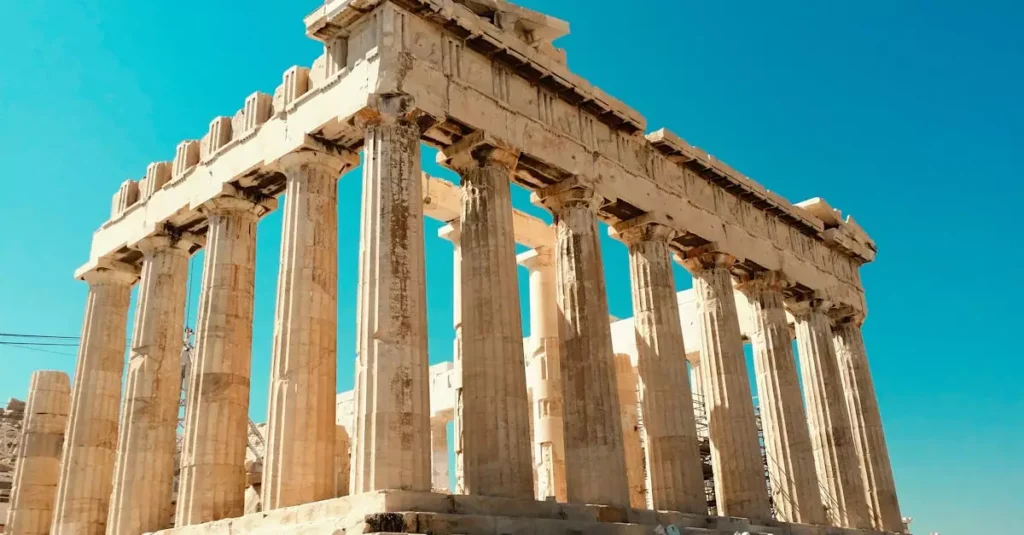
Discovering the best experiences in Greece offers a journey through millennia of history, breathtaking natural beauty, and vibrant culinary traditions. This guide will help you navigate the diverse offerings, from sun-drenched islands to the ancient heart of the mainland. You’ll learn how to craft an unforgettable island-hopping itinerary, uncover the secrets of iconic archaeological sites, and savor authentic Greek cuisine. Whether you’re drawn to the dramatic sunsets of Santorini, the historic charm of Rhodes, or the philosophical echoes of Athens, this exploration provides essential insights for planning a truly memorable Greek adventure. Prepare to immerse yourself in a land where ancient wonders meet modern delights.
Unforgettable Island Adventures: Your Greek Island Hopping Guide
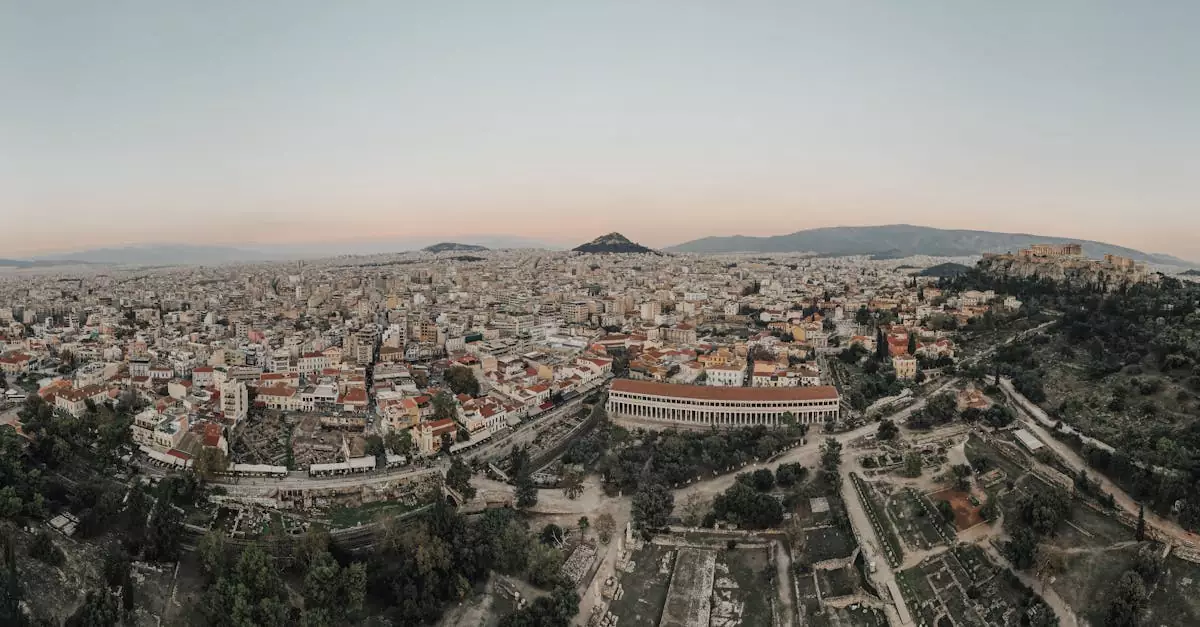
Island hopping is a quintessential Greek experience, presenting a diverse tapestry of landscapes, cultures, and activities. From iconic volcanic vistas to secluded beaches, planning your island itinerary is crucial for unlocking the best experiences in Greece. Consider your travel style and priorities when choosing which islands to visit, as each has its own unique charm.
Santorini’s Caldera Views: Oia Sunset vs. Fira Exploration
Santorini, arguably Greece’s most famous island, captivates with its dramatic caldera cliffs and whitewashed villages. Oia is celebrated for its breathtaking sunsets, drawing crowds to its narrow streets and cliffside viewpoints. While Oia offers postcard-perfect panoramas, Fira, the island’s capital, provides a bustling atmosphere with abundant shops, restaurants, and museums.
For the ultimate sunset spectacle, arrive in Oia well before dusk, as prime viewing spots fill up quickly. Alternatively, exploring Fira offers a different perspective on the caldera, with opportunities to visit the Museum of Prehistoric Thera or take a cable car down to the old port. Both villages boast stunning views, but their ambiance and visitor experiences differ significantly.
Mykonos Beaches: Paradise Found at Psarou and Elia
Mykonos is synonymous with vibrant nightlife and stunning beaches. Psarou Beach is a chic destination, known for its upscale beach clubs and crystal-clear waters, attracting a stylish crowd. For a more expansive and equally beautiful setting, Elia Beach offers a longer stretch of sand, popular for those seeking a lively yet relaxed beach day.
Getting to these beaches is straightforward. Local buses connect Mykonos Town to most major beaches, including Psarou and Elia. Taxis are readily available, although they can be pricier. Renting an ATV or scooter provides flexibility for exploring other coves and less crowded shores around the island.
Crete’s Diverse Landscapes: Samaria Gorge Trek & Elafonissi Pink Sand
Crete, the largest Greek island, boasts a remarkable variety of natural beauty. The Samaria Gorge offers an epic trekking adventure, one of Europe’s longest canyons, requiring a full day to navigate its challenging yet rewarding path. For a contrasting experience, head west to Elafonissi, famous for its unique pink-hued sand and shallow, turquoise lagoon.
When planning a trip to Crete, consider its size. The island is vast, and travel between key attractions can take time. If hiking the Samaria Gorge, ensure you are prepared with sturdy footwear, ample water, and sun protection. Elafonissi is best visited during warmer months, and its shallow waters make it a family-friendly destination.
Lesser-Known Gems: Milos’ Sarakiniko Beach & Folegandros’ Chora
Beyond the popular islands, Greece offers hidden treasures. Milos is celebrated for Sarakiniko Beach, a lunar-like landscape of smooth white volcanic rock formations sculpted by the sea. It’s a surreal and photogenic spot, unlike any other beach in the Cyclades. For a taste of authentic island life, Folegandros’ Chora, perched dramatically on a cliff edge, offers a charming labyrinth of narrow streets, traditional tavernas, and stunning Aegean vistas without the crowds of its more famous neighbors.
These less-trafficked islands provide a tranquil Greek island-hopping experience. Reaching Milos and Folegandros typically involves ferry travel from Athens or other nearby islands. Their smaller size means they are easily navigable on foot or by local bus, allowing for a relaxed pace of discovery.
Stepping Back in Time: Essential Ancient Greek Sites
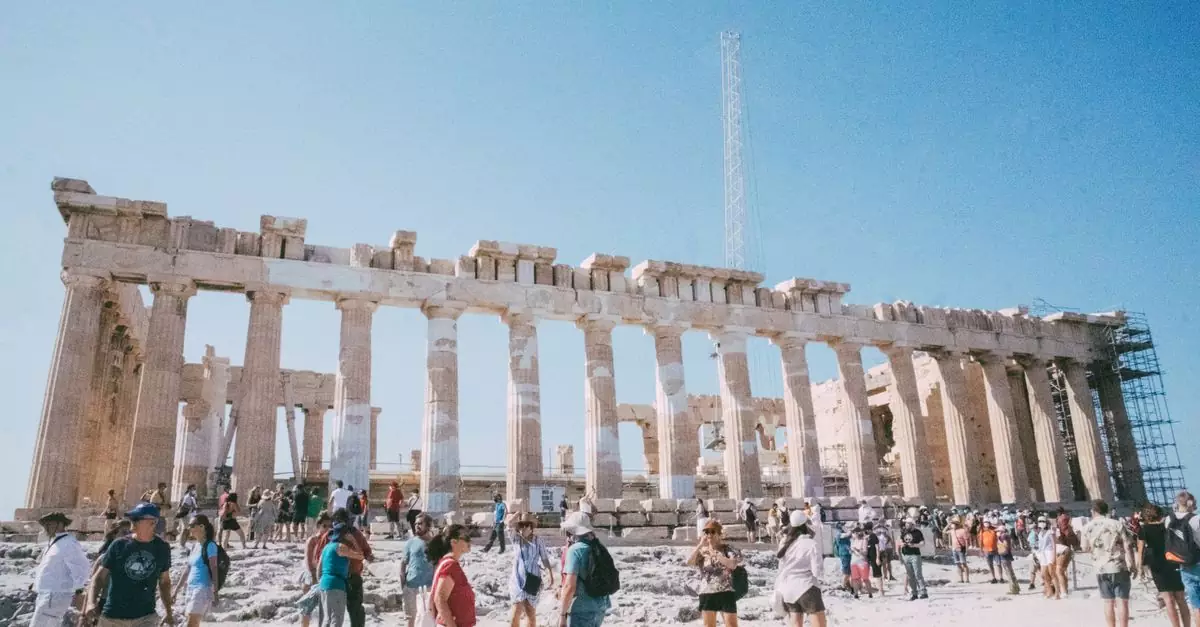
Greece offers an unparalleled journey into the cradle of Western civilization. Exploring its ancient ruins provides a tangible connection to the myths, philosophies, and historical events that shaped the world. These sites are not merely relics; they are vibrant testaments to human ingenuity and artistic achievement.
Athens Acropolis & Parthenon: A Journey Through Classical History
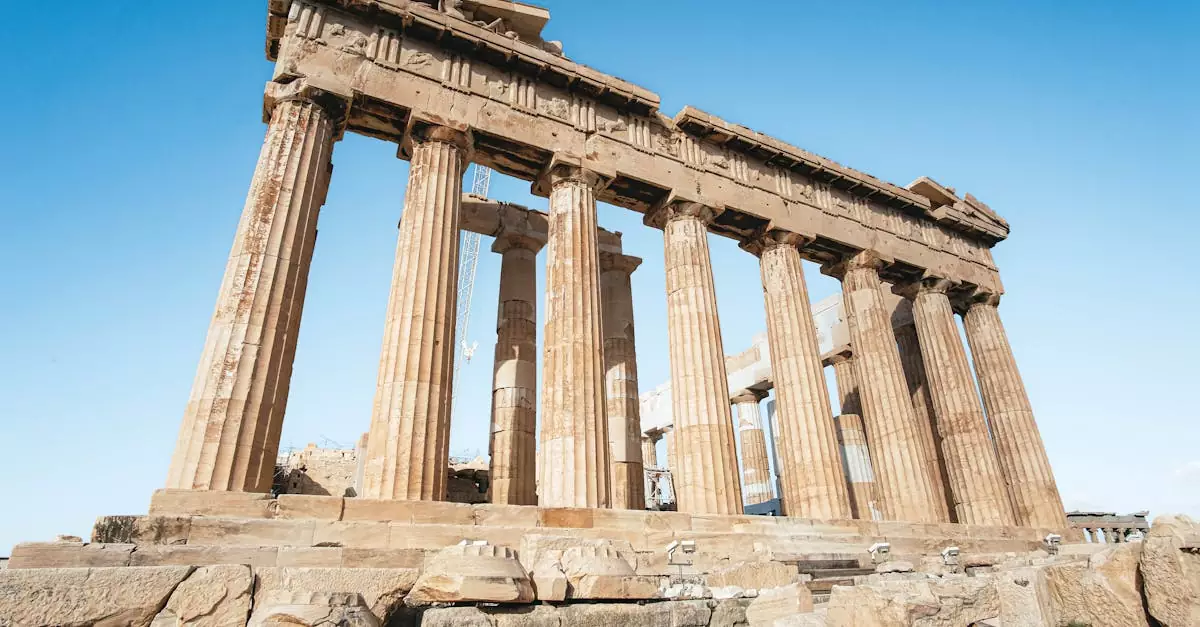
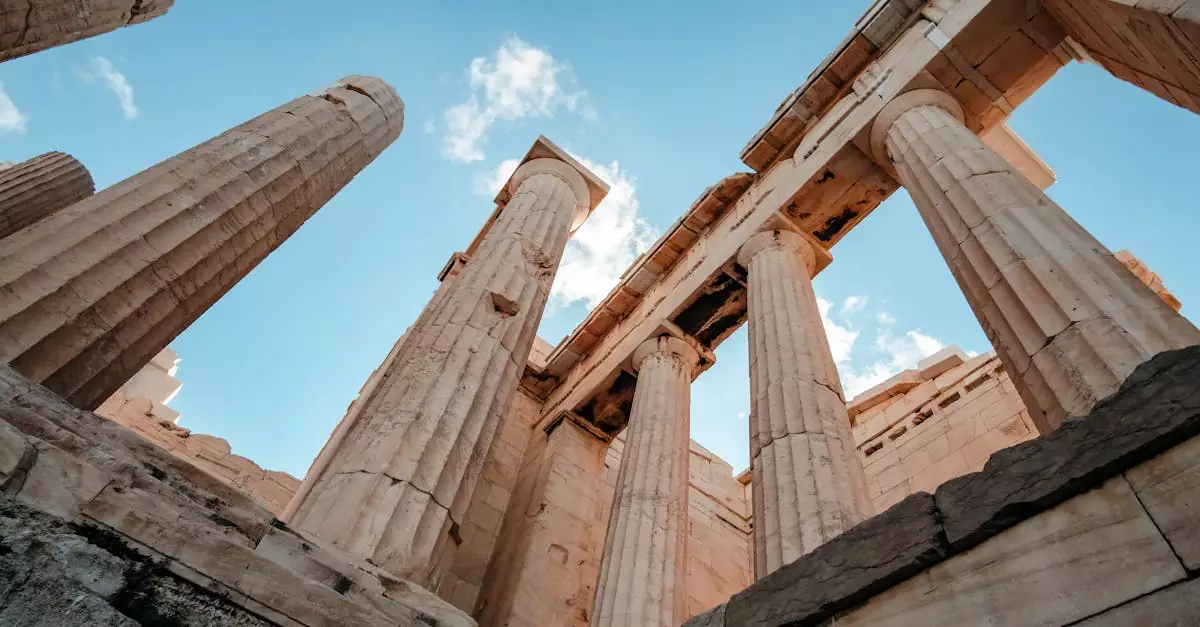
No visit to Greece is complete without standing before the Acropolis in Athens. This iconic citadel, perched high above the bustling city, is home to several architectural marvels, most notably the Parthenon. Dedicated to the goddess Athena, this Doric temple is a masterpiece of classical design, showcasing intricate sculptures and precise construction.
Allow at least half a day to explore the Acropolis complex. Arrive early in the morning or late in the afternoon to avoid the largest crowds and the midday sun, especially during summer. Comfortable walking shoes are essential, as the terrain is uneven. Consider purchasing a combined ticket if you plan to visit other archaeological sites in Athens, such as the Ancient Agora or Hadrian’s Library.
Delphi: Oracle of the Ancient World
Nestled on the slopes of Mount Parnassus, Delphi was once considered the center of the world by ancient Greeks. It was here that the Oracle of Apollo dispensed cryptic prophecies, drawing pilgrims and leaders from across the known world. The site’s dramatic natural setting enhances its mystical aura.
Visiting Delphi involves a scenic drive from Athens, approximately two to three hours. You can opt for a guided tour, which often includes transportation and insightful commentary, or rent a car for more flexibility. The archaeological site includes the Temple of Apollo, the ancient theater, and the stadium, all offering breathtaking views.
| Aspect | Description |
|---|---|
| Location | Mount Parnassus, Central Greece |
| Travel Time | ~2.5 hours from Athens |
| Key Sites | Temple of Apollo, Ancient Theater, Stadium, Museum |
| Best Time | Spring (April-May) or Autumn (September-October) |
Mycenae & Epidaurus: Peloponnese’s Archaeological Treasures
The Peloponnese peninsula is rich with history, and Mycenae and Epidaurus stand out as essential stops. Mycenae, the legendary home of King Agamemnon, boasts impressive Cyclopean walls and the iconic Lion Gate, offering a glimpse into the Bronze Age Mycenaean civilization.
Nearby, the Sanctuary of Asclepius at Epidaurus is renowned for its remarkably preserved ancient theater. The acoustics here are legendary; a whisper from the stage can be heard in the uppermost seats. This site provides unique insight into ancient Greek medicine and entertainment.
Getting to these sites typically requires a car rental or joining a guided tour from Athens or nearby Nafplio. The drive through the Peloponnese countryside is beautiful. You can often visit both Mycenae and Epidaurus in a single day trip, though staying overnight in charming Nafplio allows for a more relaxed pace.
Savoring Greece: Must-Try Local Foods and Dining Experiences
The culinary landscape of Greece offers a vibrant tapestry of flavors, deeply rooted in fresh, seasonal ingredients and time-honored traditions. Engaging with these tastes is one of the most rewarding aspects of experiencing Greece. From hearty main courses to refreshing drinks, a journey through Greek cuisine is as essential as visiting its ancient sites or island hopping.
Moussaka and Souvlaki: Iconic Greek Dishes You Can’t Miss
No exploration of Greek food is complete without indulging in its most famous dishes. Moussaka, a rich, layered casserole of eggplant, minced meat (often lamb or beef), and a creamy béchamel sauce, is a comforting staple. Tasting an authentic, slow-baked moussaka in a family-run taverna is a true delight. Equally beloved is souvlaki, skewers of grilled marinated meat (pork, chicken, or lamb) typically served in warm pita with tomato, onion, and tzatziki sauce. Look for stalls in bustling city squares or small village eateries for the most authentic renditions.
Fresh Seafood by the Aegean Sea: Taverna Dining in Coastal Villages
Dining by the sea is a quintessential Greek experience. Coastal villages and islands boast an abundance of fresh seafood, often caught that very day. Imagine sitting at a simple taverna with tables practically on the sand, the gentle sound of waves accompanying your meal. Grilled octopus, calamari, and freshly caught fish like sea bream (tsipoura) or sea bass (lavraki) are common offerings, usually simply prepared with olive oil, lemon, and herbs to highlight their natural flavors. This relaxed dining style is central to the Greek way of life.
Exploring Athens’ Central Market (Varvakios Agora)
For a true immersion into Athenian culinary life, a visit to the Varvakios Agora is a must. This bustling central market is a sensory overload in the best possible way. The meat market section, with its vibrant displays, and the fish market, alive with the day’s catch, are fascinating to observe. Wander through the surrounding stalls selling fresh produce, olives, herbs, spices, and local cheeses. Many small eateries and cafes are located within or around the market, offering simple, delicious meals made with the freshest ingredients. It’s a fantastic place to sample local delicacies and soak in the energetic atmosphere.
Ouzo and Local Wines: Traditional Greek Drinks
Beyond the food, Greek beverages play a significant role in social gatherings and meals. Ouzo, the anise-flavored aperitif, is iconic. Often served with ice and water, it turns cloudy and milky, a signature characteristic. Enjoy it slowly, paired with small mezedes (appetizers) like olives, feta cheese, or fried calamari. Greece boasts a long history of winemaking, with diverse indigenous grape varietals producing excellent red, white, and rosé wines. Regions like Santorini, Nemea, and Crete are renowned for their distinctive wines. Sampling local wines at a taverna or visiting a vineyard can deepen your appreciation for the country’s viticultural heritage.
Beyond the Mainland: Exploring the Dodecanese and Ionian Islands
Greece’s allure extends far beyond its mainland, with its islands offering distinct experiences and breathtaking beauty. The Dodecanese and Ionian archipelagos, in particular, provide a captivating mix of history, natural wonders, and unique cultural influences. Planning an island-hopping adventure across these regions can reveal some of the most memorable experiences in Greece.
Rhodes’ Medieval City and Lindos Acropolis
Rhodes, the largest of the Dodecanese islands, is a treasure trove of history. Its UNESCO-listed Medieval Old Town, a remarkably preserved medieval city, transports visitors back to the era of the Knights of St. John. Wandering through its cobblestone streets, you’ll encounter the Palace of the Grand Master and the Street of the Knights, offering a tangible connection to the past.
A short journey south reveals the stunning Acropolis of Lindos. Perched atop a dramatic cliff overlooking the azure Aegean Sea, this ancient site offers panoramic views and a glimpse into classical Greek civilization. The climb to the acropolis is rewarding, with the ruins themselves providing a sense of awe.
Getting to Rhodes: Rhodes International Airport (RHO) connects the island to Athens and many European cities. Ferries from Piraeus (Athens) and other islands are also available, though journeys can be lengthy.
Best time to visit: Spring (April-May) and autumn (September-October) offer pleasant weather for exploring without the peak summer crowds and heat.
Corfu’s Venetian Architecture and Palaces
The Ionian island of Corfu boasts a distinctly Italian flair, a legacy of its long Venetian rule. Corfu Town, another UNESCO World Heritage site, features elegant arcades, narrow labyrinthine alleys, and grand Venetian-style buildings. The Old Fortress and New Fortress stand as imposing reminders of its strategic importance.
Beyond the town, explore the opulent Achilleion Palace, built for Empress Elisabeth of Austria, with its mythological statues and beautiful gardens. The island’s lush green interior and picturesque coves add to its charm, making it a diverse destination for travelers.
Getting to Corfu: Corfu International Airport (CFU) has numerous flights from European cities. Ferries operate from mainland Greece (Igoumenitsa and Patras) and Albania.
Traveler tip: Renting a car or scooter is highly recommended for exploring Corfu’s diverse landscapes and reaching its more secluded beaches.
Zakynthos’ Shipwreck Beach (Navagio) and Blue Caves
Zakynthos, also in the Ionian Sea, is famed for its iconic Navagio Beach, or Shipwreck Beach. Accessible primarily by boat, this stunning cove features a rusty shipwreck dramatically resting on white sands, framed by towering limestone cliffs and impossibly blue waters. While swimming is often restricted due to safety concerns, the visual spectacle is unparalleled.
Nearby, the island’s Blue Caves offer another natural marvel. Boat tours take visitors through these sea caves, where sunlight refracts through the water, creating an ethereal, glowing blue effect. These experiences highlight the raw, natural beauty found across the Greek islands.
Logistics for Navagio: Boat trips to Shipwreck Beach depart from various points on the island, including Porto Vromi and Agios Nikolaos. It’s advisable to book in advance during peak season.
Island comparison:
| Feature | Rhodes (Dodecanese) | Corfu (Ionian) | Zakynthos (Ionian) |
|---|---|---|---|
| Vibe | Historical, medieval, grand | Elegant, Venetian, green | Natural beauty, dramatic coast |
| Key Sights | Medieval City, Lindos Acropolis | Venetian Old Town, Palaces | Shipwreck Beach, Blue Caves |
| Accessibility | Good flight connections | Good flight and ferry links | Good flight and ferry links |
| Best For | History buffs, culture lovers | Relaxation, scenic drives | Photographers, nature admirers |
What’s the Best Time to Experience the Best of Greece?

Choosing the right time to visit Greece significantly impacts your experience, from the bustling energy of the islands to the tranquility of ancient sites. Each season offers a unique perspective on the country’s diverse offerings, influencing everything from weather and crowds to prices and available activities. Understanding these seasonal shifts helps in planning a trip that aligns with your priorities, whether you seek sun-drenched beaches or a more introspective journey through history.
Spring (April-May): Wildflowers and Pleasant Temperatures
Spring is a fantastic period for exploring Greece, especially if you prefer comfortable weather and fewer crowds. The landscape bursts into vibrant color with wildflowers blooming across the mainland and islands, creating a picturesque backdrop for sightseeing. Temperatures are mild, typically ranging from 15°C to 25°C (59°F to 77°F), ideal for walking through ancient ruins like the Acropolis in Athens or hiking in regions like Crete.
Island hopping in spring is also rewarding. Ferries operate on a more regular schedule than in winter, though not yet at their full summer frequency. You’ll find many tavernas and shops open, particularly on popular islands, but without the intense summer rush. This shoulder season offers a more authentic glimpse into local life, and accommodation prices are generally lower than in peak summer, providing better value.
| Month | Avg. Temperature (°C) | Avg. Temperature (°F) | Crowds | Notes |
|---|---|---|---|---|
| April | 15-20 | 59-68 | Low to Moderate | Wildflowers, Easter celebrations possible |
| May | 20-25 | 68-77 | Moderate | Pleasant for outdoor activities, sea warming |
Summer (June-August): Peak Season for Beaches and Island Life
Summer is synonymous with Greece’s famed islands, sunshine, and vibrant beach culture. This is the high season, attracting the largest number of international and domestic tourists. Expect warm to hot temperatures, with averages often exceeding 30°C (86°F) and frequently climbing higher, especially in July and August. The Aegean Sea is warm and inviting, perfect for swimming, sunbathing, and water sports.
Island hopping is at its most dynamic during summer, with an extensive network of ferries connecting nearly every inhabited island. However, this popularity comes with significant crowds and higher prices for flights, ferries, and accommodations. Booking well in advance is crucial, especially for popular destinations like Santorini, Mykonos, and the Ionian islands. Evenings are lively, with beach bars, restaurants, and nightlife in full swing. While perfect for those seeking a quintessential Mediterranean summer, be prepared for heat and bustling environments.
Autumn (September-October): Shoulder Season for Fewer Crowds and Mild Weather
Autumn offers a sweet spot for experiencing Greece, combining pleasant weather with a noticeable drop in tourist numbers. The intense summer heat subsides, with temperatures in September still warm enough for swimming and comfortable for exploring historical sites. By October, temperatures cool to a mild 15°C to 25°C (59°F to 77°F), ideal for leisurely walks and sightseeing without the oppressive summer sun.
The sea remains warm well into September, and often early October, making it a great time for a final dip. Many islands and coastal towns continue to operate with most businesses open, though some may begin to wind down towards the end of October. This period is excellent for budget-conscious travelers, as prices for flights and accommodations typically decrease. It provides a more relaxed pace for enjoying the Greek islands and mainland attractions. For those interested in historical exploration, autumn provides an unhurried way to visit sites across Europe.
Frequently Asked Questions About Greece Travel
How do I get around between Greek islands?
Navigating the Greek archipelago is a highlight for many travelers, offering diverse island experiences. Ferries are the most common and scenic way to travel between islands, with options ranging from slow, large ferries with amenities to faster, smaller catamarans. Booking tickets in advance, especially during peak season (June to August), is highly recommended.
For longer distances or to save time, domestic flights are available from Athens to major islands like Crete, Rhodes, and Santorini. This can be a more expensive but significantly faster option.
| Transportation Method | Typical Travel Time (Athens to Mykonos) | Approximate Cost (One Way) | Best For |
|---|---|---|---|
| Ferry (Conventional) | 5-7 hours | €40-€70 | Budget travelers, scenic journeys |
| Ferry (High-Speed) | 2.5-3.5 hours | €60-€90 | Time-conscious travelers, comfort |
| Domestic Flight | 45 minutes | €70-€150+ | Maximum time efficiency, remote islands |
What is the best way to budget for a trip to Greece?
Budgeting for a trip to Greece depends heavily on your travel style, the islands you visit, and the time of year. Generally, the Cyclades, particularly Santorini and Mykonos, are the most expensive. Islands like Crete, Rhodes, and Corfu offer a wider range of accommodation and dining options, often at more moderate prices. Traveling during the shoulder seasons (April-May and September-October) can significantly reduce costs for flights and accommodation.
Eating at local tavernas away from main tourist strips, utilizing public transport where available, and opting for self-catering apartments can help control daily expenses. For a moderate budget, expect to spend around €80-€150 per person per day, excluding flights.
Are there any common tourist scams to be aware of in Greece?
While Greece is a very safe destination, like anywhere, some minor scams can occur. Be wary of individuals approaching you offering unsolicited “help” with luggage at ferry ports or airports, as they may expect a hefty tip. Always confirm prices before ordering food or drinks at cafes, especially in very touristy areas where menus might not always be clear.
Some taxi drivers might try to overcharge tourists; ensure the meter is running or agree on a price beforehand for longer rides. Genuine interactions with locals are a hallmark of Greek hospitality, so trust your instincts if something feels off.
What should I pack for a trip to Greece?
Packing for Greece involves balancing comfort, style, and the Mediterranean climate. Lightweight, breathable clothing is essential, especially for summer travel.
- Clothing: Pack sundresses, shorts, t-shirts, light trousers, and swimwear. A light jacket or sweater is advisable for cooler evenings, particularly in spring and autumn, or on ferry journeys.
- Footwear: Comfortable walking shoes are crucial for exploring ancient ruins and cobblestone streets. Sandals or flip-flops are great for beaches.
- Sun Protection: A wide-brimmed hat, sunglasses, and high SPF sunscreen are non-negotiable.
- Essentials: A reusable water bottle, a small backpack for day trips, and any necessary medications. Consider a travel adapter if your electronics use different plug types.
- Documents: Keep copies of your passport and important bookings separate from the originals.