Dreaming of dramatic coastlines, unique cultures, and adventures under the Arctic sky? Planning a trip to the best Nordic islands offers an escape unlike any other, blending raw natural beauty with rich history. These scattered gems across the North Atlantic and Arctic Oceans beckon travelers seeking more than just a typical European vacation.
This guide will help you discover what makes these islands special. You’ll learn about breathtaking landscapes, from Iceland’s geothermal wonders to Norway’s majestic fjords, and delve into the fascinating Viking heritage that shaped their identity. We’ll also explore incredible opportunities for wildlife spotting and outdoor activities, ensuring your journey is filled with unforgettable experiences. Get ready to uncover the distinct charm and adventure awaiting you on the Nordic islands.
Why Choose the Best Nordic Islands for Your Next Escape?
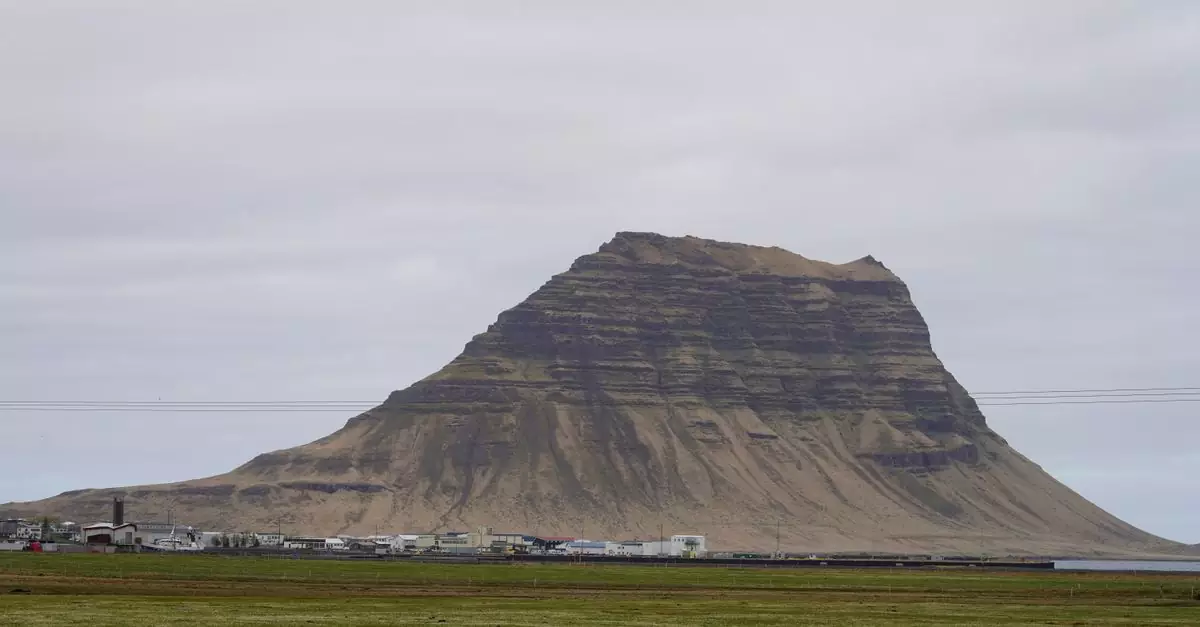
The allure of the Nordic islands draws travelers seeking dramatic landscapes, rich heritage, and unparalleled natural phenomena. These destinations, scattered across the North Atlantic and Arctic Oceans, offer a distinct experience far removed from typical European getaways. Planning a trip to the best Nordic islands means embracing adventure and a connection with the raw power of nature.
Unique Arctic Landscapes and Natural Wonders
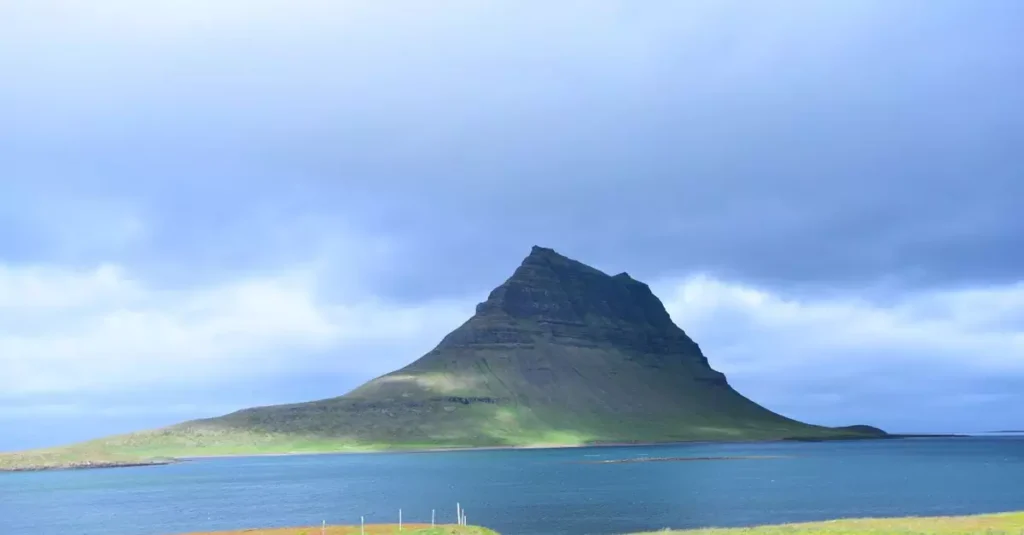
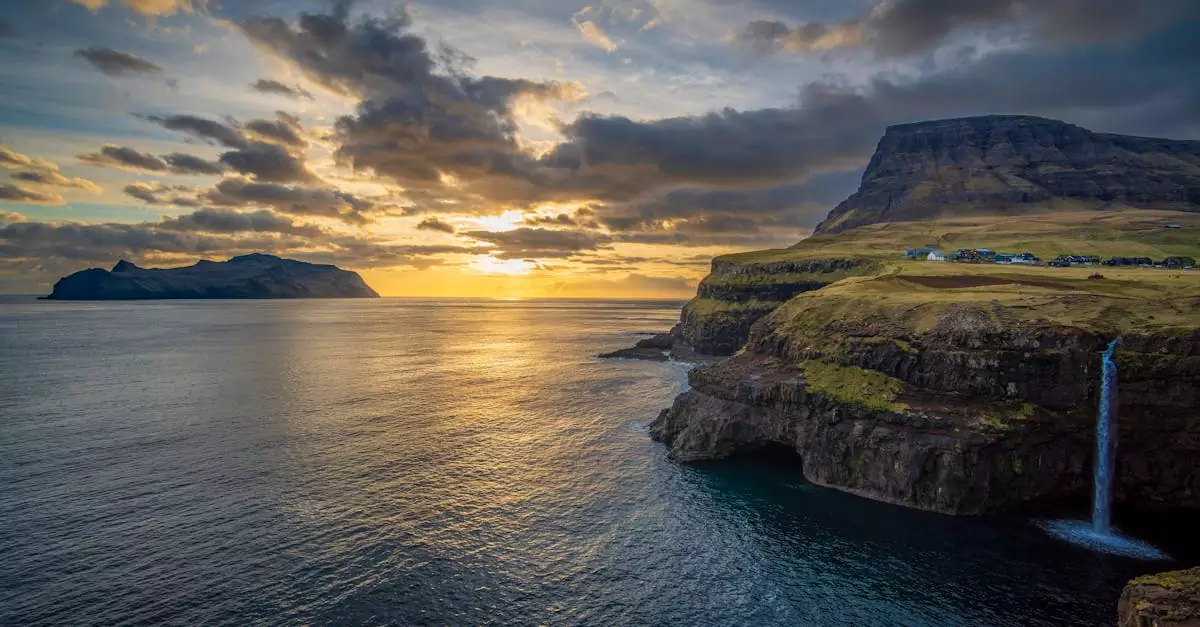
The defining characteristic of the best Nordic islands is their spectacular and often otherworldly scenery. Picture the volcanic dynamism of Iceland, with its geysers, hot springs, and black sand beaches, or the rugged fjords and towering cliffs of the Faroe Islands. Norway’s Lofoten Islands present a striking contrast of jagged peaks rising directly from the sea, interspersed with picturesque fishing villages. These islands are also prime locations for witnessing the Northern Lights, a celestial ballet of color that illuminates the winter skies, particularly from September to April. Experiencing these natural wonders firsthand provides a profound sense of awe and a unique perspective on our planet’s geological forces.
Rich Viking History and Cultural Experiences
Beyond their natural beauty, the best Nordic islands are steeped in a fascinating Viking past. Traces of this era are visible in ancient ruins, museums, and local traditions that have persevered for centuries. Visitors can explore Viking ship museums in Norway, walk through historical settlements in Iceland, or immerse themselves in the unique culture of the Faroe Islands, where music and storytelling play a vital role. Engaging with this heritage offers a deeper understanding of the resilient spirit of the people who have called these islands home for generations. The local cuisine, often featuring fresh seafood and traditional preparations, further enriches the cultural experience.
Opportunities for Wildlife Spotting and Outdoor Activities
For nature enthusiasts and active travelers, the best Nordic islands are a paradise. Birdwatchers will find abundant opportunities to spot puffins, gannets, and other seabirds nesting on dramatic cliff faces, especially during the summer months. Marine life is equally impressive, with chances to see whales, seals, and dolphins on boat tours or even from shore. Hiking trails wind through breathtaking landscapes, offering various levels of difficulty and rewarding vistas. Whether kayaking through serene fjords, cycling along coastal roads, or embarking on a challenging mountain trek, these islands provide endless avenues for outdoor adventure and unforgettable wildlife encounters.
Top Picks for the Best Nordic Islands to Visit
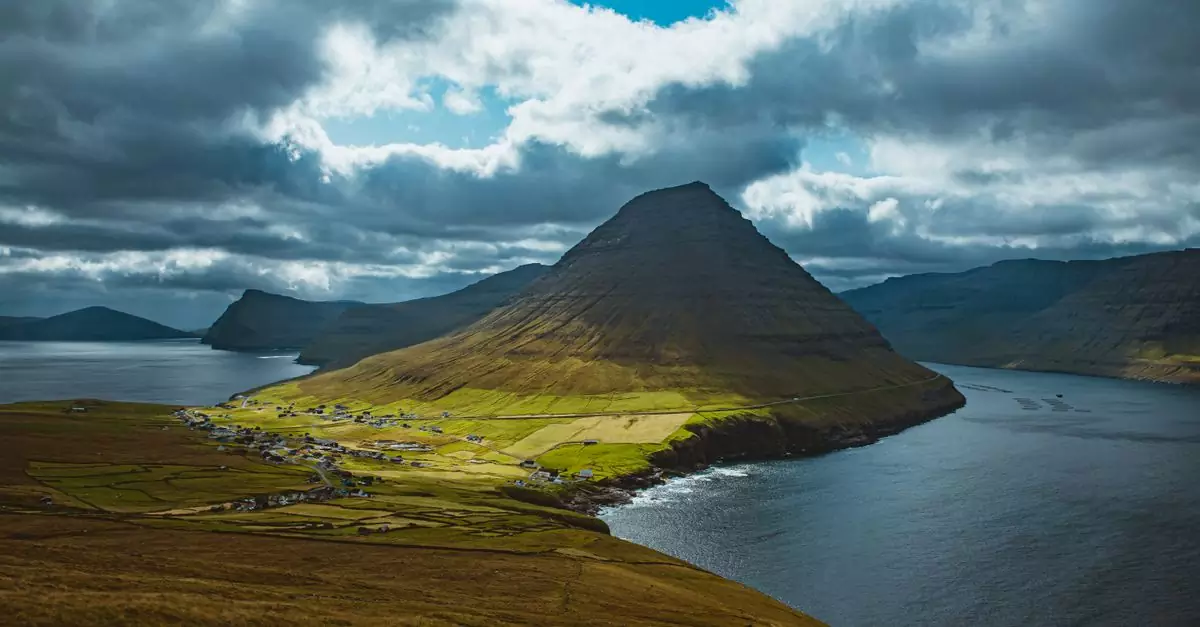
Choosing the best Nordic islands for your next adventure depends on what you seek: dramatic landscapes, historical charm, or serene archipelago experiences. These islands offer unique slices of Nordic culture and natural beauty, each with its own distinct appeal for travelers.
Lofoten Islands, Norway: Dramatic Fjords and Fishing Villages
The Lofoten Islands in Norway are a dream destination for photographers and hikers, renowned for their jagged peaks that plunge directly into the sea. Located well above the Arctic Circle, these islands offer a stunning visual spectacle of dramatic fjords, picturesque red fishing cabins (rorbuer), and charming villages like Reine and Hamnøy. Summer brings the midnight sun for extended exploration, while winter offers a chance to witness the Northern Lights.
Getting to Lofoten typically involves flying into Evenes Airport (EVE) and renting a car, essential for navigating the islands’ scenic routes. The E10 highway connects many of the main islands, making road trips highly rewarding. Accommodations range from traditional rorbuer to hotels and guesthouses. While accessible, booking accommodations and rental cars in advance is wise, especially during peak season.
| Season | Daylight Hours | Northern Lights Potential | Best For |
|---|---|---|---|
| Summer | 24 hours | Low | Hiking, photography, scenic drives |
| Autumn | Increasing | High | Photography, hiking, potential aurorae |
| Winter | Very Short | Very High | Aurora hunting, snow sports, cozy vibes |
| Spring | Increasing | Medium | Hiking, wildlife spotting, aurorae |
Bornholm, Denmark: The ‘Pearl of the Baltic’ for Cyclists
Known as the ‘Pearl of the Baltic’, Bornholm is Denmark’s easternmost island and a haven for cyclists and families. Its varied landscape includes rugged cliffs, sandy beaches, rolling hills, and ancient forests. The island boasts a well-developed network of cycling paths, making it easy to traverse its 227 square kilometers.
Bornholm is easily reached by ferry from various Danish and Swedish ports, including Copenhagen (via Ystad in Sweden). Once on the island, cycling is the most popular and convenient way to get around, with bicycle rentals readily available. For those preferring other transport, local buses connect the main towns and attractions. Accommodation options are plentiful, from campsites and holiday homes to charming hotels in towns like Rønne and Gudhjem. The island’s compact size makes it manageable for a week-long visit.
Åland Islands, Finland: Archipelago Charm and Maritime Heritage
The Åland Islands, an autonomous region of Finland situated in the Baltic Sea, offer a unique archipelago experience. Comprising thousands of islands and islets, this destination is characterized by its serene maritime culture, historical connections to seafaring, and beautiful natural landscapes. It’s an ideal spot for those seeking tranquility, kayaking, and a glimpse into a distinct island way of life.
Access to Åland is primarily by ferry from mainland Finland (Turku or Helsinki) or Sweden (Stockholm). Once in the capital, Mariehamn, getting around is manageable with local buses and the option to rent bicycles or cars. The islands are connected by a series of bridges and local ferries, allowing for island hopping. The maritime museum in Mariehamn is a significant attraction, showcasing the islands’ rich seafaring history.
Gotland, Sweden: Medieval History and Coastal Beauty
Gotland, Sweden’s largest island, is a captivating blend of medieval history and stunning coastal scenery. Its UNESCO World Heritage-listed capital, Visby, is a remarkably preserved Hanseatic town enclosed by a medieval ring wall, offering a journey back in time. Beyond Visby, the island features dramatic coastal cliffs, rauks (limestone sea stacks), and beautiful beaches.
Ferries operate regularly to Gotland from mainland Sweden, docking in Visby. Renting a car is highly recommended for exploring the island’s diverse attractions beyond the capital, as public transport can be less frequent in rural areas. Visby itself is very walkable, but a vehicle opens up the island’s extensive coastline and numerous historical sites. The island is a popular summer destination, so booking accommodations, particularly in Visby, well in advance is advised.
Planning Your Itinerary for Nordic Island Hopping
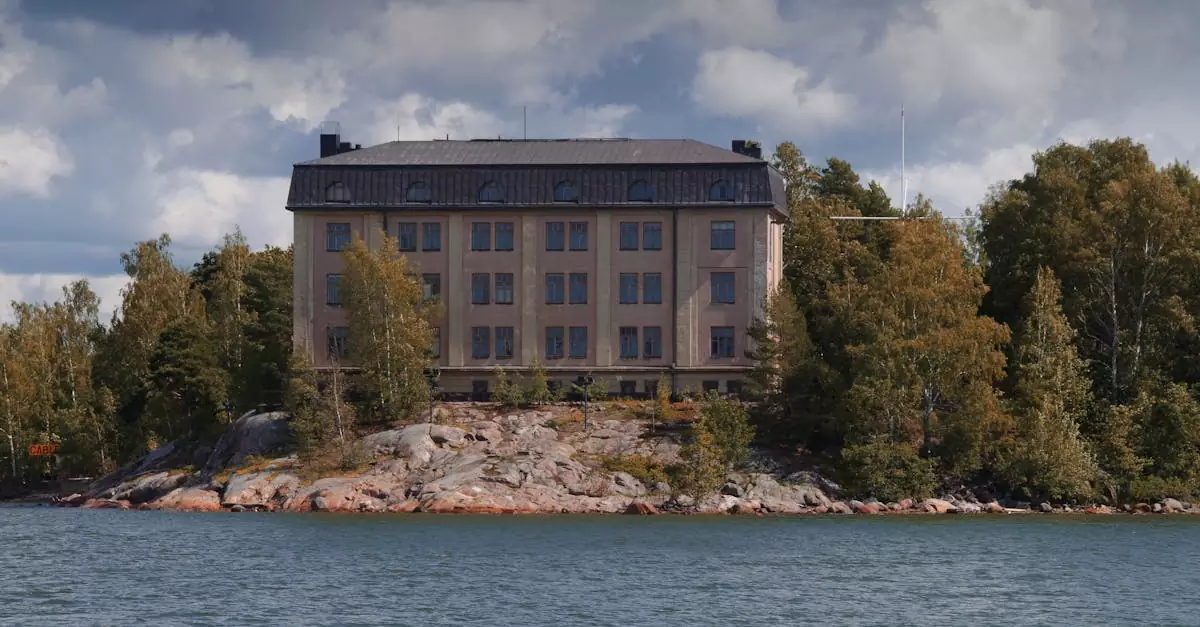
The allure of the Nordic islands draws travelers seeking dramatic landscapes and unique cultural experiences. Crafting an itinerary depends heavily on your available time and desired pace. Whether you envision a week immersed in Norway’s dramatic fjords or a shorter exploration of Denmark’s Baltic charm, careful planning ensures you maximize your Nordic island adventure. Consider your travel style, whether you prefer a fast-paced multi-island hop or a deep dive into a single archipelago.
Sample 7-Day Itinerary: Lofoten & Vesterålen Highlights
For an unforgettable week, focus on Norway’s Lofoten and Vesterålen islands. This region offers some of the most iconic Nordic scenery, from jagged peaks plunging into the sea to picturesque fishing villages. Begin in Bodø, then take a ferry to Moskenes in Lofoten. Spend three days driving north through Lofoten, stopping at Reine, Hamnøy, and Henningsvær. Each village offers stunning photographic opportunities and charming rorbuer (fisherman’s cabins) for accommodation.
Continue north to Vesterålen, known for its abundant wildlife, particularly whales. Dedicate two days to this area, with a base in locations like Sortland or Stokmarknes. Here, you can embark on a whale-watching tour from Andenes, a prime location for spotting sperm whales and orcas. The drive between Lofoten and Vesterålen is scenic, with options for car ferries or driving the scenic routes. Factor in travel time between locations; while distances may appear short, winding roads and ferry schedules can extend journey duration.
Logistics for Lofoten & Vesterålen:
- Transportation: Renting a car is highly recommended for flexibility. Ferries connect major islands and the mainland.
- Accommodation: Book rorbuer or guesthouses well in advance, especially during peak summer.
- Best Time to Visit: June to August for long daylight hours and milder weather. September offers autumn colors and a chance to see the Northern Lights.
A Weekend Getaway to Bornholm’s Breathtaking Scenery
If a shorter trip is on the cards, Denmark’s Bornholm island provides a perfect weekend escape. Known as “Sunshine Island,” Bornholm boasts a unique blend of rugged cliffs, sandy beaches, and medieval history. Fly into Bornholm Airport (RNN) or take a ferry from mainland Denmark or Sweden. Renting a bicycle is an excellent way to explore the island’s compact size and varied terrain.
Start your exploration in Rønne, the island’s main town, with its cobblestone streets and historic harbor. Dedicate a day to the northern coast, visiting the dramatic cliffs of Helligdomsklipperne and the ancient fortress ruins of Hammershus. The southern coast offers charming fishing villages like Dueodde with its famous white sand dunes and clear waters. Don’t miss the island’s distinctive round churches, such as Østerlars, which offer a glimpse into its medieval past.
Bornholm Weekend Essentials:
- Getting Around: Bicycles are popular and readily available for rent. Local buses also connect key areas.
- Budget: Bornholm is generally more budget-friendly than its Scandinavian counterparts.
- Timing: May to September offers the best weather for outdoor activities.
Exploring Åland’s 6,500 Islands in 5 Days
For a truly unique archipelago experience, consider a five-day trip to Åland, an autonomous region of Finland situated in the Baltic Sea. With over 6,500 islands and islets, Åland offers a serene and picturesque escape, ideal for those seeking tranquility and nature. The main island, Fasta Åland, is easily accessible by ferry from Stockholm, Sweden, or Turku and Helsinki, Finland.
Your five-day itinerary can focus on exploring Fasta Åland and venturing to some of the accessible outer islands. Start in Mariehamn, the capital, and visit the Maritime Museum. Rent a car or bicycle to tour the island’s picturesque countryside, dotted with red cottages and ancient stone churches. Consider a day trip to islands like Kökar or Brändö, accessible by local ferries, to experience the distinct charm of the outer archipelago. Kayaking and fishing are popular activities here, allowing for intimate encounters with the natural beauty.
Åland Archipelago Travel Tips:
- Transportation: Ferries are crucial for inter-island travel. Car rental is recommended for exploring Fasta Åland.
- Pace: A five-day trip allows for a good overview without feeling rushed.
- Accommodation: Options range from hotels in Mariehamn to charming guesthouses and summer cottages across the islands.
| Destination | Duration | Primary Activities | Transportation Focus | Budget Indication |
|---|---|---|---|---|
| Lofoten & Vesterålen | 7 Days | Hiking, photography, whale watching, scenic drives | Car rental, ferries | High |
| Bornholm | 2-3 Days | Cycling, historical sites, beaches, coastal walks | Bicycle, local bus | Medium |
| Åland | 5 Days | Archipelago exploration, kayaking, cycling, history | Ferries, car/bike | Medium |
What’s the Best Time to Visit the Best Nordic Islands?
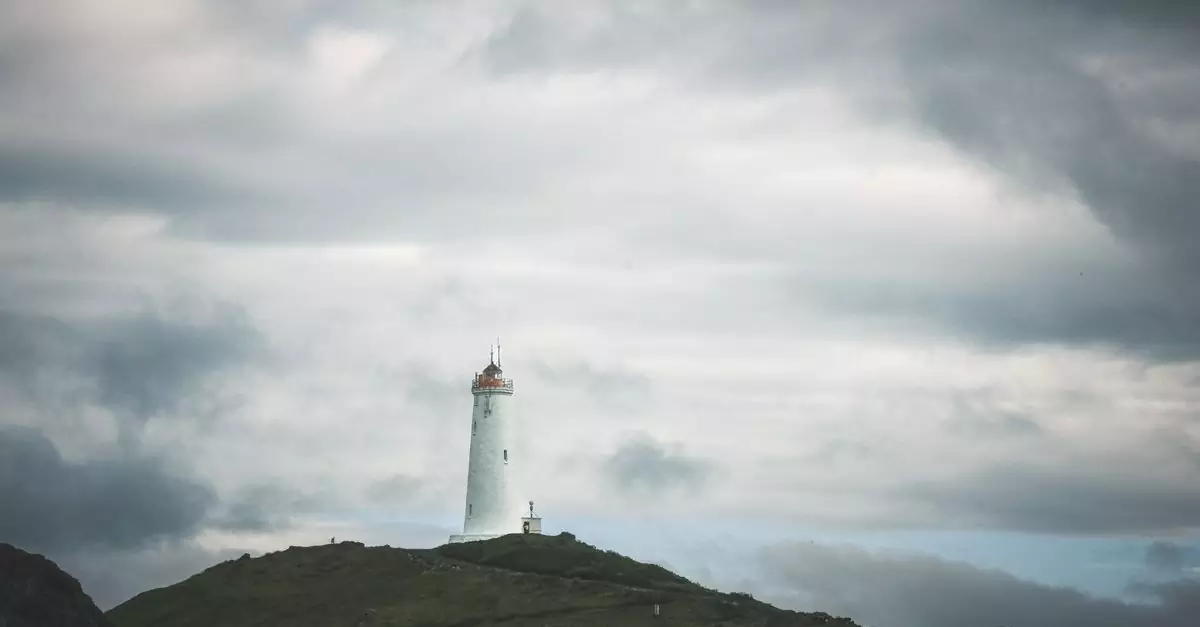
Choosing the right season for your trip to the best Nordic islands significantly impacts the experiences available, from wildlife viewing and outdoor activities to the dramatic shifts in daylight and weather. Each season offers a unique perspective on these captivating Arctic destinations.
Summer (June-August): Long Days and Mild Temperatures
Summer is the most popular time for visiting the best Nordic islands, largely due to the phenomenon of the midnight sun. Daylight hours extend to nearly 24 hours in many northern regions, offering ample time for sightseeing and outdoor adventures. Temperatures are generally mild, averaging between 10-20°C (50-68°F), making it comfortable for hiking, kayaking, and exploring coastal areas. Wildlife activity is also at its peak, with opportunities to spot puffins, whales, and seals.
However, this peak season means higher prices for flights and accommodations, and popular spots can become crowded. Booking well in advance is crucial. The long daylight hours are a major draw for those wanting to maximize their time outdoors.
Autumn (September-October): Northern Lights and Fall Colors
As summer fades, autumn brings a different kind of magic to the Nordic islands. The days shorten, but the crisp air offers excellent visibility for aurora borealis (Northern Lights) displays, especially from late September onwards. Many regions experience vibrant fall foliage, transforming landscapes into a tapestry of reds, oranges, and yellows. This is also a good time for hiking before the heavy snows arrive.
Temperatures begin to drop, typically between 0-10°C (32-50°F), and some tourist services may start to scale back. It’s a shoulder season, meaning you might find slightly better deals on travel and accommodation compared to summer. The chance to witness the aurora makes this a compelling time for photographers and those seeking a more tranquil experience.
Winter (November-March): Snow Activities and Arctic Darkness
Winter transforms the Nordic islands into a snowy wonderland, ideal for those seeking quintessential Arctic experiences. Days are very short, with periods of polar night in the far north, but this darkness is perfect for aurora hunting. Activities like dog sledding, snowmobiling, skiing, and ice fishing become prime attractions. Temperatures can be very cold, often dropping well below freezing, so packing warm, waterproof gear is essential.
While many roads may be covered in snow, organized tours and local transport options usually operate. This is the best time for experiencing the true Arctic winter and potentially seeing the Northern Lights in their full glory. Prices can be lower than in summer, except around Christmas and New Year.
Spring (April-May): Awakening Nature and Shoulder Season Deals
Spring is a transitional period where nature begins to reawaken after the long winter. While snow may still linger in higher elevations, you’ll see the first signs of greenery and migrating birds returning. Daylight hours increase rapidly, approaching summer levels. This season offers a unique glimpse into the resilience of Arctic life.
Temperatures are still cool, often hovering between 0-10°C (32-50°F). Some winter activities might still be possible in early spring, while summer activities are not yet in full swing. April and May can present excellent opportunities for budget travelers, as it’s a shoulder season with fewer crowds and potentially lower prices. It’s a good time for nature enthusiasts who don’t mind cooler weather and want to witness the landscape emerging from its icy slumber.
Getting Around: Transportation on Nordic Islands
Navigating the diverse Nordic islands requires understanding their unique transportation networks. While some islands boast excellent infrastructure, others rely on more traditional, and sometimes seasonal, methods of travel. Planning your island hopping adventure with these options in mind will ensure a smoother journey.
Ferries: Connecting the Archipelago
Ferries are the lifeblood of island transportation throughout the Nordics. They range from large, car-carrying vessels connecting major islands and the mainland to smaller, local boats that serve remote communities. For example, reaching the Lofoten Islands in Norway often involves ferry crossings, especially when moving between different island groups.
When traveling between the Danish islands, such as Ærø or Samsø, ferries are indispensable. These services are generally reliable, but it’s wise to check schedules in advance, as they can be reduced or suspended during severe weather, particularly in winter. Booking tickets for popular routes, especially during peak summer season, is highly recommended to guarantee a spot, particularly if you’re bringing a vehicle.
Rental Cars: Flexibility for Island Exploration
For islands offering significant driving routes and a desire for independent exploration, renting a car provides the most flexibility. Islands like Gotland in Sweden or Öland, accessible via a bridge from the mainland, are well-suited for car travel, allowing you to reach secluded beaches and historical sites at your own pace. Similarly, larger islands in Iceland, such as the Westman Islands (Vestmannaeyjar), can be explored more thoroughly with a rental car after arriving by ferry.
However, car rental availability can be limited on smaller or more remote islands. Always book your rental car well in advance, especially if you’re visiting during the summer months. Consider the type of vehicle needed; a standard car is usually sufficient for well-maintained roads, but a 4×4 might be beneficial for certain routes in Iceland or the Faroe Islands, particularly if you plan to venture off the main roads. Parking can also be a consideration in charming, narrow village streets.
Public Transport: Buses and Local Travel Options
Many Nordic islands have local bus services that connect villages, towns, and key attractions. While less frequent than mainland services, these buses can be an efficient way to get around, especially if you’re not driving. For instance, on the Åland Islands between Sweden and Finland, a good bus network links the main settlements. Similarly, some of the larger Norwegian islands accessible by bridge or tunnel also have local bus routes.
It’s crucial to consult local tourist information or transport websites for up-to-date bus schedules, as they can vary significantly by season and day of the week. For travelers on a budget, utilizing public transport is often the most economical option. Be prepared for less frequent services on Sundays and public holidays.
Cycling: The Ideal Way to See Islands Like Bornholm
For islands with a compact size and well-developed cycling infrastructure, biking offers an intimate and eco-friendly way to experience the landscape. Bornholm in Denmark is a prime example, renowned for its extensive network of cycle paths that wind through charming fishing villages, forests, and along dramatic coastlines. The island is practically designed for cyclists, with dedicated routes and ample bike rental facilities.
Other islands, like the Swedish island of Ven or certain areas of the Finnish archipelago, also lend themselves well to cycling. This mode of transport allows for spontaneous stops at scenic viewpoints or local cafes. When cycling, always carry a repair kit and be aware of the weather, which can change rapidly. Remember to secure your bicycle properly when leaving it unattended.
| Island Group/Island | Primary Transport | Best For | Considerations |
|---|---|---|---|
| Lofoten Islands, Norway | Ferries, Rental Cars | Scenic drives, hiking access | Ferry schedules, weather dependency |
| Bornholm, Denmark | Cycling, Ferries, Rental Cars | Active exploration, village hopping | Extensive cycle paths, bike rental availability |
| Åland Islands, Finland/Sweden | Buses, Ferries, Cycling | Archipelago experience, local culture | Bus frequency, inter-island ferry connections |
| Gotland, Sweden | Rental Cars, Buses | Historical sites, varied landscapes | Driving distances, limited public transport outside Visby |
| Westman Islands, Iceland | Rental Cars (on island), Ferry | Volcanic landscapes, puffin watching | Ferry booking, on-island car rental |
Frequently Asked Questions About Nordic Island Travel
What are the must-try local foods on Nordic islands?
Nordic island cuisine often highlights fresh seafood and hearty, locally sourced ingredients. In the Faroe Islands, you might try ræst, fermented lamb or fish, a unique delicacy. Iceland offers plokkfiskur, a comforting fish stew, and various lamb dishes. Greenland’s traditional diet features seal and whale, though these are less common for visitors. For a sweet treat, look for cloudberry desserts, especially in Norway and Sweden.
Are Nordic islands safe for solo travelers?
Yes, Nordic islands are generally considered very safe for solo travelers. Countries like Iceland, Norway, and Denmark consistently rank high for safety and low crime rates. Petty theft is rare, and the general atmosphere is one of trust and respect. However, as with any travel, it’s wise to exercise common sense, especially when hiking or in remote areas. Always inform someone of your plans if you’re venturing off the beaten path.
What should I pack for a trip to the best Nordic islands?
Packing for Nordic islands requires layers, regardless of the season. Essential items include waterproof and windproof outerwear, thermal base layers, and warm mid-layers like fleece or wool. Sturdy, waterproof hiking boots are crucial. Don’t forget a hat, gloves, and a scarf. Even in summer, temperatures can be cool, and weather can change rapidly. For photography enthusiasts, extra batteries are recommended, as cold can drain them quickly.
What are some hidden gems on the Nordic islands?
Beyond the well-known attractions, many Nordic islands hold lesser-known treasures. Consider the remote island of Mykines in the Faroes, a haven for puffins and stunning cliffside walks. In Norway, the Lofoten Islands offer charming fishing villages like Reine, often overlooked by those focusing on larger towns. Greenland’s smaller settlements, such as Ilulissat with its spectacular icefjord, provide a more intimate glimpse into Arctic life. Exploring these less-visited spots offers a more authentic experience.