Stepping off the plane in France marks the beginning of an incredible journey. To fully immerse yourself in its charm, however, it’s essential to go beyond the typical tourist experience. Learning how to blend in as a local is crucial for authentic interactions and uncovering the country’s hidden gems. This guide will provide you with practical insights into local etiquette, from mastering greetings and table manners to understanding public decorum. You’ll also discover how to dress effortlessly in French style, navigate transportation like a local, and savor flavors authentically. Prepare to uncover the nuances that will help you feel more comfortable and experience France on a deeper level.
Mastering French Etiquette: Beyond ‘Bonjour’ and ‘Merci’

To avoid appearing like a tourist in France, understanding and practicing local etiquette is paramount. This involves more than just knowing a few phrases; it requires adapting to the social nuances that define French interactions. This includes everything from greetings to behavior during meals and in public spaces.
The Art of Greeting: Navigating ‘Bonjour’, ‘Bonsoir’, and ‘Salut’
The ubiquitous “Bonjour” is your essential starting point for any interaction in France, whether entering a shop, a restaurant, or passing someone on the street. It translates to “good day” and is used until early evening. As dusk approaches, switch to “Bonsoir” (“good evening”). In informal settings, “Salut” serves as a casual “hello” or “goodbye.” When in doubt, choose “Bonjour” or “Bonsoir.” Eye contact and a slight nod when greeting are also customary.
When leaving a shop or restaurant, saying “Au revoir” (“goodbye”) is polite. This small gesture signals respect and can often lead to warmer service. Understanding these simple greetings is fundamental to blending in and showing your effort to connect with the local culture.
Table Manners: What to Do (and Not Do) During a French Meal
French mealtimes are significant social events, and proper table manners demonstrate respect for both food and company. Keep your hands visible on the table, resting your wrists on the edge; never hide your hands in your lap. Bread, usually placed to your left, should be broken into small pieces with your hands, not cut with a knife.
Wait for your host to begin eating before you do. Use the provided cutlery for each course, and if you need to pause during the meal, rest your knife and fork on your plate in a V-shape, pointing towards the center. Finishing everything on your plate is generally expected, signaling that you enjoyed the meal. If offered a second helping and you wish to decline, politely say “C’est très bon, merci, mais je suis rassasié(e)” (“It’s very good, thank you, but I am full”).
Public Space Decorum: Speaking Softly and Respecting Personal Space
In France, especially in cities like Paris, maintaining a level of decorum in public spaces is appreciated. This includes speaking at a moderate volume, particularly on public transport or in quiet cafes. Loud conversations can draw unwanted attention and mark you as an outsider.
Respecting personal space is also essential. While public transport can be crowded, avoid excessive physical contact or invading someone’s personal bubble. When queuing, maintain a reasonable distance from the person in front of you. Observing these subtle cues will help you navigate French society with greater ease and blend in more effectively.
Dress the Part: Effortless Parisian Chic and Regional Styles
Decoding French Fashion: Key Pieces for a Sophisticated Look
To avoid looking like a tourist in France, particularly in cities like Paris, understanding French style is vital. The French approach to dressing emphasizes quality over quantity, focusing on classic silhouettes and neutral colors. Consider well-fitting jeans or trousers, simple blouses or fine-knit sweaters, and elegant outerwear like a trench coat or tailored blazer. Scarves are a quintessential accessory, adding flair to any outfit. Footwear is crucial; comfortable yet stylish options like loafers, ankle boots, or classic sneakers are preferred over flashy athletic shoes. The goal is to appear put-together without being overly flashy.
Seasonal Style Adjustments for Spring, Summer, Autumn, and Winter
French fashion adapts gracefully to changing seasons. In spring and autumn, layers are your best friend. A light jacket or cardigan over a sweater or long-sleeved top is both practical and chic. Summer calls for breathable fabrics like linen and cotton; sundresses, skirts, and tailored shorts are common, but avoid overly revealing or beach-specific attire when exploring urban areas. Winter in France, especially in the north, requires warmth. Opt for a stylish wool coat, comfortable sweaters, a warm scarf, gloves, and a hat. Waterproof boots are essential for wetter periods. Dressing appropriately for the climate ensures comfort and helps you blend in.
Avoiding Tourist Traps: What Not to Wear in France
Certain clothing items can signal that you’re a visitor. Loud graphic t-shirts, branded sportswear, baseball caps worn backward, and very casual flip-flops are best left at home for city exploration. While comfort is important, prioritize versatile items that can be dressed up or down. Instead of athletic sneakers, choose clean, minimalist trainers. If visiting churches or more formal establishments, ensure your attire is respectful; shoulders and knees should typically be covered. Avoid carrying excessive bags or wearing valuables openly while navigating major attractions or public transport. This practical approach to dressing is essential for blending in.
Navigating French Transportation Like a Native

Mastering French public transport is key to moving around efficiently and avoiding that telltale tourist demeanor. From bustling Parisian metros to scenic regional train journeys, understanding the local rhythm will enhance your experience.
Conquering the Métro: Etiquette and Efficiency in Paris
The Paris Métro is a marvel of urban transit, carrying millions daily. To navigate it like a Parisian, familiarize yourself with its layout—lines are numbered and color-coded. Purchase tickets (tickets t+) from machines or ticket windows; a carnet of 10 offers a slight discount. Validate your ticket before entering the platform area.
Inside the train, observe unspoken rules. Stand to the right on escalators, leaving the left side for those in a hurry. Offer seats to the elderly, pregnant women, or those with disabilities. Avoid loud conversations or playing music without headphones; Parisians value a level of public decorum. Keep your belongings close, especially during peak hours, to deter pickpockets.
Understanding Regional Trains: SNCF Travel Beyond the Capital
For journeys outside Paris, the SNCF (Société Nationale des Chemins de Fer Français) is your primary mode of transport. Booking tickets in advance, particularly for high-speed TGV trains, can significantly reduce costs. Websites like SNCF Connect are useful for planning and booking.
Regional trains, known as TER (Transport Express Régional), connect smaller towns and cities. These often offer more flexibility and are less expensive than TGVs, though slower. Arrive at the station a bit early to locate your platform, as signage can sometimes be less intuitive than in Paris. Ensure you validate your paper ticket before boarding if you purchased it at a station machine; failure to do so can result in a fine.
Navigating French Cities: Walking, Cycling, and Local Bus Systems
Beyond trains, many French cities have excellent local bus systems and bike-sharing programs. In cities like Lyon or Bordeaux, cycling can be a delightful way to see the sights, allowing for spontaneous stops. Look for “Vélos en libre-service” or similar schemes.
When using local buses, purchase tickets from machines at major stops or directly from the driver if available. Remember to validate your ticket upon boarding. Walking is one of the best ways to absorb the atmosphere of French towns and cities, as many historic centers are pedestrian-friendly, encouraging you to wander down charming cobblestone streets and discover hidden squares.
Savoring Authentic Flavors: Eating and Drinking Like a Local
To avoid looking like a tourist in France, embrace the country’s rich culinary culture. This means diving into regional specialties, understanding mealtime rituals, and appreciating the nuances of French dining. It’s about experiencing France through its food and drink.
Beyond Tourist Menus: Discovering Regional French Cuisine
Many tourist-centric restaurants offer a generalized “French” menu that lacks authenticity. To eat like a local, seek out establishments that highlight dishes specific to the region you are visiting. For example, in Alsace, look for choucroute garnie (sauerkraut with various meats) or tarte flambée. In Provence, bouillabaisse (fish stew) or ratatouille are essential.
Observe where locals are dining; a busy bistro filled with French speakers is often a good sign. Don’t hesitate to ask your hotel concierge or a friendly local for recommendations on authentic regional cuisine. This approach to dining can significantly enhance your experience and help you blend in.
The Ritual of the French Café: Ordering Coffee and Pastries
Cafés are central to French daily life, serving as social hubs. Understanding café etiquette will help you blend in. Typically, you’ll order at the counter for takeaway or find a table and wait for service if dining in.
When ordering coffee, know your terms: an espresso is a café, a café crème is coffee with milk, and a café au lait is served in a larger bowl, often for breakfast. For pastries, known as pâtisseries, try local specialties like macarons, éclairs, or regional tarts. Avoid ordering a large breakfast at a café; locals often opt for a simple croissant or pain au chocolat with their coffee.
Wine and Cheese Etiquette: Enjoying France’s Culinary Treasures
France is renowned for its wine and cheese, and understanding how to enjoy them is part of experiencing the culture. When ordering wine, don’t just ask for “red” or “white.” Specify a region or grape varietal if you can, or ask for a recommendation that pairs well with your meal. A general rule is to pair local wines with local dishes.
When presented with a cheese board, start with the mildest cheeses and progress to the strongest. France has hundreds of distinct cheeses, and trying a variety is highly recommended. Many Parisians pick up their cheese from a fromagerie (cheese shop) to enjoy at home or as a picnic, rather than solely in restaurants.
A typical wine and cheese experience might involve:
| Item | Description | Local Practice |
|---|---|---|
| Wine Pairing | Regional wines complement local cuisine. | Ask for a recommendation based on your dish. |
| Cheese Board | Variety of cheeses, often served after the main course. | Start with mildest, progress to strongest. |
| Accompaniments | Bread, sometimes fruit or nuts. | Bread is a staple; fruit and nuts are optional additions. |
Embracing these dining customs will not only help you avoid looking like a tourist but will also provide a more enriching journey through France.
Smart Traveler Habits: Avoiding Common Tourist Pitfalls

Successfully blending in and truly experiencing France involves more than knowing a few French phrases; it requires adopting smart traveler habits that minimize your visibility as a tourist and maximize immersion. By understanding common tourist pitfalls, you can navigate popular destinations with more confidence.
Navigating Crowds: Strategies for Popular Landmarks like the Eiffel Tower
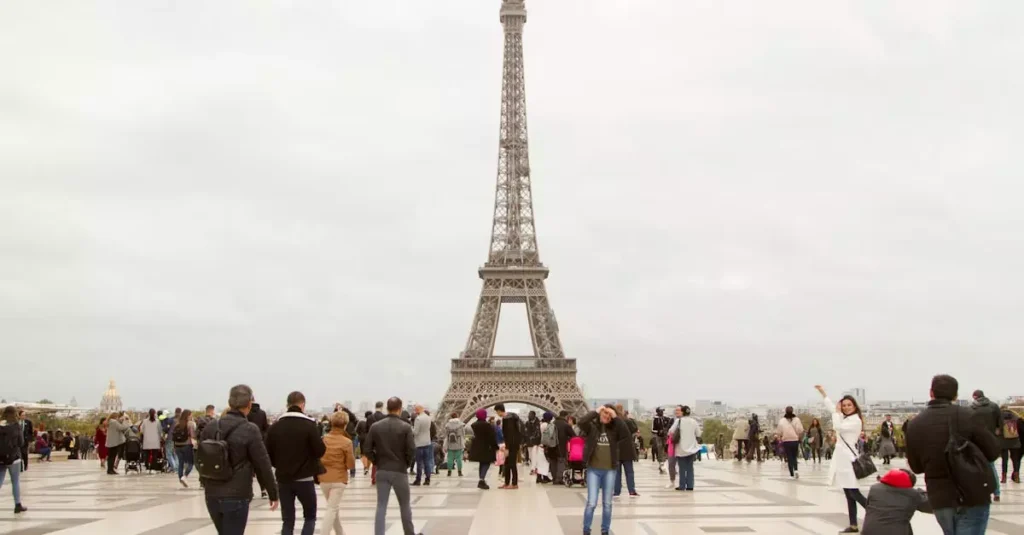
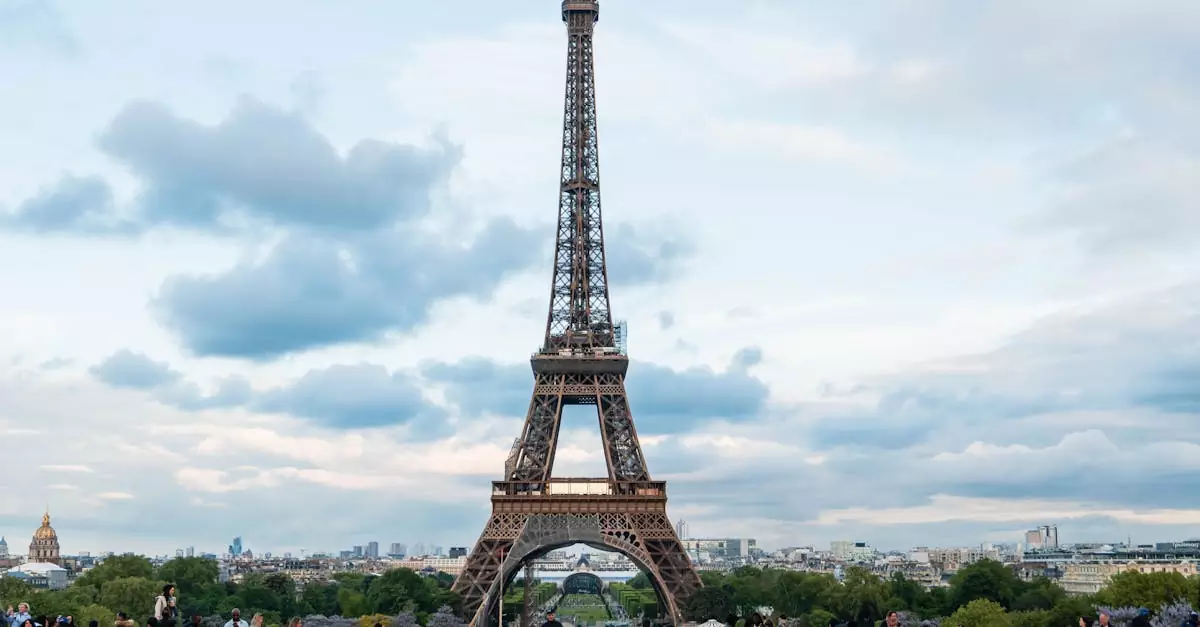
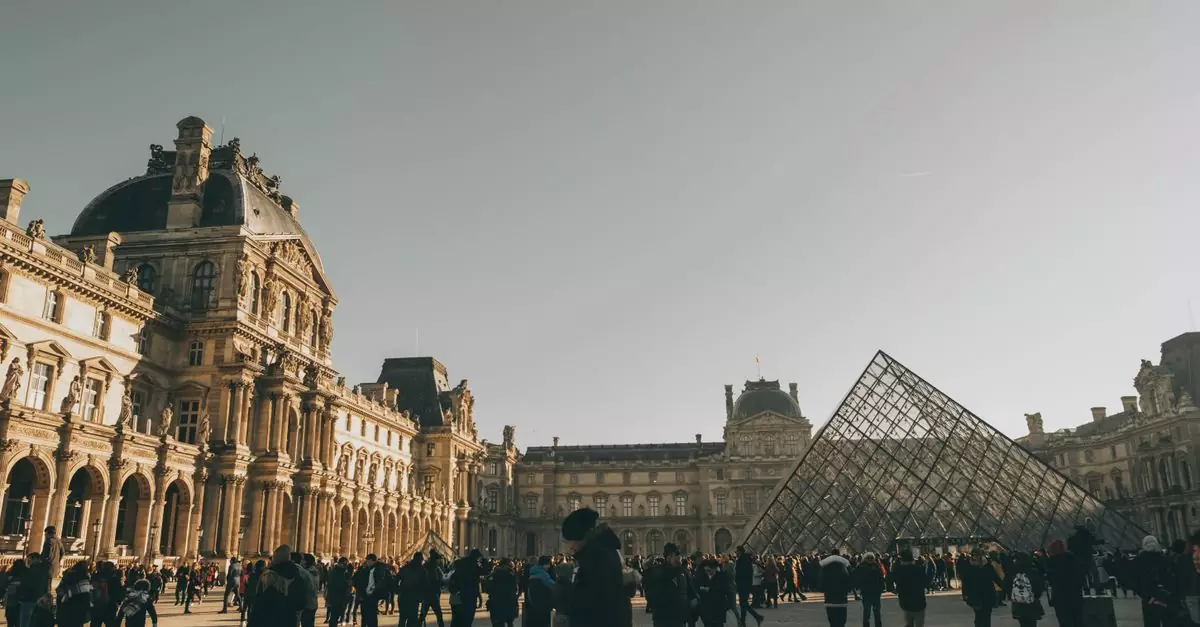
Visiting iconic sites like the Eiffel Tower or the Louvre in Paris is a quintessential part of any French adventure, but these popular spots can be overwhelming. To avoid the worst crowds, consider visiting during shoulder seasons (spring or fall) or opting for early morning or late evening slots. Purchasing tickets online in advance is crucial; this not only saves time but often allows you to select specific entry times, effectively bypassing long lines.
For landmarks with extensive grounds, like the Palace of Versailles, map out your visit beforehand. Prioritize what you want to see and strategize your route. Exploring less-visited wings or gardens can offer a more tranquil experience. Remember, many attractions are also beautiful from the outside, especially at night, providing a different perspective without needing to enter.
Recognizing and Avoiding Tourist Scams in Major Cities
Major tourist hubs in cities like Paris and Nice can attract petty scammers. Being aware of common tactics is your best defense. Be cautious of overly friendly strangers offering unsolicited help, especially near busy metro stations or landmarks. Common scams include the “ring scam” (someone “finds” a gold ring and tries to sell it), petition scams (often for fake charities), and pickpocketing in crowded areas.
Keep your valuables secure and out of sight. A cross-body bag worn in front is a good deterrent. Be extra vigilant during boarding and alighting on public transport. If someone is being overly insistent or creating a distraction, it’s often a sign to be cautious. Trust your instincts; if something feels off, calmly remove yourself from the situation.
The Power of Observation: Learning from Local Behavior
One of the most effective ways to avoid looking like a tourist is to observe and emulate local behavior. Pay attention to how French people interact in public spaces. Notice their walking pace, volume of conversation, and demeanor. Locals tend to move with purpose, especially during weekday rush hours.
When dining, observe the rhythm of a meal. French dining is often leisurely, with locals enjoying conversation and courses. Avoid rushing through your meal or expecting immediate service for every request. In shops, wait for an assistant to acknowledge you before asking for help, rather than approaching them directly. Small gestures, like a polite “Bonjour” upon entering a shop and “Merci, au revoir” upon leaving, demonstrate respect for local customs.
Understanding these subtle social cues can significantly enhance your experience and help you blend in more seamlessly. It’s about being present and engaged, rather than merely a spectator.
Frequently Asked Questions About Blending In
Is it rude to speak English in France?
While many French people, especially in tourist areas and larger cities, speak some English, it’s polite to attempt a few basic French phrases. Starting with “Bonjour” (hello) or “Excusez-moi” (excuse me) before switching to English makes a positive impression and shows respect for the local culture and language.
Even if your French is limited, making the effort is appreciated. Many travelers find that locals are more willing to help and engage when they see this effort. Remember, France has a rich linguistic heritage, and acknowledging that is part of being a considerate visitor.
What are the biggest cultural mistakes tourists make in France?
One common pitfall is rushing meals or treating them as quick stops. In France, dining is an experience to savor. Taking your time, enjoying conversation, and appreciating the food is key. Rushing through a meal, especially in a restaurant, can be perceived as impolite.
Another mistake is being overly loud in public spaces, particularly on public transport or in cafes. Parisians value a certain level of decorum and quiet in shared environments. Being mindful of your volume and engaging in subdued conversations will help you blend in better.
Finally, forgetting to greet shopkeepers or service staff with a “Bonjour” upon entering and a “Merci, au revoir” upon leaving misses an opportunity for courtesy. These small gestures are deeply ingrained in French etiquette and can enhance your interactions.
How can I find authentic, non-touristy restaurants in France?
To find authentic dining experiences away from major tourist thoroughfares, look for restaurants where locals are dining. This often means venturing a few blocks from major attractions. Observe where the crowds are—if a place is packed with French speakers, it’s usually a good sign.
Check online reviews, but pay attention to the language used. Reviews written in French often provide more candid insights. Look for neighborhood bistros or brasseries that might not have extensive English menus or signage. These establishments often serve more traditional dishes at better prices.
Consider exploring markets for fresh produce and prepared foods. Markets like the Marché des Enfants Rouges in Paris offer a vibrant culinary scene where you can sample local delicacies from various vendors. This is a fantastic way to experience authentic French food in a lively, local setting.