
Embarking on a culinary journey through Seville is essential for experiencing Andalusian culture, with the vibrant tradition of tapas at its heart. Navigating the multitude of Seville tapas restaurants can feel overwhelming, but knowing where to look and what to order is crucial for unlocking the city’s authentic flavors. This guide will help you discover hidden gems and beloved local spots.
You’ll explore the best neighborhoods for tapas hopping, from the historic alleys of Santa Cruz to the riverside charm of Triana. We’ll delve into must-try dishes, from creamy salmorejo to sizzling gambas al ajillo, while providing practical tips on ordering and understanding local etiquette. Prepare for a gastronomic adventure that emphasizes both social experience and delicious food.
Where to Find the Best Seville Tapas Restaurants

Navigating Seville’s culinary scene can be an adventure, particularly when seeking authentic tapas. The city boasts countless bars, each with its own specialties and atmosphere. To help you find memorable bites, we’ve highlighted some of the best areas for these quintessential Spanish small plates.
Top Tapas Bars in Santa Cruz Neighborhood
The historic Santa Cruz neighborhood, with its labyrinthine alleys and charming plazas, is a prime spot for tapas hopping. While it can feel touristy, many traditional establishments remain, offering a genuine taste of Seville. Look for bars filled with locals, a strong sign of quality and authenticity.
Many tapas bars in this area feature a mix of classic Andalusian dishes and modern interpretations. Starting your evening here is advisable, as it’s easily accessible and provides a lively introduction to Seville’s tapas culture. Be prepared for standing room only in many popular spots, especially during peak hours.
Must-Visit Spots in Triana for Authentic Flavors
Across the Guadalquivir River lies the Triana district, historically known for its ceramic workshops and passionate flamenco artists. This neighborhood offers a more local, less polished tapas experience, with a strong emphasis on fresh, regional ingredients. Triana’s tapas bars often feel like community hubs, fostering a warm and welcoming atmosphere.
Here, you’ll find specialties like espinacas con garbanzos (spinach with chickpeas) and fresh seafood. The Mercado de Triana (Triana Market) is also a fantastic place to sample various tapas from different vendors, providing a convenient way to taste a variety of flavors in one visit. Exploring Triana offers a unique perspective on Seville’s culinary landscape, deeply rooted in tradition.
Hidden Gem Tapas Joints in Macarena District
For those willing to venture off the beaten path, the Macarena district presents an opportunity to discover some of Seville’s best-kept tapas secrets. This area is less frequented by tourists, making it more likely to encounter local patrons and experience an authentic vibe. Prices here are generally more budget-friendly.
Exploring Macarena’s tapas bars can feel like a true discovery. You might stumble upon a small, family-run establishment serving generations-old recipes. Don’t hesitate to ask for recommendations from the staff; they are often eager to share their specialties and the stories behind them. This district rewards curious travelers with genuine flavors and a glimpse into everyday Sevillian life.
Essential Tapas Dishes You Must Try in Seville

Navigating the vibrant world of Seville tapas means encountering a culinary landscape rich with tradition and flavor. To truly experience Andalusian cuisine, familiarizing yourself with must-try dishes is essential. These small plates are more than just appetizers; they represent a way of life, a social ritual enjoyed at crowded bars or bustling outdoor tables. Understanding these classics will enhance your gastronomic journey through this captivating Spanish city.
Savoring Salmorejo: A Creamy Tomato Delight
Salmorejo is a foundational dish in Sevillian cuisine, a thicker, richer cousin to gazpacho. This cold soup is crafted from ripe tomatoes, bread, garlic, olive oil, and vinegar, resulting in a velvety texture. Typically garnished with chopped hard-boiled egg and slivers of jamón serrano, it offers layers of savory contrast. Served chilled, it’s incredibly refreshing, especially during Seville’s warmer months. While variations exist, the classic preparation showcases how simple ingredients can yield profound flavor. Many local bars take pride in their unique salmorejo recipes.
Gambas al Ajillo: Garlic Shrimp Perfection
Few tapas are as universally loved as gambas al ajillo. This dish features plump shrimp quickly sautéed in garlic-infused olive oil, often with a hint of chili for gentle warmth. The aroma alone is intoxicating. Served sizzling in a small earthenware dish, the shrimp are tender and succulent, swimming in a flavorful oil perfect for sopping up with crusty bread. This quintessential Seville experience is best enjoyed with a glass of chilled manzanilla sherry. Look for bars that use fresh, high-quality olive oil and a generous hand with the garlic.
Espinacas con Garbanzos: A Vegetarian Classic
Don’t overlook vegetarian options; espinacas con garbanzos is a hearty and flavorful dish that proves meat isn’t always necessary for a satisfying tapa. This slow-cooked stew combines tender spinach with soft chickpeas, seasoned with cumin, garlic, paprika, and a touch of sherry vinegar. The result is a deeply savory and aromatic blend that is both comforting and surprisingly light. It demonstrates how humble ingredients can transform into something truly special. This tapa is a staple in many traditional Seville tapas restaurants and offers a wonderful contrast to seafood and meat dishes.
Solomillo al Whisky: Tender Pork in Whiskey Sauce
Solomillo al whisky is a beloved local specialty that showcases tender cuts of pork loin. The pork is typically seared to perfection and then bathed in a rich, savory sauce made with whiskey, garlic, and often a touch of cream or butter. The whiskey adds depth and complexity to the sauce, complementing the mild flavor of the pork. This dish balances richness with a delicate sweetness, making it a perennial favorite. It exemplifies the creative use of ingredients in Andalusian cooking and is a must-try for visitors seeking authentic flavors.
Navigating Seville’s Tapas Culture: Etiquette and Tips

Seville’s vibrant tapas scene is more than just a culinary experience; it’s a way of life. Understanding local customs will significantly enhance your enjoyment and help you blend in with the locals. Embracing the spirit of the “tapeo” is key to unlocking the authentic heart of Seville.
Understanding the ‘Tapeo’ Tradition
The “tapeo” refers to the social ritual of moving from bar to bar, enjoying a tapa and a drink at each. It’s a casual, communal activity often shared with friends or family after work or on weekends. Unlike a sit-down meal, the tapeo emphasizes variety, conversation, and different atmospheres. Bars can get crowded, especially during peak hours, but this adds to the lively ambiance. Don’t hesitate to stand at the bar; it’s the most common way to order and eat.
Ordering Like a Local: Key Phrases and Customs
To immerse yourself fully, learn a few basic Spanish phrases. “Una cerveza, por favor” (a beer, please) or “Una copa de vino tinto/blanco” (a glass of red/white wine) are essential. When ordering food, you can point to the tapas displayed at the bar or ask for recommendations. Phrases like “¿Qué tapas tienes hoy?” (What tapas do you have today?) or “¿Me recomiendas algo?” (Can you recommend something?) are very useful. Many tapas are listed on chalkboards or menus, but the best options are often fresh and popular.
A common custom is to order a drink first, followed by your tapa. You might have one or two tapas per bar before moving on. Expect to stand at the bar, as seating is often limited and highly sought after. If you do find a table, it might come with a slightly higher price or a minimum spend. For a truly authentic experience, embrace the standing-room-only culture.
What to Expect: Price Range at Seville Tapas Restaurants
The beauty of Seville tapas restaurants lies in their affordability. You can enjoy a diverse culinary journey without breaking the bank. Prices for individual tapas generally range from €2 to €5, with more elaborate or seafood-based options sometimes reaching €6 or €7. A glass of wine or a small beer typically costs between €1.50 and €3.
This pricing structure allows for a substantial and varied meal for under €15-€20 per person. For instance, you could enjoy three or four different tapas and a drink at each of two or three bars, creating a full evening’s dining experience for a reasonable sum.
Here’s a general price guide:
| Item | Typical Price Range (Euros) |
|---|---|
| Small Beer | €1.50 – €2.50 |
| Glass of Wine | €1.50 – €3.00 |
| Standard Tapa | €2.00 – €4.00 |
| Specialty Tapa | €4.00 – €7.00 |
| Montadito (small sandwich) | €1.50 – €3.00 |
This pricing encourages the “tapeo” tradition, allowing you to sample various flavors and establishments. Don’t be surprised to see locals ordering “raciones” (larger sharing portions) as well, which are essentially bigger versions of tapas.
Beyond the Plate: Pairing Drinks with Your Tapas
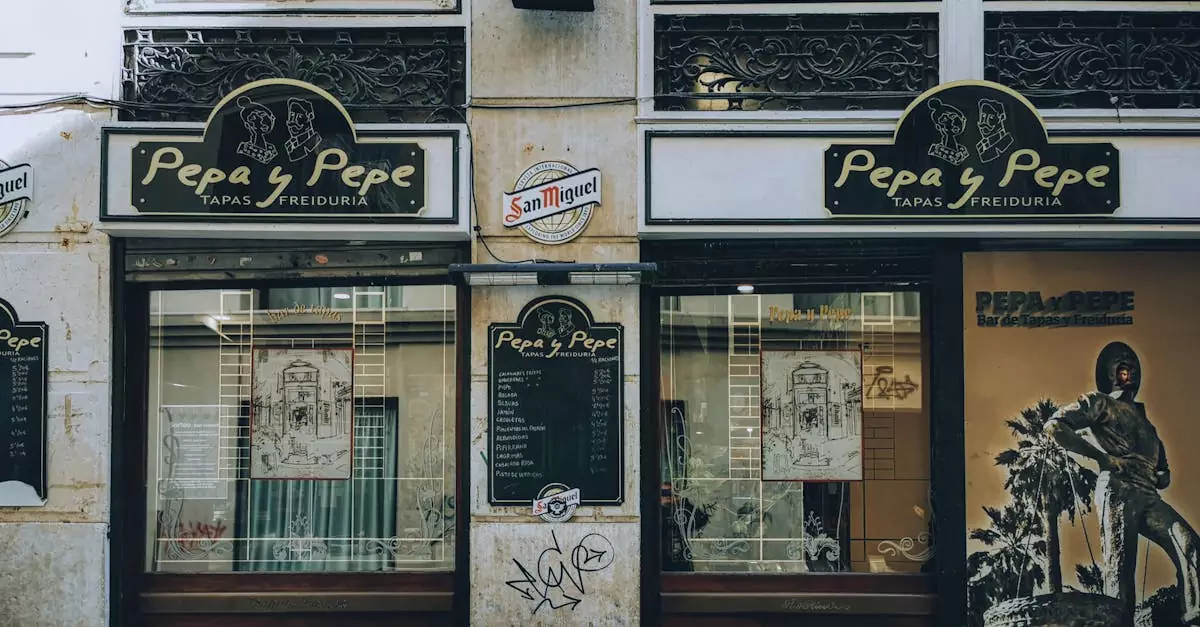
The tapas experience in Seville is a symphony of flavors, and the drinks you choose play a crucial role in enhancing that culinary journey. Beyond the delicious small plates, understanding local beverage traditions can elevate your dining. Whether you’re a wine connoisseur, a craft beer enthusiast, or eager to try traditional Seville drinks, there’s a perfect pairing waiting for you.
Best Local Wines to Accompany Tapas
Andalusia boasts a rich winemaking heritage, and many local wines are tailor-made for tapas. When exploring Seville tapas restaurants, look for wines from the nearby Jerez region, though not exclusively sherry. A crisp, dry white wine, such as a Palomino Fino from the region, offers a refreshing counterpoint to fried or rich dishes like gambas al ajillo (garlic shrimp). For heartier options like carrillada (pork cheek) or rabo de toro (oxtail stew), consider a medium-bodied red. While not strictly Andalusian, Tempranillo or Garnacha from other parts of Spain are widely available and pair beautifully.
A helpful tip for ordering is to ask your server for recommendations. Many bartenders and owners have a deep knowledge of which wines best complement their specific tapas offerings. Don’t hesitate to try a vino de la tierra (wine of the region) if it’s on the menu, as these often represent excellent value and authentic local character.
Discovering Seville’s Craft Beer Scene
While wine and sherry have long been the traditional companions to tapas, Seville’s craft beer scene has blossomed in recent years. You’ll find a growing number of bars and restaurants offering a diverse selection of local and national craft brews. This provides a fantastic alternative for those who prefer beer over wine.
Look for breweries based in Andalusia, such as Cruzcampo (a widely available lager with Sevillian roots) or newer artisanal producers. A lighter lager or pilsner is versatile enough to accompany most tapas, while a pale ale can stand up to spicier dishes. For richer, meat-based tapas, a porter or stout might be surprisingly effective. Many establishments will happily let you sample a small pour before committing to a full glass, which is particularly useful when navigating unfamiliar craft options.
Sherry and Vermouth: Traditional Seville Pairings
No discussion of drinks in Seville tapas restaurants would be complete without mentioning sherry and vermouth. Sherry, or Jerez wine, from the nearby triangle of Jerez de la Frontera, El Puerto de Santa María, and Sanlúcar de Barrameda, is intrinsically linked to Andalusian cuisine. Different styles of sherry pair wonderfully with specific tapas. A dry Fino or Manzanilla is the classic accompaniment to seafood tapas like olives, anchovies, or boquerones en vinagre. A slightly richer Amontillado or Oloroso can complement cured meats and cheese platters.
Vermouth, or vermut, has also experienced a resurgence and is a popular aperitif and tapas companion in Seville. Many bars serve their own house-made vermouth, often infused with local botanicals. Served over ice with an orange slice and a splash of soda, it’s a refreshing and flavorful choice. Ordering a vermut de grifo (vermouth on tap) is a common and excellent way to sample this beloved drink. These traditional pairings offer a genuine taste of Seville’s culinary heritage.
Planning Your Seville Tapas Crawl: A Sample Itinerary
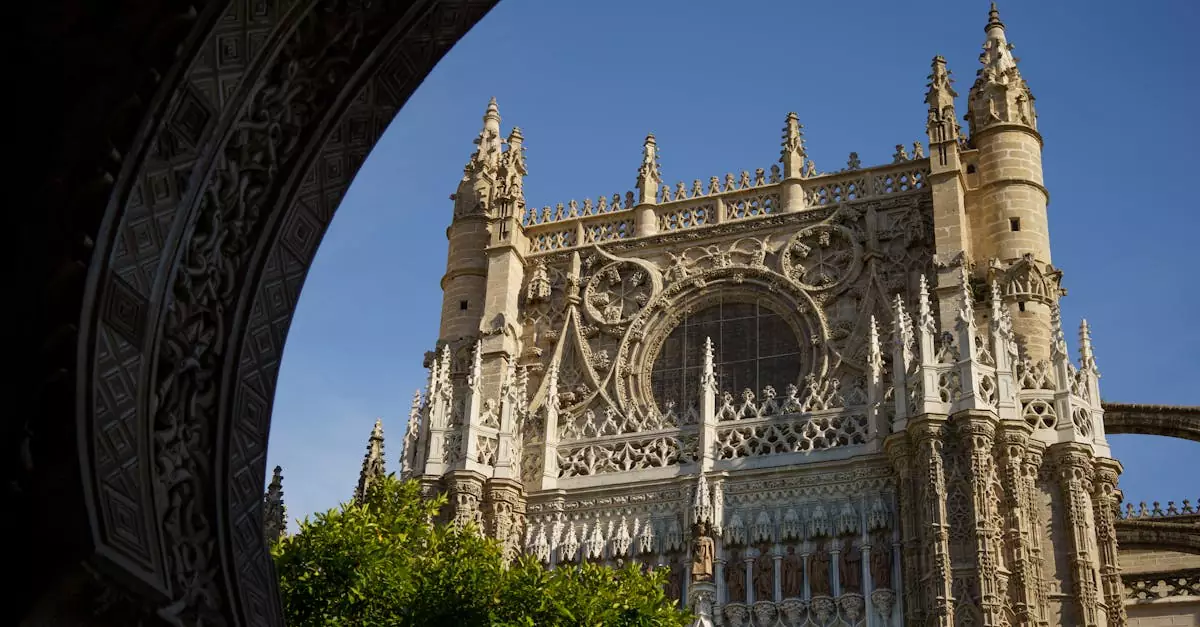
Navigating Seville’s vibrant tapas scene can feel overwhelming, but with a little planning, you can craft an unforgettable culinary journey. This sample itinerary offers a taste of different neighborhoods, focusing on authentic experiences and diverse flavors. Remember, the best tapas crawls are flexible, allowing for spontaneous discoveries.
Evening 1: Santa Cruz’s Historic Tapas Trail
Begin your tapas adventure in the heart of the old Jewish quarter, Barrio Santa Cruz. This labyrinthine neighborhood, with its narrow cobblestone streets and hidden plazas, is brimming with traditional taverns. Start your evening around 7:30 PM, as many establishments open their doors for tapas service then.
Consider beginning near the Cathedral of Seville. A good starting point might be a classic spot known for its espinacas con garbanzos (spinach with chickpeas) or solomillo al whisky (pork tenderloin in whisky sauce). Move on to another establishment a few blocks away, perhaps one specializing in seafood tapas like gambas al ajillo (garlic shrimp). Don’t hesitate to pop into any place that looks lively and smells enticing.
Logistical Tip: Santa Cruz is best explored on foot. Wear comfortable shoes, as the streets can be uneven. While generally safe, be mindful of your belongings in crowded areas.
Evening 2: Triana’s Riverside Culinary Journey
Cross the Guadalquivir River to the Triana neighborhood, historically known for its ceramic workshops and vibrant flamenco culture. Triana offers a more local feel, with tapas bars that often serve as community hubs. Aim to arrive around 8:00 PM to catch the evening buzz.
Begin your exploration along Calle Betis, which offers picturesque views of Seville’s skyline across the river. Here, you’ll find a mix of traditional and modern tapas bars. Look for places serving Triana specialties, such as pescaíto frito (fried fish) or caracoles (snails) when in season. Venture into the side streets to discover smaller, family-run bars where you can try montaditos (small sandwiches) with unique fillings.
Budgeting Note: Triana can offer slightly more affordable tapas than some prime tourist spots in Santa Cruz, though prices are generally comparable across the city for good quality.
Afternoon Delight: Lunchtime Tapas in the City Center
Seville’s tapas culture isn’t limited to evenings; a leisurely lunchtime tapas crawl is a fantastic way to experience the city’s culinary rhythm. Many bars offer a different menu or a more relaxed atmosphere during the day. Head to the area around the Plaza Nueva or Avenida de la Constitución for a central starting point.
Lunchtime tapas often include heartier dishes. Seek out places renowned for their rabo de toro (oxtail stew) or tortilla española (Spanish omelet). This is also a great time to try regional specialties you might have missed. Many bars serve tapas from around 1:00 PM to 4:00 PM before closing for a siesta.
Timing Consideration: Lunchtime tapas are typically less crowded than evening service, making it an excellent option for those who prefer a more relaxed experience or want to sample more dishes without the evening rush.
Here’s a quick overview of what to expect from tapas hopping:
| Aspect | Evening 1: Santa Cruz | Evening 2: Triana | Afternoon: City Center |
|---|---|---|---|
| Atmosphere | Historic, romantic, bustling | Local, lively, riverside views | Relaxed, central, varied |
| Specialties | Traditional Andalusian, classic tapas | Seafood, Triana specialties | Heartier dishes, regional favorites |
| Crowds | High, especially on weekends | Moderate to high | Moderate |
| Best for | First-time visitors, historic charm | Authentic local experience, views | Casual exploration, daytime dining |
| Pace | Can be fast-paced | Moderate | Leisurely |
Frequently Asked Questions About Seville Tapas Restaurants
What are the busiest times for tapas in Seville?
Tapas in Seville are a social affair, and peak times reflect this. Expect crowds and a lively atmosphere from around 8:00 PM to 10:00 PM on weeknights, with weekends being even busier. Lunchtime can also be popular, particularly between 1:30 PM and 3:30 PM, especially in more central areas. For a more relaxed experience and to secure a table, aim for slightly earlier or later than these peak hours.
Are tapas restaurants in Seville expensive?
Tapas culture in Seville is generally very affordable, making it an excellent option for budget-conscious travelers. Individual tapas dishes typically range from €2 to €4. Larger portions, known as raciones, will cost more, usually between €6 and €12, depending on the ingredients. While some high-end establishments might charge a premium, most traditional tapas bars offer generous portions at reasonable prices. You can enjoy a satisfying meal and drinks without breaking the bank.
What’s the difference between tapas and raciones?
The primary difference lies in the portion size. A tapa is a small, appetizer-sized serving, designed to be shared or to accompany a drink. It’s often included free with a drink in some traditional bars, though this practice is less common in tourist hotspots. A ración is a larger, more substantial portion, akin to a main course serving, and is meant to be shared among a group or for a single diner looking for a fuller meal. Many establishments offer both, allowing you to sample a variety of dishes or opt for a heartier meal.
Can I find vegetarian or vegan tapas options?
Yes, you can find vegetarian and vegan tapas options in Seville, though it requires a bit more awareness. Many classic tapas are naturally vegetarian, such as espinacas con garbanzos (spinach with chickpeas), patatas bravas (fried potatoes, check the sauce), and tortilla española (Spanish omelet, often vegetarian but not vegan). For vegan choices, look for dishes featuring vegetables, legumes, and olives. Some modern tapas bars increasingly offer dedicated vegan menus or clearly marked options. Always inform your server of dietary restrictions to ensure the best experience.