For classical music aficionados, Europe offers an unparalleled journey through centuries of musical innovation and performance. This guide explores top European destinations for classical music fans, highlighting cities that resonate with the legacies of legendary composers and continue to host world-class orchestras and intimate recitals. Discover essential venues in cities like Vienna, Salzburg, Prague, and Berlin, and learn where to experience the magic of live classical music. We delve into the historical significance of these locations, provide practical tips for attending performances, and offer insights into the unique cultural atmospheres that make each city a must-visit destination for serious music lovers planning trips for 2026 and beyond. Prepare to immerse yourself in the rich tapestry of European classical music heritage.
Vienna: The Imperial Capital of Classical Music
For anyone seeking the heart of classical music in Europe, Vienna stands as an undisputed epicenter. This Austrian capital has a legacy deeply intertwined with titans of classical composition, from Mozart and Beethoven to Strauss and Mahler. Visiting Vienna offers a unique chance to walk in the footsteps of musical giants and experience world-class performances in historic venues. It’s a destination that caters to discerning classical music fans, providing an immersive journey into a rich cultural heritage. Planning a trip to this magnificent city in 2026 promises an unforgettable experience for music enthusiasts.
Exploring the Vienna State Opera and Musikverein
The Wiener Staatsoper (Vienna State Opera) and the Musikverein are the twin pillars of Vienna’s classical music scene. The State Opera, with its opulent architecture, hosts a staggering number of performances each season, often featuring renowned orchestras and soloists. For a truly special experience, consider attending a performance here; tickets can be purchased in advance, though popular dates sell out quickly. The Musikverein, home to the Golden Hall, is legendary for its acoustics and serves as the annual venue for the Vienna Philharmonic’s New Year’s Concert. Even if you don’t attend a concert, both buildings are worth visiting for their architectural grandeur and historical significance. Guided tours are available and offer fascinating insights into their past.
Must-Visit Homes of Mozart and Beethoven
Delving deeper into Vienna’s musical history involves visiting the residences of its most famous composers. Mozart’s Vienna residence, known as the “Figarohaus,” is where he composed his masterpiece, The Marriage of Figaro. Walking through these rooms provides a glimpse into his life and creative process. Beethoven also spent significant periods in Vienna, and several of his former residences are preserved, including the Pasqualati House and the Beethoven Museum Heiligenstadt. These sites foster a more intimate connection to the composers, showcasing personal artifacts and detailing their struggles and triumphs. Visiting these homes is a pilgrimage for many classical music lovers.
Attending a Viennese Classical Concert in 2026
Experiencing a live classical concert in Vienna is essential for any music aficionado. Beyond the major opera house and concert hall, numerous smaller venues and churches offer exceptional performances. The Vienna Boys’ Choir, for instance, performs regularly in the city’s historic churches, providing a unique and charming musical experience. Many hotels also host classical concerts, often featuring chamber music ensembles performing popular works by Viennese composers.
When planning to attend a concert in 2026, consider booking tickets well in advance, especially for performances at the Staatsoper or by the Vienna Philharmonic. Ticket prices can vary significantly based on the venue, seating, and performer. For budget-conscious travelers, standing room tickets at the State Opera can be an affordable option, though they require arriving early. Many churches also offer free or donation-based concerts, providing accessible opportunities to enjoy live music.
| Venue Type | Typical Price Range (EUR) | Booking Advice |
|---|---|---|
| Vienna State Opera | €30 – €300+ | Book months in advance for popular performances |
| Musikverein | €40 – €250+ | Check schedule and book early for major concerts |
| Church Concerts | €20 – €60 | Often available on the day, but booking is wise |
| Chamber Music Venues | €25 – €80 | Varies; check individual venue websites |
Transportation within Vienna is efficient, with an excellent public transport system comprising trams, buses, and an underground U-Bahn. Most major concert venues and historical sites are easily accessible via public transport. For those interested in a comprehensive immersion into classical music, Vienna offers an unparalleled experience for fans.
Salzburg: Mozart’s Birthplace and Baroque Beauty
Salzburg, Austria, is a monumental destination for classical music enthusiasts, particularly those drawn to the genius of Wolfgang Amadeus Mozart. This picturesque city, set against the backdrop of the Austrian Alps, offers an immersive experience into the life and work of one of history’s most celebrated composers. Beyond its most famous son, Salzburg boasts a rich musical heritage woven into its stunning Baroque architecture and vibrant cultural scene, making it a must-visit for fans of European classical music.
Tracing Mozart’s Footsteps in Salzburg
To connect with Mozart’s legacy, a visit to his birthplace at Getreidegasse 9 is essential. This well-preserved building now houses a museum, offering a glimpse into the composer’s early life, family, and the instruments he played. Walking through the rooms where he spent his formative years provides a tangible link to his prodigious talent. Nearby, his former residence on Makartplatz offers further insight into his later life in Salzburg. Many guided tours focus on these key locations, providing historical context and fascinating anecdotes.
For travelers aiming to experience Salzburg authentically, planning around the annual Salzburg Festival is highly recommended. This world-renowned event, held each summer, transforms the city into a hub for opera, drama, and classical concerts. Securing tickets well in advance is crucial, as performances often sell out months ahead. The festival’s diverse programming ensures that even those new to classical music can find something to captivate them, while seasoned aficionados will discover performances of the highest caliber.
Discovering Salzburg’s Festival Scene
The Salzburg Festival is not just about attending performances; it’s about immersing oneself in a city alive with music. Concerts are held in various historic venues, including the Great Festival Hall and the Marble Hall of the Mirabell Palace. Even attending a free outdoor concert or strolling through the Old Town during festival season offers a palpable sense of the city’s dedication to the arts. The atmosphere is electric, drawing musicians and audiences from across the globe.
Beyond the summer festival, Salzburg offers a year-round calendar of musical events. The Salzburg Marionette Theatre presents charming performances of operas like “The Magic Flute,” often featuring Mozart’s music. Smaller concert halls and churches throughout the city regularly host recitals and chamber music performances. These intimate settings provide a personal and often more affordable way to enjoy classical music in Salzburg.
Beyond Mozart: Exploring Salzburg’s Other Musical Venues
While Mozart is Salzburg’s most famous musical son, the city’s musical landscape extends far beyond his compositions. The Salzburg State Theatre (Salzburger Landestheater) hosts a variety of opera, operetta, and musical performances throughout the year. For those interested in contemporary classical music, various ensembles and organizations regularly present new works and innovative programming.
The city’s stunning architecture also enhances its musical appeal. The Salzburg Cathedral, a magnificent Baroque masterpiece, serves as a venue for sacred music and organ concerts. The acoustics within these historic spaces enrich the listening experience, adding another layer to the appreciation of classical music. When planning your visit, consider booking accommodations in or near the Old Town for easy access to most venues and attractions. The city is highly walkable, but a good public transport system also connects different districts.
Prague: A Bohemian Symphony of Culture and Music
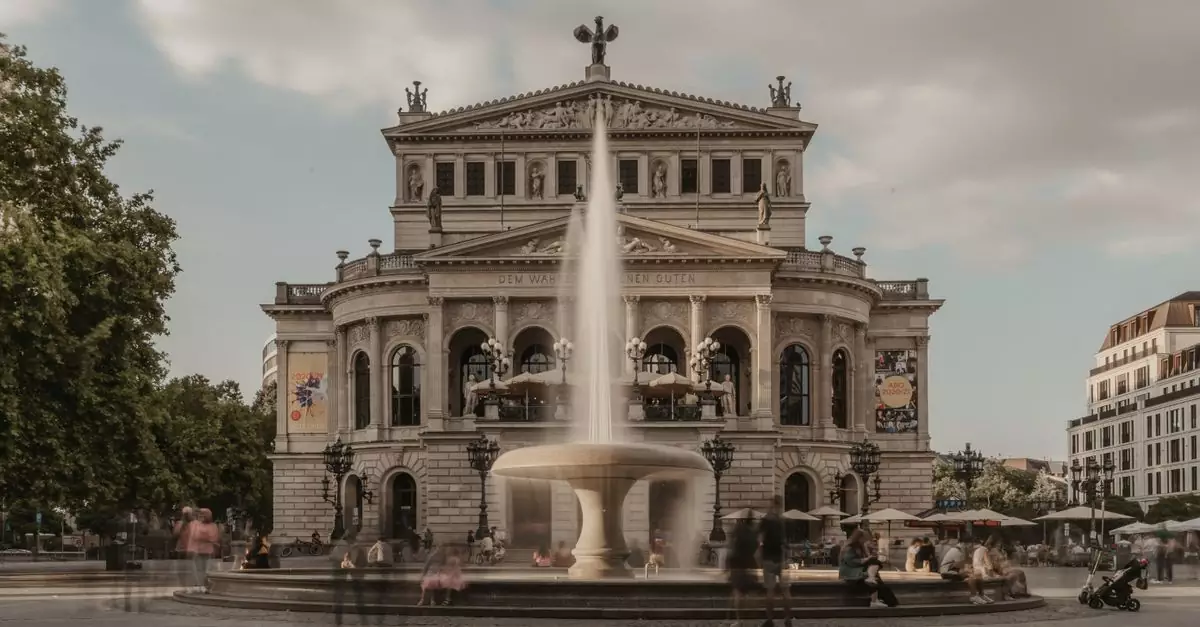
Prague, the “City of a Hundred Spires,” offers a deeply resonant experience for classical music enthusiasts. Its rich history intertwines with a vibrant musical heritage, making it a prime destination for those seeking European classical music. The city’s architectural grandeur provides a stunning backdrop for numerous concert halls and churches, many of which host regular performances. Visitors will find a palpable connection to centuries of musical tradition, from Baroque composers to contemporary Czech artists.
The Prague Symphony Orchestra and Rudolfinum
The Czech Philharmonic Orchestra, based at the magnificent Rudolfinum concert hall, is a cornerstone of Prague’s classical music scene. Renowned worldwide for its rich sound and interpretive depth, the orchestra performs a diverse repertoire throughout the year. Attending a concert here is an essential experience for any music lover visiting the city. The Rudolfinum itself, an architectural gem on the Vltava River, offers exceptional acoustics and a visually impressive setting.
Beyond the Czech Philharmonic, Prague is home to several other accomplished ensembles, including the Prague Symphony Orchestra (Symfonický orchestr města Prahy FOK). They perform at the Municipal House, another stunning Art Nouveau landmark. Many smaller chamber orchestras and ensembles also provide intimate performances in various venues across the city. Purchasing tickets in advance is highly recommended, especially for popular performances or during peak tourist seasons.
Experiencing Classical Music in Historic Churches
Prague’s numerous churches are more than just architectural marvels; they are active venues for classical music. Many offer organ recitals and chamber music concerts, often featuring works by Bach, Mozart, and Vivaldi. These performances provide a unique atmosphere, allowing you to experience music within the hallowed walls where it was intended to be heard centuries ago.
Consider attending a concert at St. Nicholas Church in Old Town Square or St. Vitus Cathedral within Prague Castle. These venues often host performances that highlight the building’s acoustics and historical significance. While these concerts are typically more accessible in price than those at major concert halls, they still offer a high-quality musical experience. Checking local listings upon arrival or in advance online is the best way to find specific performance schedules.
Day Trips for Music Aficionados from Prague
While Prague itself offers an abundance of musical riches, venturing beyond the city limits can uncover further historical and cultural connections to classical music. A popular excursion is to Kutná Hora, a UNESCO World Heritage site known for its unique ossuary and impressive Gothic architecture. While not directly a music destination, its historical context and serene atmosphere can inspire appreciation for the arts.
Another potential day trip involves exploring towns with composers’ birthplaces or significant historical musical ties. For instance, a longer journey could take you to Eisenstadt in Austria, the home of Joseph Haydn, though this is a more substantial undertaking. Closer to Prague, smaller towns may host local festivals or have churches with notable musical histories worth investigating for those with a dedicated interest in the broader European musical landscape. Planning transportation for these day trips can be done via train or bus services departing from Prague’s main stations.
Berlin: Where Classical Traditions Meet Modern Innovation
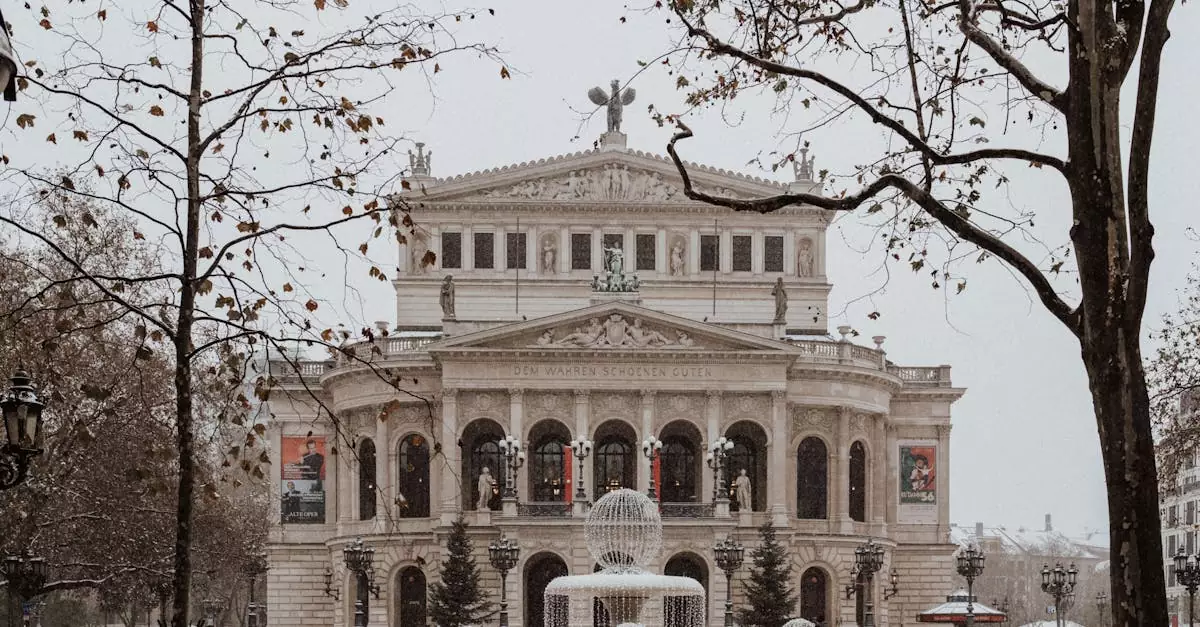
Berlin offers a compelling blend of established classical excellence and a vibrant, forward-thinking music scene, making it a must-visit for any classical music enthusiast. The city’s rich history is deeply intertwined with its musical heritage, from its famed orchestras to its intimate chamber music halls. For travelers seeking a comprehensive classical music experience in Europe, Berlin presents a dynamic and accessible destination.
The Berlin Philharmonic: A World-Renowned Orchestra
The Berliner Philharmoniker stands as a titan of the orchestral world, consistently ranked among the top ensembles globally. Led for many years by Sir Simon Rattle and now by Kirill Petrenko, the orchestra is celebrated for its technical brilliance, interpretive depth, and innovative programming. Attending a concert at the Philharmonie, designed by Hans Scharoun with its distinctive vineyard-style seating, is an immersive experience.
Tickets can be competitive, especially for popular programs. It’s advisable to book well in advance through the official Berlin Philharmonic website or reputable ticketing agents. For those unable to secure concert tickets, the Philharmonie often offers guided tours that provide insight into its remarkable architecture and history. Consider visiting during the summer months when the orchestra sometimes hosts open-air concerts in the Waldbühne, a large amphitheater offering a more relaxed yet high-quality musical setting.
Discovering Opera and Chamber Music Venues
Beyond the Philharmonic, Berlin boasts a rich tapestry of opera houses and smaller venues catering to diverse classical tastes. The Staatsoper Unter den Linden and the Deutsche Oper Berlin are the city’s major opera houses, presenting a full season of classic and contemporary productions. These institutions offer grand performances in historic settings, providing a traditional operatic experience.
For a more intimate setting, seek out chamber music performances. Venues like the Konzerthaus Berlin on Gendarmenmarkt, renowned for its stunning architecture, regularly host chamber ensembles and solo recitals. Smaller clubs and churches throughout the city also provide opportunities to hear emerging artists and specialized classical programs. Exploring the listings for these venues often reveals hidden gems and unique musical encounters, appealing to those who appreciate the nuances of smaller ensembles.
Berlin’s Avant-Garde Musical Landscape
While deeply rooted in tradition, Berlin’s classical music scene is also a hotbed of innovation. Many contemporary composers and performers are drawn to the city’s creative energy, leading to a proliferation of experimental concerts and new music festivals. Composers and ensembles are pushing boundaries, incorporating electronics, interdisciplinary art, and unconventional performance spaces into their work.
This avant-garde spirit is evident in festivals dedicated to new music, such as MaerzMusik, and in the programming of smaller, independent venues. For the adventurous listener, Berlin offers a chance to engage with the future of classical music. This willingness to embrace the new alongside the old makes Berlin a uniquely stimulating destination for music lovers, offering a comprehensive overview of classical music’s past, present, and future.
What Are the Best Times to Visit These European Classical Music Hubs?
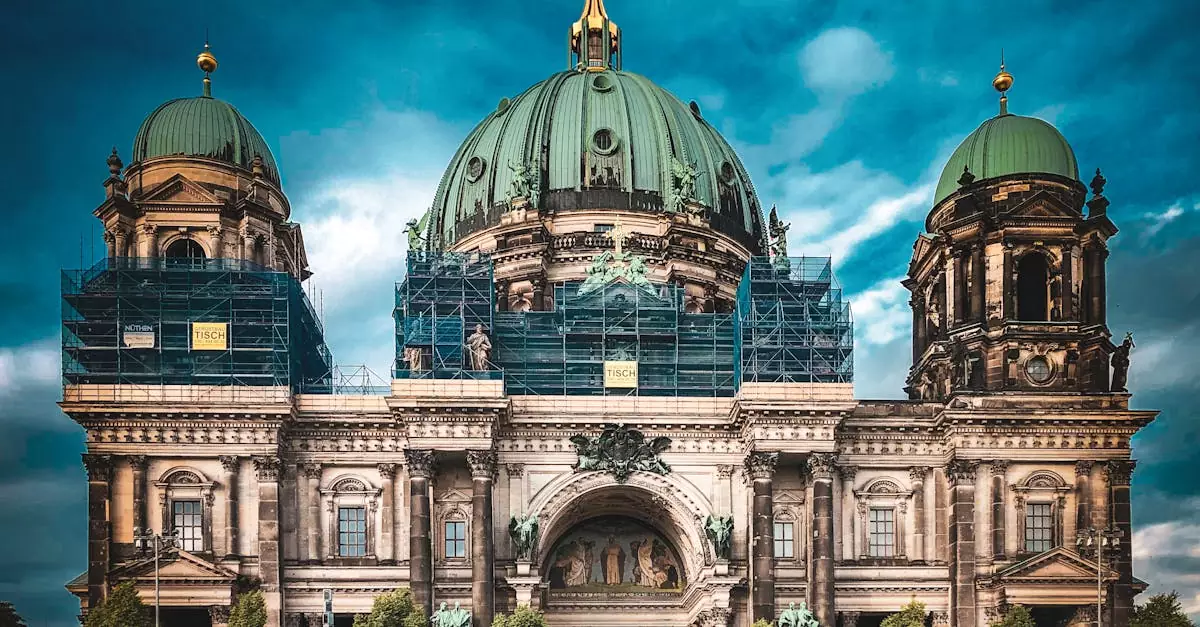
Choosing the right time to visit can significantly enhance your experience as a classical music enthusiast. While many of these vibrant cities offer exceptional performances year-round, certain seasons stand out for their concentrated musical offerings and appealing travel conditions. Understanding the nuances of each season will help you tailor your trip to the specific sounds and atmosphere you seek.
Spring and Autumn Concert Seasons
The shoulder seasons of spring (April-May) and autumn (September-October) are often considered prime time for visiting European cities renowned for classical music. During these months, major concert halls typically resume their regular programming after the summer break, offering a full roster of orchestral concerts, chamber music, and opera. The weather is generally pleasant, with milder temperatures ideal for both attending indoor performances and enjoying daytime city exploration.
This period also avoids the peak summer tourist crowds, leading to potentially more affordable accommodation and easier access to tickets for popular events. Many festivals also take place during the autumn, providing an excellent opportunity to experience a concentrated burst of musical activity. For instance, Vienna’s Musikverein and Staatsoper, along with Berlin’s Philharmonie, are in full swing, presenting a diverse array of classical repertoire. Planning your visit to coincide with these months ensures access to a rich musical calendar without the intense heat or crowds of summer.
Summer Festivals: A Feast for the Ears
Summer (June-August) transforms many European locales into vibrant open-air concert venues and hosts world-class music festivals. While major opera houses may have shorter seasons or focus on specific productions, the festival circuit offers a unique and often spectacular experience. Cities like Salzburg, renowned for its Mozart Festival, or Lucerne, with its prestigious International Music Festival, become meccas for classical music lovers.
These festivals often feature renowned orchestras, conductors, and soloists performing in historically significant or breathtakingly beautiful settings. Beyond the major cities, smaller towns and regions also host charming festivals, providing a more intimate musical encounter. The longer daylight hours in summer allow for extended sightseeing and enjoyment of European cities. However, it’s essential to book accommodations and festival tickets well in advance, as summer is a peak travel period. The warmer weather is a significant draw, but be prepared for larger crowds and potentially higher prices.
Winter Concerts and Holiday Music
The winter months (November-March) in Europe offer a distinctly different, yet equally enchanting, classical music experience. As the weather turns colder, the focus shifts indoors to cozy concert halls, where the warmth of the music provides a welcome contrast to the outside chill. Many orchestras and opera houses continue their regular season, presenting a full program of symphonic works, ballets, and operatic productions.
The holiday season, particularly December, brings a special charm with numerous Christmas concerts and New Year’s Eve performances. Cities like Prague and Budapest are particularly magical during this time, with festive markets complementing the rich musical offerings. While winter can be cold, it’s often a less crowded and more budget-friendly time to travel, especially outside of the immediate holiday weeks. The intimate atmosphere of winter concerts, combined with the festive spirit, makes this a compelling season for classical music aficionados.
Frequently Asked Questions for Classical Music Travelers in Europe
How to Book Tickets for Popular European Concerts?
Securing tickets for sought-after performances in European venues often requires advance planning. Many major orchestras and opera houses, like the Vienna State Opera or the Berlin Philharmonic, release their schedules and open ticket sales months in advance. The venues’ official websites are the most reliable source. For popular events, tickets can sell out rapidly, so checking official sites frequently is advised.
Consider using reputable secondary ticketing platforms if official channels are sold out, but be aware of potential price markups. For some festivals or smaller chamber music events, tickets might be available closer to the date, but booking early is generally the safest strategy for major European classical music destinations.
What are the Best Neighborhoods for Music Lovers to Stay In?
When choosing accommodations, proximity to concert halls and opera houses can enhance your experience. In Vienna, staying near the Innere Stadt (First District) places you within walking distance of many historic music venues. Berlin’s Mitte district offers a central location with good access to its philharmonic and opera houses.
For a more bohemian vibe with smaller, intimate music clubs, consider areas like Montmartre in Paris or Trastevere in Rome, though these might require more travel time to major classical venues. Researching the specific locations of your must-see performances and then finding accommodation nearby is a practical approach for any music enthusiast planning a trip across Europe.
Navigating Public Transport to Concert Venues Across Europe
Most major European cities boast excellent public transportation systems, making it easy to reach concert halls. Cities like London, Paris, and Berlin have extensive underground (U-Bahn, S-Bahn, Metro) and bus networks that connect most neighborhoods to performance venues. Purchasing a day pass or a multi-day travel card can be cost-effective if you plan on using public transport frequently.
Always check the operating hours of public transport, especially for late-night performances, as services may be reduced or cease entirely after midnight in some cities. Taxis and ride-sharing services are readily available as alternatives, though they will be more expensive. Familiarizing yourself with a city’s transport map or using a navigation app before your trip will significantly ease your journey to enjoy classical music performances.